标签: Trinidad and Tobago

特立尼达和多巴哥

  • Welcome to 2026 – for better and for worse

    Welcome to 2026 – for better and for worse

    As Trinidad and Tobago enters 2026, the nation stands at a remarkable crossroads of global achievement and domestic challenges when measured by per capita metrics. With approximately 1.4 million citizens, this dual-island nation has demonstrated extraordinary impact across multiple domains, from Olympic gold medals and World Cup qualifications to cultural innovations that have reshaped global music through the invention of the steelpan—the only acoustic instrument created in the 20th century.

    The nation’s economic performance has similarly exceeded expectations for its size, consistently ranking among the Caribbean’s highest GDP-per-capita countries driven by energy resources including oil, natural gas, and the world’s largest natural asphalt deposit at Pitch Lake. This economic strength, combined with cultural influence in beauty pageants, Carnival arts, and diaspora impact, presents a picture of a nation punching far above its weight class.

    However, the same per capita measurements reveal troubling contradictions. Trinidad and Tobago now ranks among the region’s most dangerous nations for violent crime, with homicide rates reaching alarming levels that disproportionately affect small communities. The country also scores poorly on global corruption indices, where governance and accountability challenges create particularly damaging consequences in a small society with limited capacity to absorb institutional failures.

    Additional indicators reveal deeper societal patterns: excessive vehicle ownership per person overwhelming infrastructure, and concerning digital behavior patterns including high rates of online pornography consumption that signal gaps in education and privacy awareness.

    Amid these challenges, artificial intelligence represents the defining test of this era. While the nation has historically adapted well to technological changes, its education system remains anchored in rote learning methodologies ill-suited for the AI revolution. As routine jobs face automation threats, the imperative grows for educational reform that emphasizes critical thinking, innovation, and problem-solving skills.

    Geopolitical tensions between the United States and Venezuela add another layer of complexity, with potential implications for Trinidad and Tobago’s energy markets, migration patterns, and regional security. The current US military posture in the region appears focused on containment strategy rather than direct confrontation—a approach familiar to Trinidadians who understand the strategic game of draughts.

    For a small nation, these challenges require particularly careful navigation, where every policy decision carries magnified consequences and there is little margin for error in balancing global opportunities with domestic realities.
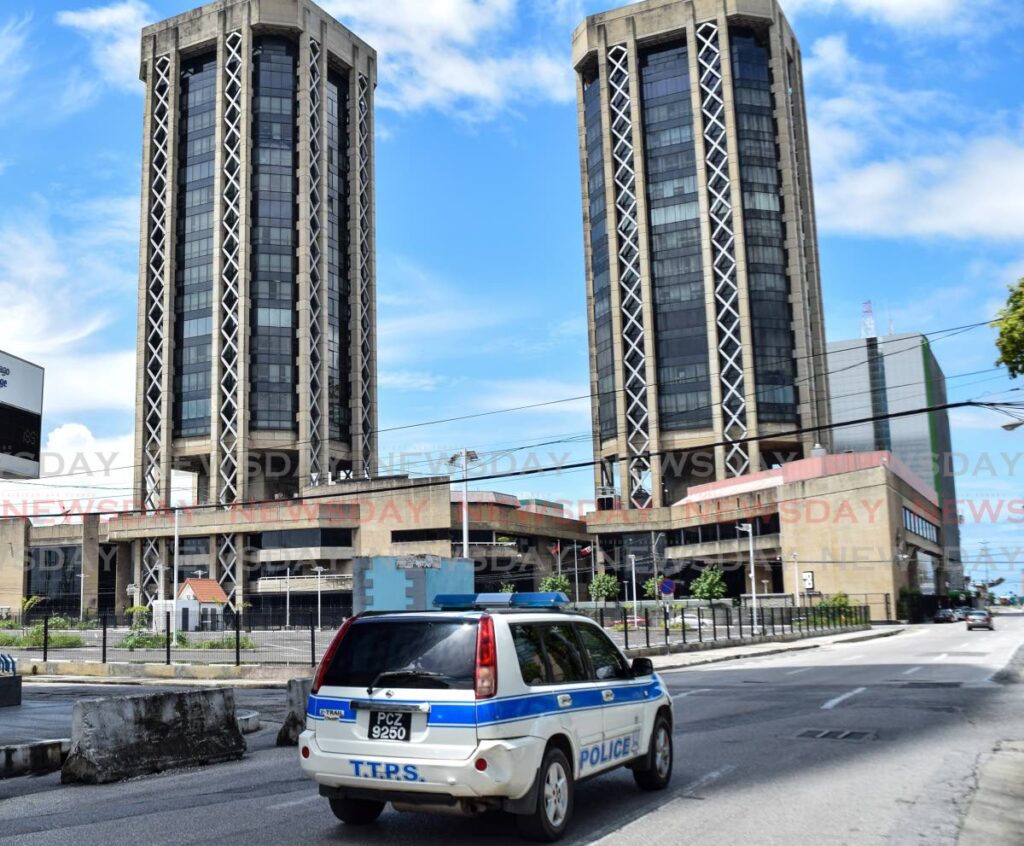
  • Saddam: Increased birth/death certificate fee necessary

    Saddam: Increased birth/death certificate fee necessary

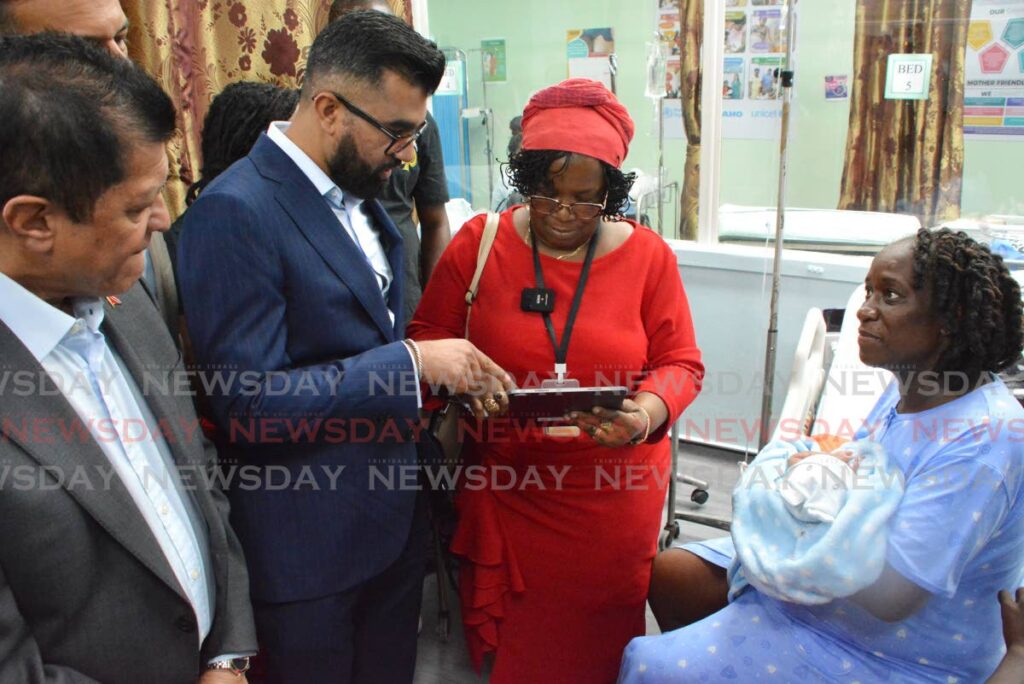
    In a significant modernization of civil registration services, Trinidad and Tobago has initiated a groundbreaking bedside birth registration program at San Fernando Teaching Hospital. The pilot launch coincided with new fee structures for birth and death certificates that took effect on January 1, 2026.

    Land and Legal Affairs Minister Saddam Hosein defended the price adjustments, explaining that the enhanced security features of official certificates necessitate higher production costs. “When you examine the expense involved in preparing one birth certificate—incorporating specialized security elements, international printing requirements, and staff verification processes—the state has been subsidizing these documents substantially,” Hosein stated during the program’s inauguration.

    Despite the increases, Minister Hosein emphasized that certificates remain partially subsidized. The government faces the challenge of balancing available resources while reducing the population’s financial burden, requiring what he described as “a very delicate balancing exercise.”

    The new fee schedule, established through Legal Notice No. 480 of 2025 published on Christmas Day, modifies the Births and Deaths Registration Act. Key changes include: $40 for late registration (3-12 months after birth), $100 for registrations after one year (requiring registrar general authorization), $20 for district transfers, and $30 for correcting registry errors.

    The digital registration system demonstrated its efficiency with the nation’s first New Year’s Day baby, Brandon Ace Hezekiah Peters. Registrar officials used smart tablets to input information directly at the mother’s bedside, producing a signed birth certificate within approximately thirty minutes—a process that previously required multiple steps and potential full-day commitments.

    Health Minister Dr. Lackram Bodoe indicated that the South West Regional Health Authority’s technological infrastructure made San Fernando General Hospital the ideal testing ground. Following successful implementation, the program will expand to all regional health authorities.

    New parents expressed overwhelming approval for the streamlined process. Carla Blackman, mother of the first registered infant, noted the dramatic improvement from previous experiences where “both parents might need to take a full day off work.” First-time father Ryan Ramcharran, whose wife delivered twins, praised the system as a “first-world experience” that eliminates lengthy queues and waiting periods.

  • From transition to delivery in 2026

    From transition to delivery in 2026

    The year 2025 marked a period of significant economic transition, setting the stage for 2026 to become a decisive year for policy implementation and fiscal management. With a new administration taking office, the country witnessed comprehensive changes across its financial institutions, including the appointment of a new Central Bank governor and restructuring of banking boards amid persistent state ownership.

    Economic indicators throughout 2025 revealed concerning trends. Central Bank Governor Larry Howai reported in September that the economy showed signs of softening, evidenced by declining retail sales, reduced cement sales, and dropping LPG production. These challenges emerged within a context of constrained fiscal space and diminished external buffers.

    The first quarter recorded a 2.1% GDP contraction, while market liquidity constraints continued to hamper credit expansion. Particularly affected were automotive loans and bridging finance, with non-energy sector performance remaining consistently lackluster.

    By November, the Central Bank’s monetary policy report projected a deteriorating outlook. Inflation, previously contained, was expected to rise due to disruptive US tariff policies and adverse weather conditions. The closure of state employment programs like Cepep further threatened to exacerbate labor market pressures.

    While energy sector stabilization appeared promising through new gas field developments and agreements, setbacks such as the controlled shutdown of the Nutrien facility posed additional challenges. The bank characterized the overall economic situation as ‘delicate.’

    The situation intensified when Moody’s Ratings revised the country’s outlook from stable to negative, citing a substantial 24% decline in liquid foreign exchange reserves (excluding gold, drawing rights, and sovereign funds including the HSF).

    In response, the new UNC government presented a $59.2 billion budget strategy centered on growth through sustained public spending—including public sector compensation—and institutional strengthening, while implementing various duty increases to supplement revenues.

    Finance Minister Davendranath Tancoo defended the government’s approach following Moody’s assessment, arguing the ratings agency acted prematurely and employed an overly narrow definition of foreign reserves. However, Moody’s had cited similar concerns about liquid foreign exchange reserve drawdowns in its previous downgrade under the PNM administration in June 2024.

    As the government approaches its mid-year review in early 2026, the administration’s honeymoon period will conclude, mounting pressure for more assertive economic interventions and tangible results.

  • PM acting decisively to save lives

    PM acting decisively to save lives

    Prime Minister Kamla Persad-Bissessar’s administration is facing scrutiny over its reversal on traffic penalty policies, with government supporters mounting a vigorous defense of the controversial measures. The policy shift, which saw certain traffic fines increased by December 2025, represents a significant departure from campaign promises made in April 2024 when the opposition leader pledged reductions.

    The justification for this policy reversal centers on deteriorating road safety conditions throughout Trinidad and Tobago. Official reports indicate a troubling escalation in reckless driving behavior and persistently high traffic fatalities, with 109 road deaths recorded within the year preceding the policy change. This alarming statistic prompted what government advocates characterize as necessary and decisive intervention.

    In an editorial communication, Leisha S Dhoray argues that true leadership necessitates adaptability when confronting emerging public safety crises. The correspondence emphasizes that the Prime Minister’s response demonstrates courageous governance rather than political inconsistency, noting that circumstances had fundamentally changed since the original campaign commitment.

    The defense further contends that substantial penalties serve as essential deterrents in jurisdictions worldwide that prioritize road safety. The administration maintains that the primary objective remains saving lives rather than political point-scoring, with the measures representing a proportionate response to what officials have classified as a national safety emergency.

    Regarding criticisms about fine magnitudes, the position asserts that meaningful deterrence requires financially significant penalties. The communication concludes that responsible driving eliminates any burden of increased fines, positioning the policy as ultimately placing public welfare above political convenience.

  • Saddam: Ministry ready to assist with Piparo relocation

    Saddam: Ministry ready to assist with Piparo relocation

    The Trinidadian government has initiated contingency plans for potential resident relocations following alarming scientific assessments of the Piparo mud volcano. Minister of Land and Legal Affairs Saddam Hosein has publicly committed departmental resources to assist the threatened community, where recent volcanic activity has caused significant infrastructure damage and displacement.

    Scientific analysis conducted by a University of the West Indies research team reveals concerning developments. Led by Professor Oshaine Blake and PhD candidate Kerneese Ramjarrie, the investigation confirms unprecedented volcanic activity with mounting pressure and northwestward mud flow from the main vent. The Christmas Eve eruption event resulted in roadway collapses, utility disruptions, and partial destruction of multiple residences.

    Minister Hosein, speaking during the bedside birth registration program launch at San Fernando General Hospital, acknowledged the troubling timing of the disaster during holiday celebrations. While formal relocation discussions remain preliminary, the minister guaranteed coordinated action through the Land Settlement Agency and Housing Ministry should evacuation become necessary. “I am giving the undertaking that we will mobilize resources,” Hosein assured residents, emphasizing available land resources for rebuilding despite non-immediate solutions.

    Local responses reflect divided perspectives. Sixty-five-year-old Kim Seeberan has arranged alternative accommodation in Chaguanas, while Fedell Solomon has relocated his three young daughters after his laundry facility suffered partial destruction. Sybil Badall and her family express willingness to evacuate if conditions deteriorate further.

    Works and Infrastructure Minister Jearlean John, after December 31 site evaluation, noted most residents prefer remaining despite risks. The government maintains continuous coordination between ministerial departments and Princes Town MP Dr. Aiyna Ali while monitoring the evolving geological threat.

  • New political geography

    New political geography

    The upcoming Tobago House of Assembly (THA) election on January 12, 2026, is poised to serve as a crucial political barometer for Trinidad and Tobago’s transformed political environment. This electoral contest will not only gauge support for Farley Augustine’s emerging Tobago People’s Party (TPP) but also indirectly reflect on Kamla Persad-Bissessar’s United National Congress (UNC) and Penny Beckles’ People’s National Movement (PNM).

    Watson Duke’s December 8 endorsement of the TPP, while politically predictable, raises questions about his current influence. His advocacy for tactical voting to eliminate PNM from Tobago governance echoes broader political strategies gaining traction. Duke asserts that consecutive defeats of PNM—first by the PDP in December 2021 and potentially by the TPP in the upcoming election—would confirm the party’s diminished prospects in Tobago.

    The political rhetoric surrounding ‘Tobago’s interests first’ mirrors the UNC’s ‘Trinidad first’ positioning, which itself reflects the populist nationalism reminiscent of Donald Trump’s ‘America first’ approach. This occurs amid Trinidad and Tobago’s shifting international alignments toward Trump-leaning Latin American nations rather than traditional Caricom partnerships.

    Major political parties demonstrate concerning positions regarding international affairs. The UNC maintains silence on Trump-related matters, the TPP claims ignorance of US political developments, and the PNM operates as if the public has forgotten their decade-long governance.

    The evolving political landscape will face multiple tests throughout 2026. Crime prevention strategies will undergo scrutiny as emergency measures expire and new legislation takes effect. The UNC’s management of Carnival events will reveal administrative capabilities, while mid-year fiscal reviews will test economic management against a five-year development plan potentially influenced by foreign policy decisions.

    Foreign policy orientations and climate crisis responses will increasingly define the nation’s trajectory. While 2025 represented a historic political shift, 2026 may prove even more consequential in determining Trinidad and Tobago’s future direction within this reconfigured political order.

  • Two injured in Grande accident

    Two injured in Grande accident

    A violent morning collision disrupted the post-celebration calm in Sangre Grande on January 1st, resulting in significant injuries for two individuals. The incident occurred at approximately 9:05 AM when a white sedan traveling southbound on Picton Road veered out of control and collided with a concrete culvert.

    The tremendous impact of metal striking concrete reverberated through the residential neighborhood, startling residents still recuperating from New Year’s Eve festivities. While the front-seat passenger managed to extricate himself from the wreckage despite sustaining a dislocated arm, the driver presented a more grave condition—unresponsive and bleeding heavily from a head wound.

    Fire and emergency personnel were first on the scene, undertaking the delicate operation of extracting the trapped driver. The injured man, showing signs of disorientation, groaned in apparent agony as rescuers worked to free him. With ambulance services reportedly distant and responding from St. Augustine, first responders made the critical decision to transport the driver to Sangre Grande Hospital utilizing the tray of a pickup truck.

    An ambulance ultimately reached the location nearly an hour after the initial crash, by which time both casualties had already been transported to medical facilities via alternative means. Local law enforcement has launched a formal investigation into the circumstances surrounding the accident.

  • La Casita welcomes migrant registration

    La Casita welcomes migrant registration

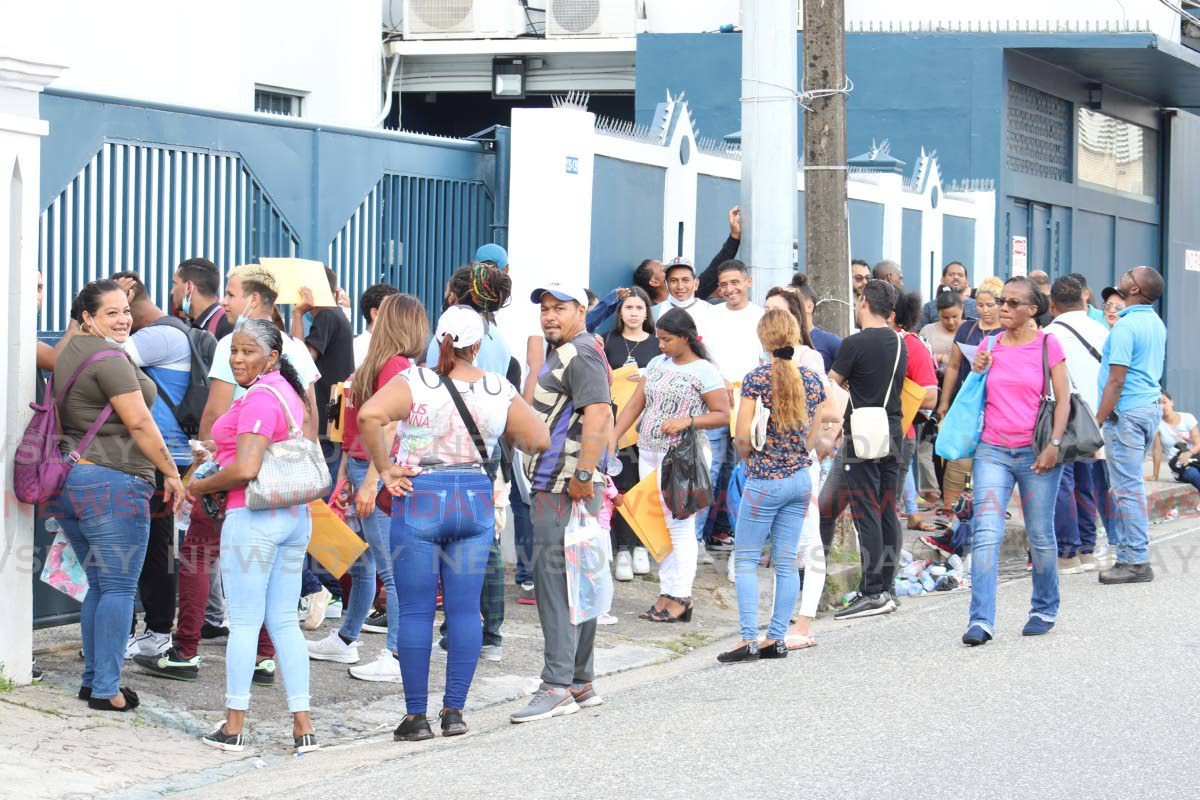
    In a significant humanitarian development, Trinidad and Tobago’s Ministry of Homeland Security has announced a comprehensive migrant regularization initiative that has been enthusiastically received by advocacy organizations working with immigrant communities. The program, established under the Immigration (Exemption from Work Permit) (Immigrants) Order 2025, will provide registrant cards valid from January 1 through September 30, 2026.

    Andreina Briceño Ventura-Brown, director of the La Casita Hispanic Cultural Centre, characterized the announcement as a transformative opportunity for thousands of migrants residing in Trinidad and Tobago. “We are genuinely heartened to learn that the migration registration program will recommence,” Ventura-Brown stated in her December 30 interview with Newsday. “This initiative extends beyond previously regularized individuals to encompass all migrants, granting them legal authorization to reside and seek employment within the country.”

    The policy shift addresses longstanding uncertainties within migrant communities, particularly Venezuelans who constitute a substantial portion of Trinidad and Tobago’s immigrant population. Ventura-Brown emphasized that the regularization provides crucial clarity and stability for families, noting that children will now receive formal recognition and educational access previously constrained by irregular status.

    Remarkably, the program demonstrates inclusive regional consideration, extending protections to citizens from fourteen different nationalities including Cubans, Dominicans, and Jamaicans. This comprehensive approach reflects strategic governance thinking that reimagines immigration as an economic opportunity rather than solely a security concern.

    Government documentation indicates the registration process will enhance data collection mechanisms and migrant population management while maintaining provisions for deporting individuals identified as security risks or law violators. Ventura-Brown praised these balanced measures, noting they enable migrants to “live with dignity rather than perpetual survival mode.”

    The digital-first announcement methodology—published exclusively through official ministry channels without ministerial press conference—initially raised questions about ceremonial gravitas but ultimately proved effective given migrant communities’ established practice of monitoring government social media platforms. “For the community,” Ventura-Brown observed, “official digital publication itself represents meaningful institutional change.”

    While acknowledging residual policy uncertainties within immigrant circles, the cultural center director expressed confidence in the government’s evolving approach. She suggested the regularization recognizes migrants’ economic contributions to Trinidad and Tobago, transforming them from perceived resource burdens into documented workforce participants whose productivity already benefits numerous local enterprises.

    The initiative emerges as a pragmatic response to demographic realities, with Ventura-Brown characterizing it as “a very wonderful way to try to get an order to work” that benefits both national security interests and humanitarian considerations.

  • The history of LIAT

    The history of LIAT

    The story of Caribbean aviation connectivity began in 1956 when entrepreneurs L.W. Magruder and Frank Delisle established Leeward Islands Air Transport Services (LIAT) with a temporary permit from the Colonial government. What started as a single-engine aircraft operating from Delisle’s backyard airstrip in Montserrat would evolve into a vital regional carrier serving numerous Eastern Caribbean islands.

    During its formative years, LIAT operated under the stewardship of British West Indian Airways (BWIA), which provided substantial financial and operational support. Between 1962 and 1970, BWIA absorbed management costs and guaranteed loans while LIAT accumulated debts exceeding $5.6 million. Despite this support, BWIA recognized by 1971 that LIAT’s expansion requirements exceeded its financial capabilities.

    This realization prompted BWIA to sell its 75% stake to British company Court Line Limited, marking a significant departure from its policy of maintaining West Indian ownership. The transition included safeguards allowing Caribbean governments future participation. However, Court Line’s bankruptcy in 1974 forced eleven Caribbean nations to intervene, forming LIAT (1974) Ltd with regional government ownership.

    The airline persisted for decades with various aircraft configurations until the COVID-19 pandemic precipitated its collapse. Following months of operational struggles and unsuccessful bailout negotiations, LIAT (1974) Ltd ceased operations in January 2024 and entered liquidation.

    In a remarkable revival effort, Antigua and Barbuda partnered with Nigerian carrier Air Peace to establish LIAT 2020 in July 2020. The new entity features a 70-30 ownership structure, with Air Peace securing citizenship through Antigua’s Investment Programme to satisfy CARICOM ownership requirements. The partnership involved $85 million in combined investments and leased E145 aircraft from Air Peace.

    Despite this rebirth, significant challenges persist. The FAA’s Category II rating for the Organization of Eastern Caribbean States prevents LIAT 2020 from operating routes to US territories. Additionally, high airport charges and taxes continue to hamper regional air connectivity, presenting ongoing obstacles for the revitalized carrier’s sustainable operation.

  • Claxton Bay takes $6.4m Lotto jackpot

    Claxton Bay takes $6.4m Lotto jackpot

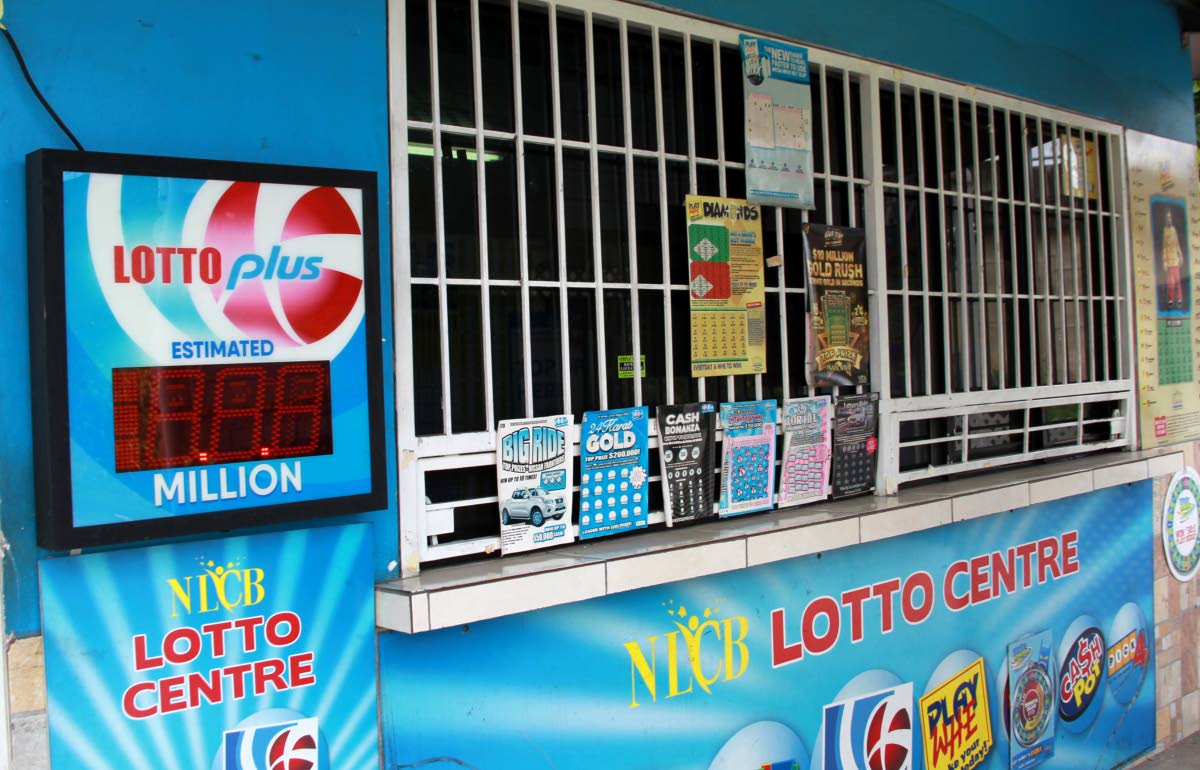
    A transformative fortune has descended upon a fortunate Trinidadian citizen who secured the multimillion-dollar LottoPlus jackpot on New Year’s Eve. The life-changing winning ticket was procured from the National Lotteries Control Board (NLCB) outlet situated at St Margaret’s Junction in Claxton Bay on December 31st.

    The National Lotteries Control Board officially confirmed the monumental win through a press communication issued on January 1st, 2026. The announcement revealed that the staggering prize amount totaled $6,444,024.06, instantly catapulting the anonymous winner into millionaire status at the dawn of the new year.

    The combination that unlocked this substantial fortune consisted of the primary numbers 16, 20, 29, 31, and 34, complemented by the crucial Powerball number 7. This numerical sequence proved to be the key to financial transformation for the lucky ticket holder.

    Meanwhile, the NLCB has announced the continuation of its lucrative Lotto Plus offerings with a guaranteed $2 million jackpot scheduled for drawing on December 3rd at 8:30 PM. This ongoing opportunity ensures that the prospect of instant wealth remains accessible to lottery participants across Trinidad and Tobago.

    The latest winner joins an exclusive group of jackpot recipients who have experienced sudden wealth through the national lottery system, highlighting the life-altering potential that these games represent for ordinary citizens.