标签: Trinidad and Tobago

特立尼达和多巴哥

  • Living a full life, road to recovery

    Living a full life, road to recovery

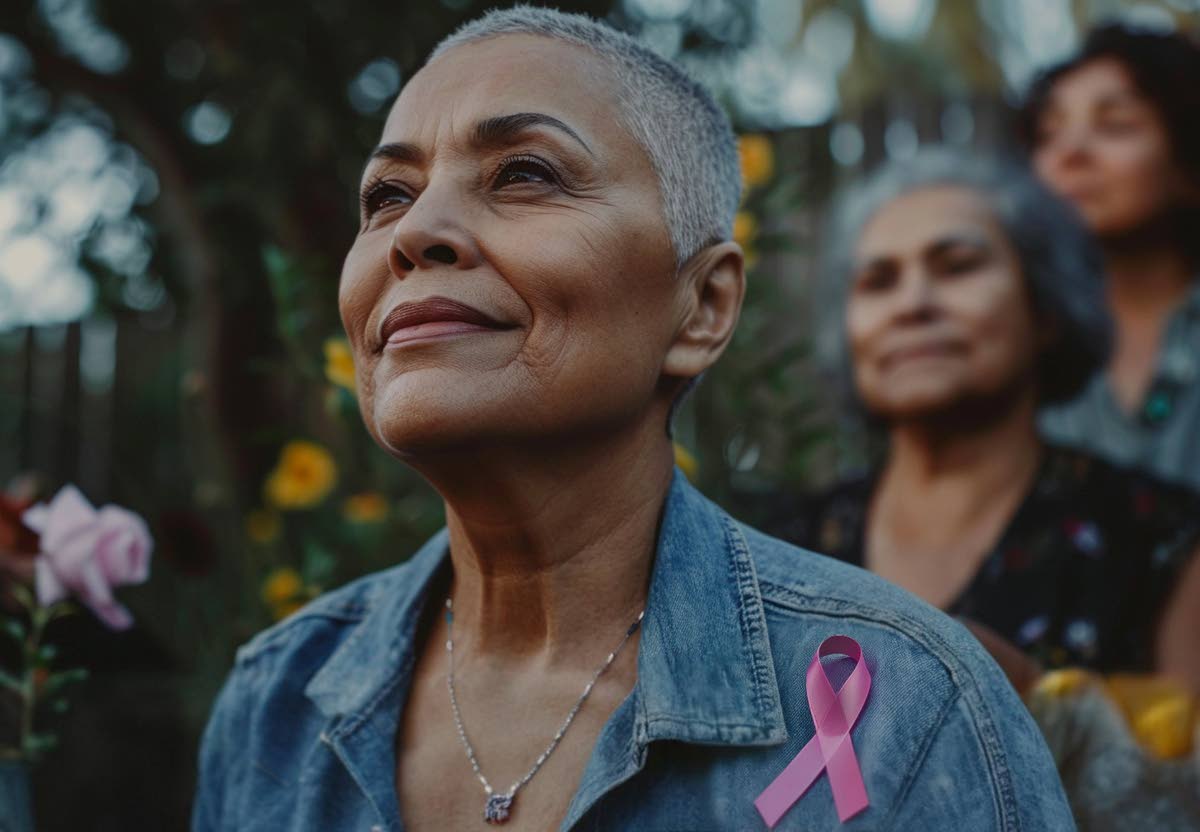
    Breast cancer, a life-altering diagnosis, often shatters the dreams of young women, including aspirations of marriage, motherhood, and career growth. Dr. Rajen Rampaul, a breast oncologist and reconstructive surgeon, highlights the unique challenges faced by younger patients, particularly concerns about fertility, identity, and long-term plans. Unlike older women who may have already raised families, younger survivors grapple with the emotional and physical toll of treatment, including fatigue, scarring, and fertility loss, which disrupt their daily lives and responsibilities.

    Dr. Rampaul emphasizes the transformative role of breast reconstruction in restoring confidence and reintegrating survivors into society. Psychological support, he notes, is equally critical, with initiatives like the Think Pink support group providing a safe space for women to share experiences and navigate their journeys. He underscores the importance of open communication with partners and family members to maintain healthy relationships during recovery.

    Practical lifestyle changes, such as maintaining a healthy weight through diet and exercise, are vital for reducing the risk of recurrence. Dr. Rampaul also advises regular follow-ups, adhering to international guidelines, to monitor patients’ health. For those concerned about their children’s risk of developing cancer, he recommends proper risk assessment based on family history and age.

    Ultimately, Dr. Rampaul encourages survivors to embrace life fully, emphasizing that healing begins with honesty, connection, and the belief that life can be wholesome again. ‘Communication is the key,’ he says, urging patients to share their fears and seek support from loved ones and professionals.

  • Woman, 22, killed in Couva crash

    Woman, 22, killed in Couva crash

    A fatal two-vehicle collision occurred in the early hours of October 12 in Mc Bean Village, Couva, resulting in the death of a 22-year-old woman. Adana Alexander, a resident of Calcutta Road in Mc Bean Village, was pronounced dead at the scene. The incident took place around 4:40 a.m. on the Southern Main Road near Deonarine Junction. Alexander was a backseat passenger in a silver Toyota Fielder, driven by a 21-year-old woman from Calcutta Road #2, Freeport, who was heading north. Reports indicate that the driver attempted to turn right into Calcutta Road #3 when a silver Nissan Cefiro, traveling south, collided with the Toyota. The Nissan was driven by a 44-year-old man from Santa Flora. The crash caused extensive damage to both vehicles and injuries to all occupants. Officers from the Couva police station, including PC Acres and McMillan, along with FSSO Ali and other personnel from the Couva Fire Station, responded to the scene. Dr. Sant, the District Medical Officer, ordered the removal of Alexander’s body to the San Fernando General Hospital mortuary for a post-mortem examination. Cpl Boodlal is leading the ongoing investigation into the tragic accident.

  • Tancoo reveals $50m WASA smart-metering project

    Tancoo reveals $50m WASA smart-metering project

    Finance Minister Davendranath Tancoo has unveiled a $50 million smart-metering initiative aimed at modernizing Trinidad and Tobago’s water infrastructure. The program, set to launch in the 2026 fiscal year, is part of a broader strategy to enhance revenue generation and curb water wastage. Tancoo emphasized the government’s decision to scrap the WASA transformation plan, a move that safeguards 3,700 jobs and reallocates $30 million in savings to essential services. He highlighted significant improvements in water supply, particularly in historically underserved areas like Siparia and Maracas Bay, where residents now receive water three times a week and five days a week, respectively. Additionally, a $300 million pipeline replacement program will target key mains in Port of Spain, San Fernando, and Arima. The smart-metering system, initially proposed in 2019 by former Public Utilities Minister Robert Le Hunte, aims to enhance billing accuracy and reduce water losses. Despite previous resistance, the renewed initiative reflects the government’s commitment to sustainable water management.

  • Breast reconstruction:‘It’s about confidence, not cosmetics’

    Breast reconstruction:‘It’s about confidence, not cosmetics’

    Breast reconstruction is more than a medical procedure; it is a transformative journey toward restoring normalcy and self-assurance for women who have undergone breast cancer surgery. Dr. Rajen Rampaul, a leading breast oncologist and reconstructive surgeon in Trinidad and Tobago (TT), has been at the forefront of oncoplastic surgery, a specialized field that integrates cancer treatment with reconstructive techniques. This approach not only helps women survive breast cancer but also reclaim their sense of identity and confidence.

    Breast reconstruction encompasses a wide range of surgical interventions aimed at restoring the breast’s natural form or appearance. While it is commonly associated with women who have had part or all of a breast removed due to cancer, it also benefits individuals with congenital abnormalities or underdeveloped breasts. Dr. Rampaul emphasized that reconstructive surgery differs fundamentally from cosmetic surgery, as the former focuses on restoring normalcy after injury, disease, or abnormal development, rather than altering what is already normal.

    In TT, over 95% of breast reconstruction cases are linked to breast cancer, with the remaining 5% addressing congenital issues. Dr. Rampaul has pioneered various techniques, including oncoplastic surgery, autologous fat grafting, and free flap deep inferior epigastric perforator (DIEP) breast reconstruction. These methods allow for a combined approach that restores both form and function, tailored to the patient’s specific needs.

    The timing of reconstruction—whether immediate, delayed, or immediate-delayed—depends on factors such as cancer type, stage, and the need for radiation therapy. Dr. Rampaul highlighted that physical activity levels also influence the choice of reconstruction method. For instance, highly active women may not be ideal candidates for latissimus dorsi flap reconstruction due to potential loss of back strength. Similarly, gym enthusiasts may experience “animation” of implants during chest exercises, prompting surgeons to opt for subcutaneous implant reconstruction using autologous fat grafting.

    Recovery times vary, with implant-based reconstruction offering the shortest recovery period and free flap reconstruction requiring the longest. Dr. Rampaul cautioned that while reconstruction can restore physical appearance, it does not restore sensation, and patients must be thoroughly counseled about its limitations.

    Beyond the physical, breast reconstruction has profound emotional and psychological benefits. Studies show it significantly aids in recovering from the emotional trauma of breast cancer surgery. However, Dr. Rampaul noted that some patients may still experience regret, underscoring the importance of pre-surgery counseling. Intimacy and self-confidence are critical areas often overlooked in breast cancer literature, with many patients struggling with body image and sexual health post-surgery. Breast reconstruction has been shown to improve these aspects, though breastfeeding may be affected depending on the surgery type.

    Dr. Rampaul also addressed the evolving awareness of breast reconstruction in TT. A decade ago, it was often misunderstood as a cosmetic procedure, but today, it is increasingly recognized as an essential part of rehabilitation. Despite cost challenges, the value it adds to a patient’s recovery—both physically and emotionally—is immeasurable. He advised young women considering reconstruction to educate themselves thoroughly, consult qualified surgeons, and understand both the benefits and limitations of the procedure.

    Ultimately, breast reconstruction is not about recreating what was lost but about empowering women to regain their confidence and re-enter the world with a renewed sense of normalcy.
  • Lee defends position after fraud arrest, says ‘God is great’

    Lee defends position after fraud arrest, says ‘God is great’

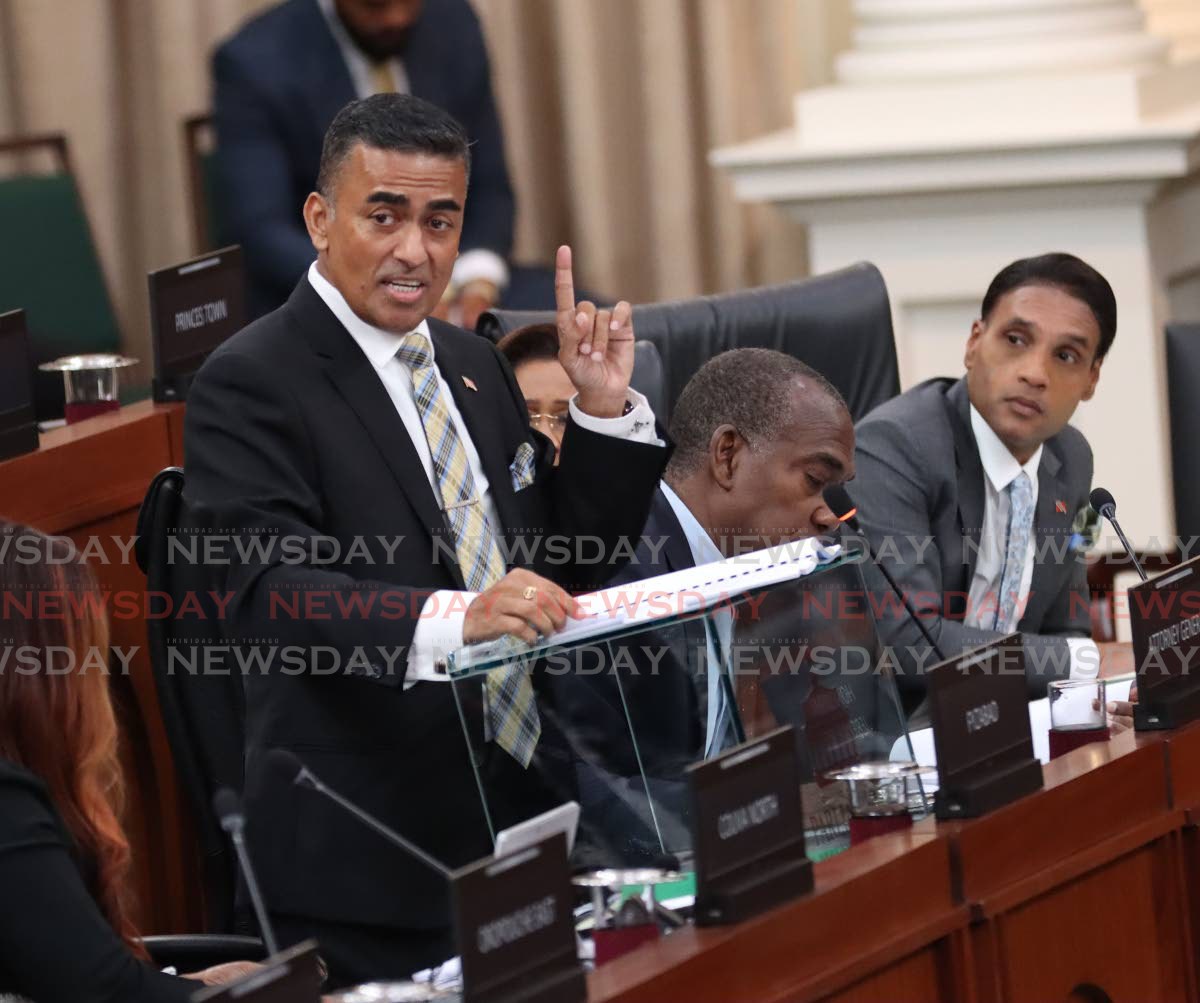
    Housing Minister David Lee has reaffirmed his commitment to remain in office despite facing fraud charges, expressing gratitude for the unwavering support from his colleagues and the Prime Minister. Speaking outside Parliament on October 13, Lee emphasized his determination to continue fulfilling his governmental duties, stating, ‘God is great. I would like to thank the Prime Minister and my parliamentary colleagues for standing strong with me, so that we will get through this.’ Lee dismissed comparisons to former Housing Minister Marlene McDonald, who was removed from the PNM cabinet in 2019 following charges of misusing public funds. McDonald, who passed away in 2023, faced allegations related to corruption and money laundering through the Calabar Foundation. Lee clarified that his case is distinct, asserting, ‘My matter has nothing to do with being in government or utilizing state resources.’ When questioned about whether his decision to stay in office contradicts former Prime Minister Persad-Bissessar’s stance that ministers facing corruption allegations should step down, Lee maintained, ‘I was exonerated, and that’s why I keep asking the media to follow the paper trail very closely. You might find the answer.’

  • Tancoo: Constitutional right to timely trial coming

    Tancoo: Constitutional right to timely trial coming

    In a landmark announcement during the 2025/2026 national budget presentation, Trinidad and Tobago’s Finance Minister, Davendranath Tancoo, revealed the government’s plan to amend the Constitution to guarantee citizens the right to a timely trial. This initiative is part of a broader judicial reform aimed at enhancing the efficiency and effectiveness of the country’s legal system. A key component of this reform is the introduction of a judiciary chancellor, who will oversee caseload management, allowing the Chief Justice to concentrate on matters of jurisprudence. Tancoo emphasized that this move would address long-standing inefficiencies in the administration of justice, which he claimed were neglected under the previous government. Additionally, the government plans to expand and construct new courtrooms in Chaguanas, Rio Claro, Sangre Grande, and Diego Martin to accommodate the growing demand for judicial services. The offices of the Director of Public Prosecutions (DPP) and the public defenders will also be bolstered to ensure a more robust legal framework. Tancoo concluded by asserting that these reforms would prioritize justice administration, a critical area that has historically been underfunded and mismanaged.

  • Divali activities brightens up Felicity Hindu School

    Divali activities brightens up Felicity Hindu School

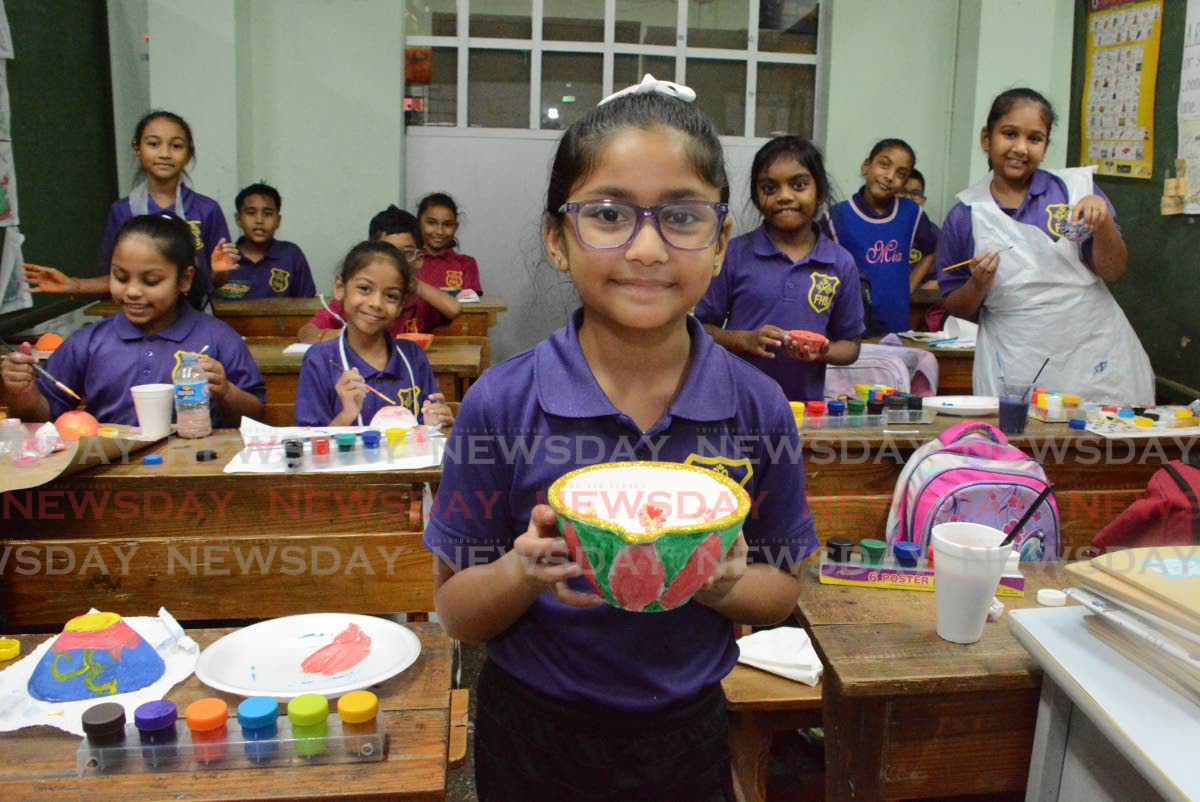
    Felicity Hindu School in Trinidad and Tobago recently hosted its annual inter-school decorating competition in preparation for Divali, the Hindu festival of lights, celebrated on October 20. The event, held on October 9, showcased the creativity and cultural pride of its 455 students, predominantly Hindu, who participated in various age-appropriate activities. From infants to Standard Five, students engaged in tasks ranging from coloring deyas (traditional oil lamps) to crafting intricate kalsa sets and Divali wreaths. The competition not only highlighted artistic talent but also reinforced cultural traditions, with some students planning to use their creations in home puja ceremonies. Principal Denesh Bhagwandeen emphasized the importance of such events in fostering cultural awareness and providing a break from academic routines. The best designs from each class will be displayed during the school’s Divali program on October 16, followed by a puja ceremony on October 17. The event underscored the beauty of Trinidad and Tobago’s multicultural heritage, offering students a platform to express their creativity while celebrating their traditions.

  • Goatober fires up in Trinidad and Tobago

    Goatober fires up in Trinidad and Tobago

    After a four-year hiatus due to the pandemic, GoatoberTT, the Trinidad and Tobago edition of the international goat celebration, is set to make a triumphant return on October 19 with its signature event, Feasts of Fire. Founded by journalist and media entrepreneur Franka Philip in 2018, GoatoberTT aims to highlight the versatility of goat meat and the richness of Caribbean cuisine. The event will feature two distinct dining experiences: a family-style lunch from 12 pm to 4 pm and a formal Caribbean chic dinner from 6 pm to 10 pm, both curated by a stellar team of chefs, including Nina Compton, Debra Sardinha, and Brigette Joseph. Philip, who has been a vocal advocate for local goat farming, expressed her excitement about the event, emphasizing the importance of supporting local agriculture and showcasing the creativity of Caribbean chefs. The inspiration for Feasts of Fire comes from the global resurgence of Caribbean food and the traditional practice of live-fire cooking, which Philip has long admired. The event will be held at Veronique’s in St Clair, with tickets available on Island eTickets.

  • Endangered olfactory pleasures

    Endangered olfactory pleasures

    During a visit to Trinidad in late September, a casual shopping trip in Valpark turned into a heartfelt conversation about the changing scents of tradition and nature. The shop owners, a warm and welcoming couple, shared their excitement for the upcoming Divali celebrations, revealing their innovative plan to use deyas with wicks in water instead of the traditional coconut oil. While this modern twist is fascinating, the nostalgic aroma of coconut oil-soaked deyas remains unmatched, evoking cherished memories of past Divali celebrations spent with friends like the Sharmas, lighting deyas at dusk and savoring the homely scent that preceded Mrs. Sharma’s lavish vegetarian feast. The couple also reminisced about the once-special sight and smell of grapes and apples on Trinidad’s streets during Christmas, a seasonal treat that has now become commonplace, losing its unique charm. This conversation sparked a deeper reflection on how many natural and traditional scents seem to be fading from our lives. The scent of rain, sea spray, freshly-mown grass, and even the aroma of old book pages are becoming less noticeable, likely due to environmental degradation, urbanization, and shifting cultural habits. The impact of human activity on nature, including atmospheric heating and pollution, has altered the way life smells. Even the simple pleasure of smelling books, known as bibliosmia, may become a relic of the past as e-books dominate. The conversation also touched on the profound connection between scent, memory, and emotion, suggesting the idea of ‘scratch and sniff’ hubs to revive these endangered aromas and evoke nostalgic emotions. As one friend lamented, her sense of smell has been drastically diminished after multiple bouts of COVID-19, highlighting the fragility of this sensory experience. This reflection serves as a poignant reminder of the importance of preserving the scents that shape our memories and emotions.

  • 2025/2026 budget to be presented on October 13: Will the UNC deliver on its promises?

    2025/2026 budget to be presented on October 13: Will the UNC deliver on its promises?

    The UNC-led government of Trinidad and Tobago is set to present its highly anticipated 2025-2026 budget on October 13, marking its first fiscal plan since taking office nearly six months ago. Finance Minister Davendranath Tancoo will deliver the budget, which aims to address a range of pressing national issues while balancing ambitious policy goals with fiscal realities. Prime Minister Kamla Persad-Bissessar has emphasized priorities such as supporting children, low-income households, and job creation, though the budget may face a deficit due to the country’s borrowing and expenditure trends over the past decade. Key areas of focus include national security, economic diversification, and energy sector rehabilitation. The government has already made strides in fulfilling manifesto promises, such as reopening the Couva Children’s Hospital, restarting the student laptop program, and negotiating wage increases for public sector workers. However, challenges remain, including addressing crime, reviving make-work programs, and reducing reliance on oil and gas revenues. The budget is expected to outline targeted initiatives in agriculture, manufacturing, and small business development, reflecting the government’s commitment to economic diversification and inclusive growth.