
In a dramatic turn of events during the marathon budget debate in the House of Representatives, Finance Minister Davendranath Tancoo declared that the People’s National Movement (PNM) had ‘fallen’ after no opposition MP rose to respond to a government speaker. The debate, which began at 10 am on October 17 and concluded at 2:22 am on October 18, is set to resume on October 21 with a detailed examination of revenue and expenditure by the Standing Finance Committee. The session featured 14 speakers, alternating between opposition and government MPs, until it reached Claxton Bay MP Hansen Narinesingh, who delivered his maiden speech. Speaker Jagdeo Singh congratulated Narinesingh and then turned to the opposition benches, only to find no one willing to speak. Tancoo seized the moment, criticizing the PNM for abdicating its responsibility, particularly noting the absence of opposition leader Pennelope Beckles. He accused the opposition of having ‘nothing to say’ and praised the budget as ‘excellent.’ House Leader Barry Padarath later issued a statement titled ‘PNM Collapses in 2026 Budget Debate,’ highlighting the opposition’s failure to continue the debate despite having five members yet to speak. Padarath described the PNM’s inaction as a clear sign of their inability to analyze and respond to the national budget, suggesting that the party had ‘collapsed’ under the pressure.
标签: Trinidad and Tobago
特立尼达和多巴哥
-
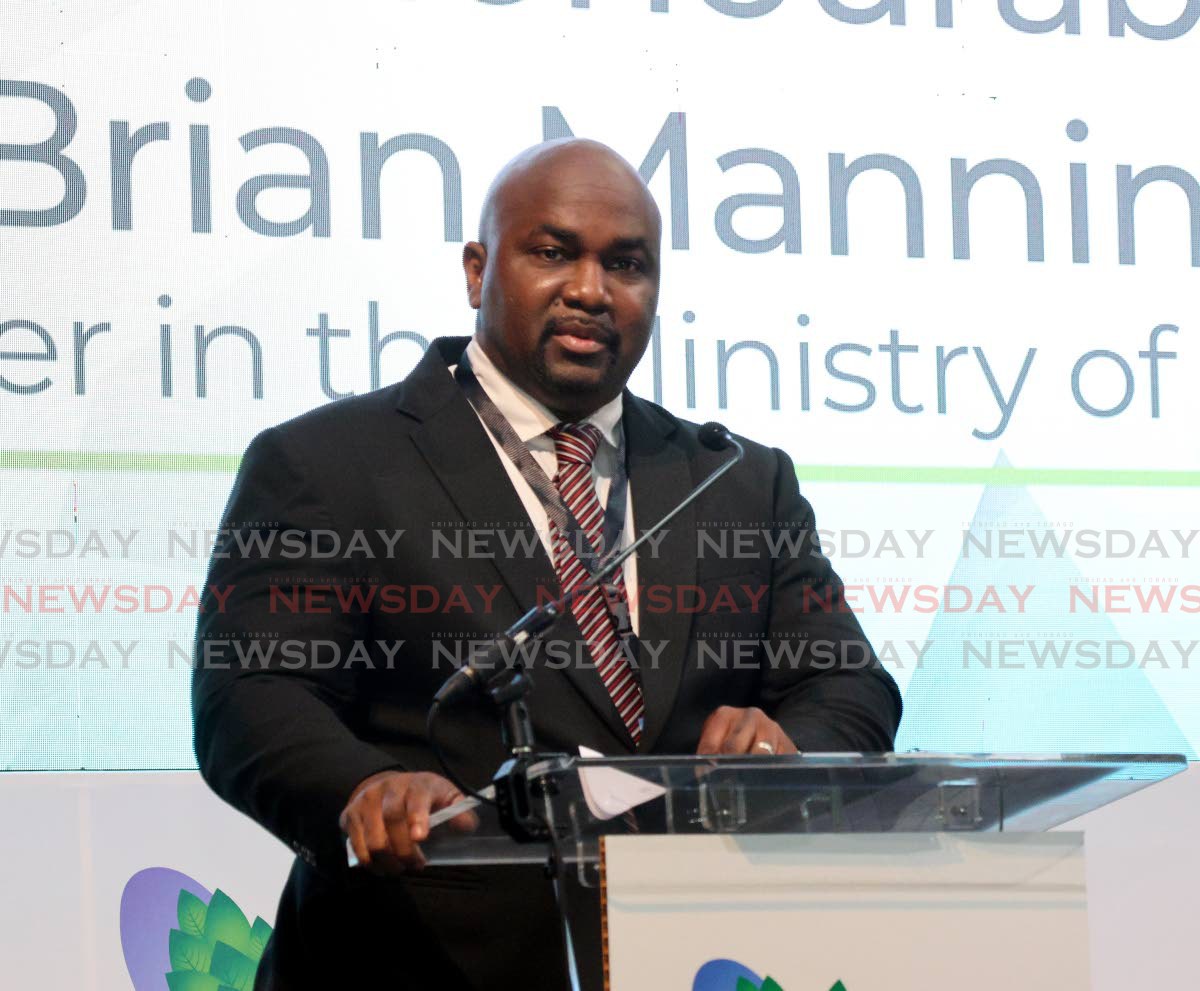
Manning: Taxes will be passed on to consumers
San Fernando East MP Brian Manning has voiced strong opposition to the new taxes and tax increases proposed in the recent budget, arguing that they will negatively impact businesses and ultimately burden ordinary consumers. Speaking in the House of Representatives on October 17, Manning highlighted several measures, including the bank/insurance levy, container-processing fee increase, landlord surcharge, LPG price hike, and single-use plastic tax, as particularly harmful. He criticized Finance Minister Davendranath Tancoo, whom he mockingly referred to as ‘Taxcoo,’ and labeled the budget as ‘fake and fraudulent.’ Manning also accused trade union leaders of prioritizing their own interests over their members’ welfare, aligning with the UNC in what he termed a ‘coalition of chaos and confusion.’ Manning further criticized the 0.25% levy on banks and insurance companies, which aims to raise $575 million annually, arguing that it would increase banking fees and overall costs for the public. He also condemned the landlord surcharge, equating it to a property tax, and questioned the $2,500 registration fee. Additionally, Manning criticized the electricity surcharge for commercial and industrial clients, the 100% hike in container processing fees, and the rise in excise duties on alcoholic drinks, which he said would drive up consumer prices. He also slammed the proposed $15,000 penalty for dangerous driving, calling it ‘blood money,’ and criticized the taxes on single-use plastics and electric vehicles. Manning concluded by questioning the government’s commitment to the Pointe-a-Pierre refinery and sarcastically endorsing the proposed Real Estate Investment Trust (REIT).
-

Shameful walkout by PNM
The recent walkout by the People’s National Movement (PNM) from Parliament on October 10 has sparked intense debate, with critics labeling it as a calculated act of political theater rather than a genuine protest. The move, described as a ‘disgraceful retreat,’ is seen as an attempt to divert public attention from the party’s internal failures and lack of unity. Speaker Jagdeo Singh, who has been praised for his impartiality and adherence to parliamentary procedures, has become a focal point in this controversy. The PNM’s accusations of bias against Singh are dismissed as baseless, with critics arguing that the party’s real issue lies in its inability to handle scrutiny and accountability. The walkout, far from being a legitimate protest, is viewed as a desperate act of political posturing, aimed at masking the party’s leadership vacuum. The opposition’s behavior has been condemned as childish and detrimental to the democratic process, with calls for a return to constructive debate and respect for parliamentary institutions. The incident underscores the need for political maturity and a commitment to the principles of democracy, rather than resorting to theatrics and disruption.
-
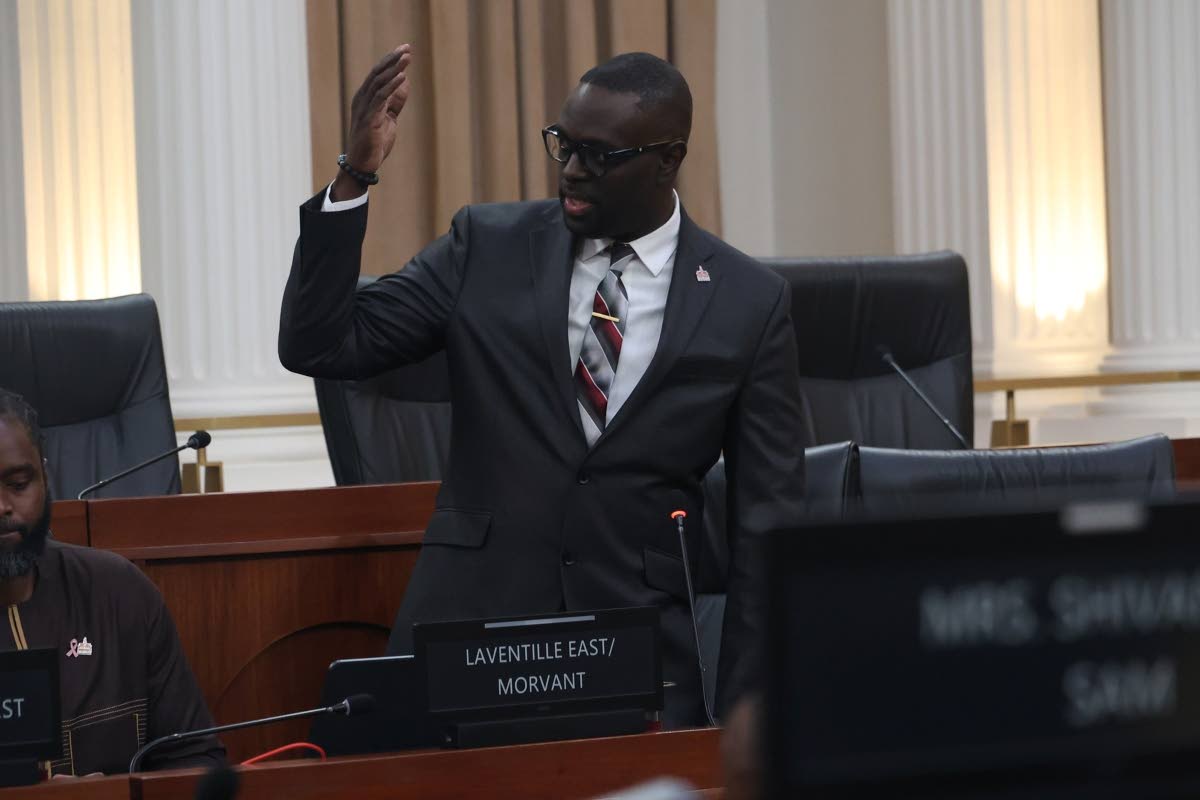
Romain: Insurance premiums to increase over levy
Malabar/Mausica MP Dominic Romain has issued a stark warning that insurance companies are preparing to hike premium prices in response to the government’s proposed 0.25% levy on their assets. Speaking during the budget debate in Parliament on October 17, Romain, who also serves as the president of the TT Association of Insurance and Financial Advisors, revealed that he had met with leaders of major insurance firms to discuss the levy. He stated, ‘Based on what was said, preliminary numbers have been crunched, and increases are coming. It’s just a matter of how much and when.’
Romain’s comments came in response to Finance Minister Davendranath Tancoo’s call for companies to share the burden of the new measures and for citizens to resist cost pass-throughs. Romain argued that companies are unlikely to absorb the levy, as they have obligations to their shareholders, customers, and clients. ‘When the government intends to pick the pockets of these entities, you are in fact robbing the citizens as well,’ he emphasized.
The levy, announced by Tancoo on October 13, targets commercial banks and insurance companies due to their profitability, high liquidity ratios, and strong asset growth. Tancoo highlighted that despite these institutions’ financial health, average citizens face exorbitant fees and minimal returns on savings and investments. However, institutions operating under the Special Economic Zones Act will be exempt from the levy, which takes effect on January 1, 2026, and is projected to generate $575 million annually.
Romain also criticized the Finance Minister for portraying financial institutions as predatory, noting that many engage in corporate social responsibility and contribute to the community. He warned that applying the levy to institutions like Republic Bank, which is part of the National Investment Fund, would harm shareholders, including senior citizens relying on investment income for retirement expenses.
-

No incidents reported despite yellow-level weather alerts
Trinidad and Tobago remained unscathed by severe weather incidents as of October 18, despite the activation of two yellow-level alerts for adverse weather and hazardous seas. The TT Meteorological Service (Met Office) provided an update at 3:30 PM, confirming that the hazardous seas alert, initiated at 8:00 PM on October 17, was scheduled to conclude at 4:00 PM on October 18. Simultaneously, the adverse weather alert #2, which commenced at 12:00 PM on October 18, is expected to persist until 10:00 PM on October 20. The Met Office reported that showers and isolated thunderstorms had swept across both islands, resulting in heavy downpours and gusty winds, particularly in Tobago. The agency attributed these conditions to an active tropical wave traversing the region, maintaining a moist and unstable atmosphere. Intermittent rainfall, potentially heavy and accompanied by thunderstorms, is forecasted to continue through Monday. While brief respites may occur, the atmosphere remains conducive to impactful weather activity. Authorities have advised residents to secure loose outdoor objects, remain vigilant in flood-prone areas, and stay informed about changing weather conditions. The Ministry of Rural Development and Local Government emphasized the importance of awareness and preparedness, urging the public to identify emergency shelters and know their local Disaster Management Co-ordinating Unit hotline numbers. The Office of Disaster Preparedness and Management (ODPM) reinforced these messages, particularly for individuals with disabilities, encouraging them to prepare emergency kits and personal safety plans. Despite the warnings, no weather-related incidents have been reported.
-

Beckles: Divali theme about service to humanity
Opposition Leader Pennelope Beckles highlighted the importance of service to humanity and unity in diversity during her address at the Divali Nagar 2025 celebrations in Chaguanas on October 16. The event, themed ‘Loka Sangraha,’ underscored the triumph of light over darkness and knowledge over ignorance, resonating deeply with Beckles’ personal and political ethos. Accompanied by National Council of Indian Culture president Surujdeo Mangroo and dancer Samara Mohammed, Beckles lit a deya, symbolizing the festival’s spirit of enlightenment and compassion. Reflecting on her upbringing in the rural Borde Narve Village, Beckles shared how her mother’s teachings and the village’s multicultural environment shaped her values. She recalled the harmonious coexistence of Hindu bhajans, Christian church bells, and Islamic adhan, emphasizing that respect for diverse faiths is rooted in love and action. Beckles also spoke about her commitment to public service, stating that her work in various ministries and projects has always aimed to uplift families from despair to hope. She praised Trinidad and Tobago’s progress as one of the region’s most developed and literate nations, attributing this success to the collective efforts of its citizens and successive governments. The event concluded with Mangroo presenting Beckles with a painting, symbolizing the enduring cultural and spiritual bonds that unite the nation.
-
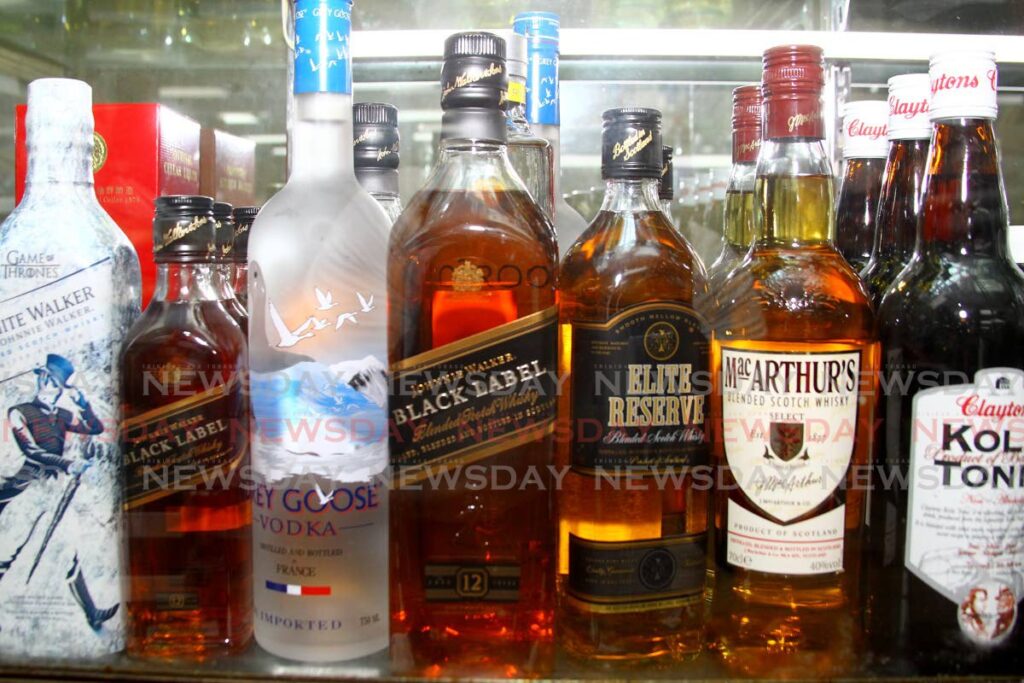
A smart and necessary move: Taxing luxuries to fund necessities
The government’s recent decision to increase taxes on alcohol and tobacco in the 2025-2026 budget marks a significant shift towards a more responsible and equitable economic framework. This policy, far from being a mere fiscal adjustment, represents a strategic move to address both public health and financial stability. By imposing higher taxes on these non-essential and harmful goods, the government is realigning national spending priorities with the country’s most pressing needs. The initiative raises critical questions about societal values: Should access to alcohol and tobacco take precedence over funding for healthcare, education, and food security? The resounding answer is no. This policy underscores the interconnectedness of public health and financial health. Higher prices on cigarettes and alcohol are expected to reduce consumption, thereby alleviating the strain on the healthcare system and freeing up resources for essential services. Additionally, the measure aims to optimize foreign exchange reserves by discouraging the import of luxury goods like scotch whisky and premium beers. Instead, these funds can be redirected towards vital sectors such as medical equipment, educational technology, and agricultural development. The tax hike also provides a competitive edge to local producers, fostering economic diversification and safeguarding domestic jobs. However, the success of this policy hinges on its integration into a broader strategy. Strengthening customs enforcement to combat illicit trade, expanding the tax framework to include other non-essential imports, and balancing regional trade dynamics within Caricom are crucial next steps. This initiative reflects a government willing to make tough decisions for long-term national well-being, prioritizing economic justice and public welfare over short-term popularity. It’s a commendable first step towards a more sustainable and equitable future.
-

Dowlath slams PNM’s vacation remedial programme
Education Minister Dr. Michael Dowlath has launched a scathing critique of the People’s National Movement (PNM) administration’s vacation remedial programme, labeling it as an ‘expensive illusion’ marred by financial mismanagement and lack of accountability. Speaking during the budget debate in the House of Representatives on October 17, Dowlath refuted claims by former Education Minister Dr. Nyan Gadsby-Dolly that the current government had discontinued the programme. He revealed that the PNM’s initiative, titled ‘Re-Re-engaging For Success,’ left behind over $3.5 million in unpaid teacher stipends, $1.3 million owed for snacks, and $10.5 million in pending costs, with no verifiable impact data or clear objectives. Dowlath also highlighted the absence of four critical reports from various educational support divisions, further underscoring the programme’s inefficacy. In contrast, Dowlath introduced the government’s new Priority Schools Project, a data-driven initiative targeting 56 secondary schools and 187 primary schools for intensive support based on academic, attendance, and behavioral indicators. The project integrates literacy and numeracy recovery, teacher training, parental engagement, and school leadership development, all monitored through key performance indicators. Additionally, Dowlath praised the ministry’s July-August vacation repair programme, which completed a record 458 major and emergency repair projects across schools, addressing issues such as leaking roofs, rewiring, and sanitation. He also defended the government’s decision to extend the July-August school vacation by one week, emphasizing its role in ensuring curriculum balance and supporting the mental and emotional well-being of students and teachers.
-

Trini’s changing eating habits take a bite out of food industry
The dining landscape in Trinidad is undergoing significant shifts as economic pressures force consumers to rethink their spending habits. A recent investigation by Newsday reveals that many residents are opting for cost-effective and convenient meal options, with some even skipping lunch altogether to save money. One woman shared that she primarily eats breakfast and dinner, often resorting to inexpensive, filling meals like packaged ramen or pasta due to exhaustion after work. She noted that cooking at home has become equally expensive, with grocery bills quickly adding up, leaving her in a ‘no-win situation.’
Another individual highlighted the challenge of balancing affordability and taste, often choosing street food like doubles, pies, or pholourie when on a tight budget. For larger meals, he seeks out restaurants offering generous portions of curry, KFC, or creole cuisine. Similarly, a working woman explained that she brings homemade lunches to work to save money and avoid the limited variety at nearby eateries, occasionally indulging in creole food or junk food for variety.
Food writer Franka Philip attributes these changes to a combination of rising food prices, job losses, and consumer fatigue with repetitive options. She noted that food courts and malls have been particularly affected, with many stalls closing or changing hands. However, food hubs like Woodbrook Yard and Food Square remain popular, especially on weekends, though business has not fully recovered to pre-pandemic levels. Philip also pointed out that established restaurants with consistent quality continue to attract loyal customers, particularly for Sunday lunches after church.
Street food remains a cornerstone of Trinidadian culture, with locations like the Food Strip in Queen’s Park Savannah and Eddie Hart Grounds in Tacarigua bustling on weekends. Shira Mohammed, founder of Restaurant Week TT, observed a post-pandemic shift from fine dining to casual, family-style restaurants and sports bars. She emphasized the enduring appeal of street food, which offers affordability, variety, and a taste of local culture. Mohammed also noted the growing reliance on food delivery services, which, despite their cost, have become a staple for many consumers.
Overall, the food industry in Trinidad is navigating a complex landscape, with economic challenges reshaping consumer behavior and forcing businesses to adapt to new realities.
-

Second victim, 16, dies after Brasso shooting
A second victim has succumbed to injuries sustained in a fatal shooting that occurred on October 15 in Brasso Village, central Trinidad. The incident initially claimed the life of a young construction worker and left two others critically wounded. Darias Shadrack, a 16-year-old student at Tabaquite Secondary School, passed away on October 17 while receiving treatment at the Eric Williams Medical Sciences Complex in Mt Hope. A close relative revealed that Darias had lost a significant amount of blood and never regained consciousness after the attack. The shooting took place around 2 am at an unfinished wooden structure near his family’s home along Caparo Valley Brasso Road. Initially, police reported that Darias had died on arrival at the hospital, but further checks confirmed he was in a coma. Darias was among four victims targeted by gunmen. His schoolmate, Jerryl Ganness, 15, and brothers Christopher Ricardo “Ricky” Joseph, 20, and Colly Joseph, 23, were also shot. Christopher, a construction worker from Devenish Hill, Tabaquite, died at the scene. The other victims were rushed to the Chaguanas Health Centre and later transferred to Mt Hope. This tragedy adds to the family’s grief, as Darias’ brother, Kirdy Ramdhanie, was killed in a shooting in December 2024. Jerryl, who remains hospitalized in serious condition, had reportedly moved out of his Los Attajos home earlier this year due to family concerns about his behavior. Colly is also in serious condition. The Joseph family has also mourned the loss of Rajindra “Syo” Ramcharan, 33, their mother’s uncle, who was shot and killed in an orange field in Tabaquite in February. Relatives believe Ramcharan was lured to his death. The grieving parents of the Joseph brothers, Marsha and Smith Joseph, have urged police investigators to dedicate full effort to solving this fatal shooting and other unsolved crimes. Police from the Central Division and the Homicide Bureau of Investigations, Region Three, are continuing the investigation, with the motive believed to be drug-related.