
Trinidad and Tobago’s star cyclist Nicholas Paul has redirected his attention to the men’s sprint event following an underwhelming performance in the men’s 1K time trial at the 2025 Tissot Union Cycliste Internationale (UCI) Track World Championships in Santiago, Chile. On October 24, Paul finished 12th in the qualifying round with a time of 1:00.206, failing to secure a spot among the top eight cyclists who advanced to the final. The qualifying round was dominated by Dutch cyclist Harrie Lavreysen, who set an impressive time of 57.681 seconds, followed by Great Britain’s Joseph Truman (58.807) and another Dutch rider, Jeffrey Hoogland (58.962). Lavreysen ultimately clinched gold in the final, with Hoogland taking silver and Truman earning bronze. This setback comes after Paul’s seventh-place finish in the men’s keirin on October 23, where Lavreysen once again emerged victorious. Paul will now compete in the men’s sprint qualifying round on October 25, alongside his compatriot Njisane Phillip, in a field of over 30 cyclists. Meanwhile, Trinidad and Tobago’s endurance rider Akil Campbell faced challenges in the men’s points race, failing to complete the event. Campbell will seek redemption in the men’s omnium on October 25, while rising sprint star Makaira Wallace will represent the nation in the women’s 1K time trial.
标签: Trinidad and Tobago
特立尼达和多巴哥
-
Moonilal, Young spar over increased ministry allowances
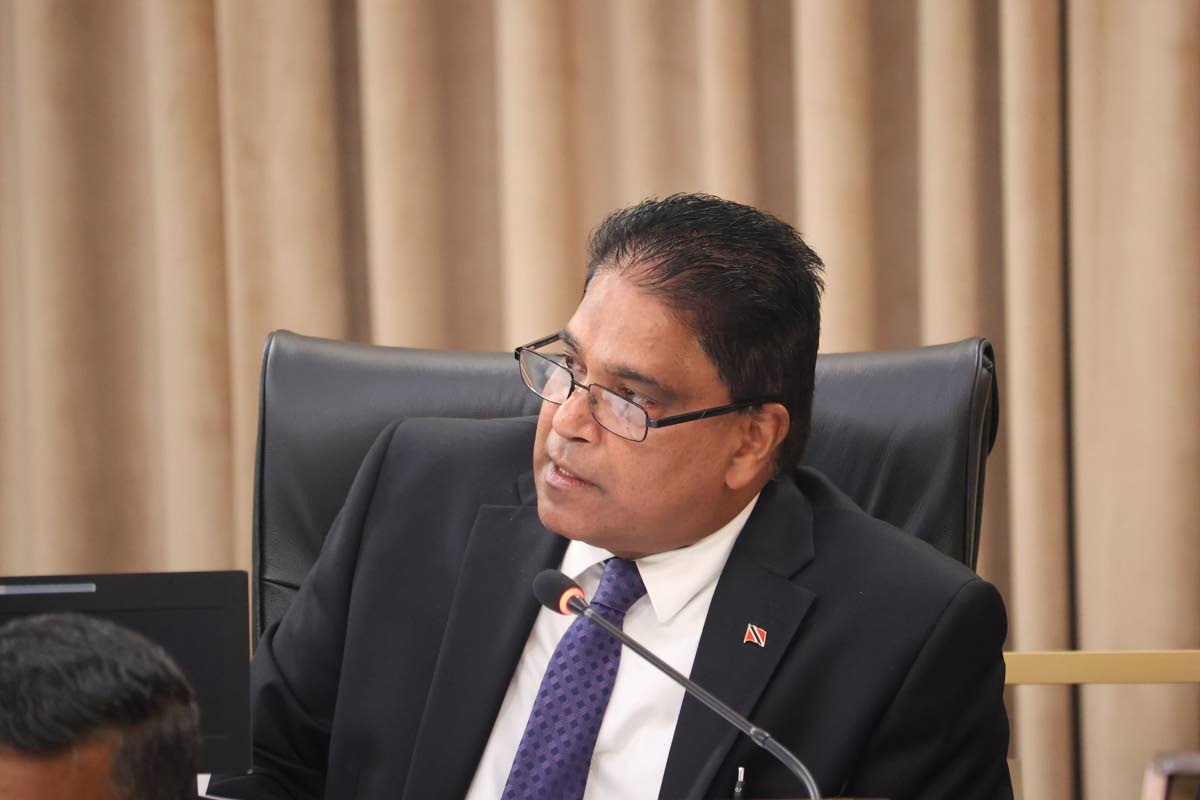
During the final session of the Standing Finance Committee on October 25, a heated exchange erupted between Port of Spain North/St Ann’s West MP Stuart Young and Energy Minister Dr Roodal Moonilal over an $82,000 increase in electricity allowances within the Ministry of Energy and Energy Industries’ budget. Young, a former energy minister, questioned whether the hike was tied to the establishment of additional offices for Moonilal and junior minister Ernesto Kesar in south Trinidad. The increase was listed under the sub-heading ‘goods and services – general administration.’ Young argued that the additional offices were an unnecessary burden on taxpayers, particularly since the Ministry already operates from Port of Spain. Moonilal countered that the funds were allocated to cover arrears owed to TTEC, the national electricity provider, which he claimed were left unpaid by Young during his tenure. He further defended the southern offices, stating they were a long-standing presence in San Fernando and provided convenience for stakeholders in the energy sector. The debate intensified as Young also challenged a $150,000 increase in rent, which Moonilal attributed to unpaid arrears from the previous administration. Young accused Moonilal of excessive spending on office renovations, emphasizing that most energy sector stakeholders are based in Port of Spain. The session concluded without resolution, highlighting ongoing tensions over fiscal responsibility and resource allocation within the Ministry.
-
Caribbean Sea’s new compact for survival: Reflections from COP18
October 24 marks United Nations Day, commemorating the 80th anniversary of the UN under the theme ‘The Future We Want: The UN We Need: Reaffirming Our Collective Commitment to Multilateralism.’ This year’s celebration holds particular significance for the Caribbean, following the historic Eighteenth Meeting of the Contracting Parties (COP18) to the Cartagena Convention, held in Kingston, Jamaica, from October 13-16. The event brought together over 80 delegates from 20 nations and 15 observer groups, including youth representatives, to address the pressing challenges facing the Caribbean Sea. The central message was unequivocal: the health of the Caribbean Sea is intrinsically linked to the livelihood and identity of its people, making united action not just desirable but essential. COP18 was groundbreaking in its integrated approach, combining discussions on the Specially Protected Areas and Wildlife (SPAW) protocol and the Land-Based Sources of Marine Pollution protocol into a single, cohesive agenda. This innovative structure enabled delegates to tackle cross-cutting issues such as pollution control, species protection, and coral reef restoration in a unified framework. The outcomes of COP18 are transformative, aligning with the Regional Seas Strategic Direction (RSSD) for 2026-2029, which envisions healthy, productive marine ecosystems that support a sustainable ocean economy and combat biodiversity loss, pollution, and climate change. Key decisions included the approval of an action plan to address sargassum inundation and the development of conservation management plans for species like the silky shark and oceanic whitetip shark. Additionally, the meeting operationalized a workplan and budget for 2026-2027, focusing on three core goals: securing biologically diverse and climate-resilient ecosystems, enhancing knowledge management and science-policy dialogue, and elevating the global profile of the regional seas program. The event also strengthened regional partnerships, exemplified by collaborations with the International Maritime Organization (IMO) on oil-spill response and the Caribbean Wildlife Enforcement Network. However, the urgency of the situation cannot be overstated. Reports presented at COP18 revealed that the Caribbean’s coral reefs, vital to tourism and fisheries, are under severe threat from heat stress, disease outbreaks, and mass bleaching events driven by rising ocean temperatures and acidification. The decisions made in Kingston mark a pivotal shift from passive defense to active restoration, emphasizing the need for stronger national coastal frameworks and species management plans. As the Caribbean commemorates UN Day, the spirit of COP18 serves as a beacon for sustained effort and stronger partnerships. The Caribbean Sea is not merely a body of water; it is the lifeblood of the region. Through the Cartagena Convention, the Caribbean has reaffirmed its shared duty to protect, restore, and sustain this precious resource for future generations.
-
Trump’s plan for the region
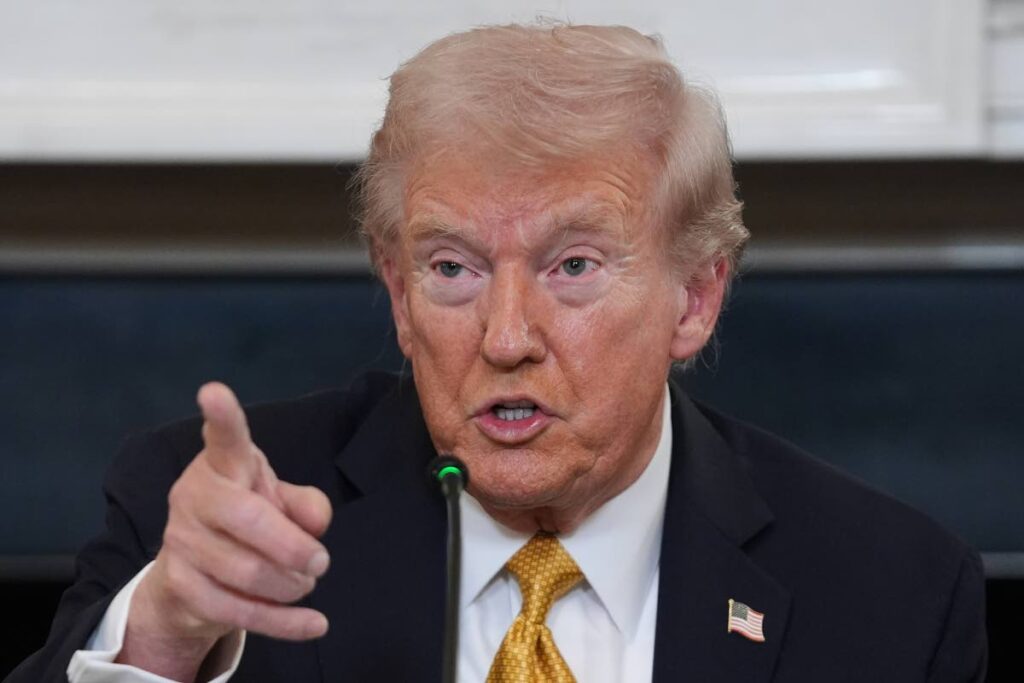
In a series of bold and controversial moves, US President Donald Trump has unveiled an expansionist agenda that has sparked widespread debate and concern across the Americas. Trump’s initial statement about taking over Iceland, Canada, and Mexico was followed by the symbolic renaming of the Gulf of Mexico to the Gulf of America, a move that many interpret as a clear indication of his intentions for the region.
-
Experts: Trinidad and Tobago aligning with US policy in Latam
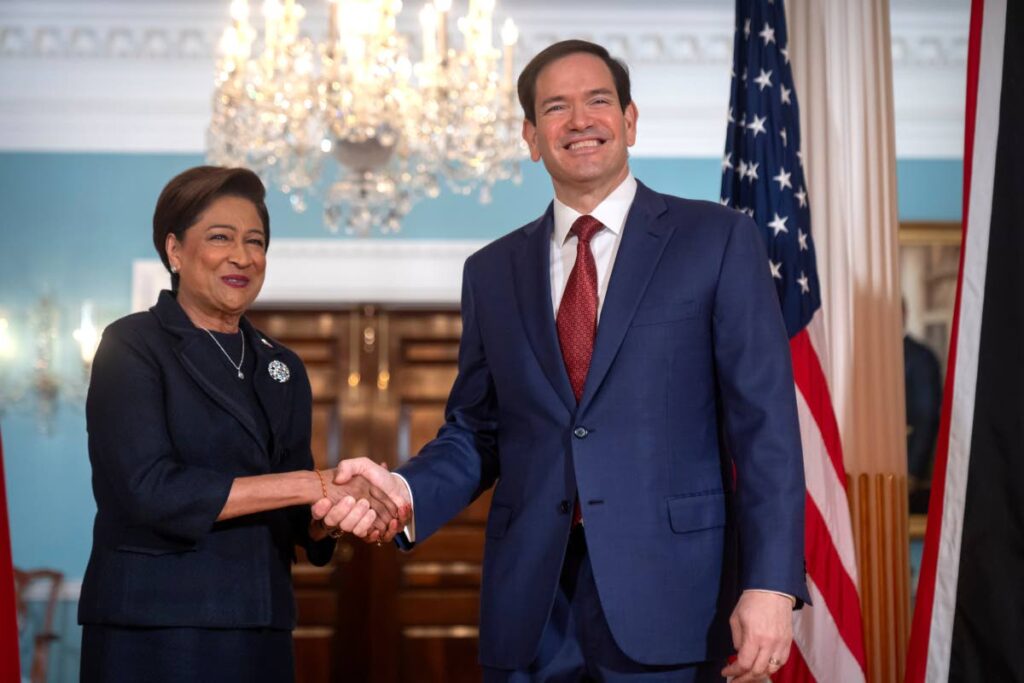
In a significant shift in foreign policy, Trinidad and Tobago (TT) has joined the United States and six Latin American countries in endorsing Rodrigo Paz Pereira as Bolivia’s new president. The joint statement, issued on October 21, two days after Bolivia’s elections, marks a notable alignment of TT with US government interests, according to international relations experts. The statement expressed the signatories’ readiness to support the incoming administration in stabilizing Bolivia’s economy, reinforcing democratic institutions, and enhancing international trade and investment. Caribbean Policy Consortium co-founder Prof Anthony Bryan noted that this move represents a departure from TT’s traditional policy of neutrality and its efforts towards a coordinated Caricom foreign policy. Dr Evan Ellis, a research professor at the US Army War College, viewed the joint statement as a positive initiative, reflecting the emergence of a new group of US-friendly governments in the region. He emphasized the collective recognition of Paz’s victory and the hope for Bolivia’s constructive direction under his leadership, particularly in economic policy, anti-drug efforts, and anti-corruption activities.
-

Stop the fireworks madness
The recent Divali celebrations in Trinidad descended into chaos as neighborhoods were transformed into what residents described as a ‘war zone.’ Fireworks exploded incessantly throughout the night, causing widespread distress among families, pets, and wildlife. Many reported their dogs trembling in fear, while others struggled to calm their terrified animals. The aftermath saw social media platforms flooded with posts about missing pets and complaints about the reckless use of fireworks. This stark contrast to the peaceful Independence Day celebrations, which followed a temporary fireworks ban, has left many disheartened. Residents had hoped for a permanent shift toward safer, more responsible festivities, but instead, the situation has worsened. Beyond the noise, fireworks have caused environmental harm, air and water pollution, and heightened anxiety among citizens, particularly during a weekend already fraught with tension due to US Embassy warnings. Amid a state of emergency, such activities should be prohibited. The author, Sharon Burford, urges the government to take decisive action by permanently banning the public sale of fireworks. She advocates for alternative celebrations, such as drone light shows, which are safer, environmentally friendly, and equally spectacular. Burford emphasizes the need for a government that prioritizes public well-being over the profits of fireworks vendors and calls for a future where holidays are free from fear and destruction.
-
Box drain politics
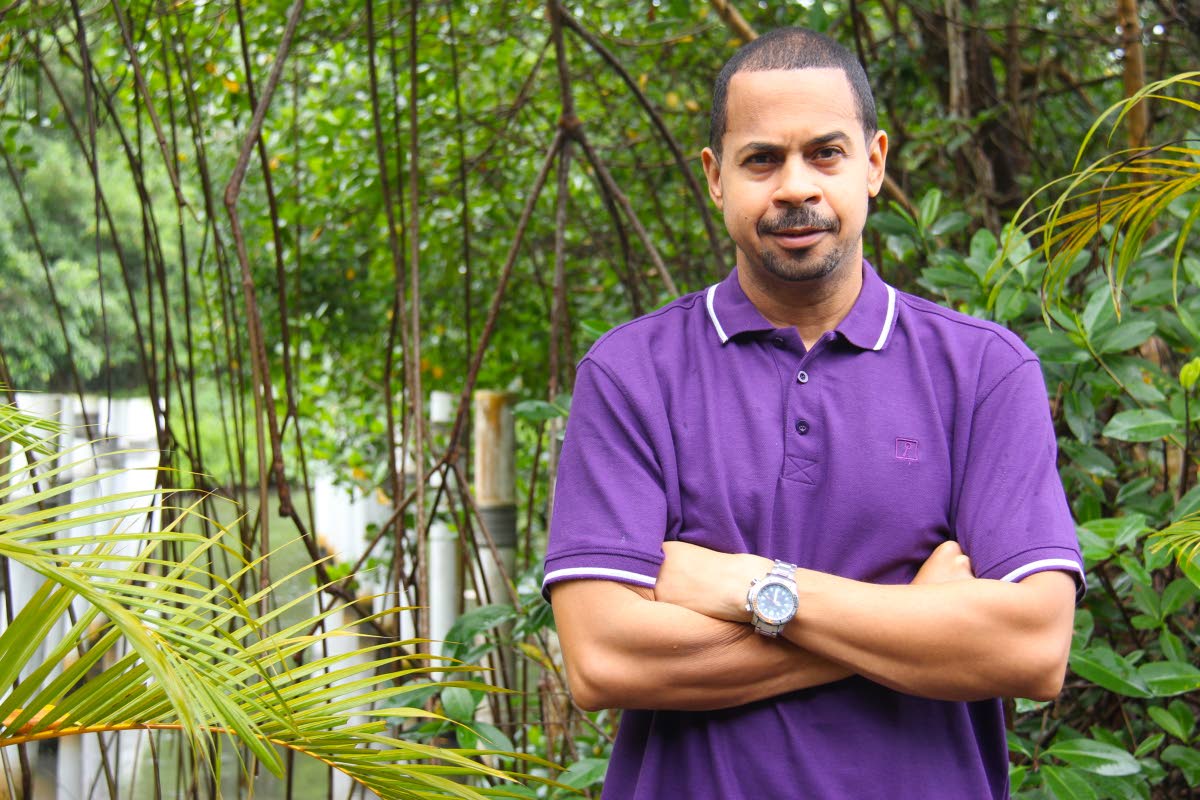
In Trinidad and Tobago, cronyism and nepotism have long been pervasive issues, deeply embedded in both the private and public sectors. The practice of leveraging personal connections to secure opportunities has become a defining characteristic of the nation’s professional and political landscape. This ‘contactocracy,’ as it is often termed, perpetuates a cycle where governance and societal progress are hindered by favoritism rather than meritocracy. A recent revelation by Legal Affairs Minister Saddam Hosein has brought this issue to the forefront. Hosein disclosed that a well-known blogger received payments exceeding $3.3 million between 2017 and 2025 through a company registered in her name. Despite the company’s claim of ‘over 25 years of experience in communications and media consultancy,’ it had only been operational for three weeks when it was awarded the contract by the Ministry of Finance in 2017. The blogger defended her eligibility, asserting her competence as a digital marketing strategist. While government contracts with private entities are not inherently problematic, the lack of transparency and merit-based selection processes raises significant concerns. The absence of a verifiable digital footprint for the work allegedly performed further fuels skepticism. This case underscores a broader issue: the prioritization of connections over qualifications in state contracts. Such practices not only erode public trust but also perpetuate inefficiencies and inequities in governance. The narrative of ‘eat-ah-food’—a colloquial term for benefiting from state resources—often overshadows legitimate contributions, as seen in the author’s own experiences. Despite delivering impactful campaigns for state organizations like Cepep and the Ministry of Health, the author faced accusations of cronyism when appointed to the EMA board. This highlights the politicization of public service and the need for systemic reform to ensure fairness and accountability in governance.
-
Government to decide on SoE extension soon
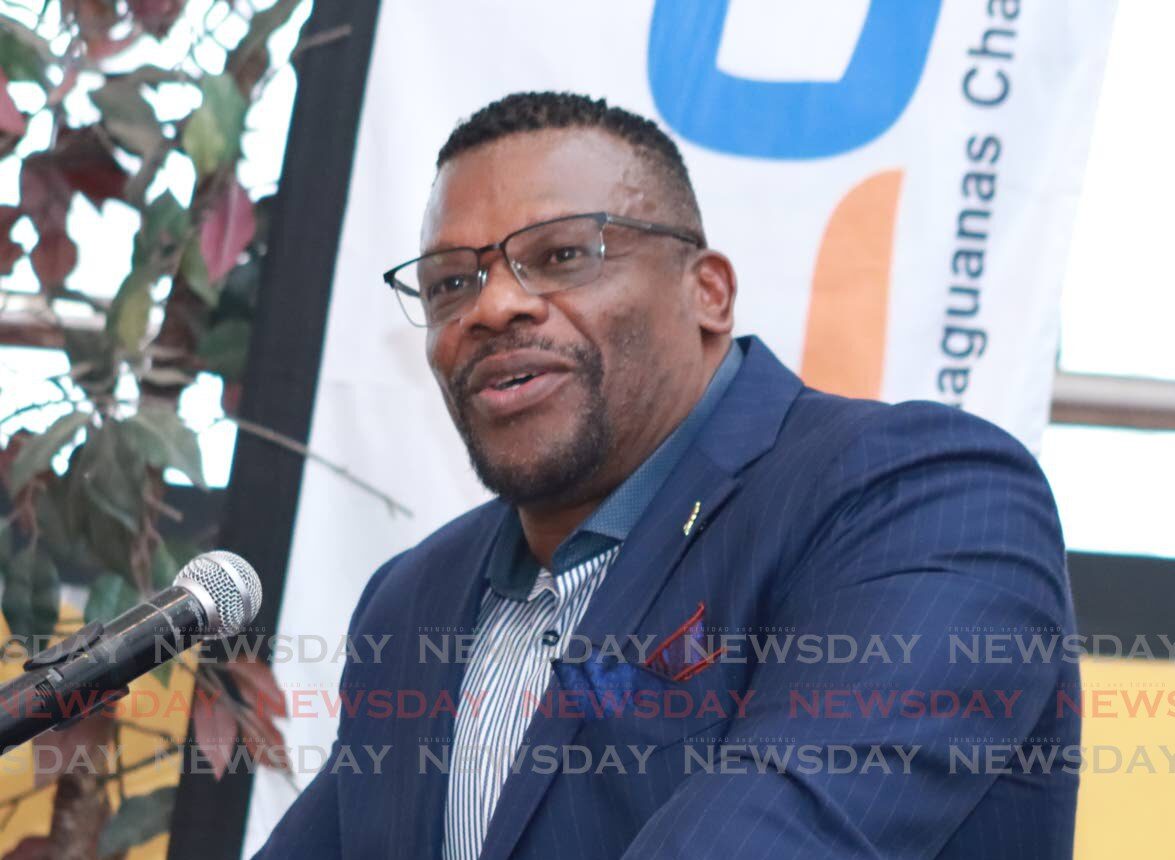
Homeland Security Minister Roger Alexander has announced plans to convene with state security officials to deliberate on whether the current State of Emergency (SoE) should be extended beyond its October 28 expiration date. The SoE, initially declared on July 18, was prompted by intelligence from Police Commissioner Allister Guevarro, who revealed that organized criminal gangs were plotting widespread violence, including murders, robberies, and kidnappings. On the same day, Guevarro oversaw the relocation of gang leaders from the Maximum Security Prison in Arouca to military and Coast Guard facilities to sever their communication networks and disrupt their operations. Parliament subsequently extended the SoE for three months on July 29. Speaking at a cancer screening clinic in Tunapuna on October 24, Alexander emphasized that any decision to extend the SoE would be strategic, contingent on whether the government’s objectives had been met. He noted that discussions with relevant stakeholders were essential before a final decision could be made, though no specific timeline for these talks has been set. Meanwhile, Commissioner Guevarro, in an August 11 interview, stated that the immediate threat had been neutralized but acknowledged ongoing efforts to dismantle the criminal networks responsible. The public awaits further updates as the government weighs its next steps.
-
PNM MPs: Opposition doing its job at SFC
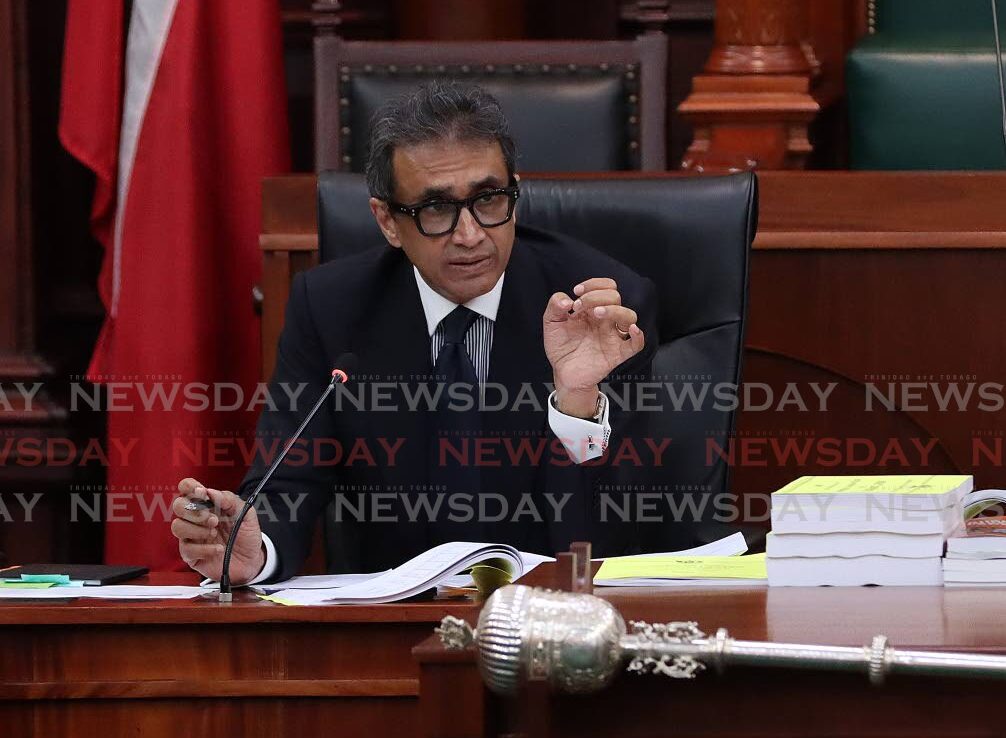
The Standing Finance Committee of Trinidad and Tobago’s House of Representatives witnessed intense disagreements during its budget deliberations on October 21 and 22, as opposition and government members clashed over time management and the handling of inquiries. Speaker Jagdeo Singh opened the October 22 session by acknowledging the committee’s poor performance the previous day, particularly in managing time effectively. Singh emphasized the need for a balanced approach, urging both sides to collaborate and streamline the process. He suggested that some questions could be addressed in writing to save time, citing Opposition Leader Pennelope Beckles’s earlier request for written responses as an example. Leader of Government Business Barry Padarath defended the government, placing the blame squarely on the opposition for the delays and inefficiencies. However, Opposition Chief Whip Marvin Gonzales and Port of Spain North/St Ann’s West MP Stuart Young countered, accusing the government of evading questions and failing to provide clear answers. Young described the government’s responses as a ‘boldface refusal’ to address critical issues. Despite the tension, Singh called for a conciliatory spirit moving forward, and Gonzales pledged the opposition’s commitment to completing the budget review within the allotted five days. The committee approved expenditures for several public bodies without incident, but the heated exchanges underscored the deep political divide. The budget deliberations are set to conclude by October 25, with both sides vowing to continue their respective approaches.
-

Fireworks disturbance Divali night
A recent letter to the editor has highlighted the growing distress caused by the excessive use of fireworks during the Divali celebrations on October 20. The author, Aarti Gosine, expressed deep disappointment over the disruption, which turned what should have been a peaceful and joyous religious event into a night of chaos and fear. The loud explosions not only terrified animals, causing some to flee, get injured, or even die, but also severely affected vulnerable members of the community, including the elderly and those with health conditions. The noise was so intense that it was likened to the sound of wartime bombs, making the situation unbearable for many. Gosine called for immediate action through stricter enforcement, legislative review, or community awareness campaigns to ensure that future celebrations are conducted with respect and consideration for all. She urged the editor to use their influence to address this issue and take meaningful steps to protect both people and animals in the community.