标签: Trinidad and Tobago

特立尼达和多巴哥

  • The cost of waiting

    The cost of waiting

    In an era marked by economic uncertainty, many individuals are grappling with the complexities of financial planning. Rising living costs, inflation, and significant government reforms, such as amendments to the National Insurance System (NIS), have led to widespread procrastination in making crucial financial decisions. However, delaying these decisions is not a viable strategy; it is a silent cost that undermines both financial security and peace of mind.

    Procrastination in financial planning can have profound and lasting consequences. Here are four key areas where delay can be particularly detrimental:

    1. **Health Cannot Be Bought Later**: Insurance products like life, health, and critical illness coverage are most effectively purchased when one is in good health. Insurability is directly tied to current health conditions. Delaying action can result in higher premiums or, in the worst-case scenario, render one uninsurable if a serious illness develops.

    2. **Time Directly Affects Cost**: Age is a critical factor in determining insurance premiums. As individuals grow older, the cost of coverage increases significantly. For instance, a 33-year-old male might secure a $500,000 critical illness policy for approximately $288 monthly. By age 43, the same coverage could cost around $572 monthly—nearly double the initial amount.

    3. **The Hidden Risk of Inaction**: Postponing financial planning leaves families vulnerable to life’s uncertainties. Without adequate coverage, a single unexpected event can jeopardize years of financial progress and savings. The emotional toll of losing a loved one is immeasurable, but the ensuing financial hardship can be equally devastating.

    4. **Peace of Mind is Priceless**: Taking timely action to secure your family’s financial future provides invaluable peace of mind. It replaces worry with assurance, allowing life to be lived with greater ease, confidence, and purpose.

    In conclusion, the cost of waiting far outweighs the cost of action. Every day of delay is a lost opportunity for growth, protection, and peace. The best time to start was yesterday; the second-best time is today.


  • Furness launches Atlantic Pearl smoked herring to local market

    Furness launches Atlantic Pearl smoked herring to local market

    Furness Shipping & Marketing Ltd, a subsidiary of the Furness Group, has broadened its seafood product line by introducing premium salted smoked split herring under its Atlantic Pearl brand. Known for its boneless salted fish in vacuum-sealed packaging, the brand has now ventured into smoked herring, a staple in Trinidad and Tobago’s culinary scene. At a recent launch event attended by chefs and retailers, Patrick A Ferreira, the company’s executive chairman, emphasized the popularity of smoked herring and detailed the process of importing fresh split herring, commonly referred to as kippers. Ferreira noted that kippers are favored over alternatives like bloaters or boneless versions, which can lose flavor during processing. Additionally, he revealed plans to diversify the seafood range further, including blue shark, fresh salmon, white fish, and red snapper. Leveraging its extensive expertise in cold storage, Furness ensures efficient preservation of chilled and frozen seafood products.

  • Fall of the influencer era

    Fall of the influencer era

    The global influencer industry is undergoing a seismic transformation, driven by the rise of artificial intelligence (AI), stricter government regulations, and growing public skepticism. What began as a marketing revolution rooted in authenticity and relatability is now being redefined by these powerful forces, compelling brands and creators to adapt or risk irrelevance.

    For decades, traditional media like print, radio, and television dictated consumer behavior. The advent of search engines and social media disrupted this dynamic, shifting trust from corporate logos to human influencers. However, the influencer era is now giving way to a new paradigm: AI-driven, agentic shopping. Consumers are increasingly turning to intelligent assistants like ChatGPT, Perplexity, and Amazon Rufus for personalized, data-driven recommendations, bypassing traditional influencer content.

    AI’s impact is profound. ChatGPT, for instance, processes over one billion daily searches, a milestone it achieved nine years faster than Google. While Google still dominates with 14 billion daily searches, the trajectory suggests ChatGPT could match its scale by 2030. This shift represents one of the fastest behavioral changes in digital history, as consumers move from passive searching to engaging in intelligent, two-way dialogues with AI tools.

    Simultaneously, governments worldwide are cracking down on misinformation. In China, influencers must now hold professional qualifications to discuss topics like finance, health, and education. The UAE mandates that paid influencers register, obtain permits, and adhere to advertising disclosure rules. These measures aim to restore trust and ensure transparency in the digital space.

    Audiences, meanwhile, are experiencing influencer fatigue. Over-commercialization and performative authenticity have eroded trust, with many consumers feeling misled by influencers promoting products they don’t use. However, this doesn’t signal the end of content creation. The creator economy is thriving, with creators who prioritize expertise, transparency, and storytelling gaining real influence.

    AI is now the bridge between the fading influencer era and the emerging creator economy, connecting consumers with trustworthy creators who deliver verified, personalized insights. For businesses and marketers, especially in the Caribbean, the challenge is not whether they can adapt but how quickly they can do so to remain relevant in this new age of authority.

  • Stability, peace lead to progress

    Stability, peace lead to progress

    In a compelling letter to the editor, Gordon Laughlin highlights the significant benefits of supporting Prime Minister Kamla Persad-Bissessar’s leadership. Laughlin emphasizes that her efforts have brought genuine exposure, economic growth, and international attention, which are crucial for development and trade. The influx of foreign investment, particularly from the United States, has bolstered infrastructure and technical expertise, providing a stable foundation for economic expansion. This, in turn, has created new opportunities for local businesses and communities. Additionally, Laughlin underscores the importance of internal stability and addressing disruptive elements to foster a peaceful society. Such stability not only attracts investment but also inspires confidence and paves the way for progress. While acknowledging the presence of jealousy and opposition, Laughlin advocates for unity and collective support to ensure that the benefits of leadership reach those in need. He concludes by stressing the necessity of supporting a leader committed to development, resilience, and peace, especially during challenging times. Ultimately, Laughlin believes that a collective effort and a positive focus will guide the nation toward a peaceful and prosperous future for all.

  • In the heart of the rainforest

    In the heart of the rainforest

    The Asa Wright Nature Centre, nestled in Trinidad’s Northern Range rainforest, stands as a timeless sanctuary for nature enthusiasts and researchers alike. Dr. Anjani Ganase, a marine scientist, reflects on her transformative experiences at the Centre, which played a pivotal role in shaping her career and deepening her connection to Trinidad’s natural heritage. Her journey began as an undergraduate volunteer for the Guppy Project, led by Dr. David Reznik, where she explored the Arima-Blanchisseuse Valley’s river ecosystems. Despite the challenges of fieldwork—mosquito bites, muddy trails, and Deet mishaps—the experience ignited her passion for environmental science. Later, as a volunteer for the Asa Wright Educational Programme, she contributed to drafting grant applications and leading educational outreach initiatives, fostering a deeper appreciation for the Centre’s ecological richness. The Centre’s vibrant biodiversity, from toucans and bellbirds to nocturnal wildlife like scorpions and porcupines, continues to captivate visitors. Dr. Ganase’s recent return to the Centre, now revitalized by Hadco Experiences, reaffirmed its enduring charm and significance. She hopes that locals and visitors, especially children from the Arima-Blanchisseuse Valley, will experience this tropical haven at least once in their lives.

  • Hard timesahead forthousands

    Hard timesahead forthousands

    The victory of the United National Congress (UNC) in the 2025 elections was largely driven by the numerous promises made to the electorate. However, the reality of fulfilling these pledges is proving to be a daunting task for the government. Prime Minister Kamla Persad-Bissessar and her administration are now grappling with the financial implications of their campaign commitments, which include a 10% salary increase for public servants and the distribution of laptops to students. These initiatives, though popular, are facing delays due to budgetary constraints—a challenge the UNC was well aware of during the campaign but chose to downplay. The government’s inability to secure sufficient funds is likely to place additional financial burdens on citizens. Already, landlords are being asked to contribute more, electricity rates for commercial and industrial users are rising, and new taxes are being introduced, all of which will ultimately affect consumers. There is also speculation that the government may resort to withdrawing significant amounts from the Heritage and Stabilisation Fund to meet its obligations. This situation highlights a recurring issue in Trinidad and Tobago’s political landscape: election promises often fail to materialize, leaving the population disillusioned. The gap between the wealthy and the less fortunate continues to widen, while politicians maintain their privileged lifestyles. The author of the letter, Arnold Gopeesingh, expresses skepticism about any meaningful change, citing arrogance, disrespect, and divisiveness as prevailing attitudes among leaders. He warns that unless these behaviors are addressed, the nation will continue to face the consequences of its actions.

  • Message from monster Melissa

    Message from monster Melissa

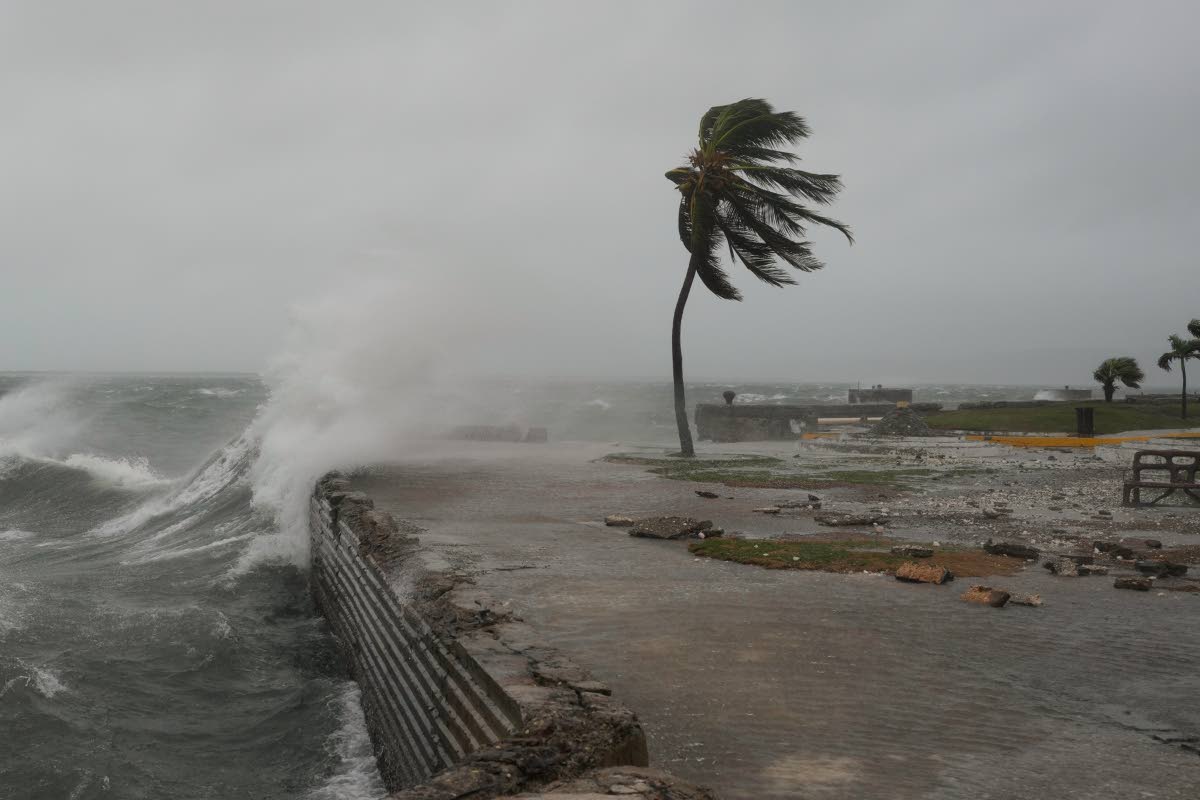
    As Hurricane Melissa, one of the most powerful Atlantic cyclones in history, battered Jamaica, Haiti, the Dominican Republic, Cuba, and the Bahamas, it left behind a trail of devastation that underscores two critical issues: the escalating climate crisis and the indispensable role of Caribbean unity. The storm, with sustained winds exceeding 157 mph, caused significant damage, displacing thousands and claiming lives even before making landfall. Jamaican Prime Minister Andrew Holness reported severe impacts on infrastructure, including roads, hospitals, and properties, as the storm reached Category 5 intensity. In Haiti, floodwaters claimed 25 lives, including children, while Cuba evacuated 735,000 residents. The storm’s ferocity was fueled by unusually warm seawater, a direct consequence of climate change. UN Secretary-General António Guterres warned that humanity has already surpassed the 1.5°C global heating target, with devastating consequences for ecosystems worldwide. Despite these warnings, global discourse remains mired in political divisions, with oil and gas interests influencing populist agendas. Even figures like Bill Gates have downplayed the urgency, suggesting humanity can adapt to climate change. Meanwhile, regional leaders like Prime Minister Persad-Bissessar of Trinidad and Tobago have undermined Caribbean unity, prioritizing national interests over collective action. Hurricane Melissa serves as a stark reminder that no nation is an island; the Caribbean must stand together to face the existential threat of climate change.

  • Preedy back from Japan, ready for Acoustic Experience

    Preedy back from Japan, ready for Acoustic Experience

    National Freestyle Champion Akeem ‘Preedy’ Chance has recently returned from Japan, where he showcased his soca talents during the Soca in Japan festivities. Now, he is gearing up for his highly anticipated Acoustic Experience event, set to take place on November 2 in St Clair, Trinidad. Preedy expressed his pride in seeing soca music transcend borders, noting its ability to inspire and uplift people worldwide. Reflecting on his time in Japan, he described the culture as respectful and deeply appreciative of soca’s vibrant energy, which brings warmth and joy to its listeners. Despite the Japanese emphasis on calmness and control, Preedy observed that soca music serves as the perfect catalyst for moments of uninhibited celebration. His recent single, ‘Jammin,’ released ahead of Miami Carnival, has already garnered over 265,000 views in less than two weeks, signaling its widespread appeal. Preedy also teased an upcoming collaboration, hinting that attendees of the Acoustic Experience might get an exclusive preview. The event promises a unique, intimate connection with his audience, offering a fresh take on his beloved songs. For more details, fans can follow @iland_boy_preedy on Instagram and other social media platforms.

  • Senator: Screen for learning impediments earlier

    Senator: Screen for learning impediments earlier

    Opposition Senator Janelle John-Bates has raised significant concerns regarding the government’s approach to child development and public servant compensation. During the Senate budget debate on October 27, John-Bates advocated for earlier screening of infants for learning impediments, arguing that the government’s proposed age of four to five is too late. She emphasized that early detection and intervention are crucial for addressing developmental delays in motor skills, speech, language, social and emotional skills, and cognition. John-Bates pointed out that other countries typically screen children between zero and three years old, leveraging the brain’s neuroplasticity during this critical period. She highlighted the importance of therapies such as speech, physical, occupational, and behavioral interventions to foster proper brain development. Additionally, John-Bates criticized the high cost of educational assessments and therapies, which can be prohibitive for many families. She also addressed the plight of single mothers facing the government’s 3.5% landlord surcharge, noting the difficulty of finding landlords willing to accommodate children. On the issue of public servant back-pay, John-Bates expressed skepticism about the government’s promise to deliver a 10% increase by Christmas, citing the absence of allocated funds in the budget. She graded the budget an ‘F,’ labeling it as ‘fluff, false, and fraudulent.’

  • Court of Appeal moves to clarify law

    Court of Appeal moves to clarify law

    The Bail (Amendment) Act, passed last year with bipartisan support from both the PNM and UNC, introduced significant changes to how individuals accused of serious crimes are treated. This legislation was necessitated by a landmark Privy Council ruling that declared the long-standing ban on bail for murder charges unconstitutional. The amendment allows bail in ‘exceptional circumstances’ and permits those charged with murder to petition for release if the state fails to present evidence within 180 days or if a trial extends beyond a year. However, the law left ambiguity regarding whether the same standards apply in cases of prolonged trials.

    On October 27, the Court of Appeal signaled its intention to address this unresolved issue. Justices of Appeal Gillian Lucky, Mira Dean-Armorer, and Carla Brown-Antoine have consolidated several ongoing cases to determine the correct legal test. The court will hear arguments in early 2026, weighing whether the legislative intent was to ease the burden on defendants, as argued by defense attorneys, or to maintain a high threshold even in cases of delay, as contended by the state. Stakeholders, including the Public Defenders’ Department, the Law Association, the Criminal Bar Association, and the Office of the Attorney General, will participate as interested parties.

    Justice Lucky emphasized the need for a consistent approach, stating, ‘What is the correct test?’ This judicial intervention highlights deficiencies in the parliamentary process, as the ambiguity was raised during committee discussions when the bill was debated last July.

    The urgency for clarity is underscored by recent observations from prison reform advocate Debbie Jacob, who noted that innocent individuals languish in prison for over a decade awaiting trial. A 2023 parliamentary committee survey further revealed that some citizens are reluctant to report crimes due to the ‘terrifyingly delayed process.’ The court’s move to clarify the law is a welcome step, potentially obviating the need for further legislative action.