
Trinidad and Tobago’s star cyclist Nicholas Paul has redirected his attention to the men’s sprint event following an underwhelming performance in the men’s 1K time trial at the 2025 Tissot Union Cycliste Internationale (UCI) Track World Championships in Santiago, Chile. On October 24, Paul finished 12th in the qualifying round with a time of 1:00.206, failing to secure a spot among the top eight cyclists who advanced to the final. The qualifying round was dominated by Dutch cyclist Harrie Lavreysen, who set an impressive time of 57.681 seconds, followed by Great Britain’s Joseph Truman (58.807) and another Dutch rider, Jeffrey Hoogland (58.962). Lavreysen ultimately clinched gold in the final, with Hoogland taking silver and Truman earning bronze. This setback comes after Paul’s seventh-place finish in the men’s keirin on October 23, where Lavreysen once again emerged victorious. Paul will now compete in the men’s sprint qualifying round on October 25, alongside his compatriot Njisane Phillip, in a field of over 30 cyclists. Meanwhile, Trinidad and Tobago’s endurance rider Akil Campbell faced challenges in the men’s points race, failing to complete the event. Campbell will seek redemption in the men’s omnium on October 25, while rising sprint star Makaira Wallace will represent the nation in the women’s 1K time trial.
标签: Trinidad and Tobago
特立尼达和多巴哥
-
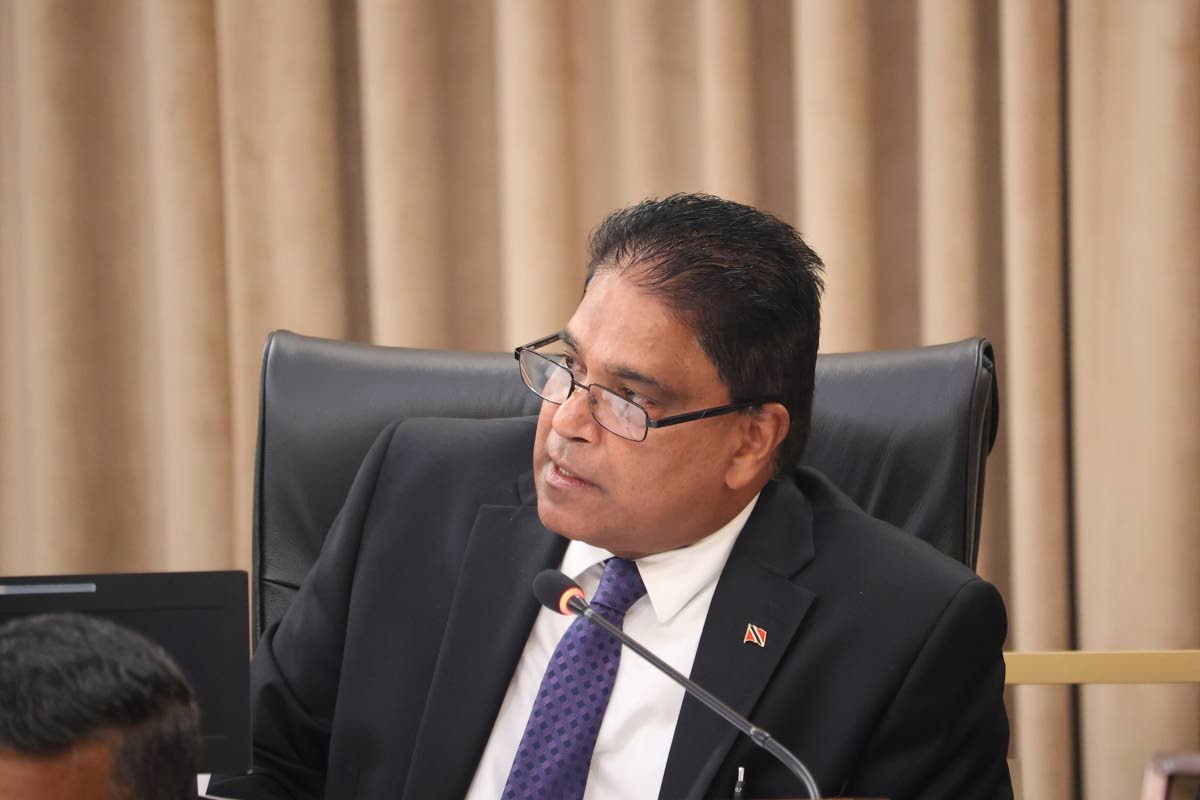
Moonilal, Young spar over increased ministry allowances
During the final session of the Standing Finance Committee on October 25, a heated exchange erupted between Port of Spain North/St Ann’s West MP Stuart Young and Energy Minister Dr Roodal Moonilal over an $82,000 increase in electricity allowances within the Ministry of Energy and Energy Industries’ budget. Young, a former energy minister, questioned whether the hike was tied to the establishment of additional offices for Moonilal and junior minister Ernesto Kesar in south Trinidad. The increase was listed under the sub-heading ‘goods and services – general administration.’ Young argued that the additional offices were an unnecessary burden on taxpayers, particularly since the Ministry already operates from Port of Spain. Moonilal countered that the funds were allocated to cover arrears owed to TTEC, the national electricity provider, which he claimed were left unpaid by Young during his tenure. He further defended the southern offices, stating they were a long-standing presence in San Fernando and provided convenience for stakeholders in the energy sector. The debate intensified as Young also challenged a $150,000 increase in rent, which Moonilal attributed to unpaid arrears from the previous administration. Young accused Moonilal of excessive spending on office renovations, emphasizing that most energy sector stakeholders are based in Port of Spain. The session concluded without resolution, highlighting ongoing tensions over fiscal responsibility and resource allocation within the Ministry.
-
Caribbean Sea’s new compact for survival: Reflections from COP18
October 24 marks United Nations Day, commemorating the 80th anniversary of the UN under the theme ‘The Future We Want: The UN We Need: Reaffirming Our Collective Commitment to Multilateralism.’ This year’s celebration holds particular significance for the Caribbean, following the historic Eighteenth Meeting of the Contracting Parties (COP18) to the Cartagena Convention, held in Kingston, Jamaica, from October 13-16. The event brought together over 80 delegates from 20 nations and 15 observer groups, including youth representatives, to address the pressing challenges facing the Caribbean Sea. The central message was unequivocal: the health of the Caribbean Sea is intrinsically linked to the livelihood and identity of its people, making united action not just desirable but essential. COP18 was groundbreaking in its integrated approach, combining discussions on the Specially Protected Areas and Wildlife (SPAW) protocol and the Land-Based Sources of Marine Pollution protocol into a single, cohesive agenda. This innovative structure enabled delegates to tackle cross-cutting issues such as pollution control, species protection, and coral reef restoration in a unified framework. The outcomes of COP18 are transformative, aligning with the Regional Seas Strategic Direction (RSSD) for 2026-2029, which envisions healthy, productive marine ecosystems that support a sustainable ocean economy and combat biodiversity loss, pollution, and climate change. Key decisions included the approval of an action plan to address sargassum inundation and the development of conservation management plans for species like the silky shark and oceanic whitetip shark. Additionally, the meeting operationalized a workplan and budget for 2026-2027, focusing on three core goals: securing biologically diverse and climate-resilient ecosystems, enhancing knowledge management and science-policy dialogue, and elevating the global profile of the regional seas program. The event also strengthened regional partnerships, exemplified by collaborations with the International Maritime Organization (IMO) on oil-spill response and the Caribbean Wildlife Enforcement Network. However, the urgency of the situation cannot be overstated. Reports presented at COP18 revealed that the Caribbean’s coral reefs, vital to tourism and fisheries, are under severe threat from heat stress, disease outbreaks, and mass bleaching events driven by rising ocean temperatures and acidification. The decisions made in Kingston mark a pivotal shift from passive defense to active restoration, emphasizing the need for stronger national coastal frameworks and species management plans. As the Caribbean commemorates UN Day, the spirit of COP18 serves as a beacon for sustained effort and stronger partnerships. The Caribbean Sea is not merely a body of water; it is the lifeblood of the region. Through the Cartagena Convention, the Caribbean has reaffirmed its shared duty to protect, restore, and sustain this precious resource for future generations.
-

Trump’s plan for the region
In a series of bold and controversial moves, US President Donald Trump has unveiled an expansionist agenda that has sparked widespread debate and concern across the Americas. Trump’s initial statement about taking over Iceland, Canada, and Mexico was followed by the symbolic renaming of the Gulf of Mexico to the Gulf of America, a move that many interpret as a clear indication of his intentions for the region.
-
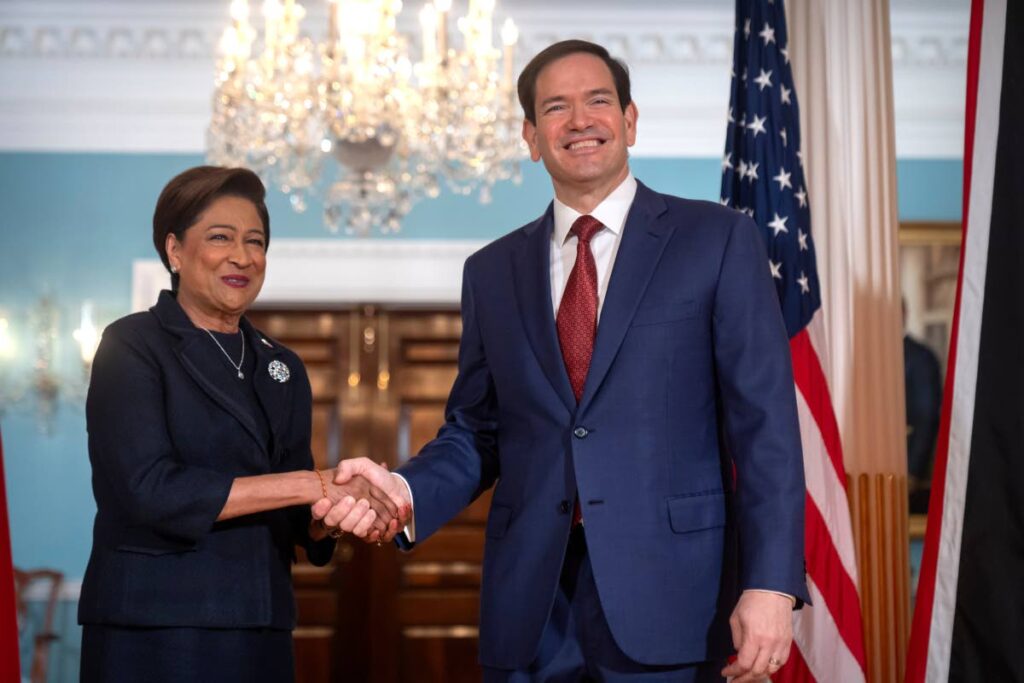
Experts: Trinidad and Tobago aligning with US policy in Latam
In a significant shift in foreign policy, Trinidad and Tobago (TT) has joined the United States and six Latin American countries in endorsing Rodrigo Paz Pereira as Bolivia’s new president. The joint statement, issued on October 21, two days after Bolivia’s elections, marks a notable alignment of TT with US government interests, according to international relations experts. The statement expressed the signatories’ readiness to support the incoming administration in stabilizing Bolivia’s economy, reinforcing democratic institutions, and enhancing international trade and investment. Caribbean Policy Consortium co-founder Prof Anthony Bryan noted that this move represents a departure from TT’s traditional policy of neutrality and its efforts towards a coordinated Caricom foreign policy. Dr Evan Ellis, a research professor at the US Army War College, viewed the joint statement as a positive initiative, reflecting the emergence of a new group of US-friendly governments in the region. He emphasized the collective recognition of Paz’s victory and the hope for Bolivia’s constructive direction under his leadership, particularly in economic policy, anti-drug efforts, and anti-corruption activities.
-

PM’s mixed rhetoric on jobs
Prime Minister Kamla Persad-Bissessar’s National Recruitment Drive has garnered significant attention, with over 110,000 applications received, highlighting a long-standing demand for such initiatives. However, the program’s success is overshadowed by unresolved concerns regarding unemployment support, funding, and sustainable job creation. Without addressing these issues, the initiative risks being perceived as merely a public relations exercise. The Prime Minister’s contradictory statements on October 23 about cuts to Cepep and URP programs further complicate matters. During her visit to the National Cycling Centre in Couva, Ms. Persad-Bissessar portrayed herself as a savior, criticizing Cepep jobs for their inability to provide financial stability, likening them to “hand-to-mouth feeding” and even invoking the term “slavery.” Yet, her administration’s abrupt termination of workers without prior notice contradicts her professed empathy. The government’s broad accusations of nepotism and corruption within these programs also raise questions about their selective targeting. Additionally, the lack of clarity on funding sources for new hires and salary increases adds to the uncertainty. While the recruitment drive aims to fill 20,450 positions, it falls short of addressing the broader unemployment crisis. Ms. Persad-Bissessar must provide a comprehensive plan during the Senate budget debate to create new opportunities, not just fill existing vacancies. As a leader elected to serve the people, this remains her fundamental responsibility.
-

Reinventing cauliflower
Cauliflower has emerged as a culinary superstar, captivating the health-conscious with its versatility and nutritional benefits. This cruciferous vegetable, known for its firm white head and crisp green leaves, has become a staple in low-carb diets, replacing traditional carbohydrates in innovative ways. From pizza crusts to cauliflower rice, its adaptability is reshaping modern cuisine. Beyond its culinary appeal, cauliflower is a powerhouse of nutrients, rich in vitamin C, folate, potassium, and vitamin B6. Its high fiber content and low calorie count—just 25 calories per cup—make it an ideal choice for weight management. Local sourcing is encouraged, as fresh, locally grown cauliflower retains more nutrients due to shorter harvesting-to-market times. Recipes like mashed cauliflower with olive oil, creamy cauliflower soup, and cheesy cauliflower casserole highlight its versatility and flavor. Whether steamed, roasted, or pureed, cauliflower continues to inspire creative, healthy dishes that cater to diverse palates.
-

Brightstar strengthens commitment to Just Because Foundation
Brightstar Lottery has reaffirmed its commitment to supporting The Just Because Foundation (JBF) by renewing its sponsorship of the JBF Be Better Bears initiative and enhancing the technological capabilities of the JBF Paediatric Specialty Unit at Mt Hope. The Be Better Bear, a comforting teddy bear, has become a symbol of hope for children diagnosed with cancer in Trinidad and Tobago. Each child admitted to the unit receives one of these bears, and proceeds from sales fund JBF’s outreach and patient care programs. Brightstar’s latest contribution includes a mobile projector, which will be used to facilitate movie time and group activities, providing moments of joy and normalcy during hospital stays. Additionally, Brightstar maintains the computer room at the specialty unit, ensuring children and families remain connected to their schools, friends, and the wider world. Brightstar’s General Manager, Dexter Thomas, emphasized the importance of their partnership with JBF through the After School Advantage (ASA) program, which provides digital learning centers for non-profit organizations. Beyond corporate support, many Brightstar employees personally contribute by adopting Be Better Bears, further aiding JBF’s mission. On October 2, JBF team members, accompanied by mascot Jolly Bear, visited Brightstar’s Port of Spain office to deliver bears and engage employees in packaging them for sale. Chevaughn Joseph, co-founder of JBF, highlighted the symbolic significance of the bears, encouraging adopters to send messages of love and encouragement to children on the ward. The partnership between Brightstar and JBF, which began in 2015, continues to make a profound impact on the lives of children and families facing childhood cancer.
-

Opposition sounds alarm over ‘war games’ in region
The arrival of the USS Gravely, a US Navy guided-missile destroyer, at the Port of Spain in Trinidad and Tobago (TT) has ignited a wave of political and public discourse. The vessel’s visit, scheduled from October 26-30, coincides with joint training exercises between the US 22nd Marine Expeditionary Unit and the TT Defence Force. While the Ministry of Foreign and Caricom Affairs framed the visit as part of longstanding bilateral cooperation, Opposition Leader Penelope Beckles expressed unease, drawing parallels to the 1983 US invasion of Grenada during Operation Urgent Fury. Beckles called for greater transparency, urging the Minister of Foreign Affairs to provide detailed explanations to the public. Government ministers, however, dismissed concerns as fearmongering, emphasizing the visit’s focus on goodwill, humanitarian aid, and training. Minister of Works and Infrastructure Jearlean John highlighted the US military’s assistance to local schools and the TTDF, while Minister of Homeland Security Roger Alexander described the visit as routine. Opposition MPs, including Diego Martin Central MP Symon De Nobriga, countered that the geopolitical tensions between the US and Venezuela have heightened public anxiety, necessitating clear communication from the government. The USS Gravely, armed with advanced weaponry, arrives amid escalating US-Venezuela tensions, with US Secretary of War Pete Hegseth deploying additional naval assets to the region. Venezuelan President Nicolas Maduro has appealed for peace, while US Embassy Chargé d’Affaires Dr. Jenifer Neidhart de Ortiz reaffirmed the partnership’s focus on addressing shared threats like transnational crime. Public opinion remains divided, with some citizens expressing confidence in peaceful resolutions, while others remain cautious about potential regional repercussions.
-

Thomas-Clarke retains Tobago calypso crown
Nicole Thomas-Clarke has emerged victorious at the Tobago October Carnival Calypso Monarch finals, held on October 23 in Scarborough. Her win has fueled her determination to secure a spot in the National Calypso Monarch finals next year. Thomas-Clarke, who scored 460 points and won the $100,000 first prize, performed her song ‘Sacrifice,’ which critiques society’s reluctance to work hard for their desires. ‘It is no longer by the sweat of thy brow, they want it now for now,’ she sang, emphasizing the theme of her performance. Dressed in a striking silver and white ensemble, she highlighted the need for genuine effort and sacrifice in achieving success. Thomas-Clarke, a loans officer at Republic Bank Ltd, attributed her victory to a collaborative team effort, ensuring that the presentation, music, and lyrics harmonized perfectly. She expressed optimism about the future of calypso, noting the strong interest shown by the 50 participants in the auditions. The event also saw notable performances from her siblings, Wendy Garrick and Dillon ‘Dilly Suede’ Thomas, who placed second and fourth, respectively. Garrick’s song ‘Family’ addressed the destructive forces of selfishness and greed within families, while Dilly Suede’s ‘One Man’s Trash Is Another Man’s Treasure’ resonated well with the audience. Other standout performers included Giselle ‘GG’ Fraser, who took third place with her social commentary ‘No Village Can’t,’ and Delanie Baynes, who placed fifth with ‘I Dare You,’ addressing recent socio-political issues. The competition, which featured a mix of seasoned and emerging calypsonians, tackled a variety of themes, from Tobago’s quest for autonomy to the importance of respecting the steelpan. The event concluded with performances by veteran calypsonians Lord Nelson, Benjai, Johnny King, Myron B, and King Unique, leaving the audience thoroughly entertained.