At just 24 years old, Seth Nurse, an entrepreneur from Arouca, Trinidad and Tobago, is spearheading the development of a ‘creative economy’ in his homeland, with aspirations to expand across the Caribbean. As the CEO and founder of Bustr Media Enterprise Ltd, Nurse has channeled his frustration with the local creative industry’s lack of structure into a thriving business that supports creators, entrepreneurs, and intellectual property (IP) owners. Bustr Media focuses on content development, creative management, media infrastructure, and cultural engagement, aiming to streamline the creative pipeline for films, games, and books. Nurse’s vision is to provide the resources and structure needed to elevate local talent to global prominence. Bustr offers two primary services: extended services, which include development, marketing, legal guidance, and distribution, and commission-based services, where the company acts as a producer for IP projects. One of Bustr’s early successes was collaborating with author Ciara Attong to adapt her novel *Dark and Cold* into a short film titled *One of Iron*. The company also partnered with Accent Game Studios to develop *Riddim Rabbit*, a steelpan-based video game set for release in 2026. Beyond these projects, Bustr is building a robust creative network through initiatives like *WI of the Future*, an online magazine showcasing Caribbean creatives, and *Bustrmrkt*, a touring platform that highlights creators’ work at various venues. Nurse’s journey into the creative industry began at age 14, with stints in drawing, acting, and music. His passion for storytelling led him to film, and he later earned an associate degree in film and video production. The challenges he observed during his studies, coupled with the disruptions of the COVID-19 pandemic, inspired him to create Bustr as a collaborative and supportive business model. Today, Bustr is not only fostering local talent but also laying the groundwork for a sustainable creative economy that could serve as a model for the Caribbean and beyond.
标签: Trinidad and Tobago
特立尼达和多巴哥
-
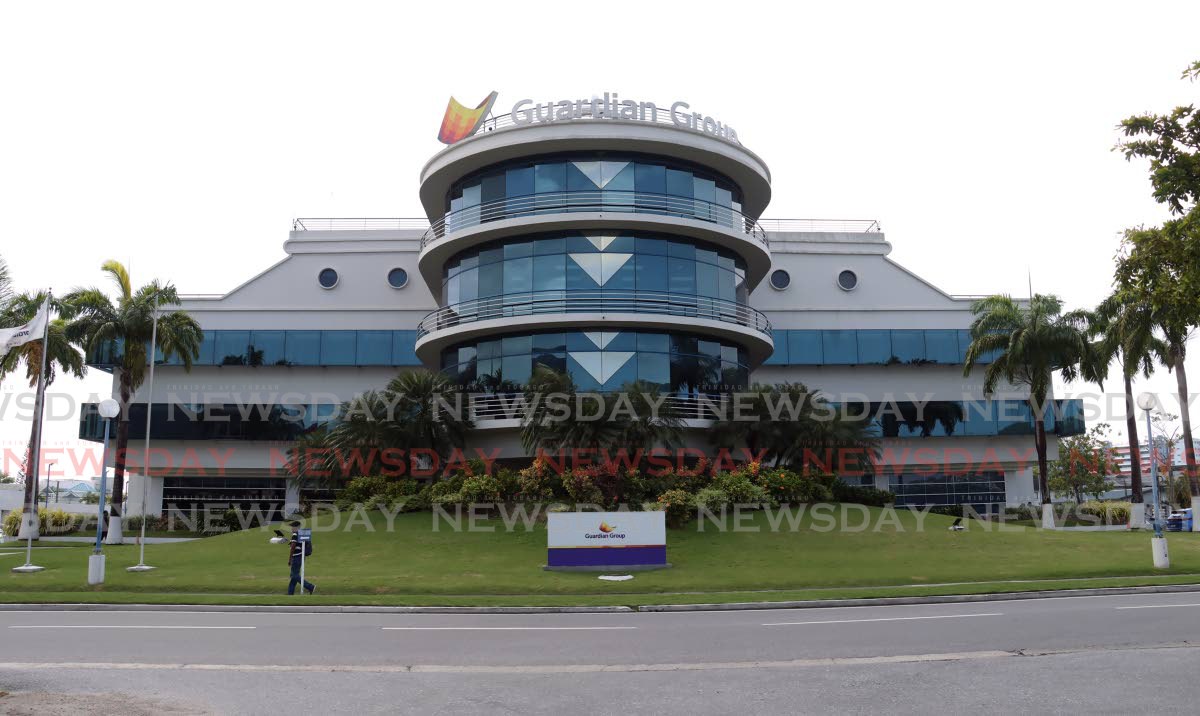
Guardian Holdings records $237m in profit
Guardian Holdings Ltd has demonstrated sustained growth in its third quarter, posting a profit of $237 million attributable to equity shareholders for the period ending September 30. This marks a significant 20% increase, or $40 million, compared to the $197 million reported in the same period last year. The company’s consolidated financial statements attribute this growth to the expansion of its core insurance operations across English-speaking Caribbean nations, the Dutch Caribbean, and the Netherlands. Chairman Robert Almeida emphasized the group’s commitment to sustainable, long-term value creation, supported by operational efficiencies, disciplined cost management, and favorable market conditions. Key achievements during the quarter included a robust performance ratio, a substantial rise in earnings per share from $2.58 to $5.52, and a 28% increase in return on equity. Additionally, Guardian Holdings successfully refinanced its $1.02 billion bond by issuing a $1.05 billion secured multi-tranche bond. On October 3, credit rating agency CariCRIS reaffirmed the group’s ratings of CariAA- on the regional scale and jmAAA on the Jamaican national scale, maintaining a stable outlook. Almeida also highlighted the group’s strong capitalization and regulatory compliance. Insurance revenue for the quarter grew by $109 million, reaching $1,588 million, while other operating expenses increased by $37 million to $244 million. The board proposed a third quarterly dividend of 23 cents per share, bringing the year-to-date total to 66 cents per share, a 43-cent increase over the previous year. For the nine months ending September 30, the group reported a profit of $1,281 million, a 114% increase from the prior year, driven largely by the sale of Thoma Exploitatie BV in January. Excluding discontinued operations, the group’s profit from continuing operations stood at $630 million, a 7% increase over the previous year. Almeida noted that the core insurance operations remain robust, with insurance service results outperforming the prior year by $207 million or 34%.
-
Kamla takes lead in Melissa relief effort
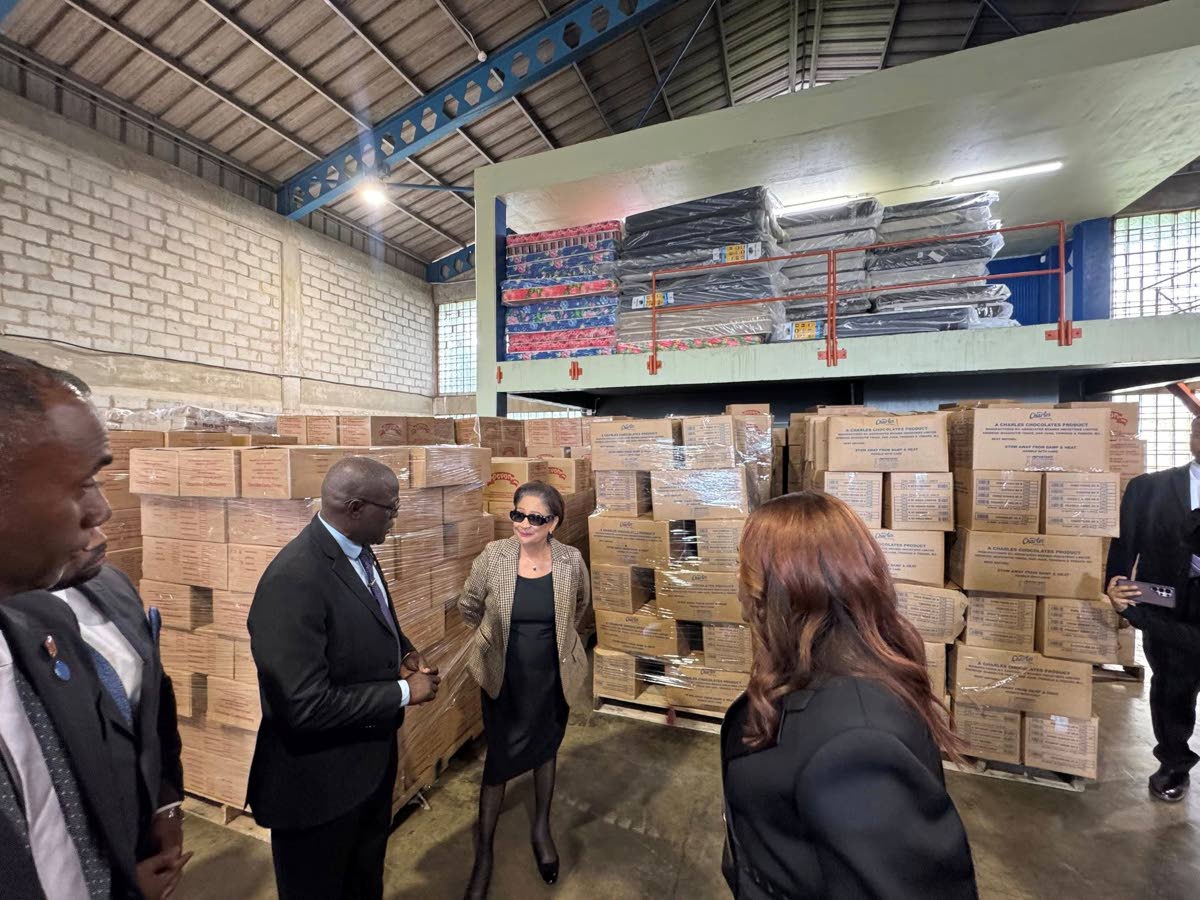
In a swift response to the devastation caused by Hurricane Melissa, Trinidad and Tobago’s Prime Minister Kamla Persad-Bissessar spearheaded the nation’s humanitarian efforts to aid Jamaica. On the first day of Jamaica’s recovery, Persad-Bissessar visited the Plipdeco Warehouse Complex at Point Lisas Industrial Estate to oversee the preparation of the first shipment of relief supplies. The shipment included essential items such as rice, flour, canned goods, baby formula, medical kits, generators, and blankets, identified in collaboration with the Jamaican government and the Caribbean Disaster Emergency Management Agency (CDEMA).
During her visit, Persad-Bissessar toured the warehouse and observed the loading of containers onto the MV Seaboard Ranger. She emphasized Trinidad and Tobago’s long-standing tradition of assisting regional neighbors in times of crisis, noting her personal connection to Jamaica, where she lived and worked for 14 years. “Jamaica is and always will be my second home,” she stated, highlighting the resilience and passion of its people.
Persad-Bissessar also convened an Inter-Ministerial Emergency Response Team to coordinate national efforts, involving multiple ministries and supported by the Trinidad and Tobago Defence Force. She expressed gratitude to the Trinidad and Tobago Manufacturers Association (TTMA) for their assistance in organizing relief efforts.
Meanwhile, Minister of Local Government and Rural Development Khadijah Ameen called on the public to contribute to the relief initiative, with collection points established across the country. Corporate entities and businesses operating in Jamaica have also joined the effort, with financial contributions and supplies being mobilized.
Jamaican Prime Minister Andrew Holness assessed the damage, noting significant flooding and infrastructure issues but praised the resilience of the Jamaican people. Both Sangster International Airport and Norman Manley International Airport have resumed operations, aiding recovery efforts.
The United States Southern Command (Southcom) has also been enlisted to assist with logistics, including the transportation of personnel and heavy equipment to Jamaica.
-
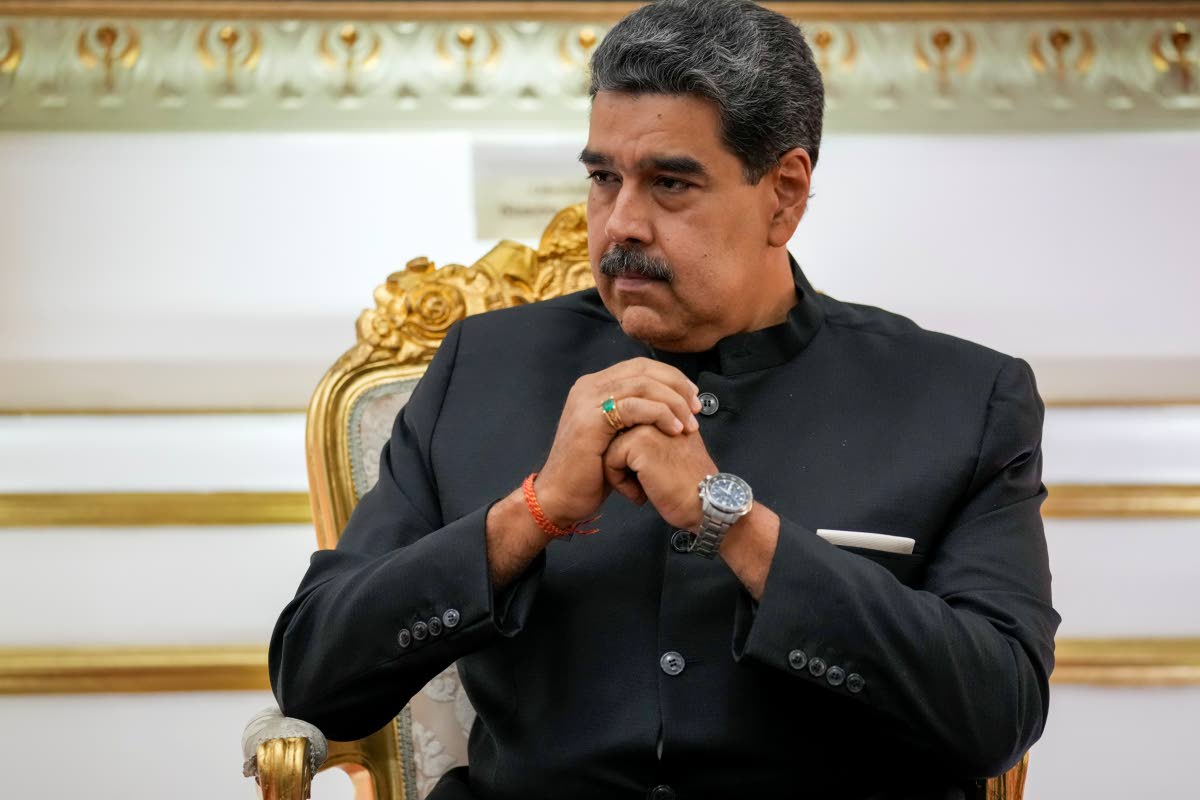
Don’t lecture to us, Maduro
In a bold and unflinching open letter to Venezuelan President Nicolás Maduro, Curtis A. Obrady of Arima, Trinidad and Tobago (TT), delivers a scathing critique of the Venezuelan leader’s regime. The letter accuses Maduro of transforming Venezuela into a ‘living hell,’ forcing millions to flee due to hunger, fear, and oppression. Obrady highlights the irony of Maduro’s government, which silences dissent and imprisons journalists, now attempting to lecture TT on humanity and deportations. He emphasizes that TT has shown compassion by welcoming Venezuelan refugees, providing them with safety and dignity, but asserts that this compassion does not equate to weakness. The letter concludes with a strong defense of TT’s sovereignty and Prime Minister Kamla Persad-Bissessar’s leadership, urging Maduro to address his own human rights abuses before criticizing others.
-

Schools, businesses close early amid Defence Force alert
In response to heightened military activity and escalating tensions between the United States and Venezuela, several schools across Trinidad urged parents to collect their children early on October 31. An internal memo revealed that the Defence Force had been placed on high alert, with all military personnel required to report to their bases by 6 pm. Even officers on pre-retirement, sick leave, or vacation were instructed to remain on standby at home, awaiting further orders. This development follows reports from The Miami Herald and Wall Street Journal suggesting an imminent attack on Venezuelan military installations, though US President Donald Trump denied these claims. At La Horquetta South Government Primary, tensions flared as a frustrated parent clashed with a security guard over early dismissal procedures. Similarly, a denominational primary school in Curepe advised parents to pick up their children by 2 pm, an hour earlier than usual. Businesses in Port of Spain also took precautionary measures, with a software development company and a prominent law firm sending staff home by mid-afternoon. While no panic was reported, the situation was taken seriously by the public.
-
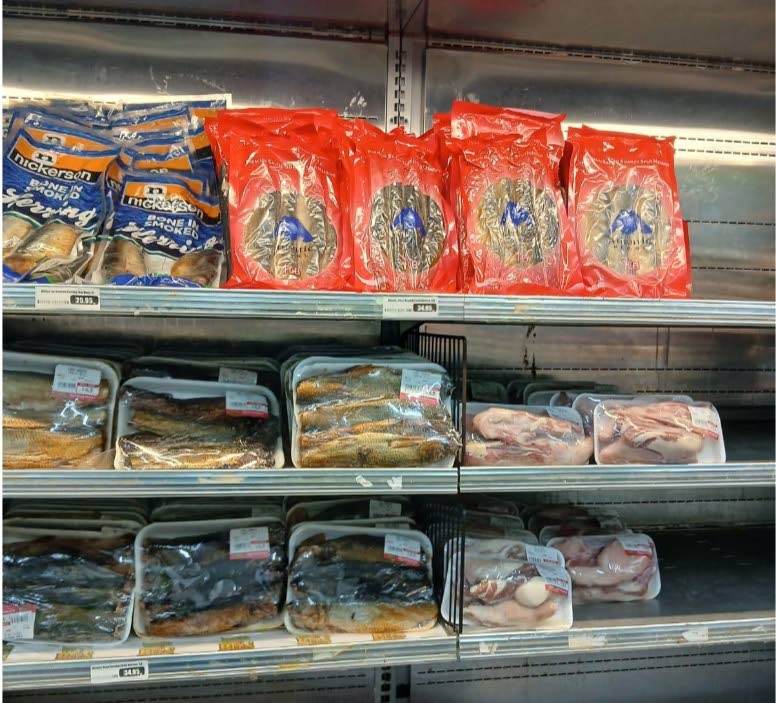
Furness launches Atlantic Pearl smoked herring to local market
Furness Shipping & Marketing Ltd, a subsidiary of the Furness Group, has broadened its seafood product line by introducing premium salted smoked split herring under its Atlantic Pearl brand. Known for its boneless salted fish in vacuum-sealed packaging, the brand has now ventured into smoked herring, a staple in Trinidad and Tobago’s culinary scene. At a recent launch event attended by chefs and retailers, Patrick A Ferreira, the company’s executive chairman, emphasized the popularity of smoked herring and detailed the process of importing fresh split herring, commonly referred to as kippers. Ferreira noted that kippers are favored over alternatives like bloaters or boneless versions, which can lose flavor during processing. Additionally, he revealed plans to diversify the seafood range further, including blue shark, fresh salmon, white fish, and red snapper. Leveraging its extensive expertise in cold storage, Furness ensures efficient preservation of chilled and frozen seafood products.
-

Fall of the influencer era
The global influencer industry is undergoing a seismic transformation, driven by the rise of artificial intelligence (AI), stricter government regulations, and growing public skepticism. What began as a marketing revolution rooted in authenticity and relatability is now being redefined by these powerful forces, compelling brands and creators to adapt or risk irrelevance.
For decades, traditional media like print, radio, and television dictated consumer behavior. The advent of search engines and social media disrupted this dynamic, shifting trust from corporate logos to human influencers. However, the influencer era is now giving way to a new paradigm: AI-driven, agentic shopping. Consumers are increasingly turning to intelligent assistants like ChatGPT, Perplexity, and Amazon Rufus for personalized, data-driven recommendations, bypassing traditional influencer content.
AI’s impact is profound. ChatGPT, for instance, processes over one billion daily searches, a milestone it achieved nine years faster than Google. While Google still dominates with 14 billion daily searches, the trajectory suggests ChatGPT could match its scale by 2030. This shift represents one of the fastest behavioral changes in digital history, as consumers move from passive searching to engaging in intelligent, two-way dialogues with AI tools.
Simultaneously, governments worldwide are cracking down on misinformation. In China, influencers must now hold professional qualifications to discuss topics like finance, health, and education. The UAE mandates that paid influencers register, obtain permits, and adhere to advertising disclosure rules. These measures aim to restore trust and ensure transparency in the digital space.
Audiences, meanwhile, are experiencing influencer fatigue. Over-commercialization and performative authenticity have eroded trust, with many consumers feeling misled by influencers promoting products they don’t use. However, this doesn’t signal the end of content creation. The creator economy is thriving, with creators who prioritize expertise, transparency, and storytelling gaining real influence.
AI is now the bridge between the fading influencer era and the emerging creator economy, connecting consumers with trustworthy creators who deliver verified, personalized insights. For businesses and marketers, especially in the Caribbean, the challenge is not whether they can adapt but how quickly they can do so to remain relevant in this new age of authority.
-

Stability, peace lead to progress
In a compelling letter to the editor, Gordon Laughlin highlights the significant benefits of supporting Prime Minister Kamla Persad-Bissessar’s leadership. Laughlin emphasizes that her efforts have brought genuine exposure, economic growth, and international attention, which are crucial for development and trade. The influx of foreign investment, particularly from the United States, has bolstered infrastructure and technical expertise, providing a stable foundation for economic expansion. This, in turn, has created new opportunities for local businesses and communities. Additionally, Laughlin underscores the importance of internal stability and addressing disruptive elements to foster a peaceful society. Such stability not only attracts investment but also inspires confidence and paves the way for progress. While acknowledging the presence of jealousy and opposition, Laughlin advocates for unity and collective support to ensure that the benefits of leadership reach those in need. He concludes by stressing the necessity of supporting a leader committed to development, resilience, and peace, especially during challenging times. Ultimately, Laughlin believes that a collective effort and a positive focus will guide the nation toward a peaceful and prosperous future for all.
-

In the heart of the rainforest
The Asa Wright Nature Centre, nestled in Trinidad’s Northern Range rainforest, stands as a timeless sanctuary for nature enthusiasts and researchers alike. Dr. Anjani Ganase, a marine scientist, reflects on her transformative experiences at the Centre, which played a pivotal role in shaping her career and deepening her connection to Trinidad’s natural heritage. Her journey began as an undergraduate volunteer for the Guppy Project, led by Dr. David Reznik, where she explored the Arima-Blanchisseuse Valley’s river ecosystems. Despite the challenges of fieldwork—mosquito bites, muddy trails, and Deet mishaps—the experience ignited her passion for environmental science. Later, as a volunteer for the Asa Wright Educational Programme, she contributed to drafting grant applications and leading educational outreach initiatives, fostering a deeper appreciation for the Centre’s ecological richness. The Centre’s vibrant biodiversity, from toucans and bellbirds to nocturnal wildlife like scorpions and porcupines, continues to captivate visitors. Dr. Ganase’s recent return to the Centre, now revitalized by Hadco Experiences, reaffirmed its enduring charm and significance. She hopes that locals and visitors, especially children from the Arima-Blanchisseuse Valley, will experience this tropical haven at least once in their lives.
-

Hard timesahead forthousands
The victory of the United National Congress (UNC) in the 2025 elections was largely driven by the numerous promises made to the electorate. However, the reality of fulfilling these pledges is proving to be a daunting task for the government. Prime Minister Kamla Persad-Bissessar and her administration are now grappling with the financial implications of their campaign commitments, which include a 10% salary increase for public servants and the distribution of laptops to students. These initiatives, though popular, are facing delays due to budgetary constraints—a challenge the UNC was well aware of during the campaign but chose to downplay. The government’s inability to secure sufficient funds is likely to place additional financial burdens on citizens. Already, landlords are being asked to contribute more, electricity rates for commercial and industrial users are rising, and new taxes are being introduced, all of which will ultimately affect consumers. There is also speculation that the government may resort to withdrawing significant amounts from the Heritage and Stabilisation Fund to meet its obligations. This situation highlights a recurring issue in Trinidad and Tobago’s political landscape: election promises often fail to materialize, leaving the population disillusioned. The gap between the wealthy and the less fortunate continues to widen, while politicians maintain their privileged lifestyles. The author of the letter, Arnold Gopeesingh, expresses skepticism about any meaningful change, citing arrogance, disrespect, and divisiveness as prevailing attitudes among leaders. He warns that unless these behaviors are addressed, the nation will continue to face the consequences of its actions.