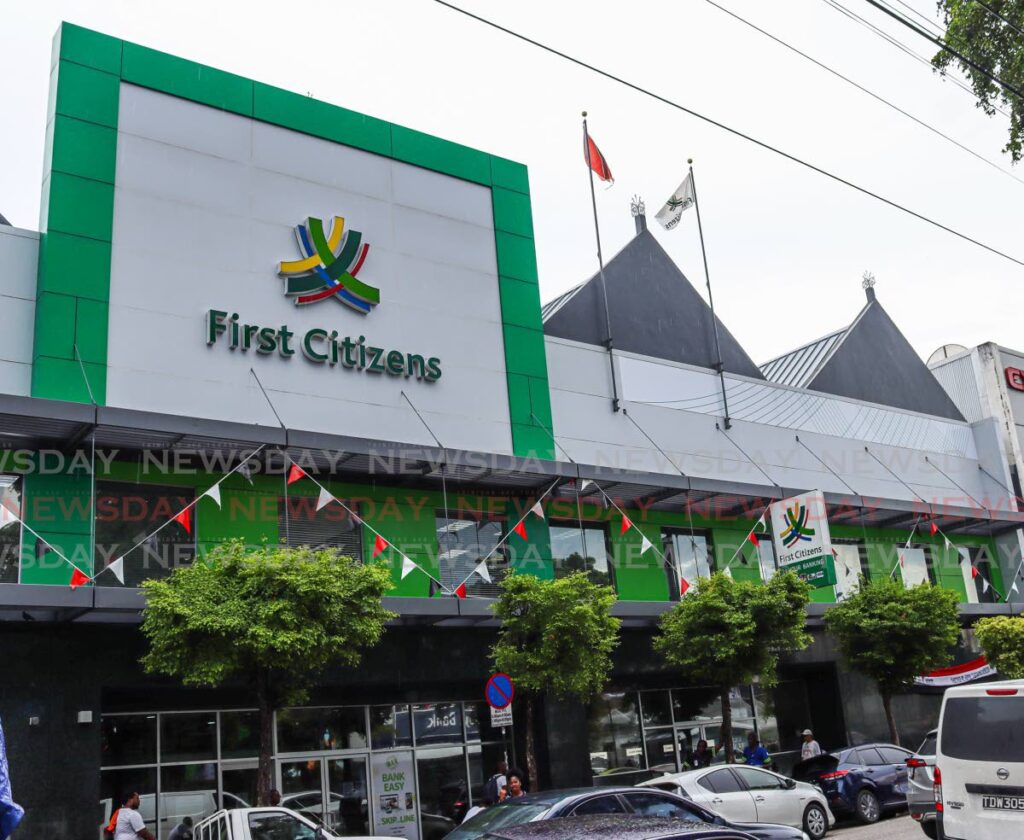
First Citizens Bank has recently celebrated the academic excellence of 16 young achievers through its Neo Education Awards. This annual event, held to honor student account holders nationwide, underscores the bank’s dedication to fostering youth empowerment and financial literacy. The Neo account, a savings product tailored for individuals from birth to age 25, aims to instill sound financial habits early in life. This year, the bank doubled the number of awardees from eight in 2024 to 16, reflecting its growing commitment to education and youth development. Recipients received cash prizes directly deposited into their Neo accounts, ranging from $1,000 for Secondary Entrance Assessment (SEA) achievers to $6,000 for top tertiary-level performers. CSEC and CAPE students were awarded $2,500 and $3,000, respectively. Lyndon Balkran, Acting Senior Manager for Market Development, Intelligence, and Promotions, praised the awardees, emphasizing the bank’s belief in nurturing a financially confident generation. Parents and students expressed gratitude, viewing the ceremony as both a celebration of academic success and a motivation to pursue excellence. The Neo Education Awards are a key component of First Citizens’ strategy to promote lifelong financial awareness, bridging academic achievement with responsible money management.
标签: Trinidad and Tobago
特立尼达和多巴哥
-

Morris slams PM’s ‘mamagism’, Duke excited
Prime Minister Kamla Persad-Bissessar’s inaugural address to the Tobago House of Assembly (THA) on November 4 has sparked a spectrum of reactions among stakeholders. Speaking at the Assembly Legislature in Scarborough, Tobago, the Prime Minister unveiled a series of initiatives aimed at bolstering the island’s financial autonomy and economic prospects. Key among these was the introduction of an export licence to market Tobago’s aggregate regionally, a move designed to generate foreign exchange and stimulate economic growth. Additionally, Persad-Bissessar pledged to implement a fair-share model for budgetary allocations and collaborate with the THA to establish a localised police force to address crime on the island. However, THA Minority Leader Kelvon Morris dismissed the speech as politically motivated, accusing the Prime Minister of prioritizing the upcoming THA elections over pressing issues affecting both Tobago and Trinidad. Morris criticized the lack of progress on autonomy, labeling the address as a repetition of long-standing promises. In contrast, Progressive Democratic Patriots (PDP) leader Watson Duke praised the initiatives, describing them as significant steps toward greater self-determination. He highlighted the potential economic benefits of the export licence and the enhanced security a localised police force could bring. The Tobago Chamber of Industry and Commerce also welcomed the focus on Tobago, though it emphasized the importance of effective implementation and transparency.
-

Standard Distributors sale amid retail sluggishness
The retail sector continues to face significant challenges, as highlighted by the recent developments surrounding Standard Distributors, a long-standing furniture and appliance retailer. Established in 1945, Standard Distributors has been a household name for decades. However, on November 1, all its branches, including one in Barbados, were reportedly closed. Ansa McAL, the parent company, announced the sale of Standard Distributors to Term Finance, which plans to transform the brand into a dedicated credit provider and e-commerce platform under the new name Standard Credit. The transaction, expected to be finalized by December 31 pending approvals, aims to leverage Standard’s 80-year expertise in hire-purchase agreements to offer innovative credit products. This move comes amidst a broader decline in the retail sector, exacerbated by the lingering effects of the COVID-19 pandemic. The Central Statistical Office reported a 7.8% drop in the index of retail sales for household appliances and furnishings in the first quarter of 2025, with the overall retail index falling by 3.7%. Central Bank data further indicates a consistent decline in retail sales since 2024, reflecting reduced consumer spending and low confidence. While online shopping platforms like Amazon and Shein have impacted physical stores, high shipping costs for bulky items had previously given furniture retailers an edge. However, the sector now faces additional pressures, including unmet housing demand and consumers’ reluctance to spend. The government’s efforts to stimulate economic growth through sustained spending and institutional strengthening may provide some relief, but the ongoing challenges in the furnishings sector underscore the depth of the issue.
-
Guardian Group pledges US$312k hurricane relief
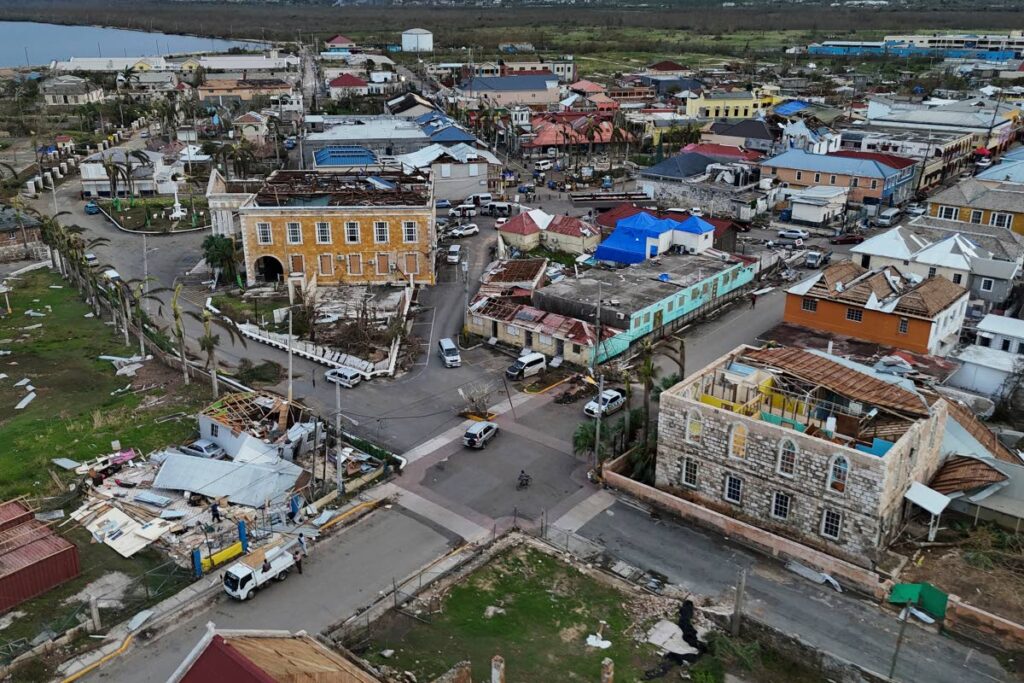
In a significant move to aid Jamaica’s recovery from the devastation caused by Hurricane Melissa, the Guardian Group Charitable Foundation has committed US$312,000. This donation, one of the largest single contributions from Trinidad and Tobago (TT), is part of the broader ‘Building a Better Jamaica Fund,’ a coordinated recovery initiative led by the National Commercial Bank Jamaica Ltd (NCB) and managed by the NCB Foundation. The fund has already raised approximately US$2.8 million, including an initial US$1.25 million from NCB, supplemented by partner contributions and Guardian Group’s substantial donation. Hurricane Melissa, which struck Jamaica on October 28, left widespread destruction across the island, damaging infrastructure, agriculture, and housing, and displacing thousands of residents. The Jamaican government declared a national disaster, prompting a large-scale relief and reconstruction effort supported by regional governments, businesses, and aid agencies. Guardian Group’s contribution will support both immediate relief and long-term rebuilding, working through experienced partners such as the American Friends of Jamaica, Food for the Poor Jamaica, Unicef Jamaica, and the Global Empowerment Mission. Shinelle Grant-Sealey, Guardian Group’s vice-president for environment, social and governance, emphasized the organization’s regional commitment to recovery and resilience, stating that the donation is an immediate investment in stability for affected families and institutions. Guardian Group has also provided care packages and internal support for its employees in Jamaica impacted by the storm. With operations across TT, Jamaica, Barbados, and the Dutch Caribbean, the group remains dedicated to helping Caribbean communities rebuild and recover.
-

NCRHA completes phase one of Mt Hope hospital upgrades
The North Central Regional Health Authority (NCRHA) has successfully completed the first phase of a comprehensive electrical and lighting upgrade project at the Eric Williams Medical Sciences Complex (EWMSC) in Mt Hope. Initiated last month, this phase involved the installation and repair of 120 lighting fixtures across high-traffic areas such as parking lots and roadways, significantly improving visibility for patients, visitors, and staff. The project received support from the TT Electricity Commission, ensuring its smooth execution. The second phase, already in progress, focuses on replacing faulty light poles and adding more fixtures to achieve complete illumination across the campus. This initiative is part of a broader electrical upgrade that included the installation of a new transformer in September, aimed at bolstering the facility’s power supply stability and safety. Additionally, the NCRHA has upgraded the cooling system at the Adult Intensive Care Unit (AICU) by installing a new carrier air-conditioning system over three days in late October. The new system, comprising two air handlers and four condensers, replaces outdated units that had been in operation for over 15 years. Staff have already reported a cooler and more comfortable environment, which is expected to enable the resumption of critical surgical procedures previously delayed due to cooling system issues. Dr. Tim Gopeesingh, NCRHA chairman, praised the teams and stakeholders involved for their dedication, highlighting the upgrades’ role in enhancing patient safety, comfort, and overall care quality. He reaffirmed the NCRHA’s commitment to providing efficient, reliable, and high-quality healthcare services to the people of Trinidad and Tobago.
-
CoP on SoE detainees: Keep them inside
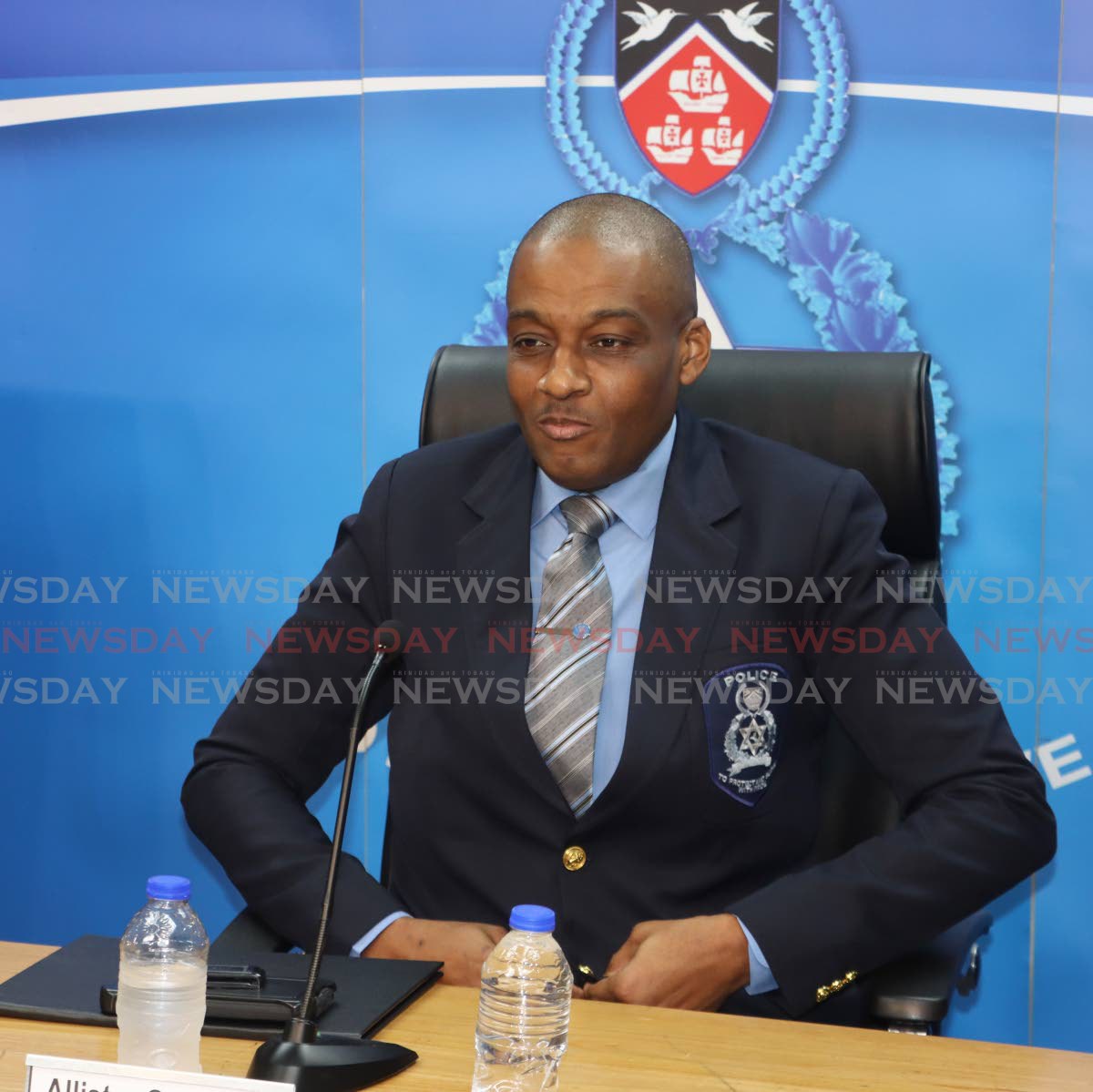
Commissioner of Police (CoP) Allister Guevarro has expressed strong support for the ongoing detention of 98 individuals under preventative detention orders (PDOs) during Trinidad and Tobago’s State of Emergency (SoE). The SoE, declared on July 18 and extended twice, has led to a notable decline in crime rates, with homicides dropping by 42%, violent crimes by 19%, and other serious offenses by 11%. Guevarro emphasized that the detainees, including a police officer and a prison officer, will remain in custody as long as the SoE persists, though he acknowledged their eventual release is inevitable. The CoP highlighted the effectiveness of the SoE in curbing crime but clarified that PDOs are preventive measures, not indictments of criminal activity. Prime Minister Kamla Persad-Bissessar assured that detainees retain access to justice, including the right to appeal to a tribunal or court. Deputy Commissioner of Police Suzette Martin reported over 2,000 charges filed since the SoE began, underscoring the collaborative efforts of law enforcement agencies. Guevarro urged public cooperation, warning that silence perpetuates crime, and emphasized the need for sustained vigilance to maintain the progress achieved.
-
Juteram falls short in Caribbean badminton final; King wins two titles
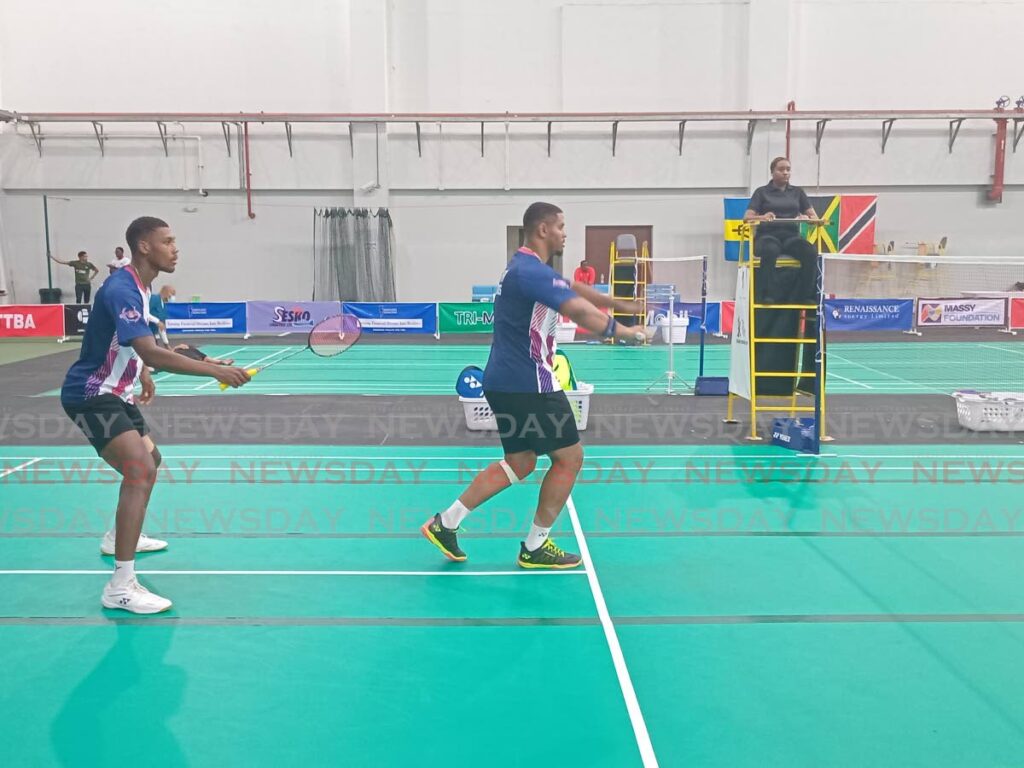
The Caribbean Regional Badminton Confederation Senior 2025 tournament concluded on November 4 at the National Racquet Centre in Tacarigua, Trinidad and Tobago, with thrilling matches and unexpected turns. In the men’s singles final, Barbadian Kennie King staged a remarkable comeback to defeat Trinidad and Tobago’s Vance Juteram. Juteram initially took the first set 21-13, but King rallied to secure the next two sets 21-16 and 21-13, claiming the title. Despite the loss, Juteram expressed satisfaction with his performance, stating, ‘Very, very happy. Could not ask for anything better.’
In the women’s singles final, Trinidad and Tobago’s Amara Urquhart emerged victorious after her opponent, Guyanese Priyanna Ramdhani, suffered a knee injury. Ramdhani had won the first set 21-14 and was leading 13-11 in the second when the injury occurred, forcing her to withdraw. This unfortunate incident also led to the cancellation of the women’s doubles final, where Ramdhani was set to partner with Trinidad and Tobago’s Chequeda De Boulet against Nekeisha Blake and Barbadian Sabrina Scott.
King continued his winning streak by teaming up with Shae Martin to clinch the men’s doubles title against Jamaica’s Kenneth Anglin and Matthew Yee Grant. The Barbadian duo triumphed in a grueling first set 30-28, followed by a 21-18 victory in the second. Meanwhile, the mixed doubles final saw Jamaica’s Anglin and Breanna Bisnott defeat Trinidad and Tobago’s Travis Sinanan and De Boulet 21-15, 21-17.
The tournament sets the stage for the TT International 2025 Badminton tournament, which begins on November 5 at the same venue, featuring teams from across the Caribbean.
-
Social Development Ministry denies financial ties with Red Cross
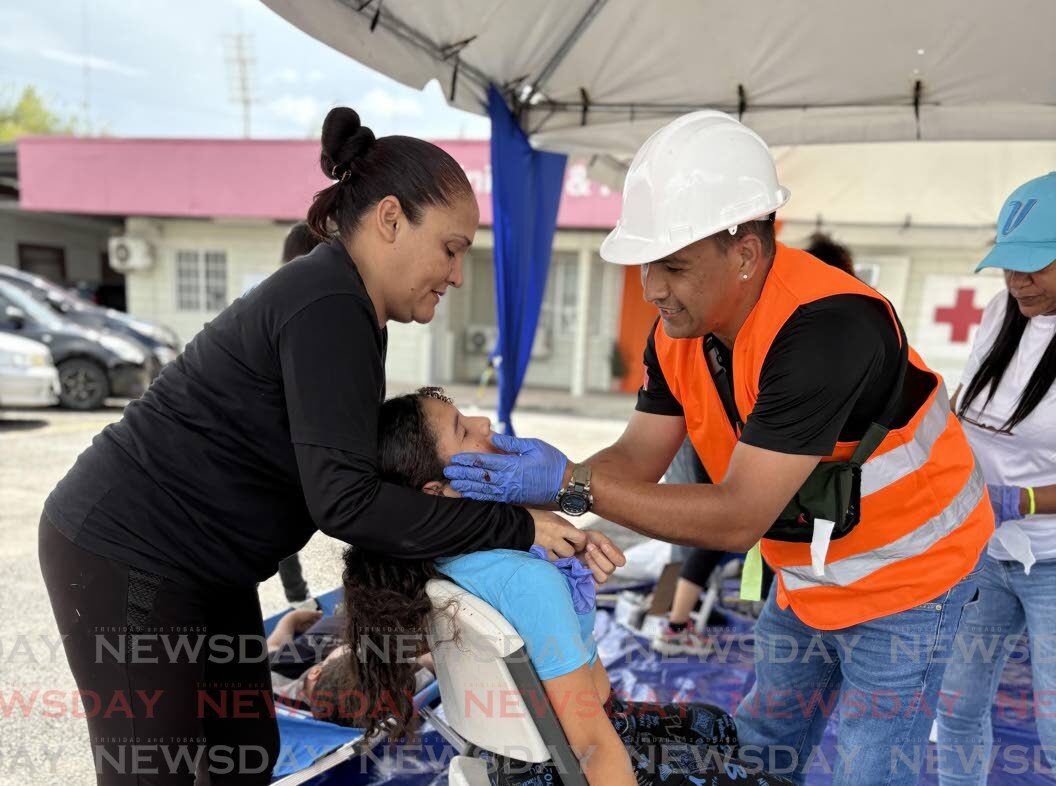
The Ministry of People and Social Development in Trinidad and Tobago has clarified that it currently has no active financial relationship with the Trinidad and Tobago Red Cross Society (TTRCS). This decision stems from the TTRCS’s failure to meet compliance requirements, particularly the timely submission of audited financial statements. In a media release dated November 4, the ministry acknowledged that the TTRCS is in the process of updating its records and has recently submitted audited statements for the years 2019 to 2022. The ministry’s statement was issued in response to recent media reports concerning the TTRCS’s financial challenges. The ministry emphasized that once full compliance is achieved, it will assess the organization using established monitoring and evaluation procedures to determine future funding considerations. Both entities remain committed to their shared mission of supporting the most vulnerable members of society, a commitment reaffirmed during meetings earlier this year. On November 1, newly elected TTRCS vice president Edward Moodie revealed that the organization currently has no funds during the reopening of the Red Cross South Branch on Ruth Avenue, San Fernando. Moodie stated that the TTRCS is owed over a million dollars and may need to explore legal options to recover these funds. He also highlighted operational issues, including a breakdown in ambulance services and the need to renegotiate several contracts, particularly the Tobago contract, which he deemed financially unsustainable. The ministry’s stance echoes a June 4 media release, which addressed governance and management issues within the TTRCS. At that time, the ministry described the TTRCS as a key civil society actor but noted the absence of a financial relationship due to compliance issues. Both agencies remain committed to serving the most vulnerable in society, and the ministry anticipates that the TTRCS will continue to uphold principles of good governance, accountability, fairness, equity, and equality.
-
Boodoosingh legally appointed as CJ
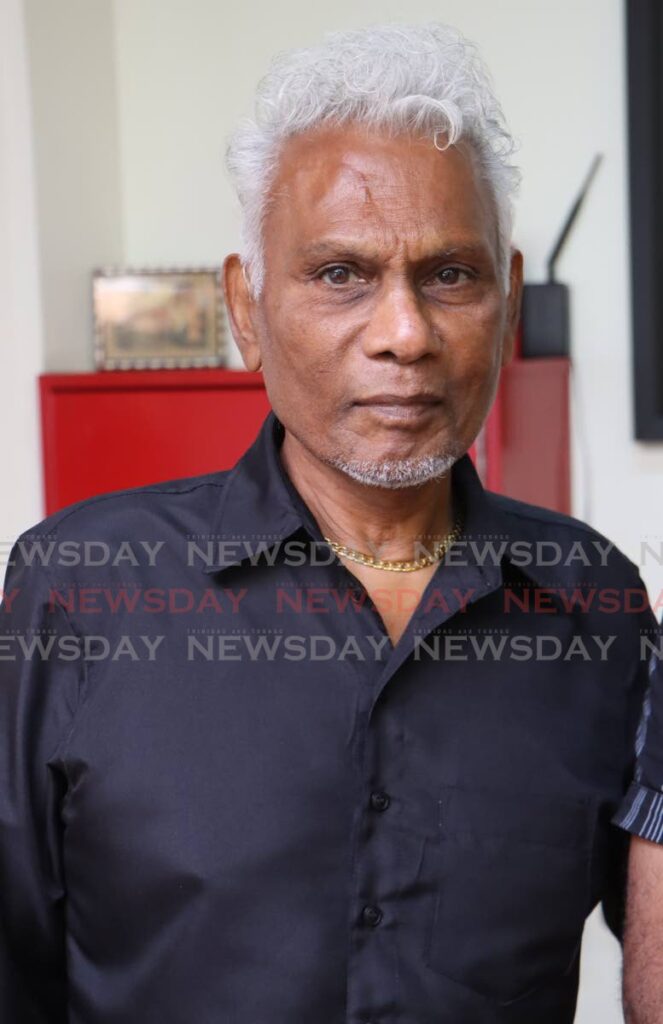
The recent appointment of Justice of Appeal Ronnie Boodoosingh as Chief Justice of Trinidad and Tobago has sparked significant political controversy. Acting President Wade Mark’s decision to appoint Boodoosingh has been criticized by government detractors, who argue that the process lacked proper constitutional consultation. While there is no dispute over Boodoosingh’s qualifications, the opposition claims that the swift nature of the appointment violated constitutional norms. The controversy stems from the sudden retirement of former Chief Justice Ivor Archie on October 22, 2025, which necessitated an immediate replacement. Mark, acting under Section 102 of the Constitution, consulted with Prime Minister Kamla Persad-Bissessar and Opposition Leader Pennelope Beckles. While the Prime Minister expressed no preference, Beckles argued that insufficient time was provided for meaningful consultation. Despite these objections, Mark proceeded with Boodoosingh’s swearing-in. Critics argue that the process undermines the constitutional mandate of the political directorate and the Cabinet. However, supporters of the appointment emphasize that the President retains the sole constitutional prerogative to appoint the Chief Justice, in line with the principle of the separation of powers. The debate raises broader questions about the balance of power and the role of consultation in judicial appointments. Legal experts suggest that any challenge to the legitimacy of the consultation process should be addressed through the courts. Israel B Rajah-Khan SC, president of the Criminal Bar Association, has highlighted the need for transparency and fairness in such appointments to uphold public trust in the judiciary.
-

CoP confirms hike in ganja prices
The price of illegal drugs in Trinidad and Tobago (TT) has seen a significant increase due to intensified efforts by both local and US forces to disrupt the narcotics trade. Police Commissioner Allister Guevarro confirmed this development during a media briefing at the Police Administration Building in Port of Spain on November 4. He attributed the price surge to a reduction in the supply of narcotics entering the country, a direct result of recent US military strikes targeting drug traffickers in the Caribbean Sea and Pacific Ocean. These strikes, which have claimed over 60 lives, have yet to be substantiated with official evidence linking the deceased to drug trafficking. Intelligence reports from multiple agencies indicate a marked decrease in the flow of illegal drugs, particularly from Venezuela and Colombia, leading to a shortage in TT. This scarcity has driven up prices, with Colombian kush marijuana reportedly tripling in cost from $1,800 to nearly $6,000 per pound. Since the crackdown began, the TT Police Service (TTPS) has seized nearly two tonnes of marijuana, further exacerbating the shortage. Notable seizures include 268kg of Colombian ‘Creepy’ marijuana valued at $29 million on September 12, and 1177kg of the same strain worth $292 million on October 1. Commissioner Guevarro also highlighted ongoing efforts to curb local cultivation, including intercepting foreign seeds and eradicating marijuana plants. Addressing concerns that drug dealers might diversify their criminal activities to offset financial losses, Guevarro assured that strategies are in place, though he remained cryptic about the specifics. He also noted a decline in the sale of smuggled ‘wild meat,’ suggesting that the crackdown has disrupted broader smuggling networks. Despite some items still entering the country illegally, police have gained a better understanding of smuggling operations, enabling more effective interventions.