
A heated political debate has emerged following the recent issuance of an export licence to Studley Park Enterprises Ltd by Prime Minister Kamla Persad-Bissessar. Port-of-Spain North/St Ann’s West MP Stuart Young has criticized the move, labelling it as ‘political gimmickry.’ Speaking at a media conference on November 6, Young defended the previous administration’s decision not to grant the Tobago House of Assembly (THA) the licence, emphasizing the high local demand for the quarry’s high-grade materials. Young highlighted that aggregate from Studley Park was crucial for several local projects, including the Diego Martin Interchange, and that the quarry’s production capacity was insufficient to meet domestic needs. He questioned the rationale behind prioritizing exports when local demand remains unmet, warning that the export licence could exacerbate foreign exchange challenges and impact roadworks across the country. Young also revealed that former Prime Minister Dr Keith Rowley and former Works Minister Rohan Sinanan were previously barred from visiting the quarry. Prime Minister Persad-Bissessar, however, defended the licence, stating it would enable Studley Park to market its aggregate regionally and generate much-needed foreign exchange, empowering Tobago to chart its own economic destiny.
标签: Trinidad and Tobago
特立尼达和多巴哥
-

Divali Nagar hosts fund-raising concert for Jamaica
In the aftermath of Hurricane Melissa’s catastrophic impact on Jamaica, a beacon of hope emerges from Trinidad. Under the theme ‘Vasudhaiva Kutumbakam – The World is One Family,’ a major fundraising concert is set to take place on November 8 at the Divali Nagar outdoor auditorium in Chaguanas. This event, a collaborative effort between five organizations from Trinidad and Jamaica, aims to support relief and rebuilding efforts in the hurricane-ravaged nation. The concert will showcase Trinidad and Tobago’s top East Indian performers, all volunteering their talents for an evening dedicated to unity, love, and humanitarianism. The driving force behind this initiative is Ravi Rambarran, a Trinidad-born, Jamaica-based philanthropist and retired CEO of Sagicor Southern Caribbean, who has called Jamaica home for the past 29 years. Rambarran, deeply moved by the devastation caused by the Category 5 hurricane, which struck on October 28, quickly rallied support from partners in both countries. The event marks a historic first, with five organizations uniting across borders for a single humanitarian cause. The concert will feature performances by renowned artists and dance troupes, supported by digital innovations like WiPay, a Trinidadian-built platform enabling global donations. Rambarran and Surujdeo Mangaroo, president of the National Council of Indian Culture, emphasize the importance of Caribbean solidarity, urging citizens to contribute to this noble cause. Tickets are available online, and the concert will be streamed live, offering a global audience the chance to participate in this act of compassion and unity.
-
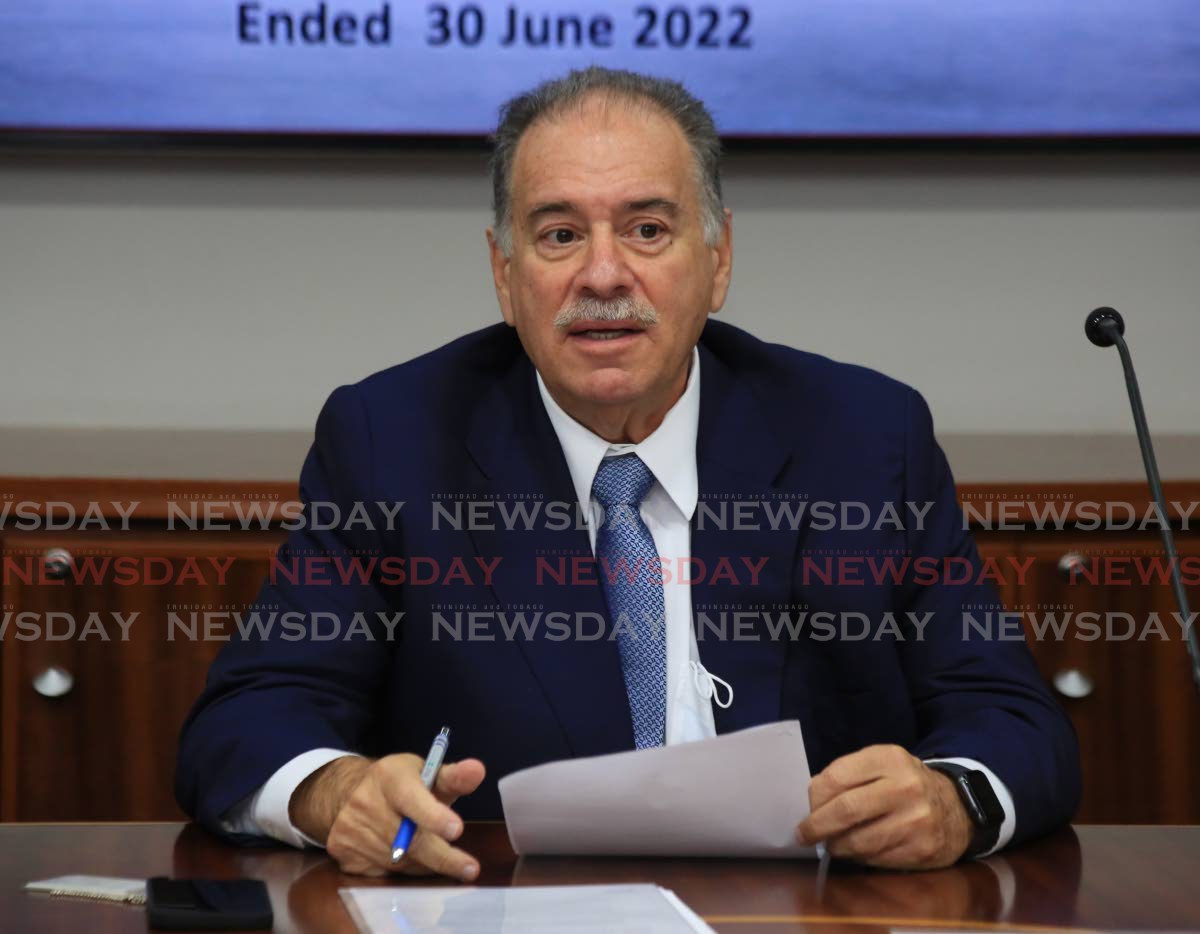
Ansa Merchant Bank profit rises 40%
ANSA Merchant Bank Ltd (AMBL) has announced a remarkable 40% increase in profit before tax for the nine months ending September 30, 2025, reaching $180.9 million, up from $129.4 million in the same period last year. Chairman A Norman Sabga hailed the results as a testament to the bank’s robust financial performance, with group assets growing by 2.98% and earnings per share rising to $1.78 from $1.39 in 2024. The bank’s diversified operations, including banking, insurance, and mutual funds, all contributed to this impressive growth. In the banking sector, pre-tax profit rose by 12.2% to $85.8 million, while the insurance segment saw a 45% increase to $129.4 million, driven by improved underwriting and higher investment income. The mutual funds business also performed well, generating $16.4 million in pre-tax profit, up from $15.5 million in 2024. Net operating income for the period stood at $456.4 million, compared to $415.9 million the previous year, with operating profit at $180.9 million after $275.5 million in expenses. Profit attributable to shareholders surged by 33% to $152.5 million after tax. Total assets grew to $10.22 billion, with shareholders’ equity increasing to $2.74 billion and total liabilities at $7.48 billion. The group also reported net cash from operating activities of $279.8 million and held $538.9 million in cash and cash equivalents at the end of the period. Sabga attributed the strong performance to steady growth in the loan portfolio, expansion of private-wealth management services, and improved premium income in insurance operations. He expressed confidence in the bank’s continued success and commitment to delivering value to shareholders and customers.
-
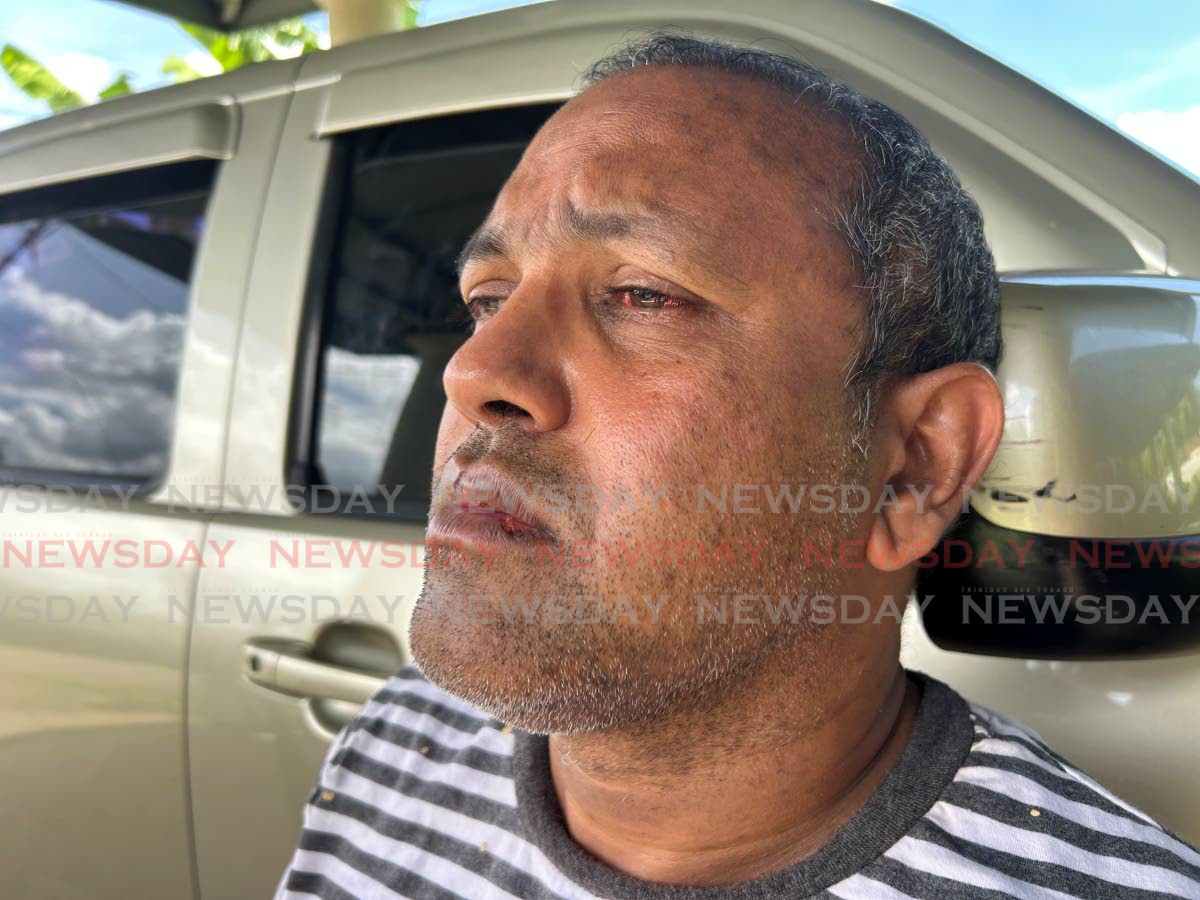
After traumatic home invasion, Phillipine man wants a gun
A Philippine family of seven endured a harrowing ordeal when six armed men invaded their home in the early hours of November 4, just meters away from the Prime Minister’s residence. The attackers, who claimed to be police officers, tied up the family, beat them, and ransacked their property, leaving them traumatized and seeking justice. Vijay Ragoonanan, 53, the family patriarch, sustained severe injuries to his eye and lip during the assault. The incident has reignited discussions about the proposed stand-your-ground legislation, which the family now supports as a means of self-defense. Ragoonanan, a farmer who built his home through decades of hard work, expressed his shock and disbelief, stating that he had always felt safe in the community until this brutal attack. The family, now living in fear, has appealed for assistance to secure their home and recover from the financial and emotional toll of the invasion. Police investigations are ongoing, but the family remains hopeful for stronger legal protections and the ability to defend themselves in the future.
-
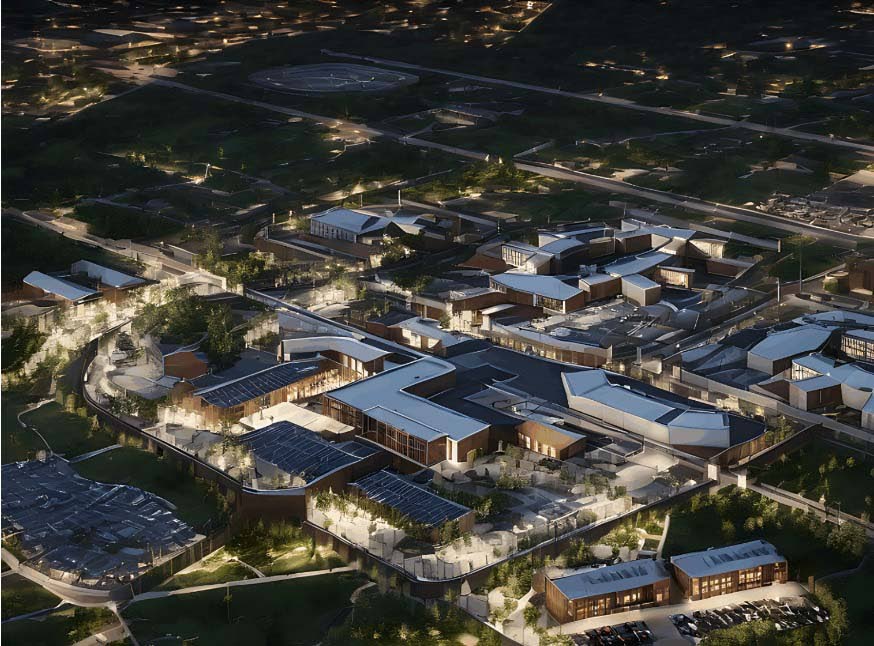
Government eyes 500-acre Tamana Prison Campus
The Government of Trinidad and Tobago has unveiled an ambitious ‘Revitalisation Blueprint’ aimed at transforming the nation’s historic prison facilities into vibrant cultural, economic, and residential spaces. The plan, launched on November 6, was presented to private sector representatives and diplomats at the Diplomatic Centre in St Ann’s, signaling a call for both local and foreign investment.
Central to the initiative is the consolidation of all prisoners and select justice facilities into a state-of-the-art 500-acre Tamana Prison Campus, designed to house 6,000 inmates. This move is projected to save the State $60 million annually. The campus will feature a youth/juvenile detention center, agricultural facilities, training programs, and maximum-security units, all focused on education, reform, and reintegration. According to the TT Global Hub website, the project reflects the government’s commitment to fostering a fairer, more compassionate society.
Under the plan, the historic Carrera Prison Island will be redeveloped into a 75-room luxury resort, while the Port of Spain Prison will be transformed into an exhibition and event hall named ‘Dem Boyz Jail,’ inspired by the lyrics of the Mighty Shadow. The facility will include classrooms for artist education and workshops. The land currently occupied by the Golden Grove Prison will be repurposed for housing developments, featuring single-family homes, high-rise apartments, and townhouses.
In addition to these transformations, the government proposed the creation of a National Security Complex in Mt Hope to centralize national security operations. A South West Security Hub in Cedros will house the Coast Guard, Customs, and Immigration teams, with upgrades planned for the Coast Guard’s Staubles Bay and Teteron Barracks. Prime Minister Kamla Persad-Bissessar described the initiative as a ‘bold modernization agenda’ essential for national security and economic growth. Homeland Security Minister Roger Alexander also emphasized efforts to strengthen the TT Police Service by filling vacancies to combat crime effectively.
-

Tribunal rejects claims of delay in reviewing SoE detentions
The State of Emergency Review Tribunal has firmly rebutted public criticism regarding its handling of Preventive Detention Order (PDO) reviews, labeling recent media reports as ‘misinformed’ and inconsistent with the legal procedures it is mandated to follow. In a statement issued on November 7, the tribunal addressed concerns raised by attorneys representing detainees under the state of emergency, who alleged delays or withholding of decisions on their clients’ detention. The tribunal expressed disappointment, particularly given that such claims originated from legal professionals expected to base their statements on factual and legal grounds. It emphasized that, under paragraph 8(1) of the Schedule to the Emergency Powers Regulations 2025, its role is strictly limited to reviewing detention upon request and submitting reports to the Minister of Homeland Security, not directly to attorneys or detainees. The tribunal clarified that its recommendations on whether detention should continue are exclusively provided to the minister, who is then responsible for sharing the relevant portions of the report with the detainee. The tribunal highlighted that it has already completed and forwarded reports on multiple cases, with submissions made on September 12, 19, 28, and October 6, 9, and 22. Additionally, a decision on a preliminary application in another matter was sent to the detainee’s attorney on November 1. These actions, the tribunal asserted, demonstrate its adherence to the Emergency Powers Regulations, countering claims of inefficiency or procedural lapses. The tribunal’s response comes amid escalating national debate over the prolonged detention of individuals under the state of emergency, with attorneys and rights advocates criticizing the review process for lacking transparency and violating fair hearing principles. The government, however, maintains that these measures are lawful and essential for public safety. Earlier this week, former national security minister and several defense attorneys urged the government to release individuals detained for months without charges, condemning the situation as a severe infringement of constitutional rights. Attorney Subhas Panday criticized the tribunal’s independence, arguing that its appointment by the Attorney General compromises its impartiality. Detainees have also reported dire conditions at the Arouca facility, including overcrowding, poor ventilation, and inadequate medical care. Attorneys Sanjiv Boodhu and Darren Mitchell, representing several detainees, claimed the review process has stalled, with their clients awaiting decisions months after appearing before the tribunal. They argued that the tribunal’s failure to provide reports directly to lawyers undermines natural justice. The tribunal was appointed by former Chief Justice Ivor Archie on July 21, in accordance with Section 11 of the Constitution and Paragraph 5(1) of the Emergency Powers Regulations, 2025. Attorney David Alexander serves as chairman, with retired Army Major Arden Williams and attorney Shivangelie Ramoutar as members. President Christine Kangaloo declared the state of emergency on July 18, and it was extended for a second three-month period on October 31.
-
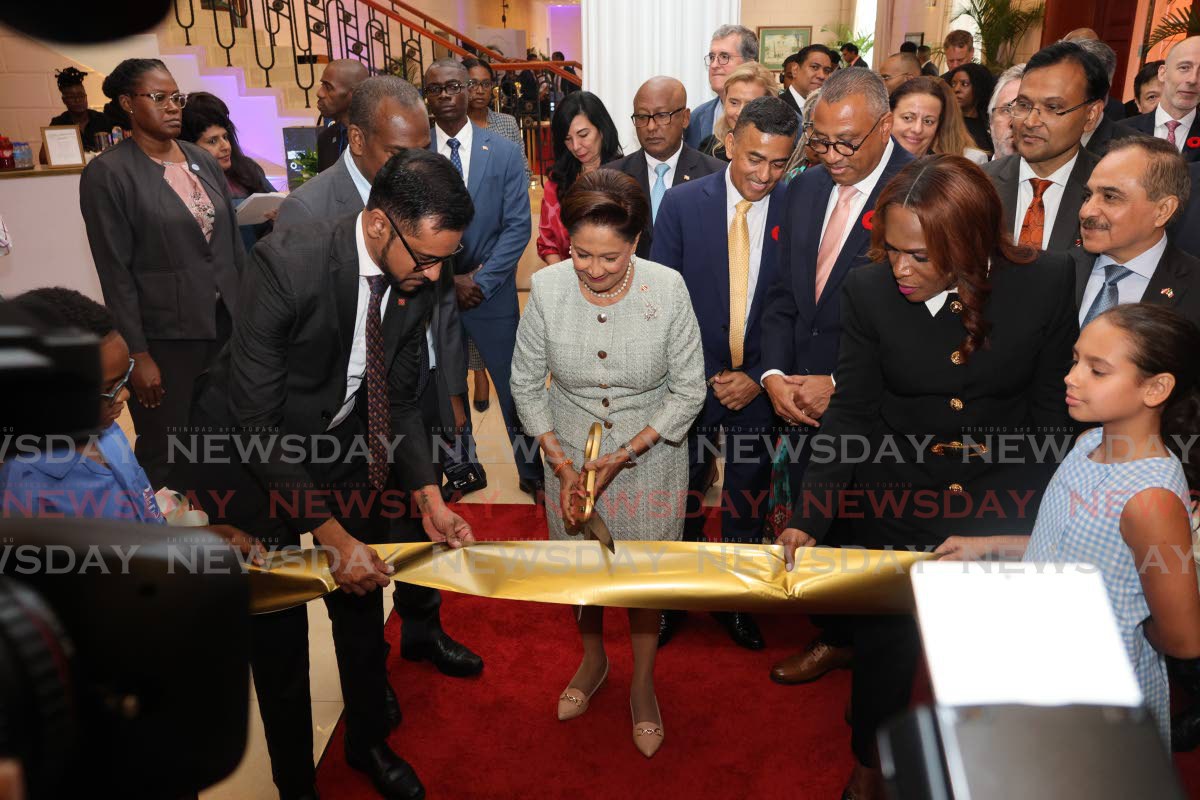
Kamla’s master plan: PM unveils revitalisation agenda, eyes job explosion
Prime Minister Kamla Persad-Bissessar has officially launched the TT Revitalisation Blueprint, a sweeping national infrastructure plan aimed at creating over 50,000 jobs and fundamentally transforming Trinidad and Tobago. The ambitious initiative, unveiled at the Diplomatic Centre in St. Ann’s on November 6, includes 129 construction projects designed to modernize key areas such as the Port of Spain and San Fernando waterfronts, Invaders Bay, and Queen’s Park Savannah. The Port of Spain port is also slated for a significant expansion.
Works Minister Jearlean John detailed the plan, emphasizing its potential to make the country “unrecognisable” within a decade. Among the standout projects are the demolition of prisons in Port of Spain, Golden Grove, and Carrera Island, with plans to relocate inmates to a state-of-the-art “justice centre” in Tamana. The vacated sites will be repurposed into an arts and cultural centre, a new housing community, and an offshore luxury resort, respectively.
The blueprint also features a 100-mile road network connecting San Fernando to southeastern communities like Mayaro, alongside the development of four five-star hotels, a 400-berth marina, and a convention center at Invaders Bay. Downtown Port of Spain will see the introduction of a multi-modal transportation hub, enhancing connectivity across the capital.
To facilitate the plan, the government launched Udecott’s electronic tender portal, inviting businesses to bid on projects until January 2026. Contracts are expected to be awarded shortly thereafter, with construction slated to begin by August 2026.
Prime Minister Persad-Bissessar emphasized the project’s transformative potential, calling it a “declaration of intent” rather than a mere vision. She highlighted Trinidad and Tobago’s strategic advantages, including its location outside the hurricane belt, a skilled workforce, and a stable democracy, as key factors to attract investors.
Addressing concerns about funding, Persad-Bissessar assured that the government would collaborate closely with private investors and explore various financing models. Minister John remained optimistic about foreign investment, dismissing geopolitical tensions as a barrier.
The TT Revitalisation Blueprint represents a bold step toward economic diversification and national development, aiming to leave a lasting legacy for future generations.
-
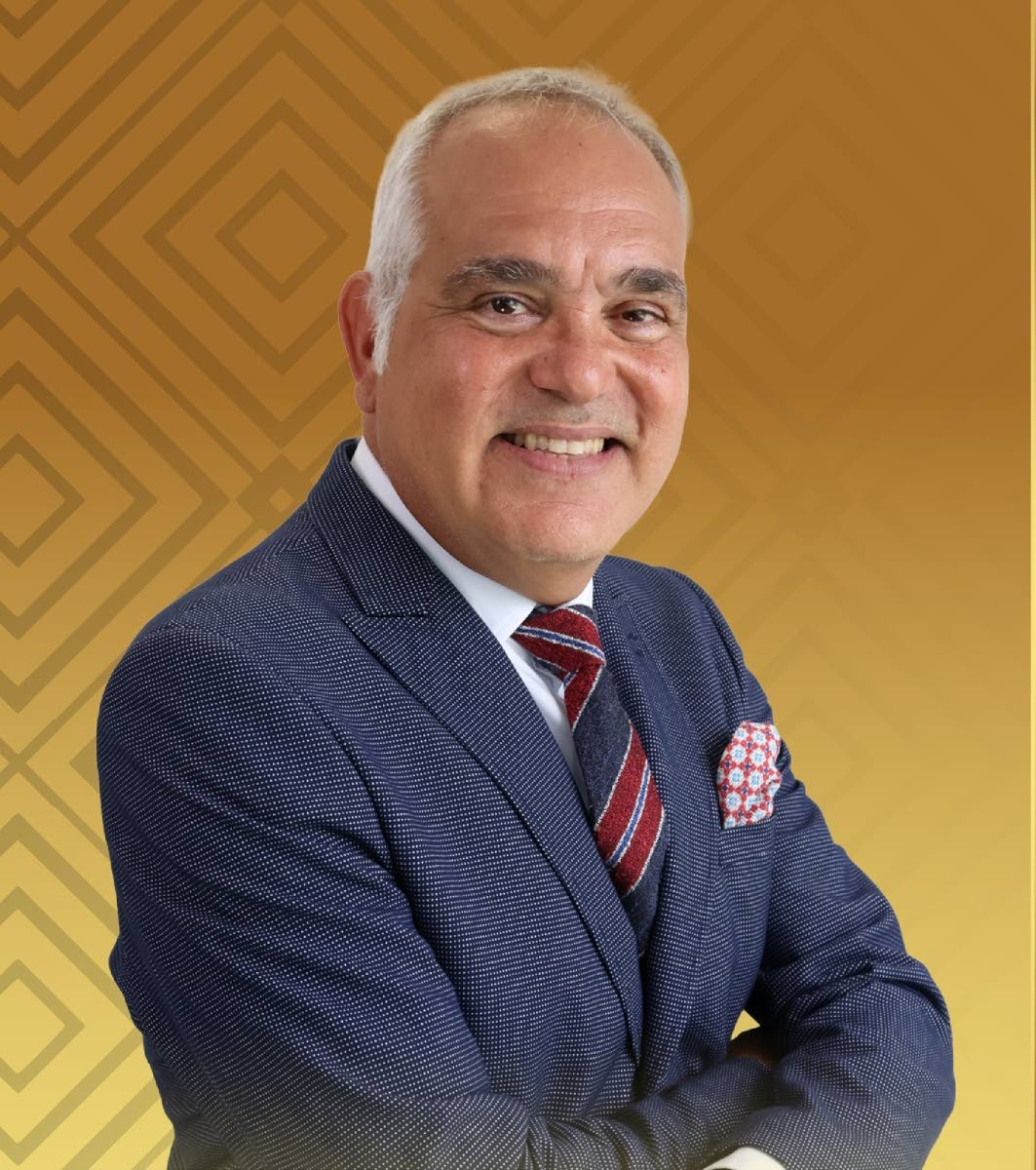
3 to get honorary doctorates at UTT graduation
The University of Trinidad and Tobago (UTT) has announced it will confer honorary doctoral degrees on three exceptional individuals during its 2025 graduation ceremony. The event, scheduled for November 18 at the Lord Kitchener Auditorium, National Academy for the Performing Arts (NAPA) in Port-of-Spain, will also recognize Gilman Figaro as an honorary distinguished fellow. The honorary doctorates will be awarded to Peter Elias (Doctor of Fine Arts), Israel Khan, SC (Doctor of Laws), and Jamwant Maharaj (Doctor of Science). Additionally, UTT will confer seven Doctor of Philosophy (PhD) degrees in education, entrepreneurship, commercial studies, and health administration. The ceremony will celebrate approximately 1,500 graduates across disciplines such as engineering, arts, sports, and fashion. UTT Chancellor President Christine Kangaloo will preside over the event. Peter Elias, a renowned fashion designer with over 30 years of experience, has significantly contributed to Caribbean culture through his work in Carnival design and the Miss Trinidad and Tobago Pageant. Israel Khan, a prominent legal figure, has served as president of the Criminal Bar Association of TT and is recognized for his contributions to international criminal law. Jamwant Maharaj, affectionately known as the ‘Chemistry Raja,’ has made significant strides in education through his publications and teaching. Gilman Figaro, a celebrated Caribbean cultural icon, has enriched the region’s artistic landscape through music, poetry, and dance.
-
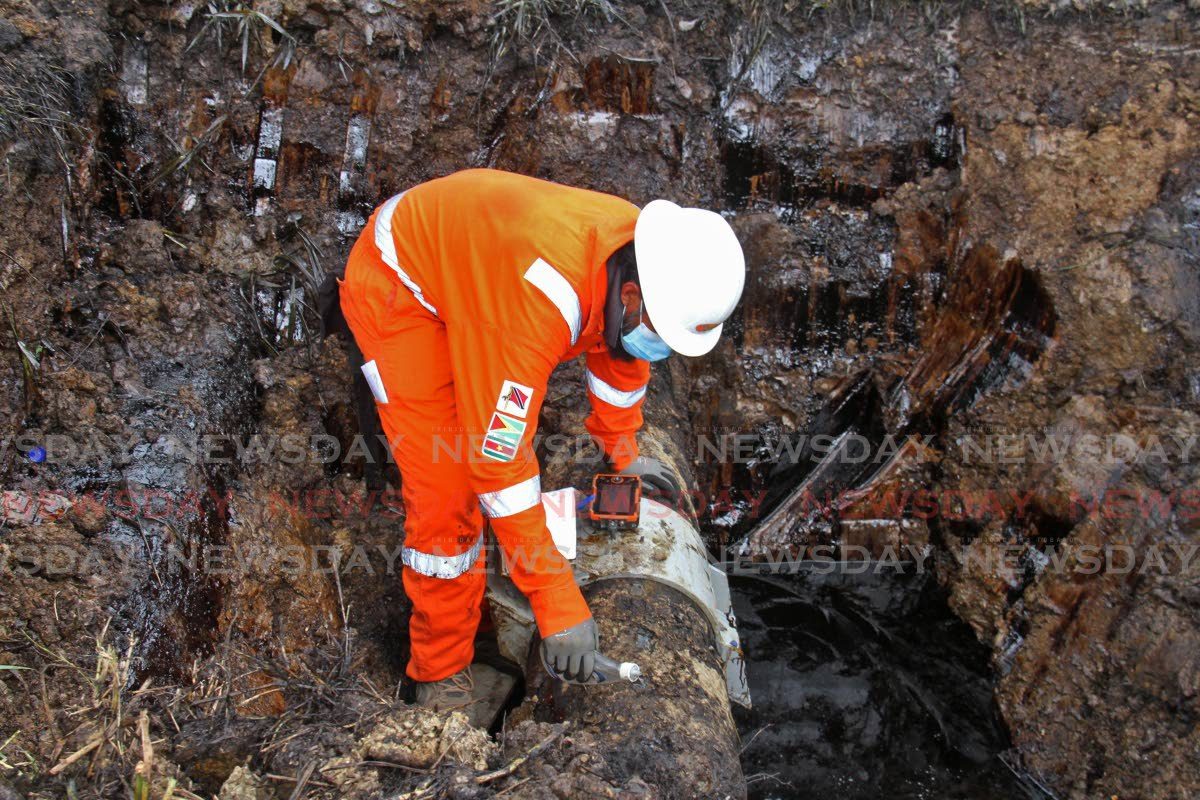
Fyzabad family relocated amid hydrocarbon leak
Heritage Petroleum Co Ltd has taken swift action to address a hydrocarbon leak at a private residence in Massahood, Fyzabad, relocating a family as a precautionary measure. The incident, which occurred on November 7, prompted the company to dispatch its emergency response team to assess and manage the situation. Investigations by the company’s Incident Management Team (IMT) revealed a minor leak along a 12-inch trunk pipeline, partially located beneath an unauthorized, occupied structure. The pipeline has since been secured with plugs and clamps. In a statement, Heritage Petroleum emphasized that the family was relocated to a suitable and convenient alternate accommodation while cleanup and restoration efforts are underway. The IMT remains on-site, conducting air quality monitoring and additional assessments to ensure safety. Representatives from the company’s community relations team and the Fyzabad MP’s office visited the site to oversee the response. The Environmental Management Authority and the Ministry of Energy were also informed of the incident, with Heritage Petroleum committed to providing ongoing updates as necessary.
-
Bodoe denies EWMSC blackout affected services
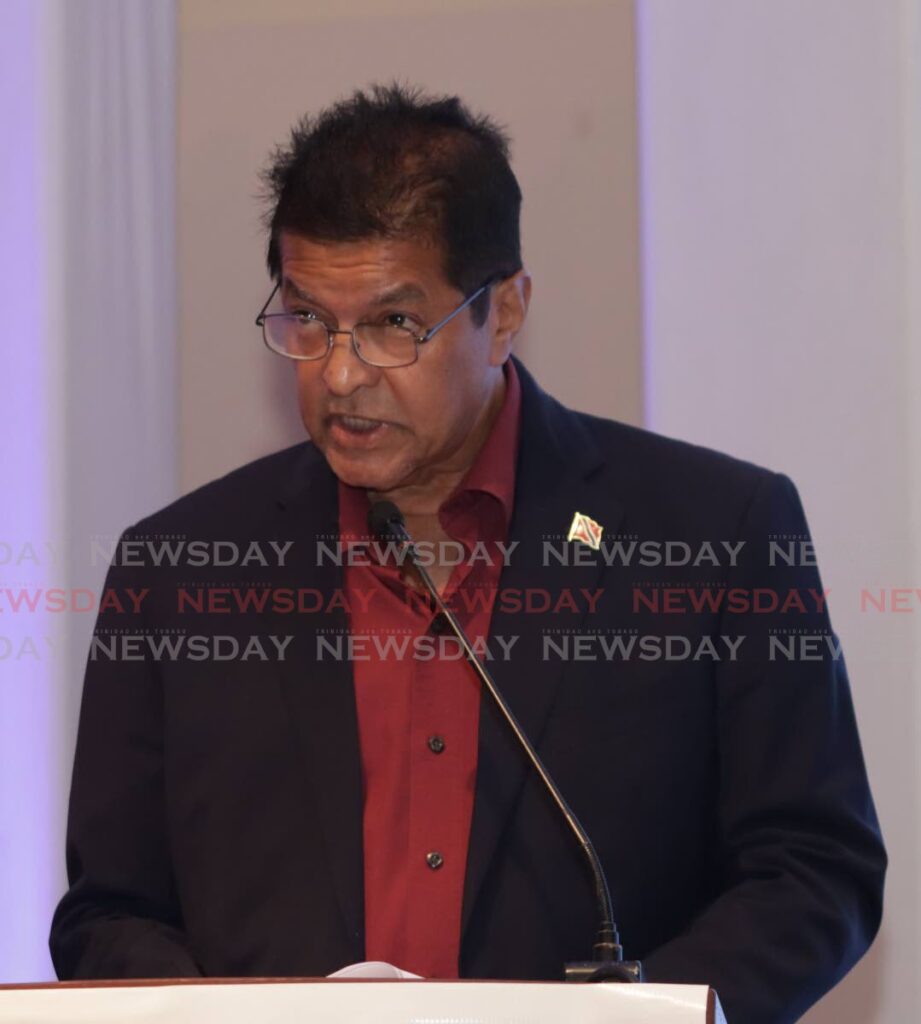
Health Minister Dr. Lackram Bodoe has confirmed that critical medical services at the Eric Williams Medical Sciences Complex (EWMSC) in Mt Hope remained uninterrupted despite an alleged hour-long power outage on November 6. Speaking at the TT Revitalisation Blueprint event in St. Ann’s, Dr. Bodoe stated that he had been in contact with North Central Regional Health Authority (NCRHA) chairman Dr. Tim Gopeesingh, who assured him that backup systems functioned as intended. ‘There was no impact at all. Hospitals always have a standby backup supply, and I’m informed backup supply services were able to continue,’ Dr. Bodoe told reporters. He added that the TT Electricity Commission (T&TEC) was on-site during the incident and that a full report has been requested from the NCRHA chairman. ‘The matter is being investigated, and I will get a full report from the chairman,’ he said, declining further comment until the report is received. The TT Registered Nurses Association (TTRNA) had initially reported the outage on its Facebook page, posting photos of darkened hallways with a caption suggesting that the entire hospital was in darkness, including the intensive care unit, and that generators failed to start. TTRNA president Idi Stuart described the incident as ‘deeply concerning’ and called for a transparent investigation. ‘No hospital in TT should suffer something like what went on today,’ he said, hinting that the association has information about the blackout but will wait for the RHA’s official statement before commenting further. Stuart emphasized that critical care units must never lose power and commended the nurses and medical staff for their tireless efforts to protect patients during the outage. He reiterated the association’s call for a comprehensive investigation and a public report to ensure the issue never recurs. The NCRHA recently announced the completion of the first phase of a major electrical and lighting upgrade at the EWMSC, supported by the TTEC, with the second phase currently underway to replace defective light poles and add new fixtures for full campus illumination.