
The Trinidad and Tobago National Council of Parent Teacher Associations (NPTA) has called on parents seeking school transfers for their children to adhere to the established procedures, despite the lengthy and bureaucratic nature of the process. NPTA President Walter Stewart expressed empathy for parents frustrated by the system, which has disrupted students’ education. This issue was spotlighted in a recent Newsday article, which detailed the case of a 14-year-old Arima teenager who had been out of school for two years due to transfer delays. The girl had been bullied by classmates in 2023, and her mother withdrew her from school after officials allegedly failed to intervene. Stewart emphasized that such cases are not isolated, citing another instance in September where a parent waited weeks for a transfer response. He urged parents to ensure their children remain in school while awaiting transfers, warning of potential legal consequences if they do not. Stewart advised parents to follow the proper channels, starting with the school supervisor, and escalating the matter to the Ministry of Education if necessary. He attributed delays to the manual processing of applications, which must physically move from district offices to the Ministry in Port of Spain. Stewart expressed hope that the Ministry’s ongoing digitization efforts would expedite the process. Addressing the persistent issue of bullying, Stewart cautioned parents against taking matters into their own hands, as such actions often exacerbate the situation. He recommended addressing concerns with school principals and following the chain of command. While acknowledging that the presence of police officers in schools has had some positive impact, Stewart stressed the need for stricter implementation of national discipline policies and codes of conduct to reduce violence and disorder. Meanwhile, former president of the TT Association of Psychologists, Kelly Mc Farlane, urged parents to remain attentive to their children’s emotional well-being. She highlighted that many bullying victims may conceal their experiences due to fear of parental reactions. Mc Farlane advised parents to listen to their children, validate their feelings, and collaborate with school officials to address bullying effectively. She also emphasized the importance of providing psychological support to both victims and bullies to tackle the root causes of such behavior.
标签: Trinidad and Tobago
特立尼达和多巴哥
-

Think about the children
The adage ‘children learn what they live’ underscores the profound influence of early environmental exposure on their development. From birth to age five, children are highly impressionable, absorbing and mimicking the behaviors and language they observe. This formative period shapes their adult conduct, making it imperative for parents to model appropriate behavior. The 1979 calypso ‘Think About the Children’ by Merchant remains strikingly relevant today, as it highlights the societal decay marked by violence, intolerance, and disrespect. Merchant’s plea to parents Betty-Lou and Sam to foster a stable and nurturing home environment resonates deeply in our current context, where many children are exposed to harmful behaviors. He urged parents to prioritize their children’s welfare, warning that neglecting this responsibility would lead to a generation of maladjusted adults. Today, the prevalence of such neglect is evident, with teachers and the state increasingly tasked with mitigating the emotional and psychological damage inflicted on young minds. The societal reflection on this issue is crucial, as the undisciplined and violent behavior of children often mirrors the actions of adults, including leaders who engage in vitriolic political discourse. The normalization of aggression and hostility in public spheres, amplified by instant communication, sends a dangerous message to impressionable children. Teachers frequently report instances of children mimicking inappropriate adult behavior, underscoring the need for a societal moral overhaul. Addressing this issue requires collective responsibility, as schools alone cannot rectify a problem rooted in broader societal failures. To truly care for our children, we must reevaluate and elevate our moral standards, ensuring behaviors and attitudes that foster their proper upbringing and socialization.
-

Man held after Tobago shooting incident
A man has been apprehended in connection with a shooting incident that occurred in Tobago on the morning of November 11. According to a release from the Trinidad and Tobago Police Service (TTPS), the incident unfolded around 6:15 am on Arnos Vale Road in Plymouth. The victim, who was at his workplace in Courland, Black Rock, was approached by an armed individual dressed in black. The suspect fired multiple shots at the victim, leading to a physical altercation before fleeing into nearby bushes. Law enforcement agencies, including officers from the Crown Point Police Station, swiftly responded to the scene. A silver Nissan Note car, matching the suspect’s description, was intercepted in the Black Rock area. The suspect was arrested, and a Glock pistol was confiscated. A coordinated operation led by ASP Bacchus, involving the Shirvan Road Police Station’s CID, the Inter-Agency Task Force (IATF), and the Crown Point Police Station, resulted in the recovery of a magazine from the bushy area near the scene. Later, a search of the suspect’s residence in Plymouth yielded six rounds of nine-millimetre calibre ammunition. The suspect remains in custody at the Shirvan Road Police Station as investigations, led by PC Lewis, continue.
-
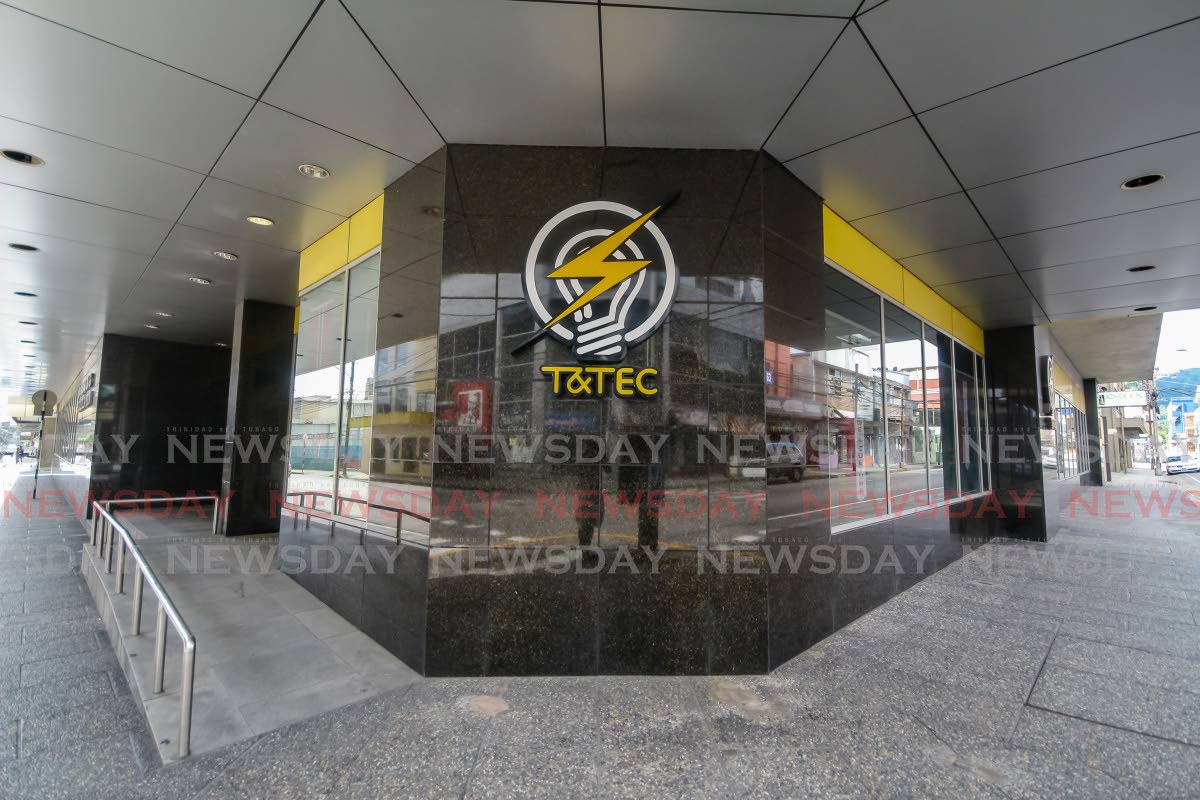
Ian Ramrattan gets the nod for T&TEC general manager
Ian Ramrattan, a seasoned professional with over three decades of experience at the Trinidad and Tobago Electricity Commission (T&TEC), has been appointed as the new substantive general manager of the state-owned power company, effective December 1, 2025. The announcement was made by Minister of Public Utilities Barry Padarath during an address to a group of 25 T&TEC employees preparing for restoration and repair works in Jamaica following Hurricane Melissa. Ramrattan will succeed acting general manager Vijai Ramnanansingh. With a career at T&TEC spanning since 1990, Ramrattan has held various key positions, including distribution engineer, communications systems manager, and assistant general manager of administration. His leadership has been instrumental in significant projects, such as securing a lucrative contract with Digicel TT and overhauling T&TEC’s procurement processes to enhance transparency. Ramrattan holds a BSc in Electrical and Computer Engineering and a Master’s in Business Administration, underscoring his technical and managerial expertise.
-

Steel Workers Union appeals Industrial Court’s Desalcott covid19 ruling
The Steel Workers Union (SWU) has lodged an appeal against the Industrial Court’s dismissal of their complaint against the Desalination Company (Desalcott) regarding actions taken during the COVID-19 pandemic. In a September 26 ruling, the court’s vice president, Hubert Soverall, and chairman of its Essential Services Division, Larry Achong, upheld Desalcott’s enforcement of pandemic-related measures, deeming it lawful. However, court member Gregory Rousseau dissented, arguing that Desalcott unlawfully locked out workers who refused the COVID-19 vaccine and breached Section 63 of the Industrial Relations Act by implementing a ‘rotation’ policy that sent employees home without pay. Rousseau ordered Desalcott to reinstate affected workers by November 10 and compensate them for lost wages and benefits dating back to June 17, 2021, while also imposing a $20,000 fine. The case originated from a July 2021 union complaint after unvaccinated employees were indefinitely sent home. Rousseau criticized Desalcott for failing to consult workers before making unilateral decisions and replacing their positions in October 2021, effectively terminating their employment without notice. He emphasized that no law authorized employers to place workers on unpaid leave, highlighting the lack of legislative clarity during the pandemic. In contrast, Soverall and Achong ruled that Desalcott acted in compliance with existing laws and government directives, prioritizing public health and worker safety. They acknowledged the challenges posed by rapidly evolving regulations and concluded that Desalcott’s actions were reasonable and consistent with good industrial relations practices. The case underscores the complexities of navigating employment laws during unprecedented public health crises.
-

THA supports motion to improve men’s mental health in Tobago
In a historic and unanimous decision on November 10, the Tobago House of Assembly (THA) endorsed a private motion aimed at improving the mental health and overall well-being of men and boys on the island. The motion, introduced by stand-in Minority Leader Keigon Denoon, was deliberated during the THA’s inaugural International Men’s Day Debate held in Scarborough. This landmark event, commemorating International Men’s Day on November 19, featured young boys and men assuming the roles of assemblymen and councillors in a dynamic and insightful three-and-a-half-hour session, presided over by Akeil Andrews. The motion advocates for the creation of sustainable, multi-sectoral programs to tackle critical issues such as mental health, positive male identity, and the development of healthy coping mechanisms. It also emphasizes the need for collaboration between governmental and non-governmental organizations to strengthen Tobago’s social fabric. Denoon passionately urged members to prioritize the welfare of men and boys over political affiliations, warning of the dire consequences of inaction. He highlighted the systemic neglect of men, calling for gender-specific interventions, including district-based mental health clinics, community mentorship programs, and annual scorecards to track progress. Stand-in THA Chief Secretary Akinlabi Holder supported the motion, stressing the importance of public education campaigns to dismantle harmful societal conditioning and improve men’s mental health. Holder underscored the societal benefits of raising healthy boys rather than repairing broken men, citing international studies that demonstrate the effectiveness of such initiatives.
-
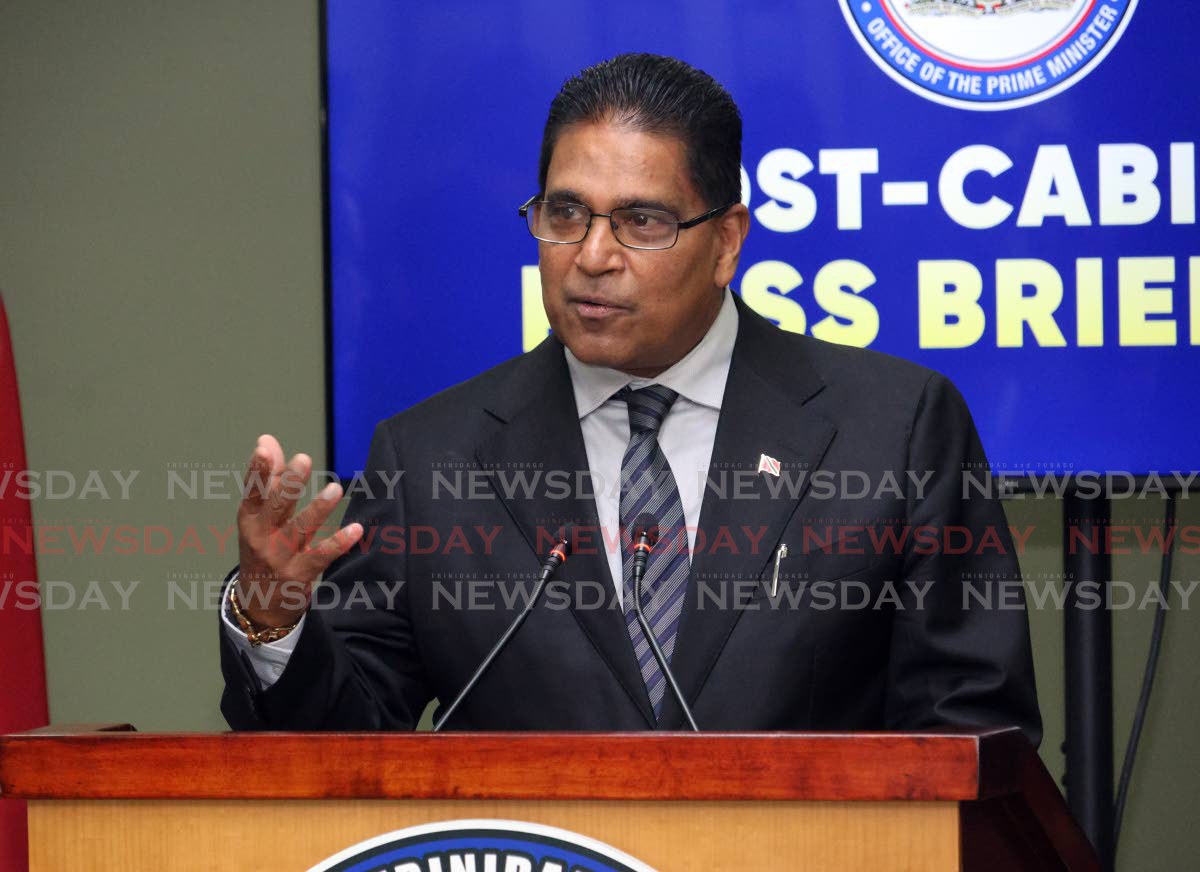
Moonilal: Technology can reduce LPG tank accidents
In response to a series of tragic LPG cylinder explosions that have claimed four lives since April, Dr. Roodal Moonilal, Minister of Energy and Energy Industries, has emphasized the urgent need for technological advancements and stricter regulatory oversight to mitigate such risks. Speaking at the American Chamber of Commerce of TT (AmCham TT) Health, Safety, Security & Environment conference on November 11, Moonilal declared that these incidents ‘must come to an end.’ He has directed the ministry to collaborate with the National Petroleum (NP) and other regulators to investigate the recent accidents and implement tighter controls. The findings from these investigations are expected to significantly improve safety practices in the use of LPG. Moonilal also announced that NP’s subsidiary operations will undergo a comprehensive review, and draft LPG regulations and licenses are in the final stages of preparation. NP has been instructed to ensure that all cylinders supplied by its subsidiary, Natpet, are thoroughly inspected for leaks or defects. Additionally, the TT Bureau of Standards is set to reconvene and advance draft national LPG standards for public comment. The minister highlighted the availability of various safety technologies, such as LPG monitoring systems that detect leaks, shut off gas supply, and provide immediate alarms, as well as blast-proof technology that can be integrated into cylinders to reduce explosion risks. NP has publicly pledged its cooperation with authorities and is currently reviewing its standards and internal processes. Moonilal questioned the underutilization of such technologies and affirmed the government’s commitment to pursuing legislative, technical, and enforcement measures to address the issue.
-

De Boulet, Metha crowned mixed doubles badminton champs
The TT International 2025 Badminton Tournament concluded on November 9 at the National Racquet Centre in Tacarigua, delivering a series of intense matches and crowning champions across multiple categories. In the mixed doubles final, the Trinidad and Tobago (TT) duo of Chequeda De Boulet and Parth Mehta emerged victorious after a hard-fought battle against the Barbadian pair of Sabrina Scott and Shae Martin. The TT champions secured their title with a narrow 21-19, 21-19 win, showcasing their resilience and skill. Earlier in the semifinals, De Boulet and Mehta had defeated the Jamaican team of Kenneth Anglin and Tahlia Richardson with scores of 21-18, 21-17. Meanwhile, TT’s Aditya Maharaj and Samiya Karim claimed the bronze medal after falling to Scott and Martin in the semis. The women’s doubles final saw TT’s Nekeisha Blake partnering with Sabrina Scott, but they were outplayed by the Jamaican duo of Breanna Bisnott and Tahlia Richardson, who clinched the title with a 21-13, 21-17 victory. Two TT sister pairs, Danyelle and T’Shelle Barnes and Aliyah and Amara Urquhart, shared the bronze medal after semifinal losses. In the men’s singles final, Swiss players Julien Scheiwiller and Nicolas Mueller faced off, with second-seeded Scheiwiller prevailing 21-19, 21-18 over fourth-ranked Mueller. Parth Mehta tied for third place after a semifinal defeat to Mueller. The women’s singles final was dominated by Italy’s Gianna Stiglich, who overpowered Argentina’s Iona Gualdi with a commanding 21-8, 21-8 win. The men’s doubles title went to Slovakia’s Simeon and Andrej Suchy, who justified their top seeding with a 21-13, 21-12 victory over India’s Achutaditya Doddavarapu and Pochana Reddy. TT’s Kaveer Ramoutar and Verone Salick secured a joint third-place finish in the men’s doubles after their semifinal loss to the Indian pair.
-

Dream big with ‘one percenters’
Prime Minister Kamla Persad-Bissessar has unveiled the government’s Revitalisation Blueprint, a comprehensive and actionable strategy aimed at redefining Trinidad and Tobago’s economic landscape. Unlike previous plans that often lacked substance, this blueprint is rooted in economic logic and structured ambition, offering a clear pathway for sustainable growth. The initiative has garnered significant support from key business leaders, including A. Norman Sabga, Executive Chairman of ANSA McAL, who emphasized the importance of dreaming big to achieve national progress. Sabga’s endorsement underscores the critical role of the private sector in driving innovation, employment, and investment confidence. The blueprint is not just a government-led effort but a call for national collaboration, where policy stability and infrastructure from the government meet the capital, innovation, and operational excellence of businesses. This initiative is designed to benefit not only large corporations but also small and medium enterprises, creative entrepreneurs, and skilled professionals. With ANSA McAL, a symbol of stability and regional success, leading the charge, the blueprint is poised to inspire broader economic momentum. The plan highlights the collective responsibility of citizens, companies, and leaders in building a stronger Trinidad and Tobago, emphasizing that economic transformation is a shared endeavor. As Sabga aptly stated, ‘We need to dream big, manage the details, and move the country forward.’
-

Prisons march on with 3rd win, keep TTFPL lead
In a week marked by uncertainty and dramatic reversals, Prisons FC has solidified its position at the top of the 2025/26 TT Premier Football League (TTPFL) standings. After initially threatening to withdraw from the season, the team reversed its decision following discussions with the TT Football Association (TTFA). Prisons FC continued their winning streak with a hard-fought 1-0 victory over Club Sando at the Mahaica Sporting Complex on November 9. The decisive moment came in the 71st minute when substitute Jeremiah Vidale capitalized on a well-executed play, slotting a close-range shot past Club Sando’s goalkeeper Teshorne Ragoo. This marked Vidale’s third goal in as many matches, further cementing his impact as a key player for the team. Prisons FC now leads the 12-team league with nine points, remaining undefeated alongside reigning champions Defence Force. Club Sando, despite the loss, holds third place with six points. In other matches, Point Fortin Civic and San Juan Jabloteh played to a 1-1 draw, while Defence Force secured their first win of the season with a 1-0 victory over Police FC. Caledonia AIA and AC Port of Spain also celebrated their first wins of the campaign, adding to the competitive dynamics of the league. The TTPFL action resumes on November 15, with La Horquetta Rangers set to face 1976 FC Phoenix in a rescheduled match.