
In a significant move aimed at easing the financial burden on citizens, Trinidad and Tobago’s Finance Minister, Davendranath Tancoo, has announced an immediate $1 reduction in the price of super high-octane gasoline. This decision, unveiled during the 2026 national budget presentation on October 13, marks the first measure of the new fiscal plan designed to benefit all citizens of the nation. Tancoo emphasized that the reduction was a direct initiative of Prime Minister Kamla Persad-Bissessar, reflecting the government’s commitment to restoring affordability and fostering economic fairness. ‘This is the first announcement by this caring government in this budget that would benefit every single citizen of TT,’ Tancoo stated. The price cut took effect immediately, offering broad-based relief to the public. The move aligns with the United National Congress (UNC) administration’s campaign promises to review energy pricing and ensure citizens are not unfairly overcharged. It also reverses part of the previous People’s National Movement (PNM) administration’s phased removal of fuel subsidies, which had led to consistent increases in pump prices over the past decade. The announcement underscores the current government’s focus on addressing economic disparities and providing tangible benefits to the populace.
标签: Trinidad and Tobago
特立尼达和多巴哥
-
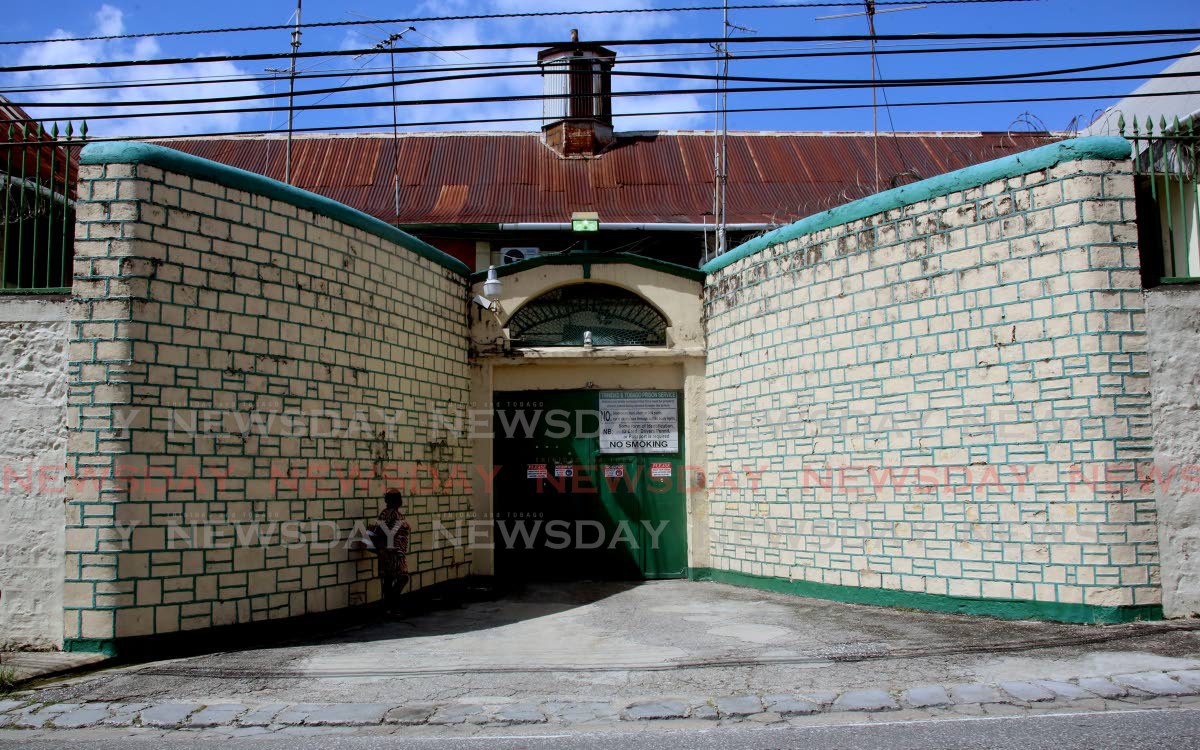
Modern prison, security upgrades coming
In a significant move to bolster national security and reform the prison system, Finance Minister Davendranath Tancoo unveiled a series of ambitious initiatives during the 2025/2026 national budget presentation. The plan includes the recruitment of 500 new prison officers, the deployment of intelligence-led operations, and the implementation of advanced E999 systems to enhance emergency responsiveness. These measures are part of a broader government strategy to create a more efficient and rehabilitative prison system. Key upgrades to prison facilities will focus on sanitation, transport, and security, with the introduction of anti-drone technology and cellphone jamming systems to prevent illegal activities. The Port of Spain Prison, set to be decommissioned, will be replaced by a state-of-the-art correctional facility emphasizing rehabilitation. Additionally, the fire service will be strengthened with 280 auxiliary officers, 225 new breathing apparatuses, and upgraded infrastructure at select fire stations. New vehicles and thermal imaging equipment will further enhance operational readiness. Tancoo also highlighted reforms to firearm laws to promote responsible ownership and prioritize rehabilitation over incarceration for non-violent offenders. Other measures include expanding CCTV coverage to improve court security, establishing a forensic science complex, and developing a national security training center at the UWI Debe campus.
-

Endangered olfactory pleasures
During a visit to Trinidad in late September, a casual shopping trip in Valpark turned into a heartfelt conversation about the changing scents of tradition and nature. The shop owners, a warm and welcoming couple, shared their excitement for the upcoming Divali celebrations, revealing their innovative plan to use deyas with wicks in water instead of the traditional coconut oil. While this modern twist is fascinating, the nostalgic aroma of coconut oil-soaked deyas remains unmatched, evoking cherished memories of past Divali celebrations spent with friends like the Sharmas, lighting deyas at dusk and savoring the homely scent that preceded Mrs. Sharma’s lavish vegetarian feast. The couple also reminisced about the once-special sight and smell of grapes and apples on Trinidad’s streets during Christmas, a seasonal treat that has now become commonplace, losing its unique charm. This conversation sparked a deeper reflection on how many natural and traditional scents seem to be fading from our lives. The scent of rain, sea spray, freshly-mown grass, and even the aroma of old book pages are becoming less noticeable, likely due to environmental degradation, urbanization, and shifting cultural habits. The impact of human activity on nature, including atmospheric heating and pollution, has altered the way life smells. Even the simple pleasure of smelling books, known as bibliosmia, may become a relic of the past as e-books dominate. The conversation also touched on the profound connection between scent, memory, and emotion, suggesting the idea of ‘scratch and sniff’ hubs to revive these endangered aromas and evoke nostalgic emotions. As one friend lamented, her sense of smell has been drastically diminished after multiple bouts of COVID-19, highlighting the fragility of this sensory experience. This reflection serves as a poignant reminder of the importance of preserving the scents that shape our memories and emotions.
-
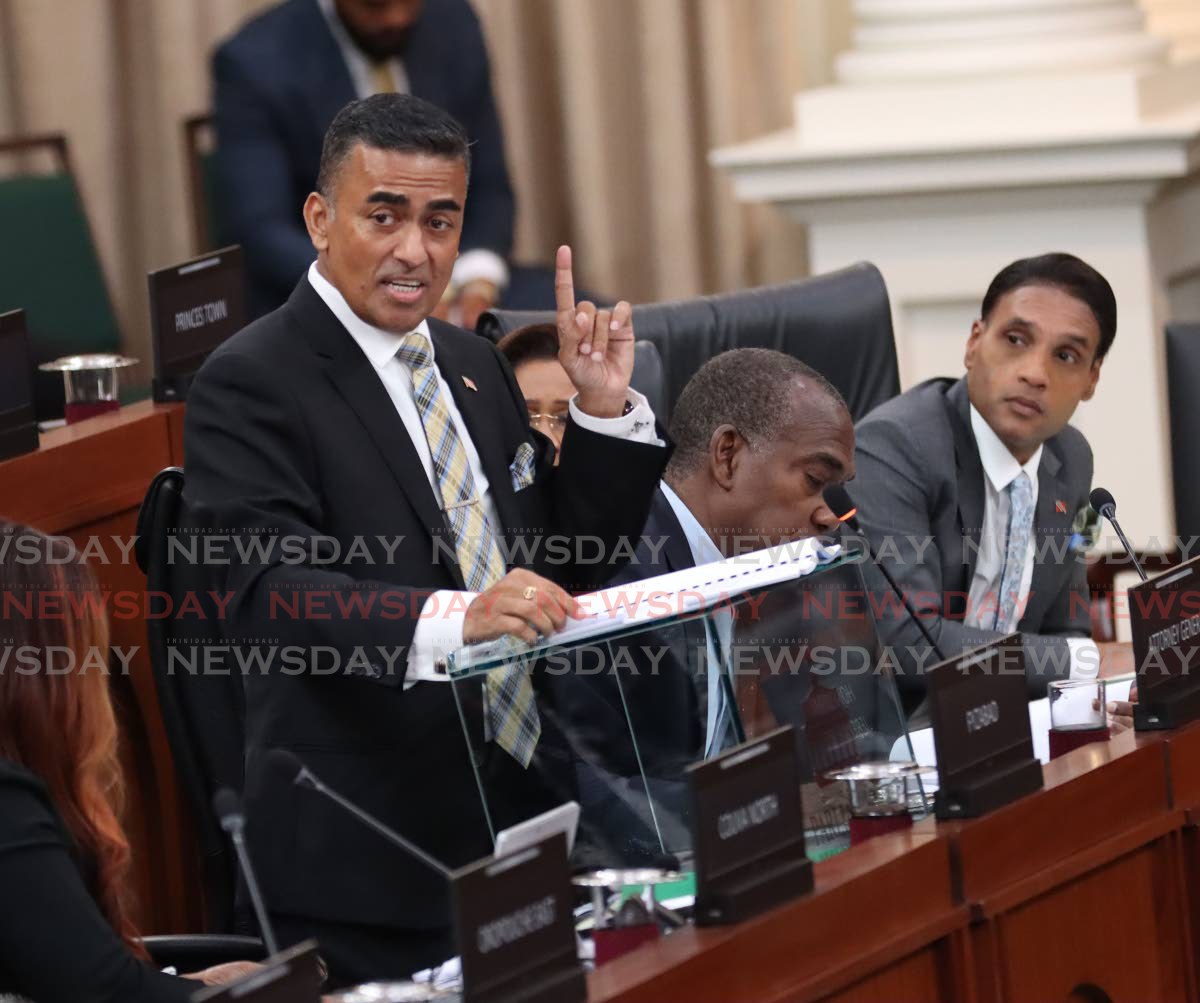
2025/2026 budget to be presented on October 13: Will the UNC deliver on its promises?
The UNC-led government of Trinidad and Tobago is set to present its highly anticipated 2025-2026 budget on October 13, marking its first fiscal plan since taking office nearly six months ago. Finance Minister Davendranath Tancoo will deliver the budget, which aims to address a range of pressing national issues while balancing ambitious policy goals with fiscal realities. Prime Minister Kamla Persad-Bissessar has emphasized priorities such as supporting children, low-income households, and job creation, though the budget may face a deficit due to the country’s borrowing and expenditure trends over the past decade. Key areas of focus include national security, economic diversification, and energy sector rehabilitation. The government has already made strides in fulfilling manifesto promises, such as reopening the Couva Children’s Hospital, restarting the student laptop program, and negotiating wage increases for public sector workers. However, challenges remain, including addressing crime, reviving make-work programs, and reducing reliance on oil and gas revenues. The budget is expected to outline targeted initiatives in agriculture, manufacturing, and small business development, reflecting the government’s commitment to economic diversification and inclusive growth.
-

Tobago’s failure: not enough whites
The remnants of an old sugar mill near Golden Grove Road in Buccoo, Tobago, stand as a stark reminder of the island’s colonial past. The establishment of sugar plantations in the British Caribbean colonies was driven by the lucrative global demand for sugar, which spurred heavy investments in the industry. However, this economic boom came at a devastating human cost: the transatlantic trafficking of enslaved Africans to meet the insatiable demand for labor. Despite the fervor of plantation owners, the imbalance between the white and black populations posed significant challenges, leading to the enactment of the Deficiency Laws in an attempt to mitigate the risks of rebellion. These laws, however, failed to achieve their intended balance. By the early 19th century, Tobago’s sugar industry was in decline, and the island faced economic turmoil. The abolition of the British slave trade in 1807 further exacerbated the situation, reducing trade and increasing operational costs. In response, Tobago’s administrators implemented strategies to increase the white population, including fines for non-compliance and bounties for exceeding quotas. They also sought to co-opt the ‘coloured’ population, leveraging their social ambitions to maintain control. Despite these efforts, the population ratio remained unchanged, leaving a legacy of racial inequality and economic decline.
-

UNC’s first budget faces test of delivery
As Trinidad and Tobago’s Finance Minister Davendranath Tancoo prepares to present the first budget of the United National Congress (UNC) administration on October 13, the government faces immense pressure to deliver on its ambitious “people-first” agenda. Elected in a landslide victory in April, the five-month-old administration has prioritized children, low-income households, national security, and economic diversification. However, the budget comes amid significant fiscal challenges, including a projected deficit exceeding $9 billion, as highlighted by Independent Senator Dr. Marlene Attzs. The deficit is attributed to the lingering effects of the 2014–2016 oil price shock and structural weaknesses in the economy. Both Attzs and former Finance Minister Conrad Enill emphasize the need for disciplined fiscal management, urging the government to focus on investments that drive long-term growth rather than short-term consumption. The UNC’s manifesto includes ambitious pledges such as a 10% wage increase for public servants, the creation of 50,000 jobs, and the revival of state energy assets. While some initiatives, like the reopening of the Couva Children’s Hospital and the restart of the student laptop program, are already underway, systemic challenges such as crime and economic diversification remain pressing concerns. Attzs and Enill caution against overpromising, advocating for a medium-term fiscal framework that balances immediate relief with sustainable development. They also stress the importance of transparency and institutional credibility to build public trust and investor confidence. As the government navigates these complexities, the budget will serve as a critical test of its ability to balance ambitious reforms with fiscal responsibility.
-

Tobago Festivals Commission gets new leader: Rayshawn Pierre ready for life’s challenges
Rayshawn Pierre, the newly appointed operations manager of the Tobago Festivals Commission Ltd (TFCL), has long been a driving force in Tobago’s cultural landscape. At 33, Pierre’s journey has been marked by relentless passion, determination, and a commitment to excellence. Her tenure as the artistic director of the Tobago Performing Arts Company (TPAC) saw the organization evolve into a regional powerhouse, with productions like *Bitter Cassava* and *Queen of the Road* earning critical acclaim and solidifying TPAC’s reputation in the performing arts scene. Pierre’s philosophy of embracing challenges and fostering growth has been a cornerstone of her success. She transitioned to TFCL in July, drawn by the opportunity to contribute to Tobago’s cultural space through festivals, production, and events. Her role involves overseeing major events like the Tobago Carnival, Blue Food Festival, and Tobago Heritage Festival, while also innovating strategies to enhance stakeholder engagement and event execution. Pierre emphasizes the importance of community involvement in the success of these festivals, urging Tobagonians to actively participate and breathe life into the events. Her vision for Tobago’s cultural future is optimistic, particularly with the younger generation’s enthusiasm and creativity. Pierre believes that with the right guidance and support, Tobago’s cultural heritage can shine on the global stage, as evidenced by the island’s impactful presence at the recent Carifesta in Barbados. Her leadership continues to inspire, blending creativity, management, and a deep love for Tobago’s culture.
-

20 people murdered in seven days – Bloodiest week of the year
Trinidad and Tobago is facing a harrowing surge in violent crime, with seven murders recorded in just 24 hours in the eastern quadrant of the island. This alarming spike has pushed the weekly homicide count to 20, marking the bloodiest week of the year. The nation, already shaken by recent high-profile killings, including the triple murder of a family in Friendship Village and the ambush of a Chaguanas businessman, is now under heightened tension as the state of emergency (SoE) enters its 84th day. Despite the SoE, which was declared on July 18 and extended by Parliament for an additional 90 days, the relentless wave of violence continues to escalate. Social media and opposition politicians have expressed outrage, with some calling for a ‘state of extreme emergency’ to address the crisis. Former national security minister Marvin Gonzales criticized the government’s approach, stating that the root causes of crime, such as unemployment, gun trafficking, and judicial stagnation, remain unaddressed. Police Commissioner Allister Guevarro acknowledged the challenges faced by law enforcement but emphasized ongoing anti-crime operations. Meanwhile, the discovery of missing businessman Imraz ‘Clubs’ Ali’s body and a series of other brutal killings have further deepened public despair. The government’s promise to reduce crime within six months has yet to yield sustainable results, leaving citizens increasingly fearful and disillusioned.
-

Sabrina Mowlah-Baksh: A life of activism
Sabrina Mowlah-Baksh, a lifelong advocate for women’s rights and gender equality, was awarded the Medal for the Development of Women (Silver) on Republic Day 2025. This prestigious recognition highlights her over four decades of dedication to empowering women and combating gender-based violence (GBV) in Trinidad and Tobago. However, Mowlah-Baksh’s response to the honor was unexpectedly introspective. Rather than feeling elated, she expressed mixed emotions, questioning whether her efforts had been sufficient given the persistent challenges women face today.
-
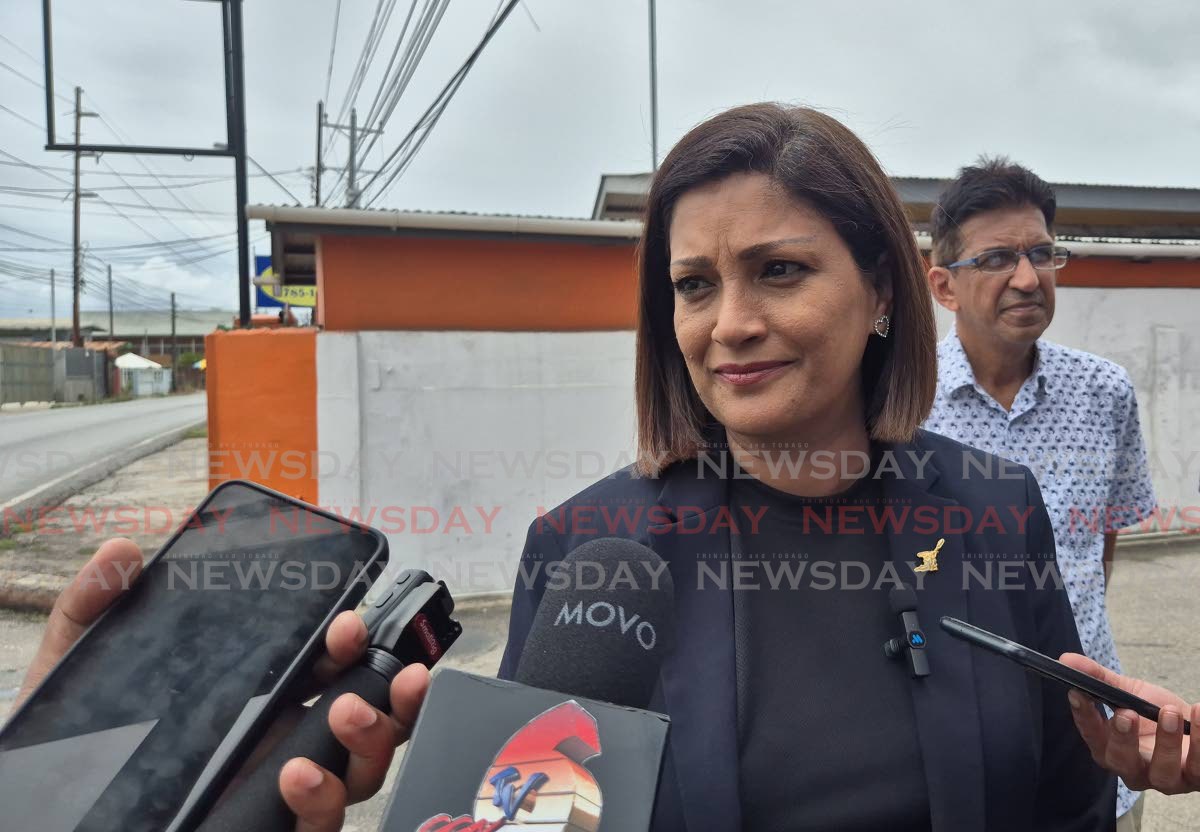
Panday: No win yet with Dragon
Mickela Panday, leader of the Patriotic Front, has expressed skepticism regarding the recent announcement by Attorney General John Jeremie concerning the US Treasury’s Office of Foreign Assets Control (OFAC) granting a six-month licence for Trinidad and Tobago (TT), the National Gas Company (NGC), and their partners to negotiate the Dragon gas project. Panday emphasized that this development is far from a finalized deal and cautioned against premature government celebrations. In a Facebook post on October 10, she stated, ‘The licence merely opens a narrow window for discussions; it does not assure gas supply, job creation, or economic prosperity.’ Panday also highlighted the lack of transparency during Jeremie’s press conference on October 9, where he declined to disclose commercial terms or confirm formal engagement with Venezuela. She criticized this secrecy, asserting that the public deserves full transparency regarding the negotiations, potential beneficiaries, and safeguards for national interests. Panday reiterated that the licence is not a victory but an opportunity fraught with conditions and a tight deadline. She questioned whether the government can broker an agreement that balances the interests of all stakeholders, including the US, Venezuela, Shell, and NGC, within the limited timeframe. Additionally, Panday raised concerns about the geopolitical implications of Prime Minister Kamla Persad-Bissessar’s public support for the Trump administration’s anti-drug cartel efforts and US military presence in the southern Caribbean Sea, which could complicate negotiations with Venezuela. She warned that such statements might weaken TT’s negotiating position before talks even commence. Panday urged the government to disclose the full OFAC licence and provide clarity on its scope, risks, and limitations. She concluded by cautioning against premature optimism, likening the situation to ‘not counting your chickens before they hatch,’ and stressed that only a transparent and accountable process would ensure the benefits of the Dragon gas project truly reach the people of TT.