标签: Trinidad and Tobago

特立尼达和多巴哥

  • Tancoo: Sport, tourism to go hand-in-hand

    Tancoo: Sport, tourism to go hand-in-hand

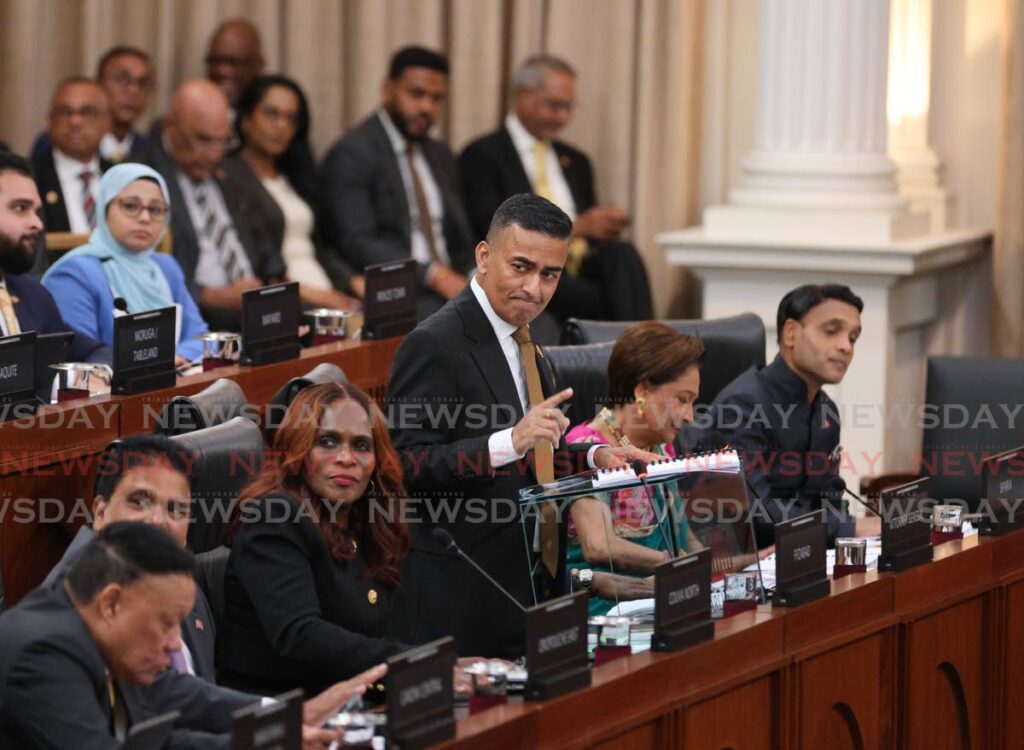
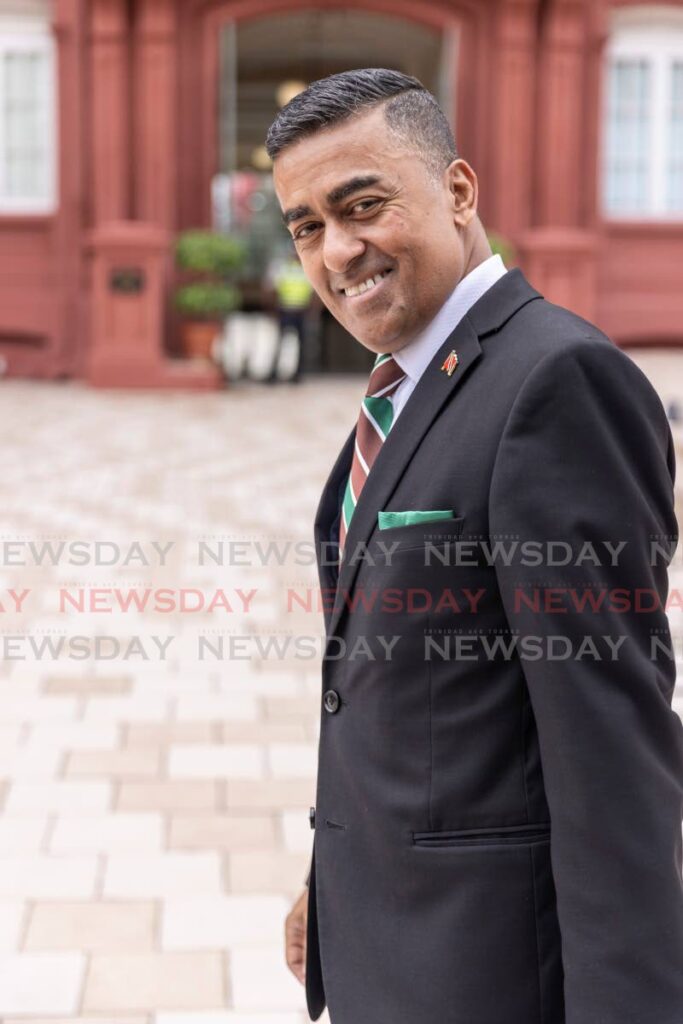
    In a landmark announcement during the 2025/26 national budget presentation at the Red House on October 13, Finance Minister Davendranath Tancoo revealed the government’s comprehensive plan to bolster sports infrastructure and tourism through strategic investments. Central to this initiative is the establishment of ten new fully accessible community centres slated for completion in fiscal 2026. These centres aim to foster unity and national pride by providing state-of-the-art facilities for athletes and communities alike.

    Tancoo emphasized the government’s commitment to revitalizing existing sports infrastructure, including the rehabilitation of pools in Biche, Maloney, Morvant, Rio Claro, and Tunapuna, alongside upgrades to national stadia. While specific stadia were not named, the minister highlighted the broader goal of enhancing sports tourism, a sector he described as ‘hybrid’ and ripe for development. Plans include the creation of new products in medical, sport, and cultural tourism, as well as the completion of hotel projects to support this growth.

    Tobago is also set to benefit from these initiatives, with the Tobago House of Assembly establishing a dedicated sport tourism unit. The island will focus on skilled development, vocational training, and creating pathways from amateur to professional sports, alongside youth internship programmes. These efforts aim to monetize sports and outdoor recreation while catalyzing investment in sports infrastructure.

    Tancoo also addressed the challenges facing the Sport and Culture Fund, which has suffered due to the unprofitability of the instant lottery system. To address this, the minister announced that deposits into the fund would no longer rely solely on lottery surpluses but would be set and approved by the finance minister. This change, coupled with stricter financial management, aims to ensure the fund’s sustainability.

    In addition, Tancoo pledged a crackdown on illegal lotteries, which reportedly generate $9 billion annually, significantly impacting the National Lotteries Control Board’s $3 billion annual earnings. Harsher penalties for illegal gaming houses were promised as part of this effort.

    The minister also took a moment to extend his best wishes to Trinidad and Tobago’s men’s football team ahead of their 2026 FIFA World Cup qualifier against Curacao on October 14, underscoring the government’s support for national sports.

    Further details on the sports budget allocation and specific plans under the Ministry of Sport and Youth Affairs are expected to be revealed during the budget debate on October 17.

  • Mental Health Awareness Month: No one is exempt from mental health issues

    Mental Health Awareness Month: No one is exempt from mental health issues

    October marks Mental Health Awareness Month, a time dedicated to fostering understanding and support for mental health issues. Clinical and organisational psychologist Kelly Mc Farlane underscores the significance of this observance, noting that mental health challenges can affect anyone, whether through stress, loss, or anxiety. These issues impact individuals, families, workplaces, and communities in both positive and negative ways. Mc Farlane emphasizes that understanding mental health is the first step toward protecting it, and global observances like World Mental Health Day on October 10 provide opportunities for collective reflection and practical change. This year’s theme, ‘Access to Services – Mental Health in Catastrophes and Emergencies,’ is particularly relevant in the Caribbean, where natural disasters and the COVID-19 pandemic have left lasting emotional scars. Mc Farlane highlights the need for increased awareness of available mental health resources, including public sector clinics and hospital mental health departments. She acknowledges that while stigma around mental health is decreasing, it remains a significant barrier to care. Social support, she notes, plays a crucial role in recovery, and she advocates for more campaigns and education to reduce stigma. Mc Farlane also points to encouraging trends, such as increased openness to mental health conversations among younger people and men. For those hesitant to seek help, she advises starting the conversation with someone they trust or a mental health professional. Dietitian Dana Chong adds that nutrition plays a vital role in mental health, with foods like green leafy vegetables, fatty fish, and walnuts boosting brain health. She warns against the negative effects of poor nutrition and processed foods, recommending a balanced diet rich in probiotics and prebiotics. Chong also stresses the importance of hydration and cautions against excessive caffeine and sugar intake. As Mental Health Awareness Month continues, both Mc Farlane and Chong urge individuals to prioritize their mental and physical well-being.

  • Tancoo announces judicial reforms, constitutional right to timely justice

    Tancoo announces judicial reforms, constitutional right to timely justice

    In a landmark announcement during the 2026 national budget presentation, Trinidad and Tobago’s Finance Minister Davendranath Tancoo unveiled sweeping reforms aimed at revitalizing the nation’s judiciary. The reforms, designed to enhance efficiency, transparency, and accessibility, include the creation of a new Judiciary Chancellor role to oversee case management, thereby allowing the Chief Justice to focus on jurisprudence. Tancoo emphasized that these measures are critical to addressing case backlogs and strengthening the leadership of the justice system.

    Central to the reforms is the expansion of court facilities and the constitutional enshrinement of the right to a timely trial, which Tancoo described as a ‘cornerstone of democratic justice.’ Additionally, victim support services will be significantly expanded to include restitution programs, job placement assistance, and housing opportunities for crime victims. Increased funding and staffing for the Director of Public Prosecutions and the Public Defenders’ offices were also announced to ensure better access to legal representation.

    Tancoo underscored the urgency of these reforms, stating, ‘For the first time, the administration of justice will be given the priority it so desperately needs but was so desperately lacking.’

    The proposal has sparked discussions within the judiciary. Chief Justice Ivor Archie, while cautious, acknowledged the potential benefits of the reforms. In his address for the new law term, Archie noted that the judiciary already operates with a ‘silent chancellor’ in the form of a court administrator who handles day-to-day operations. He stressed the need for a concrete proposal that clearly defines the role, appointment process, and accountability of the proposed Judiciary Chancellor.

    Prime Minister Kamla Persad-Bissessar, who first floated the idea in July, explained that the Judiciary Chancellor would focus on court administration, freeing the Chief Justice to concentrate on legal cases and judicial officers. Archie emphasized the importance of understanding the proposal within Trinidad and Tobago’s constitutional framework, noting that the role of a chancellor in other countries, such as England, differs significantly due to varying constitutional arrangements.

    Archie concluded by highlighting the shared goal of improving the administration of justice and fostering collaboration between the executive and judicial branches. ‘What is important is an informed discussion where all views are given a respectful hearing,’ he said, expressing optimism about achieving a consensus on the reforms.

  • PSA ready to talk to CPO after 10% wage hike promise

    PSA ready to talk to CPO after 10% wage hike promise

    In a significant development following the October 13 budget presentation, the Public Services Association (PSA) has expressed readiness to commence immediate negotiations with the government. Finance Minister Davendranath Tancoo announced a revised ten per cent wage offer aimed at resolving long-standing public sector wage disputes, which have persisted for nearly a decade. PSA President Felisha Thomas emphasized the urgency of the matter, stating that the union has already proposed dates for talks as early as October 16. ‘Our membership has waited long enough,’ Thomas remarked, underscoring the need for swift action. This marks Thomas’s first budget as PSA president, having been elected in March 2025. Tancoo described the government’s move as a ‘bold and historic step’ to address years of stagnation and restore dignity to public sector workers. He also revealed plans to ratify collective agreements with various public sector bodies, including the Teaching Service and the Defence Force, at an estimated annual cost of $214 million, with arrears totaling $730 million by December 2025. Additionally, Tancoo announced reforms to the National Insurance Scheme (NIS), including a gradual increase in the retirement age from 60 to 65 by 2036 and phased contribution hikes starting in January 2026. While Thomas acknowledged mixed reactions to the NIS changes, she reiterated the PSA’s commitment to prioritizing wage negotiations. ‘Now is the time to get the job done,’ she concluded.

  • Tancoo unveils NIS overhaul: higher rates, later retirement age

    Tancoo unveils NIS overhaul: higher rates, later retirement age

    In a landmark announcement during the 2026 national budget presentation on October 13, Finance Minister Davendranath Tancoo unveiled sweeping reforms for the National Insurance Scheme (NIS). Without immediate action, Tancoo warned, the fund could face collapse within the next decade, leaving hundreds of thousands of retirees without income protection. The proposed measures include a phased increase in contribution rates and a gradual rise in the retirement age from 60 to 65 over the next ten years. Effective January 5, 2026, contribution rates will rise by three per cent, with another three per cent increase scheduled for January 4, 2027. Starting in January 2028, the retirement age for full NIS pensions will incrementally increase by one year every two years, reaching 65 by 2036. Tancoo assured that those retiring before January 1, 2028, and all existing pensioners will remain unaffected. Early retirees will still qualify for reduced pensions, with a minimum of $3,000. The Finance Minister emphasized the urgency of these reforms, citing years of inaction under the previous administration that allowed the NIS’s financial challenges to deepen. Annual benefit payments now exceed $6 billion, a 65 per cent increase over two decades, while payouts have consistently outpaced contributions since 2020, forcing the National Insurance Board (NIB) to liquidate assets. The 11th Actuarial Review projected fund depletion by 2033 or 2034 without intervention. Tancoo criticized the former PNM government for ignoring repeated warnings and delaying necessary reforms. He pledged that under his administration, the NIS would not be allowed to fail, ensuring protection for over 200,000 vulnerable citizens. Additionally, private pensions will be exempt from income tax starting January 1, as previously promised.

  • TTCB election of candidates

    TTCB election of candidates

    Trinidad and Tobago Cricket Board (TTCB) President Azim Bassarath has emphasized the critical role of cricket clubs in revitalizing the national team’s performance. Speaking at the TTCB premiership awards ceremony, Bassarath highlighted that the future success of Trinidad and Tobago cricket hinges on the ability of clubs to become well-organized, accountable, and sustainable. He stressed that strong clubs foster competitive environments, which in turn build robust national teams. However, achieving this vision is no simple task, requiring meticulous planning and structural reforms. Bassarath acknowledged the challenges, particularly financial constraints, that have hindered clubs from reaching their full potential. He also took accountability for the national team’s prolonged underperformance, noting that Trinidad and Tobago has not won the regional first-class competition since 2006. With six West Indies territories competing annually, Bassarath argued that Trinidad and Tobago should, at minimum, secure victory once every six years. He called for a renewed commitment from club administrators and board members to implement effective strategies and ensure the national team’s success. The upcoming TTCB meeting on October 25 is expected to address these pressing issues and chart a path forward for Trinidad and Tobago cricket.

  • Drivers delighted with ‘ease up’ on super gasoline

    Drivers delighted with ‘ease up’ on super gasoline

    In a significant move during the 2025/2026 budget presentation on October 13, Trinidad and Tobago’s Finance Minister Davendranath Tancoo announced an immediate reduction of $1 per litre in the price of super gasoline. This decision, mandated by Prime Minister Kamla Persad-Bissessar, aims to provide financial relief to citizens by reversing part of the previous administration’s phased removal of fuel subsidies, which had led to consistent price hikes over the past decade. Drivers expressed their delight at the news, with one stating, ‘Yuh can’t go wrong. Is ah ease up; ah dollar could help a lot.’ Another driver highlighted the potential savings, saying, ‘That supposed to help we. That’s a plus. More gas, less money.’ However, not all reactions were positive. Some drivers were disappointed that the price reduction did not take immediate effect at the pumps, as promised. ‘If they say immediately, they supposed to remove it immediately,’ one driver remarked. Additionally, users of premium gasoline and diesel expressed frustration that the price cut was limited to super gasoline, with one driver noting, ‘It’s only for super, it doesn’t do anything for people using premium.’ A diesel user added, ‘If the consideration was made for one type of fuel, it should have been made across the board.’ While the announcement was generally welcomed, many drivers remain cautious, hoping for broader economic improvements in the budget.

  • Teniel Campbell wins double gold at Caribbean Road Champs

    Teniel Campbell wins double gold at Caribbean Road Champs

    Trinidad and Tobago’s cycling sensation, Teniel Campbell, showcased her exceptional talent at the Caribbean Elite Road Cycling Championships in Belize, securing a remarkable double victory. On October 12, Campbell triumphed in the grueling 112.5-kilometer women’s road race, adding to her earlier gold in the individual time trial on October 11. The race, which tested the endurance of 17 elite cyclists, saw Campbell cross the finish line in 3 hours, 6 minutes, and 20 seconds, a commanding 31 seconds ahead of Bermuda’s Gabriella Arnold, who claimed second place. Cuban cyclist Evelyn Diaz Matos rounded out the podium in third. Seven participants were unable to complete the demanding course. Campbell’s dominance was further highlighted in the time trial, where she clocked an impressive 28 minutes and 39.4 seconds, leaving her competitors trailing by over three minutes. In the men’s events, Trinidad and Tobago’s Jadian Neaves secured third place in the Under-23 category, while Akil Campbell, Teniel’s brother, finished 11th in the senior division. The championships underscored the rising prominence of Caribbean cycling talent, with Campbell’s performances cementing her status as a regional powerhouse.

  • Real estate trust to unlock ‘national wealth’ to ordinary citizens

    Real estate trust to unlock ‘national wealth’ to ordinary citizens

    In a groundbreaking move to democratize state-owned assets and enhance public participation in national wealth creation, Finance Minister Davendranath Tancoo announced the establishment of a Real Estate Investment Trust (REIT) and a $1 billion bond under the National Investment Fund (NIF). The announcement was made during the presentation of the $59 billion budget on October 13, marking a significant step toward innovative financing in Trinidad and Tobago. The REIT, described as a ‘landmark initiative,’ will include high-value income-generating properties such as land, office buildings, and commercial infrastructure. These assets will be transferred to the REIT and listed on the local stock exchange, enabling both individual and institutional investors to earn dividends from real estate investments. Minister Tancoo emphasized that the state will retain a strategic stake in these assets, ensuring transparency and accountability through a high-level technical committee. Additionally, the NIF will launch a $1 billion bond in the 2026 fiscal year, offering citizens and small businesses a safe, tax-free investment opportunity. The bond will be backed by 21% of the shareholding of First Citizens Group Financial Holdings Ltd (FCGFH), valued at approximately $2 billion. The government retains a 60.11% majority ownership in First Citizens Group, ensuring indirect control over these assets. Both initiatives aim to strengthen the capital market, diversify investment opportunities, and contribute significantly to government revenue.

  • Comparing the two SoEs

    Comparing the two SoEs

    The recent state of emergency (SoE) in Trinidad and Tobago has sparked a debate over its effectiveness compared to the previous one under the PNM government. While both SoEs aimed to curb crime, the current administration has achieved a significant reduction in murders, with only 78 recorded compared to 114 during the last SoE. This improvement, despite a recent uptick, highlights a more focused and stable approach under the current UNC government.

    However, the previous SoE was marred by political and institutional chaos. It began with the shocking assassination of state attorney Randall Hector, followed by then-Prime Minister Dr. Keith Rowley’s abrupt resignation announcement. This triggered widespread confusion and instability, compounded by the controversial appointment of Stuart Young as Rowley’s successor without internal or national elections. The arrest and suspension of then-Police Commissioner Erla Harewood-Christopher further deepened the turmoil.

    In contrast, the current SoE has been marked by stability and tangible results. Deputy Commissioner of Police Benjamin reported a 22% drop in violent crimes, a 15% reduction in serious crimes, and a 34% decrease in vehicle thefts. These achievements, coupled with the absence of political drama, underscore the effectiveness of the current administration’s approach.

    The PNM’s mismanagement of its SoE, characterized by instability and heavy-handedness, likely contributed to its historic electoral defeat, paving the way for the UNC’s landslide victory. The stark contrast between the two SoEs serves as a reminder of the importance of stability and focus in governance during crises.