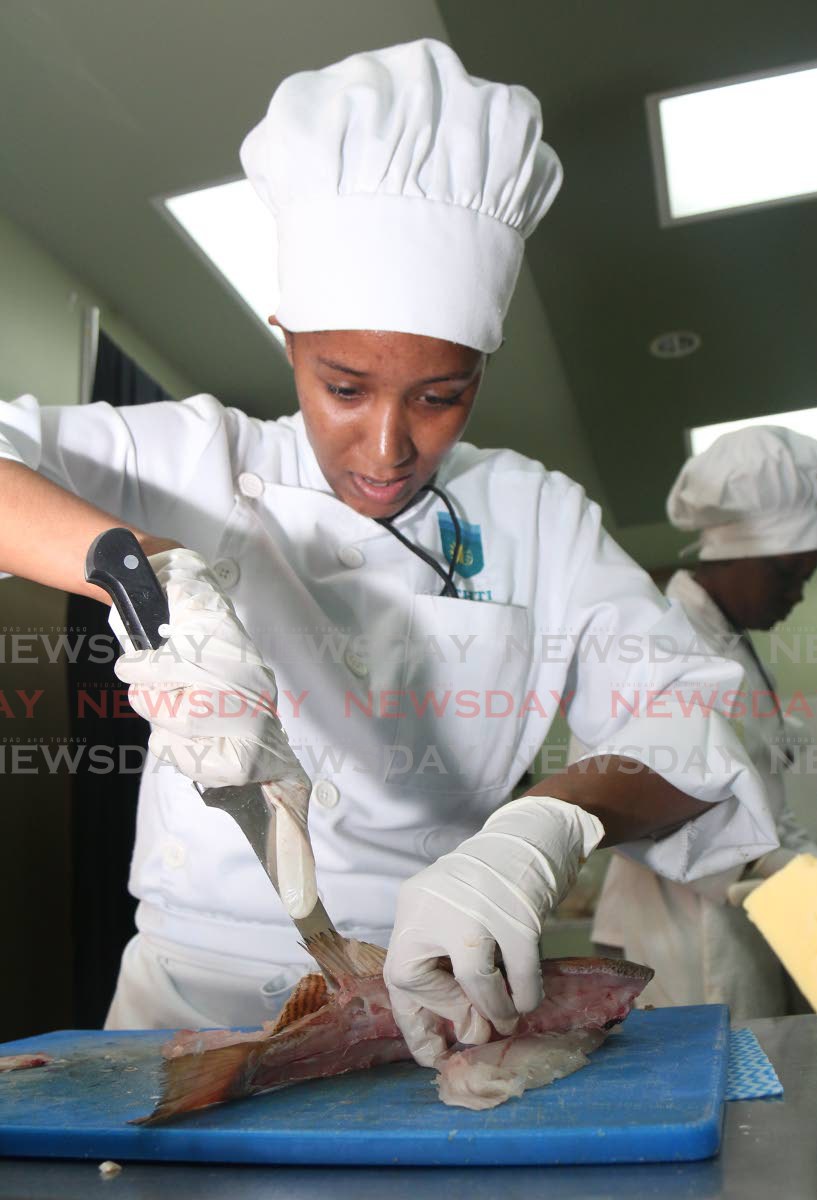
In a significant move to revive the hospitality and tourism sector, Finance Minister Davendranath Tancoo has announced the government’s plan to reopen the TT Hospitality and Tourism Institute (TTHTI) in Chaguaramas. The institute, which was established to train professionals in the hospitality industry, including chefs and support staff, ceased operations in 2020 due to COVID-19 restrictions and the non-payment of subventions by the previous administration. The TTHTI had been operational for approximately two decades before its closure. Minister Tancoo also hinted at similar developments in Tobago, indicating a broader effort to bolster the sector. Further details regarding the reopening are expected to be provided by the Trade, Investment, and Tourism Minister, Satyakama Maharaj. This initiative is seen as a crucial step in addressing the skills gap and supporting the recovery of the hospitality and tourism industry post-pandemic.
标签: Trinidad and Tobago
特立尼达和多巴哥
-
US strike kills 6 more, off Venezuelan coast
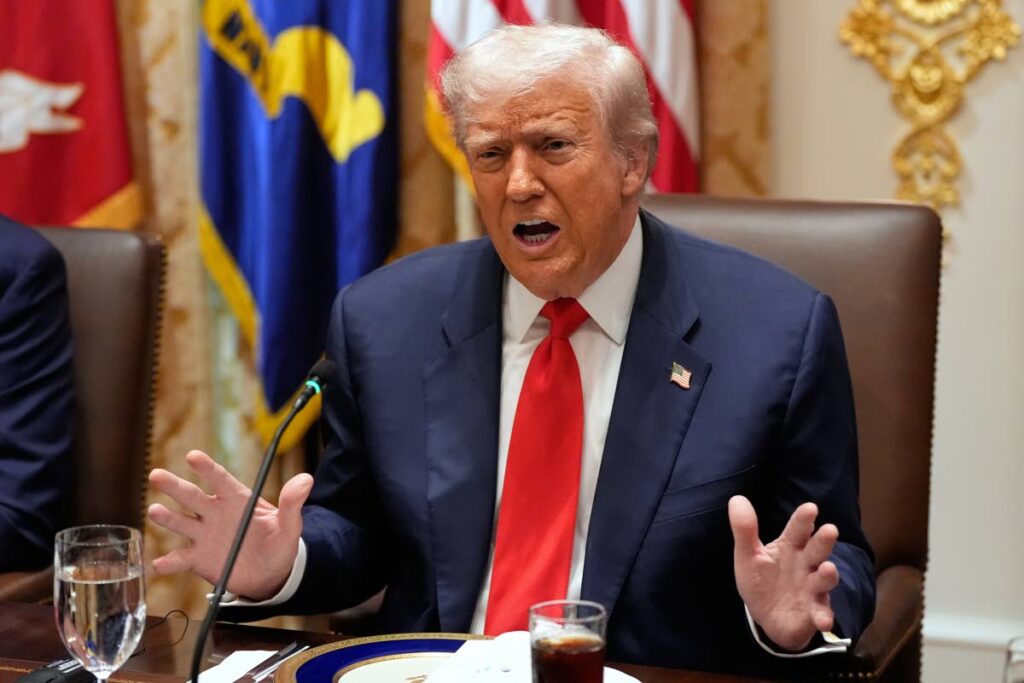
In a significant escalation of efforts to combat narcotrafficking, U.S. President Donald Trump announced a military strike in international waters off the coast of Venezuela on October 14, resulting in the deaths of six individuals. The operation, carried out under Trump’s authority as commander-in-chief, targeted a vessel linked to a Designated Terrorist Organization (DTO) involved in drug trafficking. U.S. Secretary of War Pete Hegseth confirmed the strike, which occurred within the U.S. Southern Command (USSOUTHCOM) operational area. Trump described the deceased as ‘narcoterrorists’ and emphasized that no U.S. personnel were harmed. This marks the fifth such strike in the past month, bringing the total death toll to 27. Venezuelan President Nicolás Maduro condemned the U.S. military presence, accusing Washington of attempting to orchestrate regime change. Maduro has vowed to protect Venezuela’s sovereignty, launching nationwide military exercises like ‘Independence 200’ to bolster defense against external threats. Venezuelan officials, including Delta Amacuro State Governor Loa Tamaronis, have reaffirmed their commitment to national independence, rejecting foreign intervention. The U.S. has long accused Maduro of facilitating narcoterrorism, a claim he denies, further straining bilateral relations.
-
Ashe wins TTUTA presidency by landslide
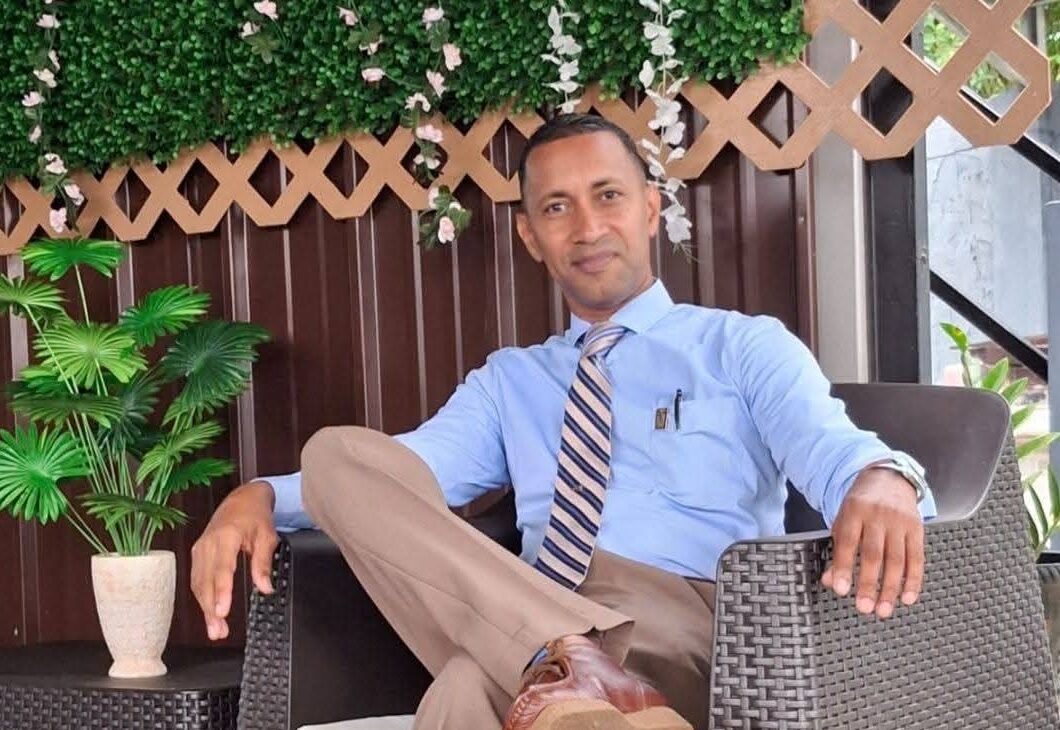
In a decisive electoral triumph, Crystal Ashe has been elected as the new president of the Trinidad and Tobago Unified Teachers’ Association (TTUTA). The election, held on October 14, saw Ashe secure a commanding victory, amassing 3,546 votes—more than triple the tally of outgoing president Martin Lum Kin, who received 1,019 votes. Ashe’s total also surpassed the combined votes of all other presidential candidates, solidifying her position as the clear choice among educators.
-
Women Warriors open Concacaf W Qualifiers vs Barbados on Nov. 30
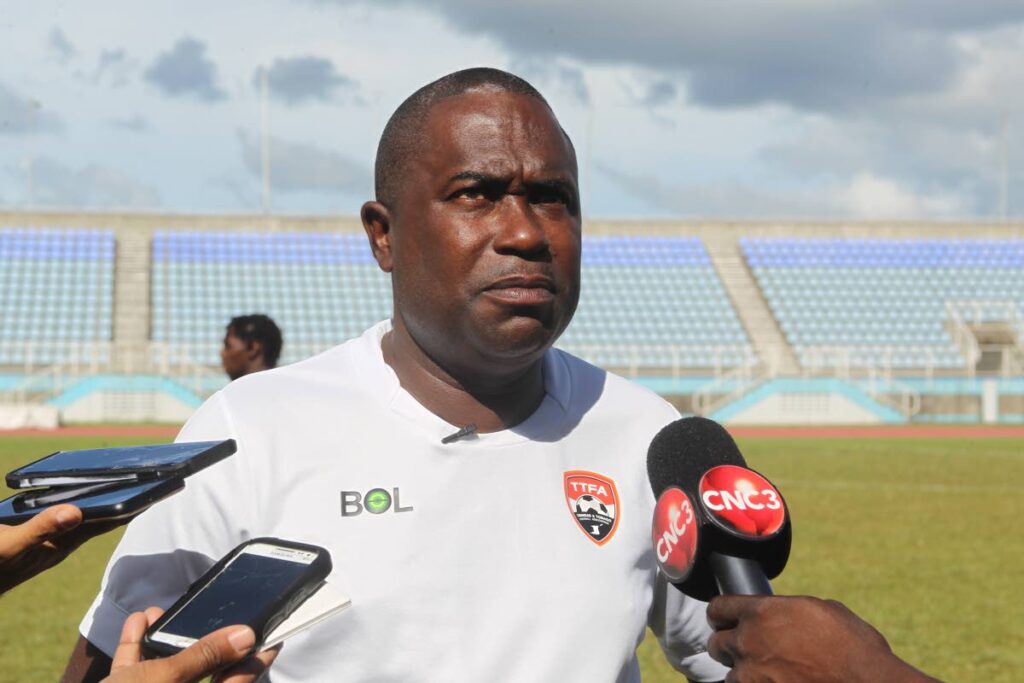
The Trinidad and Tobago (TT) senior women’s football team is set to begin their 2025/26 Concacaf Women’s Qualifiers campaign with an away match against Barbados on November 30. The schedule was officially confirmed by Concacaf on October 14, marking the start of a challenging journey for the Women Warriors. TT has been placed in Group F alongside Barbados, El Salvador, and Honduras. Following their opener, the team will face Honduras on March 4, 2026, and then host El Salvador in a crucial home fixture. The squad is under the leadership of newly appointed head coach Angus Eve, who previously coached the senior men’s team, with Densill Theobald, a successful TT Premier Football League coach, serving as his assistant. With six weeks remaining before their first match, the team is intensifying training and preparation to ensure a strong start. The Concacaf Women’s Qualifiers, spanning from November 2025 to April 2026, will determine the six group winners who will join the USA and Canada in the 2026 Concacaf W Championship. This championship is a pivotal qualifier for both the 2027 FIFA Women’s World Cup in Brazil and the 2028 LA Summer Olympics, marking a significant milestone in Concacaf’s revamped women’s national team calendar.
-
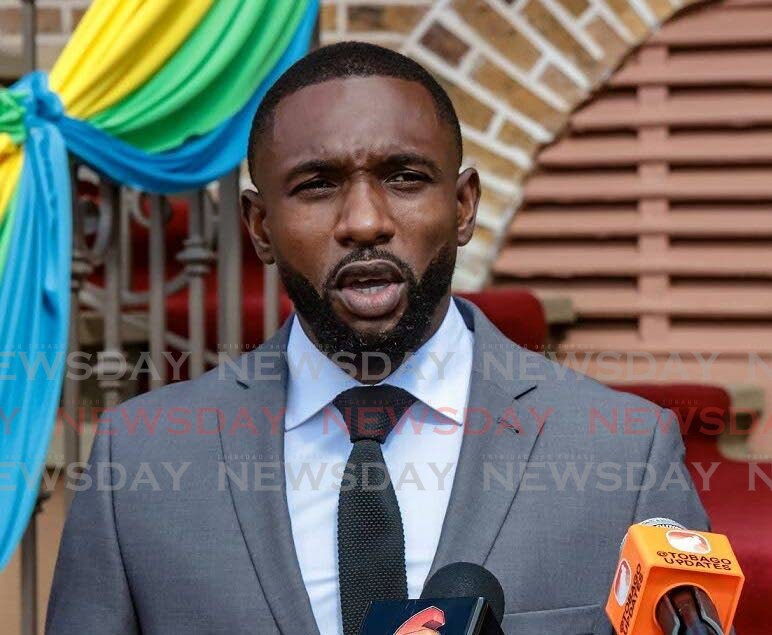
Morris hits ‘deceitful’ budget: Tobago’s development allocation reduced
Tobago’s Minority Leader Kelvon Morris has sharply criticized the island’s $2.96 billion fiscal package for the 2025/2026 fiscal year, labeling it as ‘seasoned with deceit, deception, and in some respect, dishonesty.’ Speaking at a media conference on October 15 at the Magdalena Grand Beach and Golf Resort in Lowlands, Morris emphasized that ‘the devil is in the details,’ pointing out a significant reduction in development funds for Tobago.
-
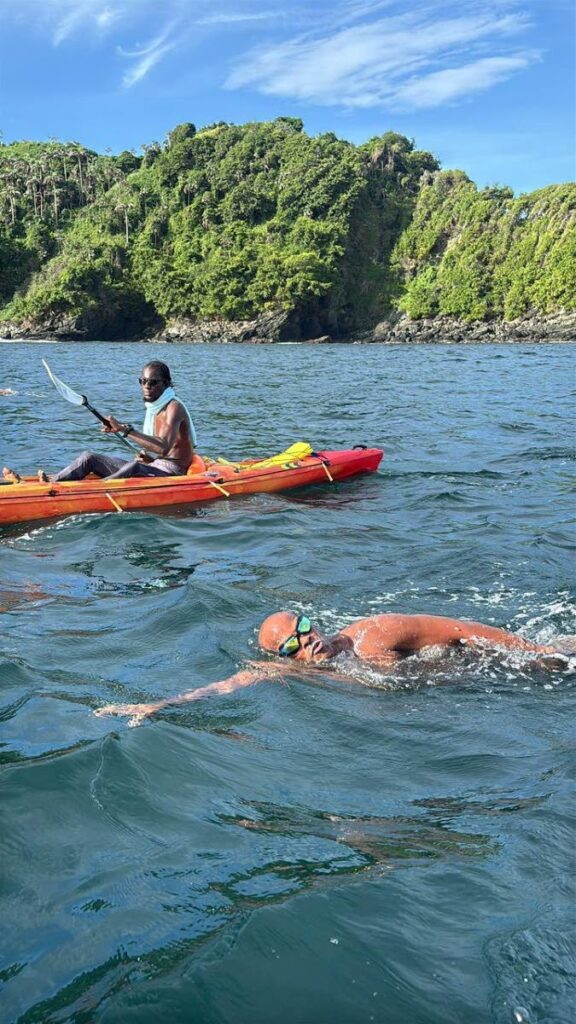
Procope continues marathon swim, thanks supporters during break
John Procope, a determined long-distance swimmer, is currently undertaking an extraordinary challenge: swimming 100 kilometers around the island of Tobago. This ambitious endeavor began on October 13 at Pigeon Point and is expected to conclude on the morning of October 15. Procope’s journey is divided into two distinct phases: the first half in the relatively calm Caribbean Sea and the second half in the more turbulent Atlantic Ocean, which poses significant physical and mental challenges. On October 14, Procope took a brief pause at Blue Waters Inn in Speyside to express his gratitude to his supporters. Treading water, he thanked his family, friends, and crew for their unwavering encouragement and assistance. His support team includes two fellow swimmers, Jacob Cox and William Carr, who accompany him for portions of the swim, as well as a support vessel and a kayaker providing essential supplies. This is not Procope’s first attempt at such a daunting feat. In October 2024, he successfully swam from Tobago to Trinidad in approximately 25 hours, showcasing his remarkable endurance and commitment to pushing the boundaries of human capability.
-
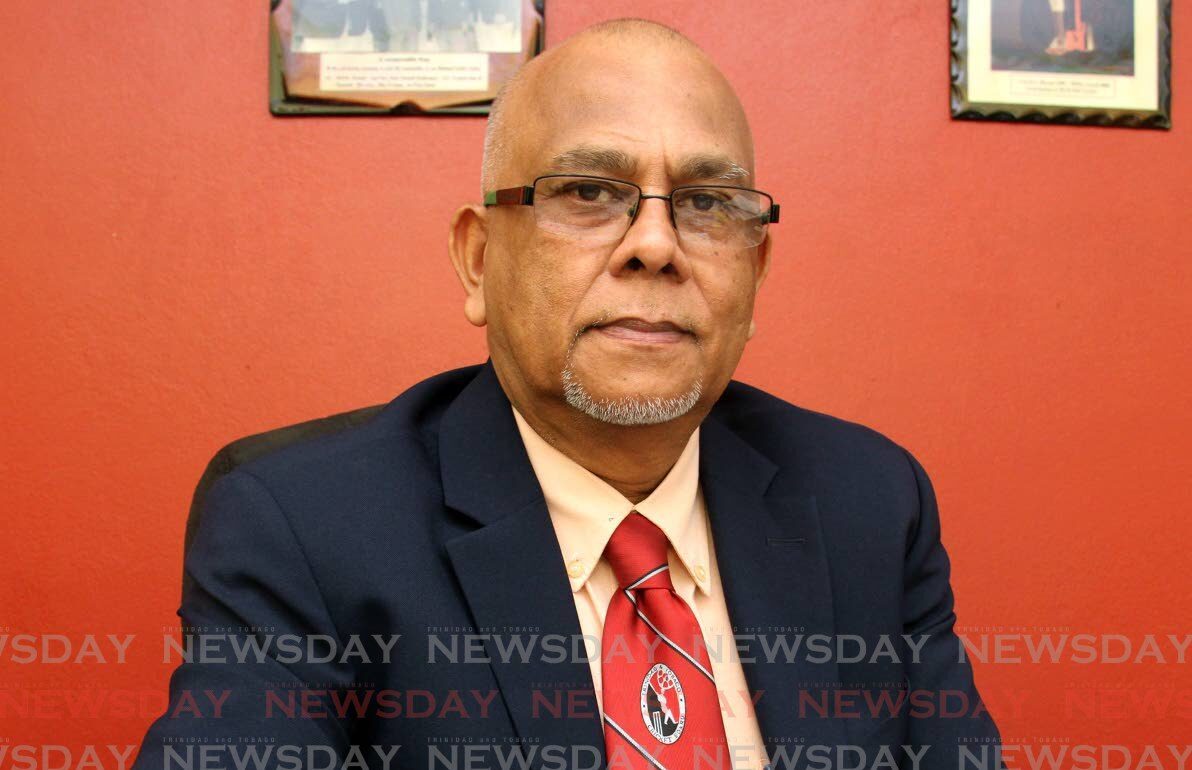
Bassarath set to retain Trinidad and Tobago Cricket Board presidency unopposed
Azim Bassarath is poised to secure an unprecedented sixth consecutive term as president of the Trinidad and Tobago Cricket Board (TTCB) in the upcoming national executive elections on October 25. With nominations closing on October 10, Bassarath emerged as the sole candidate for the presidency, ensuring his retention of the position without opposition. He has held the role since 2009, succeeding Deryck Murray. Joining him in retaining their positions unopposed are first vice-president Altaf Baksh and general secretary Henry Chase. However, the election will see competitive races for other key roles. Kerwin John, the incumbent second vice-president and head of the Tobago Cricket Association, faces a challenge from Rajendra Mangalie, a former national cricketer and Red Force chairman of selectors. Similarly, third vice-president Parasram Singh will contend with Avinash Suruj of the central zone, while treasurer Stephen Ramkissoon is up against Richard Ramkissoon, owner and coach of Central Sports cricket club. Additionally, six candidates—Ann Browne-John, Mitra Ragoonanan, Frank Simmons, Ravi Teeluck, Dr. Anand Rampersad, and Sharaz Mohammed—are vying for five executive member positions. The elected officials will serve a four-year term. The deadline for candidates to withdraw nominations is October 22, with the TTCB elections committee overseeing the printing of ballot papers on October 23. Voting will take place at the Alloy Lequay Administrative Centre on October 25 from 9 am to 1 pm.
-
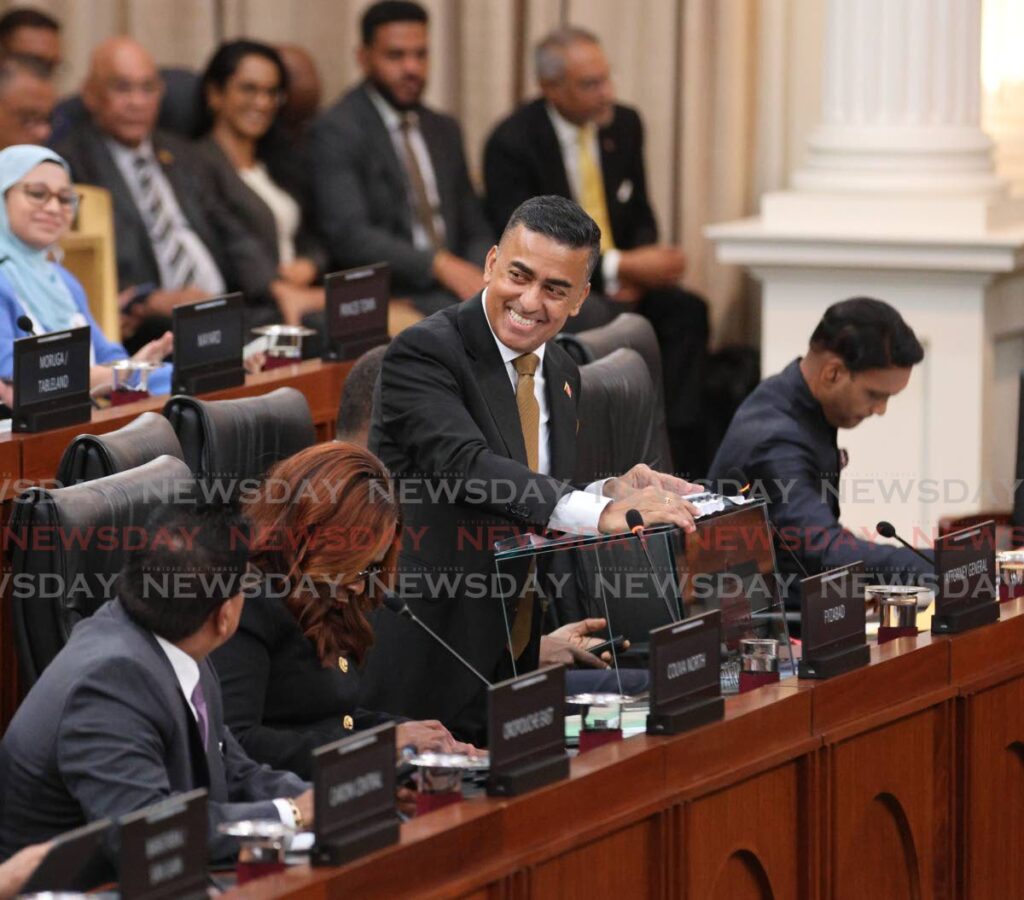
Budget a blueprint of hope, accountability and inclusion
The 2025-2026 national budget, titled “T&T First: Building Economic Fairness through Accountable Fiscal Policies,” presented by Finance Minister Davendranath Tancoo and the United National Congress (UNC) government, has garnered widespread acclaim for its bold and people-centric approach. The budget strikes a balance between fiscal discipline and compassionate governance, focusing on restoring public confidence, rebuilding institutions, and safeguarding citizens through strategic social investments. Within just 150 days, the government has taken decisive steps, including justice for former Caroni workers, the revival of the Couva Children’s Hospital, and reducing the price of super gas, alongside modernising key agencies like the Inland Revenue Division and Customs and Excise Division. These initiatives underscore a commitment to transparent governance and sound economic management. The budget also emphasises diversification in agriculture, manufacturing, tourism, and renewable energy, paving the way for a more resilient economy. Additionally, measures to protect the elderly, youth, and vulnerable populations, coupled with modernising healthcare, infrastructure, and digital services, reflect a holistic vision for national development. However, the writer proposes regularising Venezuelan migrants as a strategic move to transform a humanitarian challenge into an economic opportunity. Granting legal work status would expand the tax base, increase national insurance contributions, and formalise informal jobs, benefiting both local and migrant workers. This approach could stimulate consumer spending, support small businesses, and inject new skills into critical industries like agriculture, construction, and hospitality. Drawing inspiration from countries like Colombia and Costa Rica, which have successfully integrated migrant workers into their formal economies, Trinidad and Tobago has the opportunity to strengthen its economy while upholding its tradition of compassion and regional solidarity. The budget is not merely a financial plan but a blueprint for hope, accountability, inclusion, and transformation.
-
PSA head eyes 10% wage settlement by Christmas
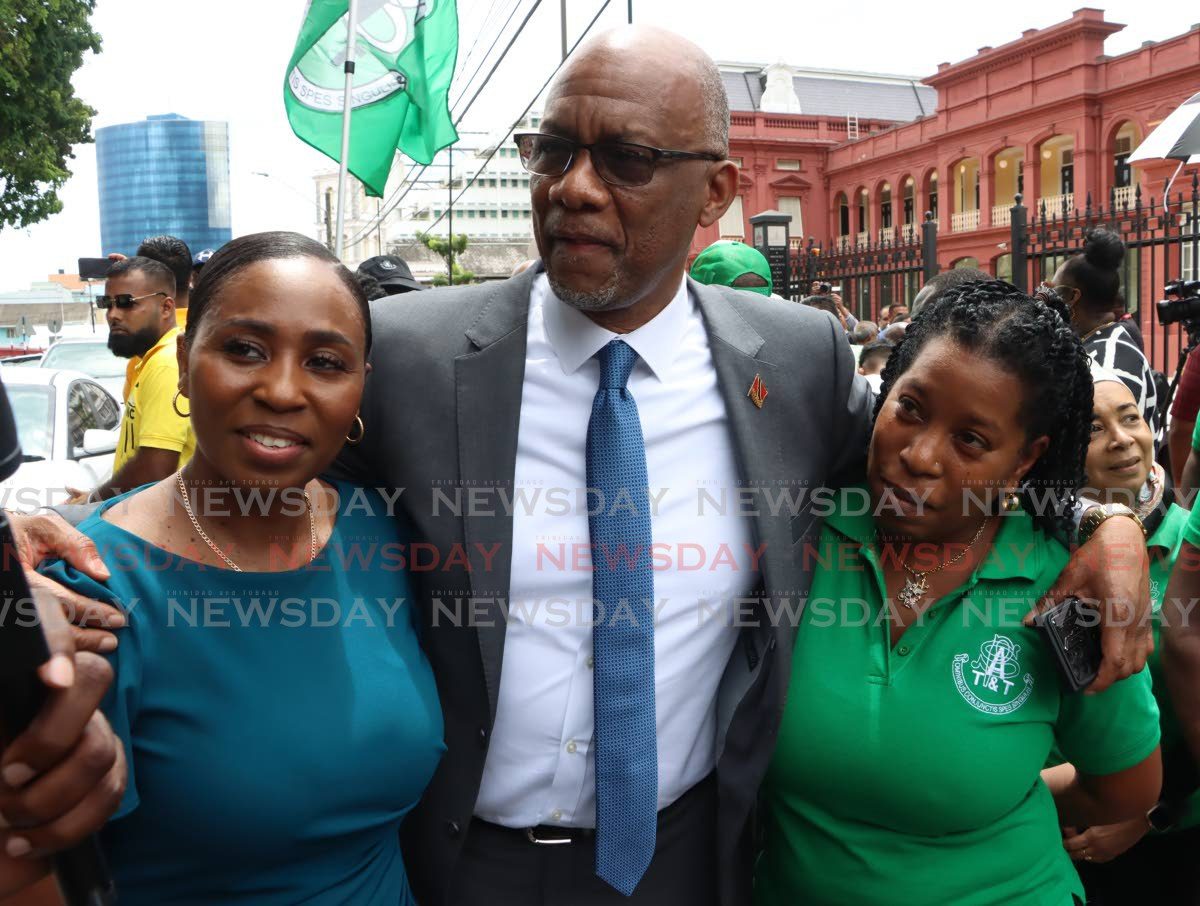
Public Service Association (PSA) President Felisha Thomas has announced the union’s commitment to finalizing public sector wage negotiations by Christmas, ensuring workers receive long-overdue payments. Speaking at a media conference on October 14, Thomas addressed what she termed ‘misinformation from the opposition’ regarding the recent ten per cent wage offer proposed by Finance Minister Davendranath Tancoo during the October 13 budget presentation.
Thomas emphasized the PSA’s dedication to resolving the negotiations swiftly, stating, ‘We are serious about settling your negotiations. Our aim is to have your negotiation settled by Christmas so that your money will be in your pockets.’ She also criticized former Finance Ministry official Brian Manning for his public remarks, urging him to refrain from interfering in public servants’ affairs.
Thomas accused the opposition of spreading ‘lies’ and attempting to undermine the PSA’s achievements on behalf of civil servants, statutory authority workers, and the Tobago House of Assembly (THA). She referenced a May 2022 memorandum of agreement from the chief personnel officer (CPO), which outlined previous wage proposals, describing the earlier two per cent offers as ‘disrespectful’ and a catalyst for protests.
Thomas hailed the revised ten per cent offer as a turning point for public sector workers, restoring dignity to the negotiation process. She confirmed that the CPO had acknowledged the PSA’s request for a meeting and expressed optimism about commencing formal talks.
Labour Minister Leroy Baptiste praised the ten per cent offer as a victory for public workers, condemning the previous ‘unjust’ four and five per cent offers. He highlighted the government’s efforts to save jobs and improve the standard of living for working-class citizens, emphasizing its people-centred approach. Additionally, the government announced initiatives to support small and micro enterprises, including mentorship and financing for aspiring entrepreneurs.
Thomas concluded by urging public servants to rely solely on the PSA for accurate information regarding the negotiations, warning against the opposition’s attempts to ‘create mischief.’
-
AI can helptackle crime
Artificial intelligence (AI) holds transformative potential in the realm of crime prevention, offering tools for predictive policing and more efficient identification of illicit activities. However, the financial burden of developing and implementing such advanced technology, particularly in smaller economies like Trinidad and Tobago (TT), raises significant concerns. Issues of affordability, transparency, and the risk of misuse or overreach must be carefully weighed against the potential benefits.
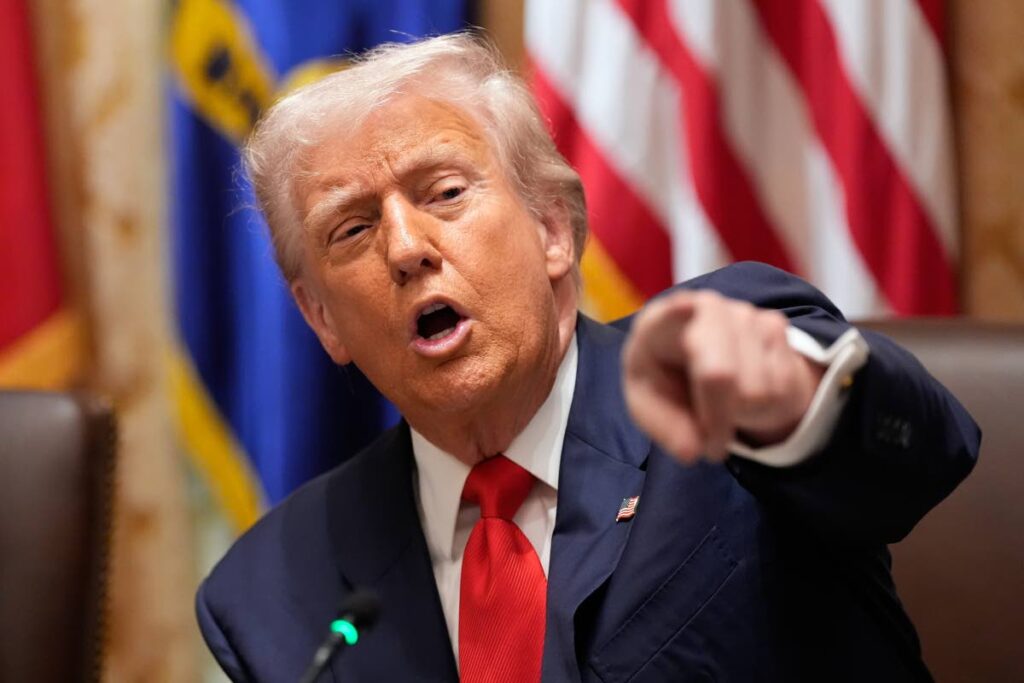
The COVID-19 pandemic has been exploited by various sectors, including food, freight, and utilities, as a pretext for unjustified price hikes. These practices, often shrouded in opacity, manipulate public perception and exacerbate economic hardship by eroding purchasing power. This tactic mirrors the dismissive stance of former US President Donald Trump, who famously labeled climate change as a ‘con job,’ highlighting a broader pattern of leveraging crises for economic gain.
Environmental policies present a stark dichotomy. While some global leaders advocate for green energy initiatives, major economies such as China, Iran, Russia, and Iraq continue to rely heavily on coal and fossil fuels, perpetuating the climate crisis. This inconsistency underscores the intricate interplay between economic interests and environmental sustainability, revealing the complexities of global energy politics.
In conclusion, whether addressing AI in crime prevention, economic manipulation, or climate policy, the necessity for transparency, responsible leadership, and strategic planning is paramount. Misinformation and diversionary tactics only hinder genuine progress, benefiting a select few while imposing significant burdens on the majority. The call for clarity and actionable solutions has never been more urgent.