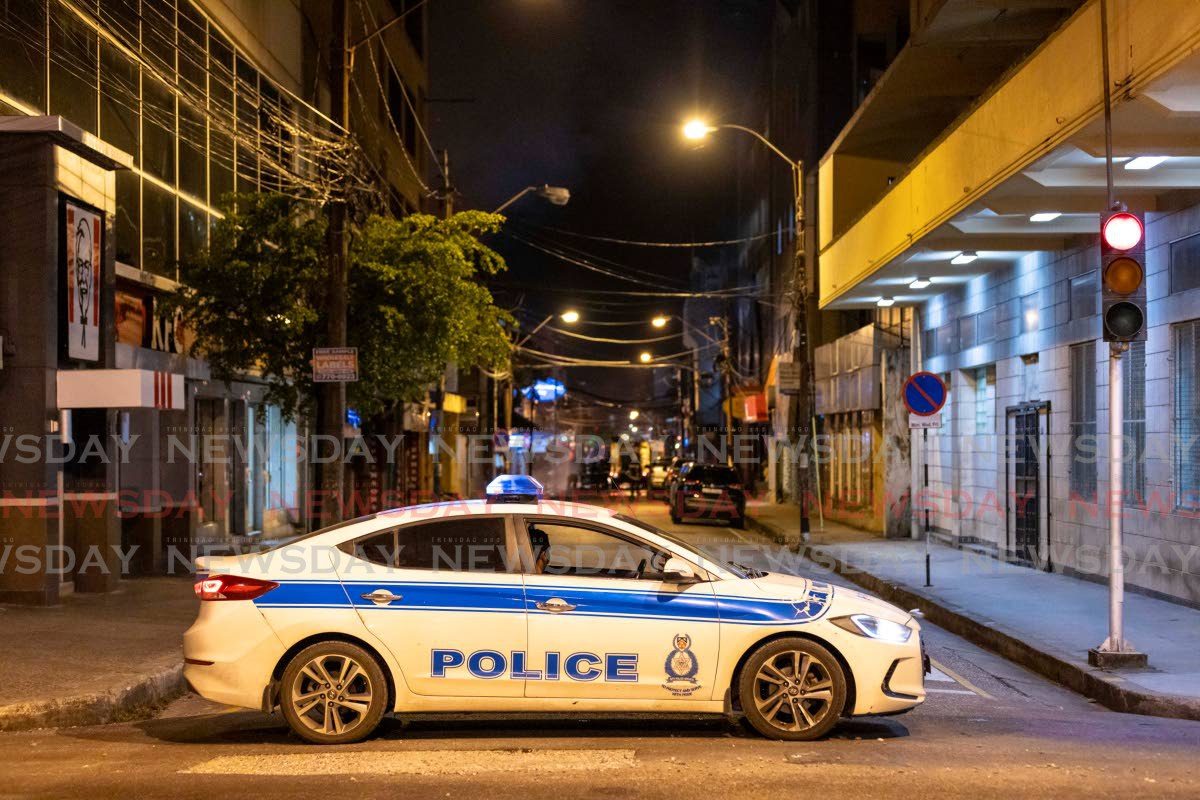
A series of robberies and thefts disrupted the Divali weekend in Trinidad, leaving multiple victims distressed and keeping law enforcement agencies on high alert between October 18 and October 19. The incidents spanned various locations, including St James, Barataria, Arima, Princes Town, and Caroni, highlighting a concerning surge in criminal activity during the festive period. In St James, thieves targeted vehicles, stealing car batteries and valuable items. One victim, a 26-year-old mechanical technician, discovered his car had been broken into, with tools and speakers worth $3,000 missing. Nearby, a 34-year-old woman reported her Nissan AD Wagon stolen from a secured parking spot. In Barataria, a 30-year-old woman found her Toyota Aqua’s hybrid battery stolen after the car’s glass was shattered. Similarly, a 52-year-old Longdenville woman lost her hybrid battery valued at $20,000 despite securing her vehicle in her garage. In Arima, an armed robber targeted a bar, threatening a 35-year-old employee and making off with over $40,000. The assailant, described as fair-complexioned and stocky, warned the victim, ‘Don’t look at my face, I don’t want to shoot you. Just give me everything.’ In Princes Town, a family of six fell victim to a violent home invasion, where four armed men stole cash, valuables, and two cars. The bandits, armed with cutlasses, a baton, and a hammer, bound the victims and assaulted them before fleeing. In Caroni, a supermarket was robbed by five men, three of whom were Latin nationals. Armed with guns, they assaulted staff and patrons, stealing the day’s sales, alcohol, cigarettes, and $600 from a customer. The suspects escaped in a Kia Sorento. These incidents have raised concerns about public safety and the effectiveness of law enforcement during peak holiday periods.
标签: Trinidad and Tobago
特立尼达和多巴哥
-
Divali as spiritual experience
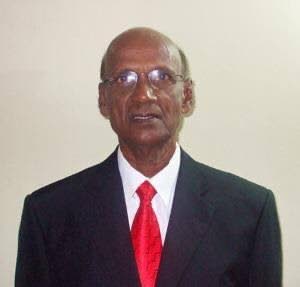
In a recent letter to the editor, Dr. Errol Narine Benjamin reflects on the contrasting approaches to cultural celebrations in Trinidadian schools, particularly focusing on the Divali festival. Dr. Benjamin begins by praising the Divali celebration at Presentation College in San Fernando, a traditionally conservative Catholic school. He highlights the event’s inclusivity, noting the presence of religious symbols like Goddess Lakshmi and Hanuman, as well as the spiritual ambiance created by lighted deyas. The principal and staff emphasized the festival’s inclusiveness, and students’ portrayal of the Ramayana added depth to the celebration, making it meaningful for the multicultural nation.
However, Dr. Benjamin contrasts this with a recent statement from the Presbyterian Board, which declared that only Christian celebrations would be allowed in their schools. While the board suggested that students would be ‘taught’ about other festivals like Divali in the classroom, they explicitly ruled out shared spiritual experiences. Dr. Benjamin finds this stance deeply ironic, given the historical context of Naparima College, which has roots in the East Indian community. Early Canadian missionaries in Trinidad actively assimilated elements of East Indian culture, even adapting hymns and choruses into local languages to further their missionary work.
Dr. Benjamin expresses disappointment at the board’s ‘exclusivity,’ arguing that Divali, with its rich spiritual heritage, should not be reduced to a mere classroom lesson. He urges the Presbyterian Board to take inspiration from Presentation College’s inclusive approach, which celebrates cultural diversity while fostering spiritual unity.
-
Divali persists despite flood clean-up in Rousillac
In the face of adversity, the spirit of Divali remained unshaken in Rousillac, Trinidad, as residents battled the aftermath of torrential rains that struck just a day before the Festival of Lights on October 20. Despite being inundated by floodwaters, the community rallied to clean up and prepare for the celebrations, showcasing remarkable resilience and determination.
The weekend’s tropical wave, which prompted a yellow-level adverse weather alert from the TT Meteorological Service, left over a dozen communities in Central Trinidad submerged. Rousillac, located in the southwest, was among the hardest hit. Streets turned into rivers, and homes were threatened by rising waters, yet the residents refused to let the disaster dampen their festive spirit.
Challiram Jodhan, a 64-year-old resident of Grant’s Road, spent hours preparing his home for Divali, only to see his efforts washed away as floodwaters surged around 5 pm on October 19. ‘I couldn’t do nothing,’ he lamented, recounting how water soaked his storage room and filled the foundation beneath his house. Despite the setback, Jodhan and his family remained steadfast, determined to light their deyas (traditional oil lamps) even if the rains returned.
Nearby, Nike Goomansingh and her husband Cecil faced similar challenges. While their home was spared from the floodwaters, their yard was submerged, forcing them to clean up once again after investing time and money in Divali preparations. Cecil attributed the flooding to poorly designed drainage systems, exacerbated by recent housing developments in the area.
In Dow Village, an elderly man, who chose to remain anonymous, showed damage to his outdoor prayer room, or mandir, where waters had risen to two feet. He blamed the narrow drainage channel running alongside his home for the flooding, which was further worsened by a barrel that blocked the outlet.
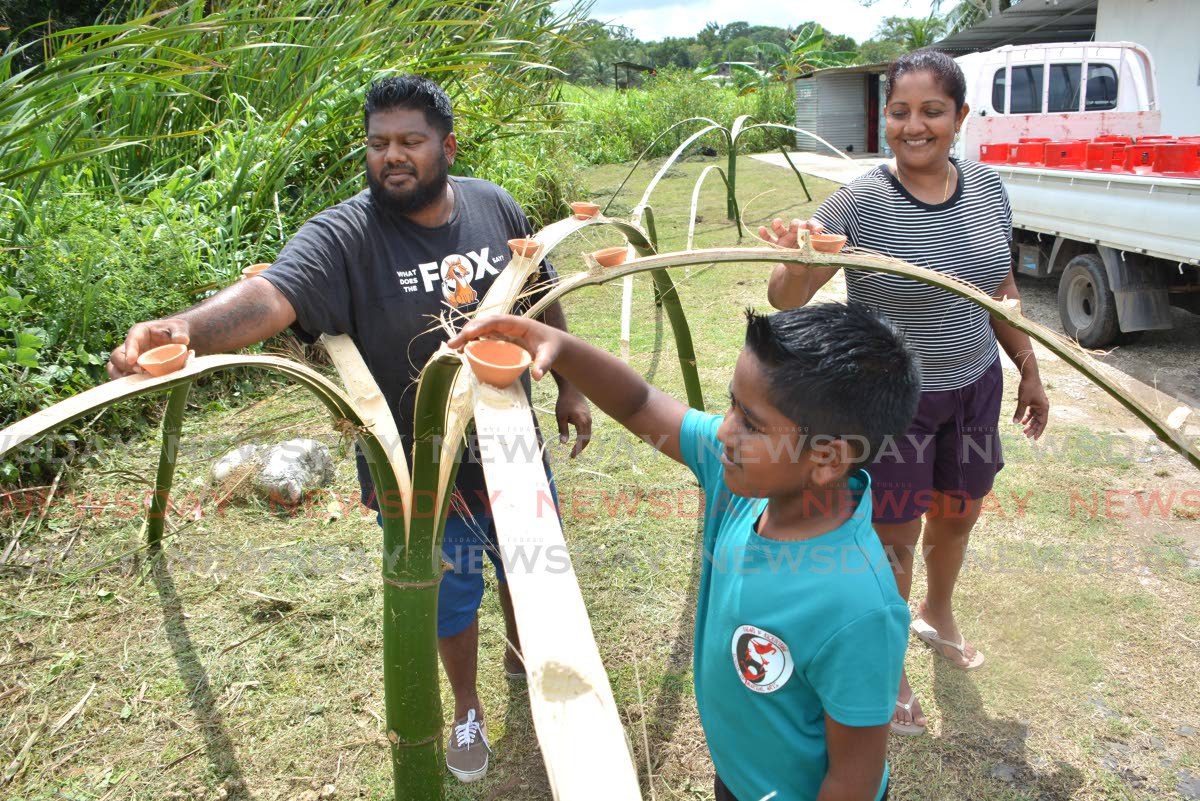
Despite the widespread damage, the community’s resolve remained unbroken. Nickolas, a resident of Mon Desir Road, worked with his family to prepare bamboo arches for deyas, grateful that their home was narrowly spared from the floodwaters. Sunny skies on Divali morning facilitated cleanup efforts, though the adverse weather alert remained in effect until 10 pm.
Otaheite/Rousillac councillor Javed Mohammed reported that about a dozen homes were affected, primarily by street flooding. The Disaster Management Unit (DMU) mobilized quickly, assisting with cleanup and distributing supplies to those in need. Similar reports of flooding in Palo Seco and Cedros were yet to be assessed.
As night fell on Divali, the deyas of Rousillac shone brightly, a testament to the community’s unwavering spirit in the face of nature’s challenges.
-

My problems with MAID
During a dinner conversation with friends, the topic of Medical Assistance in Dying (MAID) surfaced, sparking a profound discussion on the ethical, medical, and societal implications of this controversial practice. My friends, echoing the sentiments of advocacy groups like Dying with Dignity Canada, argued that MAID is fundamentally a human rights issue—every individual deserves the freedom to choose a dignified death. However, as a practicing geriatrician, I found their perspectives overly simplistic and detached from the nuanced realities of end-of-life care. Having spent years in palliative care, I’ve witnessed the profound complexities of predicting death and understanding the wishes of those nearing the end of their lives. My friends’ black-and-white view of MAID suggested a lack of firsthand experience with the dying process. When asked if I would ever perform MAID, I responded with a resolute no. The act of intentionally delivering a lethal dose contradicts the very essence of why I entered medicine—to heal and comfort, not to hasten death. One friend argued that individuals with mental health issues should have the right to end their lives with dignity, especially as Canada plans to expand MAID eligibility to include those suffering solely from mental illness by 2027. Yet, I questioned how one could differentiate between suicidal ideation and a genuine desire for a dignified death. Another friend expressed a desire for MAID if they were to develop dementia, but I countered that such decisions are often made without truly understanding the lived experience of dementia. What troubled me most was their ideological framing of MAID as a human rights issue, devoid of the medical uncertainties inherent in such decisions. Medicine thrives on uncertainty, and reducing MAID to a slogan undermines its complexity. Furthermore, the term ‘medical assistance in dying’ is misleading. MAID is not about assisting the dying process but about facilitating death—a distinction that carries significant ethical weight. Palliative care, which focuses on comfort and natural death, is fundamentally different from MAID, which actively hastens death. The lack of robust social supports and palliative care access in Canada raises questions about whether legalized MAID is a medical solution or a Darwinian ideology in disguise. As a physician, I believe our focus should be on improving palliative care and supporting vulnerable individuals rather than prematurely embracing assisted death.
-

Hosein, Simmonds called up – Pierre urges WI to adapt to Bangladesh wicket
The West Indies cricket team has made a strategic move to strengthen their spin options for the ongoing three-match ODI series against Bangladesh by recalling left-arm orthodox spinner Akeal Hosein. This decision comes after the visitors suffered a 74-run defeat in the series opener, where spinners from both sides dominated the low and slow pitch at the Sher-E-Bangla National Cricket Stadium in Dhaka.
Hosein, along with left-arm fast bowler Ramon Simmonds, was added to the squad on October 20, replacing injured fast bowlers Shamar Joseph and Jediah Blades. Blades has been ruled out of the remainder of the tour due to a stress fracture in his lower back, while Joseph is set to consult a specialist in England for shoulder discomfort.
The inclusion of Hosein is expected to provide the West Indies with much-needed firepower in their bowling attack, which struggled in the first ODI. Bangladesh, on the other hand, has reinforced their spin-heavy approach by adding left-arm spinner Nasum Ahmed to their squad. The hosts have not lost a home ODI series since 2011, making the challenge even more daunting for the West Indies.
Khary Pierre, who made his ODI return after nearly five years, emphasized the importance of adapting to the spin-friendly conditions. “The wicket is very spinner-friendly, and as batsmen, we have to adapt quickly,” Pierre said in a pre-match press conference. Drawing from his recent experience in India, Pierre highlighted the need for discipline and patience on subcontinental pitches.
Despite the challenging conditions, Pierre stressed that the team’s focus remains on execution rather than the pitch. “We have to play on any wicket provided to us. It’s about adapting and playing the game the right way,” he added. With Hosein and Pierre leading the spin department, the West Indies aim to exploit the surface’s assistance and keep Bangladesh’s batsmen at bay.
Pierre, who described his comeback as a result of persistence and hard work, expressed his pride in representing the West Indies. “Playing for the West Indies is my biggest motivation. I’m here to help my team win games,” he said. The team will look to leverage Hosein’s experience in the powerplay as they seek to keep the series alive ahead of the final ODI on October 23.
-

In search of role models
Sixty years ago, at the age of 12, Debbie Jacob found solace in the life of Jane Goodall, the English-born primatologist, whose journey mirrored her own isolated upbringing on a remote Ohio dairy farm. Surrounded by cows, dogs, and horses, Jacob’s father named each of his 56 dairy cows, fostering a deep connection with animals that paralleled Goodall’s groundbreaking work with chimpanzees in Africa. Goodall’s unconventional approach—naming the chimpanzees she studied and observing their tool-making abilities—challenged scientific norms and redefined humanity’s understanding of animals. This shared reverence for animals inspired Jacob to spend 14 years researching and writing about police dogs, a testament to the profound influence of role models. Role models, Jacob argues, provide purpose, build confidence, and validate life choices. They remind us to be resilient and relevant, qualities exemplified by Goodall, who reinvented herself in her later years as an animal activist and environmentalist. Goodall’s tireless efforts to protect the planet for both humans and animals left an indelible legacy of hope and ecological awareness. Her message remains clear: we share this planet with animals and must work together to preserve it. Goodall’s journey also highlights the importance of curiosity and ambition over formal qualifications. Discovered by archaeologist Louis Leakey, who saw potential in her despite her lack of expertise, Goodall became the first person to observe chimpanzees in the wild. This belief in untapped potential shaped Jacob’s career, allowing her to excel in diverse fields without formal training. However, Jacob laments the modern world’s reluctance to take chances on individuals driven by heart and ambition. In an era dominated by systems and curricula, the qualities once valued in role models—honesty, diligence, trust, and risk-taking—are increasingly overlooked. Yet, the need for role models remains urgent, as the world grapples with a lack of positive guidance. Jane Goodall’s legacy serves as a reminder of the transformative power of role models and the enduring importance of curiosity, resilience, and reinvention.
-

Police have ‘no additional information’ on US threat
Acting Police Commissioner Junior Benjamin has reassured the public that there is no immediate threat to Trinidad and Tobago (TT) following a security alert issued by the US Embassy. The embassy advised US nationals to avoid visiting US government facilities in TT during the Divali holiday weekend, citing a heightened state of alert. However, Benjamin emphasized that local intelligence does not indicate any specific danger to citizens or critical infrastructure. He stated that while the Trinidad and Tobago Police Service (TTPS) lacks additional information beyond what is publicly available, they have implemented proactive security measures to ensure safety. These measures include increased vigilance at police stations and regular checks on essential services such as the TT Electricity Commission (TTEC) and the Water and Sewerage Authority (WASA). Benjamin urged the public to remain calm, noting that there is no evidence of unusual activity within TT. Meanwhile, Finance Minister Dave Tancoo criticized the spread of misinformation on social media, particularly a false claim about a security alert at the Central Bank of TT. He dismissed the message as fake news and accused certain ‘news sources’ of inciting panic. Tancoo emphasized that any US actions toward Venezuela would be highly confidential and unlikely to be disclosed to local media. He encouraged the public to rely on credible sources for accurate information.
-
Trinidad and Tobago stands firm with US on regional security
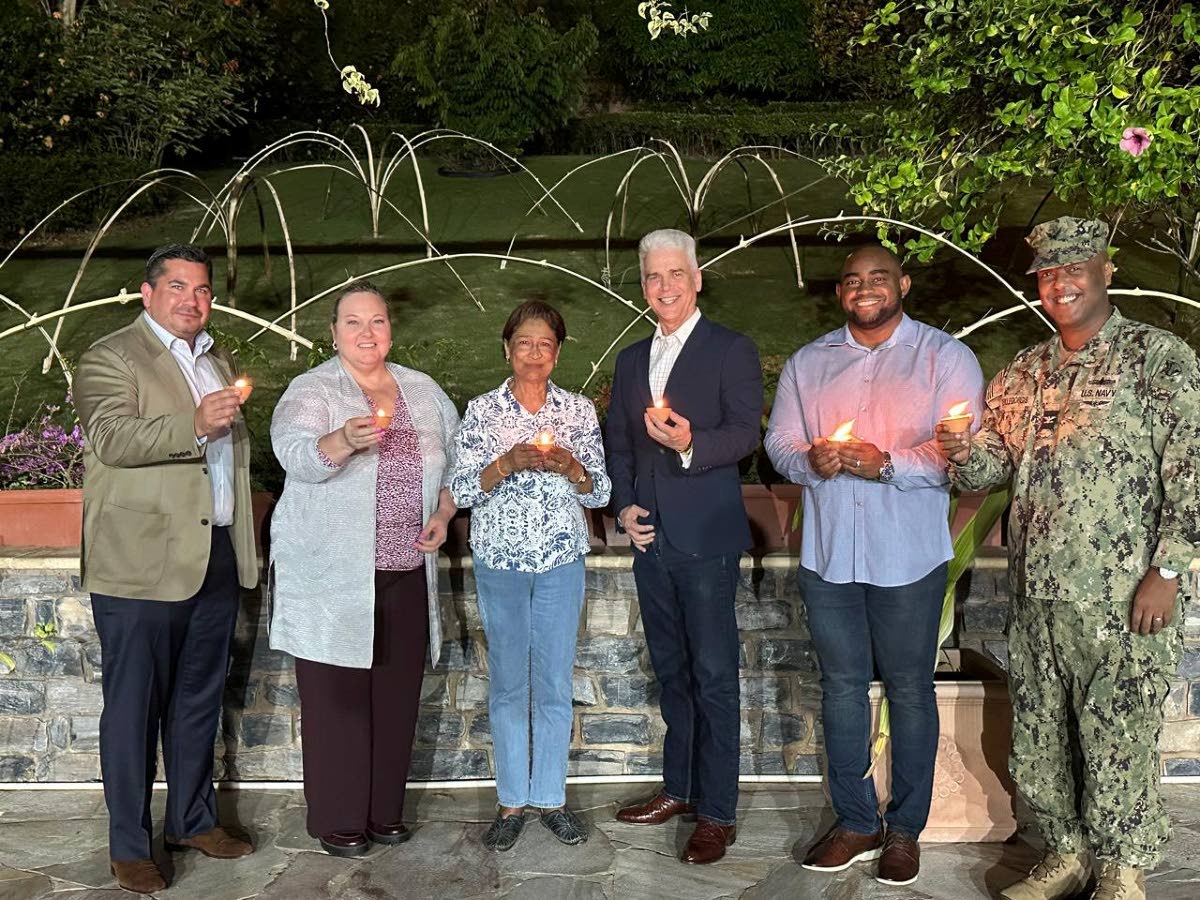
The government of Trinidad and Tobago (TT) has publicly diverged from Caricom’s collective stance on maintaining the Caribbean as a zone of peace, opting instead to support the United States’ military intervention in the region. This decision, announced on October 19, follows Caricom’s October 18 statement reaffirming the principle of regional peace, which noted TT’s reservation on the matter. The Caricom statement emphasized dialogue and international cooperation to combat narco-trafficking and illegal arms trade, while TT’s government expressed unwavering support for US-led operations aimed at curbing transnational crime. Prime Minister Kamla Persad-Bissessar has consistently endorsed US military presence in the southern Caribbean, citing the threat posed by criminal organizations. International relations experts have criticized TT’s stance, with some describing it as a setback for Caricom’s integration efforts. Meanwhile, the US has intensified its anti-narcotics operations, recently targeting a vessel allegedly linked to Colombia’s National Liberation Army (ELN), a group classified as a terrorist organization. The incident has raised concerns about regional stability and the potential for collateral damage in the ongoing US-Venezuela tensions.
-

Speyside top Tobago, book SSFL boys’ championship division ‘Big 5’ spot
The Secondary Schools Football League (SSFL) boys’ championship division is reaching its climax, with several teams securing their positions in the highly anticipated ‘Big 5’ playoffs. Speyside Secondary has already clinched the top spot in the Tobago zone, cementing their place in the playoffs after a dominant 10-0 victory over Pentecostal Light and Life on October 17. In the east zone, Hillview College remains unbeaten with 21 points and a staggering +48 goal difference, setting the stage for a decisive clash against second-placed El Dorado East Secondary on October 21. Meanwhile, the central zone sees Presentation College Chaguanas leading with 24 points, though Chaguanas North Secondary has appealed the SSFL’s decision to award Presentation a 3-0 win for their abandoned September 22 match. The south zone is equally competitive, with Palo Seco Secondary holding a slim one-point lead over Pleasantville Secondary, who recently triumphed 3-1 against Siparia West Secondary. In the north, Mucurapo West and East Mucurapo Secondary are locked in a tight battle for the final playoff spot. As the final round of matches approaches, the SSFL Appeals Committee is set to rule on Chaguanas North’s appeal, adding further intrigue to an already thrilling season.
-
The moving finger writes
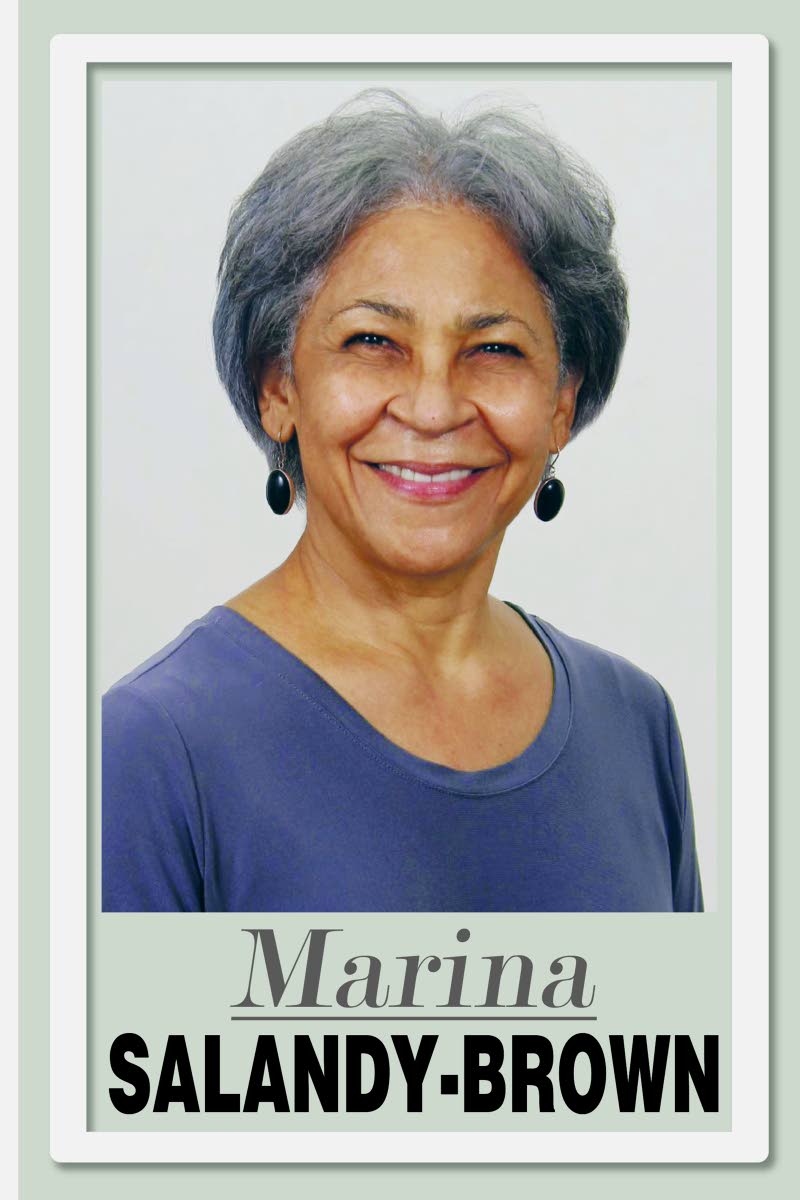
The phrase ‘This too shall pass’ often serves as a resigned yet hopeful reminder during overwhelming times. For many in Trinidad and Tobago (TT), the anticipation surrounding last week’s significant events has now crystallized into either unbridled joy or profound disappointment, depending on individual perspectives and circumstances. The recent budget reading, delivered last Monday, brought mixed reactions. While some sectors celebrated, the arts community was left puzzled by vague promises. The budget briefly mentioned plans to ‘expand cultural industries through a Creative Value-Chain Fund,’ supporting film, fashion, design, and music, alongside enhanced intellectual property (IP) protection and duty concessions. However, the lack of detail has left artists and creatives anxiously awaiting further clarification from the Ministry of Community Development and the Arts. The grouping of arts practice and people development within one ministry is a positive step, acknowledging their symbiotic relationship. Yet, concerns arise as tourism and trade increasingly overlap with culture. Proposals for a year-round Carnival city, driven by the Ministry of Trade and Tourism, risk prioritizing economic gains over cultural authenticity, potentially undermining the essence of TT’s vibrant traditions. The arts fraternity is currently in despair, facing what many describe as the most critical juncture in decades. Critics highlight a significant political knowledge gap regarding the sector’s true potential, both locally and internationally. Calls for a government summit aim to bridge this divide and foster a deeper understanding of the arts’ transformative power. Globally, the creative sector is a powerhouse, employing 50 million people—half of whom are women—and ranking as the world’s second-largest industry, surpassing even the automotive sector. In the UK, the ‘orange economy’ contributes £125 billion, while in the US, it adds over $1.1 trillion to the economy. Despite these staggering figures, TT’s budget failed to address key areas like literature and publishing, leaving the VAT on books unchanged—a move seen as a penalty on reading. The literary sector has been a success story over the past 15 years, with initiatives like the Bocas Lit Fest school projects enhancing cognitive skills, critical thinking, and communication among students. Advocates emphasize that the arts not only drive economic growth but also foster cultural evolution, social change, and interdisciplinary collaboration. Meanwhile, in the Middle East, Palestinians and Israelis cautiously celebrate a fragile ceasefire. The release of hostages and detainees has brought relief, but the question of ‘what next?’ looms large. The future hinges on the unpredictable actions of global leaders, leaving many to wonder if lasting peace and stability can be achieved.