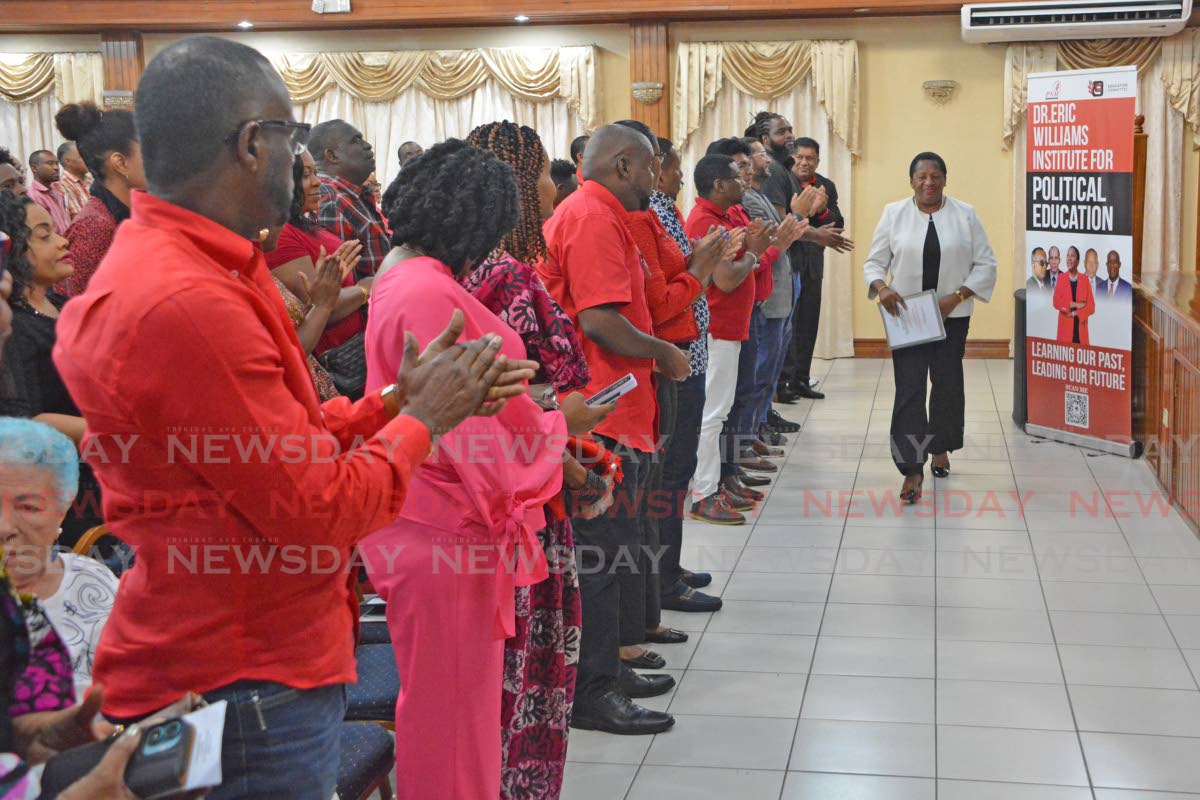
The Caribbean political landscape is witnessing heightened tensions as Opposition Leader Pennelope Beckles and Senator Dr. Amery Browne have criticized Prime Minister Kamla Persad-Bissessar for her stance on US military involvement in the region and her perceived divergence from Caricom’s principles. Persad-Bissessar has publicly endorsed the US military deployment in the southern Caribbean, framing it as an anti-narcotics initiative, despite international concerns over potential extrajudicial killings. Her position starkly contrasts with Caricom’s long-standing advocacy for the Caribbean to remain a ‘zone of peace,’ a stance supported by leaders like Barbados’ Prime Minister Mia Mottley and St. Vincent and the Grenadines’ Prime Minister Ralph Gonsalves. In a recent interview, Persad-Bissessar controversially predicted Caricom’s potential collapse, accusing regional leaders of meddling in member states’ affairs. Beckles, speaking at the relaunch of the Dr. Eric Williams Institute of Political Education, emphasized the importance of intellectual preparedness and regional unity in navigating geopolitical challenges. Browne, a former foreign minister, accused Persad-Bissessar of undermining Caricom’s principles and promoting violations of international law. The ongoing discord highlights deepening divisions within the Caribbean political community, with implications for regional stability and sovereignty.
标签: Trinidad and Tobago
特立尼达和多巴哥
-
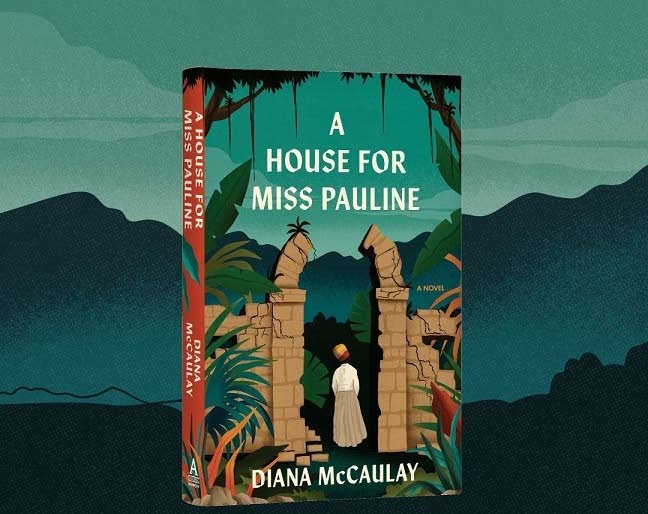
Explore the mystery of McCaulay’s A House for Miss Pauline
Diana McCaulay, the acclaimed Jamaican author, has once again captivated readers with her latest novel, *A House for Miss Pauline*. This intricately woven narrative follows the life of Pauline Sinclair, a resilient woman nearing her centennial birthday, as she embarks on a profound journey to reconcile her past and confront the legacy of colonialism and slavery. Set in the remote village of Mason Hall, Jamaica, the story delves into Pauline’s reflections on the meaning of home, ownership, and history, all while she rebuilds her life from the ruins of a former slaveholder’s house. McCaulay’s masterful storytelling blends mystery, philosophy, and cultural exploration, offering readers a deeply moving and thought-provoking experience. The novel also highlights the generational divide, as Pauline’s granddaughter, Justine, struggles to grasp the significance of their shared history. Through vivid imagery and poignant anecdotes, McCaulay challenges stereotypes of aging and presents Pauline as a bold, independent, and unyielding character. *A House for Miss Pauline* is a testament to the enduring power of Caribbean literature and a must-read for those seeking to understand the complexities of history and identity.
-
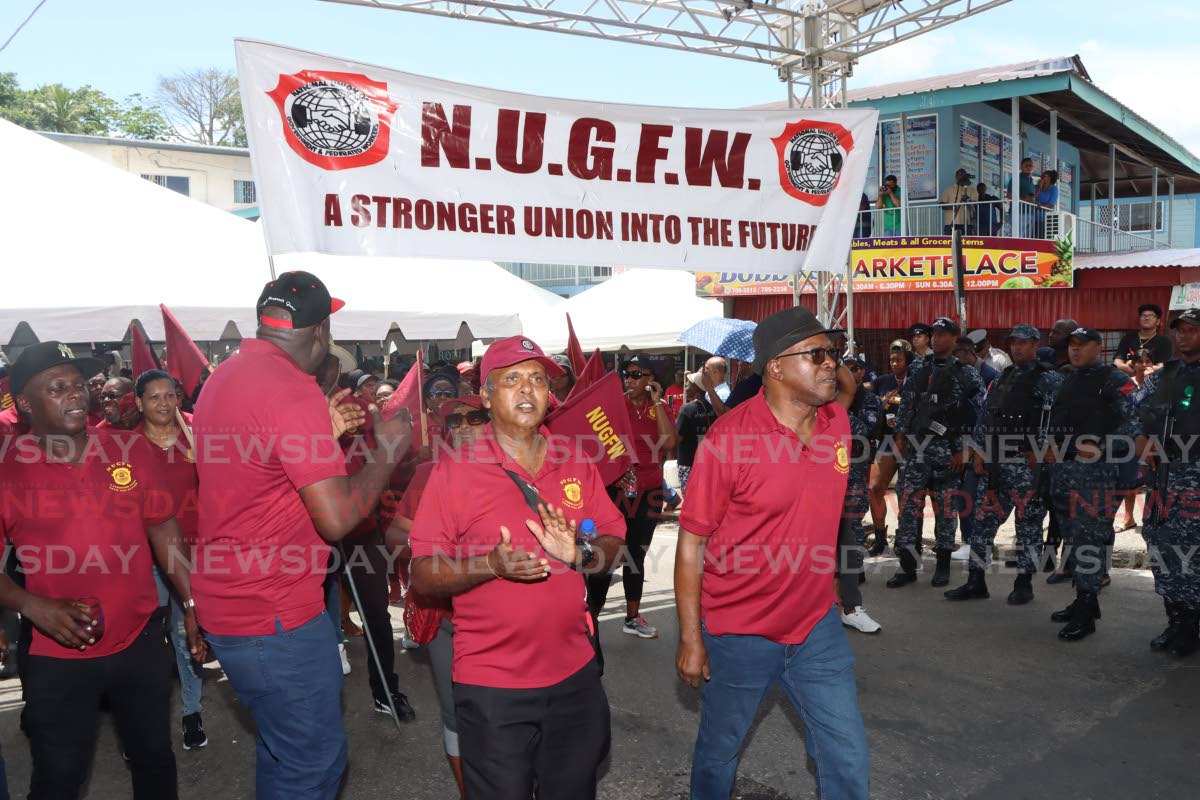
NUGFW: Our 17,000 workers want 10% too
The National Union of Government and Federated Workers (NUGFW) is optimistic about upcoming salary negotiations after the Trinidad and Tobago government formalized a 10% wage increase offer for public servants. The offer, covering two outstanding periods from 2014 to 2019, was presented to the Public Services Association (PSA) on November 21 during a meeting involving the Personnel Department and the Ministry of Finance. NUGFW President General Christopher Streete expressed his elation and hopes that his union, representing 17,000 daily-rated workers, will soon be invited to the bargaining table for similar discussions. Streete emphasized that the NUGFW had previously rejected a 4% offer under the former administration and supported the current government’s campaign promises for better terms. He also thanked the PSA for its persistence in resolving the issue and expressed confidence that other trade unions would receive comparable offers. The government’s economic briefing during the meeting provided a comprehensive overview of the nation’s fiscal position to guide negotiations. Streete assured that if the NUGFW is not contacted by mid-week, he will initiate discussions to ensure his members receive their due.
-

Importance of investing in our children’s future
In many Caribbean households, including Trinidad and Tobago (TT), the age-old saying ‘children should be seen and not heard’ has long been a cultural norm. Rooted in traditional values, this adage emphasized children’s passive role in adult-dominated spaces, discouraging them from voicing their opinions or interrupting elders. However, as global perspectives on childhood have evolved, this proverb now stands in stark contrast to modern understandings of children’s rights, marking a shift from enforced silence to active participation.
The phrase ‘children should be seen and not heard’ reflects a hierarchical view of family and society, where adults held authority and children were expected to learn through observation rather than vocal expression. While this approach aimed to instill discipline, it often stifled children’s natural curiosity and self-expression. In TT, a nation rich in cultural diversity, this saying shaped family gatherings, schools, and community events, influencing how children navigated social spaces.
The 20th and 21st centuries brought a profound re-evaluation of such norms. In 1989, the United Nations Convention on the Rights of the Child (UNCRC) was adopted, becoming the most widely ratified human rights treaty in history. The UNCRC outlines fundamental rights for children, including the right to express their views freely, be heard in matters affecting them, and participate in decisions shaping their lives. This landmark agreement has transformed children’s lives globally, challenging outdated adages and promoting a world where young people are active contributors to society.
On Universal Children’s Day, November 20, 2025, the theme ‘My Day, My Rights’ emphasized amplifying children’s voices and understanding how their rights are present, missing, or pursued in daily life. This theme aligns with the 35th anniversary of the UNCRC, urging active participation by children in shaping their world. Rather than being passive observers, children are now encouraged to share their experiences, advocate for their needs, and influence policies. This shift fosters dialogue between adults and young voices, building inclusive communities and addressing global disparities.
The benefits of children’s rights extend far beyond rhetoric, offering tangible improvements worldwide. The UNCRC has driven initiatives to end child labour, combat trafficking, and provide mental health support. In countries like Sweden and Canada, robust implementation of the convention has enabled children to participate in school councils and family decisions, fostering confidence and resilience. Globally, it has reduced child mortality rates and increased literacy, empowering generations to break cycles of poverty.
In TT, the UNCRC’s principles have been integrated into the legal framework, including the Children Act of 2012, which emphasizes children’s best interests, protection from harm, and the right to be heard. This has led to advancements in child welfare, such as improved access to education and healthcare, and efforts to combat issues like child abuse and juvenile delinquency. Programmes like the Child Protection Unit safeguard vulnerable children, while school initiatives encourage student voices through councils and debates.
Despite progress, challenges remain. In TT, issues like poverty, domestic violence, and limited resources hinder the full realization of children’s rights. Globally, conflicts in places like Ukraine and Yemen continue to threaten children’s rights, underscoring the need for ongoing advocacy. The ‘My Day, My Rights’ theme serves as a reminder that progress requires collective action from governments, families, and communities.
In conclusion, the adage ‘children should be seen and not heard’ reflects a bygone era of enforced quietude, but the UNCRC and Universal Children’s Day 2025 herald a new chapter of empowerment. By prioritizing children’s voices, we unlock their potential, benefiting societies in TT and worldwide. As we celebrate on November 20, 2025, let us commit to a world where children are not just seen, but truly heard – shaping a brighter, more equitable future for all.
-
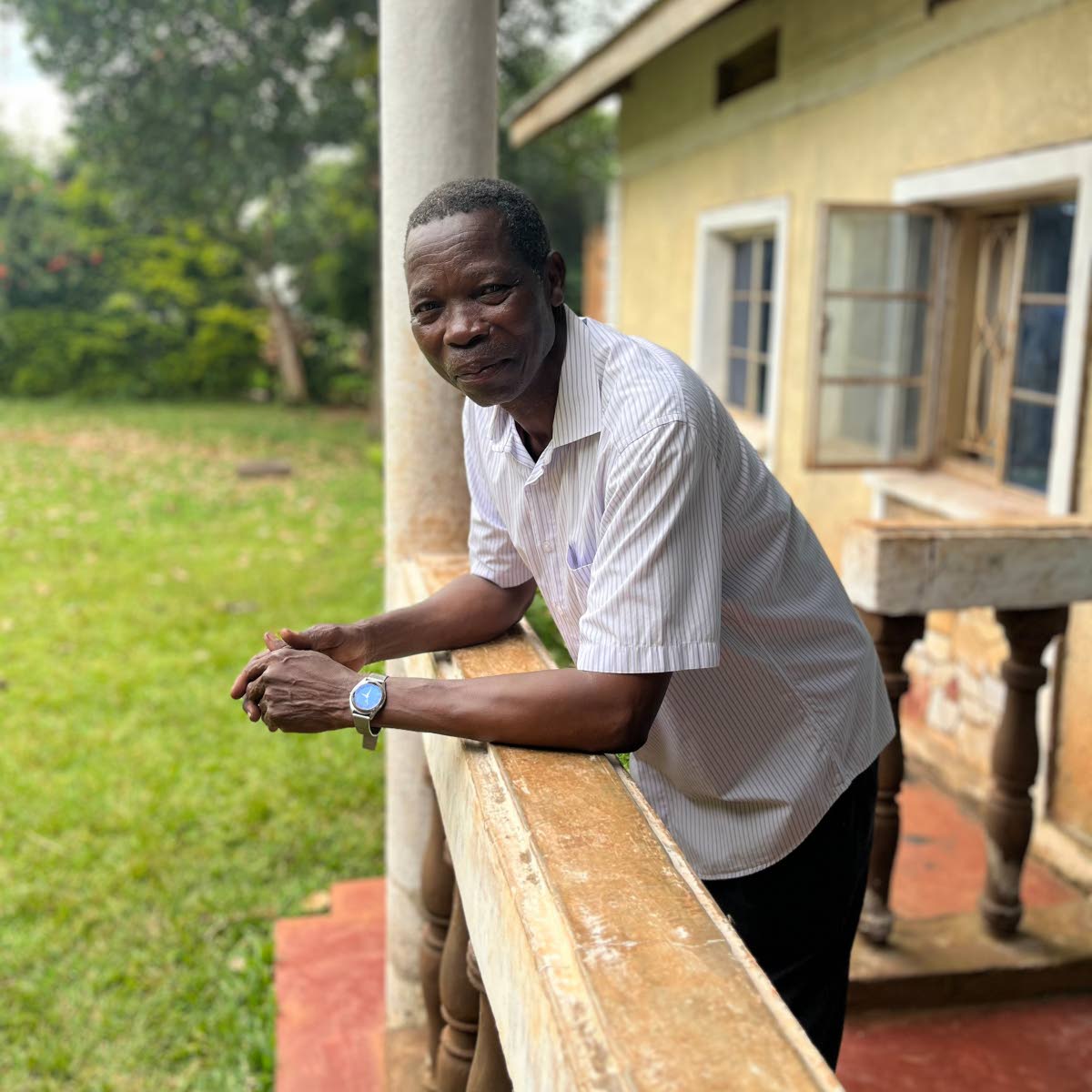
Uganda men heartbroken as paternity tests soar
In the heart of eastern Uganda, Moses Kutoi, a respected clan leader of the Bagisu people, finds himself at the center of a cultural and familial storm. As paternity disputes surge across the country, Kutoi mediates sensitive family conflicts, often involving men questioning the resemblance of their children. For Kutoi, this issue is deeply taboo, rooted in ancestral wisdom, yet he feels compelled to intervene to prevent marriages from collapsing into violence. “Even I don’t resemble my father,” he recently told a skeptical man seeking his help. The rise of DNA testing, fueled by reports of well-known Ugandans discovering they are not the biological fathers of their children, has intensified these disputes. The Ministry of Internal Affairs reports a dramatic increase in voluntary DNA tests, with over 98% of results revealing non-paternity. Despite appeals from religious leaders like Anglican Archbishop Stephen Kaziimba, who urged tolerance and faith, the demand for DNA testing continues to grow. In Nabumali, where Kutoi serves as mayor, the high cost of testing—over $200—makes it inaccessible for many families. Kutoi, drawing on his own experience, emphasizes the importance of unity and tradition, reminding disputing couples that children are a blessing regardless of biological ties. As paternity disputes increasingly intertwine with property and divorce proceedings, faith leaders like Rev. Robert Wantsala and Pastor Andrew Mutengu are stepping in to counsel families and mediate conflicts. Yet, as DNA testing becomes more prevalent, the challenge remains to balance modern science with traditional values in a rapidly changing society.
-

TnTeague shines at PASIC50
The Indiana Convention Centre in the United States reverberated with thunderous applause on November 15, as the father-son duo TNTeague delivered a masterful performance at the Percussive Arts Society International Convention (PASIC50). Liam Teague, globally acclaimed as the ‘Paganini of the steelpan,’ joined forces with his 17-year-old son, Jaden Teague-Nuñez, a rising multi-instrumentalist, to create a musical dialogue that blended technical prowess with emotional depth. Their performance was a highlight of the 50th-anniversary convention, attended by thousands of percussion enthusiasts worldwide. For Liam, a seasoned PASIC performer, this event marked a poignant full-circle moment, as he reflected on his first solo steelpan recital at PASIC in the early 1990s. This time, the focus was on Jaden’s future and the broader potential of the steelpan. The duo’s program showcased the instrument’s versatility, featuring works like Kevin Bobo’s ‘Rhapsody in Steel’ and Ben Wahlund’s ‘Grotesque.’ A standout moment was Jaden’s rendition of ‘A Visit to Hell,’ a multi-movement piece composed by his father, which earned him the distinction of being the first pannist to win the Chicago Symphony Orchestra’s Young Artist Competition. The recital concluded with a personal medley that traced the Teague-Nuñez family’s story, blending contemporary compositions with a nod to the steelpan’s Trinidadian roots. Following their PASIC50 triumph, Jaden will perform with the DeKalb High School Band in Prague, while Liam will lead the NIU Steelband Fall Concert on November 23, featuring guest performances by Trinidadian virtuoso Earl Brooks Jr and Chicago’s Epic Steelband. The concert promises to be a global celebration of rhythm and innovation, continuing the duo’s mission to elevate the steelpan’s legacy.
-

Culture Minister: Carnival venues at Queen’s Park Savannah, Chaguaramas
The Trinidad and Tobago government has announced alternative venues for Carnival 2026 events following a sweeping ban on fetes at major public sporting facilities. Minister of Culture and Community Development Michelle Benjamin revealed during a House of Representatives session on November 21 that the Queen’s Park Savannah (QPS) and facilities in Chaguaramas have been designated as primary alternatives. This decision comes after Prime Minister Kamla Persad-Bissessar extended a ban on Carnival-related events at key venues, including the Hasely Crawford Stadium and the Jean Pierre Complex, sparking concerns from industry stakeholders. The ban, initially imposed on the Brian Lara Cricket Academy, has been criticized by promoters who warn it could devastate the multi-billion-dollar Carnival and entertainment industry, a critical driver of tourism and foreign exchange. Benjamin assured that her ministry, in collaboration with the National Carnival Commission (NCC), is committed to supporting stakeholders and ensuring a successful Carnival. However, tensions flared during the parliamentary session as Diego Martin West MP Hans Des Vignes pressed for clarity on stakeholder consultations, only to be cut off by Speaker Jagdeo Singh for violating procedural rules. Laventille West MP Kareem Marcelle also questioned the minister on additional venues, to which Benjamin reiterated the QPS and Chaguaramas as key locations. The TT Promoters Association (TTPA) has urged the government to reconsider the ban, warning it could deliver a ‘death knell’ to the already vulnerable sector. Despite a scheduled meeting between the TTPA and Benjamin on November 21, no confirmation of its occurrence was provided, leaving industry concerns unresolved.
-
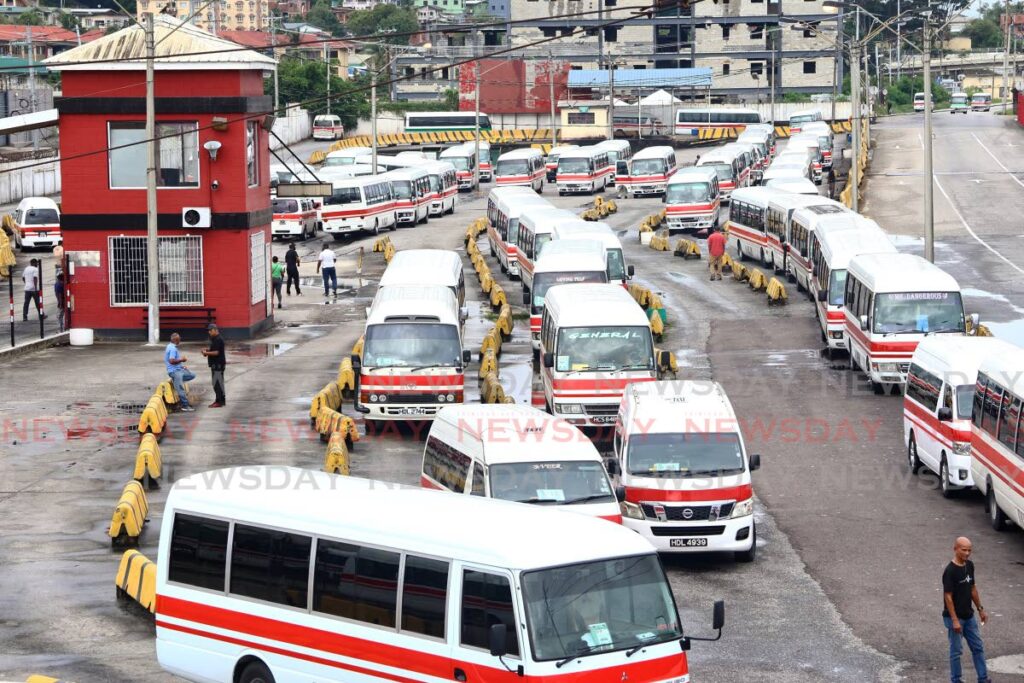
Brazen crimes of opportunity
A harrowing video capturing the robbery of passengers and a driver aboard a maxi taxi in Trinidad and Tobago on November 19 has underscored the alarming rise in brazen daytime crimes in the country. The incident, recorded on the driver’s dashboard camera, began as an ordinary journey along the Priority Bus Route in Arouca. However, the scene quickly turned violent when the vehicle stopped, and five masked men boarded, brandishing weapons and demanding cash and valuables. Passengers, visibly terrified, complied as their belongings were snatched. The driver, displaying remarkable composure, handed over his earnings without resistance. The entire ordeal lasted less than a minute, leaving the victims shaken but unharmed. This incident is part of a troubling trend of opportunistic crimes in the region. Homeland Security Minister Roger Alexander revealed that while robberies on the route decreased from ten last year to one this year, the Transit Police Unit remains critically understaffed, with a shortage of at least 60 officers. Recent weeks have seen a spike in similar crimes, including the armed robbery of a businesswoman at her Signal Hill home and a Trade Ministry official in Cascade. These incidents highlight the urgent need for enhanced police presence and proactive measures to deter criminals. As the holiday season approaches, authorities must prioritize public safety through increased patrols and visible law enforcement to restore public confidence.
-
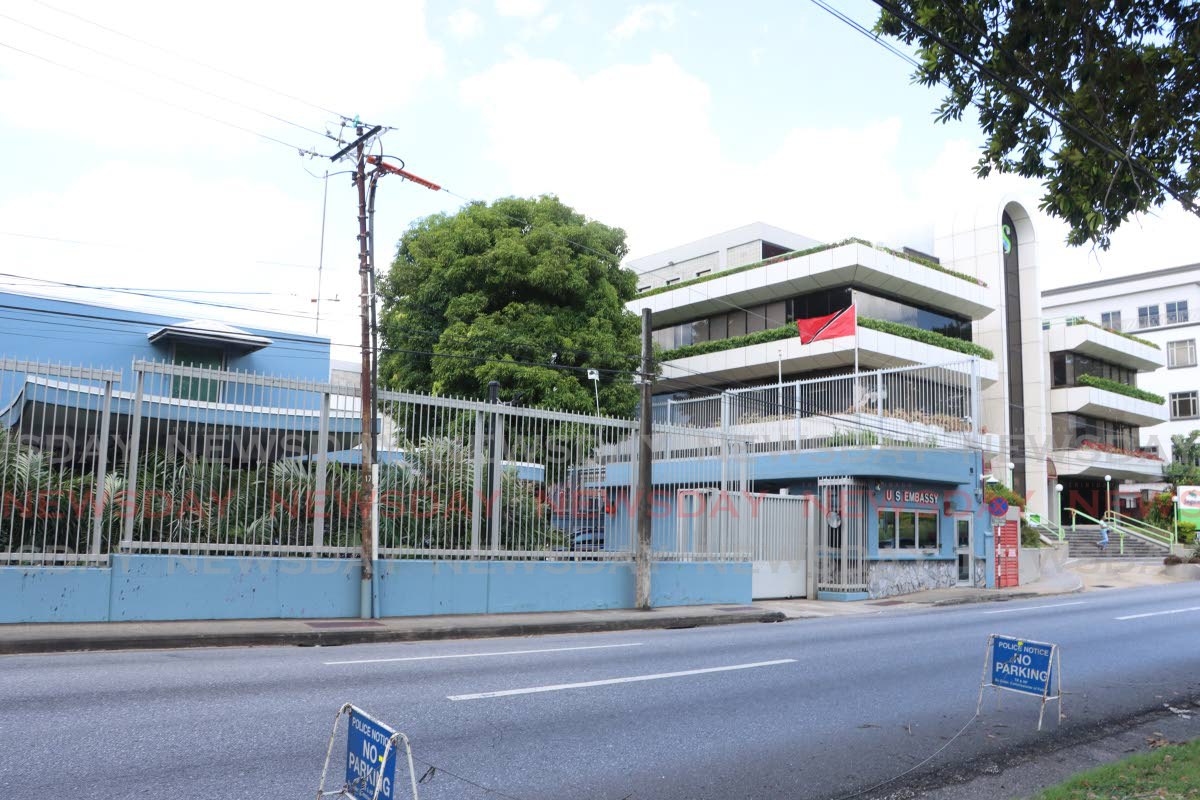
US embassy: Follow the rules, don’t jeopardise your visa
The US Embassy in Port of Spain has issued a stern warning to visa holders in Trinidad and Tobago, emphasizing the importance of adhering to US laws to avoid severe consequences. In a social media post on November 23, Mike Mitchell, the visa chief at the US Embassy, cautioned that violating US laws could lead to visa revocation, deportation, and ineligibility for future visas. Mitchell stressed that a US visa is a privilege, not a right, and urged visa holders to follow the rules to safeguard their travel privileges. This warning follows the recent revocation of Gary Aboud’s US visa, a prominent environmental activist and corporate secretary of Fishermen and Friends of the Sea. Aboud speculated that his visa cancellation was linked to his criticism of US missile strikes on suspected drug boats in the Southern Caribbean and Pacific. These strikes, which have resulted in over 80 deaths, have been criticized by Aboud and international groups, including the United Nations, as illegal. Aboud, who was arrested in 2013 during a protest, received notification of his visa cancellation on November 21, citing ‘new information’ as the basis for the decision. He questioned whether the Trinidad and Tobago government influenced the decision, given Prime Minister Kamla Persad-Bissessar’s strong support for the US war on drug cartels. Persad-Bissessar denied any involvement, labeling Aboud’s comments as reckless.
-
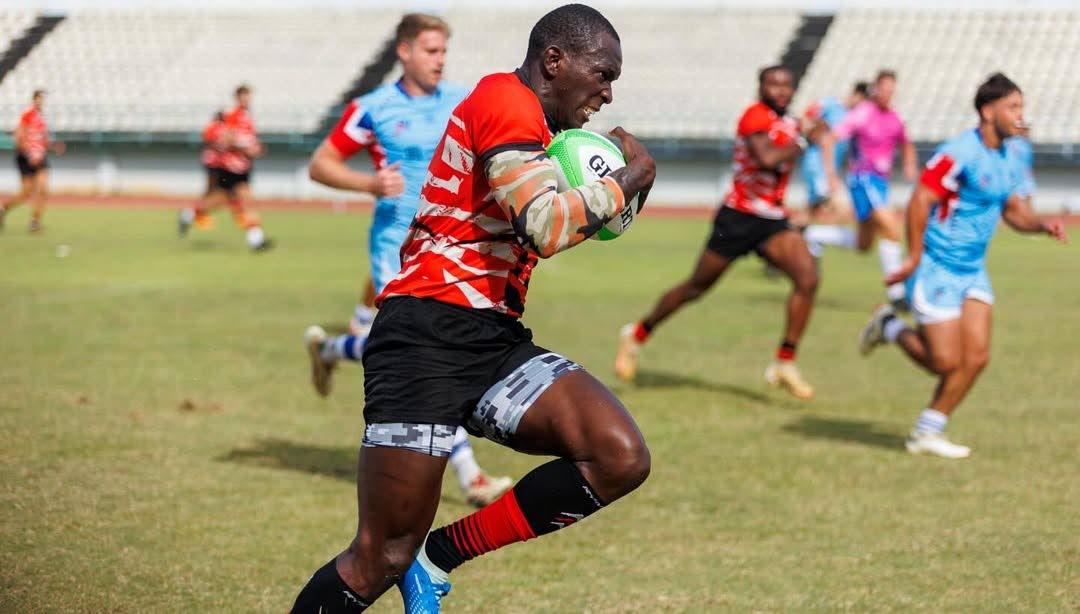
Trinidad and Tobago ruggermen into RAN 7s semis with win over Mexico
The Trinidad and Tobago (TT) men’s rugby team showcased resilience and determination in the 2025 Rugby Americas North (RAN) Sevens tournament, securing a spot in the semifinals after a challenging start. Competing at the Larry Gomes Stadium in Malabar, the TT men began their campaign on November 21 with a 14-14 draw against Guyana in Group B, followed by a commanding 25-14 victory over the Cayman Islands. However, they faced a setback on November 22 with a 14-5 loss to Jamaica, slipping to third in their group. In a crucial quarterfinal match against Mexico, the TT men delivered a stellar performance, triumphing 19-5 with tries from Rauri O’Farrell, Marcus Arrindell, and Jonathan Taylor. They now prepare to face reigning champions Canada in the semifinals on November 23, aiming to avenge their 38-0 defeat in the 2024 final. On the women’s side, the TT team started strong with dominant wins over Guyana (39-0) and Bermuda (29-0) but encountered challenges on day two, losing 15-0 to Mexico and 22-7 to Jamaica. They will look to bounce back in their final round-robin match against Barbados on November 23. The women’s placement matches and final are also scheduled for the same day, promising an exciting conclusion to the tournament.