标签: Trinidad and Tobago

特立尼达和多巴哥

  • GI leading the charge: A Team Band launches new frontline

    GI leading the charge: A Team Band launches new frontline

    The Caribbean music scene is buzzing with anticipation as the acclaimed A Team Band reveals a completely revitalized frontline lineup for Carnival 2026. The formal introduction occurred during a spectacular launch event at The Bungalow Restaurant and Lounge in St Clair, signaling a strategic evolution for the ensemble.

    Heading this transformative musical movement is three-time Chutney Monarch Imran ‘GI’ Beharry, whose distinctive chutney influences are now integrated into the band’s traditionally soca-dominated sound. This artistic fusion represents a significant departure from their conventional repertoire, creating what industry observers are calling a groundbreaking cultural synthesis.

    Complementing Beharry’s expertise is emerging talent Kristina James, a multifaceted performer recognized for her dynamic singing, dancing, and stage presence. Completing the triumvirate is veteran singer-songwriter Joel ‘Zan’ Feveck, whose sophisticated vocal artistry and compositional experience provide depth to the collective.

    Band manager Zarin Morean explained the strategic reasoning behind this artistic reorganization: ‘Recent cultural and economic developments inspired our transformation. GI presented innovative concepts and an engaged fan base that we found irresistible. This alignment echoes soca pioneer Ras Shorty I’s original vision of unifying East Indian and African musical traditions.’

    The reshaped ensemble, now operating as ‘GI and The A Team Band featuring Kristina and Zan,’ aims to demonstrate their enhanced capabilities at the second annual VIP’s Only Carnival Cooler Experience on January 25 at The Cipriani College, Valsayn. Additionally, the band maintains their digital presence through weekly Friday night streaming showcases accessible via their social media platforms and official website.


  • Reggae Brunch 2 promises culture, cuisine and conscious vibes

    Reggae Brunch 2 promises culture, cuisine and conscious vibes

    The Anchorage in Chaguaramas prepares to host an immersive cultural experience as Reggae Brunch returns for its second edition on November 30th. Building upon the success of its inaugural event, this day-long celebration from 10 am to 4 pm promises an enhanced fusion of authentic Caribbean cuisine and conscious musical vibrations that highlight the deep cultural connections between Jamaica and Trinidad and Tobago.

    The event evolves with an expanded culinary offering that takes attendees on a gastronomic journey across the islands. The menu features Jamaican classics including sizzling jerk chicken, pork, and festival alongside Trinidadian favorites such as curry goat. Vegetarian and vegan options ensure inclusive dining, while traditional desserts like coconut drops, gizzada, cassava pone, and homemade rum cake showcase the region’s sweet culinary heritage.

    Musical curation stands as a cornerstone of the experience, with the Reggae On the Radio Team leading an ensemble of conscious selectors. Nine Miles International, Solid Rock, Lion Paw Movements, Royal Order, and ReggaeMatic Sound will deliver carefully selected reggae and conscious dancehall tracks. Special appearances by New Chapter, DJ Legacy, and radio personalities Sunny Bling, Caleb, S Carter, and Gilligan promise a dynamic blend of roots reggae, lovers rock, and contemporary sounds.

    The event’s dress code shifts from last year’s all-white theme to denim and white attire, reflecting the evolving nature of this cultural gathering. Organizers emphasize that Reggae Brunch transcends mere entertainment, serving as a celebration of Caribbean identity through shared culinary traditions and musical heritage. The event consciously leverages food and music as universal languages that bridge cultural divides and strengthen regional unity.

    Ticket information remains available through Reggae Brunch’s social media platforms, inviting patrons to participate in this demonstration of Caribbean cultural solidarity and joyful celebration.

  • Public servants and the 10% dance

    Public servants and the 10% dance

    Since the announcement of Davendranath Tancoo’s October 13 budget, the focus has shifted from whether the government will honor its promise of a 10% pay increase for Public Services Association (PSA) workers to the specifics of how and when this commitment will be fulfilled. The ongoing negotiations between PSA President Felisha Thomas and officials from the Office of the Chief Personnel Officer (CPO) have been marked by tension and uncertainty. On November 10, Thomas expressed frustration, accusing the CPO of delaying the process and issuing an ultimatum: ‘Ten per cent and nothing else.’ CPO’s Dr. Daryl Dindial defended the need for a comprehensive understanding of the economic challenges, emphasizing the importance of due process. By November 21, the PSA received a formal letter outlining a 10% offer for specific periods, but details remain undisclosed. Acting CPO Wendy Barton reiterated the significance of economic context in public service negotiations. Meanwhile, Tancoo hinted at a multifaceted approach to addressing pay arrears, estimated at $730 million, with additional annual costs of $214 million. The prolonged negotiations may provide fiscal flexibility amid a projected $3.9 billion deficit, highlighting the delicate balance between fulfilling promises and managing economic constraints.

  • Could AI be Trinidad and Tobago’s new ‘oil and gas’ frontier?

    Could AI be Trinidad and Tobago’s new ‘oil and gas’ frontier?

    Trinidad and Tobago is making significant strides in embracing artificial intelligence (AI) as part of its national development strategy. Under the leadership of Dominic Smith, Minister of Public Administration and AI, the country has launched a National AI Assessment in collaboration with the United Nations Development Programme (UNDP) and UNESCO. This initiative aims to evaluate the nation’s readiness to adopt AI technologies and ensure ethical and inclusive implementation. The assessment employs two key tools: UNDP’s Artificial Intelligence Landscape Assessment (AILA) methodology and UNESCO’s Readiness Assessment Methodology (RAM). These tools will identify institutional and regulatory gaps while fostering an ethical AI ecosystem. The launch event, held on November 26 at the Government Campus Plaza in Port of Spain, brought together public and private stakeholders, civil society, and international representatives. Smith emphasized the transformative potential of AI, stating that it could modernize public services, enhance productivity, and create high-value jobs. However, he acknowledged challenges such as skills gaps, cybersecurity, and public trust. The government plans to roll out training initiatives to upskill citizens and position Trinidad and Tobago as a leading AI-driven island state. The findings of the assessment are expected to be publicly released in March/April 2026, marking a pivotal step in the country’s digital transformation journey.

  • Man held for murder in Castara – TOURIST STABBED TO DEATH

    Man held for murder in Castara – TOURIST STABBED TO DEATH

    Tobago authorities are pursuing a homicide investigation following the fatal stabbing of American tourist Christopher Brown in the coastal village of Castara. The 44-year-old Colorado resident was ambushed on a darkened pathway off Depot Road Wednesday night, allegedly by a 26-year-old Scarborough man who mistakenly identified him as a romantic rival.

    According to homicide investigators, the suspect had attended a weekly drumming session on Castara’s beachfront where he confronted his girlfriend about her apparent interaction with another attendee. Leaving in anger, the man reportedly concealed himself along an unlit track where he later attacked Brown with multiple stab wounds, leaving the weapon embedded in the victim’s back.

    Police confirmed the assailant contacted his girlfriend afterward, apparently believing Brown was the individual who had sparked their earlier argument. Authorities note the actual person of interest shared similar physical characteristics with the deceased tourist.

    Brown had been vacationing with his girlfriend at Castara Retreats resort and was scheduled to return to Colorado Thursday. Following the beach gathering, he had inexplicably returned toward the drumming session alone shortly before the attack.

    Tourism Secretary Tashia Burris condemned the violence as a “horrific act” while emphasizing Castara’s historically safe environment. Local tourism association president Bertill Taylor expressed community trauma, stressing the perpetrator was an outsider from Rockly Vale. Taylor highlighted longstanding infrastructure concerns regarding Depot Road, which lacks lighting and maintenance despite being a frequent access route to Little Bay beach.

    The incident marks Tobago’s ninth homicide this year, occurring just days after another fatal shooting in Mason Hall. Tourism representatives expressed concern about the season’s already declining bookings, hoping the tragedy wouldn’t further deter visitors to what they describe as a vibrant, community-policed destination.

  • Tyrone C McCollin in joint exhibition at ThinkArtWorkTT

    Tyrone C McCollin in joint exhibition at ThinkArtWorkTT

    The Serendipity exhibition, hosted by Meraki at the ThinkArtWorkTT studio, brings together a diverse group of seven artists from Trinidad and Tobago, the United States, and Barbados. The event, which runs from November 27 to December 2, highlights the creative talents of Tyrone C McCollin, Deborah Clement, Damien Leach, Wade Mark, Akyem Ramsay, Denise Cobham-Albo, and Leon Bain. Among the featured artists, McCollin stands out for his groundbreaking T’ViMo art style, a modern take on mosaic that utilizes vinyl as its primary medium. McCollin, a seasoned art teacher and professional sign artist, has spent 13 years at New Grace Center Christian School in Brooklyn, NY, and has authored the book ‘T’vimo.’ His innovative technique, which involves cutting and arranging vinyl pieces with precision, has earned him recognition as a three-time logo design contest winner. The exhibition not only showcases McCollin’s work but also celebrates the broader artistic contributions of the participating artists, offering a unique blend of traditional and contemporary art forms. The event opens on November 27 at 5 pm and will be open daily from 1 pm to 6 pm at 11 Cipriani Blvd, Woodbrook.

  • How Canada helped BWIA to take flight

    How Canada helped BWIA to take flight

    In the 1960s, Air Canada and the Canadian government played a pivotal role in bolstering British West Indian Airways (BWIA) to become the Caribbean’s regional carrier. By 1967, the Trinidad and Tobago (TT) government had advanced $15,255,816 to sustain BWIA’s operations, recognizing the urgent need for fleet expansion and financial restructuring. However, BWIA faced more than just financial challenges. A 1966 memorandum from BWIA’s chairman highlighted critical deficiencies in top management, engineering, planning, and accounting expertise, as well as a severe shortage of experienced pilots. The chairman concluded that BWIA needed a financially strong partner with the ability to provide managerial and staffing support. Acting on this advice, the TT government sought suitable partners, leading to a proposal from Canada on May 23, 1967. The Canadian government, after reviewing BWIA’s situation, proposed a comprehensive corporate association between Air Canada and BWIA. Key elements of the proposal included designating BWIA as the regional carrier for the Commonwealth Caribbean, allowing Canada to acquire up to 49% of BWIA shares, appointing a majority of BWIA’s board of directors, and negotiating multilateral air agreements. The TT government, optimistic about BWIA’s potential, had envisioned it as a regional carrier since 1961, when it salvaged the airline. Despite initial efforts to persuade other West Indian territories to join BWIA, the airline’s transformation into a regional carrier was a complex and collaborative endeavor involving multiple governments and stakeholders.

  • PM: US Marines improving radar surveillance in Tobago

    PM: US Marines improving radar surveillance in Tobago

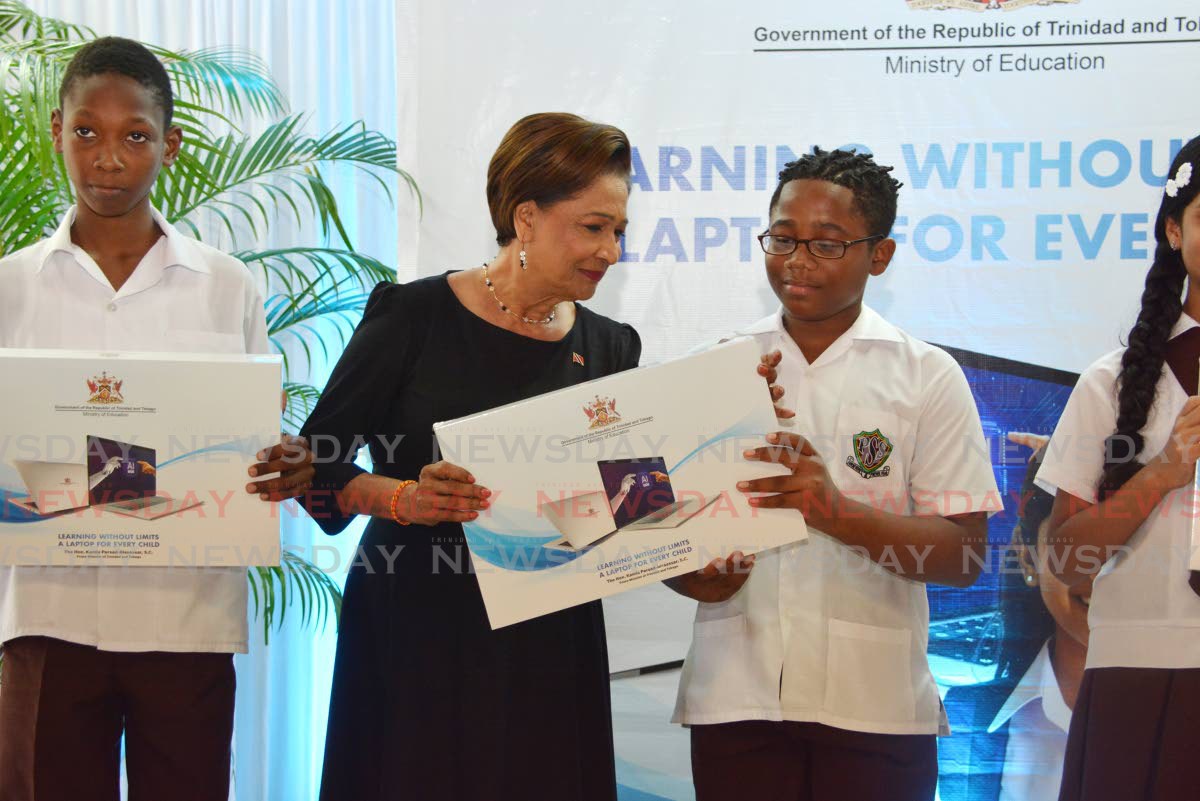
    Trinidad and Tobago’s Prime Minister Kamla Persad-Bissessar has confirmed the presence of United States military personnel in Tobago, characterizing their mission as technical assistance for radar surveillance enhancement at the island’s airport. The disclosure came during a media interaction following a laptop distribution event at Penal Secondary School on November 27.

    Persad-Bissessar clarified that US Marines are actively supporting improvements to runway infrastructure and radar capabilities at the Arthur NR Robinson International Airport. ‘They will help us to improve our surveillance and intelligence we gather…the narco traffickers in our waters and outside our waters,’ the Prime Minister stated, emphasizing the counter-narcotics focus of the cooperation.

    This development forms part of broader US military activities across the southern Caribbean initiated in August, which initially involved three guided missile destroyers and has since expanded to include nuclear submarines, amphibious assault vessels, and the aircraft carrier USS Gerald R Ford with its strike group. The 22nd US Marine Expeditionary Unit recently conducted joint exercises with Trinidad and Tobago Defence Force personnel.

    The military cooperation occurs under the framework of the Status of Forces Agreement (SOFA) signed between both nations in December, facilitating bilateral military coordination. Persad-Bissessar explicitly denied any offensive intentions toward Venezuela, asserting, ‘Trinidad has not been asked to be a base for any war against Venezuela.’

    This stance has generated significant political controversy domestically and regionally. Opposition Leader Pennelope Beckles has filed a motion condemning the Prime Minister’s statements as ‘inflammatory’ and damaging to Trinidad and Tobago’s international standing. The motion calls for reaffirmation of commitment to CARICOM and international law.

    Persad-Bissessar’s position notably diverges from the traditional CARICOM consensus maintaining the Caribbean as a zone of peace, placing her at odds with regional leaders including Barbados Prime Minister Mia Mottley and St Vincent and the Grenadines Prime Minister Ralph Gonsalves. The Prime Minister has additionally predicted potential CARICOM fragmentation, alleging interference by regional leaders in member states’ elections—a claim particularly directed at Gonsalves regarding upcoming elections in St Vincent and the Grenadines.

  • IDB: Trinidad and Tobago had lowest remittances in Caribbean in 2025

    IDB: Trinidad and Tobago had lowest remittances in Caribbean in 2025

    A recent analytical report by the Inter-American Development Bank (IDB) has revealed that Trinidad and Tobago (TT) experienced the slowest remittance growth in the Caribbean in 2025, lagging significantly behind its regional counterparts. Remittances, which refer to funds sent by individuals working or living abroad to their families back home, serve as a crucial financial lifeline for households across the region. These transfers are particularly vital in low- and middle-income countries, helping families manage living expenses and providing economic stability during challenging times. According to the IDB’s ‘Remittances to Latin America and the Caribbean in 2025’ report, TT saw a mere 1.3% increase in remittance inflows, the lowest among all Caribbean nations analyzed. In contrast, the broader Caribbean region recorded a 9.2% growth, driven by strong inflows to the Dominican Republic, Haiti, and Jamaica. TT’s minimal improvement starkly contrasts with the region’s overall momentum. The Caribbean collectively received $20.883 billion in remittances in 2025, accounting for 12% of all transfers to Latin America and the Caribbean. While the report did not provide a specific figure for TT, it identified the country as one of the smaller recipients in the subregion. The study highlighted general factors influencing Caribbean remittance trends, such as labor market participation in the U.S. and the financial strategies of migrant households, but did not pinpoint specific reasons for TT’s weak performance. Instead, TT was grouped with economies where remittance inflows remain modest and have shown limited growth in recent years. The IDB emphasized that remittances continue to play a stabilizing role in household income across the region, particularly in countries with growing diaspora communities that maintain strong financial ties with their families. For many households, these transfers represent essential monthly contributions from relatives working abroad, quietly but significantly impacting daily expenses. The report is part of the IDB’s ongoing efforts to monitor cross-border family transfers, which are essential for understanding consumption patterns, vulnerability, and the financial behavior of migrant populations.

  • 8 steps to sustainable investment

    8 steps to sustainable investment

    In anticipation of the COP 30 summit earlier this month, the Association of Chartered Certified Accountants (ACCA) introduced a groundbreaking unified framework for responsible investment. This innovative approach seamlessly integrates sustainability considerations into strategic decision-making processes. Developed in collaboration with the universities of Witwatersrand and Leeds, the framework, titled ‘Understanding Responsible Investment,’ provides a comprehensive yet concise guide linking environmental and social issues to capital allocation and investment decisions. The framework outlines eight essential steps that organizations can follow to align their financial success with environmental and social responsibilities. Sharon Machado, ACCA’s head of sustainable business, emphasized the significance of this development, stating, ‘Despite the growing urgency to address climate change and social inequity, a unified approach to responsible investment has been lacking. Our collaborative effort has now filled this gap, offering a model that systematically incorporates all risks and opportunities into investment analysis.’ The framework includes key components such as ESG integration, sustainability frameworks, screening methods, investor proactivity, strategic purpose, investment options selection, regulatory requirements, and outcome measurement. Dannielle Cerbone, an associate professor at the University of Witwatersrand, praised the report for its academic rigor and practical relevance in an increasingly complex investment landscape. The report also highlights the evolving nature of sustainability reporting and the need for investees to balance financial, ecological, and social value creation to better access responsible finance. Machado expressed hope that the report would serve as a practical tool for investors and companies, particularly in assessing the impact of sustainability-related factors on organizational valuation—a task that remains challenging.