
The price of illegal drugs in Trinidad and Tobago (TT) has seen a significant increase due to intensified efforts by both local and US forces to disrupt the narcotics trade. Police Commissioner Allister Guevarro confirmed this development during a media briefing at the Police Administration Building in Port of Spain on November 4. He attributed the price surge to a reduction in the supply of narcotics entering the country, a direct result of recent US military strikes targeting drug traffickers in the Caribbean Sea and Pacific Ocean. These strikes, which have claimed over 60 lives, have yet to be substantiated with official evidence linking the deceased to drug trafficking. Intelligence reports from multiple agencies indicate a marked decrease in the flow of illegal drugs, particularly from Venezuela and Colombia, leading to a shortage in TT. This scarcity has driven up prices, with Colombian kush marijuana reportedly tripling in cost from $1,800 to nearly $6,000 per pound. Since the crackdown began, the TT Police Service (TTPS) has seized nearly two tonnes of marijuana, further exacerbating the shortage. Notable seizures include 268kg of Colombian ‘Creepy’ marijuana valued at $29 million on September 12, and 1177kg of the same strain worth $292 million on October 1. Commissioner Guevarro also highlighted ongoing efforts to curb local cultivation, including intercepting foreign seeds and eradicating marijuana plants. Addressing concerns that drug dealers might diversify their criminal activities to offset financial losses, Guevarro assured that strategies are in place, though he remained cryptic about the specifics. He also noted a decline in the sale of smuggled ‘wild meat,’ suggesting that the crackdown has disrupted broader smuggling networks. Despite some items still entering the country illegally, police have gained a better understanding of smuggling operations, enabling more effective interventions.
标签: Trinidad and Tobago
特立尼达和多巴哥
-

Fatherhood’s DNA
The Fathers Association of Trinidad and Tobago (TFATT) has sparked a contentious debate by proposing mandatory paternity tests before the issuance of child maintenance orders. This call comes in the wake of a survey conducted by a judiciary-approved laboratory, which revealed that 33% of 440 paternity tests conducted between 2020 and 2025 indicated a different biological father than assumed. TFATT President Rhondall Feeles emphasized the potential prevalence of such cases, questioning the societal impact of this statistic. Between 2016 and 2021, the Family Court received 6,838 child maintenance applications, with 1,766 filings in the 2022/2023 term alone. Early identification of non-paternity cases could alleviate the court’s workload. However, critics argue that the survey’s findings may not be representative, as individuals with existing doubts are more likely to seek testing. The proposal raises concerns about the child’s best interests, with experts cautioning against imposing tests in uncontested cases. Behavioral therapist Wendell De Leon highlighted the emotional toll on men who discover, after years of parenting, that they are not the biological father. While TFATT’s suggestion of criminalizing ‘paternity fraud’ aims to deter deceit, it faces criticism for being overly punitive. Legal experts stress that DNA testing should remain discretionary, allowing courts to consider the emotional and social bonds between a child and their guardian, regardless of biological ties.
-

TTPS testing digital FUL application system
The Trinidad and Tobago Police Service (TTPS) has introduced a groundbreaking digital Firearm User’s Licence (FUL) application system, marking a significant leap in modernizing its services. Commissioner of Police Allister Guevarro announced the initiative during a media briefing at the Police Administration Building in Port of Spain on November 4. The system, currently in its testing phase with 1,000 applicants, aims to streamline the firearm licensing process, making it more efficient and accessible to the public. Guevarro emphasized that the testing phase will allow the TTPS to refine the system before its full rollout, ensuring a seamless experience for both law enforcement and citizens.
In addition to the digital FUL system, the TTPS is intensifying efforts to ensure public safety during the upcoming festive season. Deputy Commissioner of Police (DCP) Suzette Martin, who is spearheading the operations, outlined a comprehensive strategy to tackle crime and maintain order during Christmas and Carnival 2026. Martin highlighted the heightened risks associated with large crowds and public gatherings, stressing the importance of a coordinated, intelligence-driven approach. The strategy is built on three pillars: high visibility policing, intelligence-led operations, and strong community partnerships.
To bolster security, the TTPS will increase foot and mobile patrols in key areas, including commercial districts, entertainment zones, transportation hubs, and residential neighborhoods. Tactical units, highway patrols, and divisional teams will collaborate on joint exercises focused on crime prevention, traffic management, and overall public safety. Real-time monitoring and crime pattern analysis will also play a crucial role in enabling swift responses and dynamic deployment adjustments.
Martin revealed that the TTPS has partnered with the Trinidad and Tobago Defence Force, municipal police, and other national security agencies to ensure comprehensive coverage across the country. Planning for Carnival 2026 is already underway, with the TTPS working closely with the National Carnival Commission (NCC), event organizers, and bandleaders to ensure the safety of attendees and the smooth execution of events.
While the TTPS is fully mobilized to ensure public safety, Martin urged citizens to remain vigilant and take proactive measures to prevent crime. She advised safeguarding personal belongings, avoiding large cash transactions, and cooperating with law enforcement officers. Business owners and event promoters were also encouraged to collaborate with local police stations to assist with crowd control and traffic management. Martin reassured the public that the TTPS is committed to making the festive season and Carnival 2026 peaceful and safe for everyone.
-

Embassy of Mexico celebrates life on the Day of the Dead
The Embassy of Mexico in Trinidad and Tobago transformed into a lively hub of culture and tradition on November 1, 2025, as it hosted the annual Day of the Dead celebration at its Hayes Street headquarters in St Clair. The event, rich in symbolism and heritage, featured marigold flowers, candles, and skulls, turning the memory of the departed into a joyous celebration of life and culture. Participants dressed as traditional Catrinas and Catrins added to the festive atmosphere, while dancer Nalini Akal, director of the N9 Dance Company, captivated the audience with a performance inspired by the spiritual essence of the occasion. The Day of the Dead, rooted in pre-Hispanic civilizations like the Mexica, Maya, and Purépecha, merged with Catholic traditions during the Spanish colonization, evolving into a unique cultural expression celebrated on November 1 and 2. Ambassador Víctor Hugo Morales emphasized the event’s significance as a symbol of identity, memory, and hope, dedicating the main altar to flood victims in Mexico and extending solidarity to neighboring Caribbean nations affected by natural disasters. The altar also honored cultural icons like poet Guadalupe ‘Pita’ Amor and wrestler Blue Demon. The celebration included a Calaveritas literary competition, a Mexican wrestling exhibition, and traditional dishes such as tacos de canasta and pan de muerto. Special guests included Senator Darrell Allahar and ambassadors from various countries, making the event a testament to the enduring vibrancy of Mexican culture, even far from home.
-

Hillview edge ‘Naps’ in Secondary School Chess Champs
In a thrilling conclusion to the National Secondary Schools’ Chess Championship, Hillview College emerged victorious over Naparima Boys’ College via a tiebreak. The championship, held on October 11 and 12 at Presentation College Chaguanas, showcased intense competition among 170 players from approximately 15 schools. The event was organized by the TT Chess Association and sponsored by Genesis Insurance Brokers and Benefits Consultants Ltd.
-

Digicel Foundation hosts internal staff blood drive
In a commendable effort to address the critical need for blood donations, the Digicel Foundation collaborated with the North West Regional Health Authority (NWRHA) Port of Spain General Hospital Blood Bank to organize an internal staff blood drive on October 28. Held at the Digicel TT head office, the initiative aimed to strengthen the nation’s blood bank reserves and promote a culture of volunteerism among employees.
-
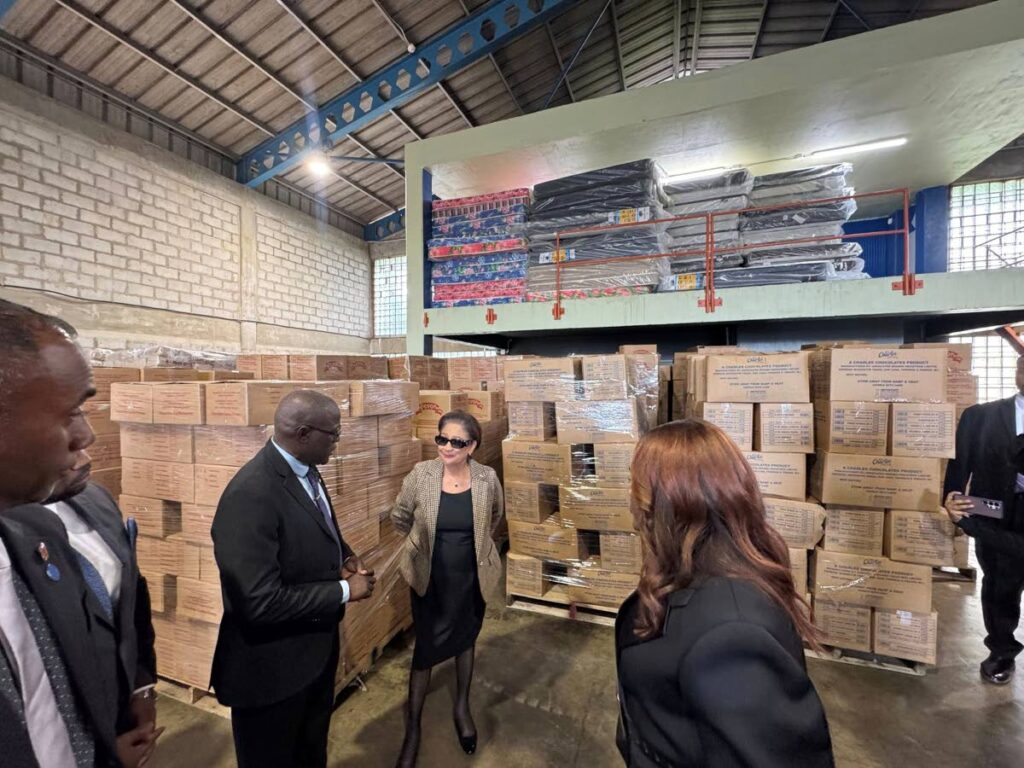
Trini UWI students in Jamaica eye return to normalcy
In the aftermath of Hurricane Melissa, which wreaked havoc across Jamaica, Trinidad and Tobago has stepped up its humanitarian efforts to assist those affected. Prime Minister Kamla Persad-Bissessar personally oversaw the preparation and dispatch of the first shipment of relief supplies from the PLIPDECO Warehouse Complex at Point Lisas Industrial Estate. The aid, which includes essential items such as water, toiletries, canned food, pasta, and bread, is part of a broader initiative to support the Caribbean neighbor in its time of need.
-

Benign prostatic hyperplasia: Breaking the silence on men’s health
Benign prostatic hyperplasia (BPH), a non-cancerous enlargement of the prostate gland, affects nearly all men as they age, with incidence nearing 100% by the age of 90. Dr. Vimal Seetahal, a consultant urologist, is urging men to pay closer attention to this condition, which often goes undiagnosed due to cultural attitudes toward men’s health in the Caribbean. Symptoms include frequent urination, urgency, nocturia, and a weak urinary stream, which many dismiss as a normal part of aging. However, untreated BPH can worsen over time, leading to severe complications. Risk factors include age, genetics, and lifestyle choices such as obesity and diets high in red meat. Diagnosis involves ultrasounds, CT scans, and PSA blood tests. Treatment options range from medication to surgical procedures, including the innovative laser prostatectomy. Dr. Seetahal emphasizes the importance of lifestyle changes, such as reducing alcohol and caffeine intake, exercising, and using natural remedies like saw palmetto, to manage early-stage BPH. He also highlights the need for early detection and a cultural shift in how men approach their health, advocating for routine PSA testing over invasive rectal examinations. Public education and family support are crucial in encouraging men to seek timely medical attention.
-

Fathers’ Association wants mandatory DNA tests: One-third of paternity tests negative
A recent survey conducted by the Fathers’ Association of Trinidad and Tobago (TFATT) has unveiled startling statistics regarding paternity tests, prompting renewed calls for mandatory DNA testing before the issuance of child maintenance orders. The findings, disclosed at a media conference held on November 3 at Computer Tech and Services in Couva, revealed that nearly one-third of paternity tests conducted over the past five years at a judiciary-approved laboratory showed that the alleged father was not biologically related to the child.
-

Police in schools: Is it helping?
Two months into the government’s initiative to deploy police officers to ‘high-risk’ schools, the program’s effectiveness remains under scrutiny. This measure was introduced to combat the escalating trend of school violence, but its outcomes have been inconsistent. While the Education Minister has noted a decline in suspensions, school principals report varying levels of success. Some schools have seen improved student discipline, while others have experienced minimal reductions in violence. The lack of clear guidelines defining the role and responsibilities of police officers in schools has emerged as a significant concern. Principals, who are legally accountable for school safety, cannot directly supervise or instruct these officers, creating ambiguity in their operational framework. Additionally, the inexperience of newly trained special reserve officers in handling the unique dynamics of school environments has hindered their effectiveness. Addressing the root causes of school violence, such as socio-economic factors and community normalization of abuse, remains critical. While initial assessments suggest some progress, stakeholders emphasize the need for continuous dialogue and program refinement to address these deep-seated issues.