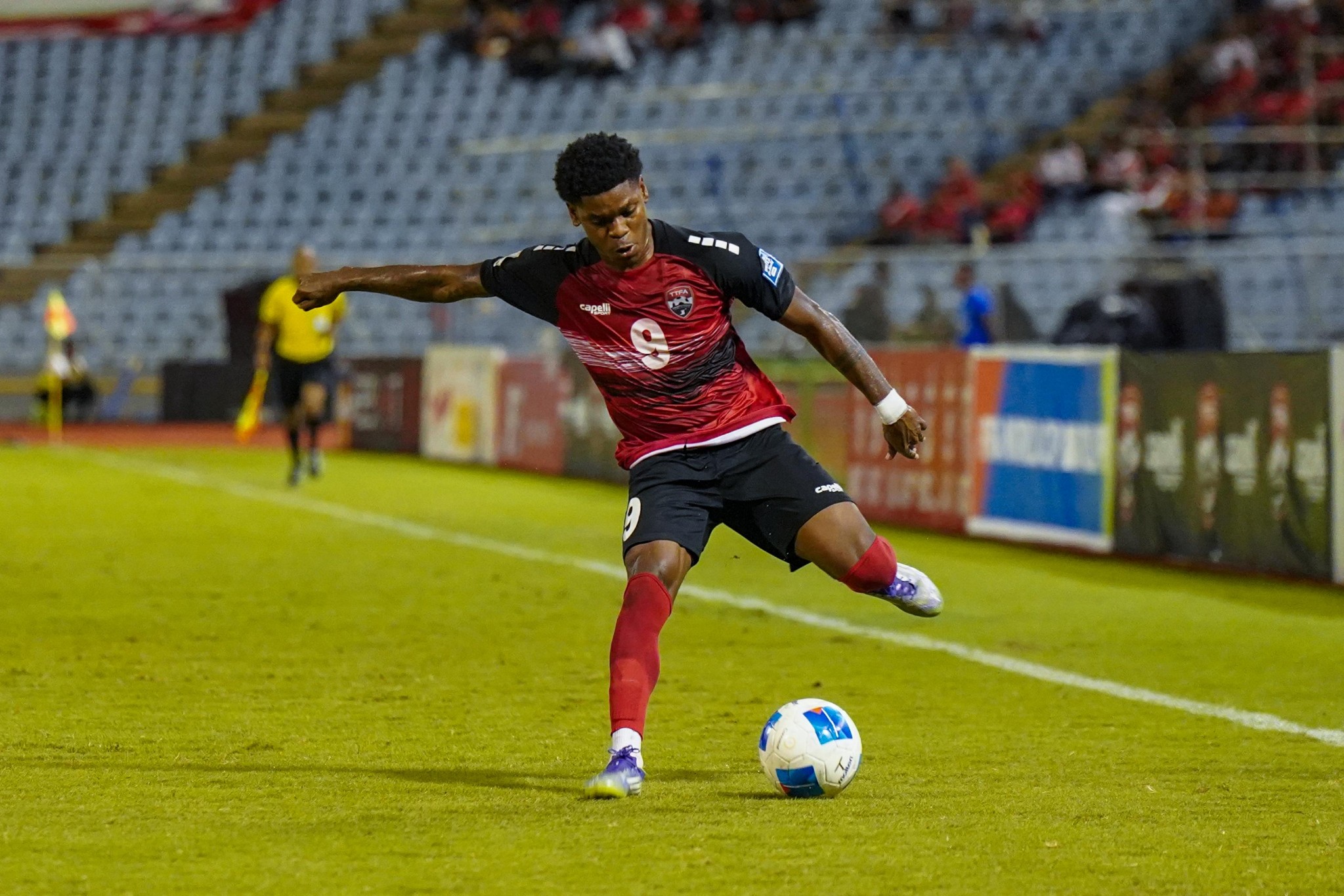
Trinidad and Tobago’s men’s football team concluded their FIFA 2026 World Cup qualifying campaign with a 2-2 draw against Bermuda at the Hasely Crawford Stadium on November 18, 2025. Despite high hopes, the team, led by coach Dwight Yorke, finished third in Group B of the Concacaf final qualifying round, behind Curacao and Jamaica. The match, played on a rainy night in Mucurapo, Port of Spain, saw TT take an early lead through a header by defender Kobi Henry. However, Bermuda fought back with goals from Tucker and Dante Leverock, putting them ahead. Nathaniel James equalized for TT in the 66th minute, but despite numerous chances, including a late effort by substitute Wayne Frederick II, the hosts couldn’t secure a win. TT’s campaign ended with seven points from six matches, including four draws. With Yorke’s contract set to expire in six months, the future of the national team remains uncertain.
标签: Trinidad and Tobago
特立尼达和多巴哥
-
Justice delayed is justice denied
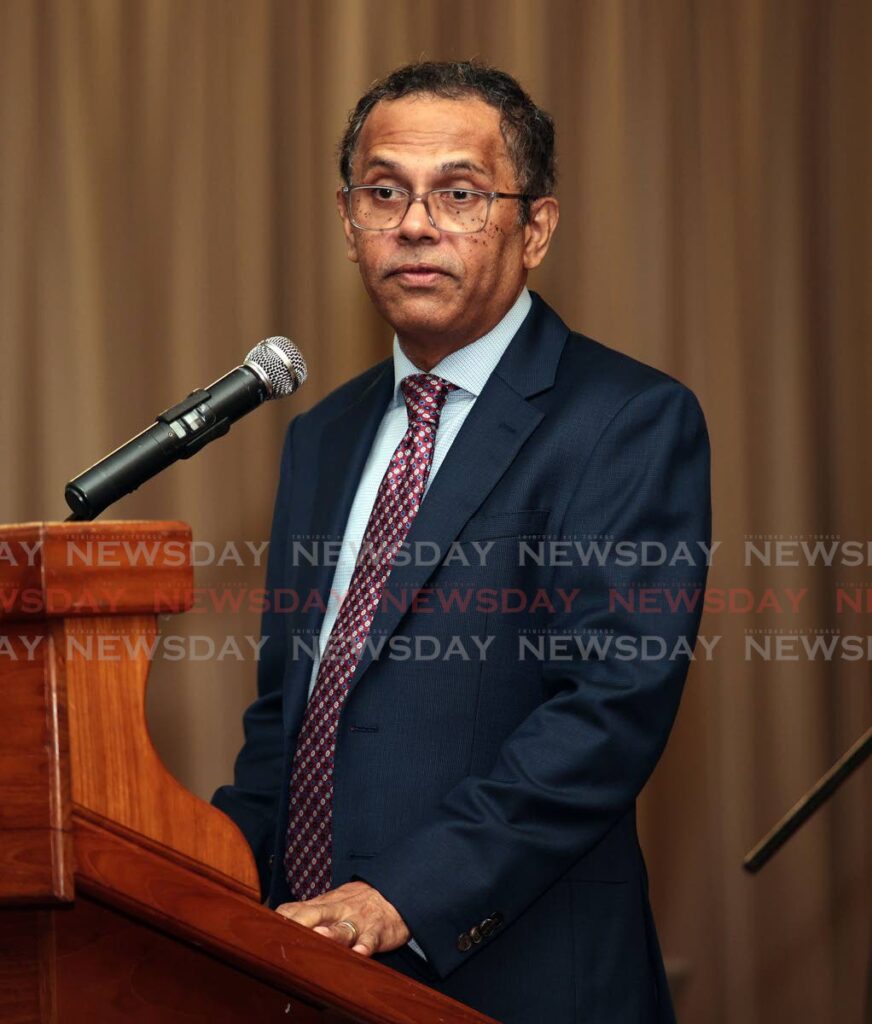
The timely delivery of justice remains a cornerstone of any progressive society, yet it is an issue that continues to plague judicial systems across the Caribbean. This concern was recently brought to the forefront by Chief Justice Ronnie Boodoosingh during his address at the Law Association’s annual dinner on November 14. His remarks underscored the fundamental right of citizens to expect fair and timely resolutions to their legal matters. However, the reality often falls short of this ideal, with cases languishing for years before reaching a conclusion. This delay not only undermines the effectiveness of the judicial system but also erodes public trust in the rule of law. The situation in Barbados serves as a stark example. Faced with chronic delays, the Barbados Parliament took drastic measures in 2019, amending its Constitution to allow for the removal of judges who fail to deliver judgments within six months. While such extreme measures may not be necessary elsewhere, they highlight the severity of the issue and the need for systemic reform. The legal community must engage in meaningful dialogue to establish clear guidelines for the timely delivery of judgments. Attorneys, who are already bound by court-imposed deadlines, could play a pivotal role in shaping these policies. Ultimately, the goal is to ensure that justice is not only served but served promptly, as delays often render legal remedies ineffective. This discussion is not a critique of the dedication or integrity of judges but a call to action to strengthen the judicial system for the benefit of all citizens.
-
5 men claim abuse while at St Dominic’s Children’s Home
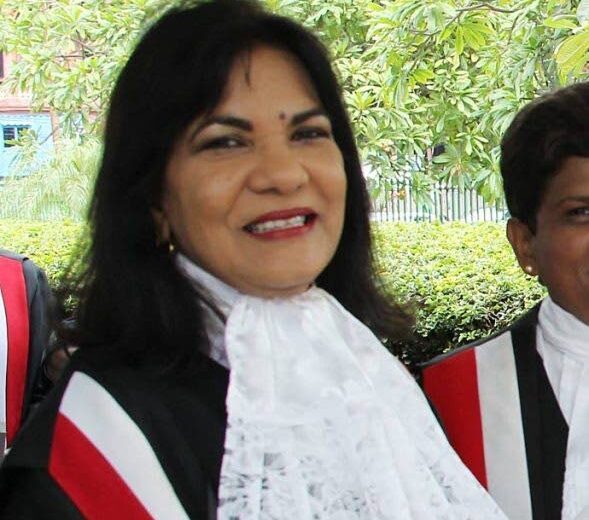
Five former residents of St Dominic’s Children’s Home have initiated a groundbreaking High Court lawsuit, alleging decades of physical and sexual abuse during their time at the institution. The claimants, represented by attorneys Christlyn Moore, Adana Joseph-Wallace, and Joshua Hamlet, have named the Roman Catholic Archdiocese of Port of Spain, the Attorney General, the Statutory Authorities Service Commission, and a former supervisor as defendants. The lawsuit, filed on October 10, seeks accountability for the systemic failures that enabled the abuse, which reportedly occurred between 1983 and 2006. The claimants argue that their delayed legal action stems from psychological trauma and a lack of awareness of their rights, citing the 1997 Sabga Report and the 2022 Jones Report as pivotal in their delayed recognition of the abuse. The lawsuit alleges that the defendants failed in their statutory and common-law duties to protect the children, leading to years of beatings, sexual assaults, and unsafe living conditions. The claimants are seeking damages for psychological trauma, lost educational and employment opportunities, and long-term mental health injuries. The defendants have denied liability, raising limitation defenses, and the High Court is expected to address the issue of delayed claims before proceeding with the case.
-
Squads set as Super50 Cup bowls off
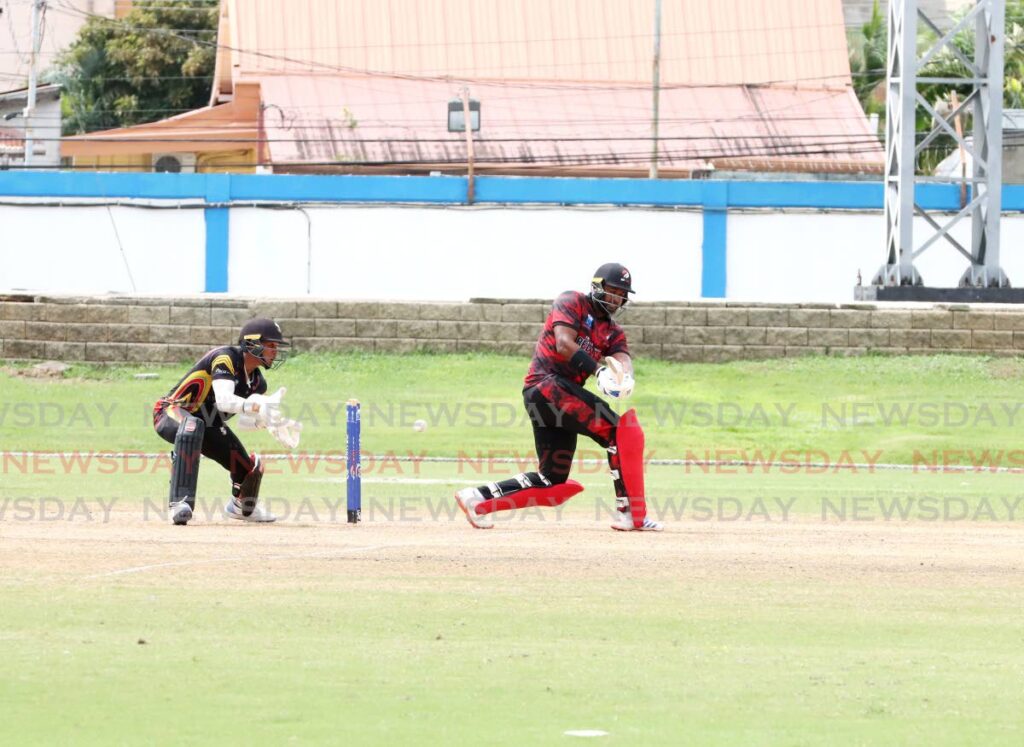
The much-anticipated CG United Super50 Cup 2025 commenced on November 19, with Trinidad and Tobago Red Force facing off against last year’s finalists, Barbados Royals, at the Sir Frank Worrell Memorial Ground in St Augustine. Simultaneously, Jamaica Scorpions clashed with Guyana Harpy Eagles at the Queen’s Park Oval in Port of Spain, while Windward Islands Volcanoes took on Leeward Islands Hurricanes at the Brian Lara Cricket Academy in Tarouba. The Red Force, defending champions since their 2023 victory, entered the tournament with a mix of seasoned players and promising newcomers. Despite missing key players like Akeal Hosein and Jayden Seales due to West Indies commitments, the team, led by captain Joshua Da Silva, showcased a blend of experience and youthful energy. The squad includes five debutants—Shatrughan Rambaran, Ricky Naipaul, Abdul Raheem Toppin, Cephas Cooper, and Navin Bidaisee—who impressed during trials and practice matches. Head coach Rayad Emrit and skipper Da Silva lauded their dedication and performance. The tournament’s opening day also saw a repeat of last year’s dramatic final, where heavy rain led to a double forfeit between the Royals and Scorpions, leaving no champion crowned. With high stakes and competitive spirit, the Super50 Cup promises thrilling cricketing action as teams vie for regional supremacy.
-
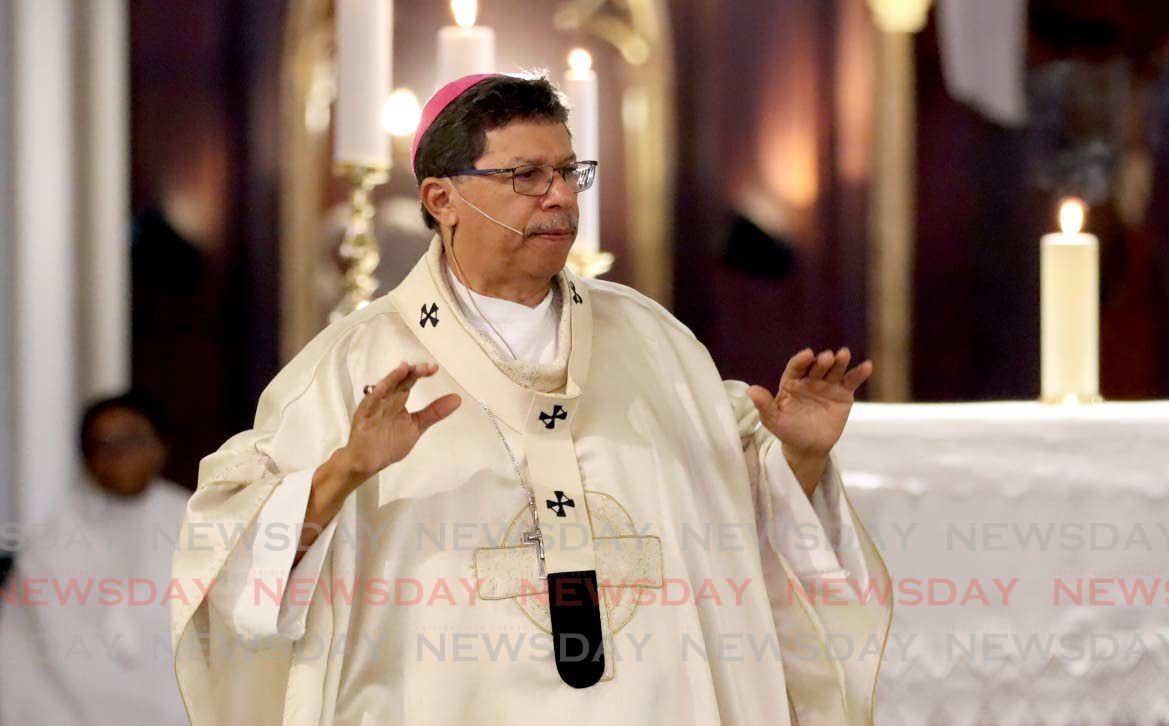
Catholic Church urges leaders: Calm the troubled waters
The Catholic Church has voiced strong opposition to Trinidad and Tobago’s (TT) government’s recent decision to conduct mass deportations of detained Venezuelan migrants. In a statement issued on November 17 by the Catholic Commission for Social Justice (CCSJ) of the Archdiocese of Port of Spain, the Church expressed solidarity with the Antilles Episcopal Conference (AEC), Archbishop Charles Jason Gordon, and the Conference on Theology in the Caribbean Today (CTCT). The CCSJ raised concerns over escalating geopolitical tensions in the Southern Caribbean, including lethal military strikes on vessels suspected of drug trafficking and the growing humanitarian crisis affecting migrants across the region. The Church warned that the Caribbean’s longstanding reputation as a ‘zone of peace’ is under threat, particularly with the significant presence of US military forces, including the USS Gerald R Ford, in the Caribbean Sea. The CCSJ urged regional leaders to prioritize dialogue over confrontation and to consider the potential repercussions of US President Donald Trump’s actions on TT and the wider region. The commission criticized the US naval operations near Venezuela, which have led to the deaths of 83 people since September, raising fears of extrajudicial killings. The CCSJ emphasized that such actions violate international human rights laws and Catholic teachings on the sanctity of life. While acknowledging TT’s right to secure its borders, the Church insisted on adherence to international law, particularly the principle of non-refoulement, which prohibits returning refugees to countries where they face persecution. The CCSJ also highlighted the closure of the UNHCR national office in TT, which has exacerbated the crisis by leaving thousands of migrants without access to registration or protection. The Church called for political restraint, regional unity, and diplomatic efforts to maintain peace. It urged Caribbean governments to prioritize humanitarian protection and to strengthen regional diplomacy. The CCSJ announced plans to expand partnerships with civil society to support migrants and refugees, emphasizing that they are ‘children of God’ and not political pawns. The commission recommended a pause on mass deportations, renewed engagement with UNHCR and the International Organization for Migration, and the incorporation of the 1951 Refugee Convention into TT law. Additionally, it called for public education to counter misinformation and promote solidarity, as well as collective action to safeguard human dignity.
-
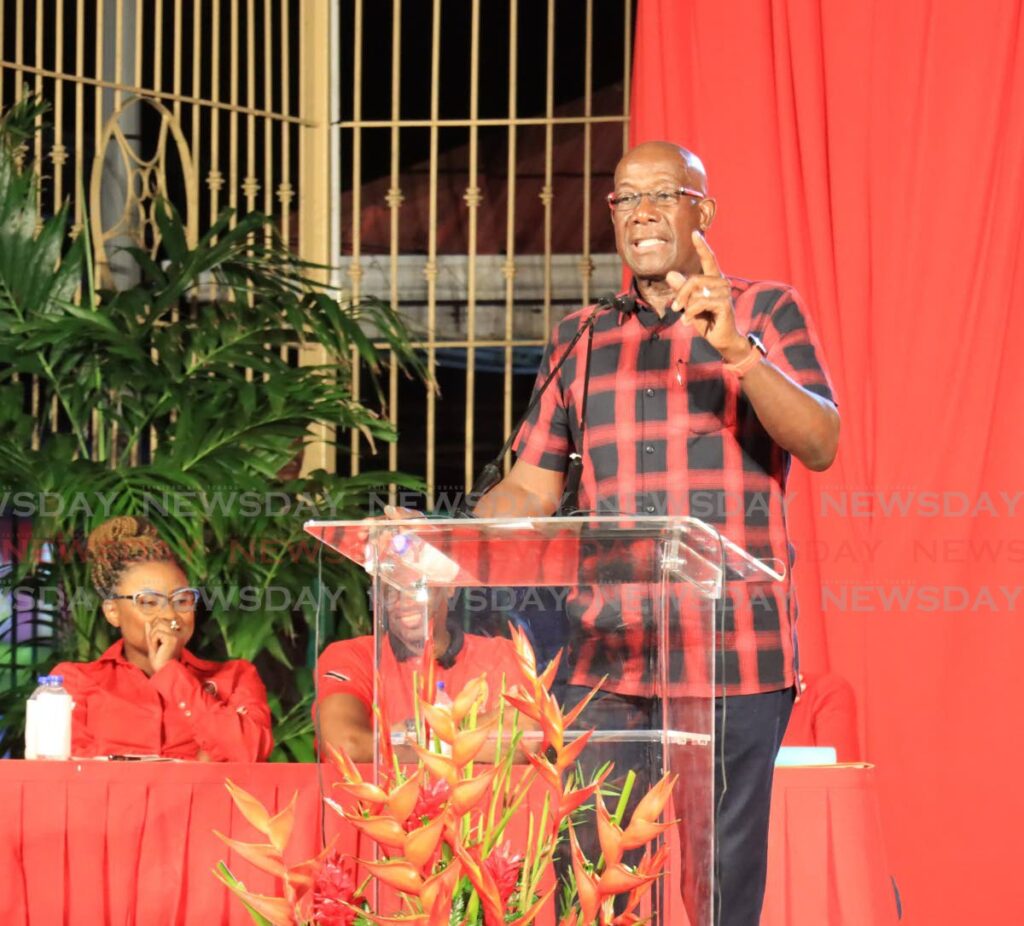
A tale of two PNM leaders
The recent actions of former Trinidad and Tobago Prime Minister and PNM leader, Dr. Keith Rowley, have sparked significant political discourse. On November 17, Dr. Rowley hosted a media conference at his Diego Martin residence under the banner of the ‘Office of the Former Prime Minister,’ a title that does not officially exist. This move has raised eyebrows and concerns about his intentions to institutionalize his post-retirement influence on public affairs. While Dr. Rowley, as a private citizen, retains the right to free expression, his frequent interventions and press conferences have created a sense of disarray within the PNM. Current Opposition Leader Pennelope Beckles appears increasingly sidelined as Dr. Rowley continues to dominate the political narrative. His prolific commentary, including numerous Facebook posts, contrasts sharply with Ms. Beckles’ more collaborative approach. This dynamic not only undermines her leadership but also weakens the PNM’s strategic coherence. The situation highlights a broader issue in democratic governance, where the presence of multiple figureheads can dilute a party’s message and effectiveness. Dr. Rowley’s persistent public presence, while legally permissible, raises questions about his political judgment and the legacy of his governance.
-
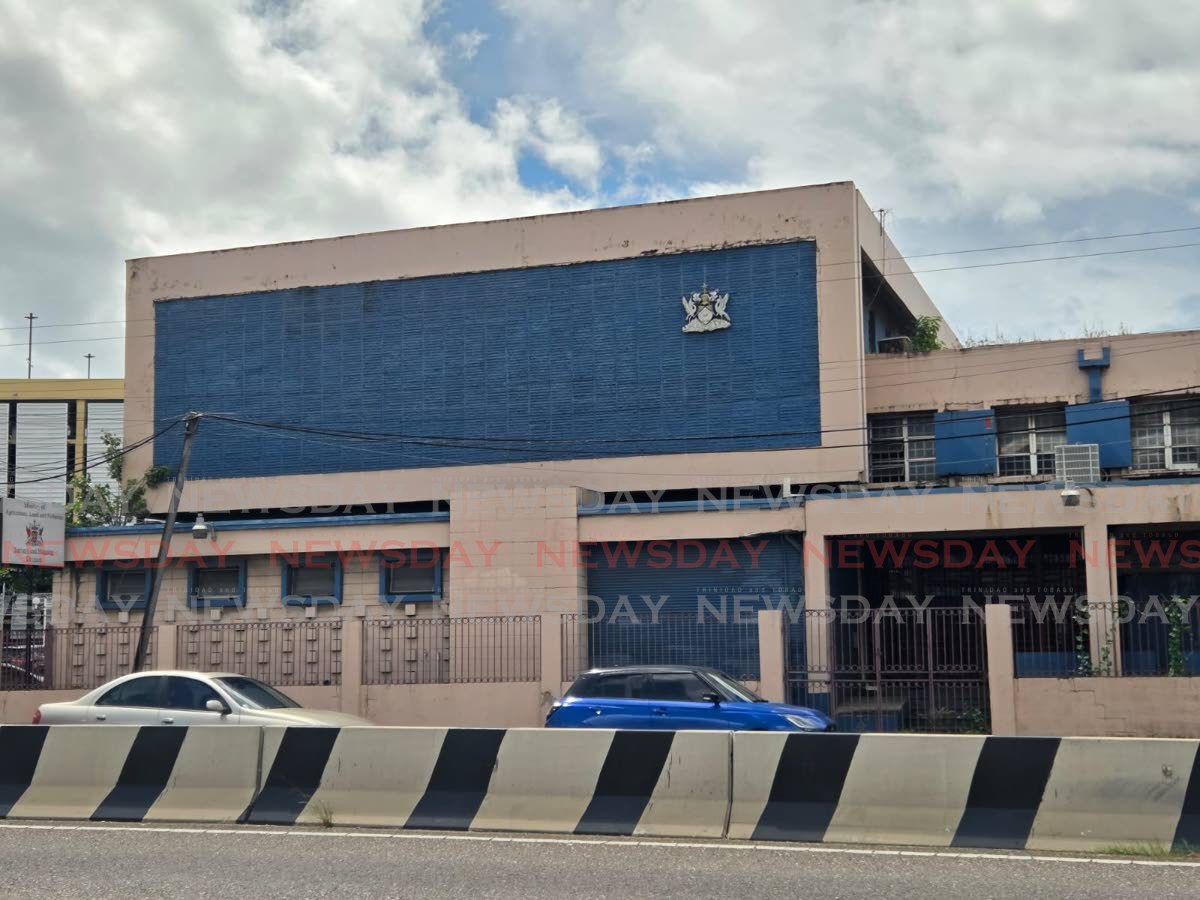
Body found in abandoned Agriculture Ministry building
The discovery of a decomposing body in an abandoned Ministry of Agriculture building in Port of Spain, Trinidad, has left authorities puzzled. On November 17, at approximately 6:30 am, an anonymous passerby alerted the Police Command Centre about a foul odor emanating from the old Surveys and Mapping Division building on Wrightson Road. Responding officers, granted access by an MTS official, found the severely decomposed remains of a man inside. The individual, of African descent with a rasta hairstyle, was shirtless and clad in brown long pants. Police noted no visible signs of violence on the body. The district medical officer declared the man dead and ordered the body to be transported to the Forensic Science Centre in St. James for an autopsy. Investigators remain uncertain how the man entered the building, as a lock was found on the front gate during a subsequent visit on November 19, with all doors and windows appearing secure. The Central Police Station has taken charge of the investigation, seeking to unravel the circumstances surrounding this mysterious death.
-

Fine Arts Market showcases new and emerging artists
The bi-annual Fine Art Market is set to transform The Anchorage in Chaguaramas into a vibrant hub of creativity on November 22, 2025, from 8 am to 7 pm. Organized by renowned artist Jacqueline Guzman, this one-day event will showcase over 60 local fine artists, each presenting a collection of original works that embody the spirit and soul of Trinidad and Tobago. From bold contemporary pieces to serene seascapes and evocative portraits, every artwork tells a uniquely Caribbean story. Since its inception, the Fine Art Market has successfully hosted nine exhibitions, with the most recent in May 2025, attracting art enthusiasts and collectors alike. This year’s event will feature notable artists such as Linda Goodridge, Malcom Charles, Kavir Motoo, and Roger Abiss, alongside emerging talents and students from local schools. Additionally, Trinidad and Tobago authors, including Donna Benny and Roma Saney, will display their latest literary works. Guzman emphasized the event’s mission to provide a platform for both emerging and established artists to exhibit and sell their work, while fostering a deeper appreciation for local art. The Fine Art Market promises an inspiring day filled with creativity, conversation, and Caribbean pride, welcoming seasoned collectors, casual admirers, and first-time buyers to share in the joy of discovery.
-
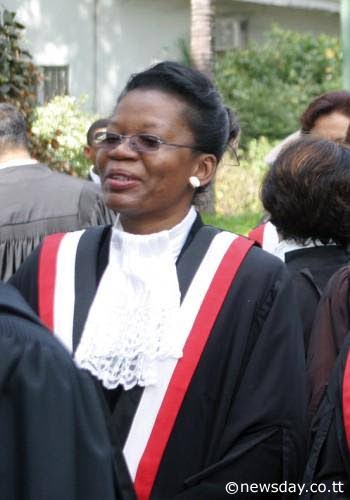
High Court awards TTEC estate constable $1.1m for wrongful dismissal
In a landmark ruling, Farad Mohammed, a former estate constable dismissed from the Trinidad and Tobago Electricity Commission (TTEC) in 2017, has been awarded over $1.1 million in damages. The High Court determined that his termination violated the company’s disciplinary code, marking a significant victory for Mohammed and the Estate Police Association (EPA).
Mohammed’s dismissal followed an internal disciplinary hearing in February 2017, where he was found guilty of tampering with company property. The incident occurred in October 2016 when Mohammed, while on patrol at TTEC’s Frederick Street offices in Port of Spain, noticed the emblem of a company vehicle had come loose. He claimed he placed it in his pocket to prevent it from falling off, intending to reattach it later. TTEC initially charged him with theft and tampering, though the theft charge was later dropped.
Mohammed and the EPA contested the dismissal, arguing that TTEC’s disciplinary code limited the penalty for a first-time tampering offense to a 30-day suspension with a threat of dismissal. However, the Special Tribunal upheld the termination in 2019, stating the code was merely a guide.
In 2020, Mohammed and the EPA, represented by attorneys Kevin Ratiram and Michael Rooplal, sought judicial review. On January 31, Justice Joan Charles ruled that TTEC was bound by its disciplinary code and lacked the authority to dismiss Mohammed. She overturned the tribunal’s decision, ordered his reinstatement, and directed a damages assessment.
During the assessment before Master Wrenerson Lochan, it was agreed that Mohammed’s lost earnings from 2017 to his reinstatement amounted to $924,656.79. TTEC’s legal team argued for a 40% reduction, citing Mohammed’s conduct, but his attorneys countered that the code prohibited dismissal, absolving him of responsibility. Lochan rejected TTEC’s request, ordering the full payment of $924,656.79, plus $87,355.73 in interest and $109,599 in costs, bringing the total award to over $1.1 million.
-
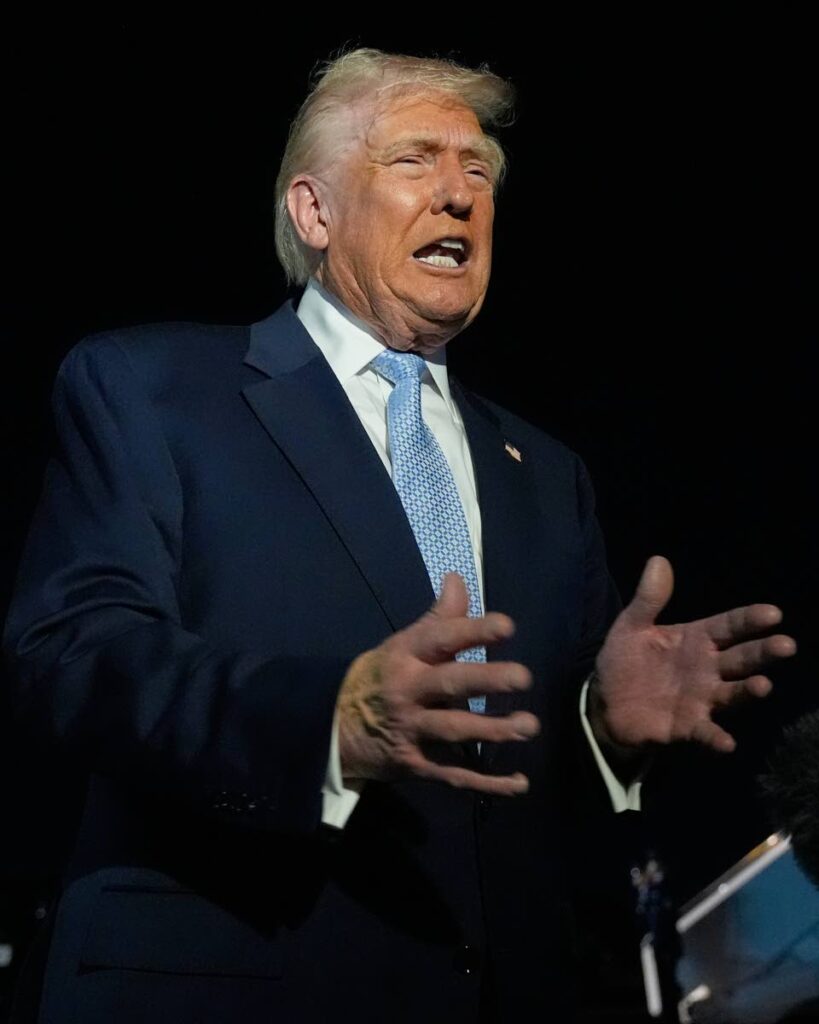
Trump’s Venezuela strategy collapsing
US President Donald Trump’s recent decision to launch missile strikes on suspected drug-trafficking boats in the Caribbean has ignited a firestorm of criticism, both domestically and internationally. Initially framed as a decisive move against organized crime, the operation has instead highlighted the limitations of unilateral military action and the perils of prioritizing force over diplomacy. The strikes resulted in 76 fatalities, yet the US has failed to provide concrete evidence linking the destroyed vessels to drug trafficking. This lack of transparency raises serious concerns about due process and the rule of law, principles that are foundational to any democratic society. The most striking reactions have come not from Trump’s critics but from his traditional allies. The UK, America’s closest partner, has ceased intelligence-sharing to avoid complicity, while Canada has distanced itself and Colombia has severed ties entirely. This widespread disengagement underscores the flawed nature of the strategy. Trump’s supporters argue that the strikes were necessary to protect American citizens, but such actions, devoid of legal justification, represent unchecked power rather than genuine security. History has repeatedly shown that wars waged on fear and instinct, rather than clear evidence, rarely yield positive outcomes. Equally troubling is the silence from Republican leaders, who once championed constitutional values but now turn a blind eye to extrajudicial killings carried out in America’s name. The global backlash is not an overreaction but a stark warning. When a nation forsakes transparency, legality, and alliances, it does not strengthen itself—it isolates itself. Trump’s promise of strength rings hollow when it lacks the support of allies, adherence to law, and a foundation of humanity. This episode marks the beginning of a decline, and the world is already witnessing it unfold.