标签: Trinidad and Tobago

特立尼达和多巴哥

  • PM defends taxes: Every pot to stand on its own bottom

    PM defends taxes: Every pot to stand on its own bottom

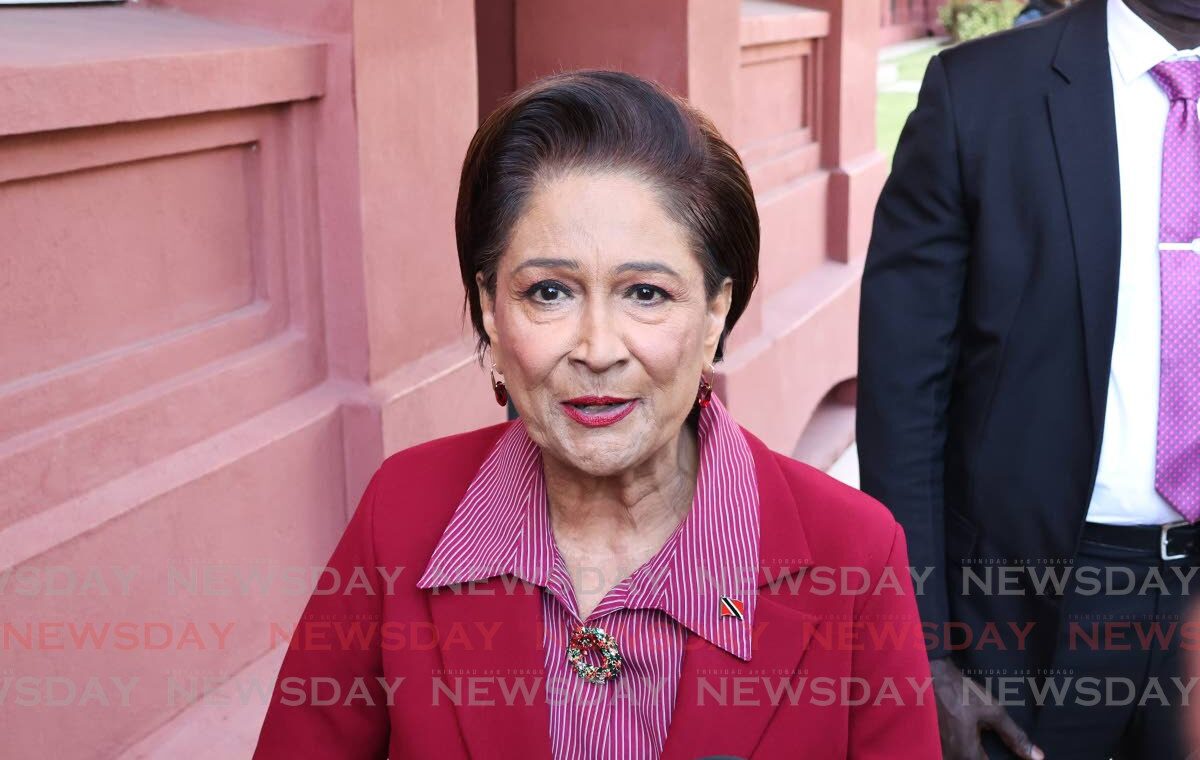
    Prime Minister Kamla Persad-Bissessar has mounted a vigorous defense of her government’s controversial tax reforms while delivering a stark assessment of Trinidad and Tobago’s social condition, characterizing the nation as a “lawless dump” in response to opposition criticism.

    The political leader articulated a philosophy of fiscal self-sufficiency, asserting that citizens should directly bear the costs of services they utilize rather than relying on collective taxation. “It is time for every pot to stand on its own bottom,” Persad-Bissessar declared, emphasizing her belief that taxpayers’ money should exclusively benefit those contributing rather than subsidizing services for others.

    Recent implementations include doubled bus-route toll fees, increased birth and death registration charges, and heightened customs fees—measures the Prime Minister justified as essential for governmental entities to achieve operational self-sufficiency. She challenged opposition claims from PNM leader Pennelope Beckles, who warned citizens to prepare for “economic hardship” and identified taxation as the government’s dominant theme leading toward 2026 elections.

    Persad-Bissessar provided pointed examples: “Why should a teacher from Mayaro pay taxes to subsidize bus route maintenance when he doesn’t use it? If you use the bus route, you should pay for it.” She extended this logic to birth registration—”If you make children, you should pay to register them”—and customs fees for importers seeking profit.

    Regarding the extended state of emergency, the Prime Minister adopted an unusually permissive stance: “Everyone is free to do what they want. The SoE is not restricting anyone. Feel free to drive recklessly and kill yourself if you want, feel free to encourage your children to smoke ganja and drink rum if you want.”

    The political leader accused the PNM of neglecting their own constituencies, citing poor garbage collection services despite available funding and describing opposition strongholds as areas with the highest murder rates, unemployment, and poorest infrastructure. “The PNM has never cared about their own supporters,” she stated.

    Persad-Bissessar concluded with a bleak national assessment: “The country is a lawless dump. And everyone contributed to it. That’s the truth,” while maintaining her commitment to improving conditions for law-abiding citizens across political affiliations.
  • High price of fiscal incompetence

    High price of fiscal incompetence

    The Trinidad and Tobago administration under Prime Minister Kamla Persad-Bissessar has unveiled a controversial fiscal strategy that critics are labeling as governance through punitive taxation rather than effective policy solutions. Effective January 1, 2026, the government will implement severe increases in traffic penalties—a move the Prime Minister justifies by citing public “lawlessness” and alleged “sub-par intelligence levels” among citizens.

    This policy reversal marks a stark departure from the administration’s previous stance. While in opposition, Persad-Bissessar vehemently criticized the former government’s demerit system as creating “hardship,” subsequently dismantling the mechanism upon taking office. The return of traffic chaos has now prompted a response that doubles fines rather than addressing infrastructure or transportation system deficiencies.

    Transport Minister Eli Zakour defends the measures as necessary for road safety, though conspicuously absent is any comprehensive mass transit plan or modernization initiative. Concurrently, Finance Minister Davendranath Tancoo has enacted Legal Notices 472 and 473, dramatically increasing customs fees through what the government terms “modernization” efforts.

    The most significant impact falls upon public transport operators, with maxi taxi tolls for the Priority Bus Route doubling to $600 quarterly without prior consultation. Route Two president Brenton Knights confirms that this unilateral decision signals the end of the “honeymoon phase” between transporters and the administration.

    These revenue-generation measures unfold against a troubling economic backdrop: Consolidated Energy Ltd has been downgraded to CCC+ junk-bond status, a $224 million debt maturity approaches, and natural gas supplies show only marginal improvements. Rather than addressing these fundamental economic challenges, the government has chosen to implement widespread fee increases that will inevitably raise consumer prices across all sectors.

    The Prime Minister’s Christmas message emphasizing “compassion” and “service” stands in stark contrast to policies that critics argue demonstrate creative bankruptcy in governance. The administration appears to be taxing citizens into compliance rather than governing them through effective leadership and strategic economic planning.

  • School fights in the spotlight

    School fights in the spotlight

    The Trinidad and Tobago Education Ministry has intensified its focus on addressing escalating conflict among teenagers and pre-teens that frequently escalates into violent outbursts within school settings. While school altercations are not a new phenomenon, their increasing frequency has prompted urgent ministerial attention.

    Analysis indicates that oversized classrooms significantly contribute to this troubling trend by hindering student familiarity and relationship-building. While reducing class sizes presents practical challenges, the Ministry recommends implementing structured programs to foster acquaintance and camaraderie among students. Educational experts suggest reviving bus excursions as a dual-purpose solution that simultaneously promotes national awareness and strengthens classroom bonds.

    Another proposed initiative involves establishing birthday clubs within classrooms, creating opportunities for celebratory gatherings that enhance peer relationships through shared experiences and delicacies.

    The deterioration of respect for school authority represents another critical concern, with teachers increasingly perceived as ordinary individuals rather than respected figures. In response to reported physical confrontations between educators and students, the Ministry recommends mandatory martial arts training for all teaching staff to provide non-violent conflict resolution skills.

    Regarding disciplinary approaches, officials emphasize that many students remain unaware that fighting carries similar legal consequences to weapon possession or drug offenses. The Ministry advocates for measured police intervention in school conflicts, recommending that most incidents be referred to parent-teacher associations for resolution.

    Developmental considerations highlight that adolescence often involves behavioral changes and violations beyond students’ conscious control, raising ethical concerns about administering custodial punishment for actions during this transitional period.

    With the approaching Carnival season anticipated to increase availability of harmful substances, the Ministry stresses enhanced drug awareness programs. Research consistently demonstrates that substance abuse correlates strongly with poor academic performance, increased absenteeism, and higher dropout rates.

    The World Health Organization underscores the critical importance of physical activity, revealing that 80% of adolescents fail to meet recommended activity levels. This inactivity contributes significantly to rising cases of hypertension and diabetes among youth, conditions previously associated primarily with adulthood.

    The Ministry proposes legislative mandates requiring all schools to employ trained physical education instructors, sports coaches, and qualified dietitians. Simultaneously, parents are urged to monitor and limit children’s screen time, particularly during weekends, to prevent sedentary lifestyles that exacerbate health risks.

  • Agostini Ltd’s group controller tenders resignation

    Agostini Ltd’s group controller tenders resignation

    In a significant corporate development, Trinidad and Tobago conglomerate Agostini Limited has announced the departure of Group Controller Trudy N Ramdath, effective January 5. The resignation was formally disclosed through a material change notice published by the TT Stock Exchange on December 30.

    The company’s board of directors confirmed Ramdath’s exit in compliance with Section 64(1)(b) of the Trinidad and Tobago Securities Act, 2021. The announcement, signed by Company Secretary Nadia James-Reyes Tineo and dated December 29, provided no explanation for the senior executive’s decision to step down.

    Ramdath originally assumed the group controller position on May 29, 2023, bringing with her substantial financial expertise gained over 17 years as chief financial officer at a prominent local enterprise. Her professional credentials include membership in both the Association of Chartered Certified Accountants (ACCA) and the Chartered Governance Institute.

    Agostini Limited operates as a regional conglomerate with extensive interests across three core sectors: pharmaceutical and healthcare, consumer products, and energy and industrial services. The company maintains operations in ten regional markets while exporting to over 20 additional countries, supported by a workforce exceeding 3,500 employees.

    The company’s leadership structure includes Christian Mouttet as chairman, Francois Mouttet as executive director, and Barry A Davis as chief executive officer. The board further comprises non-executive directors Reyaz W Ahamad, Wayne A Frederick, Caroline Toni Sirju-Ramnarine, Nicholas Sinanan, and Jorge Sequeira, alongside independent directors Lisa M Mackenzie, Joanna Banks, and T Nicholas Gomez.

  • Mash brakes on PBR toll hike

    Mash brakes on PBR toll hike

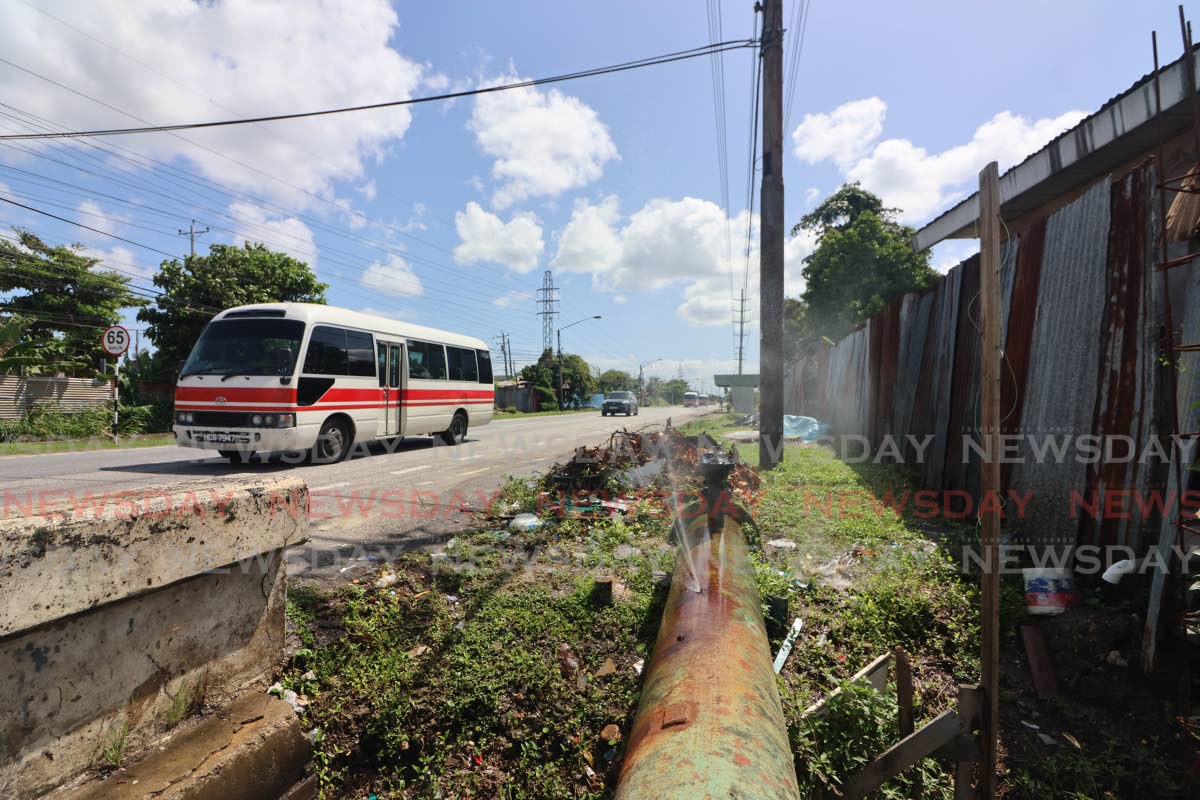
    The Trinidadian government’s sudden decision to double the quarterly toll for maxi-taxis utilizing the Priority Bus Route (PBR) has ignited widespread criticism from both transportation operators and commuters. Effective January 1, the toll surges from $300 to $600—a move implemented without prior consultation or warning via Legal Notice No. 475 on December 22.

    This toll adjustment, unchanged since 1988, arrives amid broader governmental efforts to enhance revenue streams and enforce traffic regulations through increased fines and duties. However, the abrupt nature of the hike has drawn sharp rebuke for its poor timing and lack of stakeholder engagement.

    In response, maxi-taxi drivers are contemplating fare increases, potentially raising short-drop fares from $5 to $8—a shift that has alarmed daily commuters already grappling with inflationary pressures. The move threatens to exacerbate living costs and contradicts governmental claims of sensitivity to public welfare, particularly following October’s reduction of super gasoline prices by $1 per liter.

    Critics argue that the toll hike lacks justification without corresponding improvements in infrastructure. Facilities such as City Gate in Port of Spain—described as outdated, insecure, and plagued by vagrancy and pollution—remain in deplorable condition. The terminal fails to meet basic accessibility standards for older adults and persons with disabilities, undermining any promise of enhanced services.

    Furthermore, questions arise regarding the allocation of the increased toll revenue. If directed to the Public Transport Service Corporation (PTSC), which manages related infrastructure, the hike might be palatable. Yet, no commitments to maintenance or upgrades have been disclosed.

    The decision also echoes past conflicts: fifteen years ago, the Privy Council ruled in favor of maxi-taxi drivers in a dispute over PTSC fees, with millions in damages still owed as of 2024. This historical precedent underscores the risks of imposing changes without dialogue or consensus.

    Unless the UNC-dominated Parliament annuls the legal notice, the toll increase will proceed, potentially igniting further dispute and hardship. The government is urged to reconsider its approach, balancing fiscal objectives with equitable public policy.

  • Missing fire officer found dead

    Missing fire officer found dead

    The Trinidad and Tobago fire service community is mourning the tragic loss of Fire Officer Bruce Lezama, whose body was discovered on December 30 along the Arima Old Road. The 47-year-old ambulance driver had been missing since Christmas Day, December 25, with concerns escalating when he failed to report for duty at the Northern Division headquarters on Wrightson Road, Port of Spain, two days later.

    The search for Lezama intensified after concerned relatives visited his Andy Estate residence off Bypass Road in Arima on December 28. They discovered his front gate and main entrance door both unsecured and open, with no indication of his whereabouts. Repeated attempts to contact him via mobile phone proved unsuccessful, adding to growing apprehensions about his safety.

    In a coordinated overnight search operation, fellow fire service personnel located Lezama’s body at the three-mile mark along Arima Old Road in the early hours of December 30. The discovery ended days of uncertainty and dashed hopes for his safe return among family members and colleagues.

    Authorities have launched a comprehensive investigation into the circumstances surrounding Lezama’s disappearance and death. The incident has sent shockwaves through the emergency services community, where Lezama was known as a dedicated ambulance driver serving the Northern Division. Colleagues have expressed profound grief over the loss of their comrade, while police continue to examine evidence to determine the events leading to this tragic outcome.

  • TTPost: No packages through registered mail

    TTPost: No packages through registered mail

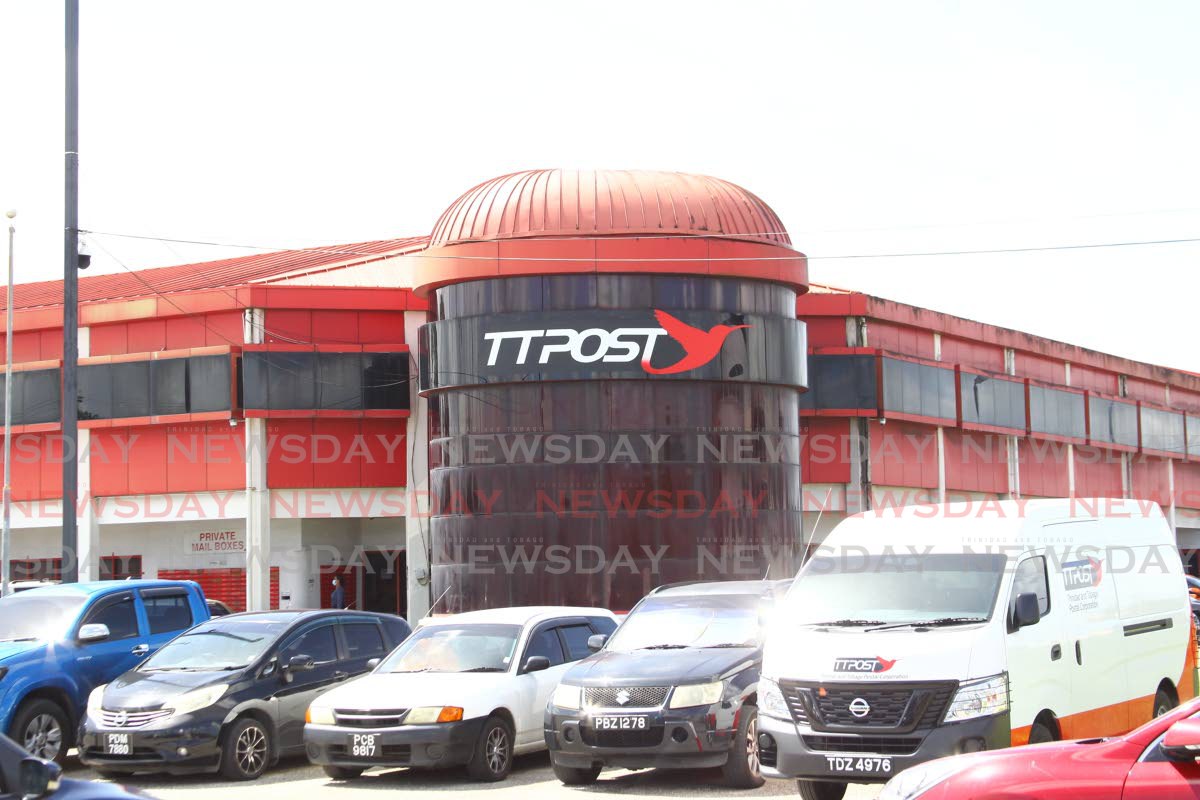
    A significant transformation in international mail services will take effect on January 1 as TT Postal Corporation (TTPost) implements sweeping changes to its International Registered Mail service. According to a December 29 announcement, the state mail carrier will exclusively process documents through this service, completely ceasing acceptance of both outbound and inbound goods and merchandise.

    This policy shift stems from a worldwide standardization initiative mandated by the Universal Postal Union (UPU), the specialized United Nations agency that coordinates postal policies among member nations. The UPU’s new regulations fundamentally redefine the scope of International Registered Mail, restricting it strictly to documents possessing no commercial value.

    Permissible items under the revised framework include legal documents, various certificates, and official correspondence. The prohibition extends to all merchandise and commercial goods, regardless of size or value.

    TTPost has directed customers seeking to ship commercial items toward their Parcel Post Service, which offers specialized handling mechanisms, comprehensive tracking capabilities, and proof of delivery features specifically engineered for items of commercial worth. The corporation emphasized that utilizing the appropriate service would prevent potential delays or forced returns of prohibited mailings.

    The postal service acknowledged potential disruptions during the transition period, extending apologies for any inconvenience while expressing appreciation for public understanding and cooperation. Customers seeking clarification may contact the Customer Service Department through multiple channels: telephone (774-1065, 773-6098, 773-6104), WhatsApp (774-0715), email (customer.service@ttpost.gov.tt), or the official website at www.ttpost.net.

  • All our eggs in one basket

    All our eggs in one basket

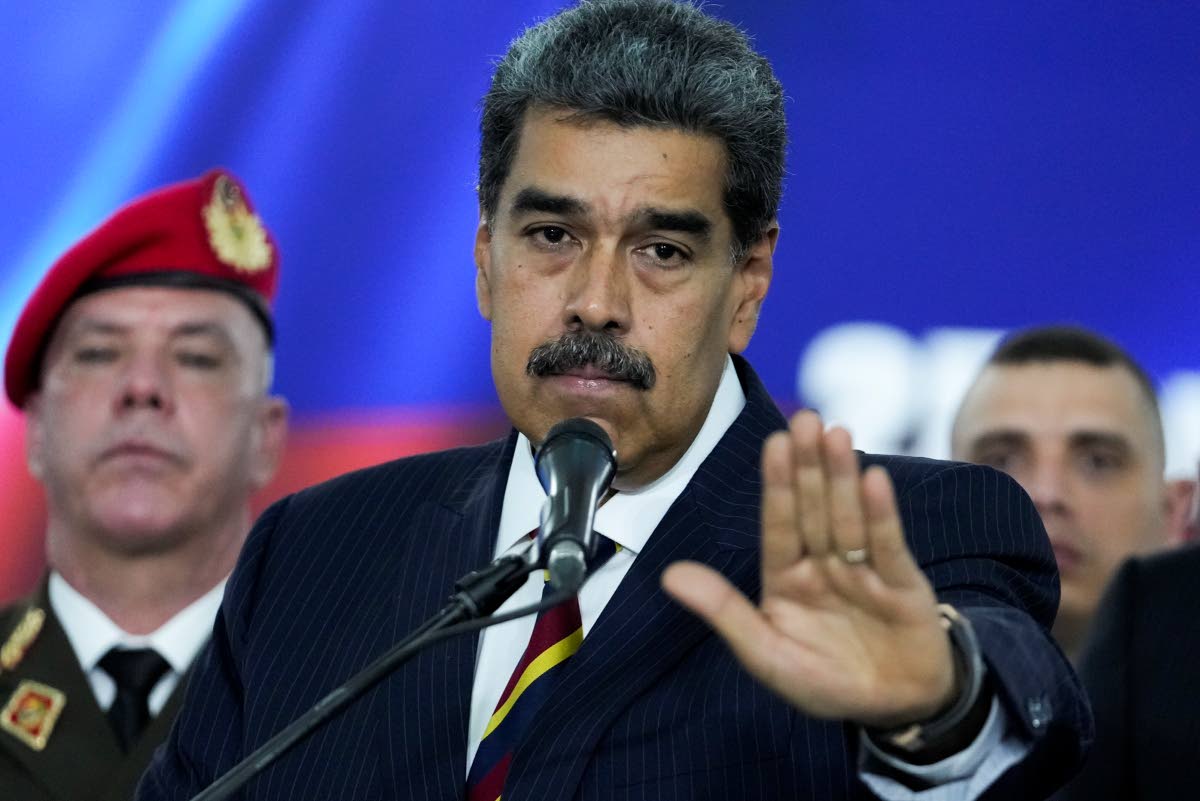
    A prominent Caribbean voice has raised serious concerns about the unsubstantiated nature of U.S. narco-terrorism charges against Venezuelan President Nicolás Maduro, suggesting they may serve as pretext for resource-driven regime change. In a compelling editorial analysis, the author notes that according to U.S. Drug Enforcement Agency data, 95% of narcotics reaching the United States transit via the Pacific seaboard from Colombia, Ecuador, and Honduras—not Venezuela.

    The timing of Washington’s recent release of convicted Honduran narco-trafficker and former president Juan Hernández—imprisoned for smuggling 400 tons of cocaine into the U.S.—further undermines the credibility of charges against Caracas, according to the analysis. These developments coincide with concerning military maneuvers, including the installation of advanced U.S. radar systems in Tobago and the interception of Venezuelan oil tankers.

    The editorial warns that Trinidad and Tobago’s alignment with American foreign policy risks damaging regional relationships throughout Caricom while offering questionable benefits. Should regime change efforts in Venezuela ultimately fail, the nation could find itself diplomatically isolated from neighboring states.

    The analysis further cautions about potential collateral damage from escalating tensions, including the possibility of Venezuelan forces targeting the Tobago radar installation if conflict erupts over intercepted tankers. While Trinidad’s energy sector remains under substantial U.S. influence, the population could nonetheless face unintended consequences from any military confrontation between Caracas and Washington.

    The author concludes that maintaining neutrality would have been the prudent course, acknowledging the considerable pressure facing the Prime Minister from both American officials and domestic political elements who have historically supported regime change in Venezuela.

  • Door open to all immigrants, government expands registration framework

    Door open to all immigrants, government expands registration framework

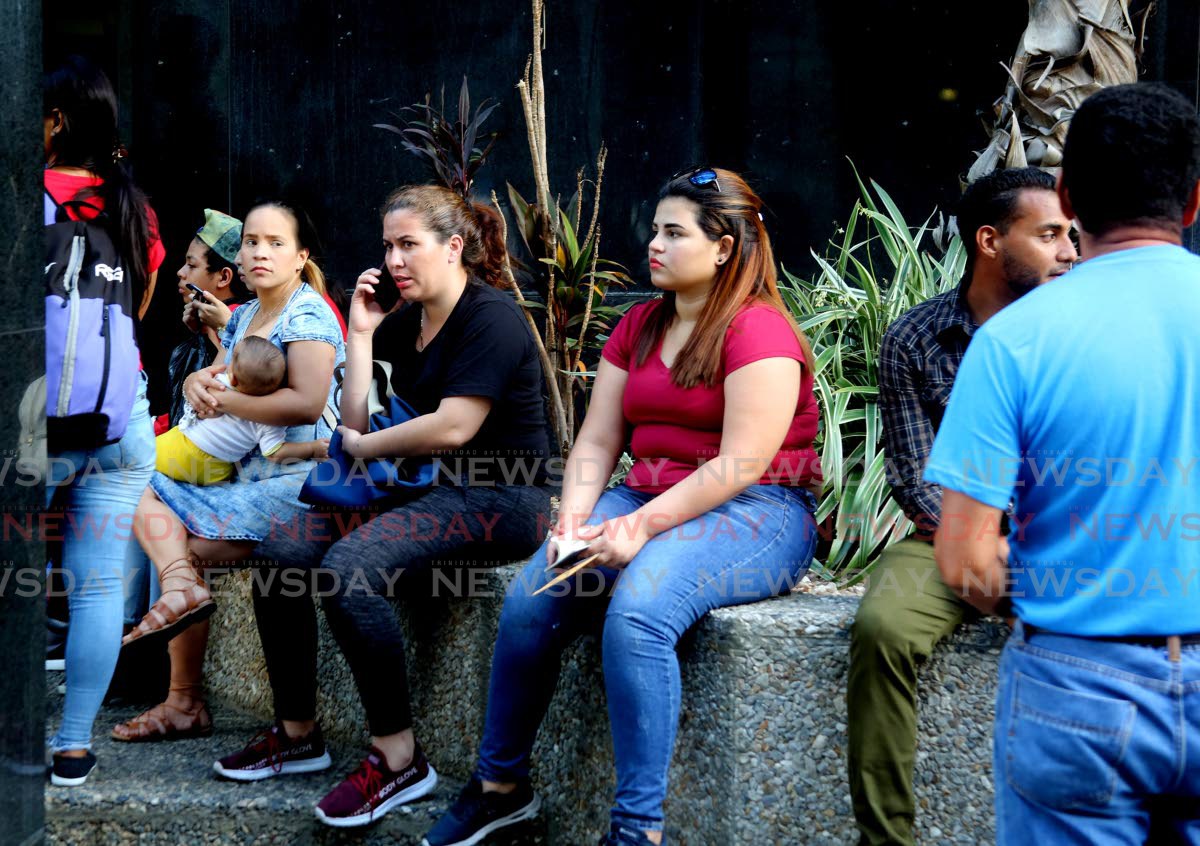
    The Trinidad and Tobago government has announced a significant expansion of its Migrant Registration Framework (MRF), extending eligibility to all undocumented migrants regardless of nationality from January 1 to September 30, 2026. This policy shift represents a strategic departure from the previous framework that exclusively accommodated Venezuelan nationals.

    Homeland Security Minister Roger Alexander will oversee the issuance of registration cards containing biometric data and personal information, enabling previously undocumented migrants to obtain legal residency and work rights. The government has simultaneously amended immigration regulations to include children of permit holders, ensuring family unity within the legal framework.

    The expansion has generated mixed reactions within migrant communities. Venezuelans, who constitute the largest migrant group with approximately 44,000 individuals, largely welcomed the initiative as protection against deportation. However, concerns persist regarding implementation details and ongoing diplomatic tensions between Trinidad and Tobago and Venezuela.

    Notably, the policy includes stringent provisions for deporting migrants with criminal records or deemed security risks. Cabinet has referred coordination of deportations to the Ministry of Foreign and Caricom Affairs for diplomatic engagement with relevant embassies.

    Civil society organizations including the La Casita Hispanic Cultural Centre have urged migrants to rely exclusively on official information channels while preparing necessary documentation. Meanwhile, community advocate Moises Perez Mcnish emphasized the economic contributions of skilled Venezuelan professionals in fields including medicine, engineering, and sports education.

    The policy revision has also addressed previous criticisms regarding unequal treatment of migrant groups. Dr. David Muhammad of the Black Agenda Project welcomed the inclusive approach, noting that African migrants had previously faced systemic disadvantages compared to Venezuelan counterparts during the 2019 registration process.

  • JMMB TT raises $.5m for Jamaica’s disaster relief

    JMMB TT raises $.5m for Jamaica’s disaster relief

    JMMB Trinidad and Tobago has successfully mobilized substantial financial support for Jamaican communities ravaged by Hurricane Melissa through its Corporate Social Responsibility initiative. The financial institution’s Disaster Relief Fund, branded as “One Love,” has accumulated more than TT$540,000 (approximately US$80,000) through a collaborative effort involving the JMMB Group, employee contributions, and public donations from Trinidad and Tobago citizens.

    The comprehensive fundraising initiative will channel all proceeds to The Joan Duncan Foundation, the philanthropic division of JMMB Group based in Jamaica. These resources will be strategically deployed to address critical recovery needs including residential repairs, reconstruction of community centers, and restoration of essential infrastructure severely compromised by the catastrophic hurricane.

    Chantal Pereira, Country Marketing and Communications Manager at JMMB Trinidad and Tobago, emphasized the organization’s philosophical approach: “At JMMB, we fundamentally believe in community solidarity and collective support during crises. This contribution demonstrates our dual commitment to both financial empowerment and the holistic wellbeing of Caribbean communities we serve.”

    The Joan Duncan Foundation brings established expertise in educational development, community programming, and disaster response coordination. This partnership ensures targeted allocation of resources to areas of greatest need, delivering both practical assistance and renewed hope to numerous affected families throughout Jamaica.

    Hurricane Melissa, recorded as the first Category 5 hurricane to make direct landfall in Jamaica, occurred between October 21 and November 4. The storm ranks among the most intense Atlantic hurricanes in recorded history, causing widespread devastation across multiple Caribbean nations, with Jamaica and Cuba experiencing particularly severe impacts.