
标签: Trinidad and Tobago

特立尼达和多巴哥

  • Central Bank: Protect foreign reserves, set proper conditions for growth

    Central Bank: Protect foreign reserves, set proper conditions for growth

    In its concluding monetary policy assessment for 2025, released on December 31, the Central Bank of Trinidad and Tobago has issued a cautious economic outlook for 2026. The institution emphasized the critical challenge of maintaining equilibrium between protecting the nation’s foreign reserves and cultivating conditions for sustainable economic expansion.

    The bank identified significant factors that could disrupt this delicate balance, particularly wage adjustments and aggregate demand pressures. Notably referenced was the ten percent salary increase for public servants implemented by the United National Congress following their April 28 general election victory, with partial disbursements commencing in December. These fiscal measures are projected to boost household incomes in coming months, potentially stimulating consumer activity.

    Against this backdrop, the Central Bank highlighted Trinidad and Tobago’s substantial import dependency, making the preservation of international reserves critically important. This warning comes alongside recent downward revisions of TT’s economic outlook by major rating agencies Moody’s and S&P, primarily citing declining foreign reserves.

    While acknowledging a modest stabilization in reserves—climbing from US$4.6 billion in October to US$5.3 billion by mid-December—the bank cautioned that significant challenges persist. International reserve adequacy indicators continue to warrant close monitoring.

    The report noted encouraging developments in the energy sector, with natural gas production witnessing an 11.7 percent year-on-year increase during Q2 2025. This resurgence was fueled by inaugural production from bpTT’s Cypre field and the bpTT/EOG Mento fields. Correspondingly, petrochemical outputs showed mixed results with ammonia and urea production expanding by 23.6 percent and 51.3 percent respectively, while methanol output declined by 12.7 percent.

    However, these energy sector gains were partially offset by continued softening in non-energy sector performance. The distribution, construction, and manufacturing industries demonstrated weaker results, though improvements were observed in finance and utilities.

    Financial conditions remain precisely balanced, with system liquidity constraints easing despite ongoing government borrowing and increased interbank activity. Commercial banks’ excess reserves at the Central Bank averaged $4.4 billion in November, rising to $5.3 billion by mid-December.

    Conversely, private sector credit expansion has moderated, growing at 6.3 percent year-on-year in October compared to 8.6 percent in June. This deceleration was attributed to more restrained business credit growth and slowed consumer lending, particularly in credit cards, automotive, and bridging finance.

    In response to these complex economic crosscurrents, the Monetary Policy Committee has maintained the repo rate at 3.5 percent. The Central Bank affirmed its readiness to implement necessary monetary policy measures to preserve the crucial balance between foreign reserve protection and fostering favorable funding conditions for domestic economic activity.

  • Opposition Leader: Preparation and renewal in 2026

    Opposition Leader: Preparation and renewal in 2026

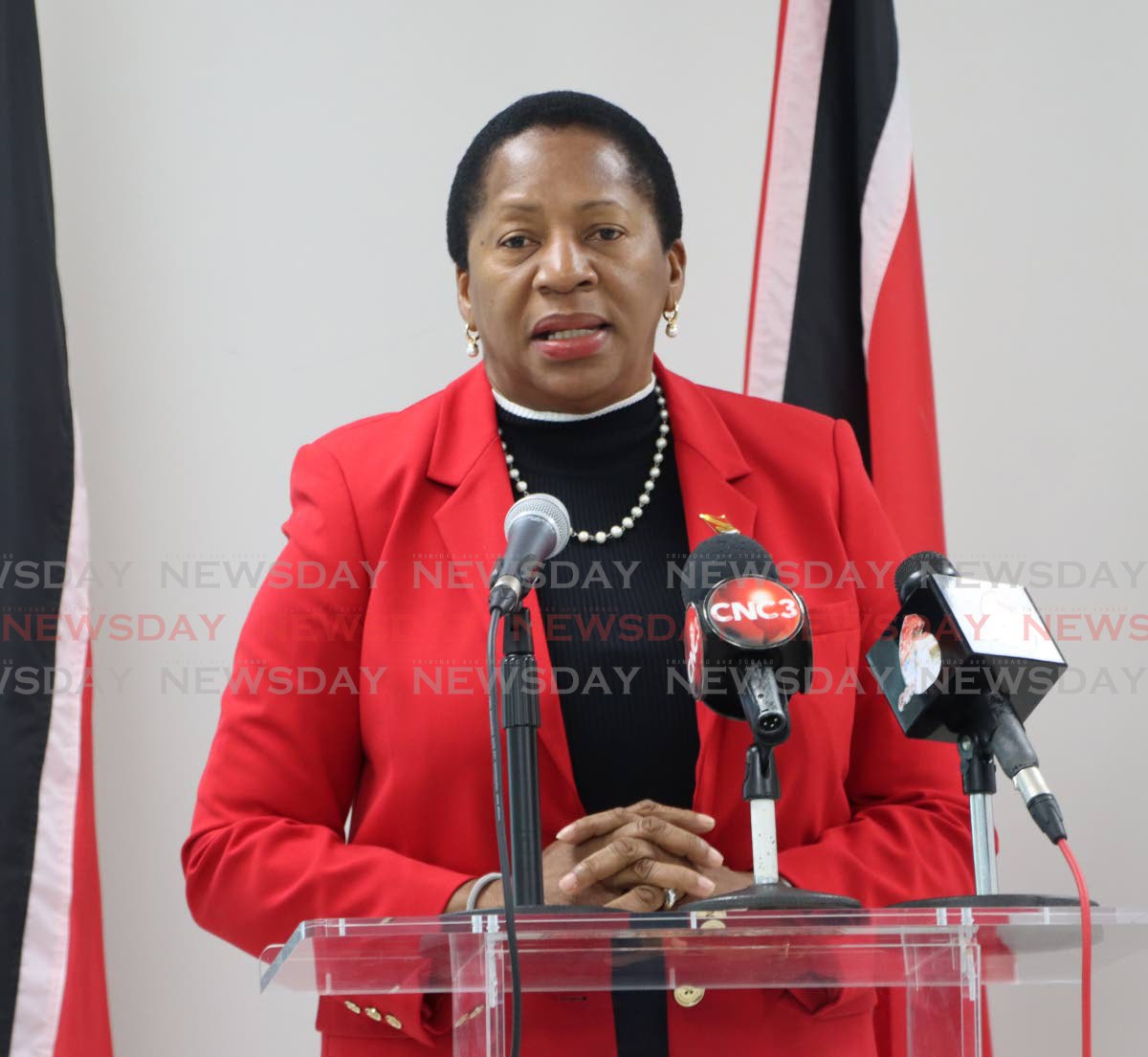
    In her New Year’s Day address, Opposition Leader Pennelope Beckles articulated the People’s National Movement’s strategic roadmap for 2026, emphasizing organizational preparation and structural renewal as core priorities. The first female political leader in PNM’s history declared the party’s fundamental objective involves rebuilding public trust in governance while ensuring optimal management of national resources for all citizens’ benefit.

    Beckles, who assumed leadership responsibilities in 2025 following the PNM’s electoral defeat, underscored her solemn duty to advocate for Trinidad and Tobago’s populace and maintain governmental accountability. The April 28 general election had resulted in a significant political shift, with the United National Congress securing 26 parliamentary seats against PNM’s 13, alongside two seats captured by the Third Party Platform.

    The Opposition Leader acknowledged profound national challenges throughout the past year, citing escalating living expenses, economic volatility, struggling small enterprises, and persistent criminal activity affecting citizens’ security. These realities, she emphasized, necessitate responsible leadership, clear vision, and reinvigorated dedication to national interests.

    Beckles reaffirmed her commitment to standing alongside citizens in defending their dignity and right to governance that serves rather than exploits. While recognizing the seriousness of existing challenges, she expressed confidence that disciplined leadership and national unity could overcome these obstacles.

    The New Year’s message highlighted the unique global moment where cultures, borders, and beliefs converge in shared anticipation of improved circumstances. Beckles extended greetings to domestic and international citizens, along with Caribbean and global communities, urging purposeful advancement into 2026 with collective dedication to creating a safer, more equitable, and prosperous Trinidad and Tobago.

  • Police urge adherence to traffic laws as road deaths fall

    Police urge adherence to traffic laws as road deaths fall

    Trinidad and Tobago Police Service (TTPS) has launched a renewed road safety initiative coinciding with substantial increases in traffic violation penalties effective January 1, 2026. The enforcement measures come despite celebrating a notable 12% reduction in road fatalities between 2024 and 2025, with deaths decreasing from 124 to 109 annually.

    Under recently amended provisions of the Motor Vehicles and Road Traffic Act’s Ninth Schedule, financial penalties for traffic offenses have escalated dramatically. High-risk violations now carry significantly heftier fines, including $6,000 for exceeding speed limits by more than 31 kilometers per hour and $10,000 for operating vehicles without proper insurance coverage.

    The most severe penalties target impaired driving, with first-time DUI offenses now drawing $24,000 fines and repeat violations reaching $45,000. These amendments represent the government’s strengthened approach to enforcing road traffic regulations and compelling motorists to exercise greater vigilance.

    In their January 1 media release, TTPS emphasized that while the reduction in fatalities marks progress, each preventable death remains unacceptable. The police service urged all road users to embrace shared responsibility for safety, emphasizing that compliant drivers form the foundation of secure roadways. The appeal for immediate adherence to traffic laws includes ensuring vehicles undergo proper inspections and maintain valid insurance certification.

    As Trinidad and Tobago enters the new year, law enforcement authorities emphasize that collective public cooperation remains essential to sustain the positive trend in road safety and further reduce traffic-related deaths nationwide.

  • No risk, no story: Keshorn credits coach for golden 2025

    No risk, no story: Keshorn credits coach for golden 2025

    In a remarkable career resurgence, Trinidad and Tobago’s javelin sensation Keshorn Walcott has ascended to the pinnacle of his sport once again, capturing the World Athletics Championships gold medal in Tokyo with a spectacular 88.16-meter throw on September 18, 2025. This triumphant achievement culminated an extraordinary season that began with uncertainty but transformed into glory through strategic coaching changes and mental transformation.

    The 32-year-old Olympic champion attributes his successful comeback to German biomechanics expert Dr. Klaus Bartonietz, whom he partnered with early in 2025. ‘I took a risk. As they say, no risk, no story,’ Walcott revealed during his acceptance speech after receiving Trinidad and Tobago Olympic Committee’s Sportsman of the Year award on December 29—his third such honor following previous wins in 2012 and 2016.

    Walcott’s journey to world championship gold required overcoming psychological barriers that had previously hindered his performance at global competitions. ‘I went to every World Championship believing it wasn’t for me,’ he confessed. ‘Most of the time, every World Championship year, I would be having some sort of injury or some sort of problems.’

    The Toco-born athlete described how a shift in mindset proved crucial: ‘This time, it was about really believing that it was possible. I just needed to make some small changes.’ This mental breakthrough, combined with Bartonietz’s technical expertise, created the perfect formula for success.

    With his world championship victory now complement his Olympic gold (2012) and bronze (2016), Walcott has set ambitious targets for the 2026 season. He aims to surpass the 90-meter barrier—a feat he previously accomplished a decade ago in Lausanne with a national record of 90.16m. The upcoming season presents multiple opportunities for excellence, including the Central American and Caribbean Games, Commonwealth Games, Diamond League circuit, and the inaugural World Athletics Ultimate Championship in Budapest.

    Despite his renewed success, Walcott maintains that no achievement can replicate the euphoria of his unexpected Olympic gold as a teenager in London. Nevertheless, he expressed profound gratitude for the recent recognition from his national Olympic committee, acknowledging the significance of having his dedication and hard work validated by the sporting community.

  • Rhino Waste Solutions and EVA Foundation spread clean holiday cheer

    Rhino Waste Solutions and EVA Foundation spread clean holiday cheer

    Rhino Waste Solutions, a division of Rotoplastics Trinidad Limited, has initiated a significant community outreach program focused on enhancing sanitation standards and environmental stewardship in southern Trinidad. The initiative, launched during the holiday season, involved the distribution of over 5,000 rolls of garbage bags to various communities within the Siparia and Fyzabad regions on December 11 and 17.

    The comprehensive program reached more than 15 educational institutions, religious organizations, and community groups. According to company representatives, this environmental initiative is designed to continue into the new year with plans to distribute an additional 7,000 rolls of garbage bags to 26 schools, orphanages, senior care facilities, and community organizations across southern Trinidad. The timing of these distributions aligns with the beginning of the new academic term to maximize impact.

    The corporate social responsibility effort is being conducted in partnership with the registered non-governmental organization EVA Foundation and enjoys support from Siparia West/Fyzabad councillor Jason Ali. The collaboration aims to address the seasonal increase in waste generation during the Christmas period when communities typically experience heightened disposal challenges.

    Councillor Ali emphasized that the donation would substantially augment the Siparia Borough Corporation’s waste management operations by providing residents with practical tools for more effective waste containment. Educational professionals from recipient schools noted that the contribution would support daily maintenance of clean and safe learning environments, as schools typically consume multiple garbage bags each day for sanitation purposes.

    This holiday initiative follows Rhino Waste Solutions’ previous collaboration with the Arima Borough Corporation in July, which involved the donation of four 65-gallon wheelie bins to support recreational facility revitalization projects. The company has indicated plans to expand similar donation programs to northern and central regions of Trinidad in the future.

  • Friends for the Road and TTSPCA partner for Carnival 2026

    Friends for the Road and TTSPCA partner for Carnival 2026

    In an innovative fusion of cultural celebration and social responsibility, the acclaimed Che Lovelace-directed J’Ouvert band Friends for the Road (FFTR) has established a groundbreaking charity partnership with the Trinidad and Tobago Society for the Prevention of Cruelty to Animals (TTSPCA) for Carnival 2026.

    This collaboration transcends conventional sponsorship arrangements, representing a philosophical alignment between contemporary Carnival expression and compassionate community engagement. Founded by renowned artist Che Lovelace and his creative collaborators, FFTR has evolved into a movement that harmonizes J’Ouvert’s ancestral traditions with meticulously curated modern Carnival experiences.

    The multi-faceted partnership will feature co-branded awareness campaigns, strategic donation collection points at FFTR events, and collaborative promotional content highlighting TTSPCA’s vital animal welfare mission. This initiative reflects the band’s core ethos that Carnival fundamentally serves as a ritual of connection—to cultural heritage, community bonds, and social consciousness.

    Band representatives emphasized that selecting TTSPCA as their official charity partner naturally extends their belief that Carnival should positively impact the broader community. The collaboration creates innovative avenues for masqueraders and supporters to contribute to animal welfare through accessible, celebratory channels during Carnival festivities.

    TTSPCA leadership expressed enthusiasm for the partnership, recognizing the unprecedented platform to amplify public awareness, enhance community engagement, and support their ongoing rescue and rehabilitation operations nationwide. As Trinidad and Tobago’s sole open-admission animal shelter, TTSPCA provides critical services including temporary care for abandoned animals, low-cost spay/neuter programs, and collaborative educational initiatives with other NGOs.

    Both organizations envision this partnership extending beyond Carnival 2026 into future initiatives that simultaneously uplift communities, protect vulnerable animals, and strengthen Trinidad and Tobago’s cultural fabric. The collaboration demonstrates how traditional celebrations can evolve to incorporate meaningful social impact while maintaining their essential cultural character.

  • Social safety the key to unlocking future investments

    Social safety the key to unlocking future investments

    Trinidad and Tobago stands at a critical economic crossroads as it enters 2026, with escalating petty crime emerging as a significant barrier to its potential as a Caribbean economic hub. Despite possessing substantial natural resources, strategic geographic positioning, and a dynamic cultural landscape, the nation faces mounting security challenges that undermine investor confidence and constrain national development.

    While violent crimes typically capture media attention, the persistent prevalence of everyday offenses—including vehicle break-ins, residential burglaries, bag-snatching incidents, and fraudulent activities—is progressively damaging Trinidad and Tobago’s international reputation. This pattern of criminal activity is influencing perceptions not only among citizens but within the global business community, where security considerations are becoming increasingly central to investment decisions.

    The country’s established industrial foundation, robust energy sector, and access to international trade routes have long positioned it as one of the Caribbean’s most promising economies. However, in discussions spanning from corporate boardrooms in Port of Spain to international investment forums, concerns about personal and property safety now feature prominently alongside traditional business considerations. Executives and investors are increasingly inquiring about employee security, customer safety, and operational continuity.

    Recent crime statistics reveal a troubling upward trajectory in urban centers including downtown Port of Spain, Laventille, Beetham Gardens, Sea Lots, and Cocorite. Over the past two years, reported incidents of robbery, vandalism, and commercial property crimes have increased substantially, with property crime levels remaining persistently elevated. Local residents consistently identify theft and home invasions among their primary safety concerns, while business owners report recurring losses that impact profitability and expansion plans.

    The economic implications extend beyond immediate financial losses. Security concerns directly influence operational predictability and costs, deterring investment in technology parks, logistics hubs, and hospitality infrastructure. Companies hesitate to commit resources when employee safety during commutes appears uncertain, customer foot traffic may decline due to safety perceptions, and insurance premiums continue rising in response to crime patterns.

    International benchmarks highlight these challenges. The 2024 Legatum Prosperity Index ranked Trinidad and Tobago 56th overall, acknowledging strengths in personal freedom and living conditions while noting concerning performances in safety and security (84th), investment environment (79th), and enterprise conditions (98th). These metrics underscore how security perceptions directly impact business confidence and economic competitiveness.

    Domestically, small and medium enterprises demonstrate heightened caution, delaying expansion plans, limiting operating hours, and reducing reinvestment due to security concerns. This restrained business activity suppresses innovation, constrains job creation, and weakens consumer spending—creating a cycle that affects broader economic vitality.

    Addressing these challenges requires comprehensive strategies combining modern policing methodologies, judicial reforms, and community engagement. Data-driven law enforcement deployment, enhanced surveillance capabilities, and neighborhood-based initiatives have demonstrated effectiveness in other Caribbean nations, where crime reduction has correlated with increased tourism and foreign investment. Parallel reforms in judicial processing of minor offenses could reinforce rule of law perceptions and deter criminal behavior.

    Ultimately, public safety represents both a social imperative and an economic necessity. Collaborative efforts involving government agencies, private sector organizations, and community groups can rebuild trust and reduce risks. Simultaneously, youth education and employment initiatives address underlying socioeconomic factors contributing to criminal activity while investing in national human capital development.

    For Trinidad and Tobago to fully realize its potential as a Caribbean gateway, security must become foundational to its development strategy. Through coordinated action against petty crime, the nation can enhance its international standing, attract diversified investment, and establish conditions for sustainable prosperity—positioning itself not merely as economically competitive but as globally respected.

  • Real fireworks curfew test

    Real fireworks curfew test

    As midnight celebrations approach, concerns mount over the effectiveness of fireworks restrictions despite official curfew measures. Gordon Laughlin, in a letter to Newsday editors, predicts widespread public noncompliance with established time limits, highlighting the perennial gap between regulation and real-world enforcement.

    The concise yet pointed correspondence, submitted electronically just 25 minutes prior to publication, questions the fundamental premise of time-based fireworks prohibitions. Laughlin’s observation centers on the predictable pattern of celebratory excess continuing well beyond mandated cutoff times, suggesting this year’s celebrations will follow the same trajectory of previous years.

    Enforcement capabilities rather than legislative frameworks emerge as the critical factor in determining the success of noise and safety regulations. The letter implies that without visible and consistent enforcement presence, even well-intentioned restrictions become merely symbolic gestures. This critique touches upon broader themes of civic responsibility, the psychology of public compliance, and the practical challenges of regulating celebratory behavior during communal events.

    The timing of this publication, appearing on the eve of celebrations, adds urgency to its message regarding the implementation of public safety measures during high-intensity celebratory periods.

  • Why we need more hope in 2026

    Why we need more hope in 2026

    As the year concludes with traditional exchanges of goodwill and personal resolutions, Dr. Jamelia Harris examines the profound role of hope as both individual virtue and collective societal force. While hope has long been recognized in theological contexts as an active motivator that sustains effort and prevents despair, its manifestation at the societal level represents a shared belief in achievable progress through combined efforts.

    Political strategists have consistently leveraged this powerful emotion, as evidenced by campaign slogans from Barack Obama’s “Yes We Can” to Donald Trump’s “Make America Great Again.” Trinidad and Tobago’s political landscape similarly reflects this pattern, with Dr. Keith Rowley’s 2015 “Let’s Do This” and Kamla Persad-Bissessar’s 2025 “When UNC wins, everybody wins” both tapping into collective optimism—though with varying degrees of credibility.

    Recent research across Caribbean labor markets reveals striking regional contrasts. During studies conducted with university students in Barbados, Guyana, Jamaica, and Trinidad, Guyanese students emerged as uniquely optimistic about post-graduation employment prospects. This sentiment aligns with Guyana’s extraordinary economic performance, including its world-leading 44% growth in national output during 2024. Beyond statistical indicators, conversations across Guyanese society—from taxi drivers to trade unionists—consistently reflected this collective confidence in a brighter future.

    Trinidad and Tobago presents a concerning counter-narrative where collective hope appears to be steadily diminishing. Labor market engagement has reached historic lows, with participation rates declining from 61.8% in 1984 to 55.1% currently. This trend is particularly pronounced among male workers, whose participation has plummeted from over 80% to just above 60%, while female engagement remains below 50% despite slight improvements.

    The erosion of collective engagement extends beyond economic spheres. Democratic participation has deteriorated significantly, with 2025 voter turnout hitting a record low of 54% compared to 66.8% in 2015. Simultaneously, civic engagement through charitable organizations has declined from 13.7% during 2005-2009 to 9.6% in the 2010-2014 reporting period according to World Values Survey data.

    These interconnected trends create a dangerous feedback loop: diminishing hope reduces collective engagement, which subsequently worsens socioeconomic conditions, further eroding hope. Breaking this cycle requires concerted national effort and serious engagement with fundamental questions about national identity, shared aspirations, resource allocation, and inclusive development strategies.

    Dr. Harris concludes with a hopeful aspiration for 2026: that Trinidad and Tobago might begin earnestly addressing these essential questions about its collective future.

  • Marchin Patriots land Kamil Pooran for 2026 cricket season

    Marchin Patriots land Kamil Pooran for 2026 cricket season

    In a strategic move ahead of the 2026 TT Cricket Board Premiership I season, Bess Motors Marchin Patriots have secured the signature of dynamic Trinidad and Tobago Red Force opening batsman Kamil Pooran. The 29-year-old right-handed batter brings substantial first-class experience to last season’s runners-up, having featured in eight First-Class matches and four List A appearances throughout his career.

    Pooran’s acquisition represents a significant coup for the Patriots, as the explosive batsman played pivotal roles in Central Sports’ consecutive Premiership I championship victories in 2024 and 2025. His recent form has been particularly impressive, highlighted by a match-winning performance in the inaugural West Indies T20 Breakout League final where he smashed 73 runs from just 44 deliveries to propel TT Legions to the title. Additionally, Pooran contributed to Trinidad and Tobago’s silver-medal campaign at the recent Bolivarian Games in early December.

    The Patriots officially announced the signing through their social media channels on December 18, expressing enthusiasm about their new acquisition. The club’s statement emphasized Pooran’s proven track record as a pressure player ready for the big stage, noting that his addition would substantially enhance both the quality and depth of their batting lineup while elevating team standards.

    This signing strengthens an already formidable Patriots squad that features multiple award-winning performers, including Evin Lewis—last season’s Premiership I Cricketer of the Year who amassed over 600 runs—and Kashtri Singh, both of whom were among the league’s top five cricketers for the 2025 campaign.

    The 2026 TT Cricket Board Premiership I season is scheduled to commence on January 24, with the reinforced Marchin Patriots positioned as strong contenders for the championship.