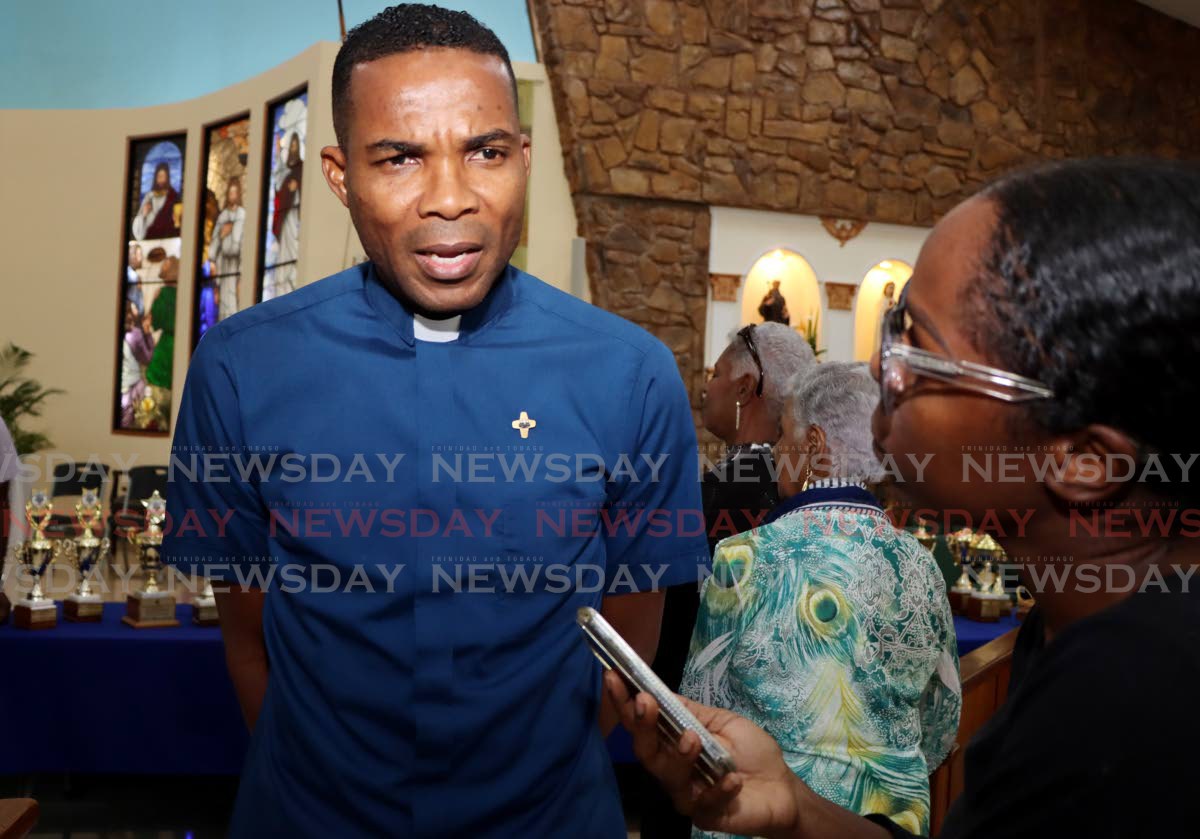
In the wake of a recent robbery at St Benedict’s RC Church in La Romaine, Trinidad and Tobago, Fr Jayson Grell has pointed to a deterioration in family values as a significant factor contributing to the surge in crime. The incident, which occurred on November 24, involved the robbery of Fr Derek Anton, 69, and a 22-year-old security guard. The criminals, dressed in dark clothing and masks, tied up both victims and ransacked the church premises, making off with cash and personal belongings. This event is part of a troubling pattern of crimes targeting clergy members in the region. Fr Grell emphasized the need for societal introspection and collective action to address the root causes of such crimes, stressing the importance of parental involvement in children’s upbringing and the reinforcement of gospel values. The Archdiocese of Port of Spain has confirmed the incident and is cooperating with the police investigation, urging prayers for the victims and all those affected by crime.
标签: Trinidad and Tobago
特立尼达和多巴哥
-

Jorsling: Army must find a way to Champions Cup
Defence Force’s interim coach, Devorn Jorsling, emphasized the importance of securing a positive result in the first leg of the Concacaf Caribbean Cup third-place playoff against Cibao FC from the Dominican Republic. The match, scheduled for November 25 at the Hasely Crawford Stadium in Mucurapo, holds significant stakes, as the winner will secure a spot in the 2026 Concacaf Champions Cup. The Caribbean Cup finalists, Mount Pleasant Football Academy and Universidad O&M FC, have already qualified for the Champions Cup and will play their first leg on the same day. The return legs for both the third-place playoff and the final are set for December 2. Defence Force, coming off a 5-1 defeat against Mount Pleasant in the semifinals’ first leg, showed resilience by winning the second leg 1-0. Jorsling acknowledged the need for a strategic shift in their approach, stating, ‘We’re not going to park the bus, but the approach will be different.’ He reiterated the team’s primary goal of qualifying for the Concacaf Champions Cup, a target that remains achievable. Veteran defender Sheldon Bateau, who joined the team in September, highlighted the challenges of adapting to local football after a decade in Europe. He expressed his commitment to mentoring younger players and elevating the team’s performance. The 21-man squad includes notable players like Kevin Molino, Kevon Goddard, and Shaquille Bertrand, who will be crucial in their quest for victory.
-
Amputations: A national crisis in Trinidad and Tobago
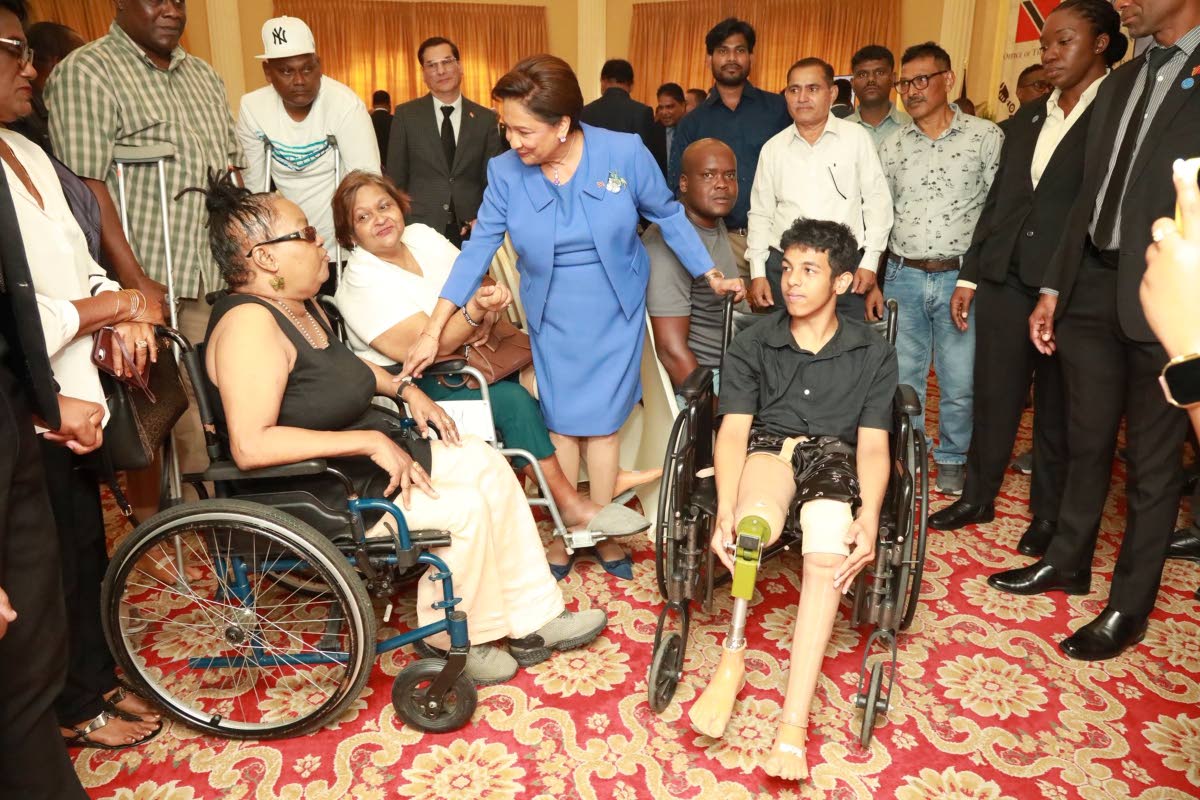
Trinidad and Tobago is confronting a growing health crisis characterized by a sharp increase in amputations, primarily driven by diabetes and vascular disease. Dr. Lemuel Pran, a consultant vascular surgeon and lecturer at the University of the West Indies (UWI), revealed that approximately 400 amputations are performed annually, based on a comprehensive study conducted between 2019 and 2023 across regional health authorities. Dr. Pran, who specializes in carotid surgery and diabetic foot management, described the situation as urgent and deeply concerning, emphasizing that the rate of amputations is alarmingly high compared to both regional and international benchmarks. The leading causes of amputations are infections in diabetic patients, accounting for 80% of cases, followed by vascular disease, trauma, and limb cancers. Delayed medical intervention, exacerbated by the use of home remedies and lifestyle factors such as poor diet and lack of exercise, significantly contribute to the crisis. Dr. Pran called for a multi-level approach to address the issue, stressing the need for improved public awareness, early detection, and better access to healthcare services. He also highlighted the challenges faced by amputees, including limited access to prosthetics and the emotional toll of losing a limb. In a positive development, Prime Minister Kamla Persad-Bissessar announced the establishment of an artificial limb center in Trinidad and Tobago, supported by India, which aims to provide prosthetic limbs to over 800 individuals. Dr. Pran urged citizens to prioritize their health, seek timely medical care, and pay attention to foot health to prevent complications.
-
Army whip Cibao 3-0, near Concacaf Champions Cup berth
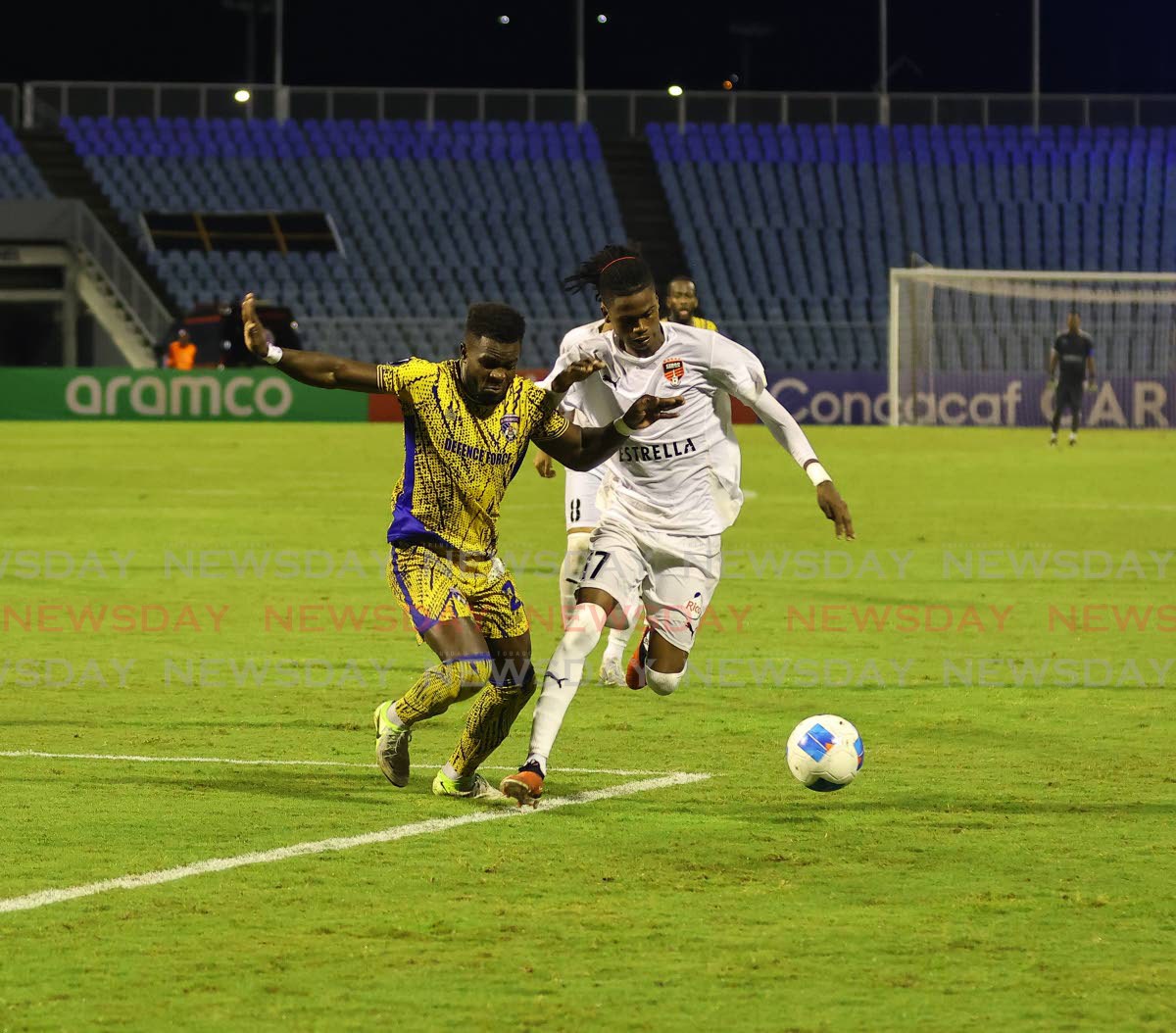
In a commanding display of skill and strategy, Defence Force FC triumphed over Cibao FC with a decisive 3-0 victory in the first leg of the Concacaf Caribbean Cup third-place playoff. The match, held on November 25 at the Hasely Crawford Stadium in Mucurapo, saw Defence Force’s seasoned players, Sheldon Bateau and captain Kevin Molino, lead the charge. This win positions the Trinidadian club favorably as they aim to secure a spot in the 2026 Concacaf Champions Cup. The return leg is scheduled for December 2 in Santiago de los Caballeros, Dominican Republic, where Cibao FC will attempt to overturn the deficit. The game was marked by contentious refereeing decisions, including a disallowed goal for Cibao in stoppage time, which added to the visitors’ frustrations. Defence Force’s goalkeeper, Isaiah Williams, delivered a stellar performance, ensuring a clean sheet with several crucial saves. The team’s tactical approach, leveraging deep midfield passes and clinical finishing, proved effective against Cibao’s defense. Molino’s leadership was evident as he contributed both a penalty goal and an assist, while Bateau’s early header set the tone for the match. Despite Cibao’s efforts, Defence Force’s defensive solidity and efficient midfield play ensured their dominance throughout the game.
-
Not goingback to thecolonial era
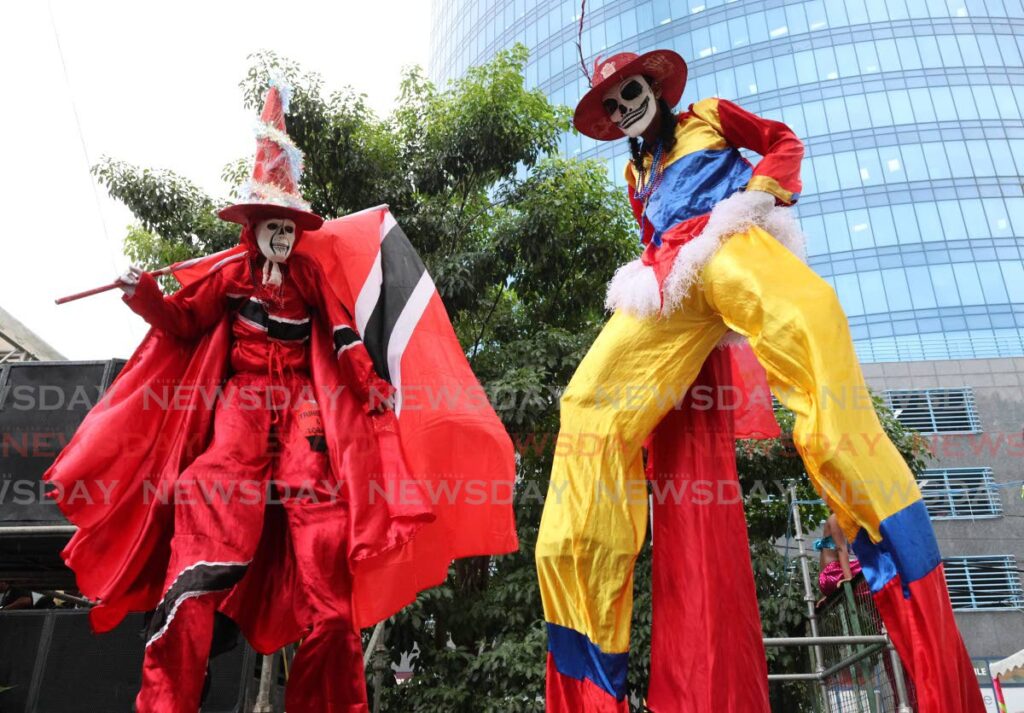
In Trinidad and Tobago (TT), a troubling trend is emerging, one that echoes the oppressive tactics of slavery and colonial rule. Recent restrictions on cultural events, inconsistent treatment of national celebrations, and the tightening of public expression are raising alarms. These measures are not indicative of modern governance but rather a regression to control mechanisms of the past. Carnival, Canboulay, stick-fighting, and pan—cultural traditions born out of resistance to oppression—are now under threat. These practices were created by people who were denied the right to celebrate, participate, and claim joy. When governments begin to limit, zone, or selectively approve cultural expression, they touch the deepest part of our history, where our ancestors fought for the right to exist openly. Alongside these cultural restrictions, harsh economic retrenchments, cuts to youth programs, and a lack of communication from national leadership are exacerbating the situation. Thousands of families are facing economic uncertainty, and young people, already grappling with violence, mental strain, unemployment, and social pressure, are losing the support systems designed to help them. The government’s withdrawal from social development, closure of youth spaces, and restrictions on cultural expression are creating a climate of frustration, hopelessness, and division. A nation cannot claim to be moving forward while dismantling the pillars that hold its people together. Culture, youth development, and fairness are lifelines, and all three are now under threat. These decisions are not ordinary; they carry weight and memory. TT has fought too long and too hard to reclaim its identity, expression, and equal cultural respect for any administration to erode it, intentionally or not. We must resist this regression, not quietly, not blindly, but with determination and resolve.
-
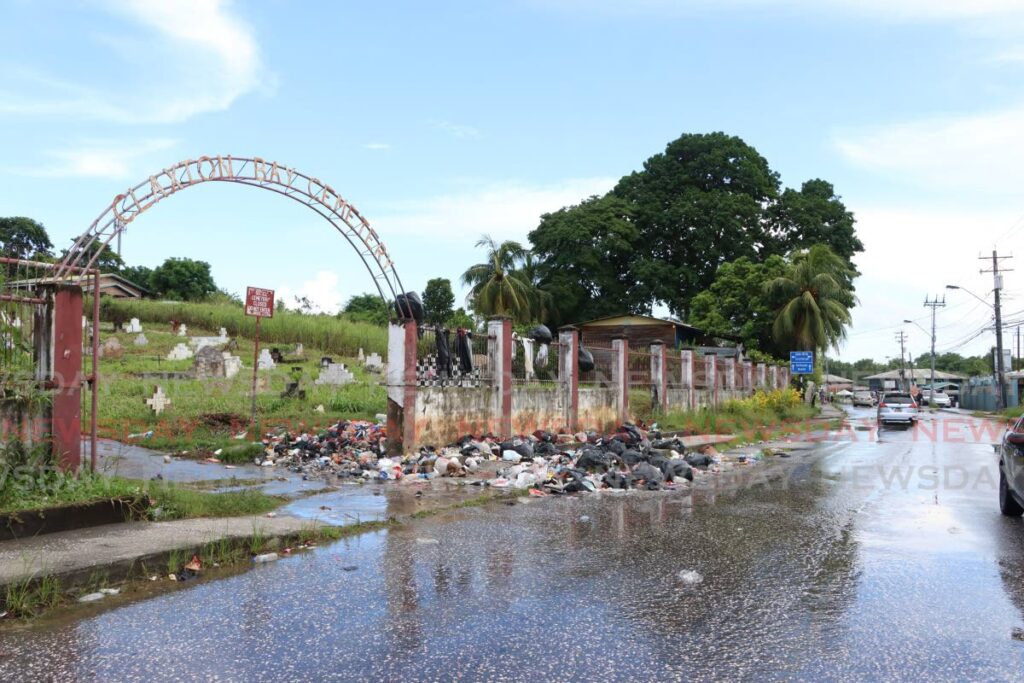
Let’s clean up country
In a compelling letter to the editor, Arthur Dash has issued an urgent appeal to the Minister of Environment, urging the immediate launch of a comprehensive nationwide clean-up campaign. Dash highlights the alarming state of the country’s roadways, which are littered with discarded vehicles, tires, barrels, and various forms of waste. This pervasive neglect, he argues, sends a troubling message about the nation’s commitment to environmental stewardship and public health.
Dash emphasizes that this initiative must be prioritized to demonstrate the country’s dedication to health and well-being, both domestically and internationally. He calls for the ministry to mobilize a broad coalition of stakeholders, including religious, cultural, sporting, and business organizations, to collaborate on this critical effort. The campaign, he suggests, should commence without delay, ideally before the Christmas and Carnival seasons, to maximize its impact and visibility.
Furthermore, Dash underscores the importance of involving local government authorities and professional entities to ensure the campaign’s success. He frames this initiative as a ‘people’s mandate,’ a collective endeavor that reflects the nation’s shared responsibility for its environment. Concluding his letter, Dash asserts that such a clean-up campaign would be the most meaningful gift to the nation, eagerly anticipated by its citizens.
The letter, signed by Paras Ramoutar from Caparo, serves as a poignant reminder of the pressing need for environmental action and the collective effort required to achieve it.
-
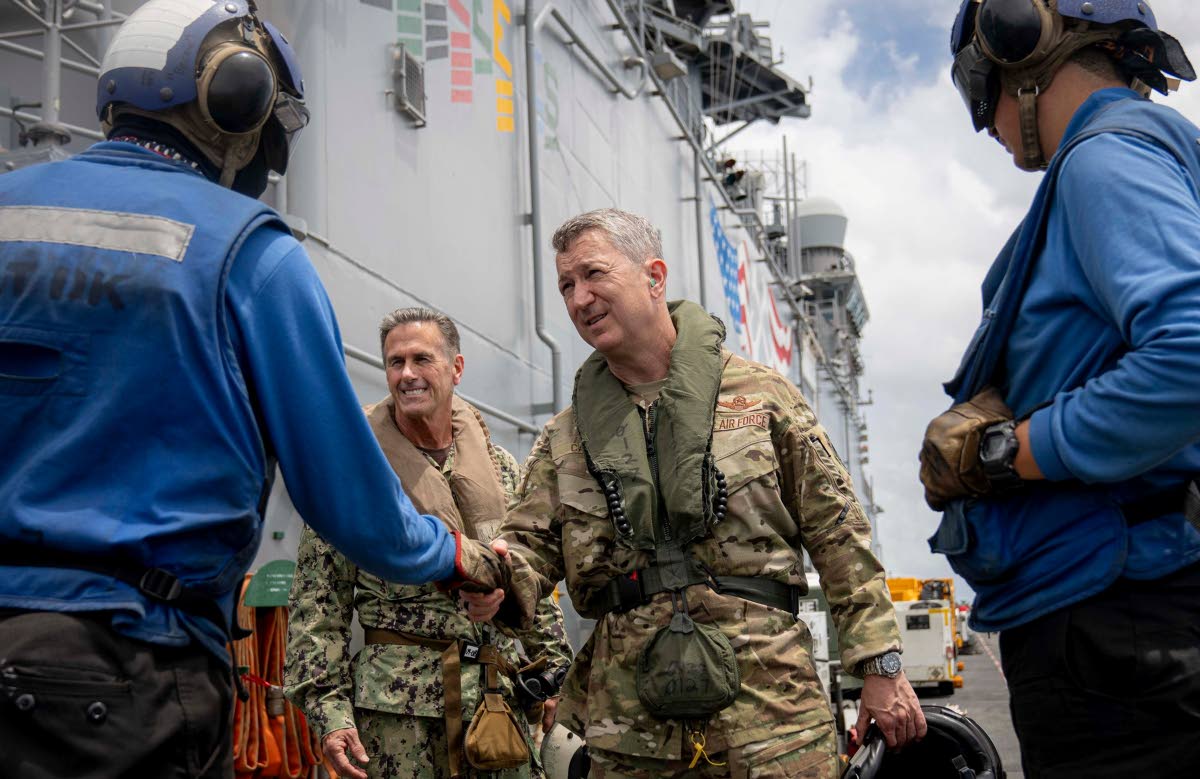
US military top brass to meet with Kamla
In a significant diplomatic engagement, General Dan Caine, Chairman of the United States Joint Chiefs of Staff, is set to visit Trinidad on November 25. The visit, confirmed by both the US Embassy and the Office of the Prime Minister (OPM), will see General Caine meet with Prime Minister Kamla Persad-Bissessar at the Diplomatic Centre in Port of Spain. The discussions are expected to focus on enhancing the strong bilateral relationship between the two nations, bolstering regional stability, and addressing the critical issue of combating drug trafficking and transnational criminal organizations. The Prime Minister has expressed her welcome for this visit, although specific details regarding the duration and logistics of General Caine’s stay remain undisclosed. General Caine, the 22nd Chairman of the Joint Chiefs of Staff and the highest-ranking military officer in the US, serves as the principal military advisor to President Trump, Secretary of War Pete Hegseth, and the National Security Council. His extensive military career includes roles as an F-16 fighter pilot, weapons officer, and special operations officer. This visit marks the latest in a series of military interactions between the US and Trinidad, following recent deployments of the US 22nd Marine Expeditionary Unit for joint drills with the Trinidad and Tobago Defence Force. The government has yet to comment on the broader implications of these military collaborations, particularly in the context of escalating US-Venezuela tensions. Former Foreign Affairs Minister Dr. Amery Browne has called for greater transparency from the Prime Minister regarding Trinidad’s stance on these regional issues, criticizing her perceived isolation from Caricom and her handling of US military actions in the Caribbean. The visit has sparked public concern, with many questioning its potential impact on Venezuela-Trinidad relations and the broader geopolitical landscape.
-
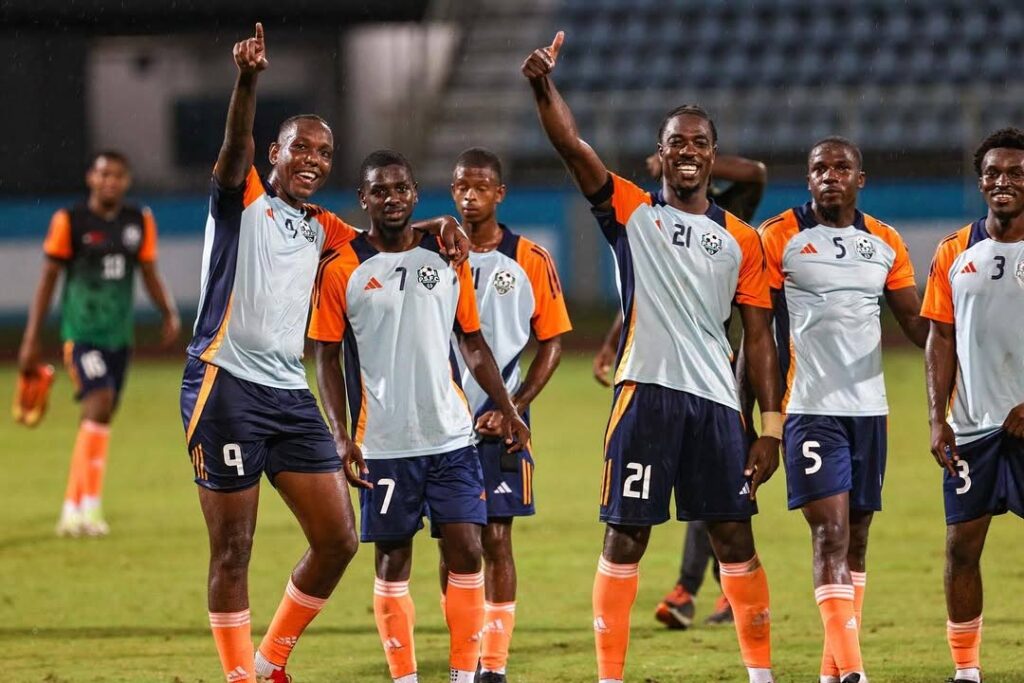
Prisons win 5th straight in TTPFL, edge 10-man Rangers 1-0
Prisons FC extended their flawless run in the 2025/26 TT Premier Football League (TTPFL) with a hard-fought 1-0 triumph over Terminix La Horquetta Rangers at the St James Police Barracks on November 23. Despite a less-than-polished performance, a decisive 70th-minute header by substitute Ricardo John propelled Prisons back to the top of the 12-team league table, displacing Club Sando to second place. The match, part of a double-header at the barracks, began with both teams aggressively seeking an early advantage. However, the game’s momentum shifted in the 31st minute when Rangers defender Abdul Lezama received a second yellow card for a needless handball, reducing his team to ten men. Rangers managed to hold off Prisons’ attacks until halftime, with winger Jeremiah Vidale’s close-range effort saved and his follow-up shot hitting the crossbar. The second half saw Rangers adopt a defensive stance, while Prisons relentlessly pressed forward. Despite several missed opportunities, including a disallowed goal for offside and two squandered chances by John, the breakthrough came in the 70th minute when John headed in a cross from Israel Williams. Rangers’ late substitution, Tyrique Sutherland, nearly equalized in the 89th minute, but his powerful strike narrowly missed the target. Prisons now face a stern test against MIC Central FC Reboot on November 29 at the Arima Velodrome. In the day’s earlier match, 2023/24 champions AC Port of Spain rallied to defeat Point Fortin Civic 2-1, moving up to fifth in the standings. Meanwhile, Defence Force secured a late 2-1 victory over 1976 FC Phoenix, and Police FC surged to a 4-2 win against FC Eagles, solidifying their third-place position.
-
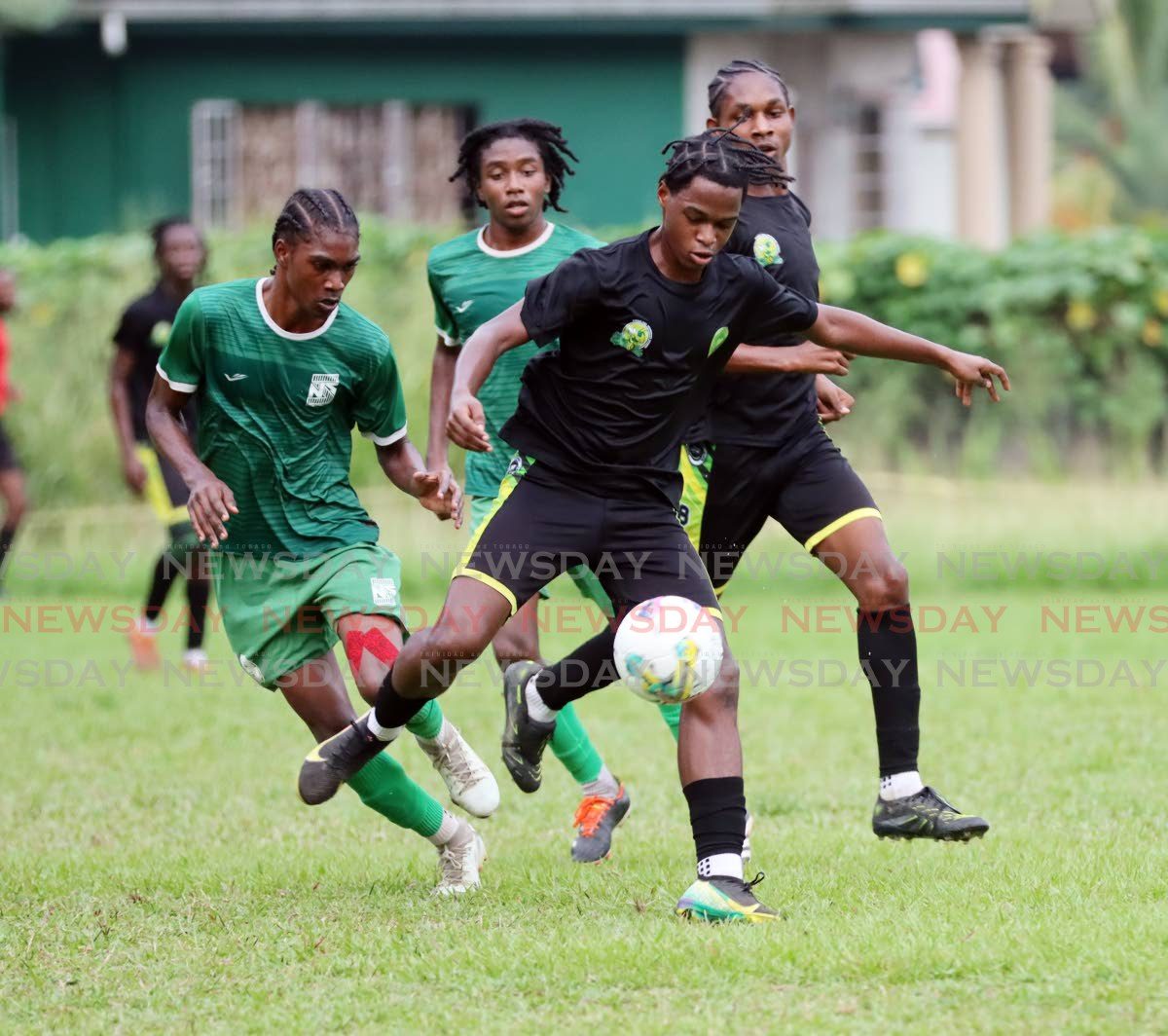
Signal Hill whip Malick, climb to 3rd in SSFL premier division
Signal Hill Secondary School continues to make waves in the 2025 Secondary Schools Football League (SSFL) premier division, securing a commanding 5-2 victory over Malick Secondary on November 24. Despite facing logistical challenges due to travel disruptions across the air and sea bridge, the Tobago-based team has shown remarkable resilience under the guidance of coach Downie Marcelle. The win propels Signal Hill to third place in the standings, just three points behind leaders Naparima College, with a crucial clash between the two teams scheduled for November 27. This match, part of the rescheduled fixtures to conclude the league, could determine the fate of the title race. Signal Hill’s campaign has been marked by impressive performances, including a recent 9-2 thrashing of Trinity College East. Against Malick, the team started strong with first-half goals from Immanual Wright and Kyle James. James later completed a hat-trick, while Jediael Marcelle added another goal to seal the victory. With the league’s disciplinary committee yet to rule on Signal Hill’s unplayed match against St Augustine Secondary, the team could potentially level with Naparima College before their decisive encounter. The coming days will be pivotal in shaping Signal Hill’s quest for the premier division title.
-
Will Trump invade Venezuela?
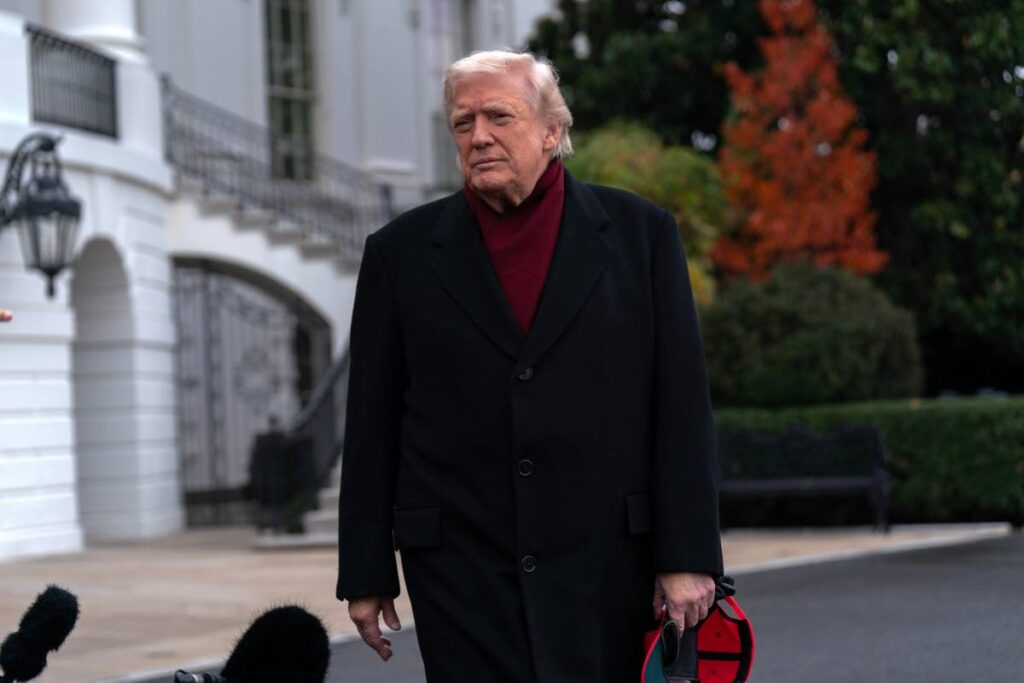
The possibility of U.S. military intervention in Venezuela has become a topic of intense speculation, particularly among citizens of Trinidad and Tobago and Guyana. Many Guyanese view Venezuelan President Nicolás Maduro as a threat, given his territorial claims over two-thirds of Guyana and his veiled threats. The question of whether U.S. President Donald Trump will authorize strikes or an invasion to remove Maduro has been repeatedly posed to the President by reporters. While Trump has not directly addressed these queries, he has hinted at potential land strikes targeting drug-manufacturing facilities and camps labeled as terrorist organizations, which are allegedly responsible for shipping drugs to the U.S., causing thousands of deaths annually. Maduro, who has been accused of leading a terrorist organization, has denied these allegations and expressed a willingness to engage in discussions with the Trump administration. Trump has indicated openness to meeting with Venezuelan leadership and may send emissaries to negotiate Maduro’s departure from office. However, any talks would likely delay immediate military action. Strikes could be avoided if Maduro agrees to concessions, such as compensating Exxon and other oil companies nationalized by Venezuela, dismantling drug labs, and cracking down on criminal gangs. Venezuela’s role in drug production is relatively minor compared to Colombia and Bolivia, but its jungle airstrips are used to transport drugs to Central America, Mexico, and beyond. Reports from Guyana have uncovered secret airstrips and small aircraft linked to drug trafficking, implicating local police and military personnel. American intelligence has identified Guyana as a transshipment point for drugs destined for developed countries. Despite these issues, it is unlikely that Maduro will make sweeping concessions, leaving the door open for further U.S. strikes. Trump’s cabinet members have labeled Maduro an illegitimate ruler due to alleged election rigging, increasing the likelihood of targeted military action. However, Trump has previously expressed a desire to reduce U.S. foreign involvement, citing the country’s poor track record with regime changes in nations like Guyana, Haiti, and Iraq. A full-scale invasion of Venezuela carries significant risks, reminiscent of costly quagmires in Afghanistan and Iraq. While the U.S. military is prepared for such an operation, immediate large-scale intervention seems improbable. Air-powered strikes, however, remain a likely scenario, and the fall of the Maduro regime would likely be met with indifference or relief by Guyanese citizens.