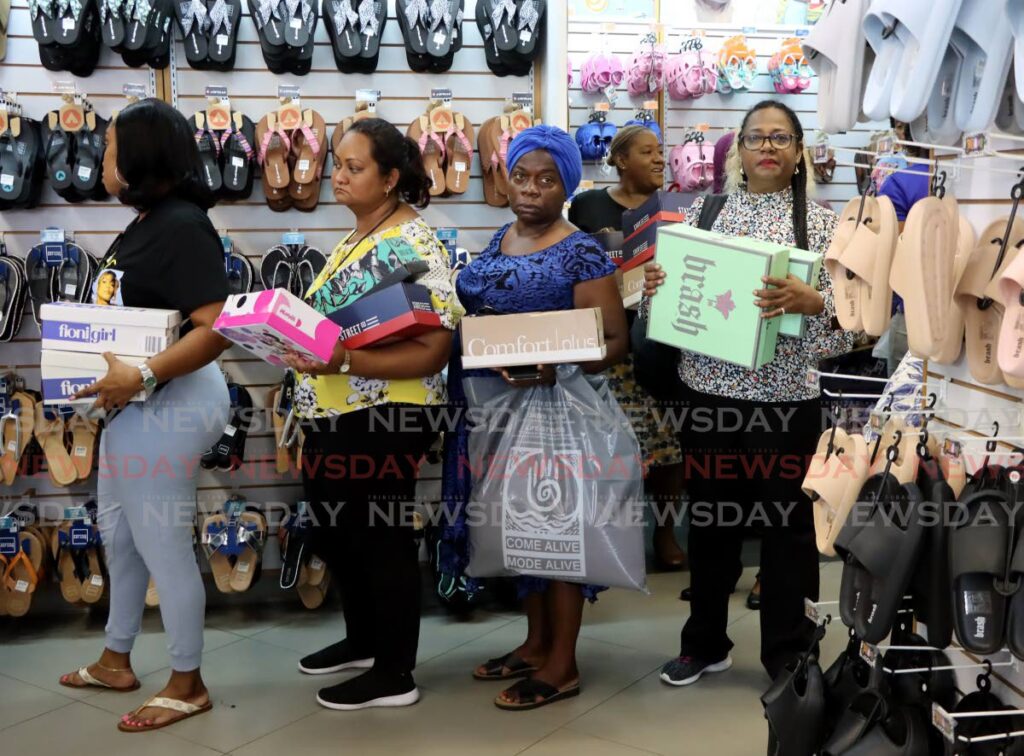
Black Friday, a hallmark of pre-Christmas shopping in Trinidad and Tobago, continues to draw massive crowds and fuel retail activity. Known for its deep discounts and bustling storefronts, the event has evolved from a novelty to a critical driver of fourth-quarter retail performance, according to Vashti Guyadeen, CEO of the Trinidad and Tobago Chamber of Commerce. Speaking to Business Day on November 26, 2025, Guyadeen highlighted the significance of Black Friday and Cyber Monday in boosting year-end sales, despite ongoing economic challenges. She shared insights from the forthcoming Q4 2025 Business Outlook Index by the Arthur Lok Jack GSB, revealing that while over half of surveyed executives reported weaker financial performance in the past six months, most remain cautiously optimistic about future improvements. Guyadeen emphasized that businesses are leveraging the ‘big discount mindset’ to stimulate consumer demand, particularly small and medium-sized enterprises (SMEs) offering locally made goods. Kiran Singh, President of the San Fernando Chamber of Commerce, echoed this sentiment, noting that Black Friday sales provide a crucial momentum boost heading into the Christmas season and even early Carnival-related purchases. Singh highlighted the growing trend of competitive pricing, improved digital marketing, and hybrid shopping strategies, which have enhanced consumer engagement. Angie Jairam, President of the Fyzabad Chamber of Commerce, observed a yearly increase in participation across businesses of all sizes, underscoring the event’s role in energizing the retail landscape amidst economic pressures. Despite challenges such as higher operating costs and foreign exchange issues, the Chamber encourages retailers to strategically leverage the season while maintaining responsible pricing and high service standards.
标签: Trinidad and Tobago
特立尼达和多巴哥
-

Why China’s social media policy will never work in Trinidad and Tobago
In a recent statement, Trinidad and Tobago’s Minister of Homeland Security, Roger Alexander, suggested that the country should consider adopting China’s social media policies. This proposal highlights two critical points: first, the recognition of the growing dangers in the online space, and second, a fundamental misunderstanding of China’s digital governance system. As someone based in Asia, it is clear that China’s model is unique and cannot be replicated by Western nations, Caribbean countries, or Trinidad and Tobago. To understand why, it is essential to examine the pillars of China’s digital architecture and the cultural and political context that makes it effective. China’s digital system is not merely a set of policies but a comprehensive framework built over two decades. It includes the Great Firewall, which blocks foreign platforms and monitors traffic; mandatory real-name digital identity, ensuring anonymity is nonexistent; domestic platforms like WeChat and Alipay, which are fully regulated by the state; data localization, keeping all citizen data within China; and a robust enforcement system overseen by the Cyberspace Administration of China. This model thrives in China due to its collectivist society, high trust in the central government, one-party political structure, and a population large enough to sustain its own tech ecosystem. However, Trinidad and Tobago lacks the resources, technical capacity, political structure, and cultural acceptance to implement such a system. The country faces significant challenges in its online space, including toxic behavior, misinformation, and threats to public safety. Instead of looking to China, Trinidad and Tobago should consider Singapore’s balanced approach, which includes the Protection from Online Falsehoods and Manipulation Act (POFMA). This legislation allows for correction notices to be added to false posts without censorship, protecting free speech while limiting harm. Moving forward, Trinidad and Tobago needs updated cybercrime laws, a clear distinction between protected speech and criminal threats, and improved digital literacy. Adopting a model aligned with its culture, constitution, and realities, such as Singapore’s, is the practical solution.
-
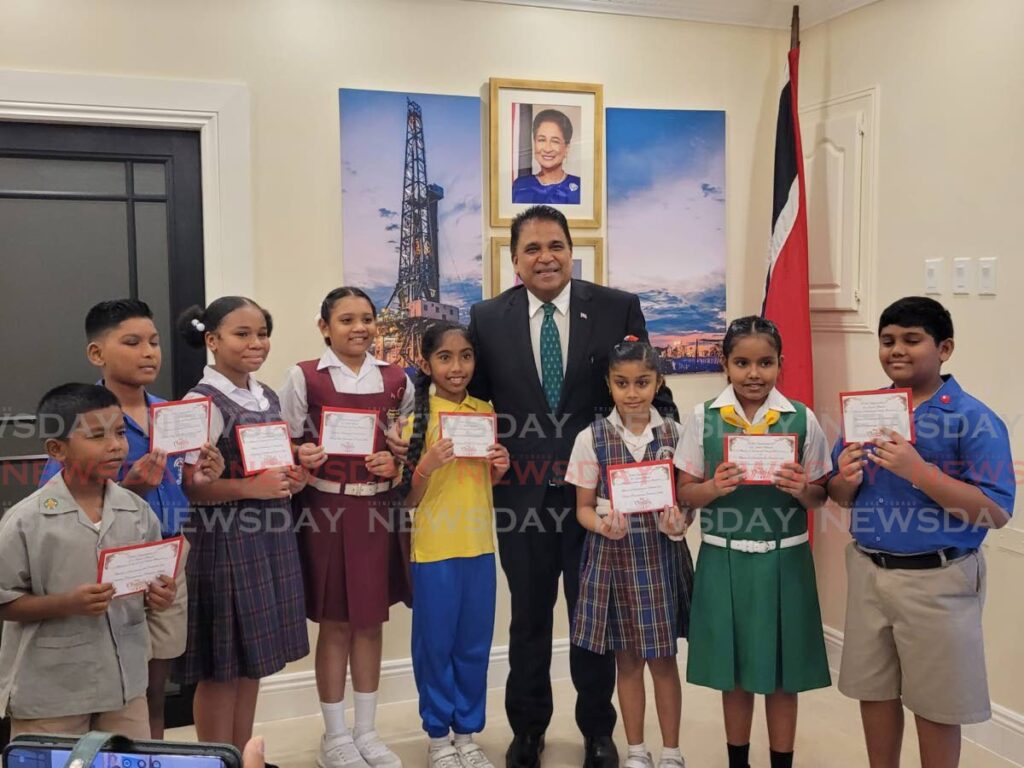
Moonilal gives $$$ to primary schools in constituency
In a heartwarming gesture to celebrate the Yuletide season, Dr Roodal Moonilal, Member of Parliament for Oropouche East and Minister of Energy, provided financial assistance to nine primary schools within his constituency. On November 26, at his constituency office in Debe, Dr Moonilal presented representatives from these schools with what he described as a ‘token of help.’ These funds are intended to support the schools in organizing Christmas treats, snack bags, and other festive activities. While the exact amount of the financial aid was not disclosed, the MP emphasized the importance of supporting community initiatives during the holiday season. Dr Moonilal explained that his office receives numerous requests for assistance from schools, temples, churches, and other organizations each year. Although he acknowledged the challenges of attending every event, he expressed his willingness to make brief appearances when possible. The schools that benefited from this initiative include Monkey Town Government, Debe SDMS, Mohess Road SDMS, Ramai Trace SDMS, Debe Presbyterian, Canaan Presbyterian, Hermitage Presbyterian, Picton Presbyterian, and Cedar Grove Private Primary. Representatives from these schools expressed their gratitude, with one stating that the support would ‘go a long way in putting smiles on many faces.’
-
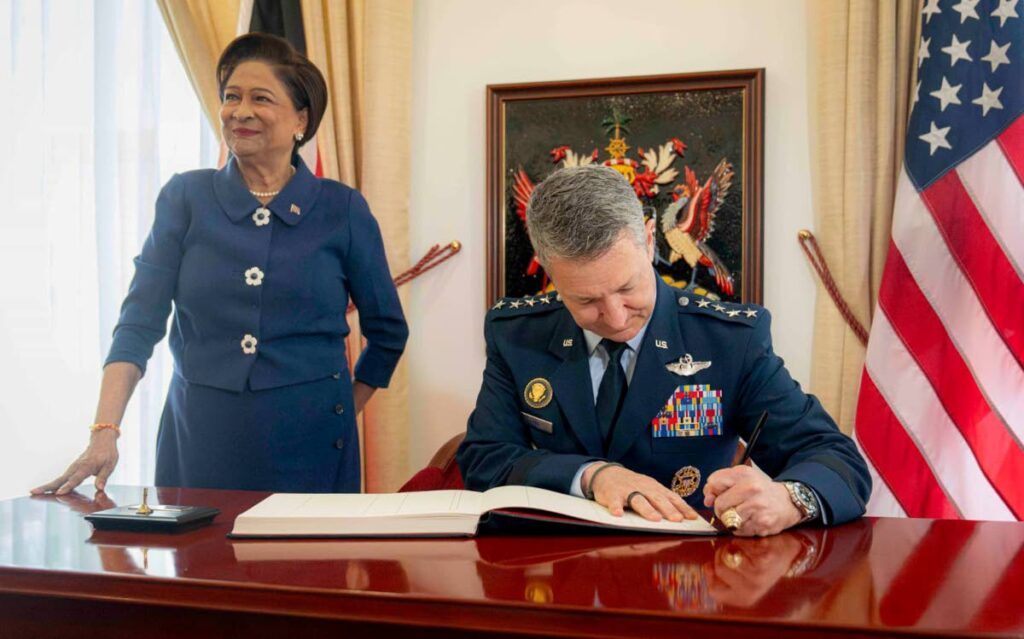
Power play
Prime Minister Kamla Persad-Bissessar of Trinidad and Tobago showcased her diplomatic finesse during a high-profile meeting with General Dan Caine, Chairman of the US Joint Chiefs of Staff, at the Diplomatic Centre in St Ann’s on November 25. The encounter, marked by warm smiles and symbolic gestures, underscored the growing alliance between the two nations. While the specifics of their two-hour discussion remain undisclosed, the optics of the meeting conveyed a clear message of mutual collaboration and strategic alignment. This visit followed Persad-Bissessar’s earlier engagement with US Secretary of State Marco Rubio on September 30, where discussions centered on the revival of the Dragon gas project. For General Caine, the stopover in Trinidad and Tobago served as a subtle yet pointed signal to Venezuelan leader Nicolas Maduro, emphasizing the US’s presence in the region. The official statement from the US Embassy highlighted shared objectives in combating illicit activities, though the language left room for interpretation. Notably, General Caine’s appointment by President Trump earlier this year broke from traditional military protocols, adding an air of intrigue to his role. Amid ongoing debates about the legality of US military operations, Persad-Bissessar’s enthusiastic embrace of this diplomatic engagement reflects her strategic positioning on the global stage.
-
Legal Affairs Ministry needs to do better
A recent visit to the Ministry of Legal Affairs’ office on Leotaud Street in San Fernando has sparked outrage over the deplorable state of the facilities and the inefficient processes faced by the public. Jenieve Alexander, who visited the office in October to process a death certificate, described the experience as deeply distressing. The public toilet facilities were in a shocking state of disrepair, with a rotted and hollow door that could not hold a lock or handle. The toilet itself was dirty, unstable, and lacked basic amenities like tissue paper, while a strong odor of urine permeated the area. The process of obtaining the death certificate was equally frustrating. Individuals were required to shuttle back and forth between the San Fernando Teaching Hospital and the Leotaud Street office. At the hospital, clients were forced to share children’s tables with the Medical Social Work Department, often being told they could not wait or sit in certain areas. Staff members intermittently distributed forms and provided guidance, but the wait times averaged 45 minutes to an hour. The behavior of the ministry’s staff was described as appalling, with names of the deceased being shouted from the office door and staff members displaying rude and dismissive attitudes. After completing the hospital process, individuals had to return to the Leotaud Street office to finalize the transaction, pay, and collect the death certificate. Alexander questioned whether such an inefficient and inconsiderate process was acceptable for grieving families. She expressed disappointment in the discourteous behavior of public officers and raised concerns about the negative impact on the ministry’s public image. Alexander called for immediate action to address the infrastructural, behavioral, and procedural issues at the ministry to better serve the citizens.
-
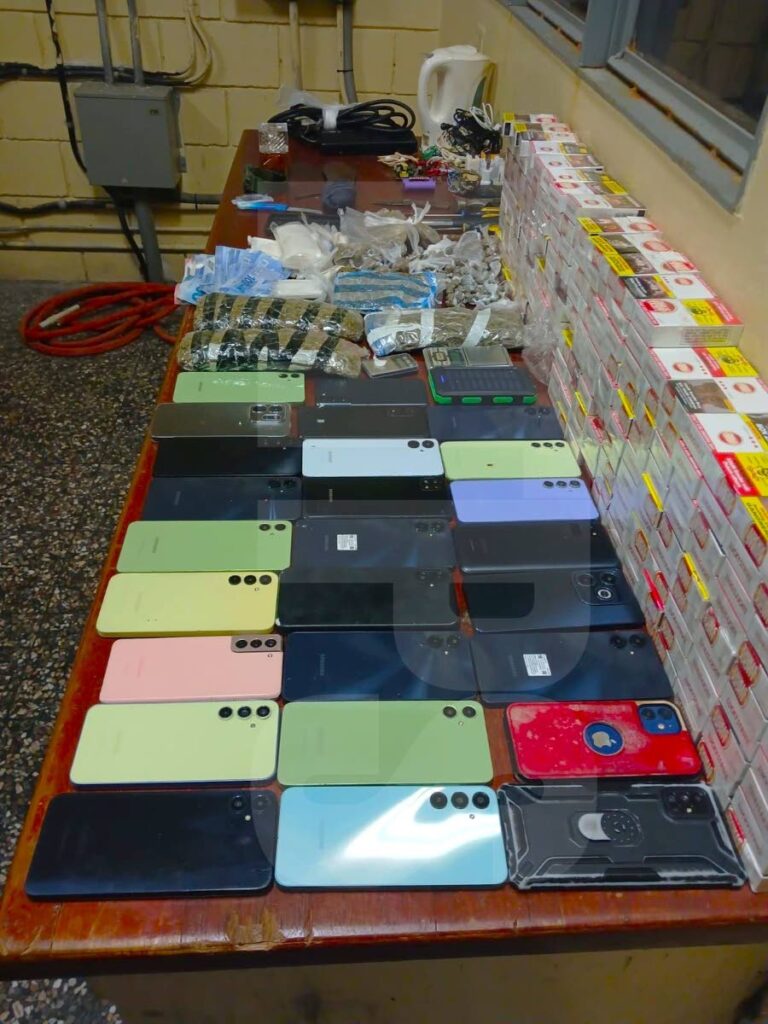
Contraband stashed in Maximum Security prison air vents
A significant operation at the Maximum Security Prison (MSP) in Arouca on November 25 revealed a substantial cache of contraband items concealed within the prison’s air vent system. The raid, conducted between 5:30 PM and 9:00 PM, was part of an intelligence-driven initiative involving multiple units from the Trinidad and Tobago Police Service (TTPS) and the Prisons Service. The operation was coordinated by Commissioner of Police Allister Guevarro, Acting Commissioner of Prisons Hayden Forde, Deputy Commissioner of Police Suzette Martin, and other senior officers. Senior Superintendent of Prisons Lee Davis led the effort, supported by specialized units including the Northern North Gang Unit and the Prison Emergency Response Unit. The search uncovered an extensive array of illicit items, including cell phones, drugs, weapons, and various electronic devices. Acting Prisons Commissioner Forde highlighted the ongoing challenges in combating contraband, particularly through drone deliveries, and stressed the urgent need for drone interception technology. He emphasized the severe risks posed by these items, which could fuel criminal activities both inside and outside the prison. Despite the lack of immediate arrests, investigations into the smuggling network continue. Forde urged prison officers to remain vigilant and committed to their mission of ensuring public safety.
-
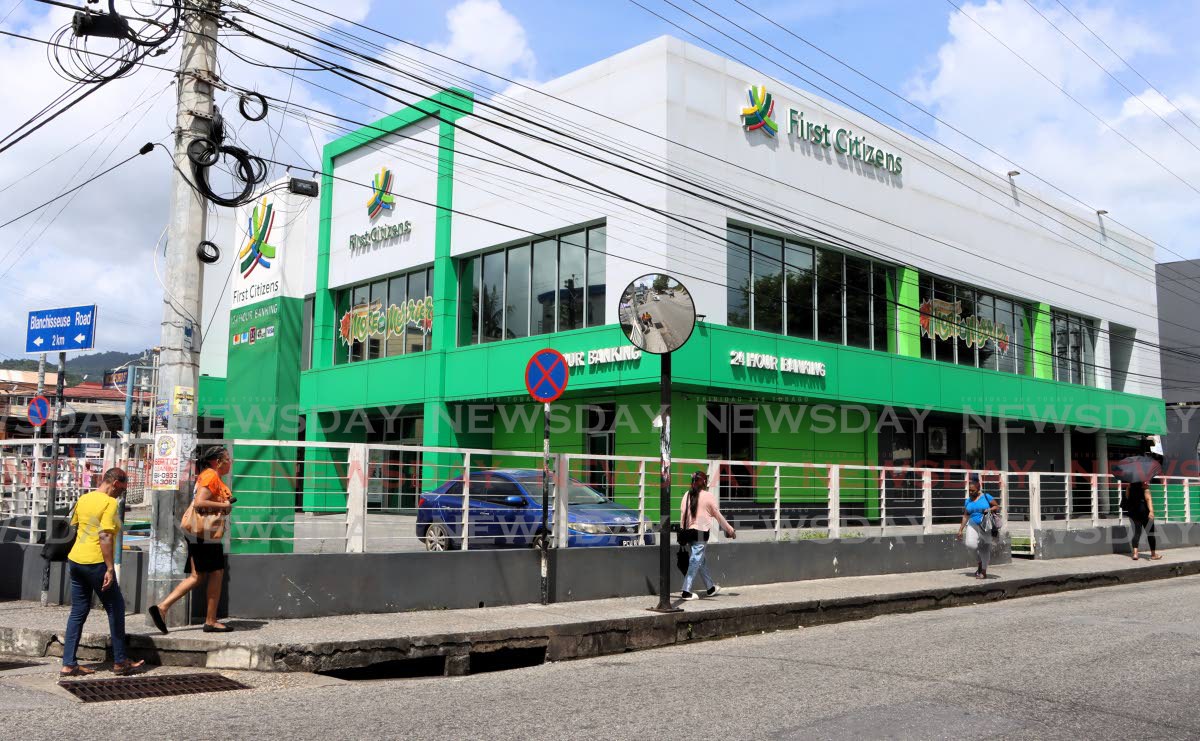
What’s making First Citizens’ share price go down, and up
The First Citizens Group (FCGFH) has recently experienced significant volatility in its share prices, sparking debates among stakeholders and former government officials. Over the past months, the bank’s shares have seen a sharp decline, with former Finance Minister Colm Imbert describing the situation as ‘frightening.’ He noted a 26% drop from $42 in April to $31 in November, raising concerns about potential market manipulation. Former Prime Minister Dr. Keith Rowley also expressed alarm, suggesting that the leadership changes at FCGFH might have contributed to the decline. Despite these concerns, current Finance Minister Davendranath Tancoo remained optimistic, stating that share price fluctuations are a natural part of the market. His confidence seemed justified as FCGFH shares rebounded by 4% in late November, closing at $34. The bank’s strong financial performance, including a $1.27 billion pre-tax profit in 2024, further underscores its stability. However, investor sentiment remains a critical factor, with some attributing the volatility to the controversial departure of former CEO Karen Darbasie and subsequent board changes. While the long-term outlook remains uncertain, the recent recovery suggests that FCGFH may be regaining investor confidence.
-
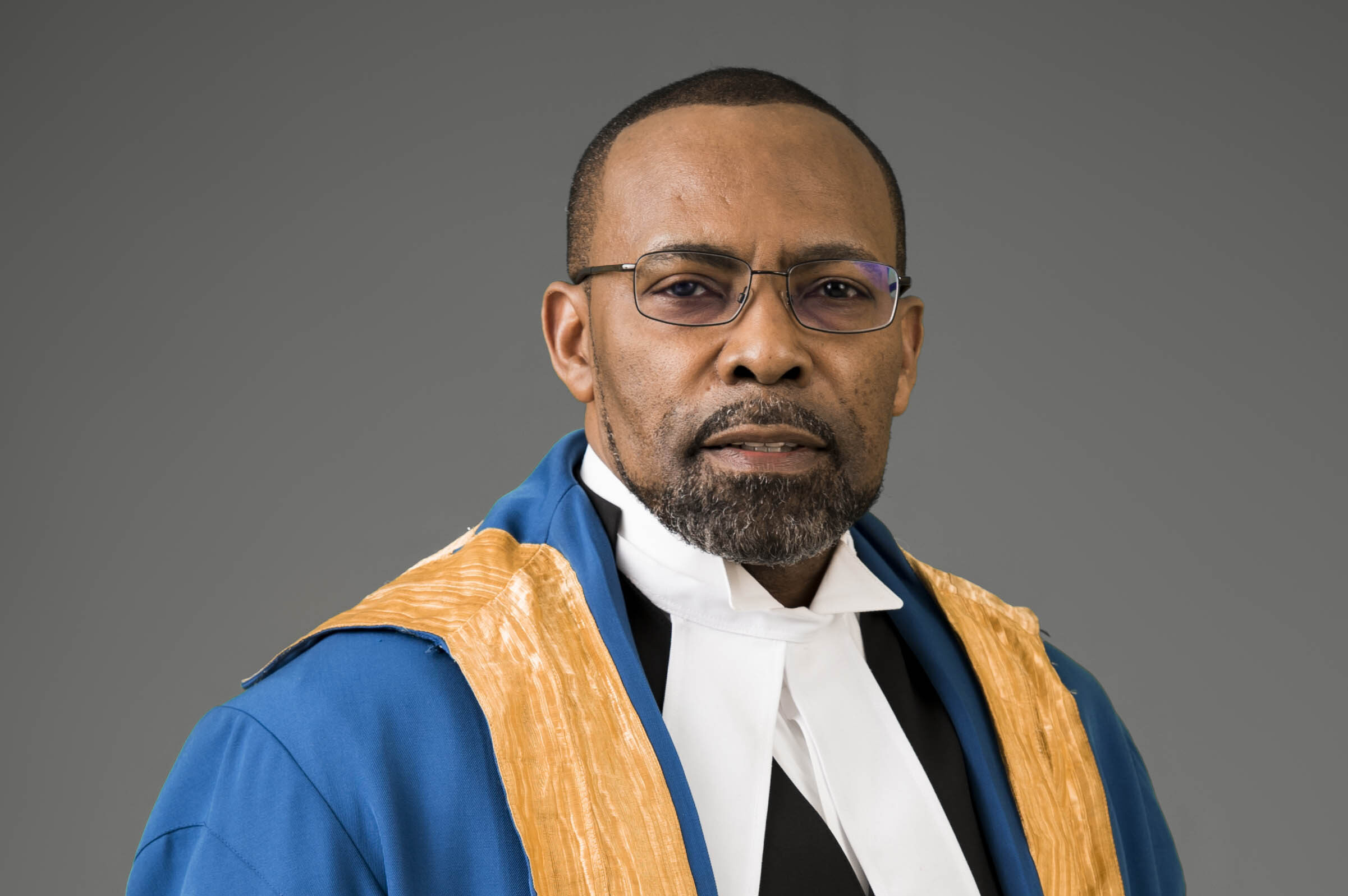
CCJ president: Court has fulfilled mandate of regional justice
The Caribbean Court of Justice (CCJ) has successfully fulfilled its two-decade mandate of developing an autonomous Caribbean legal framework and enhancing regional access to justice, President Justice Winston Anderson declared at the CCJ Academy of Law’s eighth biennial conference in Port of Spain. The November 26 event, part of the court’s 20th anniversary celebrations, highlighted the CCJ’s transformative impact since its April 2005 inauguration as a landmark achievement in judicial independence.
Justice Anderson revealed the court has delivered 312 appellate decisions spanning constitutional, criminal, civil, land, family, and contract law, fundamentally reshaping long-standing legal doctrines and establishing minimum regional standards in criminal justice. These judgments have been cited over 450 times by courts across common-law Caribbean jurisdictions, including nations that haven’t formally adopted the CCJ as their final appellate authority.
In its original jurisdiction, the CCJ has proven indispensable to the Caricom Single Market and Economy, serving as exclusive arbiter for disputes under the Revised Treaty of Chaguaramas. ‘The CCJ is not a court imposed on us by anyone,’ Anderson emphasized. ‘It is a reality of our own making, our collective imagination and resources. It is interwoven into the fabric of Caribbean life.’
The conference also honored the legacy of late Justice Jacob ‘Bob’ Wit, the court’s inaugural civil-law jurist from Curaçao who served until his December 2023 retirement. Anderson credited Wit with challenging and enriching the court’s common-law traditions through his unique perspective and wry humor, while also playing a central role in establishing the CCJ Academy of Law in 2010.
Justice Chantal Ononaiwu, CCJ judge and academy deputy chair, outlined the conference’s critical examination of Caribbean jurisprudence development, emphasizing cross-cutting themes including technology’s impact on legal evolution and the interaction between domestic and international law.
Caricom General Counsel Lisa Shoman, SC, hailed the anniversary as both ‘a milestone and a seminal achievement,’ noting that young Caribbean lawyers now navigate a significantly more complex legal landscape than previous generations. Inter-American Development Bank representative Anton Edmunds reaffirmed institutional support for regional justice systems, highlighting the bank’s One Safe Caribbean initiative focused on combating organized crime and strengthening justice-sector capacity through digital innovation and public education.
-
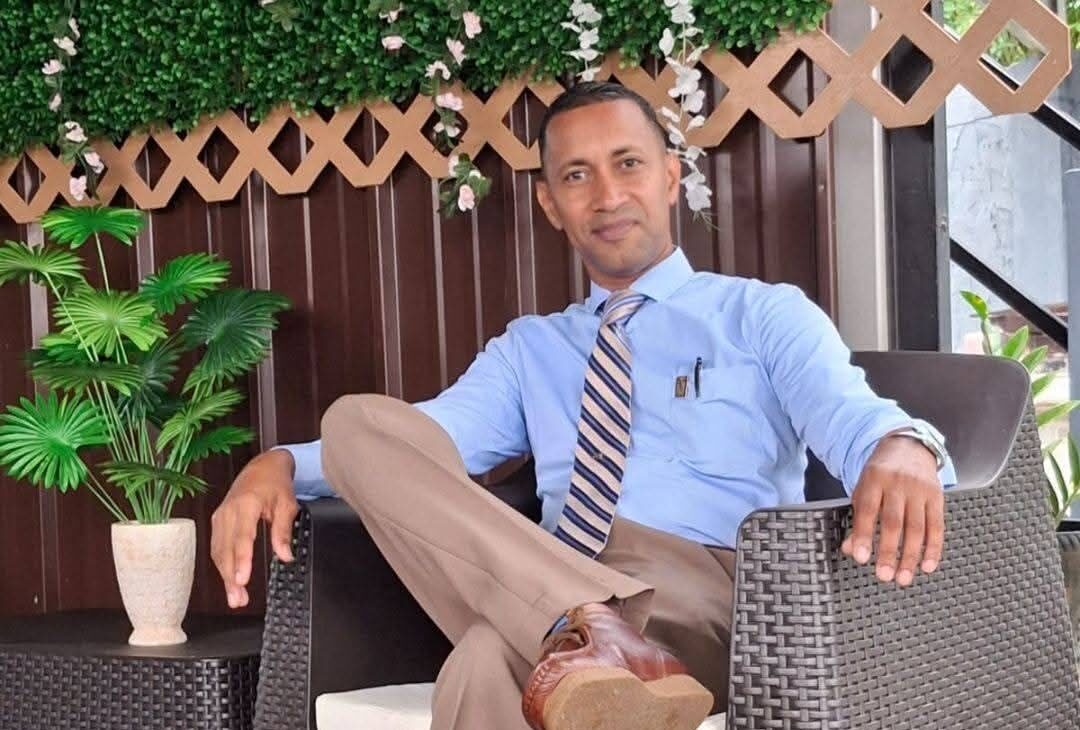
TTUTA seeks clarification on wage increase implementation
The Trinidad and Tobago Unified Teachers’ Association (TTUTA) has formally requested the Ministry of Education and the Ministry of Finance to provide clarity on the implementation of a negotiated five per cent wage increase for teachers, covering the period from October 1, 2020, to September 30, 2023. In a statement released on November 25 and signed by newly appointed president Crystal Ashe, TTUTA revealed that the Ministry of Education is awaiting formal instructions from the Ministry of Finance to proceed. Ashe emphasized that the association was assured processing would commence immediately upon receiving the directive. Consequently, TTUTA has also written to the Minister of Finance, demanding a clear timeline for the payments. Ashe stressed the importance of transparency and timely information for educators, vowing to advocate vigorously on their behalf. The statement referenced Finance Minister Davendranath Tancoo’s October 13 budget presentation, where he announced the ratification of Collective Agreements signed in April 2025, which include wage increases for the Teaching Service, the Trinidad and Tobago Defence Force, and the Port of Spain and San Fernando City Corporations. The minister estimated the annual cost of implementing these agreements at $214 million, with arrears amounting to $730 million by December 2025. Meanwhile, conflicting reports have emerged regarding a ten per cent wage increase offer to the Public Services Association (PSA). While PSA President Felisha Thomas claimed the association received a formal offer, an unnamed source from the Chief Personnel Officer’s office stated that the letter only promised an offer subject to negotiations. Former Finance Minister Colm Imbert refrained from commenting on the situation but noted that the 2026 budget did not allocate funds for the salary increases or backpay, suggesting that a second budget for 2026 would be necessary if the payments are to be made.
-
Experts: Make STI meds more readily available in Trinidad and Tobago
Health experts in Trinidad and Tobago are calling for expanded access to pre-exposure prophylaxis (PrEP) and doxycycline prophylaxis (doxy-prep) to combat the rising rates of HIV and sexually transmitted infections (STIs). Advocates argue that these preventive measures are not only essential for public health but also cost-effective in empowering individuals to protect themselves. However, political, cultural, and religious barriers have hindered progress in this area. Dianne Weekes, Coordinator of the National HIV Helpline, emphasized the importance of these tools, criticizing previous government approaches for failing to prioritize prevention. She expressed hope that the current administration would implement comprehensive policy reforms. The call for action follows alarming statistics, including nearly 200 cases of syphilis among pregnant women in 2025, a significant increase from previous years. Dr. Faith Brebnor, Tobago House of Assembly Health Secretary, has urged for PrEP to be included in national HIV/AIDS prevention protocols. Advocates like Rae Alibey and Kimberly Springer highlighted the need for accessible prevention tools, updated sex education, and evidence-based national conversations to reduce stigma and empower marginalized communities. Springer also pointed out socio-economic vulnerabilities affecting women, stressing the importance of integrated approaches to tackle HIV and STIs effectively. The Health Minister, Dr. Lackram Bodoe, has yet to provide a detailed response to these calls for action.