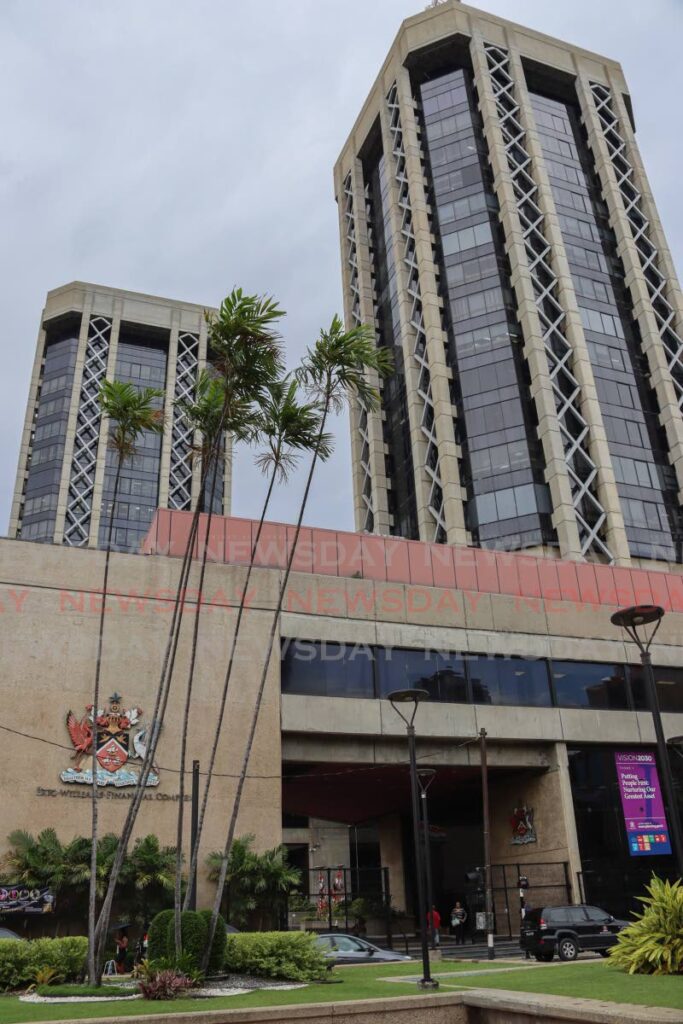
A recent analytical report by the Inter-American Development Bank (IDB) has revealed that Trinidad and Tobago (TT) experienced the slowest remittance growth in the Caribbean in 2025, lagging significantly behind its regional counterparts. Remittances, which refer to funds sent by individuals working or living abroad to their families back home, serve as a crucial financial lifeline for households across the region. These transfers are particularly vital in low- and middle-income countries, helping families manage living expenses and providing economic stability during challenging times. According to the IDB’s ‘Remittances to Latin America and the Caribbean in 2025’ report, TT saw a mere 1.3% increase in remittance inflows, the lowest among all Caribbean nations analyzed. In contrast, the broader Caribbean region recorded a 9.2% growth, driven by strong inflows to the Dominican Republic, Haiti, and Jamaica. TT’s minimal improvement starkly contrasts with the region’s overall momentum. The Caribbean collectively received $20.883 billion in remittances in 2025, accounting for 12% of all transfers to Latin America and the Caribbean. While the report did not provide a specific figure for TT, it identified the country as one of the smaller recipients in the subregion. The study highlighted general factors influencing Caribbean remittance trends, such as labor market participation in the U.S. and the financial strategies of migrant households, but did not pinpoint specific reasons for TT’s weak performance. Instead, TT was grouped with economies where remittance inflows remain modest and have shown limited growth in recent years. The IDB emphasized that remittances continue to play a stabilizing role in household income across the region, particularly in countries with growing diaspora communities that maintain strong financial ties with their families. For many households, these transfers represent essential monthly contributions from relatives working abroad, quietly but significantly impacting daily expenses. The report is part of the IDB’s ongoing efforts to monitor cross-border family transfers, which are essential for understanding consumption patterns, vulnerability, and the financial behavior of migrant populations.
标签: Trinidad and Tobago
特立尼达和多巴哥
-

8 steps to sustainable investment
In anticipation of the COP 30 summit earlier this month, the Association of Chartered Certified Accountants (ACCA) introduced a groundbreaking unified framework for responsible investment. This innovative approach seamlessly integrates sustainability considerations into strategic decision-making processes. Developed in collaboration with the universities of Witwatersrand and Leeds, the framework, titled ‘Understanding Responsible Investment,’ provides a comprehensive yet concise guide linking environmental and social issues to capital allocation and investment decisions. The framework outlines eight essential steps that organizations can follow to align their financial success with environmental and social responsibilities. Sharon Machado, ACCA’s head of sustainable business, emphasized the significance of this development, stating, ‘Despite the growing urgency to address climate change and social inequity, a unified approach to responsible investment has been lacking. Our collaborative effort has now filled this gap, offering a model that systematically incorporates all risks and opportunities into investment analysis.’ The framework includes key components such as ESG integration, sustainability frameworks, screening methods, investor proactivity, strategic purpose, investment options selection, regulatory requirements, and outcome measurement. Dannielle Cerbone, an associate professor at the University of Witwatersrand, praised the report for its academic rigor and practical relevance in an increasingly complex investment landscape. The report also highlights the evolving nature of sustainability reporting and the need for investees to balance financial, ecological, and social value creation to better access responsible finance. Machado expressed hope that the report would serve as a practical tool for investors and companies, particularly in assessing the impact of sustainability-related factors on organizational valuation—a task that remains challenging.
-

Valencia farmer found dead in own garden
A Valencia farming community has been shaken by the brutal murder of 42-year-old Anthony Sankar, whose family made the horrific discovery of his body in his own garden on November 26th. The tragedy unfolded when Sankar failed to return home at his customary time of 6:00 PM after leaving earlier that day to tend to his property with a weed wacker.
According to investigative reports, Sankar was last seen alive approximately at 11:00 AM on Tuesday morning. When he did not return home by evening as was his established routine, concerned family members initiated a search operation. The grim discovery occurred around 8:00 PM when Sankar’s mother and other relatives located his body in the garden area, showing apparent gunshot wounds to both facial and torso regions.
Law enforcement authorities responded promptly to the incident, with the Specialist Evidence Recovery Unit (SERU) deploying crime scene investigators to document and process the area through comprehensive photographic evidence collection. Detective WPC Timothy has assumed leadership of the ongoing investigation, though preliminary reports have not indicated any immediate motives or suspects in the case.
The local agricultural community has expressed profound shock at the violent death of Sankar, described by neighbors as a dedicated farmer who maintained regular routines. This incident has raised concerns about rural safety and prompted discussions about security measures for isolated farming properties. The investigation continues as authorities pursue all possible leads to identify perpetrators and establish the circumstances surrounding this fatal attack.
-
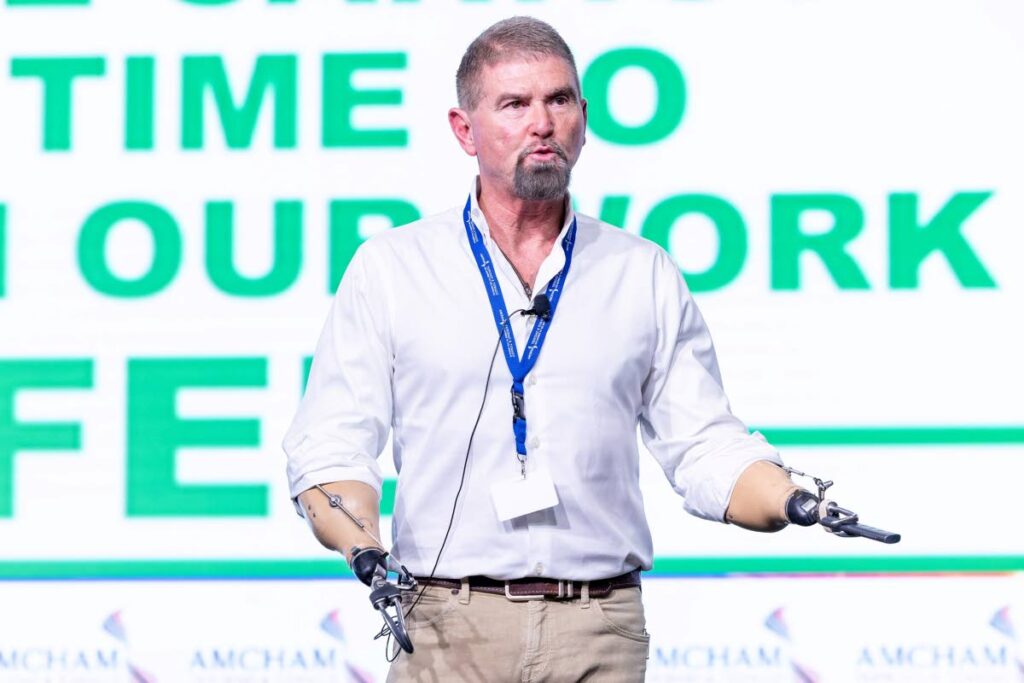
The hidden dangers of routine: a warning on workplace safety gaps
At the American Chamber of Commerce of TT’s HSSE Conference and Exhibition 2025, held at the Hyatt Regency Trinidad in Port of Spain on November 12, American safety speaker Lee Shelby delivered a compelling presentation on workplace safety. Shelby, a survivor of a life-altering electrical accident, emphasized the dangers of complacency and overconfidence in the workplace. He shared his personal story of losing both arms in a 1991 accident, which he attributed to a series of small, avoidable mistakes and a mindset that dismissed risk. Shelby warned that most serious incidents stem from ordinary tasks and the normalization of unsafe behaviors, such as rushing, distraction, and procedural shortcuts. He urged business leaders and safety professionals to foster a culture of intervention, respectful communication, and vigilance. Shelby’s message was clear: safety is a personal responsibility that impacts not only the individual but also their colleagues, family, and community. His presentation underscored the importance of behavioral safety, leadership accountability, and proactive measures to prevent workplace accidents.
-

Cher-Mere makes Guyana debut at GuyExpo 2025
The renowned Caribbean beauty brand, Cher-Mere, marked its debut in Guyana at the prestigious Guyana Expo 2025 (GuyExpo), held from November 13-17 in Georgetown. The event, Guyana’s longest-standing trade exposition, attracted over 270 exhibitors from across the Caribbean and globally, alongside more than 100,000 visitors. Cher-Mere showcased its signature natural beauty and hair care products, including its premium hair oils such as Organic Black Castor Oil, Pure Batana Oil, and a blend of Batana, Rosemary, and Tea Tree Oil, all crafted by The Herbarium Ltd. in Trinidad and Tobago. The brand also featured Bigen Hair Care products, distributed through Merle’s Hairdressing Supplies Ltd. The Cher-Mere team, led by promotions manager Janelle Wiltshire, spa operations manager Khadine Knights-Benjamin, and retail manager Khadine Hinds, engaged visitors with product demonstrations, giveaways, and educational sessions on their wellness-focused offerings. Cheryl Bowles, biochemist and founder of Cher-Mere, expressed her enthusiasm for entering Guyana’s dynamic market, emphasizing the brand’s alignment with consumer demand for sustainable, authentic, and science-based beauty products. Founded over 40 years ago in Trinidad and Tobago, Cher-Mere has evolved from a local hair-care brand to an internationally recognized name in natural beauty and self-care. The company’s participation in GuyExpo 2025 underscores its strategic expansion into the Caribbean region, aiming to forge partnerships with distributors, salons, and wellness retailers while connecting directly with consumers. Notable visitors to the Cher-Mere booth included Guyana’s Minister of Tourism, Industry and Commerce, Susan Rodrigues, and Trinidad and Tobago’s High Commissioner to Guyana, Candice Shade, among other dignitaries.
-

‘Naps’ clinch 5th SSFL premier division crown
In a climactic conclusion to the Secondary Schools Football League (SSFL) premier division season, Naparima College emerged victorious with a hard-fought 2-1 triumph over Signal Hill Secondary on November 27 at Lewis Street in San Fernando. The victory secured Naparima’s fifth championship title in the competition’s history, adding to their previous wins in 2014, 2015, 2018, and 2019.
The match began with both teams level on 34 points, separated only by goal differential in a tense three-way title race that also included St Benedict’s College. Naparima demonstrated immediate dominance, controlling possession and creating numerous scoring opportunities from the opening whistle.
Riquelme Phillips broke the deadlock in the seventh minute with a clinical close-range finish after Signal Hill’s defense failed to clear a dangerous cross. The home side doubled their advantage in the 20th minute through defender Sebastian James, who converted a clever training-ground free-kick routine orchestrated by Jabari Rodriguez and Jayden Caprietta.
Signal Hill, coached by Downie Marcelle, struggled throughout the first half but emerged transformed after the interval. Their resurgence culminated in an 83rd-minute penalty converted by center back Raevion Marshall, setting up a nervy finale. The visitors came agonizingly close to equalizing when winger Immanual Wright struck a superb free kick against the crossbar in the second half.
Despite Signal Hill’s late pressure, Naparima’s defense held firm under the guidance of coach Angus Eve, securing the vital three points that delivered the championship. The victory lifted Naparima to 37 points, one point clear of St Benedict’s College, who secured second position with a 5-0 victory over Trinity College East but ultimately fell short of the title.
The final league standings saw Naparima claim top honors with 37 points from 15 matches, followed by St Benedict’s (36 points), Signal Hill (34 points), Presentation College San Fernando (34 points), and Fatima College (32 points) rounding out the top five positions.
-
Serve citizens, not silence the critics
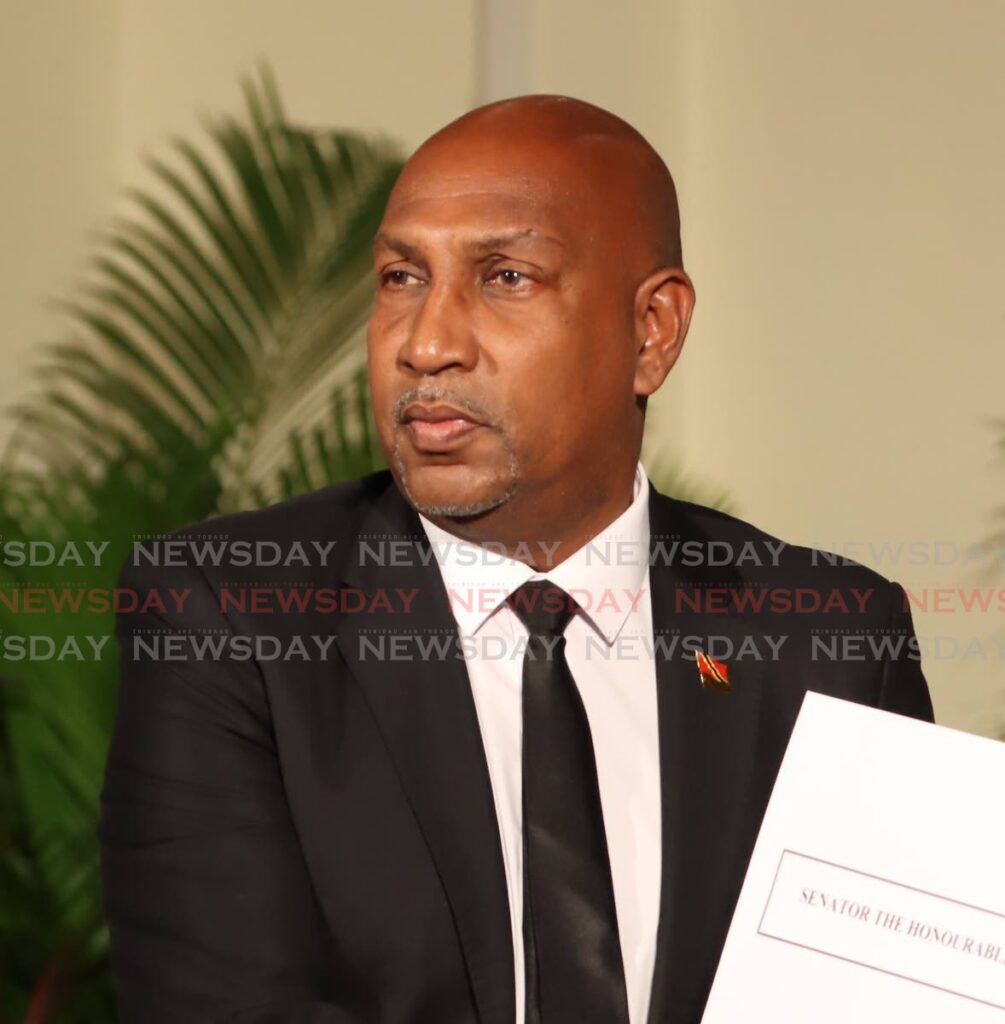
The recent uproar involving allegations against the family of St Vincent and the Grenadines Prime Minister Dr Ralph Gonsalves and the social media assertions made by Minister Anil Roberts highlights a critical issue that goes beyond individual political figures – the fundamental responsibility of governance and its true focus. Governments are established to serve their citizens, ensuring justice, stability, economic advancement, and overall well-being. When governance deviates from addressing national priorities to engaging in personal disputes or political distractions, it undermines public trust and weakens democratic foundations. Defensive reactions to criticism, rather than transparent engagement, signal insecurity and discourage dissent. This environment fosters fear, stifling voices from citizens, journalists, and civil society who seek to address pressing issues. Such a climate borders on tyranny, where freedom of expression is curtailed, and governance becomes self-serving rather than people-centric. The core focus of any government should remain on essential pillars of national development: education, healthcare, housing, security, economic growth, and social justice. Citizens demand action on critical challenges like unemployment, cost of living, crime, and infrastructure, not distractions from political feuds or media battles. Leadership must exhibit composure and clarity of purpose, rising above personal affronts to prioritize the improvement of citizens’ lives. It is imperative for governments in Trinidad and Tobago and across the region to refocus their efforts on governance that fosters confidence and unity. Transparency, accountability, and respect for diverse opinions must guide public discourse. When controversies overshadow progress and personality clashes replace policy, it is the people who suffer. If controversy is used to mask inefficiency or divert attention from unresolved national issues, it is the duty of citizens, media, and civil society to demand a return to focus. True leadership is not threatened by criticism but strengthened by it. Governance is about fulfilling public trust, not protecting personal interests. It is time for governments to rise above the noise and recommit to the service, development, and empowerment of their people.
-
Stop car ownership double standards
In a recent letter to the editor, Lyndon De Gannes addresses the ongoing debate surrounding affordable cars and public transportation. He critiques the elitist notion that ordinary citizens must choose between owning a vehicle and relying on public transit. This perspective, he argues, is both absurd and counterproductive. De Gannes highlights the recent measures introduced by Ministers Satyakama Maharaj and Eli Zakour to make vehicles more affordable, a policy long championed by the UNC. Instead of welcoming this relief for middle- and lower-income families, critics have raised objections, often from the comfort of their luxury vehicles. De Gannes emphasizes that affordable cars and efficient public transport are not mutually exclusive. In fact, many developed countries successfully integrate both systems, allowing citizens to enjoy the benefits of personal mobility and mass transit. He points out that under the previous PNM government, citizens faced a lose-lose situation: vehicles became more expensive, and public transportation deteriorated. De Gannes argues that owning a car provides essential freedom and dignity, enabling families to transport elderly parents, children, and groceries with ease. It also empowers small entrepreneurs who rely on mobility for their livelihoods. He calls for an end to the elitist treatment of affordable cars and supports Prime Minister Kamla Persad-Bissessar’s efforts to create a win-win system that improves the quality of life for all citizens.
-
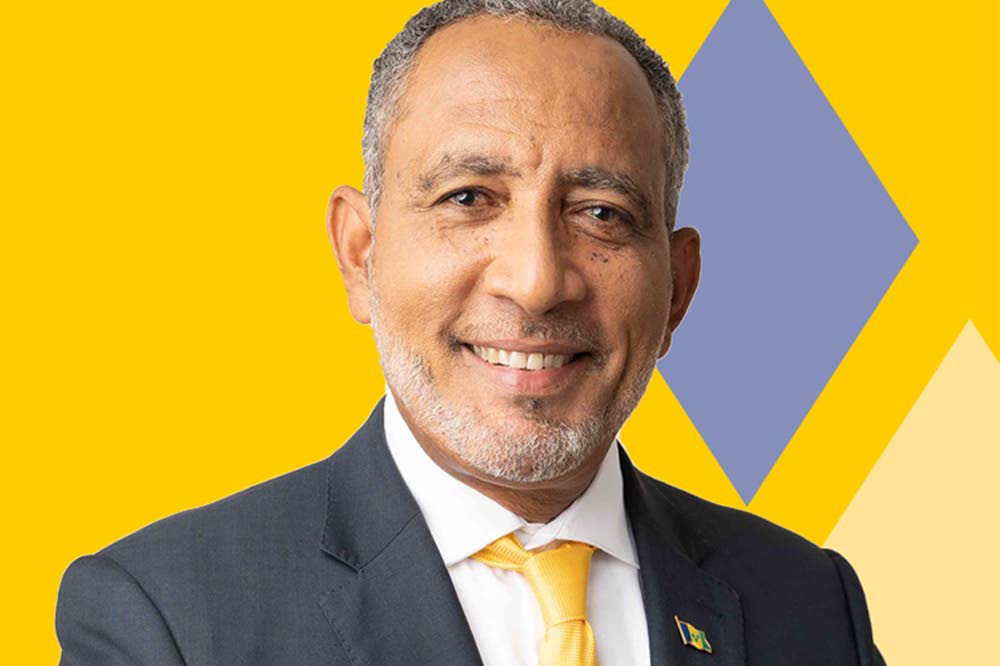
Opposition NDP sweeps Gonsalves’ ULP out of power in St Vincent election
In a landmark political shift, St. Vincent and the Grenadines has elected Dr. Goodwin Friday and his New Democratic Party (NDP) to power, ending Prime Minister Ralph Gonsalves’ 24-year administration. Preliminary results from the November 27 general election indicate the NDP secured a decisive victory, capturing 11 of the 15 parliamentary seats and preventing Gonsalves from achieving an unprecedented sixth consecutive term.
Dr. Friday, 66, a political science doctorate holder and 23-year parliamentary veteran representing North Grenadines, will assume leadership following this electoral upset. The victory mirrors regional political patterns, notably Trinidad and Tobago’s recent transition where Kamla Persad-Bissessar’s UNC party similarly moved from opposition to government last April.
Persad-Bissessar publicly congratulated Friday, stating on social media: “I commend the citizens of Saint Vincent for upholding the highest ideals of democracy. May God bless the newly elected government as they begin this new chapter of service.”
The campaign was marked by significant controversy as Gonsalves, 79, alleged foreign interference attempts. Two days before voting, he accused Trinidadian lawyers of collaborating with the NDP to ‘rig’ the election and warned about unauthorized foreign campaigners. These claims emerged alongside domestic scandals involving Gonsalves’ family property acquisitions in Trinidad, currently under investigation by housing authorities.
Reuters reports the election presented a “clear ideological contrast” between parties. While Gonsalves’ Unity Labour Party advocated maintaining existing foreign policies, including support for Venezuela’s Maduro regime, Friday’s NDP campaigned on strengthening ties with China and implementing Citizenship by Investment programs.
Despite his party’s overall defeat, Gonsalves reportedly retained his personal parliamentary seat in the Windward constituency, ensuring his continued political presence despite the broader administration change.
-
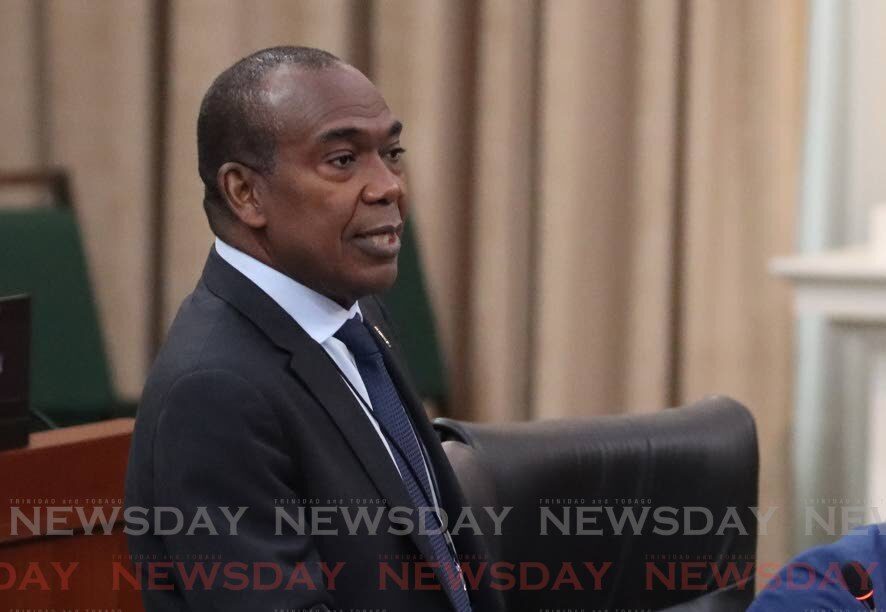
Moonilal: Sending AG to privileges trivial, frivolous
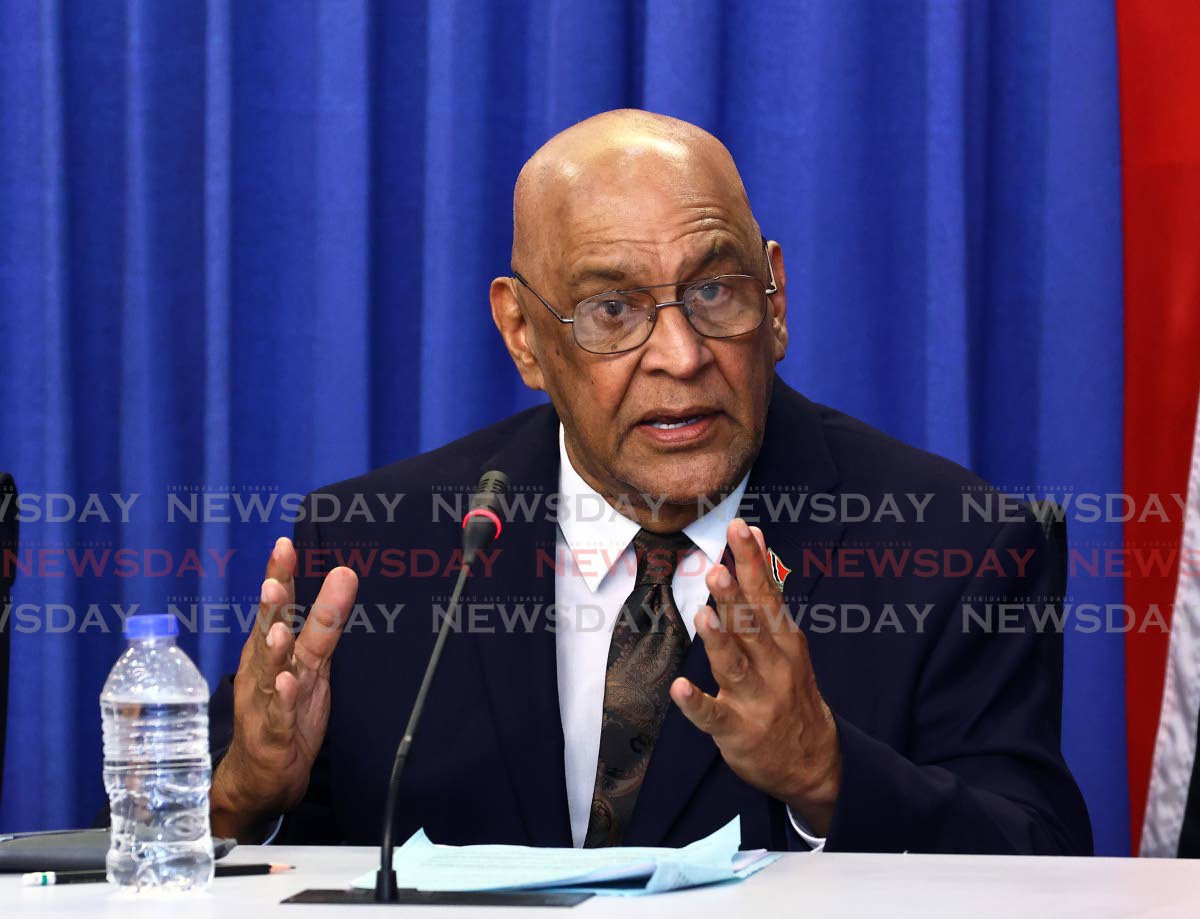
In a recent development in Trinidad and Tobago’s Parliament, Attorney General John Jeremie has been referred to the Privileges Committee over comments made during a ‘hot mic’ moment in the Lower House. Oropouche East MP Dr. Roodal Moonilal has dismissed the referral as ‘trivial and frivolous,’ emphasizing that such banter is commonplace in parliamentary proceedings. Speaking at his constituency office in Debe on November 26, Moonilal, a former leader of government business, recalled his own participation in similar exchanges over the years. He argued that the country faces more pressing issues than what he termed ‘irrelevant and useless escapades.’
Opposition Chief Whip Marvin Gonzales, however, defended the referral, stating that it was necessary to address AG Jeremie’s persistent use of derogatory language in Parliament. Gonzales cited an instance where Jeremie was overheard saying, ‘Hush your mouth, boy, why you ain’t take your little man?’ Moonilal responded by noting that all MPs have the right to raise matters of privilege, but the final decision rests with the Speaker.
In a separate but related matter, Moonilal commented on the recent visit by General Dan Caine, Chairman of the US Joint Chiefs of Staff, to Trinidad and Tobago. While he deferred to the Prime Minister and relevant ministers on national security issues, Moonilal expressed optimism about the high-level discussions on regional security. He highlighted the serious threats posed by narco-traffickers and drug cartels in the Caribbean, underscoring the importance of such diplomatic engagements.