标签: Trinidad and Tobago

特立尼达和多巴哥

  • THA minority leader demands removal of Tobago radar

    THA minority leader demands removal of Tobago radar

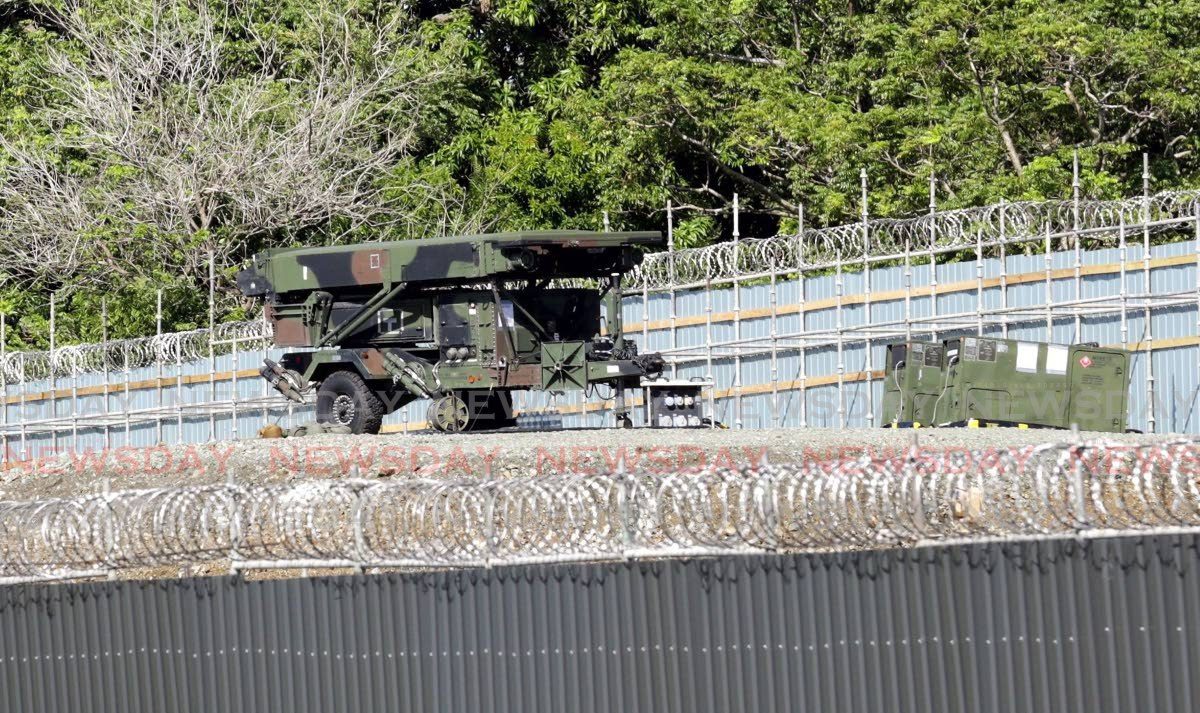
    A significant political confrontation has emerged in Tobago regarding the undisclosed installation of a US military radar system at ANR Robinson International Airport. The controversy ignited when a US military transport plane was spotted at the facility, prompting questions about its purpose. Prime Minister Kamla Persad-Bissessar initially stated the presence was related to US Marines assisting with roadworks, but later acknowledged the radar’s existence as a “national security matter” she had attempted to keep confidential.

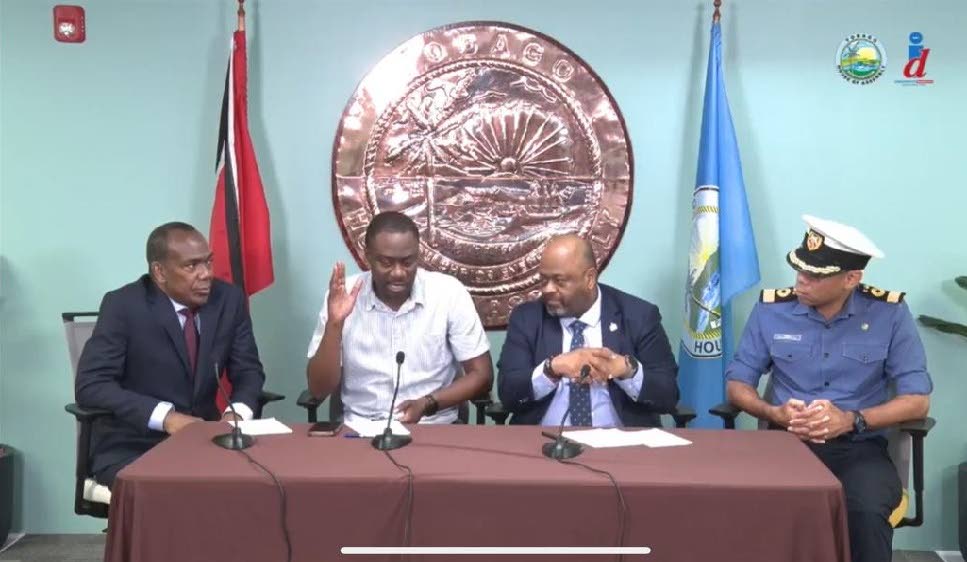
    Tobago House of Assembly Chief Secretary Farley Augustine expressed surprise at the installation, leading to emergency meetings with Attorney General John Jeremie, Defence Minister Wayne Sturge, and Chief of Defence Staff Commodore Don Polo. Augustine subsequently announced receiving assurances that the radar would not be used for offensive operations against Venezuela or other nations.

    Defence Minister Sturge maintains the system serves exclusively for domestic security, specifically combating increased illegal flights and drones trafficking weapons and narcotics into Trinidad and Tobago. However, PNM Tobago Council Political Leader Ancil Dennis has launched vehement opposition, demanding immediate removal of the equipment and accusing the government of deception.

    Adding complexity to the situation, an unnamed military source described the system to Newsday as a “battlefield operational radar” typically deployed near conflict zones. This characterization has fueled speculation about potential US preparations for regional military engagement, particularly regarding Venezuela. Sturge dismissed these claims as unfounded, noting the nearby USS Gerald Ford aircraft carrier possesses superior tracking capabilities.

    Tourism industry representatives have expressed alarm, with Tobago Hotel and Tourism Association president Reginald MacLean reporting cancellations and warning the military presence makes the island a potential target. The situation continues developing with the PNM expected to address the matter formally in upcoming media briefings.

  • Naparima crush ‘Pres’ 4-0 to lift Intercol south zone crown

    Naparima crush ‘Pres’ 4-0 to lift Intercol south zone crown

    Naparima College secured their second Secondary Schools Football League (SSFL) championship of the 2025 season with an emphatic 4-0 triumph over Presentation College San Fernando in the Coca-Cola South Zone Intercol final. The decisive match unfolded at Couva’s Ato Boldon Stadium on December 1, showcasing Naparima’s formidable offensive capabilities against their city rivals.

    The match’s narrative transformed dramatically in the second half when striker Riquelme Phillips delivered a spectacular hat-trick performance. Substitute Xarion France compounded Presentation’s distress with a clinical fourth goal during extra time, sealing Naparima’s commanding victory. This triumph propels Naparima into the National Intercol quarter-finals, positioning them for a potential triple crown of SSFL titles this season.

    Presentation College initially demonstrated promising momentum during the opening minutes, earning a penalty opportunity in the fourth minute after Naparima defender Sebastian James fouled striker Isaiah Jacob in the box. However, Naparima goalkeeper Mikhail Clement anticipated perfectly, diving left to deny Jacob’s spot kick in what became a pivotal turning point.

    The Lions maintained territorial dominance throughout the first fifteen minutes but gradually yielded control as Naparima established midfield superiority. Despite several scoring chances from Jacob, Presentation consistently lacked the finishing precision required to convert opportunities into goals.

    The match evolved into a midfield stalemate during the latter first half, with Naparima’s Jabari Rodriguez, Jayden Caprietta, and Jacob O’Reilly applying sustained pressure on Presentation’s defensive lines. Both teams remained scoreless at halftime despite numerous attempts.

    Naparima emerged from the break with renewed offensive intensity. The breakthrough arrived in the 63rd minute when defender Camron Bovell’s long aerial pass triggered defensive miscommunication between Presentation’s goalkeeper Marcelo Phillip and his defender. Phillips capitalized on the collision, expertly lofting a shot into the far post beyond the goalkeeper’s reach.

    Thirteen minutes later, O’Reilly executed a strategic steal in Presentation’s territory, delivering a perfectly weighted pass to Phillips who finished clinically against the outrushing goalkeeper. Phillips completed his hat-trick in the 85th minute through coordinated play with Caprietta, expertly shifting to his left foot before firing into the top right corner.

    The final blow came during added time when substitutes Arron Raymond and France combined effectively, with France delivering a powerful right-footed finish that eliminated any remaining hope for Presentation. The victory reinforces Naparima’s status as premier contenders while Presentation must regroup for subsequent seasons.

  • Justitia Omnibus attorneys laud UTT’s honorary doctorate for Khan

    Justitia Omnibus attorneys laud UTT’s honorary doctorate for Khan

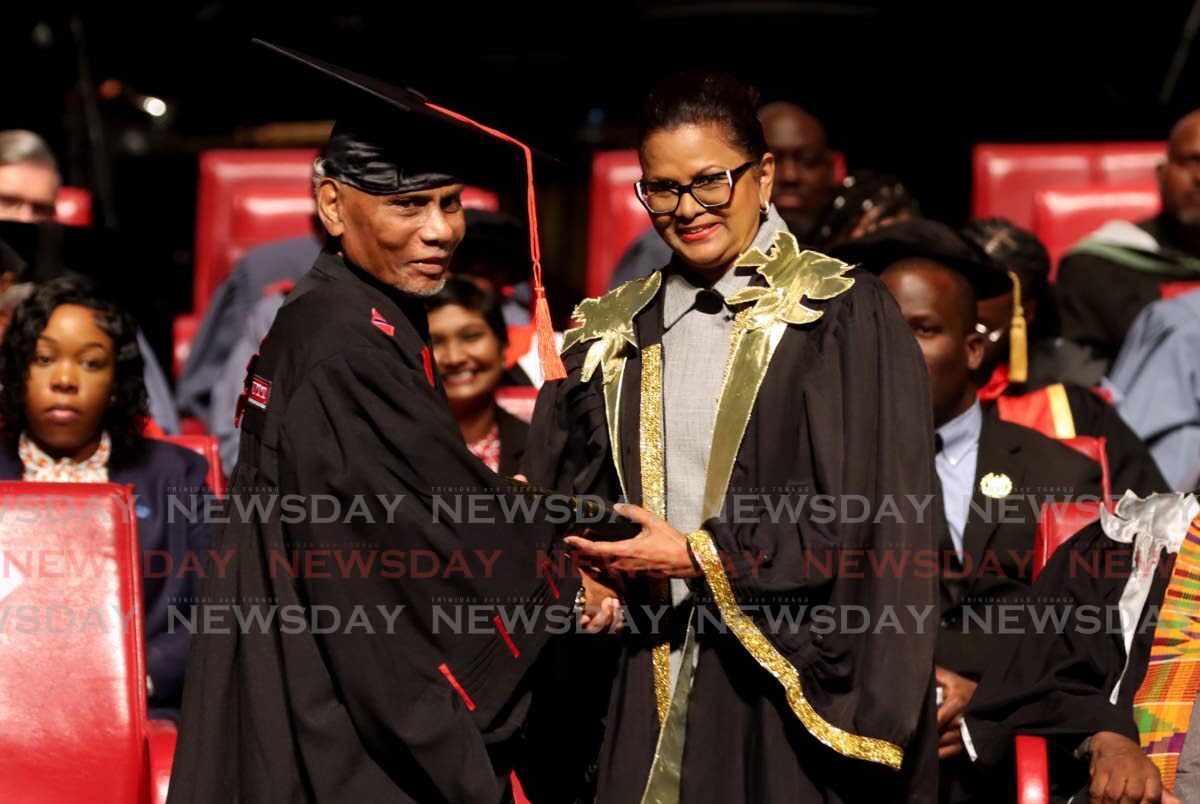
    In a landmark ceremony at the National Academy for the Performing Arts in Port of Spain on November 18, distinguished attorney Israel Khan SC was conferred with an honorary Doctor of Laws (LLD) degree by the University of Trinidad and Tobago. President Christine Kangaloo presided over the graduation event, bestowing this rare academic honor upon one of the nation’s most formidable legal minds.

    This recognition marks an unprecedented moment in Trinidad and Tobago’s legal history, as Khan becomes the first practicing criminal advocate to receive such an honor from the university. The announcement generated immense pride among members of Justitia Omnibus Law Chambers, which Khan has led since establishing the practice in 1979 following his graduation from Hugh Wooding Law School.

    Khan’s legal career spans over four and a half decades of exceptional service. Appointed Senior Counsel in 2000, he maintains an extensive practice across Caribbean regional courts and holds placement on the International Criminal Court’s Registry of Defence Counsel in The Hague. He currently presides as president of the Criminal Bar Association of Trinidad and Tobago.

    Beyond his courtroom achievements, Khan has shaped generations of legal professionals through his 38-year tenure as senior associate tutor at Hugh Wooding Law School. His mentorship philosophy emphasizes empowerment, encouraging students to challenge systemic injustices while adhering to principles of fairness and advocacy for the marginalized.

    Khan’s distinctive contribution to Caribbean jurisprudence lies in his principled defiance of colonial legal traditions. He has pioneered an advocacy style rooted in Caribbean reality, making complex legal concepts accessible to ordinary citizens while maintaining formidable intellectual rigor. His approach has influenced countless criminal advocates to embrace cultural identity within legal practice, ensuring justice remains both comprehensible and attainable for all segments of society.

    The honorary degree adds to Khan’s recent recognitions, including his 2024 designation as one of Hugh Wooding Law School’s seven most distinguished graduates over its 50-year history. His nomination for consideration as Trinidad and Tobago’s seventh president by the parliamentary opposition in March 2023 further underscores his standing as a national figure of exceptional repute.

  • Hillview’s Harmony and Hope Xmas concert on December 5

    Hillview’s Harmony and Hope Xmas concert on December 5

    Hillview College in Tunapuna is set to inaugurate a new holiday tradition with its first-ever Christmas concert, titled ‘Harmony and Hope,’ scheduled for December 5th. The festive event will take place from 7:00 PM to 9:00 PM at the school’s auditorium on College Road.

    The concert represents a significant fundraising initiative, with all proceeds dedicated to enhancing the student experience at the institution. Tickets, priced at $150 each, are currently available for purchase at the school’s administrative office.

    Attendees can anticipate an evening of musical diversity featuring both classic Christmas carols and innovative cultural interpretations. The program will include traditional hymns like ‘O Come, O Come Emmanuel,’ contemporary favorites such as ‘Jingle Bell Rock,’ and unique local adaptations including an East Indian-inspired Christmas dance performance and a calypso parang rendition of ‘Christmas is Love.’

    The college’s steelpan orchestra has been diligently preparing for this performance, promising to deliver these seasonal melodies with both contemporary elegance and genre-blending creativity. School officials emphasize that the event not only celebrates the holiday spirit but also supports the development of Trinidad and Tobago’s future leaders.

    In addition to the musical program, each ticket includes a complimentary refreshment box. Those seeking additional information are encouraged to contact the school directly at 662-4843.

  • Tobago East MP say US radar ‘necessary’

    Tobago East MP say US radar ‘necessary’

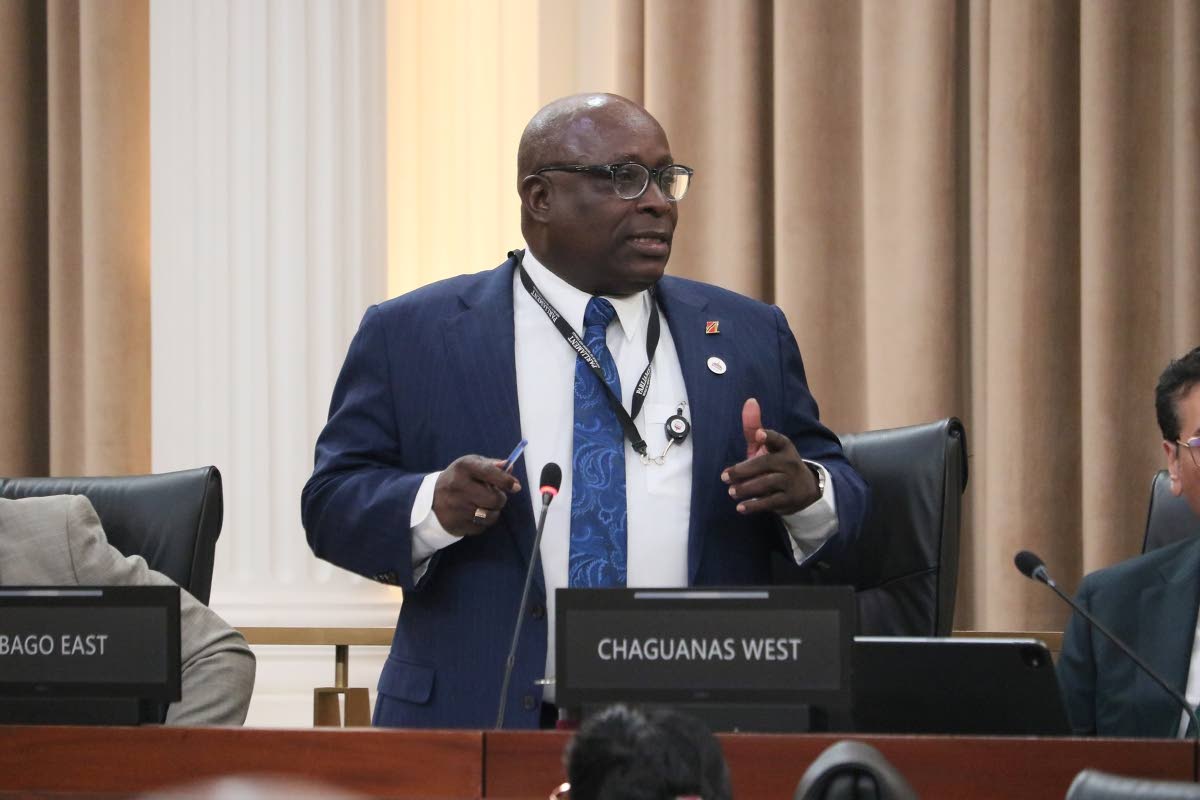
    A significant national security discussion has emerged following the installation of advanced radar systems at Tobago’s ANR Robinson International Airport. Tobago East MP David Thomas has characterized the implementation as “necessary” security infrastructure, while opposition voices express deepening concerns about transparency and regional geopolitical implications.

    MP Thomas, drawing upon his four decades of fire service experience, emphasized that the radar constitutes standard protocol for international airport security upgrades. “Airports represent critically sensitive zones requiring sophisticated protection measures,” Thomas stated during a November 28 parliamentary briefing. He acknowledged public apprehension but attributed this to unfamiliarity with specialized security procedures rather than any unusual circumstances.

    The parliamentarian addressed specific concerns regarding Tobago House of Assembly Chief Secretary Farley Augustine’s reported lack of prior knowledge about the installation. Thomas suggested information dissemination occurs through appropriate channels and timing, assuring that necessary details would reach relevant parties when operational requirements permit.

    Regarding potential implications for regional tensions between the United States and Venezuela, Thomas provided unequivocal rejection: “Of course not.” He clarified that the technology primarily serves narcotics trafficking interdiction efforts, as previously confirmed by Prime Ministerial statements. Thomas emphasized that certain national security particulars must remain classified to maintain operational effectiveness.

    Conversely, Opposition MP Stuart Young articulated “serious concerns” regarding the government’s transparency and geopolitical balancing act. Young referenced previous successful navigation of complex international relationships during the Trump administration, questioning why current leadership appears less forthcoming about military-grade equipment deployment.

    Young highlighted the particular sensitivity of Venezuela’s proximity as Trinidad and Tobago’s closest neighbor, noting the visible Venezuelan coastline from local ports. He expressed apprehension about energy infrastructure vulnerability, specifically mentioning oil platforms situated approximately 60 miles offshore.

    The opposition parliamentarian called for immediate transparency from Prime Minister Rowley and Defense Minister Wayne Sturge regarding the radar’s strategic purpose and operational parameters. Young emphasized that while the United States remains a crucial ally and trading partner, the government must maintain careful diplomatic equilibrium with neighboring nations.

    Both political representatives agree on the critical importance of national security while diverging significantly on implementation transparency and communication protocols. The development underscores the complex intersection of airport security modernization, regional geopolitics, and public accountability in Caribbean international relations.

  • Women Warriors confident of strong Concacaf W Qualifiers start

    Women Warriors confident of strong Concacaf W Qualifiers start

    A revitalized Trinidad and Tobago senior women’s football squad embarks on their CONCACAF Women’s Qualifiers campaign with unwavering confidence, targeting a victorious start against Barbados this Sunday at the Kensington Oval in Bridgetown.

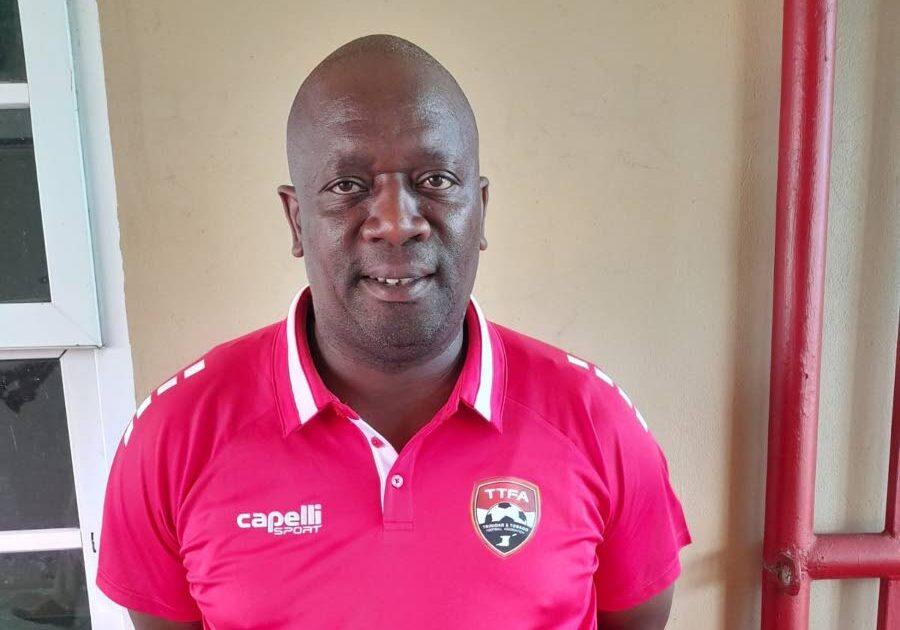
    Under the guidance of newly appointed head coach Damian Briggs, the 23-member contingent arrives in Barbados on November 29 for final preparations. The team represents a strategic fusion of seasoned international veterans and promising new talent, all united in their quest for a positive result. Veteran striker Kennya ‘Yaya’ Cordner captains the squad, which features experienced players like midfielders Asha James (Defence Force) and Marie-Frances Serrant (Neom FC, Saudi Arabia), alongside newcomers poised for their international debut.

    Coach Briggs, who assumed leadership just two months ago, expressed strong belief in his team’s capabilities following an intensive pre-tournament camp. ‘Everyone’s buzzing with the belief that we can secure three points, or at minimum one. We’re confident that if we perform to our full potential, we’ll achieve a positive outcome,’ Briggs stated during final preparations at the TTFA technical centre in Couva.

    The squad composition reflects a deliberate recruitment strategy combining local TT Pro League standouts and overseas-based talents. Notable inclusions feature goalkeeper Akyla Walcott (Wheeling University), defender Cicely Spencer Wickham (Niagara University), and forward Gabrielle Williams (Sutton), among other international prospects identified through TTFA’s expanded scouting network.

    Briggs emphasized the importance of this recruitment approach: ‘To compete with the best teams, we must be hand-in-hand with recruitment efforts.’ He specifically credited TTFA’s director of women’s football Jinelle James and overseas contributors for their role in talent identification.

    While the team suffered a 4-1 friendly defeat to Jamaica in October during Briggs’ early tenure, the coach reframed this result as a valuable assessment tool rather than a setback. The match provided crucial insights into necessary tactical adjustments and team development areas. According to Briggs, the subsequent month has seen significant progression in both team chemistry and tactical understanding.

    The upcoming match against Barbados marks the first of three Group B qualifiers, with subsequent away fixtures against Honduras (March 4) and a home match against El Salvador (April 17). The group winner will advance to the CONCACAF W Championship, serving as the gateway to qualification for both the 2027 FIFA Women’s World Cup and the 2028 Olympic Games.

  • Maduro denounces US threat to close Venezuelan airspace

    Maduro denounces US threat to close Venezuelan airspace

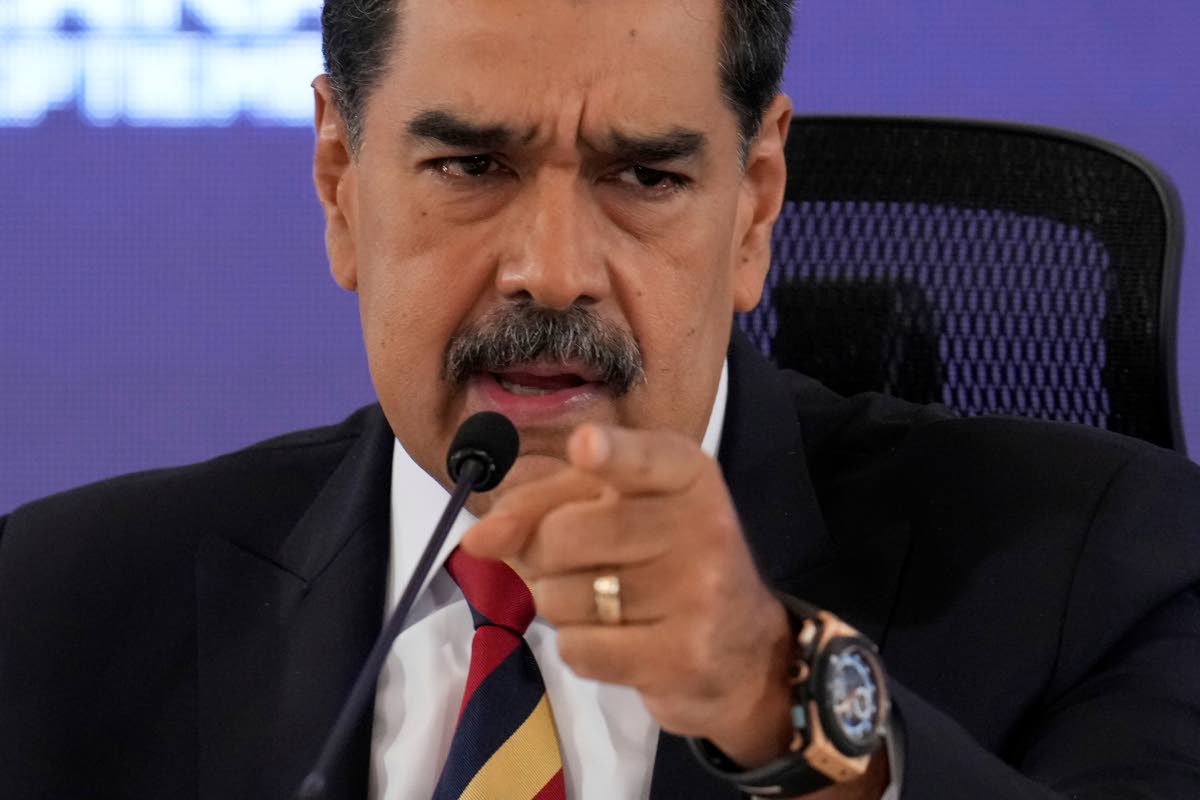
    Venezuela’s government has issued a forceful condemnation of what it characterizes as a “colonialist threat” against its national sovereignty, denouncing recent statements from the United States as an illegal and unjustified aggression. The administration of President Nicolás Maduro released an official statement on November 29th vehemently rejecting a social media message disseminated by US President Donald Trump earlier that day.

    The Venezuelan government accused Trump of attempting to “extraterritorially apply the illegitimate jurisdiction of the US in Venezuela” through what it described as an unprecedented effort to issue commands regarding Venezuelan airspace. The statement characterized this as a hostile, unilateral act incompatible with fundamental principles of International Law, representing part of a sustained policy of aggression with colonial ambitions toward Latin America and the Caribbean.

    Venezuela’s response specifically referenced Article 2, paragraph 4 of the United Nations Charter, asserting that Trump’s statements constitute an explicit threat of force that is clearly prohibited under international law. The controversy stems from Trump’s message on X (formerly Twitter) calling on all airlines, pilots, and traffickers to consider the airspace above and surrounding Venezuela “closed in its entirety.”

    The Venezuelan government emphasized its absolute sovereignty over national airspace under standards established by the International Civil Aviation Organization (ICAO) and the 1944 Chicago Convention, which explicitly recognizes each state’s exclusive authority over its territorial airspace. The Bolivarian government warned it would not accept orders, threats, or interference from any foreign power, stating that no external authority has the right to block or condition the use of Venezuelan airspace.

    In response to the escalating tensions, the US government has unilaterally suspended Venezuelan migrant flights that were regularly conducted as part of the Plan Vuelta a la Patria (Return to the Homeland Plan), which had previously facilitated 75 flights repatriating 13,956 Venezuelans.

    The diplomatic clash occurs amid increased US military presence in the region, with several airlines recently halting flights to Venezuela following warnings from US aviation authorities about “heightened military activity.” The US has characterized its military buildup as part of counter-narcotics operations, while Venezuelan officials consistently deny involvement in criminal activities and accuse the US of attempting to overthrow their government.

    President Maduro, speaking through his Telegram account on November 29th, reaffirmed Venezuela’s commitment to sovereignty, stating: “We have a glorious and unique history; we were free because we were united under a single command,” while expressing confidence that “the times of the Greater Homeland will return.”

  • The woman who chose her own mother

    The woman who chose her own mother

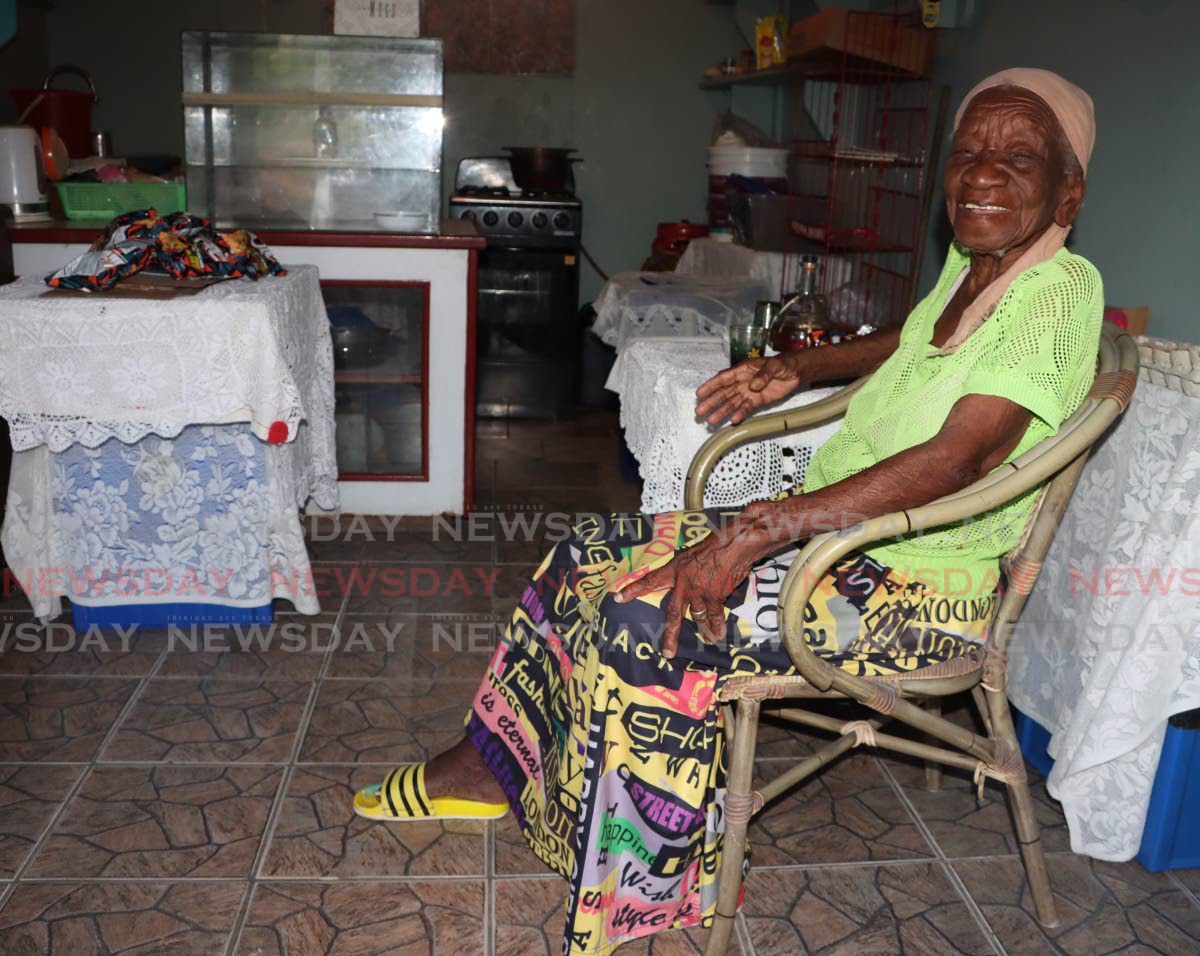
    In the tranquil village of Alensdale, Toco, 91-year-old Elsie London continues to operate her namesake café, a local institution known for its coconut drops, sweetbread, and bottled preserves. Five years after our initial encounter, Ms. London remains seated in her favorite chair, greeting visitors with characteristic warmth and occasional mischievous laughter.

    Despite scaling back her culinary activities, she continues weekend baking—producing cakes, bread, and kuchela mango that remain in high demand. Her infamous humor surfaced when discussing homemade wine, as she recounted a neighbor’s mock outrage about supplying sugarcane for her babash production: “He bawl out, ‘Ms. Elsie! I must bring cane for you to make that?’ He say dais jail!”

    Beneath the laughter lies profound emotional depth. Without prompting, London revealed a childhood trauma that has shaped her entire existence: “My mother, Kathy, give me away when I was six years old.” The recollection remains painfully vivid despite decades passing. Confronting her mother about the abandonment, young Elsie recognized what she believed to be “fake cry” before walking away with no possessions or plan.

    Her salvation came through neighbor Theresa, who immediately embraced the child despite already raising four biological children. Their exchange established a new foundation: “‘Where yuh going?’ I say, ‘Ah come home.’” Theresa’s practical concern—asking about meals and bathing—defined true motherhood for London: “You hear what a mother does ask if she care? That is a mother.”

    Theresa became London’s legitimate guardian, arranging schooling and eventually presiding over her marriage ceremonies. This adoption forged London’s fierce independence and perspective on relationships: “No man eh having me so! I had a mind of meh own.” She revealed having been married twice—to George Byron (deceased at 89) and another previously undisclosed spouse.

    Even at 91, London maintains sharp political awareness, analyzing US-Venezuela tensions through a fisherman’s lens: “A fishing boat doh have three engines.” Her wisdom reflects lived experience—interpreting politics with the same clarity developed through surviving childhood abandonment.

    Ultimately, Elsie London’s story transcends personal history to explore motherhood’s essence. Her resilience demonstrates how familial bonds are forged through choice rather than biology, embodied by Theresa’s simple declaration to a six-year-old: “Well, yuh home.”

  • Sturge: US radar to track drug drones

    Sturge: US radar to track drug drones

    Tobagonian authorities have publicly addressed the controversial installation of advanced US military radar technology at the ANR Robinson International Airport, asserting the system will serve exclusively for domestic security operations rather than offensive capabilities against neighboring nations.

    During a comprehensive media briefing in Calder Hall on November 29, Chief Secretary Farley Augustine and Defense Minister Wayne Sturge provided unprecedented details about the strategic partnership with United States forces. The officials revealed the radar system—identified as the AN/TPS-80 ground/air task-oriented radar (G/ATOR) manufactured by Northrop Grumman—represents a critical component in combating sophisticated transnational crime networks.

    Minister Sturge disclosed alarming intelligence regarding escalating aerial smuggling operations, noting a dramatic increase in unauthorized flights and drone activities transporting narcotics and firearms into Trinidad and Tobago. “The presence of US military assets in the southern Caribbean since late August has already produced measurable success in reducing maritime drug trafficking,” Sturge confirmed, indicating that criminal organizations have subsequently shifted to aerial smuggling routes.

    The defense minister emphasized the system’s technical capabilities for 360-degree surveillance, describing its critical role in detecting illegal aircraft, coordinating air defense operations, and supporting counter-trafficking initiatives. Both officials explicitly denied any possibility of Trinidadian territory being utilized for offensive operations against Venezuela or other nations, noting the United States possesses sufficient naval assets—including the USS Gerald Ford aircraft carrier—to conduct independent military operations without requiring Tobagonian support.

    Augustine acknowledged the complex geopolitical landscape, stating: “While Trinidad and Tobago cannot influence US presidential decisions, we maintain absolute sovereignty over how our territory is utilized. I will not endorse any installation designed for offensive operations against other nations.”

    In a demonstration of Tobago’s diplomatic neutrality, Augustine announced the simultaneous invitation of both US Chargé d’Affaires Jenifer Neidhart de Ortiz and Venezuelan Ambassador Álvaro Sánchez Cordero for upcoming Tobago Day celebrations. “This gesture underscores our commitment to peaceful coexistence with all nations,” Augustine affirmed. “We are not at war with anybody.”

    The briefing addressed previous transparency concerns regarding US military presence, with officials clarifying that marines remained beyond their scheduled departure to complete civil engineering projects and technical installations, all conducted under existing Status of Forces agreements originally established under former Prime Minister Keith Rowley.

  • Unions reject Elder’s comments, demand fair negotiations for all

    Unions reject Elder’s comments, demand fair negotiations for all

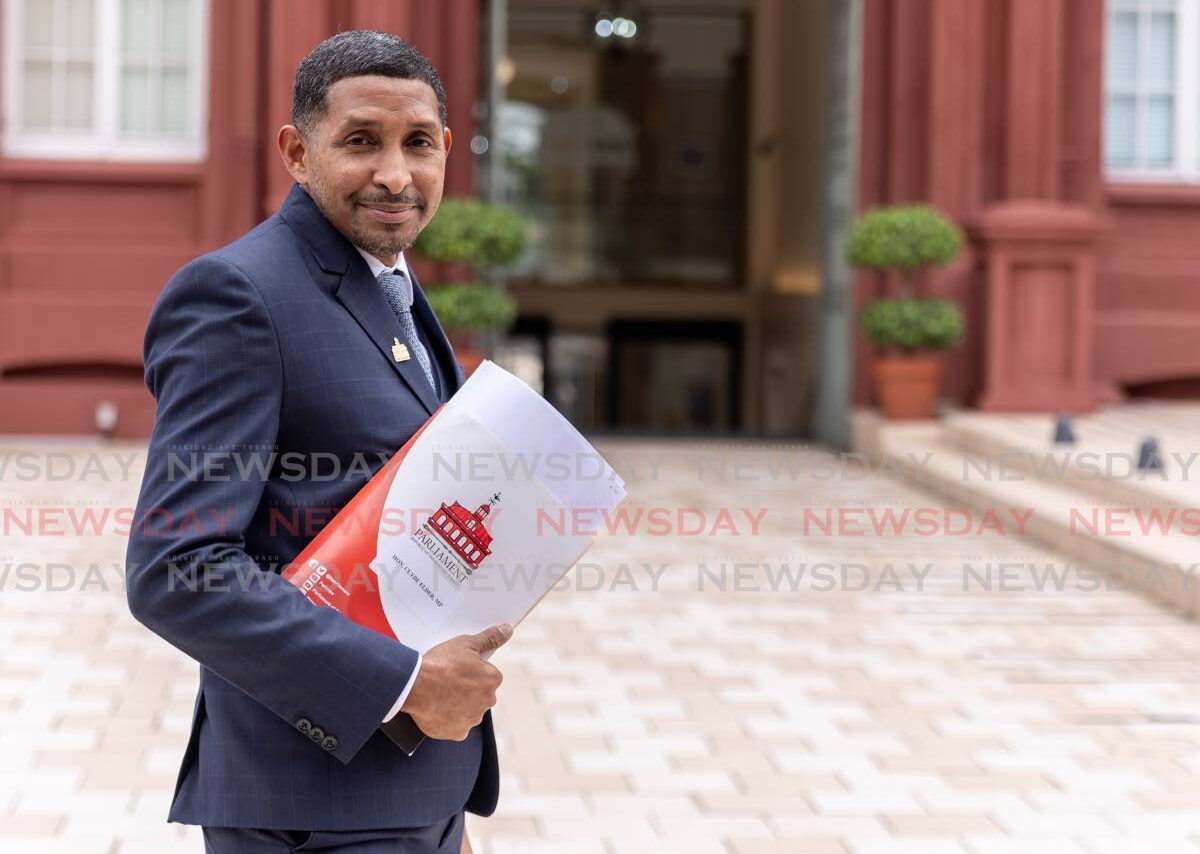
    Trinidad and Tobago’s labor movement has united in condemnation of Minister Clyde Elder’s controversial statements suggesting unions that accepted the previous administration’s 4% wage offer should not expect parity with the Public Services Association’s recently secured 10% increase. The Minister of Public Utilities’ remarks, made outside Parliament on November 28, have ignited fierce criticism from multiple trade organizations representing public sector workers.

    Prison Officers’ Association president Gerard Gordon denounced the comments as divisive and historically ignorant, revealing that many unions signed previous agreements under duress. ‘The Special Tribunal of the Industrial Court threatened to impose a ten-year judgment if matters proceeded fully,’ Gordon explained. ‘For small organizations, this coercive environment left little meaningful choice but to accept inadequate offers.’

    The Trinidad and Tobago Registered Nurses Association announced plans to restart negotiations dating back to 2014, with president Idi Stuart demanding clarification from Prime Minister Kamla Persad-Bissessar and Finance Minister Davendranath Tancoo on whether Elder’s position reflects official government policy. Stuart warned that linking wage settlements to political alignment would represent ‘the final nail in the coffin’ for collective bargaining.

    Communications Workers’ Union secretary general Joanne Ogeer highlighted the dangerous precedent of political loyalty influencing labor negotiations, noting that Elder himself had previously accepted a 5% settlement for TSTT workers who haven’t received increases since 2019. The Estate Police Association joined the chorus of disapproval, emphasizing that all state workers deserve equal consideration amid rising living costs, regardless of their union’s administrative decisions or political affiliations.

    The growing controversy threatens to undermine industrial peace, with multiple unions characterizing the minister’s stance as a betrayal of the government’s own manifesto commitments to fair wage policies for all public sector employees.