标签: Trinidad and Tobago

特立尼达和多巴哥

  • Agostini posts $312m profit amid complaints of pharmaceutical monopoly

    Agostini posts $312m profit amid complaints of pharmaceutical monopoly

    Celebrating its centennial anniversary, Caribbean conglomerate Agostini Ltd. has announced robust financial results for fiscal year 2025, demonstrating significant growth amid strategic expansion. The Trinidad-based group reported a 6.9% increase in revenue, reaching $5.44 billion compared to $5.09 billion in the previous year.

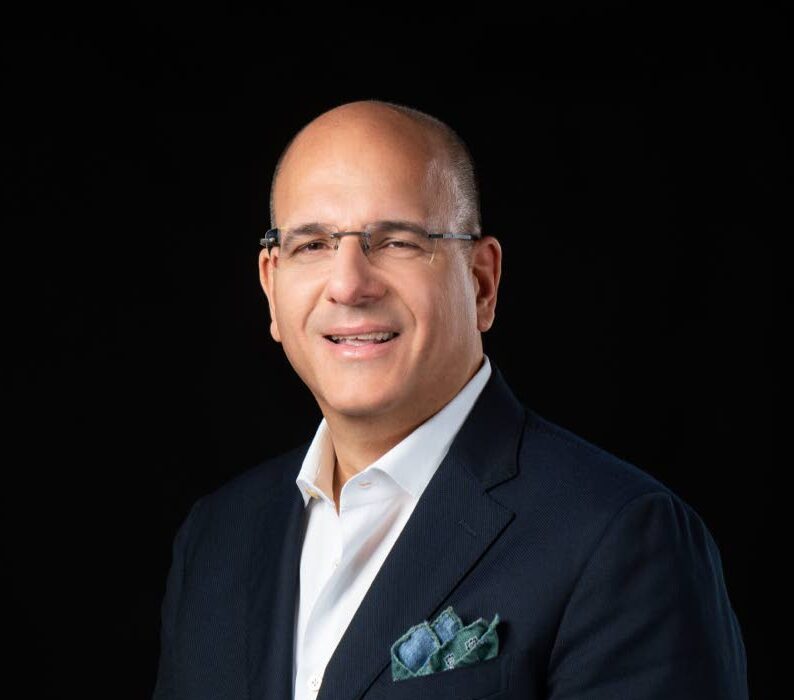
    Chairman Christian Mouttet characterized the period as one of ‘strategic transformation,’ noting the company achieved ‘another year of record revenue and earnings.’ The performance was primarily driven by two major acquisitions—Pharmacy Holdings Ltd (PHL) and Massy Distribution (Trinidad) Ltd—which substantially expanded Agostini’s presence in pharmaceutical and consumer distribution markets.

    Financial metrics showed substantial improvement across key indicators: Profit attributable to shareholders climbed to $230.3 million from $209.7 million, while earnings per share increased from $3.03 to $3.33. Operating profit rose 5.4% to $511.2 million, and pretax profit reached $435.6 million. After accounting for $123.3 million in taxes, net profit settled at $312.3 million, marking a 7.6% year-over-year improvement.

    The group’s comprehensive income, incorporating foreign exchange gains and pension adjustments, totaled $328.2 million, with $247.8 million attributable to shareholders and $80.4 million to non-controlling interests. Total assets grew to $4.89 billion, while shareholder equity increased to $2.48 billion.

    Despite these gains, the company acknowledged challenges including persistent inflation, supply chain disruptions, and foreign exchange constraints that continue to pressure margins. Finance costs increased to $75.6 million, though these were partially offset by foreign exchange gains of $15.57 million.

    Agostini’s expansion strategy has attracted regulatory attention. Recent parliamentary hearings examined market concentration in pharmaceutical distribution, with industry representatives noting that Agostini’s Aventa division reportedly imports approximately 74% of privately supplied medicines. While no formal investigation has been announced, the Prime Minister has signaled intentions to address drug pricing and market dominance concerns.

    The conglomerate continues to pursue growth through acquisition, currently proposing a share-swap merger with Prestige Holdings Ltd. that would exchange one AGL share for every 4.8 PHL shares. This transaction remains subject to regulatory approval from the Trinidad and Tobago Fair Trade Commission.

  • Roadmap for building Trinidad and Tobago’s innovation ecosystem

    Roadmap for building Trinidad and Tobago’s innovation ecosystem

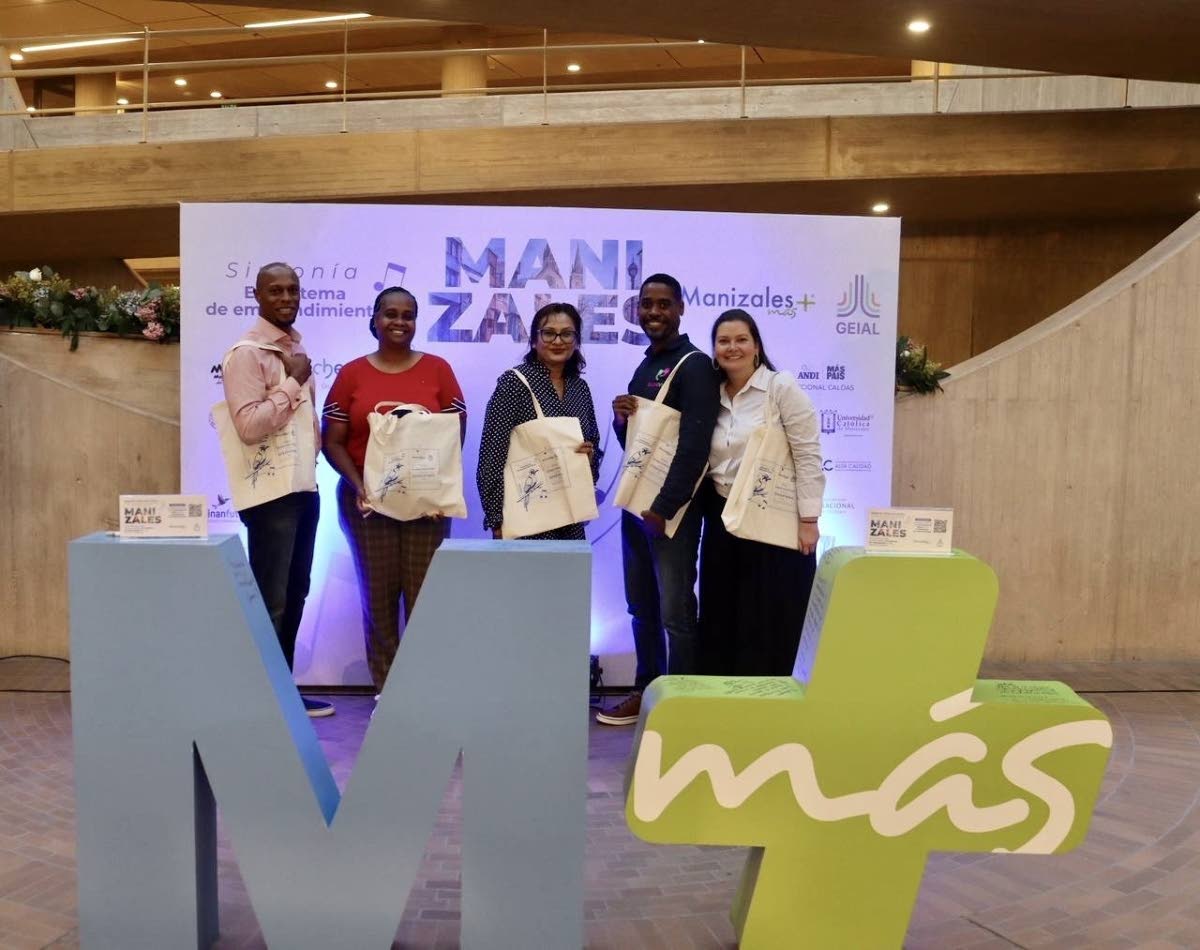
    A recent study tour to Manizales, Colombia has provided Trinidad and Tobago with a strategic blueprint for developing a robust national innovation ecosystem. Led by Vashti Guyadeen of the Trinidad and Tobago Chamber of Industry and Commerce, the delegation examined Colombia’s successful Triple Helix model that integrates academia, industry, and government collaboration to accelerate entrepreneurship and economic growth.

    The research identified five foundational pillars essential for innovation ecosystem development: coordinated national governance to align ministerial initiatives, integrated programming across accelerator programs and university initiatives, accessible infrastructure including prototyping labs and research facilities, capacity development through entrepreneurship training, and data-driven decision making using systematic innovation metrics.

    Educational alignment emerged as a critical success factor, with recommendations for cross-disciplinary entrepreneurship education, enhanced research commercialization pathways through innovation vouchers and matching grants, strengthened internship programs, and shared infrastructure agreements among tertiary institutions modeled after Colombia’s SUMA alliance.

    The proposed institutional architecture calls for a National Innovation Partnership comprising senior leaders from public, private, academic, financial, and civil society sectors to set strategic priorities and oversee funding allocations. This co-ownership model reduces government dependency while increasing sustainability.

    Priority sectors identified for diversification include technology (fintech, cybersecurity, energy tech), advanced manufacturing utilizing Industry 4.0 technologies, agriculture technology with climate-smart farming approaches, and creative industries leveraging global demand for music and digital content.

    Strategic infrastructure requirements encompass enhanced accessibility to Cariri’s existing facilities, purpose-built innovation hubs, structured national mentorship networks, and continuously coordinated accelerator programs. Financing mechanisms should include a National Innovation Fund, private sector venture arms, diaspora engagement for investment and technical capacity, and risk mitigation instruments like credit guarantee schemes.

    Accountability measures propose transparent tracking through key indicators: new firm creation, SME scale-up performance, research commercialization outputs, non-energy job creation, venture capital investment levels, and Global Innovation Index performance, with annual Innovation Report Cards to monitor national progress.

    The Manizales case study demonstrates that formalized governance, integrated programming, and shared accountability create successful innovation ecosystems, offering Trinidad and Tobago a proven framework for economic diversification and resilience building.

  • The best tech to level up your content in 2026

    The best tech to level up your content in 2026

    As the holiday shopping season accelerates following Black Friday, content creators and business owners face a pivotal opportunity to upgrade their technological arsenal for the coming year. The evolving digital landscape has transformed equipment upgrades from luxury to necessity, driven by fundamental shifts in content consumption patterns.

    Audience preferences have dramatically shifted away from traditional talking-head formats toward experiential, visually dynamic content. This evolution occurs alongside an overwhelming flood of AI-generated material across platforms, forcing algorithms to prioritize authentically human content that demonstrates technical sophistication and creative originality.

    Camera technology represents the frontline of this transformation. The era of smartphone-only creation has ended, replaced by specialized devices offering superior stabilization, color accuracy, and low-light capabilities. Action cameras like DJI Osmo Action 6 and GoPro Hero 13 deliver cinematic movement capture, while the Insta360 X5 enables revolutionary 360-degree filming with post-production reframing capabilities. The compact DJI Pocket 3 has emerged as a versatile solution, functioning both as a stabilized camera and high-quality webcam for diverse shooting scenarios.

    Drone technology has transitioned from luxury to essential creative tool, with ultralight models like DJI Neo 2 and Mini 5 Pro revolutionizing aerial perspectives. These sub-250g devices offer simplified legal compliance across most regions, including the Caribbean, while advanced tracking autonomy provides creator follow capabilities without additional crew.

    Smartphone innovation continues with brands like Vivo, Oppo, Xiaomi, and Huawei leading creator-focused development. Devices such as the Vivo X300 Pro and Huawei Pura 80 Ultra feature larger sensors, enhanced low-light performance, and superior stabilization—all ranking among DxOmark’s top photographic performers. These mobile powerhouses now function as complete editing studios, publishing systems, and research assistants.

    Audio quality remains non-negotiable, with the Shure MV7+ microphone paired with wireless systems like Rode Wireless GO III ensuring professional recording anywhere. Monitor upgrades, including 4K displays from LG and ASUS ProArt series, enable precise color management and editing accuracy.

    Storage solutions have entered a new era with Network-Attached Storage (NAS) systems from Synology and UGREEN DH2300. These private cloud alternatives offer massive capacity, remote access, and long-term cost savings compared to subscription-based cloud services.

    The 2026 content landscape will prioritize quality over quantity, with human creators leveraging technological advantages to build genuine connections amidst AI-generated volume. Success will depend on creative angles, lifestyle-driven narratives, efficient workflows, and multi-platform consistency—all supported by strategic equipment investments during current holiday sales periods.

  • Yuh Doh Leave Fowl To Watch Corn! final show at SAPA on December 6

    Yuh Doh Leave Fowl To Watch Corn! final show at SAPA on December 6

    After an acclaimed season of sold-out performances and continuous audience laughter, RS/RR Productions’ uproarious theatrical comedy “Yuh Doh Leave Fowl To Watch Corn!” is set for its final curtain call on December 6th at the SAPA venue.

    The production, which has become a cultural phenomenon in Trinidad’s entertainment scene, masterfully brings to life the timeless local proverb through a narrative of comedic chaos. The plot centers around what begins as an ordinary day but rapidly descends into pandemonium, featuring women discovering themselves in unexpected beds, men desperately professing their innocence, and a housemaid whose inability to maintain confidentiality fuels the escalating hilarity.

    Directed by the talented duo of Debra Boucaud Mason and Richard Ragoobarsingh, the show boasts an ensemble of Trinidad’s finest comedic performers. The cast includes renowned comedy virtuosos Richard Ragoobarsingh, Leslie Ann Lavine, Zo Mari Tanker, Kala Neehall, Benita Wilson, and Andrew Friday, whose collective chemistry has been instrumental in the production’s overwhelming success.

    The SAPA box office remains open daily from 12:00 PM to 6:00 PM for ticket purchases, with the final performance scheduled to commence at 8:30 PM. For additional information and reservation inquiries, patrons may contact 481-2185, 338-6024, or 744-7581.

  • Collapse of BWIA’s deal with Canada

    Collapse of BWIA’s deal with Canada

    In 1967, the Trinidad and Tobago government faced a critical crossroads in preserving its national airline, BWIA, after the collapse of a highly anticipated Canadian rescue plan. Despite prolonged diplomatic efforts, Canada’s Air Canada partnership proposal foundered due to one fundamental requirement: the unwillingness of other Caribbean governments to join a regional consortium.

    Canadian Prime Minister Lester B. Pearson conveyed the setback with diplomatic nuance in correspondence with TT’s leadership, noting, ‘In a matter as complex as this… reactions have not been forthcoming quickly, or in a clear-cut fashion. What information we have received has not in fact been uniformly encouraging.’ This diplomatic phrasing masked the stark reality that regional cooperation efforts had failed.

    Simultaneously, an alternative proposal emerged from New York investment firm R.W. Pressprich & Co. International Ltd. and Trans World Airlines (TWA). Their July 1967 proposition outlined a radical restructuring: a multinational Caribbean carrier with 60% government ownership (TT, Barbados, Guyana, Jamaica) and 40% private investment, though profit distribution would favor investors at 60%.

    Initially skeptical due to previous regional disappointments, the TT government found Pressprich unexpectedly flexible. By August 29, the firm amended its proposal to invest directly in BWIA’s existing structure without requiring prior commitments from other governments. The revised terms exempted TT from additional capital injection while maintaining existing debt guarantees and offering appropriate economic incentives.

    A significant sweetener emerged in the form of a proposed Hilton hotel development at Rocky Point, Tobago, recognizing the symbiotic relationship between airline seats and hotel beds. This tourism infrastructure component, backed by TWA’s technical expertise, added considerable appeal to the package.

    After intensive negotiations throughout September and October 1967, a memorandum of understanding was accepted by the TT government on December 5. This led to the formation of Caribbean International Ltd. as Pressprich’s investment vehicle, while TWA commenced comprehensive operational studies under the direction of senior aviation experts.

    The culmination arrived on May 24, 1968, with signed agreements between the TT government, BWIA, and Caribbean International Ltd., concluding a complex nine-month negotiation that salvaged the national airline through transatlantic investment rather than regional cooperation.

  • Zara Chase leads Pleasantville to girls’ south intercol crown

    Zara Chase leads Pleasantville to girls’ south intercol crown

    In a spectacular display of offensive prowess, Pleasantville Secondary School secured a resounding 5-0 victory against St Joseph’s Convent San Fernando in the Secondary Schools Football League’s girls’ south zone intercol final. The championship match, held December 2 at Couva’s Ato Boldon Stadium, witnessed winger Zara Chase emerge as the undeniable star with a second-half hat-trick that dismantled the opposition.

    Despite controlling first-half proceedings, the reigning girls’ Big 5 champions only managed a single goal before halftime—a 13th-minute finish from Kaeley Martin, expertly set up by midfielder Ayoka Muhammad’s precision through pass.

    The match transformed dramatically after the interval as Pleasantville, under coach Brian London, returned with intensified determination. The breakthrough came swiftly when St Joseph’s goalkeeper Amara Bhagan mishandled a long-range effort in the 47th minute, presenting Chase with an opportunistic close-range tap-in.

    Demonstrating remarkable individual skill, Chase doubled her tally merely two minutes later, elegantly navigating past multiple defenders before slotting a left-footed strike into the far corner. The relentless offensive continued as captain Natalia Gosine converted a 56th-minute penalty with composed accuracy following a handball violation.

    Chase completed her hat-trick moments later, cutting inside from the left flank and driving a powerful right-footed finish past the goalkeeper at the near post. Bhagan partially redeemed herself with a critical foot save denying Chase a fourth goal in the 62nd minute, while Gosine nearly added another with a late long-range effort that sailed just over the crossbar.

    The final whistle confirmed Pleasantville’s successful defense of their south zone intercol championship, advancing them to the national intercol semifinals against the north zone victors.

  • Temporary lay-off for Junior Sammy workers as contracts dry up

    Temporary lay-off for Junior Sammy workers as contracts dry up

    In an unprecedented move reflecting severe industry-wide challenges, Junior Sammy Contractors Ltd—one of Trinidad and Tobago’s largest contracting firms—has issued temporary layoff notices to all permanent staff. The Claxton Bay-based company will suspend operations without pay from December 16, 2024, until January 31, 2026, marking the first such action in its four-decade history.

    The decision stems from a critical combination of factors: the completion of existing contracts without new project acquisitions for the upcoming quarter, substantial delays in government payments for past infrastructure projects, and a drastic slowdown in major infrastructural initiatives. A company spokesperson, speaking anonymously, emphasized this was an industry-wide crisis, noting they were among the last major contractors to implement such measures despite months of efforts to avoid this outcome.

    Employees will receive compensation through December 15 and retain their employment status during the hiatus. Management plans to reassess the situation in January 2026 to determine resumption dates. The company acknowledged the severe impact on workers but stated the move was necessary for long-term viability.

    This development occurs against a backdrop of mounting pressure on the government to address billions in outstanding debts to contractors. Economist Indera Sagewan recently highlighted this urgent need at the Trinidad and Tobago Contractors Association awards dinner. Meanwhile, the government’s newly launched Revitalisation Blueprint promises 129 major projects—including highway construction, port expansions, and housing developments—projected to generate 50,000 jobs. However, contractors continue grappling with pandemic-era setbacks, soaring material costs, and shipping expenses that have crippled operations across the sector.

  • Army book Concacaf Champions Cup spot at the death

    Army book Concacaf Champions Cup spot at the death

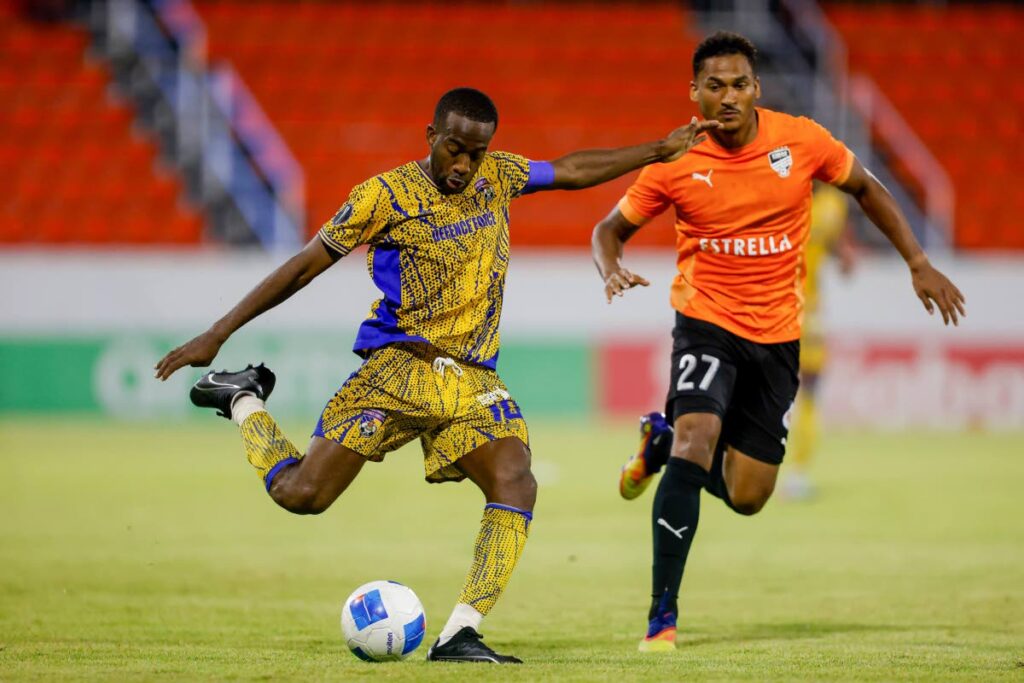
    In a stunning reversal of fortunes, Trinidad and Tobago’s Defence Force FC secured qualification for the 2026 Concacaf Champions Cup despite suffering a 2-1 defeat against Dominican Republic’s Cibao FC in their Caribbean Cup third-place playoff encounter on December 2. The match, played at Santiago de los Caballeros, culminated in dramatic fashion with both the decisive goal and subsequent post-match altercation occurring during stoppage time.

    Entering the second leg with a commanding 3-0 aggregate advantage from their home fixture at Hasely Crawford Stadium, Defence Force appeared poised for comfortable progression. However, Cibao mounted an extraordinary first-half comeback with Rivaldo Correa and Yunior Peralta finding the net during stoppage time to narrow the aggregate deficit to 3-2.

    The match turned decisively in the 59th minute when Defence Force goalkeeper Isaiah Williams, hailed as ‘Blinky’ by teammates, produced a spectacular penalty save against Correa after a handball decision against right-back Isaiah Garcia. This critical intervention revitalized the Trinidadian side, who had been under sustained pressure throughout the second half.

    The climactic moment arrived in the 94th minute when veteran captain Kevin Molino, largely contained throughout the match, engineered a brilliant counterattack. Molino shrugged off defensive challenges along the right flank before delivering a precision pass to substitute Darius Ollivierra, who converted from close range to secure the vital away goal.

    The aggregate 4-2 victory triggered immediate celebrations from the Defence Force contingent, though the euphoria quickly gave way to confrontation as players from both teams engaged in an on-field altercation following the final whistle. Despite the tense conclusion, Defence Force’s third-place finish guarantees their participation in next year’s continental championship alongside Caribbean Cup finalists Mount Pleasant Football Academy and Universidad O&M FC.

  • Padarath, Gonzales: Nothing unusual about joint parliamentary sittings

    Padarath, Gonzales: Nothing unusual about joint parliamentary sittings

    Senior parliamentary figures from both government and opposition have dismissed concerns about simultaneous legislative sessions scheduled for December 5th, characterizing the arrangement as routine procedure rather than extraordinary circumstance.

    Government Business Leader Barry Padarath and Opposition Chief Whip Marvin Gonzales separately affirmed that both chambers of Trinidad and Tobago’s parliament will convene concurrently within the Red House’s northern and southern chambers. This coordinated scheduling enables parallel consideration of two significant legislative measures requiring urgent attention.

    The Senate will resume deliberations on the Home Invasion (Self-Defence and Defence of Property) Bill, 2025, continuing debates initiated December 2nd. Attorney General John Jeremie, who inaugurated the discussions, will deliver concluding arguments before the legislation advances to committee review and ultimate voting. The proposed law demands a three-fifths supermajority for passage, necessitating 19 affirmative votes in the 31-member Senate. With the government controlling 15 seats, securing four additional votes from opposition and independent senators becomes crucial for enactment.

    Simultaneously, the House of Representatives will examine the Finance Bill, 2025—legislative machinery designed to implement budgetary policies recently approved by lawmakers.

    Padarath emphasized the architectural intentionality behind the Red House’s dual chambers, noting via WhatsApp message that ‘one of the main reasons there are two chambers is for occurrences like this.’ The Public Utilities Minister further asserted the government’s commitment to fulfilling legislative promises while taking a political jab at the opposition PNM party, accusing them of being ‘legislatively lazy.’

    Gonzales corroborated this perspective, referencing historical precedent for such parallel proceedings and stating simply: ‘Nothing unusual to me.’

  • ‘Green Machine’ edge way to boys’ national intercol semis

    ‘Green Machine’ edge way to boys’ national intercol semis

    In a fiercely contested national intercol quarterfinal match characterized by physical intensity and dramatic late-game ejections, St Augustine Secondary School advanced to the SSFL boys’ semifinals with a narrow 1-0 victory against Carapichaima East Secondary. The decisive moment occurred in the sixth minute when captain Giovanni Hospedales converted a penalty kick with clinical precision after a handball violation in the box.

    The match escalated dramatically in the 88th minute when a physical altercation between St Augustine’s Elijah Baptiste and Carapichaima’s Keilon Forde resulted in straight red cards for both players. The incident began when Baptiste’s attempted control of a long ball resulted in accidental contact with Forde, who responded with a retaliatory strike to the head. The confrontation required intervention from both teams and technical staff to restore order.

    Despite being reduced to ten men, St Augustine maintained their defensive composure during extended stoppage time. Goalkeeper Tyrese Henry faced a critical moment when his clearance attempt rebounded off an attacker, creating a dangerous scramble in the penalty area that was ultimately cleared by his defenders.

    Carapichaima East had earlier appealed for a penalty seconds after halftime when Damarion Boswell went down under pressure from Raeland Dillon, but referee Jovann Peters dismissed the claims. St Augustine created several additional scoring opportunities, with Mikel Murray missing a close-range chance in the 54th minute and Hospedales seeing a long-range effort saved by Carapichaima goalkeeper Jayden Meharris, who delivered multiple impressive stops throughout the match.

    The victory sets up a semifinal confrontation between St Augustine and south zone champions Naparima College, who demonstrated their offensive prowess with a 4-0 win in their zonal final. The upcoming match will determine which team advances to the national championship final.