标签: Suriname

苏里南

  • Carlo Jadnanansing viert zijn 80e verjaardag

    Carlo Jadnanansing viert zijn 80e verjaardag

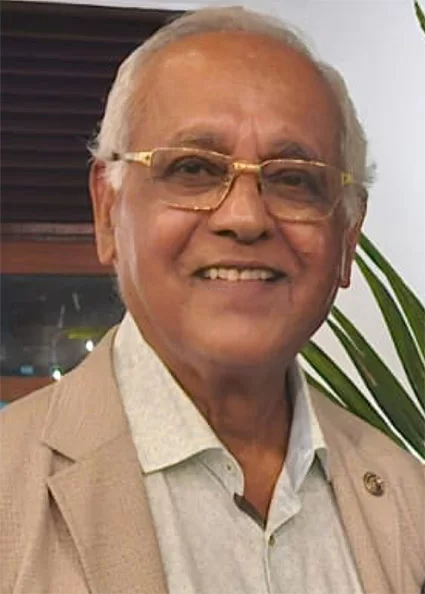
    PARAMARIBO – As Suriname’s legal community honors one of its most distinguished figures, Mr. Dr. Carlo Randjit Jadnanansing marks his 80th birthday with a legacy that has fundamentally shaped the nation’s judicial landscape. Born November 29, 1945, Jadnanansing’s multifaceted career spans jurisprudence, education, philosophy, and public service, establishing him as both an intellectual force and cultural icon.

    Jadnanansing’s academic journey began at Amsterdam Middle School in Paramaribo before advancing to Leiden University in the Netherlands, where he earned doctoral degrees in Notarial Law (1970) and Dutch Law (1972). His interdisciplinary studies incorporated criminology, forensic psychiatry, and criminalistics – foreshadowing the breadth of his future contributions.

    Returning to Suriname after practicing as a notarial candidate in The Hague, Jadnanansing developed a specialization in criminal cases before being appointed Notary in 1978, a position he maintained with unwavering dedication for 32 years. His practice became synonymous with integrity, precision, and profound expertise, establishing industry standards that endure today.

    Beyond his legal practice, Jadnanansing shaped generations of Surinamese lawyers through his academic roles. He served as lecturer at the University of Suriname and AdeKUS, teaching criminology, inheritance law, and related disciplines. His institutional contributions include chairing the Surinamese Lawyers Association (2004-2017), serving as editorial chair of the Surinamese Lawyers Journal (2002-2013), and continuing as editorial advisor thereafter.

    His scholarly output remains unprecedented: 60 articles for the Surinamese Lawyers Journal (the most in publication history) and 250 articles for Starnieuws. This intellectual leadership earned him an Honorary Doctorate (AdeKUS) in 2019, with his inaugural lecture, ‘Return to the Bosom of the State,’ recognized as a milestone in constitutional thought.

    Jadnanansing’s authoritative publications include ‘Main Lines of Surinamese Inheritance Law’ (1998) and ‘Handbook of Surinamese Inheritance Law’ (2017, co-authored with Dr. C.A. Kraan), both essential reading for legal studies. His broader literary oeuvre encompasses thirteen books blending legal analysis with philosophical insight and social commentary, including ‘With Right About Law’ (2015), ‘Right for All’ (2019), and ‘Just’ (2023).

    His service extended beyond the courtroom and classroom. As chairman of the Surinamese Tennis Association, he restored its international status. His Rotary International recognition as a Paul Harris Fellow complemented extensive board memberships across cultural, educational, and supervisory organizations, including the Conservatorium Suriname and Jnan Adhin Fund.

    Jadnanansing’s societal contributions have been recognized with Suriname’s highest honors: Officer in the Honorary Order of the Palm (2005), Commander in the Honorary Order of the Yellow Star (2021), and Grand Officer in the Honorary Order of the Palm (2024). Most recently, on November 21, 2025, he received the SuRo pin and award from Satya Dharma Ned/Sur representative Keshopersad Gangaram-Panday.

    Colleagues and students describe a Renaissance man who approaches complex inheritance cases with the same enthusiasm he brings to wordplay, gourmet cuisine, dancing, or social gatherings. Fluent in ten languages including Dutch, English, Sranan, Sarnami, Hindi, Sanskrit, and Latin, Jadnanansing combines Vedantic philosophy with joyful engagement in human experience.

    As contributor Ragini Dhanes notes: ‘In Carlo Jadnanansing’s thinking, actions, and being, one recognizes a TRUE GURU!’ His legacy represents not merely a chapter in legal history, but a foundational pillar of Suriname’s constitutional state.
  • Misdaad in 2025 fors gedaald: afname in overvallen, berovingen en diefstallen

    Misdaad in 2025 fors gedaald: afname in overvallen, berovingen en diefstallen

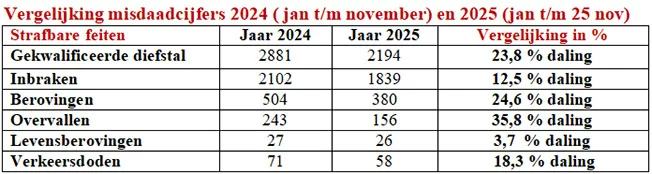
    Suriname has witnessed a substantial decline in criminal activity throughout 2025, according to the latest official data released by the Suriname Police Force (Korps Politie Suriname – KPS). The comprehensive statistics, covering January 1 to November 25, 2025, reveal marked reductions across nearly all major crime categories compared to the same period in 2024.

    The most striking improvement appears in robbery statistics, which plummeted by 35.8 percent. Police recorded 156 robberies this year, a significant decrease from the 243 incidents reported during the equivalent timeframe in 2024. Qualified theft—historically one of the nation’s most prevalent crimes—also saw a considerable downturn of 23.8 percent, dropping from 2,881 to 2,194 cases.

    Other crime categories followed similar downward trajectories. Street robberies decreased by 24.6 percent (from 504 to 380 cases), while burglaries declined by 12.5 percent (from 2,102 to 1,839 incidents). Homicide rates remained relatively stable with a marginal reduction of 3.7 percent, recording 26 cases in 2025 compared to 27 the previous year.

    In a positive development beyond conventional crime, traffic fatalities also fell substantially. Road deaths decreased by 18.3 percent, from 71 in 2024 to 58 in 2025, though police authorities emphasized that traffic safety continues to require significant attention.

    The monthly breakdown of data reveals fluctuating patterns throughout the year, with qualified thefts peaking in February (235 cases) and burglaries reaching their highest levels in March (193 cases). Despite these fluctuations, the overall trend remained consistently downward.

    The KPS underscored that despite these encouraging reductions, sustained focus on prevention, investigation, and traffic safety remains crucial. The crime statistics, compiled by the Criminal Information Service and dated November 27, 2025, continue to serve as vital metrics for allocating police personnel and resources effectively.

  • President overlegt met traditioneel gezag over koninklijk bezoek en beleidsdossiers

    President overlegt met traditioneel gezag over koninklijk bezoek en beleidsdossiers

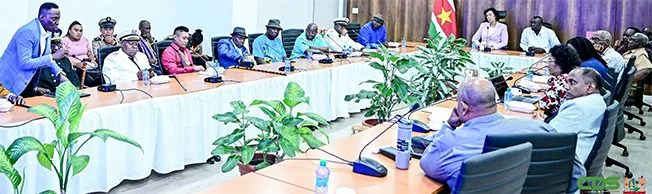
    President Jennifer Simons of Suriname convened a comprehensive dialogue with traditional leaders from Indigenous and Tribal communities on Wednesday, focusing primarily on preparations for the imminent state visit of King Willem-Alexander and Queen Máxima of the Netherlands. The meeting served as a strategic coordination session ahead of the monarchs’ scheduled engagement with Suriname’s traditional leadership cadre.

    Edgar Dikan, Advisor on Land Rights and Decentralization at the Presidential Cabinet, reported near-complete attendance from traditional authorities, including representatives from all six tribal groups. While the Association of Indigenous Village Chiefs in Suriname (VIDS) was notably absent, several delegates from Southern Suriname participated in the discussions.

    Dikan emphasized the consultative nature of the gathering, stating: “President Simons prioritized this careful deliberation given the diplomatic significance of the royal encounter during the state visit.” The presidential advisory team—specializing in land rights and decentralization matters—was formally introduced to the traditional leaders during the proceedings, according to Suriname’s Communication Service.

    The dialogue maintained sharp focus on immediate logistical preparations rather than substantive policy decisions. “Today’s priority was short-term coordination given the King’s arrival within days,” Dikan explained. Participants agreed to resume broader consultations shortly after the royal visit concludes. The Dutch royals are scheduled to arrive in Suriname on Sunday evening.

    Future discussions will elaborate on the policy frameworks outlined by President Simons regarding land rights and decentralization. Dikan highlighted these issues’ critical importance for interior communities: “Since these regions maintain close administrative cooperation with district commissioners and governance services, achieving broad policy consensus is essential. This fosters greater local ownership and enhances implementation success rates.”

  • Natio Uma boekt 3-1 zege op Anguilla in Concacaf-kwalificatie

    Natio Uma boekt 3-1 zege op Anguilla in Concacaf-kwalificatie

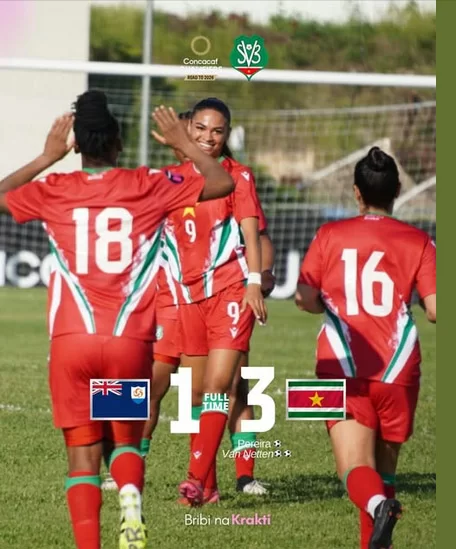
    Suriname’s women’s national football team has commenced their CONCACAF Championship qualification campaign with an impressive 3-1 away victory against Anguilla on Wednesday. The match demonstrated Suriname’s growing dominance in regional women’s football as they controlled proceedings from the opening whistle.

    Estelle Pereira initiated the scoring barrage in the 9th minute, providing Suriname with an early advantage. Rachel Van Netten then extended the lead during first-half stoppage time, securing a comfortable 2-0 margin at halftime. Van Netten continued her exceptional performance by netting her second goal early in the second half, establishing an insurmountable 3-0 lead. Although Anguilla’s Carlia Johnson managed a consolation goal during the final stages, it scarcely affected the match’s outcome.

    This victory holds particular significance as it marks Suriname’s strong opening in Group D of the CONCACAF qualification tournament. The team’s composition—featuring both domestic and internationally-based professionals—demonstrates the strategic development of women’s football in Suriname. Notable players including Kimara Alberg and Anjali Soechit contributed to this cohesive team performance.

    The success underscores the effectiveness of Suriname’s investment in building a competitive squad with players gaining experience in European leagues. This international exposure appears to be translating into improved performances at the continental level, suggesting promising prospects for Suriname’s football development.

    Historical context reveals this victory continues Suriname’s dominance over Anguilla, following their decisive 5-0 triumph in their previous 2022 encounter. The consistent performance improvement indicates structural growth within Suriname’s women’s football program.

    Attention now shifts to Suriname’s subsequent qualification matches as they seek to advance toward higher international competitions. This commanding start generates optimism among supporters and analysts regarding the team’s potential to achieve further success in the tournament.

  • Godwin Friday beëindigt tijdperk-Gonsalves

    Godwin Friday beëindigt tijdperk-Gonsalves

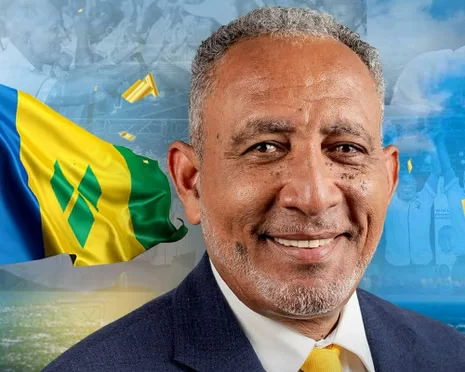
    In a landmark political transition, St. Vincent & the Grenadines has elected Godwin Friday as its new Prime Minister, marking the end of Ralph Gonsalves’ nearly quarter-century leadership. Friday’s New Democratic Party (NDP) secured a parliamentary majority, unseating the long-ruling Unity Labour Party (ULP) in what represents one of the most significant power shifts in Caribbean politics.

    The electoral outcome signals a decisive public mandate for change after 25 years of continuous governance under Gonsalves. Friday, who has led a moderate yet determined opposition, campaigned on promises of improved governance, economic revitalization, and enhanced governmental transparency.

    In his victory address, Friday proclaimed “a new day for St. Vincent & the Grenadines” and expressed gratitude to citizens for their trust. The incoming leader emphasized his commitment to national unity and progressive reform.

    Outgoing Prime Minister Gonsalves has conceded defeat and extended congratulations to his successor, pledging cooperation to ensure an orderly transition of power. This gesture underscores the democratic maturity of the Eastern Caribbean nation.

    Friday is expected to assemble his cabinet in the coming days and initiate consultations with key stakeholders to establish governance priorities for his administration’s critical first 100 days. The political transformation in St. Vincent & the Grenadines represents both a domestic turning point and a notable development within the broader Caribbean political landscape.

  • Twee Getuigen niet verschenen in hoger beroep Pikin Saron-strafzaak

    Twee Getuigen niet verschenen in hoger beroep Pikin Saron-strafzaak

    The appeal hearing for five men convicted for their roles in the May 2, 2023 disturbances in Pikin Saron faced significant delays as multiple witnesses failed to appear before the court on November 28th.

    Judicial proceedings encountered obstacles when two subpoenaed witnesses did not attend the session. One individual cited excessive travel distance to the cantonment court as the primary reason for absence, while another witness reported psychological distress preventing them from confronting memories of the traumatic events.

    Defense attorney Murwin Dubois presented arguments regarding witness accountability, stating: ‘No distance is too great when it comes to establishing truth.’ The lawyer formally requested the court to implement consequences for non-appearance, emphasizing the judicial process’s integrity requirements.

    Additional logistical complications emerged regarding a third witness who received their summons too late to arrange attendance, and a fourth witness who had previously reported illness during earlier proceedings and consequently wasn’t subpoenaed for this session.

    The defense team raised further concerns about detainee treatment, specifically requesting that defendants not be transported via prisoner transport vehicles as late as 7 or 8 PM following court sessions. Defendant G.Z. elaborated on psychological vulnerabilities, revealing: ‘I’m under psychiatric care and require sleeping pills to rest. We request to be taken seriously—three months have passed without resolution.’

    The court has scheduled continuation of proceedings for December 9th, allowing time to address these procedural and logistical challenges.

  • SLM bespreekt luchtvaartkansen met premier St. Maarten

    SLM bespreekt luchtvaartkansen met premier St. Maarten

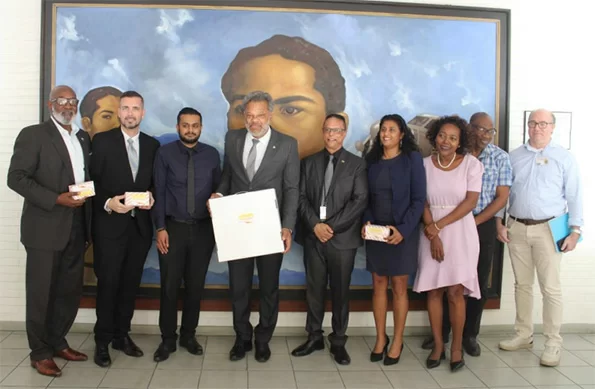
    In a significant development for Caribbean aviation connectivity, Surinam Airways (SLM) hosted a high-level delegation from St. Maarten led by Prime Minister Luc Mercelina this week. The airline described the meeting as a “historic moment” for regional air transport cooperation.

    The discussions, held in SLM’s operational command center referred to as the “cockpit,” focused on exploring new flight connections and cargo services between Suriname and St. Maarten. Both parties examined opportunities to enhance regional connectivity through additional routes beyond the direct connection between the two territories.

    According to official statements, the existing business case for this aviation partnership will be updated based on information exchanged during the talks. Subsequent follow-up discussions between the two parties are planned, with Surinam Airways expressing strong interest in potential collaboration. The meeting represents a concrete step toward strengthening economic and transportation ties between the Caribbean nations.

    This initiative could potentially open new tourism and trade corridors in the region, facilitating easier movement of passengers and goods between the Dutch Caribbean territories. The expanded connectivity would support economic development and cultural exchange throughout the Caribbean basin.

  • Suriname en UNIDO gaan vijfjarig partnerschap aan voor industriële ontwikkeling

    Suriname en UNIDO gaan vijfjarig partnerschap aan voor industriële ontwikkeling

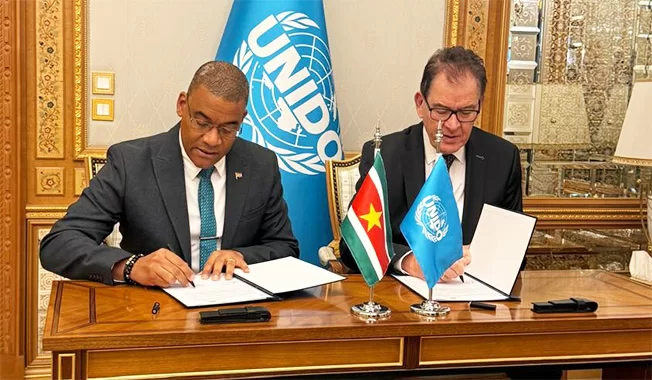
    In a significant move toward economic transformation, Suriname has formally requested the development of a Programme for Country Partnership (PCP) with the United Nations Industrial Development Organization (UNIDO) during the UNIDO conference in Riyadh, Saudi Arabia. The partnership, covering the period 2026–2031, was ceremonially confirmed through the signing of a Joint Declaration by UNIDO Director General Gerd Müller and Suriname’s Minister of Economic Affairs, Entrepreneurship and Technological Innovation, Andrew Baasaron.

    The comprehensive partnership framework aims to drive substantial modernization of Suriname’s industrial sector while promoting economic diversification beyond mining. Key focus areas include strengthening micro, small and medium-sized enterprises (MSMEs), developing agricultural food chains, establishing sustainable economic zones, and fostering innovation and skills development. The program explicitly supports Suriname’s commitment to green growth initiatives and maintaining its High Forest Cover with Low Deforestation (HFLD) status.

    The Ministry of Economic Affairs will coordinate the multi-stakeholder implementation process involving various government departments, private sector representatives, and civil society organizations. The collaboration will feature extensive knowledge exchange, joint participation in technical meetings, and systematic progress monitoring mechanisms.

    This strategic alignment between Suriname and UNIDO underscores their shared ambition to build a more resilient and sustainably modernized economy, positioning the South American nation for long-term industrial development and environmental stewardship.

  • Staatsolie start seismisch onderzoek in ondiep zeegebied

    Staatsolie start seismisch onderzoek in ondiep zeegebied

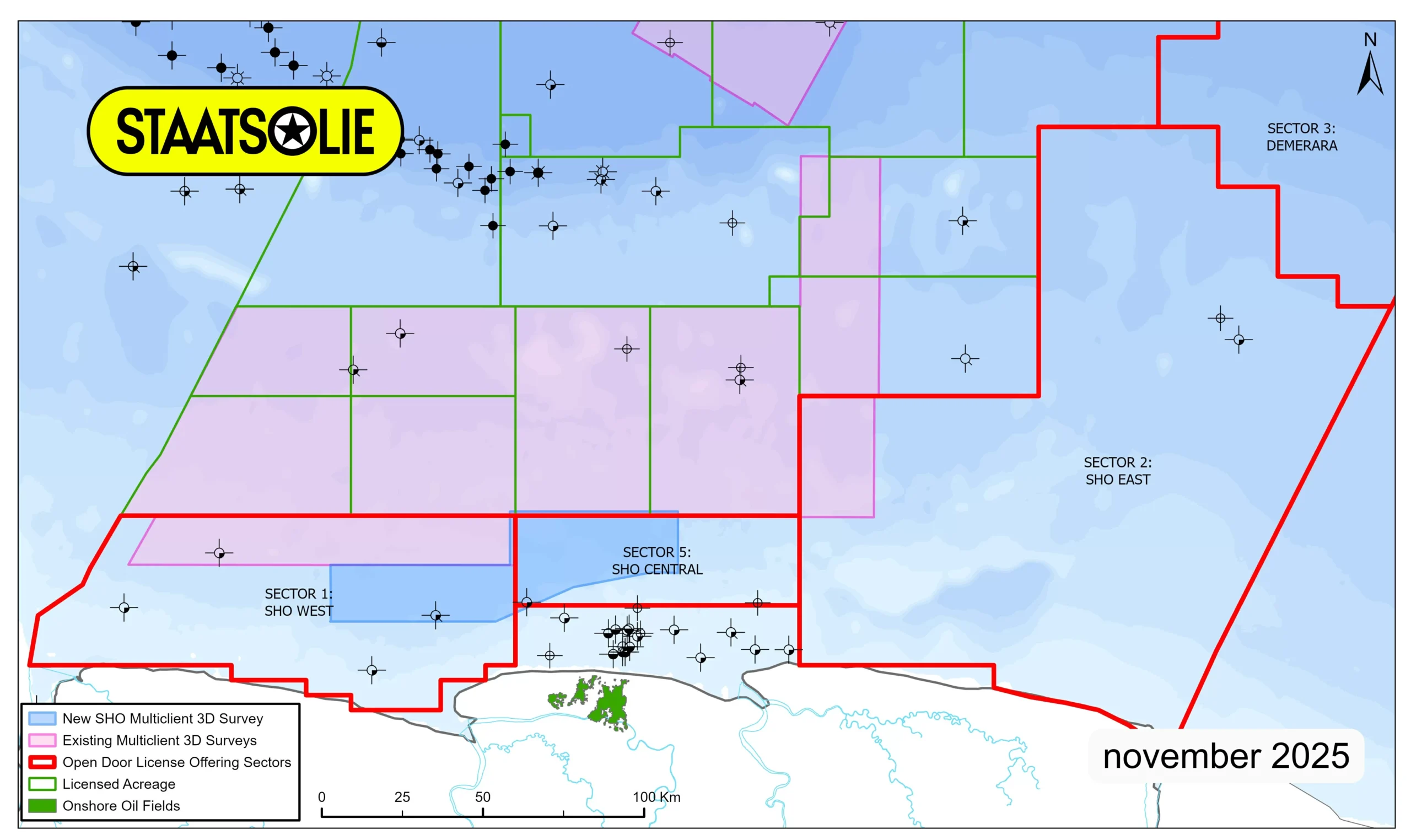
    Suriname has initiated a comprehensive seismic survey in its shallow offshore waters, marking a significant advancement in the nation’s energy exploration efforts. The project, spearheaded by Staatsolie Maatschappij Suriname N.V., involves collaboration with China’s Bureau of Geophysical Prospecting (BGP Offshore) and Norwegian/American firm Tomlinson Geophysical Services Inc. (TGS).

    Covering approximately 2,000 square kilometers in coastal regions near Saramacca and Coronie, the survey will operate at water depths ranging from 20 to 50 meters. Over a two-month period, the initiative will gather high-quality geological data to map potential oil and gas reserves beneath the seabed.

    The specialized vessel BGP Prospector will deploy an advanced array of eight six-kilometer-long streamer cables, submerged nine meters below the surface. These cables will capture reflected sound waves to create detailed subsurface imagery. Support vessels will ensure safety by maintaining distance between the research operation and local fishing activities.

    This project operates under a multi-client agreement model, allowing the consortium to sell collected data to third parties while Staatsolie retains ownership. This innovative approach enables access to premium geological information without bearing full financial burden, while generating revenue through data sales.

    The environmental aspects of the survey have been rigorously addressed through an approved Environmental Management and Monitoring Plan (MMMP). From August to October this year, extensive consultations were conducted with local communities, fishermen, and stakeholders from Coronie and Saramacca, with their feedback incorporated into the final environmental framework.

    This seismic investigation aligns with Suriname’s recent Open-Door Offering initiative, designed to attract international energy companies to invest in the country’s emerging offshore exploration opportunities.

  • Column: Twee paspoorten, één waarheid

    Column: Twee paspoorten, één waarheid

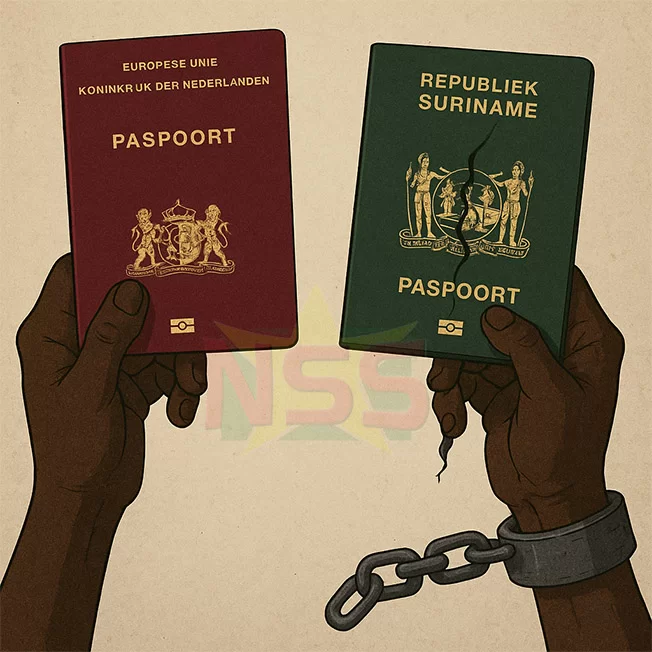
    Fifty years after Suriname gained independence from the Netherlands, one contentious issue remains persistently relevant: the Dutch passport. This document has evolved beyond mere travel authorization to become a tangible manifestation of unresolved historical inequalities stemming from the colonial era that continue to shape contemporary societal dynamics.

    The practical advantages of possessing a Dutch passport create a stark divide among Surinamese citizens. Those holding the coveted burgundy-colored document enjoy unparalleled mobility, visa-free access to numerous countries, enhanced consular protection, and greater economic opportunities. In contrast, Surinamese passport holders face significant barriers, including arduous visa application processes, intense scrutiny of financial standing, and implicit questioning of their credibility when seeking international travel.

    This disparity becomes particularly evident during international transit. At airports like Schiphol, Dutch passport holders can freely exit transit areas, rest in hotels, or explore during layovers. Meanwhile, those without equivalent travel documents may remain confined to transit zones for up to twenty-four hours—a physical manifestation of the inequality embedded in citizenship hierarchies.

    The phenomenon extends beyond travel logistics into societal participation. Surinamese-Dutch citizens actively contribute to Suriname’s organizational structures and public discourse, yet retain the security of European Union protection when risks emerge. This dynamic creates an implicit power asymmetry where emotional connection to Suriname doesn’t necessarily translate to shared vulnerability or consequence.

    Language and cultural expressions further reveal enduring colonial mentalities. Phrases like “That’s just Indian stories” (dismissing narratives as exaggeration) or “When black man eat, black man sleep” (implying laziness) perpetuate harmful stereotypes rooted in colonial justification narratives. These linguistic patterns continue to devalue indigenous knowledge systems and reinforce hierarchical thinking.

    The ongoing debates surrounding passport privileges ultimately transcend practical concerns about mobility, touching upon fundamental questions of dignity, recognition, and equal treatment. The emotional connection to Surinamese identity exists independently from the geopolitical value of one’s citizenship documents, yet the world continues to make consequential distinctions based on passport colors.

    Addressing these disparities requires honest acknowledgment of the parallel realities: the emotional landscape of national identity versus the geopolitical realities of passport privilege. Only through this recognition can meaningful dialogue begin toward establishing more equitable connections that honor both historical context and human dignity, regardless of which document one carries.