标签: Saint Vincent and the Grenadines

圣文森特和格林纳丁斯

  • Citing 200 years of history, Gonsalves questions motives for Maduro’s arrest

    Citing 200 years of history, Gonsalves questions motives for Maduro’s arrest

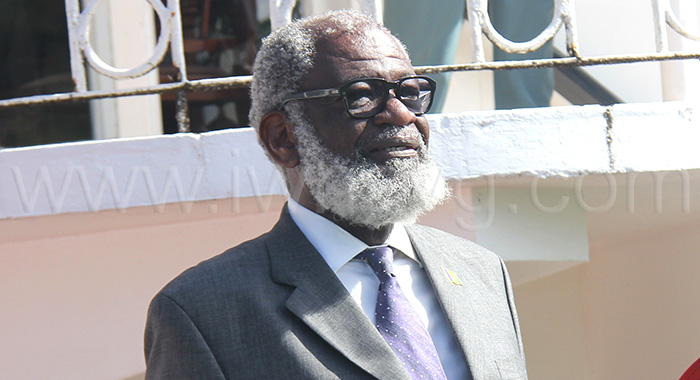
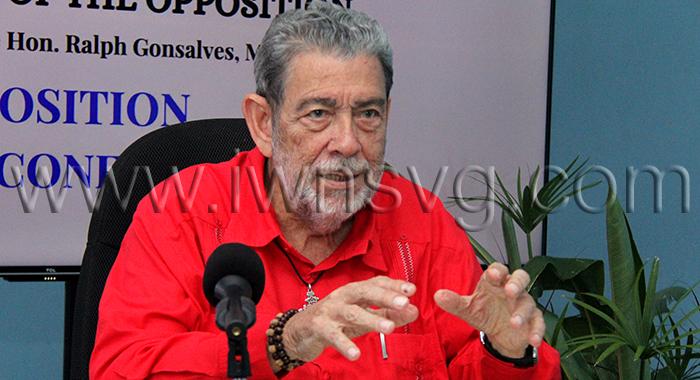
    Distinguished Caribbean statesman Ralph Gonsalves, former Prime Minister of St. Vincent and the Grenadines, has raised profound questions regarding the United States’ apprehension of Venezuelan President Nicolás Maduro, challenging whether the operation constitutes legitimate law enforcement or represents a politically motivated intervention.

    Addressing journalists at a Kingstown press conference, the seasoned politician and legal expert emphasized the critical importance of distinguishing between standard judicial procedures and potential geopolitical power plays. “We must not conflate military intervention or political operations with authentic law enforcement activities,” Gonsalves stated, adding, “The fundamental question remains: Is this purely a law enforcement action?”

    With twenty-four years of regional leadership experience and having recently facilitated diplomatic talks between Venezuela and Guyana in December 2023 amid territorial disputes, Gonsalves brings considerable credibility to the discussion. While deliberately avoiding speculation about specific motivations behind Maduro’s capture, he expressed concern about broader implications for international justice systems.

    The veteran statesman outlined established extradition frameworks within CARICOM nations, noting that member states maintain bilateral treaties and domestic legislation governing such procedures. “When the United States alleges an individual has violated American law, proper channels exist through mutual legal assistance agreements,” he explained, while acknowledging some constitutions prohibit citizen extradition altogether.

    Gonsalves raised particular concern about Maduro’s prospect for a fair trial in New York, ironically referencing President Trump’s own assertions about judicial bias in the region. Drawing parallels with historical precedents, he cited numerous instances where charges against leaders were subsequently revealed as fabricated, including the 19th-century abduction of Nigerian King Jaja who was exiled to St. Vincent, and more recent cases involving Haitian leader Jean-Bertrand Aristide.

    The former prime minister framed current developments as symptomatic of eroding multilateralism, explicitly connecting Trump’s embrace of a modernized Monroe Doctrine—sometimes referred to as the “Trump Corollary” or “Donroe Doctrine”—to concerning patterns of hemispheric intervention. “This represents nothing less than the undermining of the multilateral system and the enthronement of unilateralism,” Gonsalves concluded, urging Caribbean citizens to educate themselves about these complex geopolitical dynamics.


  • WenCHAM SVG holds inaugural meeting

    WenCHAM SVG holds inaugural meeting

    Kingstown witnessed a significant milestone in its economic development landscape this Tuesday with the inaugural gathering of the St. Vincent and the Grenadines Chapter of WenCHAM (World Chamber of Entrepreneurs for Economic Development). The event assembled 21 registered and prospective members for an introductory networking event combined with an innovative “Startup Studio” session, marking the formal establishment of this G20-affiliated entrepreneurial platform in the Caribbean nation.

    The session provided Vincentian entrepreneurs with a unique opportunity to establish meaningful connections while gaining comprehensive insights into WenCHAM’s distinctive approach to leveraging entrepreneurship as a catalyst for economic expansion, international collaboration, and global market engagement. This newly established chapter operates under the umbrella of the World Business Angels Investment Forum, an organization renowned for its focus on facilitating access to intelligent financing solutions, promoting inclusive economic development, and advancing entrepreneurial diplomacy worldwide.

    Currently maintaining active national chapters across 16 countries including the United States, France, Brazil, Singapore, and several African nations, WenCHAM serves as a global platform dedicated to developing qualified entrepreneurs through connection to international networks of investors, experienced mentors, and strategic partners. The organization distinguishes itself through collaborative partnerships with local chambers of commerce, academic institutions, non-profit organizations, and public-sector stakeholders, effectively strengthening existing entrepreneurial ecosystems without unnecessary duplication.

    Founding Partner Kimya Glasgow addressed attendees, emphasizing the critical importance of collective advancement, noting that sustainable entrepreneurial success emerges through collaborative effort rather than isolated individual pursuits. The event also featured virtual remarks from Kevin Hin, WenCHAM’s Director General, who joined remotely to welcome the newest chapter.

    The practical component of the session, facilitated by Dr. Niyan Fraser, provided hands-on training utilizing the Lean Canvas methodology to help participants structure and refine their business concepts into viable investment pitches. This training received additional support from startup mentor Allan Daisley, with pitch judge Norlann Gabriel contributing virtually via Zoom.

    In the coming weeks, participants will continue developing their business concepts and presentation skills, culminating in a formal pitch session. Glasgow confirmed that membership remains open to innovative, energetic, and agile-minded entrepreneurs and stakeholders interested in joining this transformative economic initiative.

  • VIDEO: Even more serious charges for kidnapping accused

    VIDEO: Even more serious charges for kidnapping accused

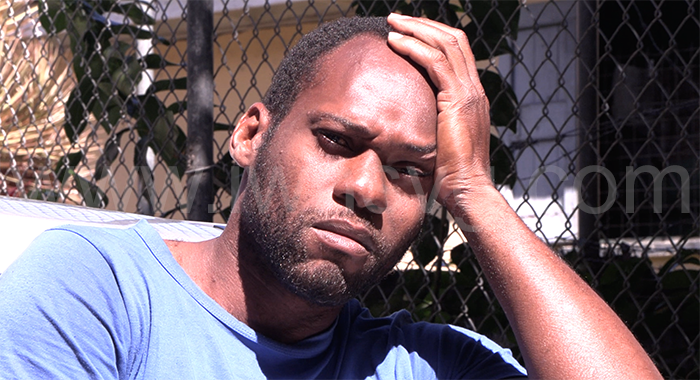
    In a significant development within St. Vincent’s judicial system, 21-year-old Kyle Providence of Ottley Hall now confronts murder charges alongside previous kidnapping allegations. Providence and his accomplice, Joel Williams, also 21, appeared before Chief Magistrate Colin John at the Serious Offences Court in Kingstown this Tuesday, where both were formally charged with murder and attempted murder.

    The murder charges stem from the fatal shooting of 24-year-old Carl Quow of Chauncey and the attempted killing of Jolani Thompson, a 17-year-old student, in Edinboro on February 6, 2025. The violent incident occurred near the Catholic Pastoral Centre property during peak afternoon hours while numerous students awaited transportation nearby.

    Simultaneously, Providence faces separate charges related to the December 28, 2025 kidnapping of 31-year-old Jolisha Tash and 17-year-old Omari Millington in Arnos Vale. Court documents indicate the abduction involved an unlicensed firearm and the theft of an iPhone 16 Pro-max valued at approximately 2,000 British pounds. During this criminal episode, Millington sustained injuries according to police reports.

    Law enforcement authorities detailed how masked assailants forcibly transported the victims from Arnos Vale to Belair without consent around 1:30 a.m. on December 29. The investigation intensified when police identified a suspect vehicle parked along Belair Public Road, resulting in an exchange of gunfire as officers approached. One occupant fled with what appeared to be a rifle while three others were apprehended at the scene.

    The judicial proceedings have resulted in denied bail for both Providence and Williams, who remain in custody pending their next court appearance scheduled for January 26. Providence’s bail review hearing for the kidnapping and firearms charges occurred Thursday alongside co-accused Jamal McMaster, who surrendered to authorities on December 31 accompanied by legal counsel Ronald Marks.

  • New GG says SVG ‘at the threshold of a new era’

    New GG says SVG ‘at the threshold of a new era’

    In a historic transition of power, Stanley Kendrick ‘Stalky’ John, KC, was formally installed as Governor General of St. Vincent and the Grenadines during a ceremony at Government House in Old Montrose on Tuesday. The 74-year-old head of state assumes office amid widespread public demand for political transformation and national unity.

    Addressing the nation, John articulated a powerful vision for transcending partisan divisions. ‘Clearly, we are at the threshold of a new era,’ declared the former Labour MP for East St. George. ‘You are tired of the focus on partisan rivalries between political parties, the political tribalism which takes place at the expense of our national interests.’

    The newly installed Governor General emphasized that Vincentians both domestically and across the diaspora have expressed ‘a deep desire for an effective, meaningful and civilized manner’ to address national challenges. He characterized the recent electoral mandate—which saw the New Democratic Party win 14 of 15 parliamentary seats—as demonstrating ‘unanimity of purpose’ and imposing ‘immense responsibility’ on the new administration.

    John succeeds Dame Susan Dougan, who concluded her six-year tenure on Monday after fifty years of distinguished public service. The outgoing Governor General praised her successor’s qualifications, noting his extensive experience as senator, parliamentarian, and distinguished legal practitioner. ‘You have served SVG with diligence throughout your professional life,’ Dougan remarked, expressing full confidence in his ability to navigate the complex issues facing the nation.

    The ceremony marked a significant moment in Vincentian politics, particularly given John’s own controversial parliamentary history—including a notable incident where he seized the ceremonial mace, an act now viewed with irony as he becomes the monarch’s representative. His appointment under the NDP administration represents a full political circle for the former Labour Party leader.

    Both leaders emphasized the importance of service, humility, and commitment to democratic principles as the nation moves forward under new leadership.

  • Questelles students to get more counsellors, new school bus

    Questelles students to get more counsellors, new school bus

    In response to the devastating fire that destroyed a historic building at Questelles Government School on December 29, 2025, the Ministry of Education has implemented comprehensive psychological support measures for affected students as the new term commenced on January 5, 2026.

    Education Minister Phillip Jackson announced the deployment of additional counselors to assist students coping with the trauma during a special assembly marking the beginning of Term II. The 114-year-old elementary school lost its oldest instructional block in the blaze, displacing Grades 5 and 6 students who have been temporarily relocated to Campden Park Secondary School.

    “We have mobilized our counseling resources within the school system to provide immediate psychosocial support,” Minister Jackson stated. “The principal has confirmed that our local counselor will collaborate with community pastors from surrounding villages to deliver essential pastoral care to help students readjust.”

    The government has established an ambitious timeline for complete restoration, targeting Term III for the return of all students to their original campus. Minister Jackson revealed that ministry officials activated emergency response protocols within minutes of the fire incident, working through the night with local MP Nigel Stephenson to develop a comprehensive relocation strategy.

    Minister Stephenson, who holds the infrastructure and transport portfolio, pledged that the reconstructed facility would emerge “better, stronger and bigger” than before, potentially becoming a model institution for the nation. The government has arranged dedicated transportation services, securing a new bus to shuttle students between Questelles and their temporary campus in Campden Park.

    Addressing safety concerns at the temporary location, Stephenson acknowledged the hazardous traffic conditions in the area, noting collaborative efforts with the Traffic Department to install speed bumps and implement additional safety measures.

    School principal Donnette Ferdinand emphasized the institution’s resilience, expressing gratitude for the overwhelming support from community organizations and religious institutions. Drawing inspiration from biblical scripture (Isaiah 43:2), Ferdinand affirmed the school community’s determination to overcome adversity through faith and collective strength.

  • Dominica to accept refugees deported from US

    Dominica to accept refugees deported from US

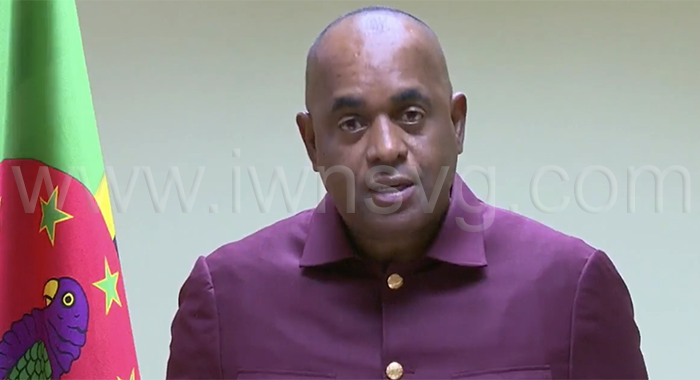
    The Commonwealth of Dominica has formally established a refugee resettlement arrangement with the United States, enabling the transfer of third-country refugees to the Caribbean nation when repatriation to their countries of origin proves unfeasible. Prime Minister Roosevelt Skerrit confirmed the bilateral agreement during a press briefing in Roseau, emphasizing that stringent security protocols would prevent individuals with violent histories or potential security risks from entering Dominica.

    Skerrit characterized the agreement as a strategic diplomatic advancement that strengthens bilateral relations while safeguarding national interests. The arrangement specifically addresses Dominicans’ access to lawful travel, education, employment opportunities, and family connections in the United States. While Skerrit declined to disclose the national origins of prospective migrants, he confirmed that all operational details had been thoroughly negotiated within a memorandum of understanding that reflects Dominica’s security concerns.

    Concurrently, Antigua and Barbuda Prime Minister Gaston Browne vehemently denied opposition claims regarding a separate US arrangement. Contrary to allegations by the United Progressive Party of a secret agreement to accept 100,000 criminal deportees, Browne clarified that his government had consented to review up to ten non-criminal refugees possessing skills deemed valuable to the local economy. The agreement explicitly grants Antigua full discretionary authority regarding individual admissions and includes US provisions of biometric data and criminal background information.

    Browne revealed that over 100 nations received similar invitations from the US government to alleviate refugee processing burdens, with several CARICOM member states already participating in the initiative. Both leaders framed their respective agreements as demonstrations of regional cooperation while maintaining rigorous immigration controls and national security standards.

  • Situation in Venezuela ‘of grave concern’ to SVG, region – Bramble

    Situation in Venezuela ‘of grave concern’ to SVG, region – Bramble

    The government of St. Vincent and the Grenadines has declared profound apprehension regarding recent military developments in Venezuela, where United States forces have reportedly captured President Nicolas Maduro and his spouse. Foreign Minister Fitz Bramble, communicating through official state media channels on Sunday, confirmed that Kingstown is maintaining vigilant surveillance of the escalating situation.

    Minister Bramble, drawing upon his diplomatic expertise, revealed that continuous communication has been established with Gareth Bynoe, SVG’s ambassador stationed in Caracas. Preliminary assessments confirm the safety of all Vincentian diplomatic personnel, with current reports indicating relative calm within the Venezuelan capital. The embassy has not received any distress communications from Vincentian citizens potentially residing in Venezuela during this crisis.

    Addressing the complex diplomatic landscape, Bramble characterized both nations involved—Venezuela and the United States—as friends of SVG, emphasizing shared membership in international bodies including the United Nations and Organisation of American States. This dual allegiance creates particular challenges for the small island nation, with Bramble highlighting the situation’s “grave concern” for both SVG and the broader Caribbean region.

    The Foreign Minister articulated serious concerns about potential “far-reaching implications” for St. Vincent and the Grenadines as a small island developing state. In response, the government has committed to ongoing assessment of possible economic and security impacts, pledging to implement responsive measures as circumstances evolve.

    Prime Minister Godwin Friday’s administration reaffirmed its dedication to regional development and alignment with CARICOM’s collective stance. SVG endorses statements issued by the CARICOM Conference of Heads of Government on January 2nd and 3rd, 2026, which emphasize unwavering commitment to international law principles and multilateralism as codified in the UN Charter.

    CARICOM leadership convened an emergency session Saturday to address the Venezuelan crisis, with the Secretariat acknowledging the situation’s grave regional concerns and potential implications for neighboring states. The organization has committed to providing continuous updates as information becomes available, while SVG’s government has similarly promised to keep its citizens informed of developments.

  • Man jailed for assaulting his granny, 80; smashing her phone

    Man jailed for assaulting his granny, 80; smashing her phone

    In an extraordinary courtroom development, an 80-year-old grandmother’s decisive testimony directly resulted in her grandson’s incarceration for assaulting her. Jamel Douglas, 38, of Dascent Cottage, received an 11-month prison sentence for the Boxing Day 2025 attack on Kerhen Jacobs at her Lodge Village residence that resulted in actual bodily harm.

    The judicial proceedings took a dramatic turn when Chief Magistrate Colin John consulted Jacobs regarding the prosecution’s recommendation for a suspended sentence. Instead of leniency, Jacobs delivered compelling testimony about her grandson’s persistent aggressive behavior. “He is very rough and rude. Sometimes, you talk to him and he listen, other times he don’t,” she stated, emphasizing Douglas’s pattern of aggression toward her.

    The incident occurred on December 26, 2025, when Jacobs was conversing with a friend on her porch. Douglas arrived uninvited and sat on a table despite being asked to leave. He subsequently escalated the situation by jumping on the table aggressively. When Jacobs attempted to call for assistance, Douglas wrestled the phone from her hand, injuring her finger in the process, before deliberately smashing the device valued at EC$270.

    Following his guilty plea to both assault and property damage charges, Douglas presented mitigation arguments citing historical mental health issues and perceived unfair treatment by family members. Notably, the chief magistrate observed that Douglas missed the opportunity to offer a genuine apology during these proceedings.

    Upon sentencing, Magistrate John emphasized the sanctity of personal residence, stating, “Your grandmother should be allowed to enjoy her home in comfort without disturbance by you.” The court additionally mandated that Douglas compensate his grandmother EC$270 for the destroyed phone within two months of his release, with a six-month prison term awaiting should he fail to comply.

  • Restitution, readiness, and renewal: navigating expectations in a new political era

    Restitution, readiness, and renewal: navigating expectations in a new political era

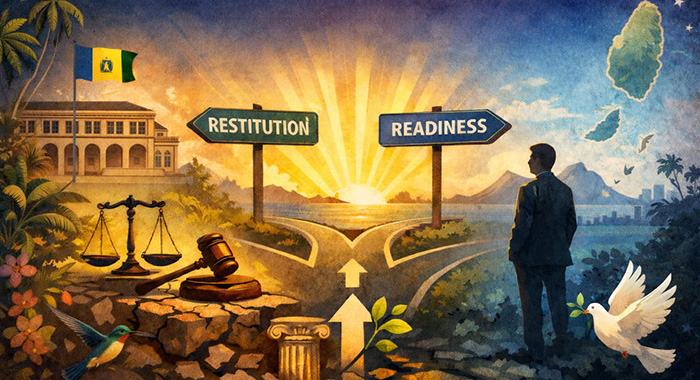
    The historic transfer of power in St. Vincent and the Grenadines, ending 25 years of Unity Labour Party governance, has unleashed profound emotional responses among citizens who experienced marginalization during that era. Supporters of the New Democratic Party—particularly those who were visibly aligned with the opposition—frequently encountered tangible professional limitations, stalled career trajectories, and deferred aspirations throughout the previous administration.

    This political shift has naturally generated powerful expectations of moral reckoning and restitution among previously excluded groups. However, while acknowledging the legitimacy of these grievances, the transition presents complex challenges that transcend mere political allegiance. Democratic restitution must not be conflated with entitlement, nor should political change be expected to reverse the irreversible passage of time.

    The fundamental dilemma emerges from concurrent developments: while individuals faced political constraints, both the nation and global landscape underwent radical transformation. Over the past quarter-century, economic structures evolved, technological advancements revolutionized industries, professional standards escalated, and governance mechanisms grew increasingly sophisticated. Qualifications that were once adequate may now be insufficient, while skills that were previously competitive have potentially become obsolete.

    This reality constitutes not a judgment on individual character or loyalty, but rather recognition of structural evolution. Political discrimination may explain historical stagnation but does not automatically confer preparedness for senior responsibilities in today’s dramatically altered environment. Ignoring this discrepancy risks both personal disappointment and national underperformance.

    At the individual level, this transition demands rigorous self-assessment: evaluating maintained skills, identifying knowledge gaps, and pursuing necessary training or certification. For some, this may require retraining, professional development, or even pivoting to related fields—a potentially frustrating process given the circumstances that necessitated it.

    Patience represents not passive acceptance but strategic positioning. Investing in skills development and professional growth constitutes preparation for sustainable advancement rather than abandonment of justice. Short-term appointments prioritizing political loyalty over competence may yield temporary satisfaction but ultimately weaken institutions and undermine meaningful progress.

    Nationally, the new government must resist merely inverting previous patronage patterns. Substituting one form of political favoritism for another deepens societal divisions rather than healing them. Genuine restitution involves constructing fair, transparent, and merit-based systems that ensure future generations are neither punished nor rewarded solely based on political affiliation.

    This moment invites collective reflection toward national renewal grounded in competence, integrity, and adaptability. While acknowledging past injustices, the future necessitates preparedness. The path forward—for both individuals and the nation—lies in balancing justice with realism, creating space for healing and inclusion while maintaining commitment to standards and excellence.

    Through measured patience, realistic expectations, and deliberate self-improvement, those once excluded can position themselves not merely as beneficiaries of political change but as meaningful contributors to it. This approach enables the country to transcend cycles of grievance and entitlement toward a more mature democratic culture where opportunity expands based on capability rather than political connections.

  • 10 years as a ‘temporary’ public servant

    10 years as a ‘temporary’ public servant

    A profound systemic issue within the public sector has come to light as long-serving temporary employees break their silence about enduring over a decade of provisional employment status. These dedicated professionals, despite possessing extensive qualifications and accumulating years of invaluable institutional knowledge, remain trapped in a cycle of employment uncertainty that undermines their financial stability and professional recognition.

    These temporary public servants perform identical duties to their permanently-employed counterparts across various ministries and national services, often operating on the front lines of public service delivery. Yet they consistently receive inferior compensation packages, lack essential benefits, and face persistent job insecurity despite their demonstrated commitment and expertise. The situation represents what many describe as an institutionalized form of neglect that has persisted through multiple administrations.

    The core of the grievance centers on the fundamental disparity between temporary workers’ substantial contributions and their inadequate compensation and recognition. Many have developed specialized practical skills through years of hands-on experience that cannot be replicated in academic settings, yet their employment status fails to reflect their proven capabilities and dedication.

    With recent governmental changes, temporary employees express renewed hope for substantive reform. They seek clear answers regarding the new administration’s plans to address their plight, specifically questioning whether there will be established pathways to permanency for those who already meet employment criteria. Central to their concerns are demands for transparent processes, time-bound regularization procedures, and equitable valuation of experience alongside formal qualifications.

    The movement emphasizes that these appeals stem not from requests for special treatment but from fundamental expectations of workplace fairness. Job security and appropriate compensation are framed not as privileges but as legitimate rights earned through years of faithful service. The temporary workers position themselves as essential contributors to national development—parents, caregivers, and community members deserving of stability and recognition.

    This collective call to action represents both an expression of prolonged frustration and an optimistic appeal to new leadership. Temporary public servants urge the current administration to acknowledge what they characterize as a long-standing injustice and implement meaningful corrective measures that properly value their demonstrated contributions to public service excellence.