标签: Saint Vincent and the Grenadines

圣文森特和格林纳丁斯

  • Sailing Week vital to off-season tourism in SVG –Mark

    Sailing Week vital to off-season tourism in SVG –Mark

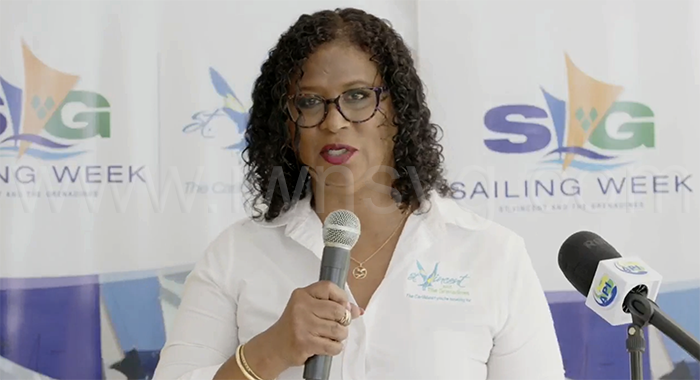
    The newly established SVG Sailing Week is demonstrating significant potential in boosting marine tourism during traditionally slower periods, according to Annette Mark, CEO of the St. Vincent and the Grenadines Tourism Authority. Speaking at the event’s launch in Bequia, Mark emphasized the strategic importance of such events in attracting both regional and international visitors when tourism activity typically declines.

    The sailing festival, which replaced the previously dormant Bequia Easter Regatta, serves as a catalyst for economic revitalization across multiple sectors. Mark highlighted its capacity to generate substantial demand for marine services, marinas, boat yards, accommodation providers, restaurants, bars, transportation services, and local suppliers. The event creates meaningful economic opportunities for yacht agents, vendors, artisans, entertainers, and service providers throughout the island chain.

    Beyond immediate economic benefits, SVG Sailing Week plays a crucial role in rebuilding confidence in the nation’s yachting sector. Mark stated that hosting a well-organized, competitive, and internationally marketed sailing event sends a clear message to the global sailing community that St. Vincent and the Grenadines remains a premier sailing destination.

    The 2025 edition, scheduled from March 29 to April 6, will feature activities across St. Vincent, Bequia, and Canouan. The program blends competitive racing with cultural celebration and community participation, including junior sailing races, traditional double-ender competitions, and international yacht races. A distinctive feature is the deliberate integration of youth sailing programs alongside traditional boat racing, ensuring the event honors maritime heritage while investing in the sport’s future.

    Looking ahead, authorities are developing a feeder race to Antigua and Barbuda to connect with the Antigua and Barbuda Sailing Week in late April. This initiative aims to further integrate SVG Sailing Week into the regional sailing circuit, strengthen regional participation, increase yacht arrivals, and position the destination as a highlight on the Caribbean sailing calendar.

  • CWSA warns of early, extended water rationing amidst low rainfall

    CWSA warns of early, extended water rationing amidst low rainfall

    The Central Water and Sewerage Authority (CWSA) has issued an urgent advisory for residents of St. Vincent and the Grenadines to implement immediate home water storage solutions amid an unprecedented rainfall deficit. Meteorological data reveals that precipitation during the 2025 rainy season registered at merely 687.1 mm—less than half the annual averages recorded between 2020 and 2024, which consistently exceeded 1,296 mm.

    Joan Ryan, CWSA’s Public Relations and Marketing Manager, confirmed that surface and groundwater aquifers remain critically under-replenished, creating precarious conditions ahead of the upcoming dry season. Communities dependent on the Montreal, Dalaway, and Mamoon water sources are expected to experience the most severe impacts, historically being the first affected during drought periods.

    The Caribbean Climate Outlook Forum (CariCOF) projects both short-term drought conditions persisting until March and prolonged drought extending through May 2025. In response, CWSA has activated its emergency management protocol, intensifying monitoring of water sources, accelerating leak detection and repair operations, and enhancing public communication campaigns.

    Water rationing measures may be implemented earlier than usual and maintained for extended durations, accompanied by stringent conservation mandates. Residents are strongly encouraged to develop household water storage systems, with official guidelines recommending a minimum of ten gallons per person daily. Hardware stores nationwide are stocking water storage tanks, and CWSA has provided instructional resources for constructing DIY storage solutions using plastic barrels.

    Ryan emphasized the role of climate change in intensifying these unpredictable weather patterns, noting their significant impact across the Caribbean region. CWSA remains committed to ongoing monitoring and public information dissemination as the nation prepares for challenging water security conditions in the coming months.

  • SVG not notified of changes in US visa policy – Bramble

    SVG not notified of changes in US visa policy – Bramble

    Multiple Caribbean nations find themselves in a state of diplomatic uncertainty following widespread media reports indicating the United States has suspended immigrant visa processing for their citizens. The development emerged through international news channels rather than official diplomatic channels, creating confusion among affected nations.

    Foreign Minister Fitzgerald Bramble of St. Vincent and the Grenadines confirmed Wednesday that his government had received no formal notification from US authorities regarding any visa policy changes. Despite multiple international news organizations, including CNN, reporting that SVG and several other Caribbean countries were among 75 nations facing immigrant visa processing suspensions, official confirmation remains absent.

    “We have not been officially informed by the US embassy in Barbados to the Eastern Caribbean nor any other US government official,” Minister Bramble stated through the state-owned Agency for Public Information. He acknowledged awareness of media reports but emphasized that his administration was actively seeking clarification through both the US Embassy in Barbados and SVG’s embassy in Washington, DC.

    The reported policy would specifically target immigrant visas, including those for employment or family reunification purposes, while excluding non-immigrant categories such as tourist and student visas. According to media sources, the suspension is scheduled to take effect on January 21 as part of the Trump administration’s ongoing immigration crackdown.

    CARICOM members reportedly affected include Antigua and Barbuda, Bahamas, Barbados, Belize, Dominica, Grenada, Guatemala, Haiti, Jamaica, St. Kitts and Nevis, St. Lucia, and St. Vincent and the Grenadines. Notably exempted from the list are Guyana, Suriname, and Trinidad and Tobago.

    Sir Ronald Sanders, Antigua and Barbuda’s Ambassador to the United States, provided additional context after making direct inquiries with State Department officials. He revealed that the measure under consideration would involve a temporary pause of up to sixty days for immigrant visa applications while vetting procedures undergo review, contradicting some media reports that suggested broader restrictions.

    The ambassador emphasized that individual countries have no administrative role in US immigration decisions, characterizing the matter as exclusively between applicants and US authorities. Meanwhile, the Gaston Browne administration continues diplomatic efforts to remove Antigua and Barbuda from various US visa restriction lists, including requirements for certain applicants to post bonds.

    State Department spokesman Tommy Pigott characterized the move as preventing “abuse of America’s immigration system by those who would extract wealth from the American people.” The reported expansion of immigration restrictions would additionally affect countries including Somalia, Russia, and Iran, according to White House Press Secretary Karoline Leavitt.

  • Modern Family Court Division among AG’s initiatives

    Modern Family Court Division among AG’s initiatives

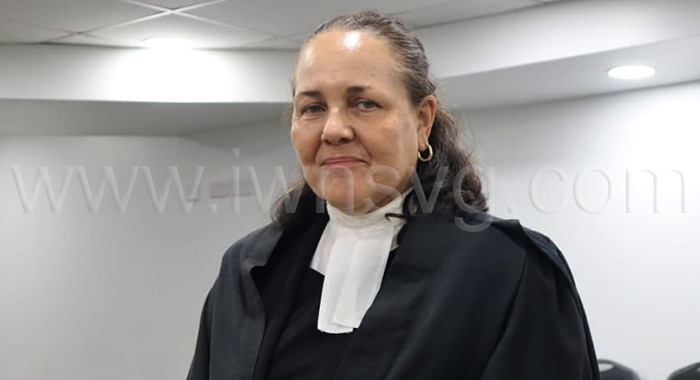
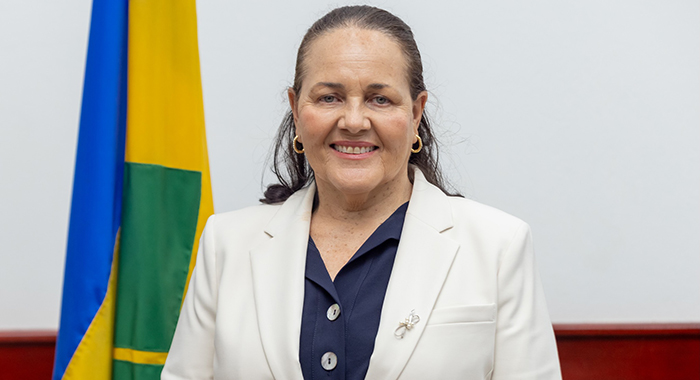
    In her inaugural address marking the opening of the 2026 legal year, Attorney General Louise Mitchell unveiled a comprehensive suite of judicial reforms centered on family welfare and child protection. The landmark announcement included the establishment of a unified Family Court Division, merging jurisdiction from the Family Court, Magistrates Court, and High Court into a consolidated framework for family proceedings.

    Mitchell emphasized the New Democratic Party government’s commitment to prioritizing familial challenges since assuming office in November 2025. “This administration has made history by establishing the first dedicated ministry for family affairs, under the leadership of Honourable Laverne Gibson-Velox,” Mitchell declared before the High Court assembly.

    The Family Court Division will specialize in resolving custody disputes, divorce proceedings, and child welfare cases through a streamlined approach. Mitchell stressed the division’s foundational principle: “Our judicial focus must prioritize the best interests of children and dependents, ensuring their rights remain central to all legal determinations.

    Significantly, Mitchell’s chambers have completed the Children Care Regulations 2026—draft legislation designed to operationalize the long-dormant Children (Care and Adoption) Act of 2010. For fifteen years, the absence of implementing regulations has created critical gaps in child protection, resulting in children entering state care without formal orders and parents lacking legal procedures for relinquishing parental rights.

    The new regulations establish judicial authority to issue child-specific welfare orders, create a registered network of approved foster parents, and implement standardized assessment protocols for foster care placements. “These measures will ensure foster placements receive proper oversight aligned with safeguarding standards,” Mitchell explained.

    The attorney general announced forthcoming consultations with legal professionals for feedback, affirming the government’s commitment to stakeholder engagement. “We shall embrace consultation wherever possible,” Mitchell noted, referencing advice from “someone very wise: never be afraid to consult.”

    Additional reforms include partnerships with the Bar Association and Ministry of Education for public legal education initiatives, mediation awareness programs, and commercial registry modernization. Mitchell identified duplication in domestic company registries as an anomaly requiring consolidation, pledging to amend the Companies Act to reduce excessive penalties hindering business competitiveness.

    Reflecting on her initial six weeks in office, Mitchell characterized the period as “exciting” and demonstrated the administration’s determination to transform Vincentian judicial infrastructure.

  • Police ‘falsely imprisoned’ woman over gov’t building material — Gonsalves

    Police ‘falsely imprisoned’ woman over gov’t building material — Gonsalves

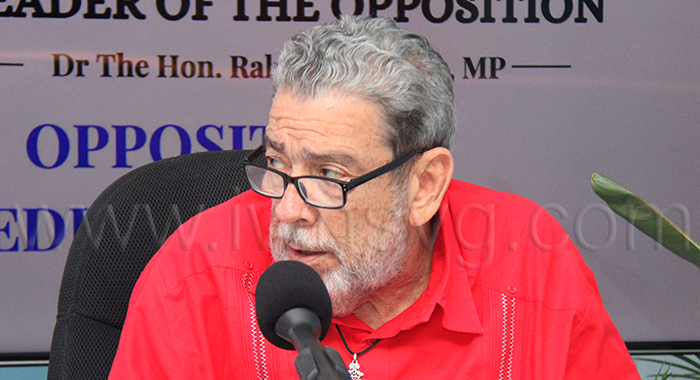
    In a striking allegation of state overreach, Opposition Leader Ralph Gonsalves has declared that Vincentian law enforcement authorities may face legal consequences for what he characterizes as the unlawful detention of a former housing official. The prominent political figure, who also maintains legal credentials, presented his case during a Tuesday broadcast on Star FM, his party’s radio station, condemning the incident as “an egregious matter; terrible matter.”

    The individual at the center of the controversy is Anesia Christopher, described by Gonsalves as a “wonderful lady” from South Central Windward who previously served as a senior housing assessor. According to the opposition leader’s account, Christopher was taken into police custody on Friday and held until 11 PM before being instructed to return to Colonarie Police Station the following morning.

    Gonsalves, who served as prime minister for nearly 25 years, outlined what he presented as established facts indicating “clear, bad governance and, more and more, the denial of the rights of this woman.” The situation emerged amidst Christopher’s transitional employment status—having received instructions to proceed on vacation leave before termination announcements were broadcast publicly.

    Despite her uncertain employment situation, Christopher was reportedly enlisted by the permanent secretary of the Housing Ministry to assist with distributing construction materials to three families in desperate need within the South Central Windward area. The ministry coordinated transportation via a truck incidentally owned and operated by a police officer to collect materials from official warehouses.

    Gonsalves asserted that an unidentified politician from the opposing New Democratic Party (NDP) became aware of Christopher’s involvement and contacted senior police officials, triggering her detention. Crucially, the permanent secretary reportedly contacted Colonarie Police Station during Christopher’s detention to confirm she was acting under official authorization and had committed no wrongdoing.

    Despite this intervention, Christopher remained in custody and was transferred to Georgetown Police Station due to inadequate facilities at Colonarie. Gonsalves emphasized that from the moment police received confirmation of her authorized activities, “she was falsely imprisoned.”

    Her release eventually came after intervention from Police Commissioner Enville Williams, though Gonsalves clarified he wasn’t personally aware of the situation until Saturday. The opposition leader revealed disturbing details about her treatment in custody, including being denied food and experiencing significant distress.

    Gonsalves stopped short of accusing the NDP politician of misconduct, noting the individual might have been merely seeking information. However, he emphasized that the consequences of that communication resulted in unlawful detention after the justification for holding Christopher “completely evaporated” following the permanent secretary’s explanation.

    Adding political context to the incident, Gonsalves noted that one of the primary beneficiary families reportedly doesn’t support his Unity Labour Party, suggesting the assistance crossed political boundaries.

  • Dominica offers advice to countries considering geothermal energy projects

    Dominica offers advice to countries considering geothermal energy projects

    ABU DHABI, UAE — Dominica’s Energy Minister Vince Henderson has issued a cautious warning to fellow small island developing states (SIDS) regarding geothermal energy development, emphasizing that such projects require robust international partnerships to overcome significant financial and technical hurdles.

    Speaking at a ministerial roundtable during the 16th Assembly of the International Renewable Energy Agency (IRENA), Henderson expressed both excitement and apprehension about geothermal potential. “I’m tempted to tell my colleagues from small island developing states, ‘Don’t do this; it’s too expensive’,” he revealed during the “Geothermal Heat and Power – Building a Resilient Energy Backbone” discussion.

    Despite his reservations, Henderson confirmed that Dominica is preparing to launch commercial operations at a 10-megawatt geothermal plant in the Roseau Valley this March, following nearly two decades of development. This milestone was only achievable through extensive international collaboration, including critical support from the European Union, which facilitated initial test drilling in 2011 through partnerships with Guadeloupe and Martinique.

    Additional technical and financial assistance came from a consortium including the United Kingdom, Iceland, the World Bank, New Zealand, and the Clinton Global Initiative. Henderson stressed that such partnerships were essential for cost reduction, specialized expertise, and navigating complex legislative frameworks.

    The minister outlined multiple challenges facing SIDS in geothermal development: prohibitive drilling costs, inadequate transmission infrastructure, project guarantee difficulties, climatic vulnerabilities including hurricane risks, and managing community expectations. He particularly emphasized the need for grants and special facilities to help member states de-risk resource assessment phases.

    Henderson also highlighted the importance of community engagement, recalling initial local opposition that required diplomatic intervention. While communities have since become project supporters, new challenges await in managing expectations for electricity price reductions once the plant becomes operational.

    The minister acknowledged IRENA’s active role in promoting geothermal development but called for more comprehensive support systems for vulnerable nations pursuing renewable energy transitions.

  • 1 killed, 6 seriously injured as truck crashes into parked crane

    1 killed, 6 seriously injured as truck crashes into parked crane

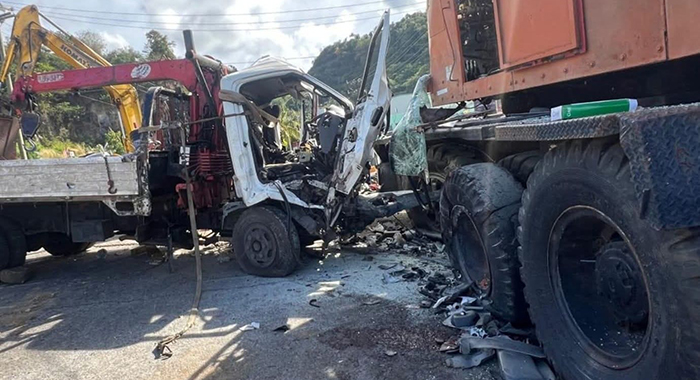
    A tragic industrial accident occurred in Lowmans Bay on Monday morning, resulting in one fatality and six serious injuries. The incident unfolded at approximately 8:30 a.m. when a commercial truck experiencing mechanical failure collided with a stationary crane.

    Law enforcement officials have confirmed the identity of the deceased as 58-year-old Stephen Bulze from Barrouallie. According to police reports, the vehicle involved was owned by a private electrical contractor and was traveling toward Lowmans Bay when it suffered apparent mechanical complications, leading to the catastrophic impact with the parked construction equipment.

    The collision resulted in six additional male workers, ranging in age from 21 to 54 years, sustaining grave injuries. Emergency medical services promptly transported all injured personnel to Milton Cato Memorial Hospital for urgent treatment.

    Authorities have initiated a comprehensive investigation into the precise circumstances surrounding the accident. The Royal Saint Vincent and the Grenadines Police Force has announced that a postmortem examination will be performed on Mr. Bulze’s remains to determine the exact cause of death. The investigation remains active as officials work to establish the complete sequence of events and identify any contributing factors to this industrial tragedy.

  • SVG’s laws online this year; halls of justice a ‘medium-term objective’

    SVG’s laws online this year; halls of justice a ‘medium-term objective’

    The government of St. Vincent and the Grenadines has initiated a comprehensive million-dollar legal modernization program that will digitize the nation’s entire body of laws. Attorney General Louise Mitchell announced the landmark initiative during her address marking the commencement of the judicial year, revealing plans to make all national legislation accessible online through a complete consolidation and revision process.

    The ambitious project, which will incorporate all laws passed through December 31, 2025, represents the first major revision since 2009. The government has engaged the Regional Law Revision Centre in Anguilla, signaling a strategic shift toward regional collaboration while maintaining sovereignty over the legal framework. Notably, the finalized compilation will be government-owned and produced in MS Word format to facilitate knowledge sharing and enhance investor confidence through transparent legal frameworks.

    In parallel developments, Mitchell addressed infrastructure concerns within the judicial system, acknowledging reports of mold, termite infestations, and inadequate facilities in both the High Court and magistrates’ courts. While confirming that the previous administration’s proposed halls of justice project remains a medium-term objective, the current government has prioritized immediate digital advancements over new construction.

    The Attorney General also outlined progress on the digitization of the Land Registry Project, with approximately 250,000 deeds from 1939-2025 already scanned ahead of the anticipated 2028 completion. Additionally, the Legal Professions Bill, carried over from the previous administration, is scheduled for parliamentary agenda placement in the first quarter, aiming to establish enhanced ethical standards for legal practitioners.

    A feasibility study commissioned for 2024 will evaluate comparative costs and suitability of locations for the proposed halls of justice, with a final decision on location and concept design expected by late 2026. The government projects funding acquisition for the construction project to commence in 2027, pending study outcomes.

  • Jurors’ stipend doubled; lawyers to pay to park in Court House yard

    Jurors’ stipend doubled; lawyers to pay to park in Court House yard

    In a significant move to strengthen judicial participation, the Eastern Caribbean’s juror compensation rate will see a substantial increase this month. Attorney General Louise Mitchell announced on Monday that the EC$10 stipend provided to jurors for lunch and transportation expenses will be doubled immediately.

    The announcement came during Mitchell’s inaugural court address since assuming her ministerial position in December. She emphasized the critical role jurors play in maintaining judicial integrity, stating that “jurors are essential to the justice system. Their decisions reflect community values, protect individual rights and uphold the principles of democracy.”

    Mitchell acknowledged that while jurors can never be fully compensated for their dedication, their contributions warrant recognition. “The criminal system depends on their impartiality and fairness in determining guilt or innocence,” she told attendees at the special sitting marking the beginning of the legal year.

    Concurrently, the Attorney General revealed plans to restore parking privileges for legal professionals at the Court House yard, reversing a 2022 decision by the Ralph Gonsalves Unity Labour Party administration that had prohibited attorney parking. However, this reinstated privilege will now come with a monthly fee, unlike the previous complimentary arrangement.

    The parking policy had previously faced legal challenges, including an October 2023 High Court case brought by then-opposition figures Jemalie John and Shevern Lewis-John, which ultimately upheld the government’s position.

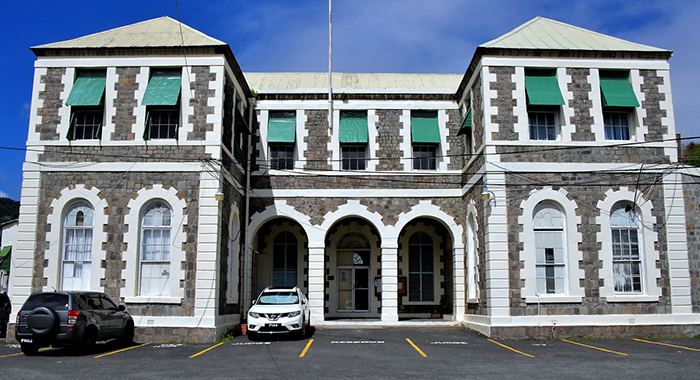
    Mitchell, whose previous work with the National Trust contributed to the 200-year-old courthouse achieving protected national heritage status, reminded legal professionals of their responsibility to preserve the historic site. She requested attorneys to park only in the rear sections of the grounds to minimize impact on Kingstown’s limited green spaces.

  • Lawyer questions legality of NIS pension starting years after retirement

    Lawyer questions legality of NIS pension starting years after retirement

    A significant constitutional debate has emerged in St. Vincent and the Grenadines regarding the National Insurance Services (NIS) pension system, with prominent lawyer Jomo Thomas challenging the legality of mandatory waiting periods for retirees. The controversy centers on reforms implemented in June 2024 that have extended pension waiting periods to up to three years, with projections reaching five years by 2027 when the pensionable age increases to 65.

    Thomas, a respected social commentator and activist, confronted NIS Executive Director Stewart Haynes during a media appearance commemorating the agency’s 39th anniversary. “I always wondered about the constitutionality of this NIS plan, where people retire at 60 and you pay them five or six years later. That has to be legally questionable,” Thomas asserted, highlighting what he perceives as a violation of constitutional property rights protected under Section 6 of the nation’s constitution.

    The NIS reforms include a gradual contribution rate increase from 10% to 15% through 2026. Retirees seeking early access to their pensions face severe financial penalties, forfeiting 6% for each year before reaching official retirement age. Haynes defended the system, explaining that pensionable age differs from retirement age and emphasizing that the NIS operates as a statutory entity guided by specific legislation that evolves according to demographic and economic realities.

    Haynes, an actuary, framed the NIS as an intergenerational compact similar to a ‘sue-sue hand’—a traditional collective savings arrangement. “Every month that I contribute, that money is used to pay my mother. When my daughter enters the workforce and I reach retirement, her contribution will pay me,” Haynes illustrated, stressing the importance of intergenerational equity and system sustainability.

    Thomas countered with comparative analysis of the U.S. Social Security system, where delayed collection results in increased benefits rather than penalties. “In St. Vincent, the converse is true. I’m leaving my money there, and I’m not getting anything more on it, but if I try to get it earlier, I’m penalised. That can’t be right,” the lawyer argued, suggesting the current system might invite legal challenge.

    The exchange highlights growing tensions between social security sustainability requirements and fundamental citizen rights, setting the stage for potential constitutional litigation that could reshape the nation’s retirement security landscape.