标签: Saint Lucia

圣卢西亚

  • Lucian Carnival turns heads, moves feet in Miami

    Lucian Carnival turns heads, moves feet in Miami

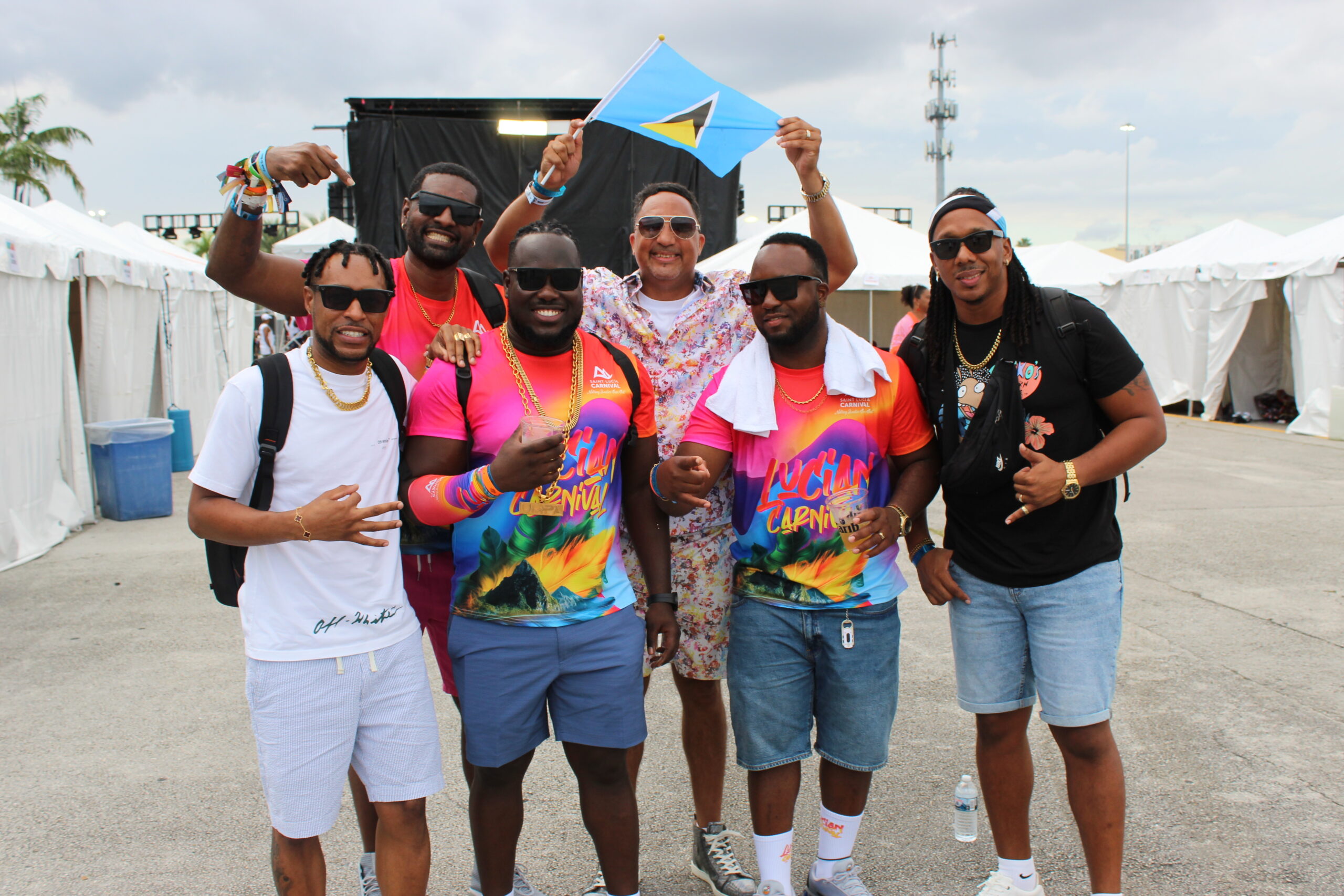
    The Saint Lucia Tourism Authority (SLTA) unveiled the Lucian Carnival 2026 on the global stage during Miami’s Carnival celebrations last week. Held in Miami, Florida, the event marked a strategic effort to elevate the Lucian Carnival brand by showcasing the vibrant Dennery Segment, a musical genre deeply rooted in Saint Lucian culture. The genre, characterized by its fusion of English and Kwéyòl lyrics, has become synonymous with the island’s Carnival energy and cultural identity.

    Three renowned Dennery Segment artists—DJ Sir Lancealot, Umpa, Blackboy, and Mighty—delivered electrifying performances that captivated the audience. Lancealot, credited with coining the term Dennery Segment, alongside Umpa, Blackboy, and Mighty, brought the infectious rhythms of Saint Lucia to life. Their performances not only thrilled the crowd but also highlighted the genre’s growing influence on regional and international Carnival scenes.

    Geraine Georges, SLTA’s public relations manager, emphasized the strategic shift in promoting Lucian Carnival through its authentic music. “We recognize how the music has grown and how it excites regional and international carnivals,” Georges told St. Lucia Times. “What better way to showcase Lucian Carnival, which has grown tremendously, than through music that is authentically Saint Lucian?”

    The event, attended by travel partners, media, and influencers, also featured Saint Lucian dancers demonstrating signature moves to the pulsating beats. The celebration continued at No Borders, an event showcasing Caribbean Soca artists, further amplifying the island’s cultural presence.

    The culmination of Saint Lucia’s Miami Carnival participation was the Parade of Bands and mega concert on October 12 at the Miami-Dade County Fairgrounds. Umpa, Mighty, and Blackboy, backed by Lancealot and supported by Barry Hype, set the stage ablaze, with Saint Lucians in the crowd cheering passionately. Saint Lucia’s 2024 Groovy Monarch Nerdy and Arthur Allain, both veterans of past Lucian Carnival launches, also performed, adding to the event’s grandeur.

    Brand Saint Lucia and Lucian Carnival were prominently featured on Revel Nation’s truck during the parade, further solidifying the island’s presence. The SLTA team, including Consul General Darrel Montrope and Director of Global Marketing Dexter Percil, fielded numerous inquiries about Saint Lucia and its Carnival, which were met with widespread recognition and enthusiasm.

    Carnival enthusiasts from around the world expressed their admiration for Lucian Carnival, with many pledging to attend or return in the future. The event not only celebrated Saint Lucian culture but also positioned Lucian Carnival as a must-experience global phenomenon.

  • Saint Lucian boxing delegation heads to Guadeloupe

    Saint Lucian boxing delegation heads to Guadeloupe

    A formidable delegation of six boxers and two coaches from Saint Lucia is gearing up to compete at the 1st Annual Open International Boxing Tournament in Guadeloupe, scheduled for October 25-26, 2025. The Saint Lucia Boxing Association (SLBA) has announced the eight-member team, which includes some of the nation’s most promising emerging and elite talents, ready to make their mark on the international stage. The event, which will host participants from across the Caribbean and Canada, offers a unique opportunity for Saint Lucia’s athletes to gain exposure, experience, and developmental growth. The delegation features boxers Kyghan Mortley, John Didier, Kyle Marcel, Danail Cooman, Nacham Alex, and Orlando Monrose, supported by National Head Coach Conrad Frederick and Cuban Specialist Coach Yunior Quintero-Perez. David Christopher, president of the SLBA, expressed optimism about the team’s preparedness, emphasizing that the tournament is a stepping stone for future competitions such as the Commonwealth Games and Olympic qualifiers. The team will depart Saint Lucia on October 21, following final training and fitness assessments. The SLBA also acknowledged the invaluable support of sponsors, including the Saint Lucia Olympic Committee Inc. and the French Embassy to the OECS, for facilitating this international endeavor.

  • Cycling star Jean Louis dead at 66

    Cycling star Jean Louis dead at 66

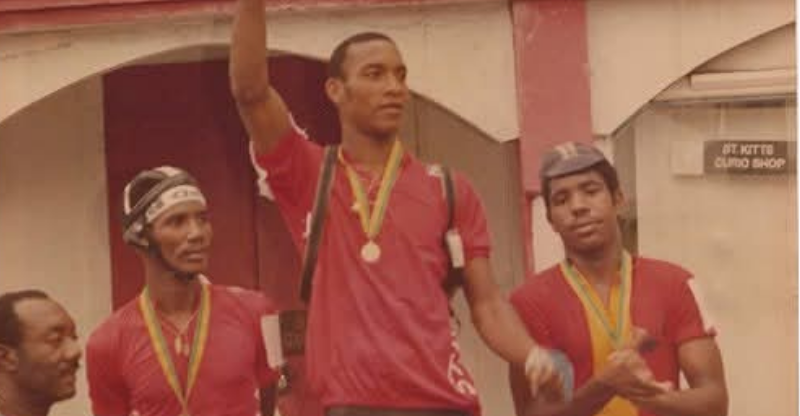
    The cycling community in Saint Lucia and beyond is mourning the tragic loss of Jean Louis, a revered figure in Caribbean cycling, who passed away on October 17 at the age of 66. Louis, a former champion cyclist, died in a tragic accident while riding his bicycle in Burlington, Ontario, Canada. He was struck by a vehicle and pronounced dead at the scene. Louis’s legacy extends far beyond his competitive achievements, as he was widely celebrated for his mentorship and unwavering support for younger cyclists. Born in the Anse La Salopwe community of La Toc, Louis rose to prominence in the 1980s, winning numerous titles, including the inaugural Organisation of Eastern Caribbean States Cycling Championships men’s title in 1987. His brother, Daniel Louis, who was named Saint Lucia’s Sportsman of the Year in 1985, credited Jean with introducing him to the sport. Jean Louis was known for his sportsmanship and dedication to fostering talent, often providing equipment and guidance to aspiring cyclists. Even after relocating to Canada, he remained deeply involved in the sport, participating in national championships as recently as 2023 and 2024 to support the next generation. Tributes poured in from cycling administrators, fans, and former athletes, including Saint Lucia Cycling Association president Cyril Mangal, who described Louis as a father figure and a pillar of the cycling community. Gregory Downie, a former cyclist, paid homage to Louis on Facebook, acknowledging the risks of road cycling and honoring his enduring legacy as a pioneer and champion. Louis’s contributions to Caribbean cycling will continue to inspire future generations.

  • Saint Lucian turns passion into purpose teaching Kwéyòl to a new generation

    Saint Lucian turns passion into purpose teaching Kwéyòl to a new generation

    Centuries ago, on the plantations of colonial Saint Lucia, a unique language emerged from the fusion of French, African, and English influences. This language, Kwéyòl, became a symbol of resistance, rhythm, and resilience for the island’s people. For generations, it thrived in homes, markets, and hillsides, passed down orally but rarely written. Over time, English dominated public spaces, relegating Kwéyòl to informal use, often seen as less prestigious. However, in a wave of cultural revival, Kwéyòl is experiencing a resurgence, particularly among the younger generation, who are reclaiming it as a source of pride and identity. Leading this movement is Sylvie Soir Kwéyòl Smith, a Saint Lucian author and Creole enthusiast. Smith’s passion for Kwéyòl stems from her childhood immersion in the language, but it was her time abroad that deepened her commitment to preserving it. She realized that many people, even Saint Lucians, lacked understanding of Kwéyòl’s roots and significance. Determined to bridge this gap, Smith began sharing her knowledge on social media, starting with simple tweets in Creole. Her posts quickly gained traction, revealing a widespread desire to learn and write the language. This digital outreach evolved into a global movement, inspiring Smith to create *The Kwéyòl Phrase Book*, a practical guide for everyday use. The book has been met with overwhelming enthusiasm, helping locals and the diaspora reconnect with their heritage. Despite lingering misconceptions about Kwéyòl’s value, Smith remains dedicated to changing perceptions and fostering unity through language preservation. For her, Kwéyòl is more than a linguistic artifact—it’s a reflection of Saint Lucia’s shared history and a vital part of its identity.

  • Windies beaten by 74 runs in Mirpur

    Windies beaten by 74 runs in Mirpur

    The West Indies faced a crushing 74-run defeat against Bangladesh in the first One Day International (ODI) of their three-match series on Saturday, October 18, at Mirpur. This series holds immense significance for both teams as they vie for crucial points to secure a spot in the 2027 ODI World Cup in South Africa.

  • Caring has no gender: Inside the life of a male nursing student

    Caring has no gender: Inside the life of a male nursing student

    Jefferson Gabriel, a 23-year-old nursing student in Saint Lucia, is navigating the challenges of being a man in a predominantly female profession. During his clinical maternity rotation, a mandatory part of his nursing training, Gabriel found himself often sidelined due to patients’ discomfort with male caregivers. Despite his eagerness to learn, he spent entire days observing only one patient, as many women declined his participation in their care for personal or religious reasons. This experience highlights the persistent gender biases in nursing, particularly in maternity wards. Nursing students in Saint Lucia undergo clinical rotations across various wards, but Gabriel’s experience in the maternity ward was starkly different from his peers. While his female counterparts engaged fully in patient care, Gabriel’s role was limited to tasks like bathing newborns. Sister Solomon, a veteran nurse with over 30 years of experience, noted that while the Registration of Nurses and Midwives Act refers to female nurses, there are no legal barriers preventing men from entering the field. She emphasized that skill and compassion, not gender, define a good nurse. Gabriel, inspired by his father’s medical crisis, chose nursing to help others and now aspires to enter nursing education to challenge gender biases and inspire future generations. He acknowledges the discomfort some women feel but stresses that male nurses approach their work professionally. Despite the challenges, Gabriel remains passionate about nursing and hopes to shift perceptions about who can provide care. His story reflects a broader trend of increasing male participation in nursing, driven by changing societal attitudes and the influence of social media in challenging stereotypes.

  • OPINION: Nuts and bolts of Caricom ‘free movement’ for Saint Lucia in the future

    OPINION: Nuts and bolts of Caricom ‘free movement’ for Saint Lucia in the future

    In a significant move towards regional integration, four CARICOM nations—Barbados, Belize, Dominica, and St. Vincent and the Grenadines—recently implemented full freedom of movement for their citizens. This decision, made during Saint Lucia’s political campaigning period, fulfills a commitment made at CARICOM’s 50th anniversary. However, Saint Lucia’s silence on the matter raises critical questions about its position in this evolving regional landscape. Historically, Saint Lucia has been a champion of regionalism, from the efforts of Nobel laureate William Arthur Lewis to the aspirations of the failed federation. Yet, the current lack of action calls for practical, forward-thinking discussions to prepare for potential future steps towards freedom of movement. This phase presents an opportunity for public education and engagement on the implications of regional obligations. The four pioneering countries have rejected the outdated requirement under Article 45 of the Revised Treaty of Chaguaramas (RTC), which limited CARICOM nationals to a six-month stay as tourists. Instead, they invoked the Protocol on Enhanced Cooperation, allowing nationals to enter, reside, work, and remain indefinitely without permits, while also granting access to healthcare and education. For Saint Lucia, joining this movement requires careful planning. Policymakers must address key questions: What benefits will CARICOM nationals receive? How will healthcare and education access be defined? What systems will integrate migrants? Will social security benefits be transferable? These issues demand national dialogue to ensure transparency and fairness. The legacy of regional integration, championed by figures like Elma Gene Isaac, must inspire deliberate and thoughtful action. As Saint Lucia contemplates its next steps, clarity and inclusivity must guide the process, ensuring that regional integration moves from rhetoric to reality.

  • Farmers, exporters warn of trouble beneath Saint Lucia’s sea moss boom

    Farmers, exporters warn of trouble beneath Saint Lucia’s sea moss boom

    Saint Lucia’s burgeoning sea moss industry, once celebrated for its premium quality and unique harvesting methods, is now facing a crisis of devaluation due to weak oversight and increasing competition. Local farmers and exporters are urging authorities to expedite efforts to regulate and standardize the sector, warning that the island’s once-lucrative product is losing its market edge.

  • Julien Alfred’s legacy shines on in new jewellery line

    Julien Alfred’s legacy shines on in new jewellery line

    A new jewellery collection honoring Olympic gold medallist Julien Alfred has been unveiled, with proceeds set to support her charitable foundation. The Julien Alfred Legacy Collection, created by Eleanor Prospere, founder of Fearless Jewellery, was officially launched on October 11 during a fundraising event at BodyHoliday’s Firefly Villa. The collection, inspired by Alfred’s historic 100m victory at the Paris 2024 Olympics, features unisex macramé bracelets, earrings, and gold-plated necklaces and bracelets. Each piece incorporates elements of Saint Lucian identity, including the national flag, the map outline, and the marguerite flower. Prospere, a French-Saint Lucian designer, emphasized the collection’s dual purpose: celebrating Alfred’s achievements and promoting national pride. The project began after Prospere’s father tracked down Alfred and her manager, Henry Rolle, to secure their approval. Following a three-year collaboration agreement, Prospere meticulously designed and financed the collection, which includes 400 pieces. The designer also plans to expand the collection with Cuban link necklaces for men and matching pieces for women. Prospere, who shares a Saint Lucian heritage with Alfred, expressed her lifelong passion for jewellery design, which she has pursued for over 14 years.

  • New Student Deportment Policy draws praise, criticism

    New Student Deportment Policy draws praise, criticism

    The Ministry of Education in Saint Lucia has introduced a groundbreaking Student Deportment Policy this academic year, marking the culmination of years of extensive consultations with educators, administrators, students, parents, and other stakeholders. The policy aims to harmonize the maintenance of school appearance standards with the freedom for students to express their identities without facing discrimination. Central to the policy is a framework that establishes clear expectations for student deportment across school communities, ensuring consistency and fairness in its application. While the guidelines address uniforms, jewelry, and general appearance, the most notable change pertains to hairstyles. The new rules permit students, particularly young men, to wear longer hair, dreadlocks, and interlocked styles, provided they maintain cleanliness and avoid obstructing others’ views. This shift represents a significant departure from past practices that often marginalized students with natural or culturally significant hairstyles, particularly those from Rastafarian and Afrocentric backgrounds. The Iyanola Council for the Advancement of Rastafari (ICAR), a key participant in the policy consultations, hailed the move as long overdue, recalling decades of discrimination faced by Rastafarian students. Aaron Alexander, ICAR’s president, praised the policy as a historic correction to colonial-era biases, emphasizing the importance of embracing natural hair as a symbol of cultural identity. Rahym Augustin-Joseph, Saint Lucia’s first Rhodes Scholar and a prominent student leader, welcomed the policy as a step forward but called for further refinement to include more Afrocentric hairstyles and ensure equitable implementation. He stressed the need for transparent enforcement mechanisms and student representation in decision-making processes to prevent bias. Augustin-Joseph also highlighted the importance of addressing disciplinary measures and the language used in the policy to avoid perpetuating historical inequalities. The policy has sparked broader discussions about balancing tradition and inclusivity in education, with advocates urging a reckoning with the colonial roots of many societal norms. While the policy is seen as a progressive step, its success will depend on its practical application and the ongoing commitment to fostering a more inclusive educational environment.