标签: Saint Lucia

圣卢西亚

  • Constituencies to watch; The election deciders (Part 2)

    Constituencies to watch; The election deciders (Part 2)

    With the pivotal 2025 General Election approaching, St. Lucia stands at a political crossroads that will define its governance for the coming five-year term. Political analysts are examining the complex voter dynamics that could disrupt traditional party strongholds across the island nation.

    Political observer Rhyesa Joseph identifies multiple factors influencing voter behavior, noting that “constituency level politics vary throughout the island, and there are different kinds of voters.” Key considerations include assessments of national leadership, parliamentary representation quality, opposition candidate appeal, and overall trust in political affiliations.

    Several constituencies emerge as critical battlegrounds that may signal the national outcome:

    Gros Islet, a tourism-centric region, features a contest between incumbent Youth and Sports Minister Kenson Casimir and entrepreneur Marcella Johnson. Political commentator Rahym Augustin-Joseph highlights this constituency’s historical significance: “History has told us that a government must win Gros Islet if they want to win the elections.” The area’s growing population and history of political alternation make it a crucial indicator of national sentiment.

    Micoud North represents a remarkable political transformation, having shifted from decades as a United Workers Party (UWP) stronghold to electing Labour’s Jeremiah Norbert in 2021. Development professional Ajani Lebourne notes this constituency’s traditional tendency to return to UWP, making the incumbent’s project delivery record essential. With fishing and farming as primary industries, candidate performance on infrastructure and market access will significantly influence voter decisions.

    Dennery North presents Education Minister Shawn Edward seeking his fourth term against community leader Bradley Marcelle Fulgence. Lebourne characterizes this as a closely contested race between candidates of “similar profile and stature,” noting Edward’s historically narrow victory margins. The constituency’s response to government policies in education and agriculture, particularly their impact on youth opportunities and farming communities, may prove decisive.

    Vieux Fort North and Laborie remain traditional Labour strongholds, with veterans Moses Jn Baptiste and Alva Baptiste facing challenges from police officer Callix Xavier and entrepreneur Laura Jn Pierre-Noel respectively. Augustin-Joseph suggests these constituencies will test Labour’s continued dominance, potentially indicating whether national momentum might favor UWP despite historical voting patterns.

    These contested regions collectively form a political barometer that will measure St. Lucia’s governing direction for the next parliamentary term.
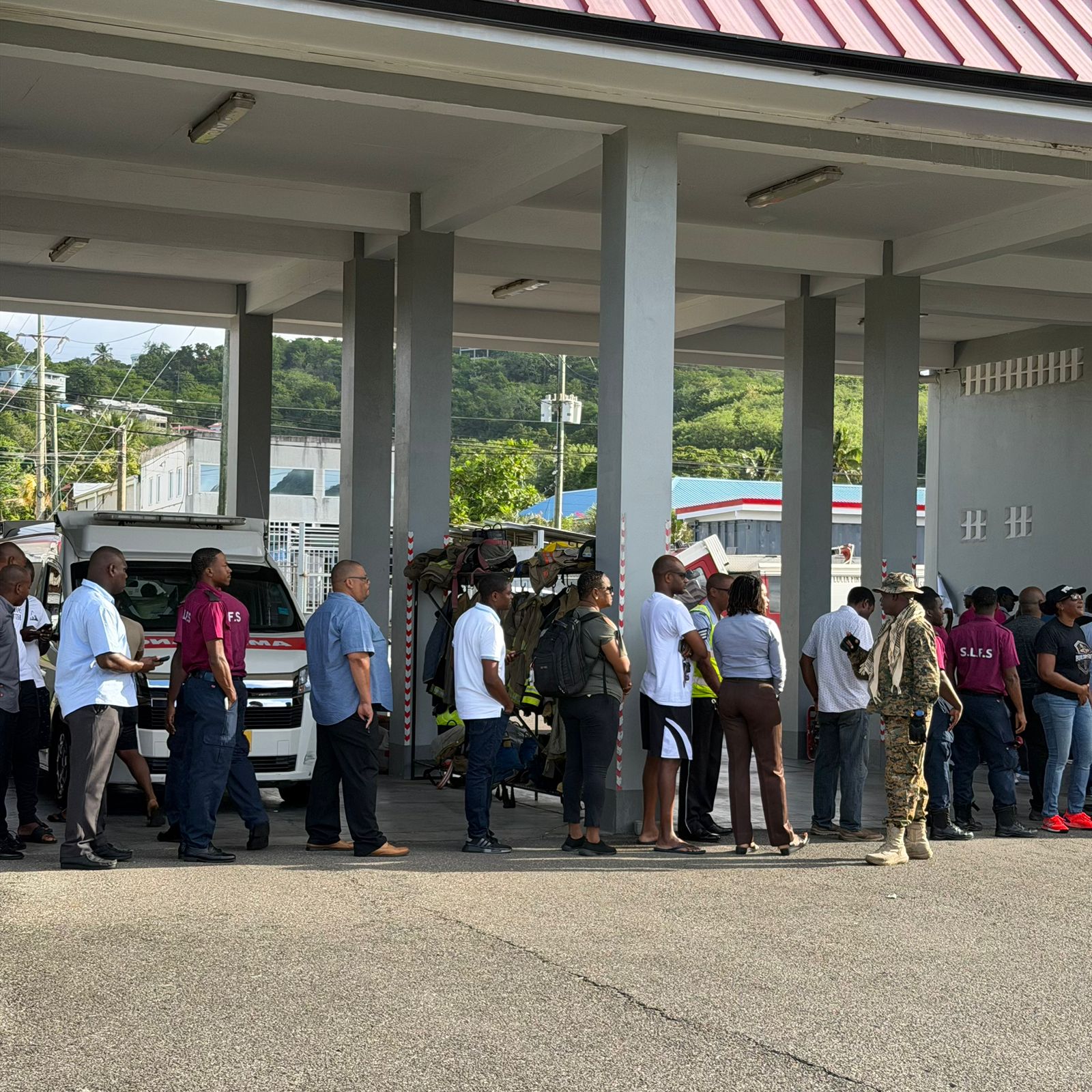

  • Early voting for special forces

    Early voting for special forces

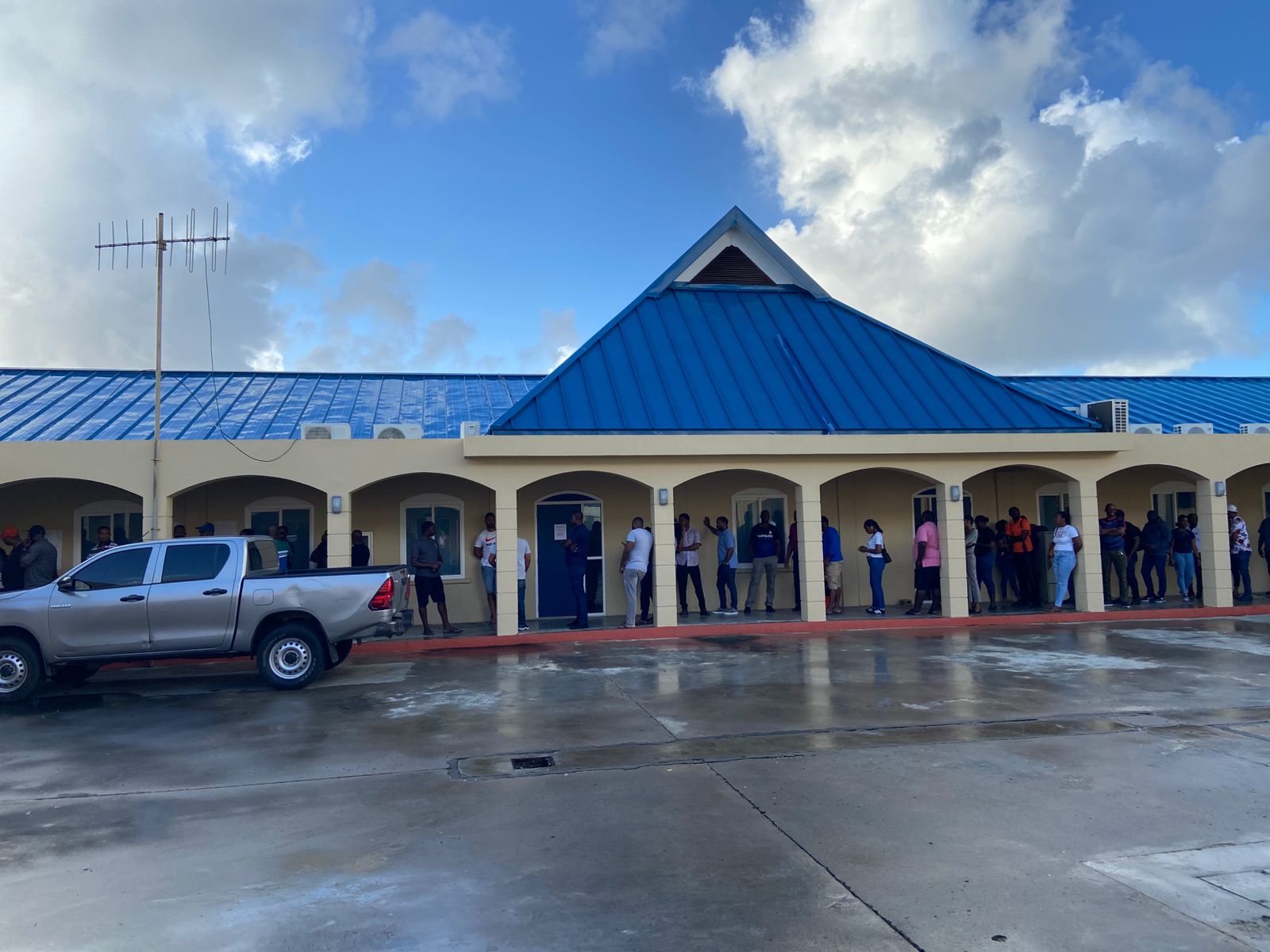
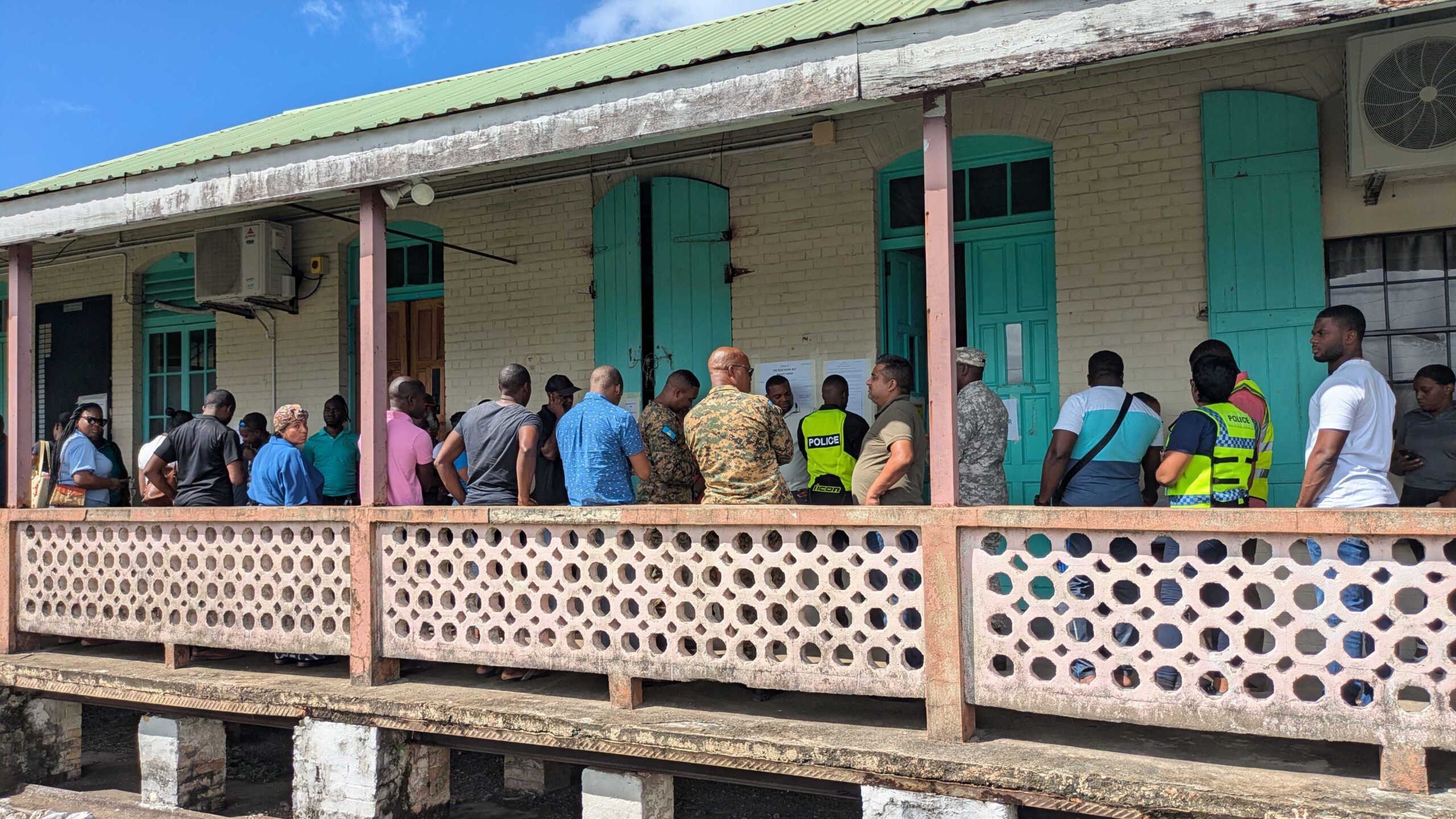
    Special forces personnel throughout Saint Lucia initiated the electoral process for the 2025 general election on Thursday through early voting procedures. While officials reported generally smooth operations, significant queues emerged at multiple polling locations due to higher-than-anticipated participation.

    The early voting process commenced at 6:00 AM across four designated facilities: Gros Islet Fire Station, Police Training School in La Toc, Vieux Fort Divisional Headquarters, and Soufrière Fire Station. These stations were established specifically to accommodate election workers and law enforcement personnel, including police, fire services, and correctional officers who will be on duty during the December 1 general election.

    Assistant Commissioner of Police Dr. Mashama Sealy, speaking from the Police Training School, confirmed that voting commenced precisely at the scheduled time of 6:30 AM. She noted that despite considerable lines forming at several locations, the voting process maintained steady progression, particularly at stations with fewer registered voters.

    Chief Elections Officer Herman St Helen provided context regarding the congestion, explaining that the lengthy queues resulted directly from the limited number of polling stations allocated for special forces voting. He acknowledged in retrospect that additional polling stations within certain divisions would have alleviated congestion, admitting that election planners had underestimated potential voter turnout among security personnel.

    At the Gros Islet Fire Station, Presiding Officer and Assistant Commissioner of Police Elvis Thomas confirmed the voting process was proceeding efficiently under observation from international monitors, including representatives from the Organisation of American States. Thomas emphasized his responsibility to ensure both smooth operations and the protection of voters’ rights to cast ballots without interference throughout the entire election period.

    Veteran police officer Leon Ephiphane, who voted at the Gros Islet station, shared his perspective after completing the process. With a decade of service, Ephiphane described the experience as ultimately successful despite initial organizational delays involving election agents’ coordination.

    Similar patterns emerged in the southern region, where election officials at Vieux Fort Divisional Headquarters indicated that Monday’s general election would feature significantly more polling stations, potentially reducing waiting times. An election clerk explained that the Vieux Fort South district contains four polling divisions with multiple stations each, which should distribute voter traffic more effectively during the main election.

    One female police officer who voted at Vieux Fort reported waiting nearly three hours to cast her ballot, expressing surprise at the early morning turnout while still characterizing her overall experience positively.

    In Soufrière, voting began at a slower pace during early morning hours but intensified toward midday. Although election officials declined formal commentary, visual observations indicated orderly proceedings throughout the day.

  • Two manifestos, two futures: Which vision matches the Saint Lucia you want?

    Two manifestos, two futures: Which vision matches the Saint Lucia you want?

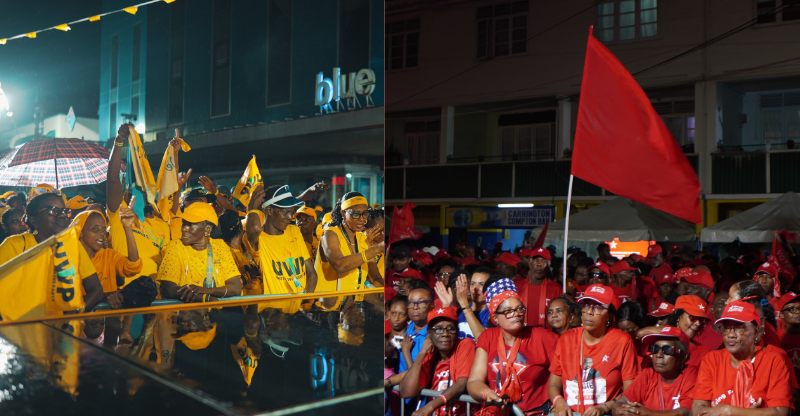
    As Saint Lucia prepares for its pivotal 2025 General Election, the nation’s two dominant political forces have unveiled fundamentally different governance philosophies through their detailed manifestos. The United Workers Party (UWP) has presented an extensive 78-page blueprint advocating for comprehensive systemic transformation, while the Saint Lucia Labour Party (SLP) offers a more focused 35-page document emphasizing incremental improvements and community-centric development.

    Despite their contrasting methodologies, both parties converge on addressing critical national challenges including public security, healthcare accessibility, economic pressures, educational reform, agricultural sustainability, and tourism development. The distinction emerges in their strategic implementation frameworks and philosophical approaches to governance.

    **Public Security Overhaul**
    The crime epidemic represents perhaps the most urgent concern for both parties. The UWP proposes a radical security architecture redesign through its Relief, Recovery, and Reform framework, featuring establishment of a Border Control Authority, enhanced forensic capabilities, expanded surveillance networks, and treatment of crime as a public health issue requiring early intervention programs. Conversely, the SLP emphasizes strengthening existing law enforcement infrastructure through increased police manpower, upgraded equipment, and community-based prevention initiatives.

    **Economic Stabilization Strategies**
    Addressing the escalating cost of living crisis reveals another philosophical divide. The SLP advocates for targeted social protection measures and price stabilization for essential goods, building upon current welfare programs. The UWP’s SOS Plan promises immediate financial relief through tax eliminations, reduced fuel prices, and free tertiary education, coupled with an investment-driven economic recovery model focused on infrastructure development.

    **Healthcare System Transformation**
    Both parties acknowledge the healthcare sector requires substantial investment, with mutual commitments to facility upgrades and a new hospital in Soufrière. The SLP prioritizes universal coverage expansion and mental health support within the existing system framework. The UWP proposes more fundamental restructuring through National Health Insurance implementation, digital health management systems, and an additional hospital in Dennery.

    **Tourism and Economic Diversification**
    As the nation’s primary economic engine, tourism receives significant attention in both manifestos. The SLP emphasizes sustainable tourism development with enhanced community benefits and agricultural linkages. The UWP envisions broader sector diversification through sports, wellness, and cultural tourism initiatives alongside global marketing expansion.

    **Educational Philosophy Divergence**
    The parties present contrasting educational visions reflecting their broader governance approaches. The SLP focuses on early childhood development, classroom modernization, and digital literacy integration. The UWP emphasizes workforce alignment through technical education expansion, industry partnerships, and adult retraining programs.

    **Agricultural Renaissance**
    Both manifestos recognize agriculture’s renewed importance for food security and climate resilience. The SLP proposes farmer capacity building and technological adoption, while the UWP outlines comprehensive modernization through land banking, irrigation networks, and processing infrastructure.

    **Creative Economy Development**
    The emerging creative sector receives unprecedented political attention. The UWP proposes formalization through dedicated institutions and legislation, while the SLP integrates creative industries within broader youth entrepreneurship initiatives.

    **Funding Realities**
    Ultimately, both visions confront the same fiscal constraints. The SLP’s approach suggests reliance on existing budgetary structures and gradual scaling, while the UWP’s ambitious agenda necessitates significant resource mobilization through economic recovery initiatives and external investment attraction. The electoral decision will ultimately hinge on which funding model voters find most credible and sustainable.

  • Early voting begins for sick and shut-ins, special services

    Early voting begins for sick and shut-ins, special services

    Saint Lucia implemented comprehensive early voting measures on Friday to guarantee democratic participation for all eligible citizens ahead of Monday’s general election. Electoral Department teams initiated special mobile voting services at major healthcare facilities including OKEU Hospital, Tapion Hospital, and St. Jude Hospital, alongside registered elderly care homes. The operation commenced at 6:30 a.m. and continued through 6:00 p.m., extending voting accessibility to bedridden patients and guardians of children in pediatric wards.

    Election officials specified that qualification for this special voting process required individuals to be both mentally competent and confined to bed since before December 1. The Electoral Department attributed the successful implementation to extensive preliminary preparations and collaborative efforts with facility administrators, reporting minimal operational challenges.

    Concurrently, members of essential services including police, fire, and correctional officers commenced their voting process on Friday morning. Designated polling stations were established at strategic locations: Gros Islet Fire Station in the North, Police Training School in Castries, Vieux Fort Divisional Headquarters, and Soufriere Fire Station.

    Voting patterns varied across locations, with Soufriere experiencing initially sluggish turnout that gradually intensified toward midday. Despite most officers maintaining discretion regarding their electoral choices, external observations confirmed the process remained orderly throughout. All participants from both voting groups were mandated to present valid identification documents such as passports, National IDs, or driver’s licenses to exercise their franchise.

  • High Turnout as Southern, Eastern Emergency Workers Cast Ballots

    High Turnout as Southern, Eastern Emergency Workers Cast Ballots

    Vieux Fort, Saint Lucia – A significant demonstration of civic participation unfolded Friday morning as special service personnel across southern Saint Lucia participated in early voting ahead of Monday’s general elections. Beginning promptly at 6 a.m., the Vieux Fort Police Divisional Headquarters operated two dedicated polling stations to accommodate police officers, port authorities, firefighters, and other first-response professionals.

    Despite the early hour, electoral officials reported steadily increasing traffic throughout the morning, with lines growing substantially by mid-morning. One anonymous police officer expressed surprise at the robust turnout, noting to St. Lucia Times: “The numbers are remarkably high based on my observations. Considering the early hour, we already have substantial participation, and I anticipate these numbers will continue to climb throughout the day.”

    The voting process, while orderly, presented some logistical challenges. The same officer revealed a nearly three-hour wait time, having entered the polling station shortly after 6 a.m. and exiting at 8:53 a.m. This extended processing time highlighted the constraints of operating only two polling stations for multiple constituencies, including Vieux Fort South, Vieux Fort North, Micoud South, Micoud North, Dennery South, and Laborie.

    Electoral staff addressed these concerns, explaining that Monday’s general election would feature significantly expanded polling capabilities. An election clerk stationed at the divisional headquarters clarified: “For the general elections, we will establish considerably more polling stations. While we’re experiencing some backup in lines today, Monday’s infrastructure will ensure smoother movement and substantially reduced waiting times, even with high voter turnout.”

    Personnel scheduled for duty on election day cast their ballots at the adjacent Vieux Fort Primary School, part of coordinated efforts to ensure all special service workers can exercise their democratic rights while maintaining essential services. The broader electorate is scheduled to participate in the electoral process on Monday, December 1, when the nation will select its next government.

  • Northern frontline workers cast early ballots at Gros Islet Fire Station

    Northern frontline workers cast early ballots at Gros Islet Fire Station

    Northern Saint Lucia witnessed robust electoral participation as essential workers from Gros Islet, Babonneau, and Castries North constituencies commenced advance voting Friday morning at the Gros Islet Fire Station. The polling facility opened precisely at 6:30 a.m., witnessing consistent voter traffic throughout the morning hours in preparation for the December 1 general elections.

    Uniformed personnel from multiple critical services—including the Royal Saint Lucia Police Force, Saint Lucia Fire Service, and correctional facilities—formed the majority of early voters. Assistant Commissioner of Police Elvis Thomas, presiding officer for the northern electoral district, confirmed to St Lucia Times that comprehensive arrangements had been implemented to guarantee a seamless and organized voting procedure.

    Commissioner Thomas revealed that 477 essential workers were registered for the northern division’s advance poll, with voter numbers anticipated to increase as the morning advanced. Official representatives from various political candidates were formally sworn in, while an international election observer from the Organisation of American States (OAS) monitored proceedings to ensure electoral integrity.

    Emphasizing his commitment to preserving polling integrity, Thomas stated his primary objective was to facilitate an electoral exercise that proceeds ‘smoothly, freely, without any interruption.’ He advised voters to ‘exercise your rights, but do so in a manner that you do not violate any other person’s rights.’

    Police officer Leon Epiphane of the Rodney Bay Police Station, currently on vacation, characterized his voting experience as fundamentally smooth despite noting some procedural delays involving candidate agents. ‘In the end, it worked out well, and I cast my ballot,’ commented Epiphane, a decade-long service member who expressed hope for peaceful elections through the post-polling period until Monday.

  • Smooth start to polling as essential workers vote in Castries

    Smooth start to polling as essential workers vote in Castries

    Critical infrastructure personnel across six electoral districts in Saint Lucia participated in special advance voting proceedings on Friday morning. The designated polling venue at the Police Training School in La Toc, Castries, accommodated essential workers from Castries East, Castries Central, Castries South, Anse La Raye, Dennery North, and Castries South East constituencies.

    Uniformed services formed a significant portion of the early electorate, with substantial representation from the Royal Saint Lucia Police Force and the Saint Lucia Fire Service. Personnel from other government agencies also joined the advanced polling exercise aimed at ensuring continuity of essential services during general elections.

    Assistant Commissioner of Police Dr. Mashama Sealy supervised the proceedings across two operational polling stations at the facility. The electoral process commenced precisely at 6:30 AM according to established schedules. In a mid-morning assessment, Dr. Sealy reported exceptionally smooth operations with efficiently moving queues.

    “The polling stations opened punctually and have maintained seamless operations since commencement,” Dr. Sealy confirmed during an interim review. “Voter throughput has been particularly rapid at one station due to a smaller registered voter allocation per poll.”

    The advanced voting proceedings concluded without significant disruptions, marked by an orderly atmosphere and minimal grievances from both electoral participants and administrative officials. The successful execution demonstrates Saint Lucia’s electoral system capacity to accommodate specialized voting arrangements while maintaining procedural integrity.

  • Winless Saint Lucia out of AmeriCup 3×3 hoops

    Winless Saint Lucia out of AmeriCup 3×3 hoops

    Saint Lucia’s participation in the FIBA AmeriCup 3×3 basketball tournament concluded abruptly on the opening day of competition in León, Mexico, following consecutive losses to regional rivals. The national team’s elimination from qualifying Group A was confirmed after suffering defeats against both Jamaica and Guyana on Thursday, November 27.

    In their initial match against Jamaica, Saint Lucia struggled to find rhythm, falling decisively with a final score of 21-7. Despite Sidney Didier opening the scoring with an early basket, Jamaica responded with a devastating 12-0 scoring run that established dominance. A brief resurgence led by Troy Louison’s one-pointer sparked a 4-0 response from Saint Lucia, but Jamaica closed the game with an 8-3 advantage. Statistical disparities proved significant as Jamaica attempted 11 free throws (converting only five) while Saint Lucia had just two opportunities from the line, missing both attempts. Didier finished as Saint Lucia’s top scorer with three points.

    The second qualifying match against Guyana delivered considerably more drama, extending into overtime before concluding 17-15 in Guyana’s favor. Saint Lucia demonstrated marked improvement, establishing an early 4-3 lead through Sharmoir Baptiste and maintaining a three-point advantage midway through the contest. The game featured multiple ties, including at 7-7 and 12-12, before reaching a dramatic conclusion. Louison’s two-pointer at the buzzer forced overtime at 15-15, but Guyana’s Travis Belgrave secured victory with another two-pointer in the extra period.

    Belgrave emerged as the game’s standout performer with 10 points, while Didier and Louison contributed five points each for Saint Lucia. Baptiste added three points and Clayton William two. Both teams struggled from the free-throw line, with Guyana missing all four attempts and Saint Lucia failing to convert their two opportunities.

    Jamaica ultimately won Group A by defeating Guyana 19-14, advancing to the main draw alongside Trinidad & Tobago, who secured progression with victories over Saint Kitts & Nevis (21-7) and Uruguay (21-18).

  • Murder charge laid in killing of Bexon resident

    Murder charge laid in killing of Bexon resident

    In a significant development regarding the fatal shooting incident in Marc, Bexon, Saint Lucian authorities have formally pressed charges against a suspect. The Royal Saint Lucia Police Force confirmed that 27-year-old Brent Frederick from Wilton’s Yard, Castries, now faces murder charges for the death of Jabez Edward.

    The victim, 23-year-old Edward, succumbed to multiple gunshot wounds earlier this month despite being rushed to OKEU Hospital for emergency treatment. The violent incident had prompted an intensive investigation by local law enforcement agencies.

    Frederick made his initial court appearance before a magistrate on Wednesday, November 26, where the prosecution successfully argued against bail. The court ordered the accused remanded to the Bordelais Correctional Facility, the island’s maximum-security prison. Judicial proceedings will resume on March 3 when Frederick is scheduled to reappear in court for further hearing of the case.

    The charges mark a crucial step in the justice process for a community affected by gun violence. Law enforcement officials have emphasized their continued commitment to addressing serious crimes across the island nation.

  • Girard lays his case for Anse La Raye/Canaries

    Girard lays his case for Anse La Raye/Canaries

    The Anse La Raye/Canaries constituency in Saint Lucia stands at a pivotal historical juncture as voters prepare for the December 1 General Election. Incumbent representative Wayne Girard of the Saint Lucia Labour Party (SLP) seeks to achieve what no politician has accomplished since Cyprian Lansiquot’s consecutive victories in 1997 and 2001—secure a second term in this traditionally volatile west coast district.

    The political significance of this election extends beyond individual candidates, potentially marking the first time since Lansiquot that any political party retains this seat for consecutive terms. The constituency has remained with governing parties since 1987, adding substantial weight to Girard’s reelection campaign against United Workers Party challenger Dominic Fedee, who previously held the seat from 2016 to 2021.

    At a crucial pre-election gathering on November 27, Girard presented his governance record to constituents at the Anse La Raye waterfront, emphasizing recently completed infrastructure projects including the West Coast First Station and the National Skills Development Centre Chalét youth facility. These developments, opened just days before the election, formed the cornerstone of his appeal for continued representation.

    The Minister in the Ministry of Finance, Economic Development and Youth Economy received notable political reinforcement during the event. Prime Minister Phillip J. Pierre and former MP Cyprian Lansiquot appeared alongside him, while erstwhile independent candidate Elwin St Rose unexpectedly withdrew his candidacy to deliver passionate endorsements of Girard’s leadership.

    Girard outlined an ambitious future agenda contingent on reelection, promising delivery of a new police station and completion of a sophisticated two-lane reinforced-concrete girder bridge featuring pedestrian walkways, utility ducts, and enhanced resilience against extreme weather events. He further highlighted recent athletic achievements by the Anse La Raye football team, which won promotion to Tier 1 alongside a $30,000 prize, positioning sports investment as a key community development priority.

    The sitting MP contrasted his collaborative governance approach with what he characterized as Fedee’s differing methodology, emphasizing community consultation in development planning. Girard referenced commissioned flood mitigation studies and actively solicited constituent input regarding community priorities, framing the election as a referendum on participatory development versus alternative political methodologies.