标签: Saint Lucia

圣卢西亚

  • Saint Lucian athletes level up

    Saint Lucian athletes level up

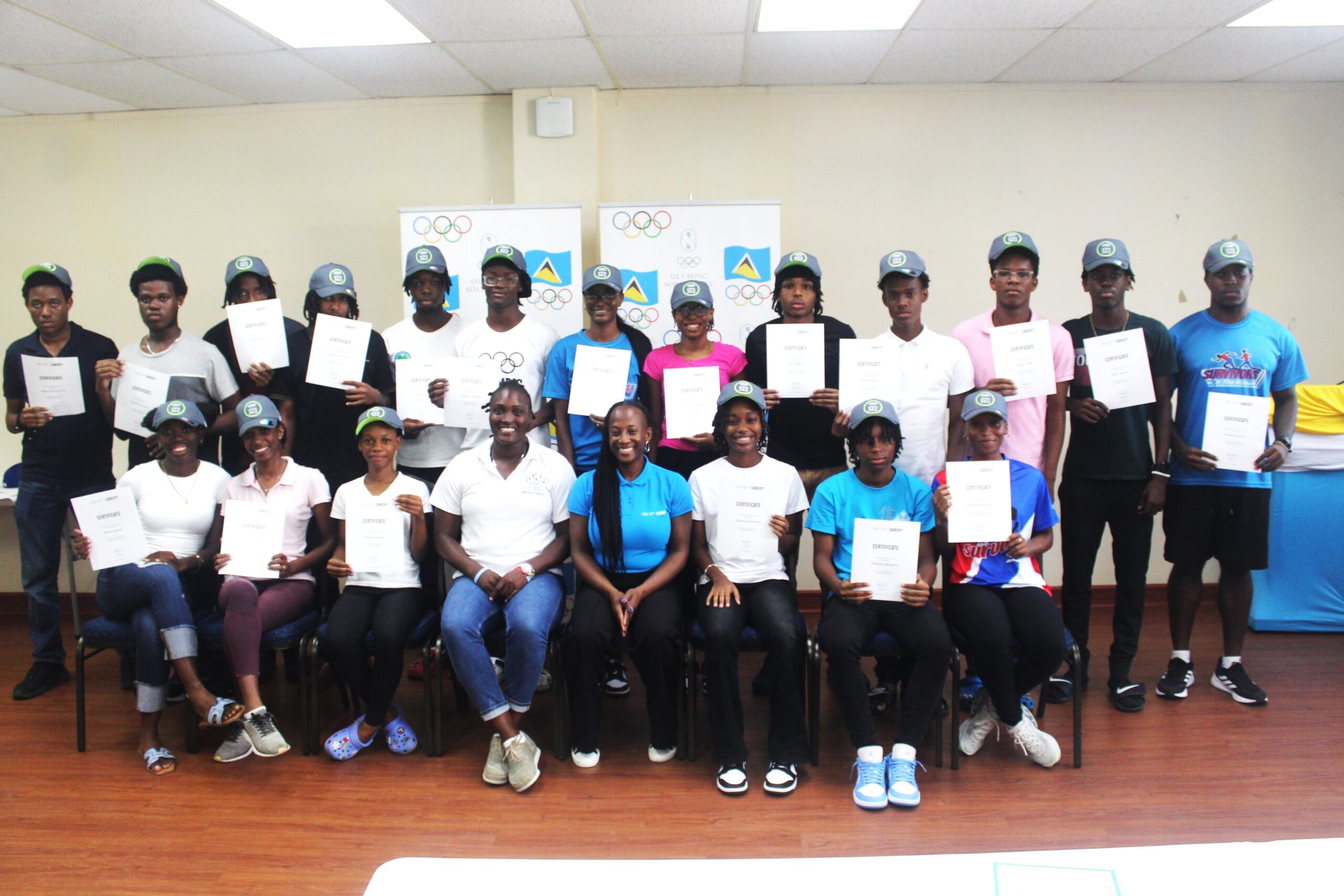
    In a groundbreaking initiative for Caribbean sports development, twenty-three emerging athletes from Saint Lucia recently completed an intensive career transformation workshop conducted by the Saint Lucia Athletes Commission (SLAC). The program, strategically titled “Power Up Your Future,” was expertly facilitated by Hazel Ann Regis-Buckels, a distinguished two-time Olympian from Grenada and current chair of the Grenada Athletes Commission.

    The comprehensive two-day curriculum, held at Olympic House in La Clery during late November, represented SLAC’s final programming effort for 2025. Day one immersed participants in profound self-discovery exercises across four transformative sessions: Strengths and Values, Interests and Skills, Passion and Impact, and Purpose and Planning. This introspective approach enabled athletes to identify their unique capabilities beyond athletic performance.

    Day two shifted to practical application with an intensive module on “Writing a Winning CV/Résumé.” Regis-Buckels guided athletes through crafting compelling professional documents that effectively showcase their transferable skills, character attributes, competitive experience, and achievement history. She emphasized that “a résumé serves as a persuasive marketing tool to position athletes for success outside competitive sports.”

    The workshop facilitator brought exceptional credibility to the program as both a decorated athlete and certified educator. Regis-Buckels had previously captured gold for Grenada at the 2000 CARIFTA Games and Central American Caribbean Under-20 Championships in the 400m event. She now serves as an official educator with the International Olympic Committee’s Athlete 365 Career+ Programme.

    Reflecting on the workshop’s philosophical foundation, Regis-Buckels explained: “We focused initially on self-discovery because athletes typically concentrate intensely on performance and competition without pausing to contemplate what follows. This workshop helped participants identify their superpowers—understanding their strengths, values, motivators, and transferable skills.”

    She highlighted the critical importance of early preparation: “Recognizing these inner strengths now ensures that when athletes transition—whether through retirement or advancement—they can leverage these skills to secure ideal opportunities. Most crucially, they must understand their personal values and identify organizations that align with those principles.”

    Makeba Alcide, SLAC Chair and former elite track athlete turned sports administrator, declared the workshop an essential initiative for Saint Lucia’s athletic community. “This was a program that urgently needed implementation,” Alcide stated. “Hazel proved an exceptional facilitator, and participant engagement exceeded expectations. Attracting over twenty athletes carried significant meaning for our development goals.”

    Alcide emphasized the program’s broader vision: “Not every athlete sustains long-term sports careers, making alternative pathways imperative. We discovered participants with talents in artistry and entrepreneurship—all at remarkably young ages. Honing these abilities helps them develop personal brands beyond athletics. Personally, I’m committed to providing opportunities I never received during my competitive career.”

    Despite demanding schedules—six hours on day one and four on day two—athletes maintained remarkable engagement throughout. Initial hesitations transformed into profound appreciation for self-understanding and future planning. This workshop marked Regis-Buckels’ second regional facilitation following Grenada, with Trinidad scheduled for December implementation.

    The success underscores the growing collaboration between Athletes Commission Chairs, National Federations, and athletes themselves to maximize newly available resources. Alcide confirmed that Career+ workshops will continue through 2026 alongside athlete development initiatives, coach training programs, and national forums, ensuring sustainable support for Caribbean athletic career transitions.

  • Turnout, results, rejected ballots: How Saint Lucians voted

    Turnout, results, rejected ballots: How Saint Lucians voted

    The Saint Lucia Labour Party (SLP) has achieved a commanding victory in the December 1 general election, capturing 14 of the 17 parliamentary seats according to preliminary results released by the Electoral Department. The United Workers Party (UWP) managed to secure just one seat, while two independent candidates successfully retained their positions.

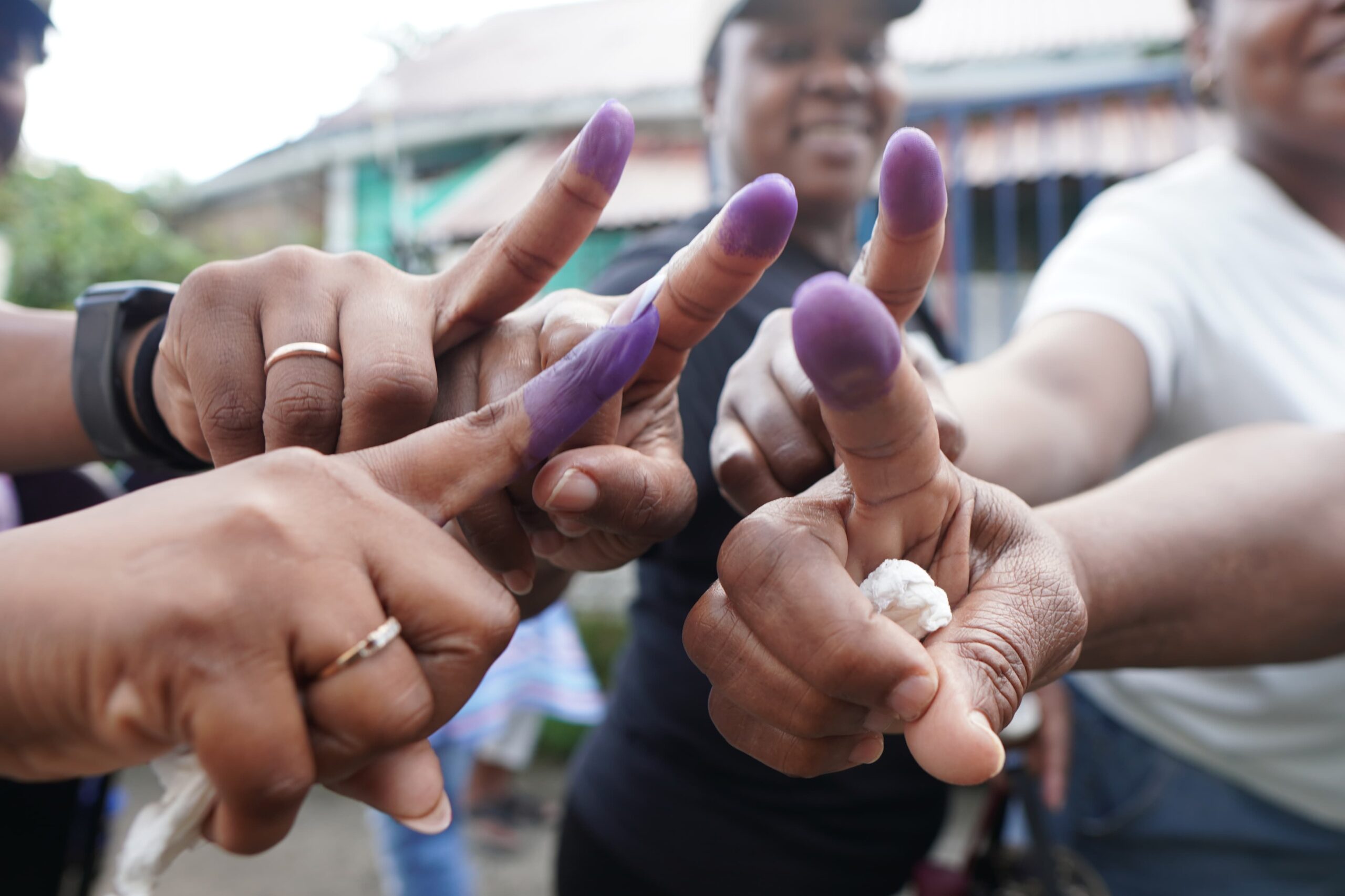
    Voter participation data reveals that 89,448 registered electors exercised their democratic rights out of a total electorate of 184,654. However, election officials have expressed serious concern over a significant increase in rejected ballots, which climbed to 1,980 compared to 1,694 during the previous electoral process.

    Herman St. Helen, head of the Electoral Department, characterized the situation as particularly troubling during a press briefing. “This is too many, way too many,” St. Helen stated, referencing the rejected ballots. He suggested that reverting to voting stamps instead of current marking methods could substantially reduce the number of invalidated votes in future elections.

    Constituency-level analysis demonstrates several notable electoral outcomes. In Gros Islet, the nation’s largest voting district, SLP incumbent Kenson Casimir secured a decisive victory with 8,175 votes against challenger Marcella Johnson’s 3,861 votes. This constituency also recorded the highest number of rejected ballots at 314.

    The Castries North constituency witnessed independent incumbent Stephenson King successfully defend his seat with 3,485 votes (66%) against four challengers. Meanwhile, SLP leader Philip J. Pierre achieved a landslide victory in Castries East, capturing 77.8% of the vote.

    Micoud South emerged as the sole constituency where UWP leader Allen Chastanet maintained his party’s presence in parliament, defeating SLP candidate Shanda Harracksingh by 673 votes. The closest contest occurred in Dennery South, where SLP incumbent Alfred Prospere retained his seat by a narrow margin of just 59 votes following a recount.

    Electoral participation varied significantly across constituencies, with turnout rates ranging from 40% in Castries Central to 56% in Dennery South. The overall election results signal a substantial political realignment in Saint Lucia’s parliamentary landscape.

  • Young voters hopeful, demanding more

    Young voters hopeful, demanding more

    Following a historic electoral triumph that secured the Saint Lucia Labour Party (SLP) an unprecedented second consecutive term, the nation’s youth have immediately articulated their expectations for the incoming administration. Young citizens across constituencies including Castries, Vieux Fort, Dennery, and Gros Islet are actively engaging through traditional and social media platforms to evaluate previous governmental performance and outline priority areas requiring attention.

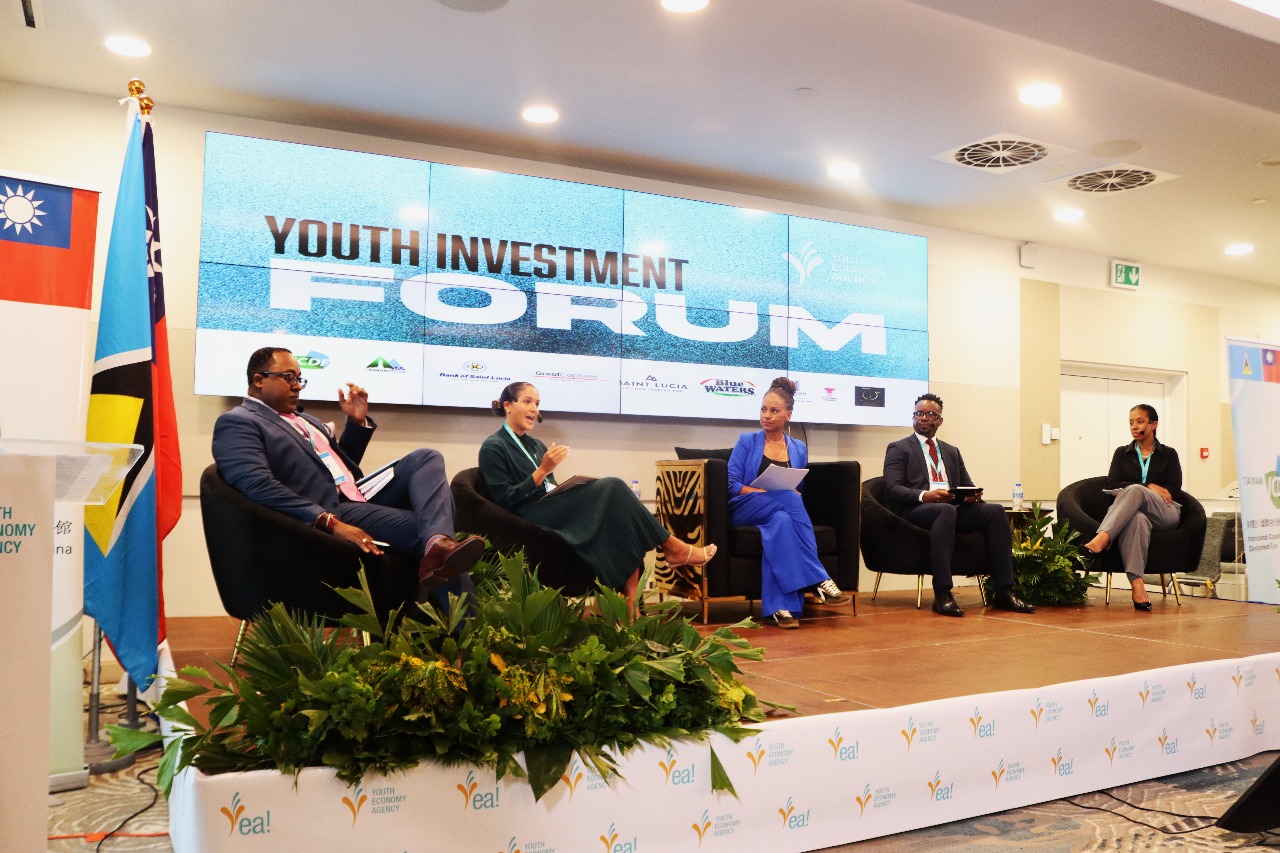
    The Youth Economy Agency (YEA) emerges as a cornerstone achievement from the previous term, having distributed grants, training, and business development support to thousands of young entrepreneurs. Kadeem Charles, a 23-year-old photographer, credits the program with transforming his professional trajectory: “The Youth Economy initiative fundamentally reshaped my mindset and enabled self-employment.” However, he and others advocate for expanded program accessibility, particularly addressing application processing delays that have prevented many from receiving support.

    Parallel acclaim has been accorded to the Semi-Professional Sports Programme, which has provided structured income and professional validation for athletes. Footballer Renee John, 19, emphasizes how the program has elevated sports from recreational pastime to legitimate career path: “We’re now receiving compensation, professional training, and serious recognition.” Participants are advocating for enhanced infrastructure, coaching resources, and expanded sporting opportunities.

    Despite celebrating record-low unemployment rates, young citizens identify violent crime as a persistent concern. University students and young professionals emphasize that economic gains must be complemented by strengthened community safety initiatives. Recommendations include violence prevention programs, youth community centers, and targeted interventions in high-risk neighborhoods.

    Employment quality represents another critical focus area. IT graduate Jonathan Auguste, transitioning from a YEA internship, articulates a widespread sentiment: “While grateful for employment opportunities, we seek sustainable careers with competitive compensation and growth potential rather than temporary placements.” Youth are urging government investment in digital economy expansion, creative industries, and specialized tourism sectors that offer long-term professional development.

    Underpinning these policy-specific requests is a fundamental demand for inclusive governance. Youth advocate Liyanna Paul, 21, stresses: “Meaningful consultation requires our genuine inclusion in decision-making processes. We possess firsthand experience of contemporary challenges including crime, housing affordability, and cost-of-living pressures.”

    The SLP’s electoral mandate provides a robust platform for policy continuation and expansion. Yet as young voter Kadeem Charles summarizes: “We reaffirmed our support through voting based on demonstrated progress. Now we anticipate accelerated advancement across all sectors affecting our futures.”

  • Salvation Army needs helping hands for Christmas

    Salvation Army needs helping hands for Christmas

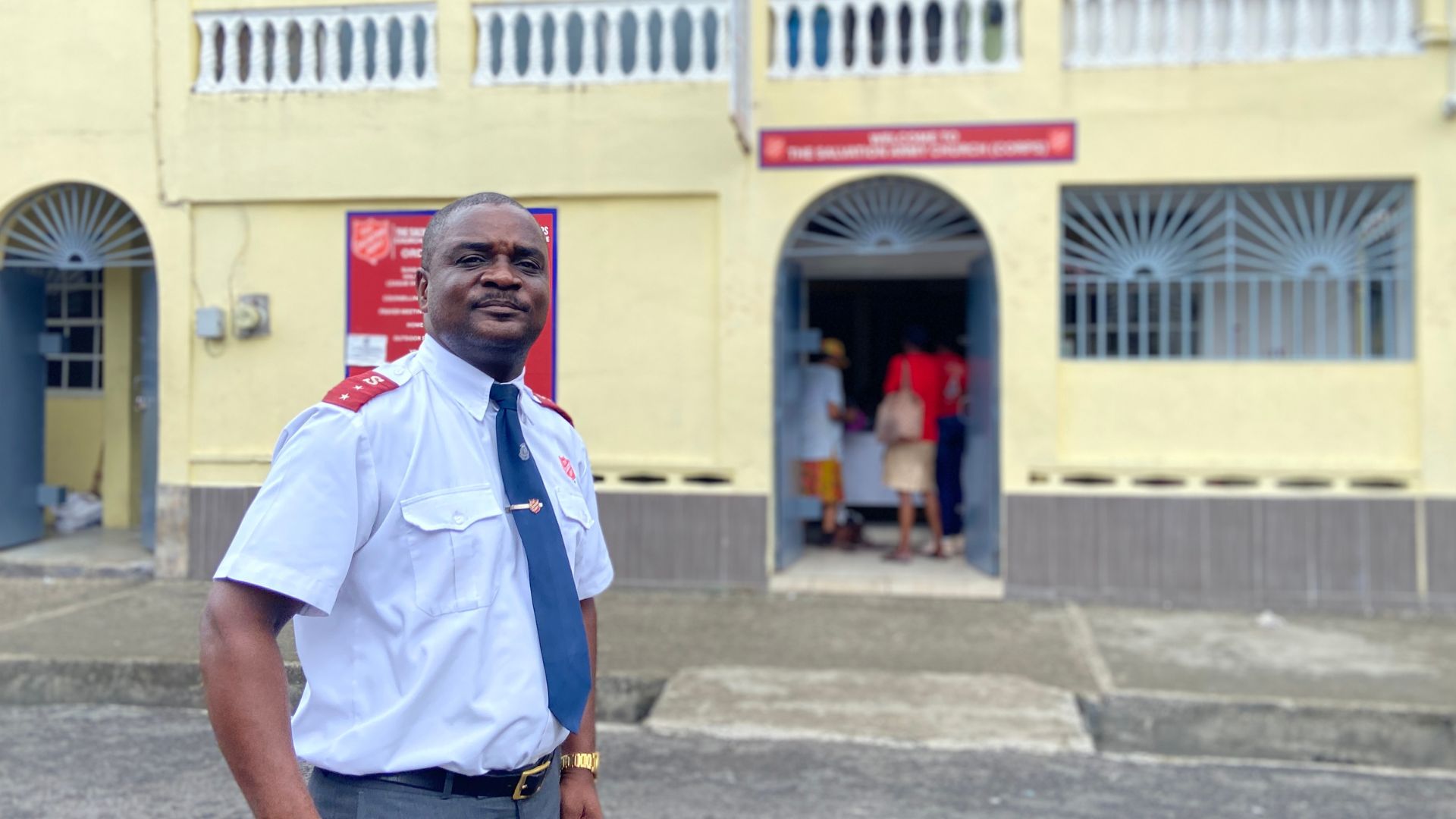
    The Salvation Army has unveiled an extensive holiday initiative across Saint Lucia, designed to bring festive joy and essential support to underserved communities throughout December. Under the leadership of Captain Jude St Juste, the organization has coordinated a strategic series of events targeting both children and adults in vulnerable situations.

    The seasonal campaign commences on December 6th with a collaborative event alongside KFC at Serenity Park, where toys and meals will be distributed to children. Subsequent outreach activities are scheduled for December 18th in Castries and December 19th in Vieux Fort, where care packages containing household necessities, food supplies, and personal essentials will be provided to adults, while children receive festive toys.

    A highlight of the initiative will be the Christmas dinner on December 26th for homeless individuals at the Castries City Council premises. Supported by Sandals resort, this gathering will feature full-course meals, ice cream desserts, and live entertainment, creating a dignified celebratory experience for those often marginalized during the holiday season.

    Funding for these programs relies heavily on the annual Christmas Kettle campaign, operating from November 7th through December 24th outside Massy Stores locations island-wide. Donations collected directly support both seasonal activities and year-round assistance programs, including medication subsidies for those in need.

    Beyond holiday efforts, the organization maintains substantial ongoing operations, serving 135-140 daily meals on weekdays, distributing monthly care packages, providing clothing donations, and operating affordable daycare and preschool services for financially strained families.

    Captain St Juste, who recently transferred from Salvation Army operations in Jamaica and Antigua, emphasized the critical need for expanded local partnerships and volunteer support. While acknowledging current collaborations with Massy Stores, Domino’s Pizza, and KFC, he highlighted persistent shortages in supplies and manpower, noting that some volunteers travel from Jamaica specifically to assist.

    The organization actively encourages community participation, inviting individuals to contribute even two to three hours of volunteer time. Those interested in supporting these efforts can contact the Salvation Army office at +1-758-452-3108, reach Captain St Juste directly at +1-758-727-9033, or email sacastries@yahoo.com.

  • PM blames ‘sanction-busting Venezuelan criminals’ and PNM, in defence of US radar

    PM blames ‘sanction-busting Venezuelan criminals’ and PNM, in defence of US radar

    Prime Minister Kamla Persad-Bissessar has ignited a political firestorm by asserting that Trinidad and Tobago’s escalating crime crisis is primarily driven by Venezuelan criminal networks evading international sanctions. The declaration came through her official X account, where she simultaneously defended the controversial installation of advanced US military radar technology at ANR Robinson International Airport in Tobago.

    Persad-Bissessar articulated that the newly deployed radar system—identified by defense analysts as an AN/TPS-80 G/ATOR—serves dual purposes: enhancing national surveillance capabilities and targeting Venezuelan crude oil sanctions-busting operations. According to her statements, these illicit activities facilitate deliveries of narcotics, firearms, ammunition, and undocumented migrants from Venezuela into Trinidadian territory.

    The Prime Minister directed sharp criticism toward the opposition People’s National Movement (PNM), accusing previous administrations of permitting ‘local drug mafia’ operations to flourish unchecked. She alleged systematic negligence regarding illegal trafficking and even hinted at deeper institutional corruption within opposition ranks.

    This geopolitical development occurs against a backdrop of intensified US military presence in the Caribbean region, including approximately 15,000 troops, multiple warships, and the USS Gerald R. Ford aircraft carrier. The military buildup coincides with heightened US pressure on Venezuela, following President Donald Trump’s designation of Cartel de los Soles as a narco-terrorist organization with Venezuelan President Nicolás Maduro allegedly at its helm.

    Persad-Bissessar revealed she personally requested the radar installation through US diplomatic channels, initially describing the US military presence as roadway construction support before acknowledging the radar’s deployment. She maintains the technology provides previously unavailable protection layers while denying Trinidad would serve as a launch platform for attacks against Venezuela.

    The opposition has demanded transparency regarding the military equipment, prompting the Prime Minister to challenge PNM to explain why previous radar systems failed to detect ship-to-ship transfers of sanctioned Venezuelan oil within Trinidadian waters—allegedly with Trinidad as the point of origin.

    This escalating political confrontation highlights deepening regional tensions and the complex intersection of national security, international relations, and transnational crime in the Caribbean basin.

  • Hurricane season has ended

    Hurricane season has ended

    The Trinidad and Tobago Meteorological Services (TTMS) has formally declared the conclusion of the 2025 Atlantic Hurricane Season as of November 30. This season’s activity fell slightly below the historical average, generating 13 named storms. Among these, five intensified into hurricanes, with four reaching major hurricane status—defined by sustained winds exceeding 111 miles per hour.

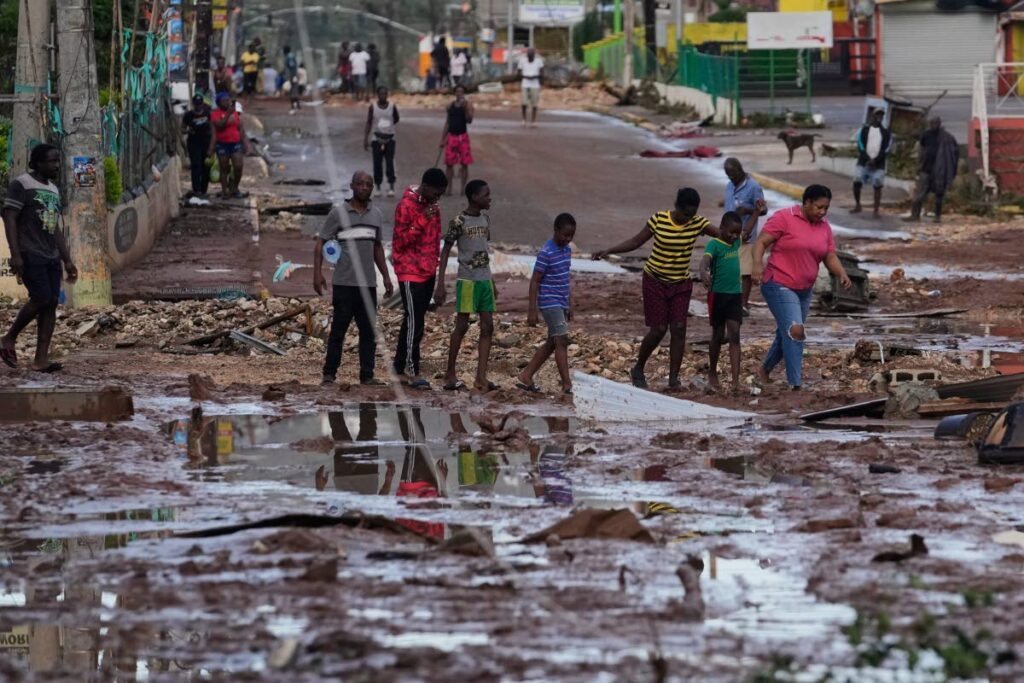
    The season, however, was marked by its exceptional intensity rather than its frequency. The most catastrophic event was Hurricane Melissa, which etched its name in history as the first Category Five storm to make direct landfall on Jamaica. Striking the island nation on October 28 with devastating winds of 185 mph (approximately 298 km/h), Melissa unleashed widespread destruction. The hurricane triggered severe flooding, crippled critical infrastructure, and led to a profound humanitarian crisis.

    In response to the unprecedented damage, Jamaican Prime Minister Andrew Holness declared the entire country a disaster zone. The official toll has been staggering, with preliminary estimates placing the cost of damage near $48 billion and a confirmed death toll of 75 individuals. The aftermath continues to pose severe challenges, including the outbreak of waterborne diseases in affected regions, hampering recovery efforts.

    The National Hurricane Center confirmed that Hurricane Melissa was not only the third Category Five hurricane of the season but also ranks among the most powerful Atlantic Basin hurricanes ever recorded. Its impact was felt across the Caribbean, inflicting extensive damage on Jamaica, Hispaniola, and eastern Cuba, leaving a lasting scar on the region.

  • SPFL semis set for Soufrière

    SPFL semis set for Soufrière

    Soufrière Stadium prepares to host the highly anticipated semifinals of the Saint Lucia Semi-Professional Football League (SPFL) on Saturday, December 6, marking a pivotal moment in the nation’s football calendar. The knockout stage features two compelling matchups: reigning Tier 1 champions La Clery face Canaries, while 2024 Tier 2 winners Vieux Fort South challenge Gros Islet.

    This season’s playoffs adopt a standard single-elimination format, departing from last year’s Page system, with victors advancing directly to the championship final. The decision reflects the league’s evolving competitive structure following its sophomore season.

    La Clery enters the semifinals as the tournament’s dominant force, having secured the regular-season title with an impressive 41 points from 12 victories. Despite enduring the tragic midseason loss of young player Ajani ‘Jimz’ Hippolyte, the squad demonstrated remarkable resilience, conceding a league-low 11 goals while scoring 39. Their only defeat came against Vieux Fort South in a 2-0 reversal during matchday 16.

    Vieux Fort South, having achieved promotion in the SPFL’s inaugural season, finished second with 33 points from nine wins and six draws. Their offensive prowess produced 36 goals, second only to La Clery, while their defensive record ranked third with 22 concessions.

    Gros Islet, the 2022 top-tier champions, qualified with 30 points from eight victories and six draws. Though their defensive performance ranked fifth with 27 goals allowed, their attacking output remained strong with 35 goals scored.

    Canaries secured their semifinal berth through dramatic circumstances, clinching advancement with a last-gasp 3-2 victory over Mabouya Valley in their final regular-season match. Defender McArthur Louis emerged as the hero with an 86th-minute winner after Canaries squandered a two-goal advantage. The 2021 champions finished with 26 points, boasting the league’s fourth-best defense despite ranking seventh in scoring.

    Key players will significantly influence the semifinal outcomes. La Clery’s offensive threat hinges on Uhann Shaquille Degazon, the league’s only double-digit scorer with ten goals, alongside experienced European and Central American veteran Malik ‘Showtime’ St Prix who contributed seven. Gros Islet’s Obafemi Poyotte remains another offensive threat with eight goals to his credit.

    Historical match data reveals intriguing precedents: both Canaries-Vieux Fort South meetings ended in 1-1 draws during the regular season, while La Clery defeated Gros Islet 2-0 in their earlier encounter despite a 1-1 draw in their most recent fixture.

    The SPFL selected Soufrière Stadium as the playoff venue based on its superior pitch quality, advanced lighting infrastructure, and capacity to deliver a professional match experience. The event will feature enhanced entertainment offerings, Fan Zone activities, and promotional initiatives designed to attract spectators island-wide.

  • EDITORIAL: Democracy for sale?

    EDITORIAL: Democracy for sale?

    Saint Lucia faces a deepening crisis of electoral integrity as systematic vote-buying practices continue to undermine democratic processes across the Caribbean nation. This form of political corruption, now widespread and openly discussed among citizens, represents a fundamental challenge to fair representation and governance.

    Evidence indicates that electoral bribery has evolved from occasional misconduct to an entrenched practice transcending political affiliations. Multiple reports confirm politicians and their agents routinely offer cash payments and various inducements in exchange for voter support, creating a marketplace for electoral influence that corrupts the fundamental principle of free choice.

    The revised Elections Act (2023) establishes specific legal provisions to combat these practices. Section 77 prohibits influencing voters within 100 yards of polling stations during voting hours, carrying penalties of $250 fines, three-month imprisonment, or both. Section 78 explicitly criminalizes bribery through monetary offers, employment promises, or other favors intended to sway voting behavior, applying equally to those offering and accepting such inducements. Section 79 addresses ‘treating’ through provision of food, drink, or entertainment designed to influence electoral choices.

    Convicted offenders face severe consequences including fines up to $500, six-month prison sentences, and seven-year disqualification from voting or holding public office. However, enforcement remains inconsistent despite these substantial penalties, creating a significant gap between legal framework and practical application.

    Beyond immediate enforcement needs, experts emphasize addressing root causes including educational deficits regarding electoral rights and the pervasive ‘contract mentality’ where citizens increasingly expect compensation for basic civic participation. Long-term solutions require building economic equity through education, employment opportunities, and entrepreneurship rather than dependency-creating handouts.

    The persistence of vote-buying represents more than periodic electoral misconduct—it constitutes a sustained assault on democratic institutions that demands comprehensive response through legal enforcement, public education, and economic reform to preserve Saint Lucia’s democratic future.

  • Business voices demand more on tech, tourism, culture

    Business voices demand more on tech, tourism, culture

    In the wake of the Saint Lucia Labour Party’s decisive electoral victory on December 1st, prominent business executives have articulated their expectations for the new administration’s economic agenda. Three industry leaders shared their perspectives with St. Lucia Times, highlighting critical policy areas that could shape the nation’s development trajectory over the coming five-year term.

    Michelle Samuel, founder of business development consultancy SLUDTERA Inc. and Programme Lead of BizConnect Caribbean, maintains a nonpartisan position while emphasizing the government’s digital transformation promises. Her organizations rely extensively on robust digital infrastructure to empower entrepreneurs and youth across the Caribbean region. Samuel specifically referenced manifesto commitments regarding ICT infrastructure expansion, AI adoption initiatives, and enhanced digital education from primary through tertiary levels. She stressed that policy continuity in innovation support and youth empowerment would significantly advance her mission of serving underserved communities.

    Keen ‘The Mecca’ Cotter, a veteran music entrepreneur with over twenty years of industry experience, expressed approval of proposed reforms in the creative sector. He endorsed plans to reconfigure the Cultural Development Foundation into a Development and Training Agency for the Arts, noting that this institution would require a renewed mandate focused on industry-relevant training. Cotter particularly welcomed the establishment of an Orange Economy Unit dedicated to creative advancement, emphasizing that comprehensive arts scholarships should encompass business administration and music management alongside performance training. He characterized proposed inter-agency collaboration between cultural institutions as a long-overdue step toward unified creative sector development.

    Julian Adjodha, CEO of the J.A.G. Group of Companies and recent Caribbean Global Awards honoree, addressed disparities in the tourism industry. The founder of Island Adventures/Sun & Fun Tours called for equitable incentives for local operators, arguing that foreign investors currently receive disproportionate concessions. Adjodha maintained that leveling the economic playing field would enable domestic enterprises to expand operations and generate increased employment opportunities, ultimately strengthening Saint Lucia’s primary industry through enhanced local participation.

  • Analysts: SLP’s ‘personal touch’ won the election

    Analysts: SLP’s ‘personal touch’ won the election

    Political analysts have characterized Saint Lucia’s 2025 general election as a historic turning point in Caribbean politics, marked by a rare second-term government actually gaining popular support. Regional consultant Peter Wickham, Director of Caribbean Development Research Services (CADRES), highlighted the exceptional nature of this outcome, noting a five percentage point swing favoring the incumbent government—a phenomenon contrary to typical Caribbean political patterns where first-term incumbents usually lose ground.

    Wickham attributed this unprecedented result to fundamentally contrasting leadership approaches. He described former Prime Minister Allen Chastanet’s United Workers Party (UWP) as focusing primarily on large-scale infrastructure projects, while Prime Minister Philip J. Pierre’s Saint Lucia Labour Party successfully connected with voters through direct attention to social needs. According to Wickham, Pierre’s emphasis on education, pension reforms, and personal welfare created stronger voter allegiance, making citizens feel their leader was genuinely concerned with individual wellbeing rather than institutional development alone.

    Complementing this analysis, political professional Ajani Lebourne identified three critical factors determining the election outcome: leadership perception, voter connection, and organizational strength. Lebourne noted the UWP’s struggle to mobilize its base due to internal divisions and a diminished grassroots identity, observing that the party had transitioned from its historical roots as Sir John Compton’s people-centered institution to a personality-driven organization that failed to inspire loyalty.

    Lebourne highlighted how Labour’s tangible policies—including pension increases, small business support, and public sector commitments—resonated across diverse demographic segments, from youth to seniors and independent voters. The party’s effective messaging focused on practical, visible improvements in citizens’ daily lives, creating broad-based appeal.

    Both analysts expressed concerns about voter turnout issues, attributing declining participation to outdated voter rolls containing deceased or overseas individuals. They warned that persistent low engagement could eventually spur new political movements if existing parties fail to address structural challenges including crime, employment, economic diversification, and sustainable development.

    Regarding political futures, Wickham suggested Chastanet should initiate leadership transition while fulfilling his parliamentary duties as opposition watchdog, though he expressed skepticism about Chastanet’s long-term political viability. Meanwhile, Pierre’s successful formula of party unity and personal connection positions him potentially for continued leadership, though analysts caution against overextending his tenure.

    The election has also revived conversations about constitutional reform and campaign financing legislation, with experts emphasizing the need for greater accountability, integrity, and policy-focused discourse in Saint Lucia’s evolving democracy.