标签: Saint Lucia

圣卢西亚

  • Public to decide winners in first Iyanola Performing Arts Awards

    Public to decide winners in first Iyanola Performing Arts Awards

    Saint Lucia’s entertainment industry pioneers are launching the inaugural Iyanola Awards, a groundbreaking digital ceremony designed to honor exceptional contributions to popular culture throughout the past year. This innovative awards program distinguishes itself through its unique democratic voting system that empowers the public to directly determine winners across 20 distinct categories.

    Conceptualized by music and entertainment professionals seeking to recognize their peers’ achievements, the awards have evolved from a simple industry acknowledgment into a sophisticated production. Internationally acclaimed Saint Lucian artist Sedale Simei, the visionary behind the initiative, revealed to St. Lucia Times how the project has significantly expanded in scope and production quality.

    “We’ve progressively enhanced the production value, culminating in this year’s comprehensive rollout featuring nominee announcement videos and public voting mechanisms,” Simei explained. The voting process, accessible through a dedicated online platform, includes categories spanning Best Artiste, Best Fete, Best Newcoming Artiste, and recognition for content creators.

    The awards’ revolutionary approach transfers decision-making power from traditional industry committees to the general public. Simei emphasizes this democratic foundation as the program’s core strength: “The fascinating aspect of the Iyanola Awards is that the public exclusively determines the winners. This structure genuinely represents the people’s voice rather than being constrained by selective committee criteria.”

    Simei characterizes this inaugural event as a pilot project within a broader vision to celebrate Saint Lucia’s creative community. While acknowledging potential initial imperfections, the organizers have committed to expanding categories in future iterations to include underrepresented entertainment professions such as interior designers, nail technicians, and makeup artists.

    The voting period concludes on January 2, followed by an online announcement of winners. In a commitment to transparency, the organization will disclose the actual voting tallies alongside the results. This transparency initiative reinforces the awards’ dedication to authentic public representation in recognizing artistic excellence.


  • Gmail to offer way to change your email address

    Gmail to offer way to change your email address

    In a landmark shift from its longstanding policy, Google has initiated the rollout of a feature long demanded by its global user base: the official ability to alter one’s primary @gmail.com address. This transformative update, discovered through a recent modification to Google’s account support documentation, promises to liberate users from what was previously a permanent digital identifier.

    The forthcoming functionality will empower individuals to supplant their existing email address with a completely new one, all while preserving their entire digital ecosystem intact. Contrary to the ‘scorched earth’ method of account deletion, this process ensures a seamless transition. Crucially, all accumulated account data—including the complete history of emails, Drive files, and Photos—will remain accessible. Furthermore, integration with the broader Google ecosystem will be unaffected; user subscriptions, YouTube watch history, and past Google Play purchases will be seamlessly transferred to the new identity.

    The initial evidence of this feature emerged not on the company’s primary English support pages, but on its Hindi-language documentation. This discovery indicates that Google may be employing a targeted, phased rollout strategy, potentially using India and other Hindi-speaking regions as initial test markets. The support page explicitly clarified that the feature is being gradually released, strongly suggesting an impending global availability for all users. This development fundamentally redefines the Gmail experience, moving away from the notion of a static, unchangeable primary ID, which users could previously only supplement with aliases.

  • French cinema icon and activist, Brigitte Bardot, dies at 91

    French cinema icon and activist, Brigitte Bardot, dies at 91

    Brigitte Bardot, the iconic French actress who captivated global audiences in the 1950s and 1960s before dramatically abandoning her film career to become a controversial animal rights activist, has passed away at age 91. The Brigitte Bardot Foundation confirmed her death occurred on December 28 at her residence in southern France, though no specific cause of death was disclosed. The organization noted she had been hospitalized recently before her passing.

    Bardot’s meteoric rise to international stardom commenced with the groundbreaking 1956 film ‘And God Created Woman,’ directed by her first husband Roger Vadim. The film, featuring Bardot’s provocative table-dancing scene, fundamentally challenged contemporary norms of bourgeois respectability and established her as a symbol of sexual liberation. With her distinctive blonde hair and characteristically pouty irreverence, she emerged as the definitive face of a newly liberated France. Her cultural significance reached its zenith in 1969 when her features were selected as the model for Marianne, the national emblem of the French Republic, appearing on official currency and postage stamps.

    At the peak of her cinematic fame following 28 successful films, Bardot astonished the world by retiring from acting entirely to dedicate herself to animal welfare advocacy. She exchanged the glamour of red carpet events for hands-on activism, most notably campaigning against the commercial slaughter of baby seals in the Arctic. Her philosophical perspective was summarized in a 2007 statement: ‘Man is an insatiable predator. I don’t care about my past glory. That means nothing in the face of an animal that suffers.’

    Her relentless advocacy earned her France’s highest distinction, the Legion of Honour, in 1985. However, her later years became increasingly controversial as her animal rights activism became intertwined with far-right political views that criticized France’s evolving multicultural society. Bardot’s legacy remains complex—simultaneously celebrating her as a symbol of French liberation and modernism while acknowledging her polarizing political stance in later decades.

  • 15 dead, 19 injured in Guatemala as bus plunges into ravine

    15 dead, 19 injured in Guatemala as bus plunges into ravine

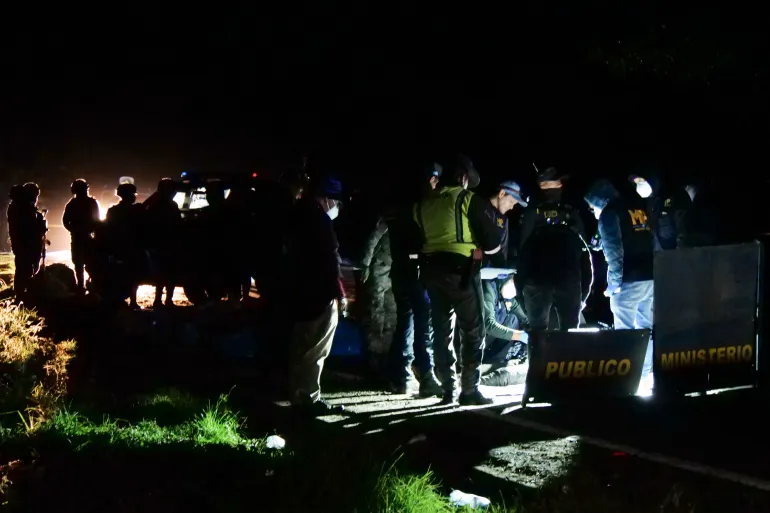
    A catastrophic bus accident on Guatemala’s treacherous Inter-American Highway has resulted in a significant loss of life, with local authorities confirming 15 fatalities and 19 individuals injured. The tragedy unfolded in the western region of the country when the passenger vehicle veered off the road and plummeted into a deep ravine.

    Emergency response spokesperson Leandro Amado provided a detailed breakdown of the casualties, indicating that the victims included eleven adult males, three women, and one minor. The incident occurred in the Solola Department along a notoriously dangerous stretch of highway between kilometres 172 and 174, an area locally known as ‘Alaska Peak’ due to its challenging and rugged topography.

    According to Amado’s statement on Saturday, rescue operations were immediately launched following the accident. Approximately 19 injured passengers were successfully extracted from the wreckage and transported to nearby medical facilities for urgent treatment. The bus had been en route from Guatemala City to the San Marcos department, which borders Mexico, when it descended into a ravine approximately 75 meters (250 feet) deep under circumstances that remain undetermined.

    Visual documentation released by the fire department depicted the extensive damage to the vehicle as emergency personnel conducted complex rescue efforts in the ravine. The challenging recovery operation was further complicated by the area’s characteristic dense fog, which frequently creates hazardous driving conditions through reduced visibility.

    Local media outlets reported that family members of passengers rushed to both the accident site and area hospitals in desperate attempts to locate their relatives. This latest incident echoes a previous bus tragedy that occurred in early 2025, when more than 50 people lost their lives in a similar accident near Guatemala City, highlighting ongoing transportation safety concerns in the region.

  • Thailand, Cambodia agree on ceasefire to end weeks of deadly fighting

    Thailand, Cambodia agree on ceasefire to end weeks of deadly fighting

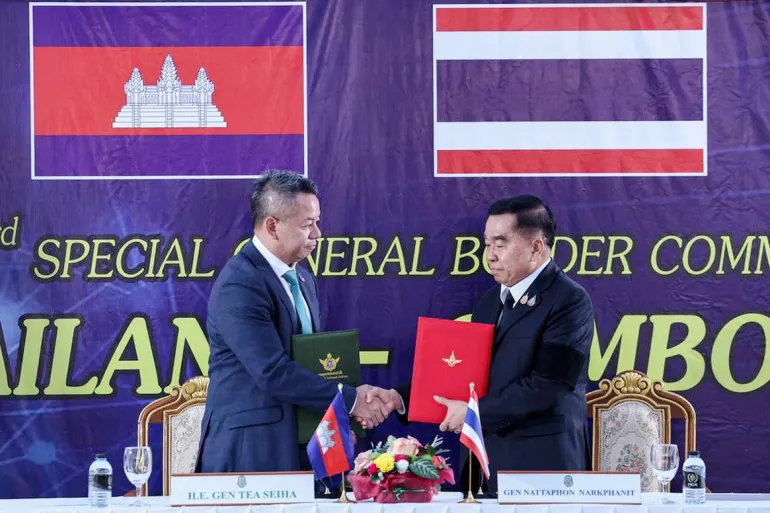
    After weeks of deadly border clashes that resulted in significant casualties and mass displacement, Thailand and Cambodia have formally agreed to an immediate cessation of hostilities. The neighboring Southeast Asian nations signed a joint ceasefire agreement on Saturday, effectively halting twenty days of intense fighting that marked the most severe bilateral conflict in recent years.

    The accord, endorsed by Thai Defense Minister Natthaphon Narkphanit and Cambodian Defense Minister Tea Seiha, stipulates that both military forces will maintain their current positions without further deployment movements. The comprehensive ceasefire took effect at noon local time (05:00 GMT) on Saturday, explicitly prohibiting all weapons use and attacks against civilian populations, infrastructure, and military installations across all contested areas.

    Despite the official truce, Al Jazeera correspondent Assed Baig reported from the Cambodian border city of Poipet that intense exchanges persisted until the final moments before the ceasefire implementation. This last-minute violence underscores the agreement’s perceived fragility and has left displaced civilians apprehensive about returning to their homes without concrete security assurances.

    The diplomatic agreement includes confidence-building measures such as refraining from provocative actions and preventing the dissemination of misinformation. An ASEAN observer team will monitor compliance with the ceasefire terms, while both nations have committed to maintaining open communication channels to address potential ground-level issues.

    The diplomatic process continues with Cambodian Foreign Minister Prak Sokhonn scheduled to meet with Thai and Chinese counterparts in Yunnan, China on Sunday. This trilateral meeting, characterized as a “mutual confidence” initiative, aims to restore lasting peace and stability along the contentious border region.

    The current conflict originates from historical territorial disputes along the 800-kilometer shared border, where both nations claim ancient temple sites and have contested colonial-era demarcations for over a century. This recent outbreak follows a previous July ceasefire brokered by the United States, China, and Malaysia that ultimately collapsed earlier this month, with both sides exchanging accusations of instigating renewed violence and targeting civilian populations.

  • Trump says US will keep or sell oil seized from Venezuela

    Trump says US will keep or sell oil seized from Venezuela

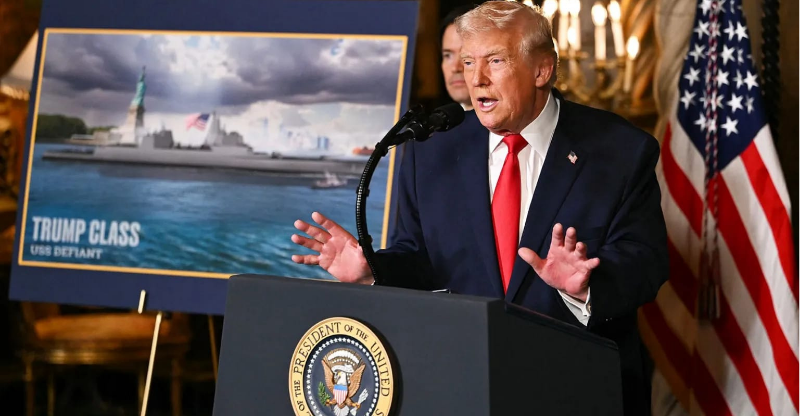
    In a significant escalation of pressure against the Venezuelan government, former President Donald Trump announced that the United States would retain or sell crude oil confiscated from tankers intercepted near Venezuela’s coast. The declaration came during a press briefing in Florida on Monday, where Trump outlined multiple potential dispositions for the seized commodities, including potential allocation to the Strategic Petroleum Reserve.

    The U.S. military has intensified its maritime operations this month, apprehending two oil tankers with a third vessel currently under pursuit. American authorities characterize these ships as components of a Venezuelan ‘dark fleet’ specifically designed to circumvent international sanctions. This enforcement campaign forms part of a broader strategy to economically isolate the administration of Nicolás Maduro, whom the U.S. accuses of utilizing oil revenues to fund narcotics trafficking operations.

    In a parallel development, the U.S. military confirmed conducting a strike on a suspected trafficking vessel in international waters of the eastern Pacific, resulting in one fatality. Trump further indicated plans to expand anti-trafficking operations to land-based targets, warning that attempted incursions would meet with decisive military response.

    The Venezuelan government has vehemently condemned these actions as acts of ‘piracy’ and has sought international intervention through the United Nations Security Council, which is scheduled to convene an emergency session to address what Caracas terms ‘ongoing U.S. aggression.’ Maduro responded directly to Trump’s statements, suggesting the former president should focus on domestic challenges rather than intervening in Venezuelan affairs.

    This confrontation occurs within the context of heightened U.S. military presence in the Caribbean and Pacific regions, alongside the Trump administration’s designation of Maduro’s government as a Foreign Terrorist Organization. The recent blockade order against sanctioned oil tankers represents another economic pressure tactic against Venezuela’s oil-dependent economy.

  • Sea turtle harvest ban begins January 1; Fines Up to $5 000

    Sea turtle harvest ban begins January 1; Fines Up to $5 000

    The Saint Lucian government has enacted sweeping conservation measures prohibiting all sea turtle harvesting and commercial activities effective January 1, 2026. The Ministry of Agriculture and Fisheries formally announced the comprehensive ban on December 23, 2025, establishing a complete moratorium on the capture, sale, and consumption of sea turtle products.

    The legislative action establishes a designated closed season that aligns with critical reproductive periods for marine turtle populations. The prohibition extends to all aspects of sea turtle exploitation, including the entire animal, any anatomical parts, and derived products such as meat, shells, or other biological materials.

    This conservation strategy aims to address population sustainability concerns by protecting turtles during their most vulnerable life cycle phases. The timing of the closed season specifically corresponds with peak reproductive activity, providing critical protection during nesting and breeding periods to facilitate population recovery.

    Government authorities have issued stern warnings regarding enforcement provisions. Violators found possessing sea turtles or their derivatives face substantial penalties, including fines reaching EC$5,000 (approximately $1,850 USD) under the Fisheries Act. The ministry has additionally cautioned that non-compliance could result in extended duration of future closed seasons.

    Officials are urging cooperation from fishing communities, commercial vendors, and the general public. Citizens are encouraged to report violations to multiple enforcement channels including the Praedial Larceny Unit, Marine Police, local police stations, or the Department of Fisheries. This collaborative approach seeks to ensure effective implementation of the protective measures for these endangered marine species.

  • The Alfred Prospere dilemma

    The Alfred Prospere dilemma

    The appointment of Alfred Prospere as Deputy Speaker of Saint Lucia’s Parliament has reignited constitutional debates and exposed systemic challenges within Westminster governance models. Prime Minister Philip J. Pierre’s cabinet selection process drew intense scrutiny as observers questioned whether his administration would replicate predecessor Allen Chastanet’s controversial approach of leaving the Deputy Speaker position vacant.

    Constitutional mandates under Section 37 require the House to elect a Deputy Speaker from members not holding Cabinet or Parliamentary Secretary positions before commencing post-election proceedings. This provision became contentious during Chastanet’s administration when Sarah Flood Beaubrun vacated the Deputy Speaker role for ministerial appointment, creating an unfilled vacancy that disrupted parliamentary operations.

    Chastanet’s interpretation that the Constitution’s shift from “shall” to “may” made subsequent appointments discretionary sparked legal challenges. Public interest lawyer Martinus Francois argued for mandatory interpretation, though the court deemed the matter academic after governmental rectification, leaving constitutional jurisprudence underdeveloped.

    The current administration pursued constitutional amendment to allow Deputy Speaker appointments from outside Parliament, mirroring Speaker selection processes. This move, criticized as circumventing deeper democratic reforms, required supermajority and referendum approval—a challenging threshold in Caribbean political contexts where referenda frequently fail due to adversarial politics and underinformed electorates.

    Dr. Kenny D. Anthony’s interim appointment as Deputy Speaker temporarily resolved the impasse, but his retirement reactivated the constitutional requirement for parliamentary selection. Prime Minister Pierre’s nomination of former Agriculture Minister Alfred Prospere acknowledged the difficulty of assigning backbenchers to perceived secondary roles, highlighting how ministerial positions overshadow parliamentary representation in public perception.

    This preference reflects concerning governance dynamics where constituents equate ministerial access with resource allocation, potentially distorting national priorities through politically motivated project distribution. The psychological significance of ministerial appointments in rural communities further complicates this hierarchy, creating tension between local representation and national governance.

    Moving forward, Prospere’s tenure presents opportunity for substantive parliamentary strengthening through technological integration, committee system enhancement, and public engagement expansion. Rather than merely deputizing for the Speaker, the role could champion transparency initiatives including website modernization, accessible legislative documents, and improved accountability mechanisms.

    The ongoing situation underscores the need for developed backbench political culture that empowers non-ministerial MPs and educates constituents about representation beyond executive roles. Constitutional clarity through either judicial resolution or successful referendum remains essential for stabilizing Saint Lucia’s parliamentary procedures and reinforcing democratic foundations.

  • Port Castries set for busy Post-Christmas cruise arrivals

    Port Castries set for busy Post-Christmas cruise arrivals

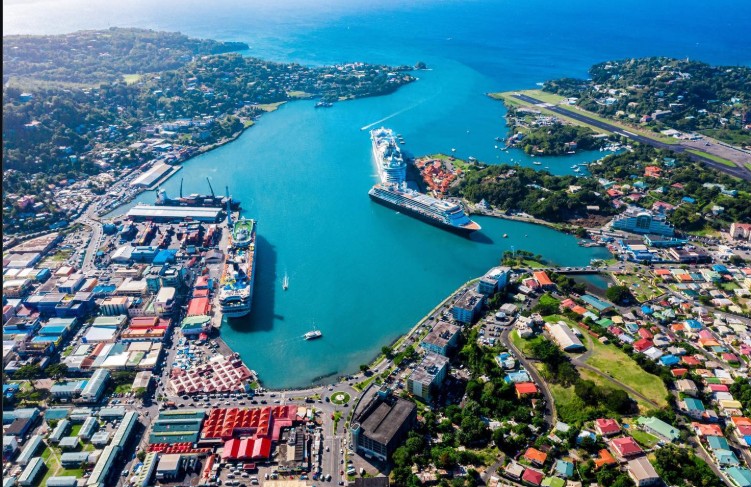
    The island nation of Saint Lucia is witnessing an extraordinary influx of maritime tourism as its peak cruise season culminates during the holiday period. Travelers from colder northern climates are flocking to the Caribbean destination, seeking its renowned warm weather and tropical hospitality.

    Port authorities in Castries reported a remarkable succession of vessel arrivals between December 22 and 25. The maritime parade commenced with MSC Virtuosa, carrying 6,334 passengers, on December 22nd. The following day witnessed five simultaneous arrivals: Viking Sea (930 passengers), Silver Spirit (540), Queen Elizabeth (2,547), Celestyal Crystal (1,200), and Seabourn Ovation (604). Christmas Eve brought three additional ships: Valiant Lady (2,770), Wind Surf (310), and Ilma (448). Christmas Day maintained the momentum with four vessels: Norwegian Epic (4,428 passengers), Costa Fascinosa (3,780), Le Bellot (184), and Evrima (293).

    The maritime activity continues unabated through the New Year’s transition. December 26th anticipates five arrivals: Norwegian Sky (2,004 passengers), Brilliance of the Seas (2,501), Silver Shadow (382), Royal Clipper (227), and AIDAperla (3,400). December 27th will see the exclusive Sea Cloud II, accommodating merely 96 passengers. December 28th concludes the intensive period with three vessels: Seven Seas Mariner (700 passengers), Zuiderdam (2,272), and a return visit from Royal Clipper (227 passengers).

    This substantial maritime traffic represents a significant economic opportunity for local businesses, tourism operators, and the broader hospitality sector, highlighting Saint Lucia’s growing prominence as a premier Caribbean cruise destination.

  • LETTER TO THE EDITOR – Why CARICOM has failed: A call to action

    LETTER TO THE EDITOR – Why CARICOM has failed: A call to action

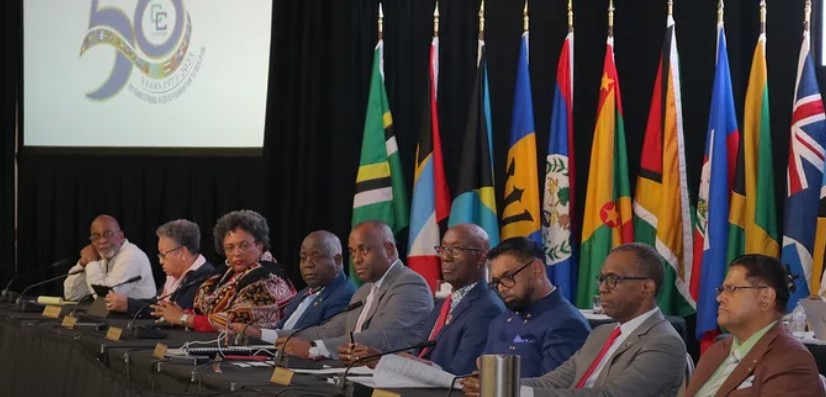
    A deepening diplomatic rift among Caribbean Community (CARICOM) leaders reveals alarming fractures within the regional bloc, exposing fundamental weaknesses in its governance structure. The current tensions—stemming from divergent positions on Venezuela relations, responses to US military presence in Caribbean waters, and recent US visa restrictions affecting Antigua and Barbuda and Dominica—highlight a critical juncture for the organization.

    The public exchange between Antigua and Barbuda’s Prime Minister Gaston Browne and Trinidad and Tobago’s Prime Minister Kamla Persad-Bissessar transcends mere diplomatic sparring. It reflects broader systemic failures that have plagued CARICOM since its 1973 establishment through the Treaty of Chaguaramas. Originally conceived to foster economic integration, coordinate foreign policy, and promote functional cooperation among newly independent states, the community now grapples with inconsistent implementation, poor coordination, and perceptions of political interference in domestic affairs.

    Historical context reveals this crisis has been decades in the making. The 1989 Grand Anse Declaration that launched the CARICOM Single Market and Economy (CSME) has yielded uneven results, with persistent barriers to labor mobility and divergent national regulations. The seminal 1992 West Indian Commission report ‘A Time for Action’ identified these structural weaknesses, yet most challenges remain unresolved today.

    Subsequent reviews, including a 2012 examination of the CARICOM Secretariat and Jamaica’s Golding Report, documented identical problems: weak compliance mechanisms, implementation failures, and an intergovernmental model lacking enforcement authority. These reports recommended stronger institutional processes and decision-making efficiency but were never formally adopted.

    Current tensions reflect growing perceptions of imbalance within the community. Many observe disproportionate benefits flowing to Trinidad and Tobago compared to Organization of Eastern Caribbean States (OECS) members, while development gaps widen between resource-rich Guyana and less developed CARICOM nations. These disparities, compounded by resource limitations at the Secretariat and policy coordination gaps, have eroded mutual trust.

    The situation mirrors challenges faced by other integration projects. The European Union’s experience with internal divisions during the financial crisis and Ukraine conflict led to comprehensive structural assessments. CARICOM now requires a similarly candid independent evaluation addressing competitiveness, governance, and equity concerns while reaffirming commitments to mutual respect and non-interference.

    As CARICOM approaches its 50th anniversary, the organization must confront its structural limitations or risk the fate of the failed West Indies Federation. The warning of Dr. Eric Williams—’one from ten leaves nought’—serves as a poignant reminder that without genuine unity, regional integration remains an unfulfilled promise.