标签: Saint Lucia

圣卢西亚

  • Only a Lucian would…

    Only a Lucian would…

    The vibrant island nation of Saint Lucia possesses a linguistic culture entirely its own, where everyday communication transforms into an art form rich with humor, exasperation, and distinctive character. This creole-influenced vernacular, heard from bustling marketplaces to crowded bus stands, represents more than mere communication—it embodies the very soul of Lucian identity.

    Among the most colorful expressions is “How is me uh?”—a rhetorical question deployed when extricating oneself from an untenable situation. Similarly, the standalone interjection “AA” conveys profound disbelief, often amplified when paired with “Just so?” to intensify skepticism.

    The local lexicon thrives in social dynamics. “Mouth open, story jump out” serves as the ultimate gossip-closer, signaling sudden truth revelation. Exaggeration finds its voice through “Asiay!” and the universal exclamation “Mama!!”, both amplifying shock or astonishment in daily interactions.

    Public transportation has bred its own terminology. Bus drivers famously instruct passengers to “Small up yourself”—a pragmatic appeal for space optimization that reflects communal adaptability. The terms “Garçon” or “Gassa” (meaning friend or comrade) frequently precede humorous anecdotes or mild confrontations, adding camaraderie to criticism.

    Emotional expression takes nuanced forms: “Mwen pa mélé” (I don’t care) demonstrates dismissive indifference, while “You fulling my head” conveys intolerance toward excessive complaints. Frustration manifests through the Creole sigh “Abeh bon!”, and disappointment through the repetitive “Wer, wer, wer”.

    Perhaps most ironically, the phrase “I coming just now” universally signals significant delay rather than imminent arrival. Meanwhile, “Ro ro” encapsulates the drama of gossip, arguments, or general mischief, completing a linguistic tapestry that remains beautifully inaccessible to outsiders while defining Lucian cultural intimacy.

  • Studying in the dark Saint Lucian medical students face uncertain futures in Cuba

    Studying in the dark Saint Lucian medical students face uncertain futures in Cuba

    Saint Lucian medical students pursuing education in Cuba find themselves at the center of a growing geopolitical crisis as intensified US sanctions create severe infrastructure challenges on the island nation. The tightened embargo has exacerbated fuel shortages, leading to prolonged power outages exceeding 16 hours daily and crippling public transportation systems.

    Multiple students speaking anonymously to St Lucia Times describe an environment of heightened anxiety as they witness Cuba’s deteriorating conditions firsthand. Educational institutions have transitioned to virtual learning while healthcare professionals struggle with transportation barriers. The situation has created visible socioeconomic divisions between those with resources to mitigate the hardships and those without.

    More than 50 Saint Lucian students currently study in Cuba through government scholarships, with their future now hanging in the balance. Education Minister Kenson Casimir confirmed during a February Cabinet briefing that contingency and evacuation plans have been developed, including potential transfers to alternative institutions such as the University of the West Indies, Ross University, and St George’s University.

    Students express primary concerns regarding scholarship security, degree completion possibilities, and international recognition of Cuban medical qualifications. While Saint Lucian officials have committed to recognizing degrees obtained in Cuba, they acknowledge that other jurisdictions might not extend similar recognition.

    Cuban Ambassador Yenielys Vilma Regueiferos Linares addressed the energy crisis, noting that power outages have significantly impacted food production, water distribution, healthcare services, and education. She detailed Cuba’s ongoing transition toward renewable energy, including installation of 40 photovoltaic parks and distribution of thousands of solar systems to critical facilities and vulnerable communities.

    Prime Minister Philip J. Pierre acknowledged that both the medical scholarship program and Cuba’s medical brigade in Saint Lucia face potential risks, though he emphasized there is “no imminent withdrawal” of students currently. Meanwhile, self-funded medical specialists express additional concerns about Saint Lucia’s healthcare sustainability should Cuban-trained doctors become unavailable to offset migrating local physicians.

    The situation remains fluid, with students reporting widespread panic despite government reassurances. Many maintain hope that their educational investments will be preserved while calling for greater transparency regarding diplomatic decisions affecting their academic futures.

  • Religious leaders urge unity

    Religious leaders urge unity

    In a powerful display of ecumenical solidarity, Saint Lucia’s religious leadership delivered compelling messages advocating for national cohesion and ethical revival during the nation’s 47th Independence celebrations. The special praise and worship service at St Lucy Parish National Shrine in Micoud became a platform for profound reflections on the country’s journey since gaining sovereignty.

    Pastor Roger Stephen, President of the Saint Lucia Mission of Seventh-day Adventists, framed the independence milestone as both a moment of gratitude and recommitment. Addressing congregants, he emphasized the appropriateness of this year’s theme: ‘Douvan Ansanm; Nourishing our People, Strengthening our Nation.’ The religious leader articulated that true nourishment extends beyond physical sustenance to encompass emotional, social, economic, and spiritual wellbeing for all citizens.

    Expanding his vision for national development, Pastor Stephen outlined concrete requirements for progress: ‘We must invest intentionally in ensuring every household accesses healthy, affordable produce while simultaneously nourishing intellect through quality education and technical training that prepares our citizens for global competition.’

    Archbishop of Castries Gabriel Malzaire delivered an equally impassioned address, challenging citizens to embody the nation’s identity as the ‘Helen of the West’ and an ‘island of light.’ The Archbishop defined this luminous national character as requiring active moral courage: ‘Light is meant for dispelling darkness. Our light must carry an in-depth denunciation of all that contradicts who we are meant to be.’

    With candid urgency, Archbishop Malzaire identified specific social challenges requiring collective rejection: ‘We must refuse the darkness of violence stealing our young men, the crime breeding fear in our communities, and the poverty suffocating human potential.’ In a direct appeal transcending political divisions, he emphasized: ‘We refuse to allow tribalism, political hostility or social fragmentation to divide us.’

    Both religious leaders converged on the necessity of shared responsibility, with Archbishop Malzaire articulating a vision beyond governmental action: ‘Strengthening the nation is not the task of government alone—it is the vocation of every citizen.’ This united message from prominent Christian denominations highlighted rare ecumenical consensus on national priorities during the independence observance.

  • When taps run dry, who’s to blame?

    When taps run dry, who’s to blame?

    Saint Lucia’s water utility company, WASCO, faces a catastrophic systemic failure that has plunged the nation into a severe water crisis. Despite meteorological warnings of an impending drought season, public outrage has focused squarely on the utility’s operational deficiencies rather than climatic conditions.

    The utility’s longstanding challenges include persistent leakage problems, questionable metering practices, and notoriously poor customer service. Consumers have expressed their frustration through local Kweyol expressions that directly contradict the company’s official ‘Water is Life’ motto.

    At the heart of the crisis lies the compromised John Compton Dam, commissioned in 1996 with an original capacity of 700 million gallons. Hurricane Tomas in 2010 triggered massive siltation that reduced the dam’s capacity by approximately 50%. Years of political indecision have prevented necessary desilting operations, mirroring similar institutional failures seen in other Saint Lucian public projects.

    The aging distribution network compounds these problems, with recent major leaks in Millet’s 24-inch raw water pipelines causing widespread shutdowns. Businesses, government offices, and educational institutions have faced temporary closures due to water shortages, significantly impacting national productivity.

    Prime Minister Philip J. Pierre’s administration has established a dedicated cabinet committee to examine alternative arrangements for WASCO, acknowledging the utility’s dire financial situation. Despite a $1.1 million government subsidy, rehabilitation costs are estimated at approximately $200 million.

    The government now considers desalination as a potential long-term solution while encouraging rainwater harvesting as an immediate response. Prime Minister Pierre emphasizes that ‘decisive action’ is unavoidable, recognizing that reliable water access is fundamental to healthcare improvement and national development goals.

  • Grounded and rising: Ackeem Auguste’s rise to cricketing stardom

    Grounded and rising: Ackeem Auguste’s rise to cricketing stardom

    Saint Lucian cricket has found its newest superstar in 22-year-old left-handed batsman Ackeem Wayne Jarrell Auguste, whose extraordinary 2025 season redefined excellence in Caribbean sports. Auguste’s meteoric rise culminated in winning Saint Lucia’s Sportsman of the Year award at the 44th National Sports Awards on February 14, recognizing a year of unprecedented achievements that included international debuts and record-shattering performances.

    The breakthrough year saw Auguste make his senior West Indies debut in both ODI and T20 International formats, where he immediately impressed with a match-winning half-century against Bangladesh. His Republic Bank Caribbean Premier League campaign featured the season’s fastest fifty, achieved in just 19 deliveries, demonstrating his explosive batting capabilities. The pinnacle of his domestic dominance came during the Windward Islands Men’s 50 Over competition final, where his unbeaten 209 runs set the highest individual score in tournament history and propelled Saint Lucia to championship glory.

    Auguste’s journey from prodigious talent to international standout represents a masterclass in athletic development. His early potential, evident since primary school, was systematically nurtured through Saint Lucia’s cricket infrastructure. Coach John Eugene’s academy provided the foundational training, while subsequent development at Saint Lucia Seventh-day Adventist Academy under coach Bernie Joseph refined his techniques. His progression through national and Windward Islands youth teams culminated in captaining the West Indies Under-19 team, earning him Junior Sportsman of the Year honors in 2022.

    In an exclusive interview with St Lucia Times, Auguste attributed his breakthrough season to a transformative mindset shift. Working closely with West Indies Academy batting coach Rohan Nurse and head coach Ramesh Subasinghe, he embraced self-belief and courage in competition. “I realized that it didn’t make sense that I trained hard and then doubted myself in games. I decided to be brave and trust my preparation,” Auguste revealed.

    Despite the accolades, the young cricketer remains remarkably grounded. “Honestly, [my perspective] hasn’t changed much. I’m grateful for the recognition, but I just take it as part of the journey,” he stated, emphasizing his primary focus on representing family and country with excellence. His approach has drawn praise from cricket authorities, with Subasinghe describing him as “one of the hardest workers in West Indies cricket” and commentator Nial O’Brien marveling at his natural ability to “loft the ball effortlessly over the boundary for six.”

    Auguste’s advice to aspiring athletes emphasizes accountability, intentional preparation, and resilience: “Embrace the difficult patches; it’s a chance to grow. Also, don’t get caught up in the hype.” His story embodies the emergence of world-class talent from Saint Lucia’s disciplined sporting system, signaling a bright future for Caribbean cricket as this young champion continues his ascent in international sports.

  • Fatal fer-de-lance attack leaves Thomazo on edge

    Fatal fer-de-lance attack leaves Thomazo on edge

    The tranquil community of Thomazo in Saint Lucia has been thrust into a state of heightened alert following the tragic death of Valence Alfred, who succumbed to multiple bites from a fer-de-lance snake on January 20. This incident has ignited urgent calls for intervention as residents report increasing encounters with the venomous species near residential areas.

    According to eyewitness accounts, Alfred was working at a local property when he experienced a sudden sharp sting on his hand. While investigating the source, he was struck again in the face by what he described as a large snake. Despite managing to navigate through dense vegetation to seek help near a main road, and receiving medical attention including antivenom at Owen King European Union Hospital, Alfred passed away the following day.

    The response time of emergency services has come under scrutiny, with witnesses reporting a 20-30 minute wait for ambulance arrival. Meanwhile, subsequent searches of the incident area revealed three smaller snakes, though the specific specimen responsible was not located.

    This tragedy has exposed a growing tension between human settlement and wildlife habitat in forest-adjacent communities. Residents report unprecedented frequency of nocturnal sightings, with recent incidents including a doctor bitten two weeks prior (who survived due to prompt treatment) and a salon owner discovering a fer-de-lance at her doorstep at midnight.

    Sammy, a local bakery operator who uses the alias Kenterberry, articulated the community’s anxiety: ‘Right now, everyone is anxious; they really want something to be done about it. The feeling isn’t a nice feeling. Sometimes when you go to bed, you don’t want to sleep because you have snakes on your mind.’

    Experts and residents point to several potential factors driving increased human-snake interactions. Reduced agricultural activity in surrounding areas may have diminished natural habitat management, while wild pig populations are potentially displacing snakes from forested zones. Some residents advocate for increased chemical spraying, with one individual reportedly planning to use a mixture containing Gramoxone—a approach that raises concerns among environmental specialists.

    Lenn Isidore, a biologist and reptile specialist, cautioned against aggressive chemical interventions: ‘The use of harsh chemicals, including Gramoxone, may have long-term environmental consequences, including soil degradation.’ Instead, he recommends practical measures such as foliage management, clearing yards of potential snake shelters, and proper waste disposal to reduce rodent populations that attract the snakes.

    Institutional responses are emerging through initiatives like the Saint Lucia Fer-de-Lance Project, a collaborative effort between Fauna & Flora, Durrell Wildlife Conservation Trust, the Forestry Department, and the Ministry of Health. The project aims to reduce snakebites while maintaining stable snake populations and exploring potential medical benefits of venom research.

    Project Coordinator Beana Joseph explained that community workshops have already trained over 70 residents in safe snake handling and identification. Notably, the project also addresses potential commercial applications of venom, ensuring Saint Lucia retains control over any biological compounds derived from its endemic species.

    With snakebite treatment covered under Saint Lucia’s Universal Health Coverage program (seven cases treated since February 2025), the nation faces the complex challenge of balancing public safety with conservation of a species found nowhere else on Earth. As Thomazo residents grapple with their newfound vulnerability, the search continues for solutions that protect both human lives and ecological integrity.

  • Dyllan Boulogne advances clay-based blocks to tackle housing costs

    Dyllan Boulogne advances clay-based blocks to tackle housing costs

    Faced with Saint Lucia’s prohibitive housing costs after university graduation, architect Dyllan Boulogne turned frustration into innovation by developing a groundbreaking construction solution rooted in indigenous materials and participatory design principles.

    Drawing from his architecture and urban planning studies at Cuba’s Universidad Tecnológica de La Habana, Boulogne explored compressed stabilised earth blocks (CSEBs) – a construction method prevalent in Brazil, India, and sub-Saharan Africa. His research culminated in a proprietary clay-based mixture specifically engineered for Saint Lucia’s climatic conditions, leveraging the island’s abundant clay deposits.

    ‘Clay represents one of humanity’s oldest building materials, and our island possesses remarkable clay soil resources,’ Boulogne explained. ‘We’ve developed a novel mixture that eliminates the energy-intensive firing process traditionally required for ceramic blocks, making it both sustainable and manufacturable locally.’

    Through his venture Metaform Studio, which operates alongside his lecturing position at Sir Arthur Lewis Community College, Boulogne has acquired hydraulic press equipment to produce prototype blocks. The innovation promises to dramatically reduce construction costs from approximately $180 to $97 per square meter compared to conventional methods, primarily by utilizing locally sourced materials instead of imported components.

    The technology offers multiple advantages beyond affordability: blocks are reusable upon demolition, natural materials enhance indoor air quality, and reduced skill requirements enable broader community participation in construction. Boulogne envisions these blocks facilitating both standalone homes and condominiums, particularly benefiting low-to-middle-income earners through the existing ‘build as you go’ practice at significantly reduced costs.

    Despite encountering resistance from industry partners, Boulogne has found financial institutions receptive to supporting affordable design initiatives. His long-term vision extends beyond block manufacturing to include comprehensive architectural services, material production, and ultimately driving policy reform to accommodate higher-density, sustainable housing solutions appropriate for contemporary Caribbean living.

  • Independence in ink: 10 Saint Lucian authors on why they write

    Independence in ink: 10 Saint Lucian authors on why they write

    A vibrant literary movement is flourishing in Saint Lucia as a diverse cohort of writers emerges, carrying forward the legacy of Nobel laureate Derek Walcott while forging distinctly contemporary paths. This cultural awakening, documented during last month’s Writers in the Spotlight event at the Nobel Laureate Festival, showcases how technology and post-colonial evolution have empowered local voices to share their stories with global audiences.

    The current generation of Saint Lucian authors demonstrates remarkable thematic diversity while maintaining deep connections to their cultural roots. Valyn Eugene, an environmental officer and published poet, explores self-discovery and spiritual connection through her collections ‘I Almost Loved You to Hate’ and ‘Sacred Waters.’ Her work embodies the introspective journey that characterizes much of the island’s contemporary literature.

    Performance poet Angella O’Brien, recognized with the 2024 National Youth Award for Literary Arts, has leveraged international opportunities including UNESCO’s Poetry Market in Paris to amplify Saint Lucian narratives. Meanwhile, 14-year-old Tevin Isaac represents the youngest generation of storytellers, already publishing children’s literature that encourages peer engagement with creative writing.

    The literary landscape reveals profound personal dimensions through writers like Shawill Flavius, who transformed personal trauma into a poetic trilogy exploring love’s complex manifestations. Caribbean executive Jonathan Johannes contributes leadership philosophy in ‘The Exception Code,’ while educator Albert Fevrier brings four decades of pedagogical experience to advocate for educational reform in his technical publication.

    Notably, technological accessibility has democratized publishing, enabling writers like Nadege Valcent to establish independent publishing ventures after years of seeking traditional pathways. This shift has empowered diverse voices including business student Cura Fedee, motivational writer Samson Wilson, and children’s author Sherma Thomas, whose work continues despite physical challenges.

    The collective output of these ten authors demonstrates how Saint Lucian literature has evolved beyond Walcott’s foundational explorations to encompass psychological thrillers, children’s fiction, educational theory, and inspirational guides—all while maintaining the cultural specificity that makes Caribbean literature unique.

  • The port that carried Saint Lucia from colony to country

    The port that carried Saint Lucia from colony to country

    The historic Port Castries stands as a living testament to Saint Lucia’s complex colonial past and evolving economic identity. Nestled within a former volcanic crater, this strategic harbor has served as a crucial Atlantic gateway for centuries, originally named “Le Carenage” (safe anchorage) by French colonizers during World War II.

    Throughout its layered history, the port has undergone remarkable transformations. During the 19th century, it emerged as the British Empire’s principal coaling station in the Eastern Caribbean, capable of accommodating the largest warships of the colonial era. The western wharf constructed in 1835 facilitated this vital trade, with the first steamship RMS Solway arriving in 1841.

    The port’s strategic importance came at a cost during wartime. In a daring 1942 attack, a German U-boat torpedoed the British cargo ship SS Umtata while docked alongside RMS Lady Nelson, resulting in the tragic loss of 41 lives whose remains rest at Choc cemetery.

    Economic transitions reshaped the port’s function throughout the 20th century. As coal exports waned in the 1930s, sugarcane cultivation took precedence, later giving way to banana exports in the 1950s. The port buzzed with activity during “banana days” when Geest Industries exported thousands of boxes of “green gold” to European markets from Berth 6.

    Following independence in 1979, Saint Lucia strategically pivoted toward tourism. Cunard—once part of the port’s coaling history—became the first cruise line to establish regular calls at Port Castries. Today, the port welcomes hundreds of thousands of cruise passengers annually, with January 2024 alone seeing 150,323 visitors.

    The Saint Lucia Air and Seaports Authority (SLASPA), managing the port since 1983, has garnered international recognition including the Caribbean Shipping Association’s Nathan Dundas Cruise Port of the Year Award.

    A new chapter unfolds as the government partners with Global Port Holdings to redevelop the waterfront. Saint Lucia Cruise Port confirms plans to integrate the harbor’s rich heritage into the transformation project, acknowledging that authentic historical narratives will enhance visitor experiences through immersive educational environments.

    As Saint Lucia celebrates its 47th independence anniversary, Port Castries continues to embody the nation’s resilience—a symbol of cultural evolution, community identity, and enduring strategic importance in the Caribbean basin.

  • High jumper Jacobie is raising the bar

    High jumper Jacobie is raising the bar

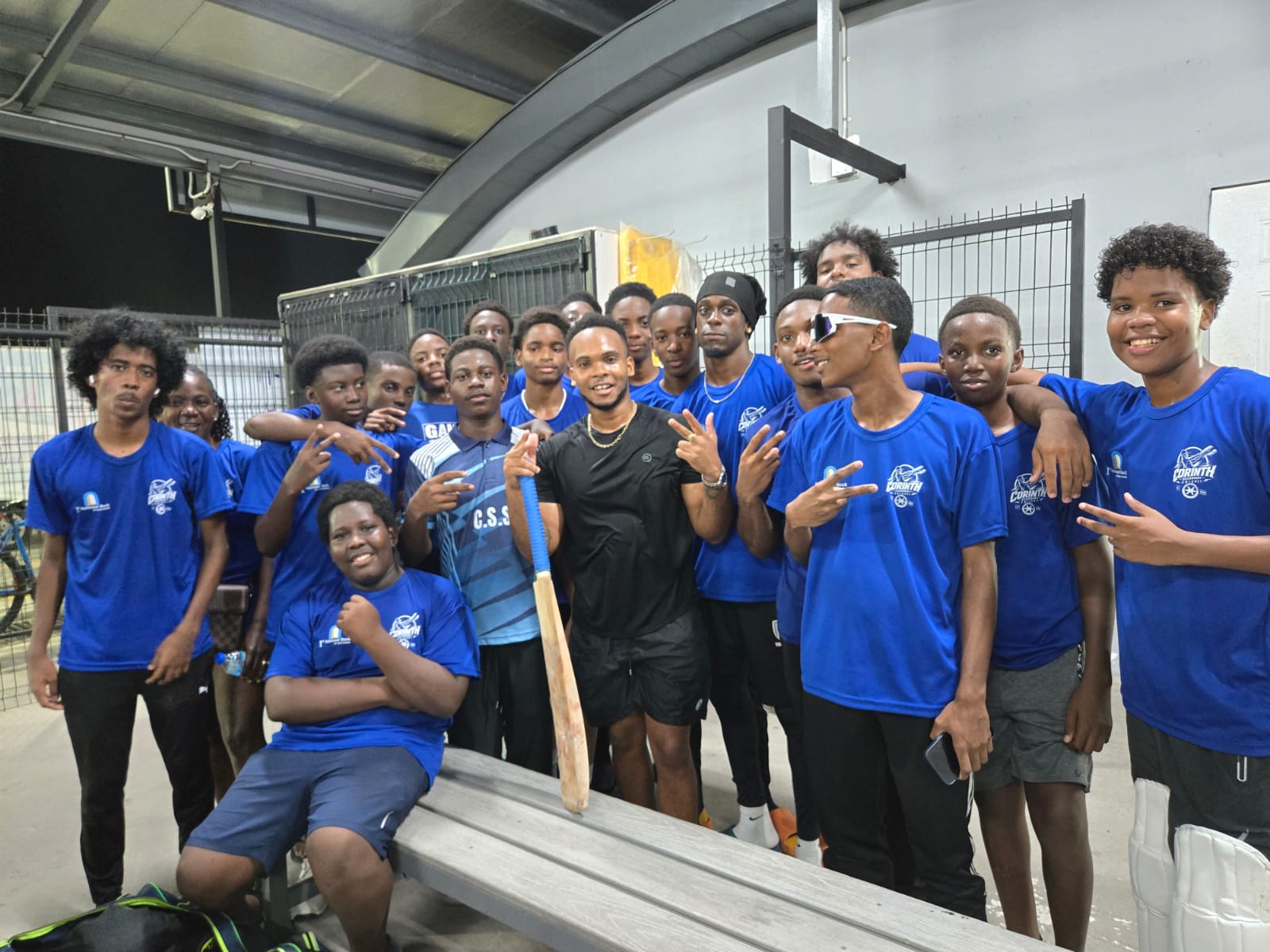
    Saint Lucian athlete Jenneil Jacobie has catapulted herself into the track and field spotlight with a record-shattering performance in women’s high jump. The 21-year-old Corinth Secondary alumna achieved a personal best of 1.87 meters last week, establishing new benchmarks at East Texas A&M University and the Southland Conference while simultaneously meeting qualification standards for the upcoming Commonwealth Games.

    Jacobie’s remarkable leap represents the fourth-highest achievement in Saint Lucian women’s high jump history, trailing only legendary athletes Levern Spencer, Jeannelle Scheper and Makeba Alcide. Despite this accomplishment, the rising star maintains she has yet to reach her full potential.

    The journey to this breakthrough has been fraught with challenges. After attracting attention from multiple American universities with 1.70m jumps in her homeland, Jacobie selected then-Division II institution Texas A&M Commerce (now ETAMU) primarily due to the presence of renowned high jump coach Rock Light. Her collegiate career immediately faced setbacks when medical complications that had plagued her in Saint Lucia forced her to miss her entire freshman season.

    “My first year truly tested me,” Jacobie reflected. “I had to cultivate patience and understand that circumstances don’t always align favorably. Through it all, my coaches never wavered in their belief in my capabilities.”

    After undergoing surgery that cost her the 2025 competitive season, Jacobie spent 18 months in recovery and contemplation. “I discovered how deeply my identity was intertwined with track and field,” she revealed. “Watching competitions from the sidelines proved emotionally challenging, so I channeled my energy into supporting teammates and sharing knowledge to remain connected to the sport.”

    Her comeback has been nothing short of spectacular. In two appearances this season, Jacobie has set meet records each time and earned Southland Conference Field Athlete of the Week honors on both occasions. Currently ranked among the NCAA’s top ten high jumpers, she now sets her sights on qualifying for the 2026 Commonwealth Games in Glasgow and becoming only the third Saint Lucian to clear 1.90 meters.

    Coach Light has implemented a carefully managed training regimen to balance academic responsibilities with athletic ambitions. Meanwhile, Jacobie has undergone a parallel transformation in her academic pursuits, transitioning from nursing to pre-medical studies after her aunt encouraged her to reconsider her professional limitations.

    “Maintaining equilibrium between rigorous pre-med coursework, rehabilitation protocols, and competition schedules demands meticulous planning and perseverance,” Jacobie acknowledged. “The spring semester presents particular challenges, requiring constant schedule reevaluation to optimize performance across all domains.”

    With a renewed mindset that rejects self-imposed limitations both on and off the track, Jacobie continues to redefine her potential. “I believe there’s more capacity waiting to be unlocked,” she stated. “My approach focuses on consistent effort, proper treatment adherence, and avoiding premature exhaustion—not merely participating in major competitions, but delivering exceptional performances when it matters most.”