
In a spirited address to United Workers Party (UWP) supporters in Anse La Raye, Opposition Leader Allen Chastanet launched a scathing critique of Prime Minister Philip J Pierre’s administration, asserting that the Labour government had “run out of ideas” and was compelled to call for a general election. Speaking at the “UWP Ring the Bell – Anse La Raye/Canaries Public Meeting” on Sunday night, Chastanet accused the government of failing to deliver on key promises, leaving it with no alternative but to “ring the bell” for elections scheduled for December 1. Chastanet highlighted the incomplete St. Jude Hospital project, which he claimed had consumed $400 million over successive administrations, as a glaring example of the government’s inefficiency. He also criticized the administration for failing to present a promised Citizenship by Investment (CIP) report to Parliament and for escalating the national debt to over $5 billion within four and a half years. Chastanet urged voters to prioritize “delivery over deception” and pledged that a UWP government would remove the 2.5% levy, reduce cooking gas prices, introduce health insurance, and finally open St. Jude Hospital. Earlier in the evening, former tourism minister and UWP candidate Dominic Fedee rallied supporters with promises of progress and long-term planning, emphasizing the need for a bipartisan “vision plan” for Anse La Raye/Canaries that would transcend political cycles. Fedee encouraged supporters to turn out in full force on election day and to bring family members along to vote.
标签: Saint Lucia
圣卢西亚
-

Artists Bring Out Positive Vibes at Yamaha Sunfest
Jamaican dancehall sensation Skeng delivered a high-energy performance at the second edition of Yamaha Sunfest in Saint Lucia on Saturday, marking his first appearance on the island. Despite his history of controversy, Skeng headlined the boat and beach event, which drew thousands of visitors from neighboring Martinique and Guadeloupe. Dressed in a green sweat suit, Skeng burst onto the Pigeon Island stage with an electrifying presence, gradually shedding layers of clothing during his 45-minute set. His performance featured hit tracks such as ‘Protocol,’ ‘Life Changes,’ and ‘Likkle Miss,’ captivating the enthusiastic crowd. The event also showcased performances by Jamaican artist Armanii, who charmed the audience, and Saint Lucian Dennery segment acts Cooyah, Subance, and Mighty. French artists Danthology, N’ken, and Yozo & Chati, along with DJs from Martinique and Guadeloupe, added to the festival’s vibrant atmosphere. The two-day event concluded on Sunday with watersports and beach activities at Pigeon Island, leaving attendees with unforgettable memories.
-

CDF to Honour 18 Late Musicians at Mizik 2025
Mizik 2025, a grand celebration of Saint Lucian musical heritage, is scheduled for Saturday, November 29, at the National Cultural Centre. Organized by the Cultural Development Foundation (CDF), this year’s event, themed ‘A Legend’s Encore,’ honors the enduring contributions of 18 late musicians to the nation’s cultural identity. Among the celebrated artists are Nicole David, Lennie Stone, Leebo, Jany, and King Caro. The event will feature performances and tributes by both seasoned and emerging local talents, including King Dezral, Derek Yarde, Arthur Allain, and others. Additionally, Mizik 2025 includes a two-day workshop for aspiring emcees, led by Gilroy ‘Ezi’ Hall and Barbara Jacobs-Small, aimed at nurturing future voices in the creative sector. CDF Communications Director Kendal John emphasized the importance of preserving the legacy of these musicians, stating, ‘We’ve lost so many, yet we’re so grateful that they have left us a legacy we can cherish.’ The event also coincides with St. Cecilia’s Day, observed locally as a celebration of musicians. Tickets for Mizik 2025 are available at The Cell Stores, PromoTech Store, and the CDF office, priced at $60 for early birds and $80 regular, with higher costs at the door.
-

Rain Forces Decider as West Indies Chase Series Leveller
The West Indies are set to battle New Zealand in a high-stakes final T20 International in Dunedin on Thursday, aiming to level the series after the fourth match at Saxton Oval was abandoned due to relentless rain. Only 6.3 overs were bowled before the weather intervened, leaving the Windies at 38 for one. Despite hopes for a resumption, the conditions remained unfavorable, forcing the match to be called off. With New Zealand leading the five-match series 2-1, the final game now holds immense significance. The series has been marked by thrilling encounters, including the third T20 on November 8, where the Windies narrowly missed victory in a dramatic finish. In that match, New Zealand posted a competitive total of 177, powered by Devon Conway’s 56 and Daryl Mitchell’s 41. Despite a valiant effort from the Windies, including a 78-run partnership between Romario Shepherd and Shamar Springer, they fell short by nine runs. The fourth match’s cancellation has heightened the anticipation for the decider. Will the West Indies stage a comeback, or will New Zealand secure the series on home soil?
-
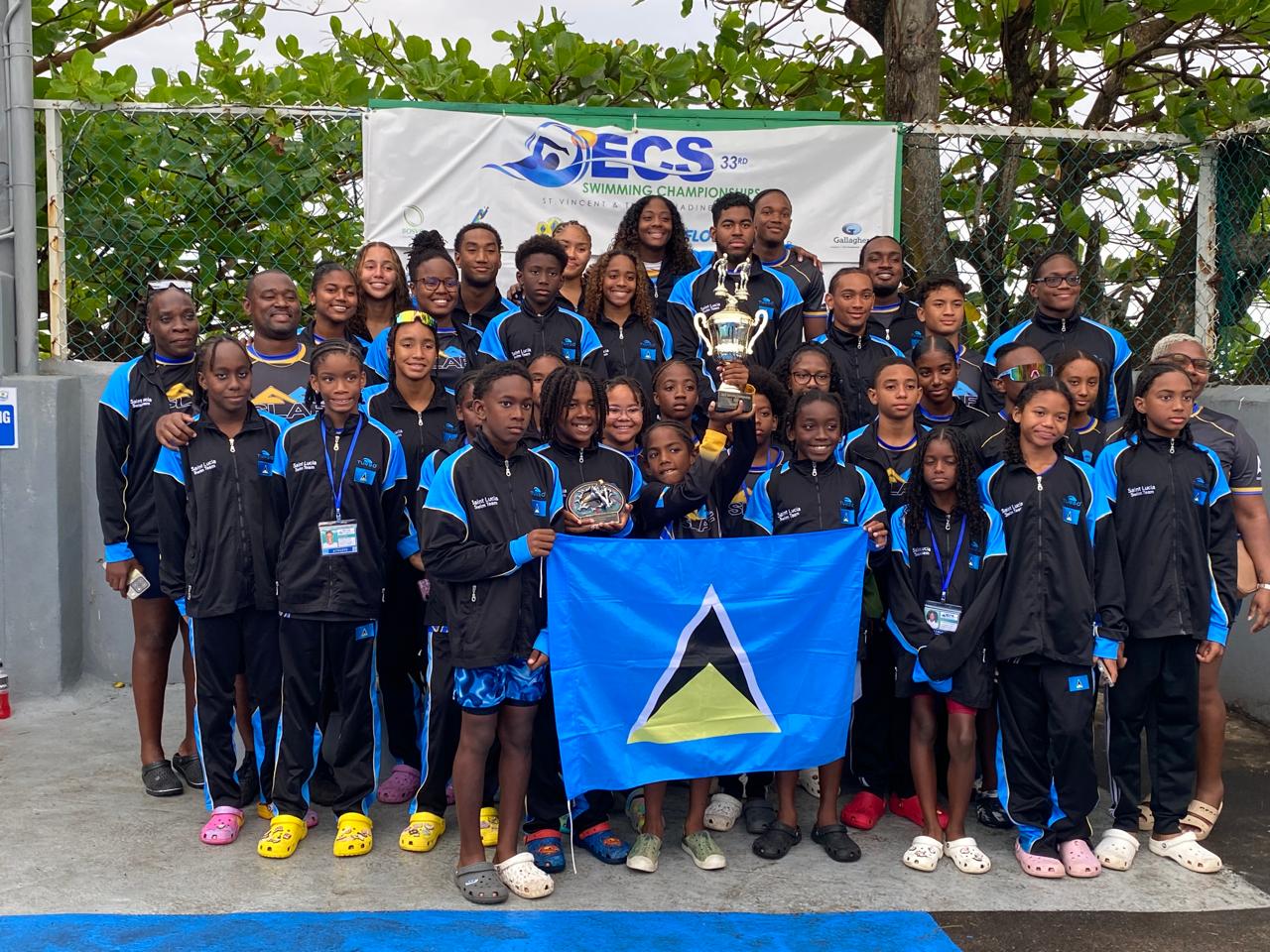
Saint Lucia’s swim stars shine bright at OECS Champs
Team Saint Lucia achieved a remarkable second-place finish at the 33rd Organisation of Eastern Caribbean States (OECS) Swimming Championships, held from November 7-9 in St. Vincent & The Grenadines. This marked a significant improvement from their fourth-place standing in the previous year. The event, hosted at the Shrewsbury Aquatic Centre in Kingstown, saw participation from eight nations, with Saint Lucia emerging as a standout performer. The team secured an impressive tally of 66 podium finishes, including 32 gold, 16 silver, and 18 bronze medals, narrowly trailing behind Team Grenada, who claimed the top spot with a mere 24.5-point lead. The host nation, St. Vincent & The Grenadines, rounded out the top three. Among the highlights were the extraordinary achievements of 17-year-old Antoine Destang, who clinched nine gold medals out of 11 events and set multiple OECS records. Olympian Mikaili Charlemagne also shone brightly, dominating the 18+ girls’ category with eight gold medals. Additionally, young talents like 11-year-old Sapphire Parks, who won 10 of her 11 races, and 8-year-old Keyanno Elibox, who secured six gold medals, showcased the depth of Saint Lucia’s swimming prowess. Liza Verneuil, PRO for the Saint Lucia Aquatics Federation, praised the team’s resilience and dedication, emphasizing their alignment with the federation’s 2025 motto, ‘Rise Up.’ She highlighted the team’s consistent performance, record-breaking swims, and the collective effort of athletes, coaches, and support staff as key factors in their success. The championships not only celebrated individual achievements but also underscored the growing strength of Saint Lucia’s swimming program on the regional stage.
-
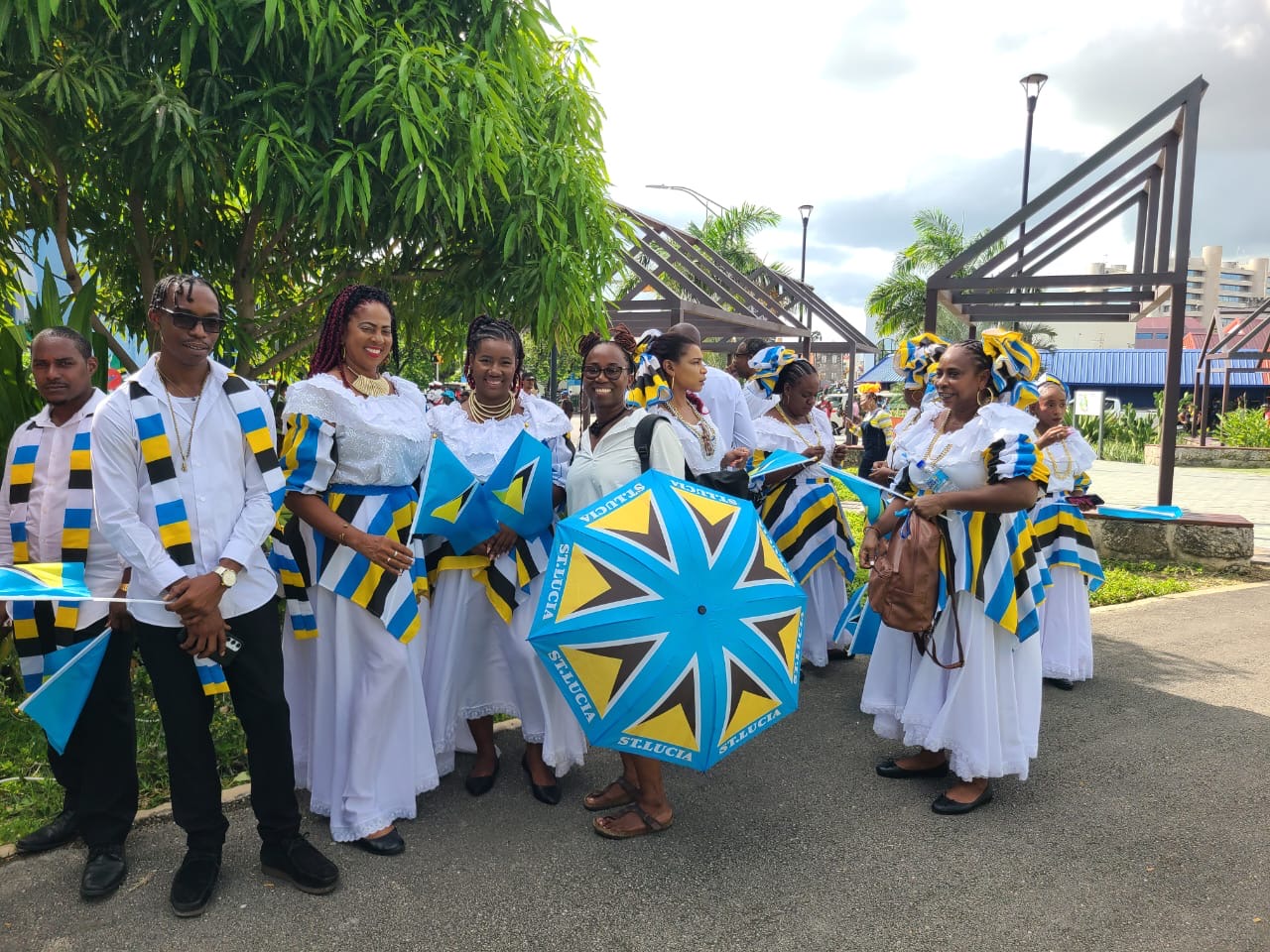
Caribbean governments continue tradition of supporting creatives at CARIFESTA
Two months after their triumphant return from CARIFESTA in Barbados, Saint Lucian designers and entrepreneurs remain filled with pride and gratitude. The event, a celebration of Caribbean culture and creativity, provided a platform for these artisans to showcase their talents and represent their nation on a regional stage. Their success was made possible through significant support from the Ministry of Culture and the Cultural Development Foundation (CDF), which provided stipends, travel assistance, and other resources to ensure their participation. This backing not only enabled their attendance but also helped them stand out among their peers, sharing Saint Lucia’s unique spirit with the Caribbean community. Veteran designer Queen Esther of Kuumba Designs expressed her appreciation for the support, noting that the festival was a place to connect with fellow artists and present her timeless creations. Similarly, Christine Samuel of Christy Creations and Lisa Barton-Volney of De Kloze Line highlighted the festival’s role in fostering collaboration and expanding their professional networks. The event also benefited from broader funding initiatives, including the Mobility Assistance Grant (MAG) and contributions from the Caribbean Development Bank (CDB) and the Development Bank of Latin America and the Caribbean (CAF). These efforts underscore the importance of cultural tourism and the creative economy in the region, providing invaluable exposure for Caribbean creatives and helping them reach new markets.
-
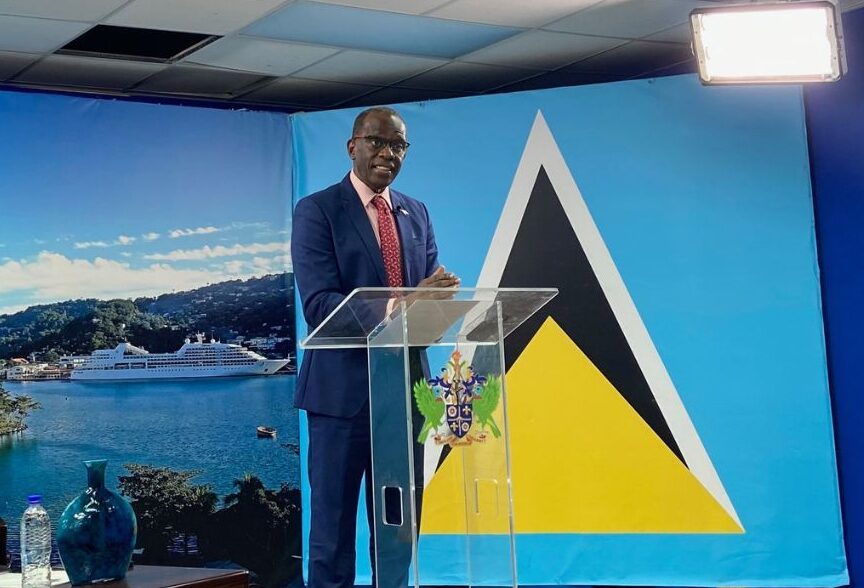
Election day announced as December 1, 2025
In a significant national announcement on November 9, Prime Minister Philip J. Pierre revealed that the next general election in Saint Lucia will be held on Monday, December 1, 2025. The Prime Minister also designated Monday, November 21, 2025, as Nomination Day, marking the official start of the electoral process. Furthermore, Pierre disclosed that he has advised the Governor General to dissolve Parliament on Monday, November 10, 2025, paving the way for the upcoming elections. The announcement was made during a comprehensive radio and television address to the nation. Prime Minister Pierre, who led the Saint Lucia Labour Party to a decisive 13-4 victory in the July 2021 general election, emphasized the importance of a smooth and transparent electoral process. This announcement sets the stage for a pivotal moment in Saint Lucia’s political landscape, as the nation prepares to choose its next government.
-

NYC-based road runner Fevrier aims to make history for Saint Lucia
The New York City Marathon, one of the world’s premier running events, continues to draw athletes from across the globe, including a growing contingent from Saint Lucia. Among them is Ava Fevrier, a 41-year-old social work supervisor and mother, who has emerged as a trailblazer for her nation. Fevrier, who set a Saint Lucian national record earlier this year, is now on the verge of earning the prestigious Six Star Medal, awarded to runners who complete all six World Marathon Majors. Alongside her compatriot Che Odlum-de Vivenot, Fevrier is inspiring a new generation of Saint Lucian athletes.
-
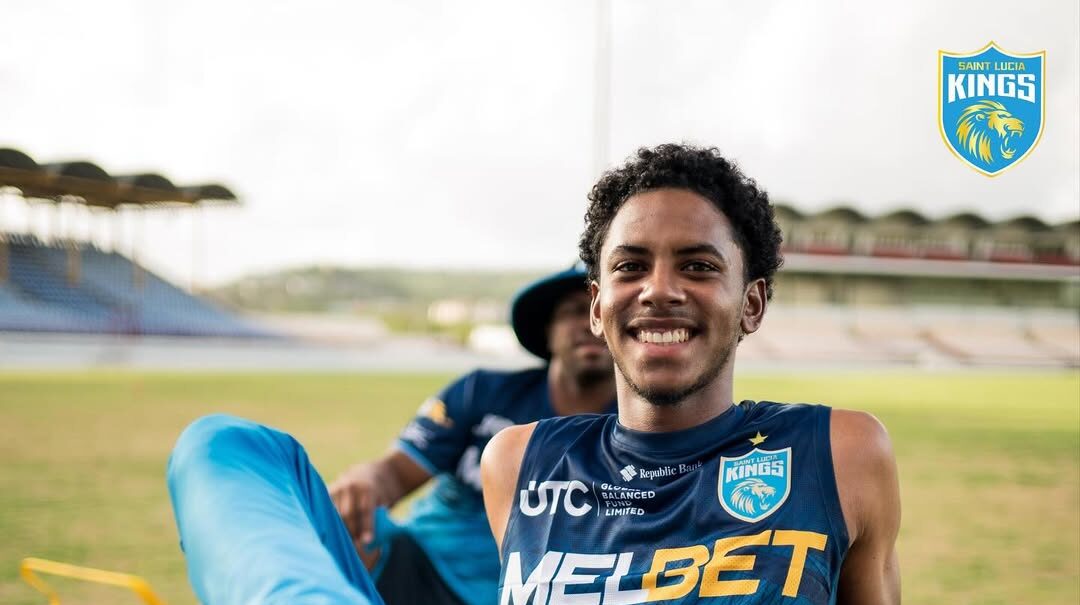
International coaches back Ackeem Auguste for big things
At just 22 years old, Ackeem Auguste, a promising left-handed batsman from Saint Lucia, is making waves in international cricket. Despite having only a few senior international matches under his belt, Auguste has already showcased his potential with an impressive T20 International average of 41. He made his T20I debut in September against Nepal, a series the West Indies unfortunately lost. However, he quickly bounced back, scoring his first fifty in One Day Internationals against Bangladesh. Although the West Indies lost the ODI series, they dominated the T20I contests, sweeping all three matches. Auguste, an alumnus of St. Mary’s College, is the fourth West Indies men’s player from Saint Lucia and the 104th to represent the team in T20s. Reflecting on his journey, Auguste expressed his gratitude for the opportunity to transition from Under-19 to senior cricket, calling it an honor to represent the West Indies. His childhood dream of playing for the West Indies has now become a reality, and he is determined to make a lasting impact. Auguste’s rise has not gone unnoticed. Former West Indies Under-19 captain and current West Indies Academy coach Ramesh Subasinghe praised his relentless work ethic and mindset, predicting a bright future for the young cricketer. Similarly, Toby Radford, former director of the West Indies High Performance Centre, commended Auguste’s coachability and technical improvements, attributing his success to a combination of talent and hard work. Auguste’s recent confirmation to join the MI Emirates for the 2025 DP World ILT20 further underscores his growing reputation in the cricketing world. As he prepares to take on new challenges, Auguste remains focused on honing his skills and achieving greatness on the international stage.
-

Advocacy group targets workplaces amid diabetes surge
Saint Lucia is grappling with a growing diabetes epidemic, with health officials sounding the alarm on the urgent need for national awareness and preventive measures. Dr. Kedhma Dorh, President of the Saint Lucia Diabetes and Hypertension Association (SLDHA), highlighted the severity of the issue, citing data from the International Diabetes Federation (IDF) that reveals 11.4% of Saint Lucian adults now live with diabetes—a significant increase from 8.4% in 2011. Dr. Dorh emphasized the rising prevalence of risk factors, particularly childhood obesity, as a major contributor to the surge in cases. The 2020 national STEPS survey further underscored the crisis, showing that 15-16% of adults have elevated blood sugar levels, indicating pre-diabetes or undiagnosed diabetes. As World Diabetes Day 2025 approaches, the SLDHA is intensifying its efforts under the global theme ‘Diabetes and Well-Being,’ with a local focus on ‘Diabetes and the Workplace.’ The association is urging employers and employees to prioritize health and wellness, recognizing the critical role workplace habits play in prevention and management. Type 2 diabetes, driven by poor diet, physical inactivity, and obesity, remains the most common form. Dr. Dorh stressed the importance of early detection and regular screening, noting that many cases go undiagnosed until complications arise. To address access gaps in rural areas, the SLDHA has launched mobile and workplace screening initiatives. The association is also advocating for stronger nutrition policies, including front-of-package warning labels on processed foods. Key preventive measures include maintaining a healthy weight, engaging in regular physical activity, and adopting balanced diets. The SLDHA is organizing the Diabetes Awareness 5K Walk-Run on November 16, encouraging corporate participation to promote workplace wellness. Dr. Dorh reiterated that a healthy workforce is essential for national productivity, urging Saint Lucians to take proactive steps toward better health.