标签: Saint Lucia

圣卢西亚

  • Sargassum clears, but fishermen recall harsh impacts

    Sargassum clears, but fishermen recall harsh impacts

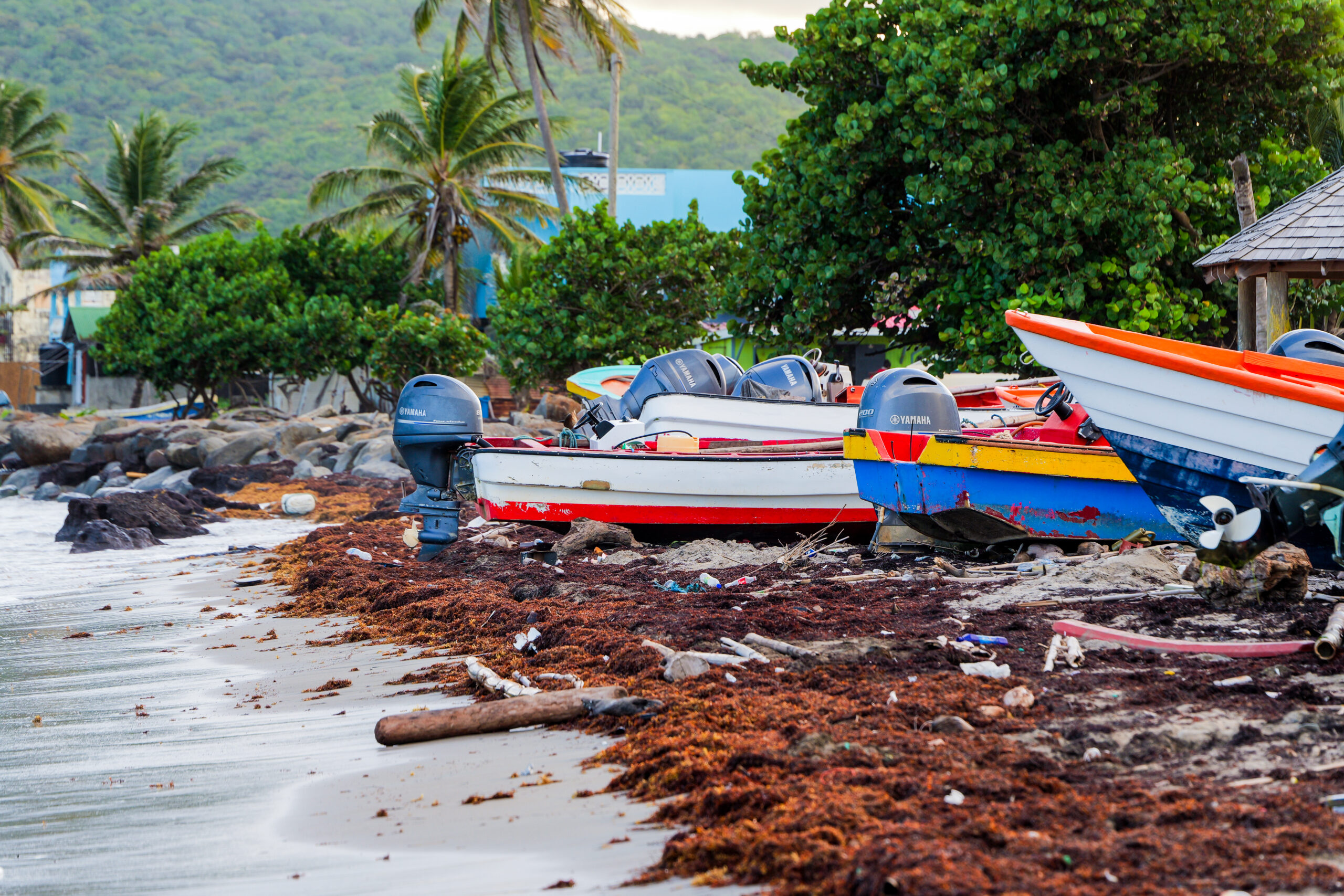
    For decades, the seasonal arrival of sargassum seaweed has been a familiar yet unwelcome sight for residents along the east and south coasts of Saint Lucia. Known for blanketing beaches, harming marine ecosystems, and emitting a foul odour, the seaweed has long been a nuisance. However, 2025 marked a troubling shift in this pattern. For the first time, large quantities of sargassum invaded the north and west coasts, affecting regions such as Castries, Dennery, Choiseul, and Soufrière. This unprecedented spread has raised alarms among locals and experts alike.

    Saphira Hunt, Caribbean programme officer at Durrell Wildlife Conservation Trust, attributed this phenomenon to climate change. Warmer ocean temperatures and altered wind patterns have pushed the seaweed further than ever before, exposing previously unaffected coastlines. While the brown tide has since receded, its impact lingers, particularly among fishermen. Hurby Gilbert, a local fisherman, described the challenges of navigating through towering piles of seaweed, which not only hindered daily operations but also left boats stained and foul-smelling.

    The decay of sargassum poses additional problems. Veteran fisherman Kurby Fontenelle noted that the seaweed quickly rots upon reaching shore, releasing noxious gases that pollute the air and disrupt daily life. Equipment damage is another significant concern. Sadam Gedeon, a fisherman with 15 years of experience, explained how seaweed clogs boat impellers, leading to costly repairs. Residents also voiced frustration over the lack of government support, with many calling for better facilities and assistance for fishermen.

    The crisis extends beyond Saint Lucia. In May 2025, over 38 million metric tons of sargassum drifted across the Caribbean, the largest recorded mass to date. While sargassum serves as a habitat for marine life in open waters, its accumulation onshore threatens coral reefs, seagrass beds, and human health. Governments and scientists are exploring solutions, including satellite monitoring systems like the Sargassum Watch System and Mexico’s LANOT platform. Onshore, initiatives to repurpose seaweed into fertiliser, building materials, or biofuel are underway, though challenges such as high salt and heavy metal content persist.

    Regional cooperation is seen as crucial to addressing the crisis. Countries like Mexico and the Dominican Republic are advocating for joint action. For now, Saint Lucia’s beaches are clear, but fishermen warn that the sargassum will return. They urge stronger support to safeguard their livelihoods, emphasizing that the crisis is far from over.


  • As rent prices rise, locals question if housing is within reach

    As rent prices rise, locals question if housing is within reach

    The escalating cost of rent in Saint Lucia has become an undeniable reality for residents, evident in everyday conversations and online rental listings. A quick scroll through popular Facebook rental groups reveals stark contrasts: furnished two-bedroom apartments in the north priced at $2,500, unfurnished ones at $2,100, and even studios demanding $2,100. Meanwhile, hopeful renters post requests for one-bedroom units at $1,000 or less, reflecting budgets that once seemed reasonable but now feel increasingly out of reach. This disparity highlights a deepening housing crisis in the country.

    A 2017 study by the Ministry of Finance’s Research and Policy Unit identified a significant housing deficit in Saint Lucia, attributing the high costs to an informal construction sector and low wages. Many residents aspire to own concrete homes, seen as more durable and respectable than timber structures, but the financial barriers remain insurmountable for most. With the minimum wage at $1,131 per month, even modest rental prices consume nearly all of a worker’s income.

    The situation has been exacerbated by the rise of Airbnb, as property owners prioritize short-term tourist rentals over long-term tenants. Real estate agent Ronald Raoul explains that landlords can earn in a week from tourists what they would make in a month from locals, leading to fewer available rentals and higher prices. Additionally, foreign buyers have driven up property values, creating a ripple effect that keeps rents high even when the market cools.

    In response, the government has suspended VAT on construction materials until 2025, aiming to reduce building costs and encourage development. However, this measure alone is unlikely to resolve the crisis. Homeownership remains a distant dream for many, with the 2022 census showing that 65.7% of households own their homes, leaving a significant portion of the population struggling in a tightening market.

    The government’s “Year of Infrastructure” initiative, funded by the Citizenship by Investment Programme, promises affordable housing projects in areas like Rock Hall and Dennery. Yet, official reports acknowledge that increasing supply alone will not solve the problem unless incomes rise or housing costs decrease.

    For now, Saint Lucians face difficult choices: downsizing, relocating to less central areas, or delaying independence altogether. As rental listings continue to highlight modern finishes and quiet neighborhoods, the underlying question remains: Is housing truly within reach for the average citizen?

  • SVG minister calls for regional harmonisation of cannabis laws

    SVG minister calls for regional harmonisation of cannabis laws

    Saboto Caesar, the Agriculture Minister of St Vincent and the Grenadines, has called on CARICOM and OECS member states to unify their cannabis legislation frameworks. Speaking at the Cannabliss 2025 Conference, Caesar emphasized that a harmonized legal approach would save time and resources for new entrants into the cannabis industry. He described such a framework as a ‘plug-and-play’ solution, enabling countries to avoid the costly and time-consuming process of drafting individual laws. Caesar highlighted the ‘Waiting to Exhale’ study by CARICOM as a foundational guide for national policy decisions, outlining three potential pathways for cannabis industry development: purely recreational, purely medicinal, or a hybrid approach. St Vincent and the Grenadines initially adopted a cautious, purely medicinal strategy with full religious tolerance, which allowed the country to attract early investor interest. However, Caesar noted that this wave of investment has since diminished, underscoring the urgency for regional collaboration. He criticized the double standards within CARICOM, where some member states import cannabis from North America while restricting exports from neighboring countries. Drawing parallels to the cooperative success of the banana industry in the Windward Islands, Caesar urged governments to adopt a collective approach. He also advocated for integrating cannabis into a broader health and wellness economy, emphasizing synergies with other natural products like turmeric and moringa. To achieve this vision, Caesar stressed the need to restructure industry management institutions, separating regulatory functions from research and development. He concluded by positioning cannabis as a cornerstone for a diversified Caribbean wellness sector, combining agriculture, culture, science, and tourism to transition from raw exports to global leadership in the wellness economy.

  • Ferries, not Flights: Caribbean officials push for cost-effective, cargo-friendly sea links

    Ferries, not Flights: Caribbean officials push for cost-effective, cargo-friendly sea links

    For decades, the Caribbean has grappled with limited maritime connectivity, primarily relying on sub-regional transportation like L’Express Des Îles, which serves French and Creole-speaking islands. However, the potential of ferry services to revolutionize regional travel and trade has become a focal point for tourism officials, business leaders, and policymakers. At the State of the Tourism Industry Conference (SOTIC) 2025, ministers from across the Caribbean emphasized the transformative impact of expanded ferry networks on both economic and social fronts. Tashia Burris, Secretary of Tourism for Tobago, highlighted the challenges faced by international visitors due to overbooked domestic flights. She underscored the strategic advantage of ferry services in connecting Tobago with neighboring islands like Grenada, Barbados, and Trinidad, calling it a ‘no-brainer’ for regional integration. Grenada’s Tourism Minister, Adrian Thomas, echoed this sentiment, noting that ferries could not only facilitate passenger travel but also address agricultural waste by providing a reliable means to transport perishable goods. He advocated for investments in vessels equipped with cold storage to support farmers and reduce food spoilage. Zhavargo Jolly, Minister of Tourism for Turks and Caicos, passionately argued for the establishment of a regional supply chain to reduce costs and improve efficiency. He criticized the current reliance on North American hubs like Miami for intra-Caribbean shipments, which inflates costs and impacts the cost of living. Jolly called for collaborative efforts within regional organizations like CARICOM and the Caribbean Tourism Organisation to turn these discussions into actionable plans. While the enthusiasm for ferry services is palpable, the realization of this vision hinges on the commitment of key decision-makers to invest in infrastructure and foster regional cooperation.

  • Tobago’s Jole St. John crowned Caribbean Junior Minister of Tourism

    Tobago’s Jole St. John crowned Caribbean Junior Minister of Tourism

    The 2025 Regional Tourism Youth Congress, a highlight of the State of the Tourism Industry Conference (SOTIC), showcased the burgeoning talents of the Caribbean’s next-generation tourism leaders. Held on October 2nd at the Hilton Barbados, the event was organized by the Caribbean Tourism Organisation (CTO) in partnership with the Barbados Ministry of Tourism and International Transport. Participants from across the region gathered to present their innovative ideas and demonstrate their readiness to shape the future of the tourism industry. The congress featured prepared speeches and a challenging “Mystery Topic” segment, designed to test participants’ quick thinking and adaptability. Jole St. John of Tobago emerged as the top performer, earning the title of Caribbean’s Junior Minister of Tourism for the upcoming year. Caleader Lewison of Jamaica and Alanis Morris Seymour of the Cayman Islands secured second and third places, respectively, with Lewison appointed as the region’s inaugural Secretary-General of Tourism. Isaiah Toney of Saint Vincent and the Grenadines was also recognized with a special award for his exceptional contributions. The winners received educational gifts to further their professional development. Ian Gooding-Edghill, Chairman of the CTO and Barbados’ Minister of Tourism, praised the participants for their creativity, dedication, and passion, emphasizing the event’s role in showcasing the Caribbean’s robust human resource potential. The congress underscored the region’s commitment to nurturing capable and passionate leaders who will drive the tourism industry forward.

  • Donacien re-signs with English League Two side

    Donacien re-signs with English League Two side

    Saint Lucia international Janoi Donacien is set to make his comeback after a year-long hiatus, primarily due to injury. The 31-year-old defender, who has previously played for Aston Villa and Ipswich Town, has re-signed with Chesterfield on a contract that extends through the end of the English football season. Born in Choiseul, Donacien joined Chesterfield in January on a short-term deal, making eight appearances before a hamstring injury in March prematurely ended his campaign. Over the summer, he returned to the League Two club to complete his rehabilitation. Donacien expressed his enthusiasm about the new contract, stating, ‘I’m delighted to have signed my new contract and I’m thankful to the club for their faith in me. I can’t wait to get back on the grass, get back in front of our supporters and show what I can do.’ With over 300 career appearances across various English clubs, Donacien is a seasoned player. He made his national team debut in 2023 and last played for Saint Lucia during the Concacaf Nations League in Grenada, where he started in central midfield in a notable victory over Curaçao. Donacien could also feature in the upcoming Concacaf Friendly Series. For Chesterfield, he may return to action as soon as this weekend, following a reserves game against Grimsby Town, where he played for over an hour. Chesterfield’s first team is scheduled to play away at Colchester United on Saturday.

  • School sports are underway, but plenty of room for improvement

    School sports are underway, but plenty of room for improvement

    The 2025-2026 school sports season officially began on September 30 with the launch of the Under-19 basketball tournament at the Beausejour Gymnasium, organized by the Ministry of Youth Development and Sports. The opening matches saw impressive performances from defending champions Sir Arthur Lewis Community College (SALCC) and Soufrière Comprehensive in Group A, while St Mary’s College (SMC) and Leon Hess Comprehensive secured victories in Group B.

    SALCC dominated their match against Castries Comprehensive Secondary School (CCSS) with a commanding 78-39 win. Joel Desrivieres led the charge with 24 points, six rebounds, and four steals, supported by Malik Dennis, who contributed 18 points, eight rebounds, and seven steals. Despite the loss, CCSS’s Meshach Duboulary shone with 20 points, 12 rebounds, and three steals, while David Chandler added nine points and an impressive 16 rebounds.

    In another Group A clash, Soufrière Comprehensive triumphed over Entrepot Secondary with a 55-30 victory. Cordin Jones was the standout player with 23 points, while Alex Longville and Chaz Alexander provided solid support. Entrepot Secondary’s Imani Gonzague managed 12 points and five steals, but the team was outrebounded 22-15.

    Group B saw St Mary’s College deliver a crushing 67-15 win against Vieux Fort Comprehensive Secondary School. Jabarie Archibald led the charge with 21 points, eight rebounds, and two blocks, supported by Nezan Lewis and Requeimi Pierre. Cyrilon Cyris was the top performer for Vieux Fort, contributing eight points, eight rebounds, and six steals.

    Leon Hess Comprehensive also secured a decisive 61-16 victory over Patricia D James Secondary, last year’s third-place finishers. Sage Lewis led the team with 21 points and seven rebounds, supported by Christopher Thakur and Ahlil Cyril. Rushawn Williams was the standout for Patricia D James, scoring nine points and adding four rebounds, two steals, and three blocks.

    The tournament, which includes Corinth Secondary, Choiseul Secondary, Micoud Secondary, and Beanefield Comprehensive, will feature a total of 38 matches and conclude on November 4.

  • Soufrière Jetty access restricted amid ongoing construction, says MP

    Soufrière Jetty access restricted amid ongoing construction, says MP

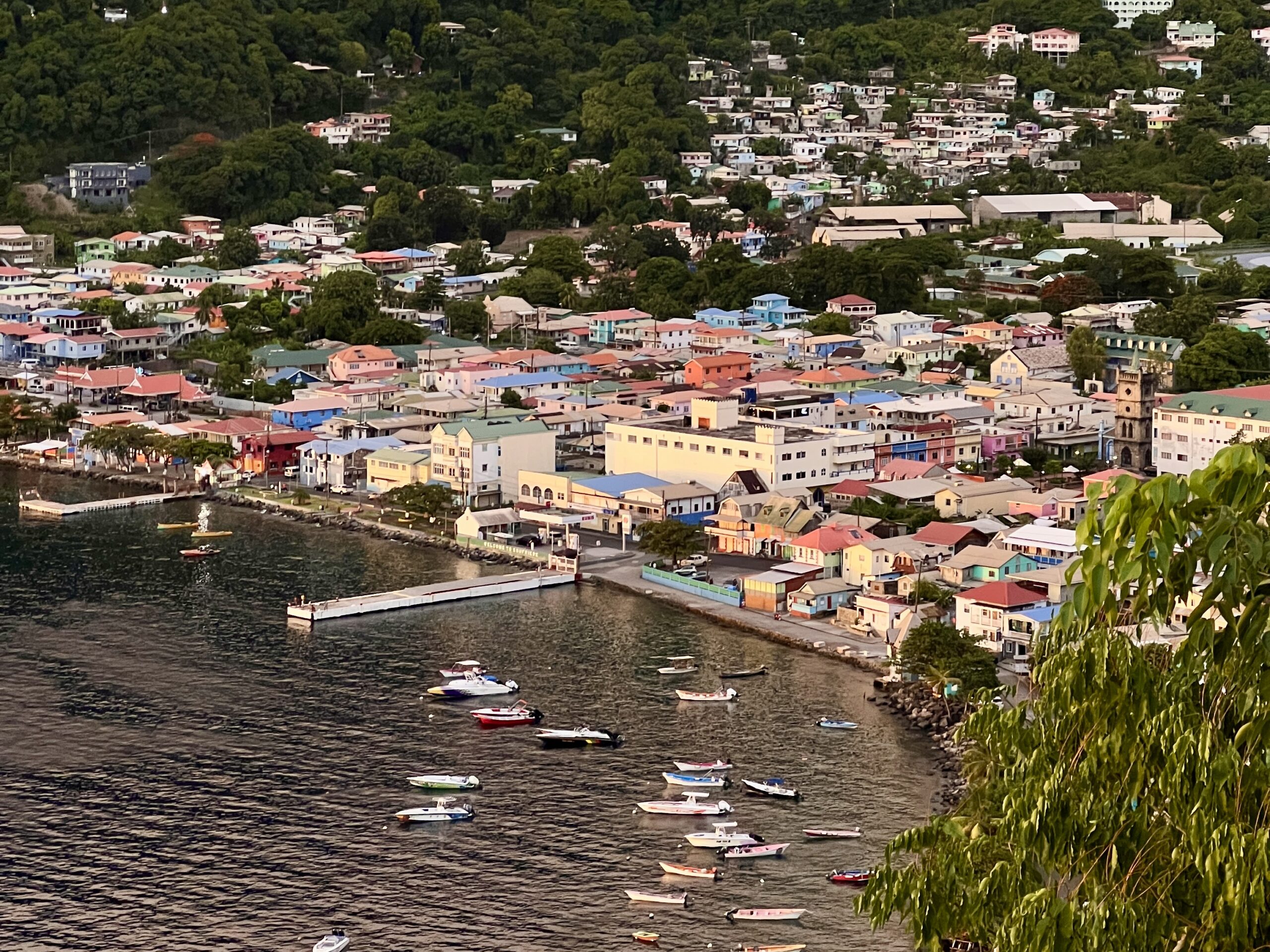
    A recent online video has sparked public concern over the denial of access to Soufrière’s main jetty for boat operators and passengers. However, Soufrière MP Emma Hippolyte has clarified that the restriction is essential due to safety risks and ongoing construction activities. During a pre-cabinet press briefing, Hippolyte revealed that the main jetty remains severely damaged, despite a temporary repair last year that permitted limited offloading. She emphasized that the area is currently unsafe for use. ‘All boat owners were notified that the main jetty is off-limits for now. The ongoing construction makes it hazardous,’ she stated. As an alternative, boat operators have been directed to three designated areas for passenger offloading. Hippolyte apologized to affected visitors but stressed the importance of boat owners adhering to guidelines issued by the Soufrière Regional Development Foundation. She also highlighted broader waterfront development plans, including major upgrades tied to Global Ports Holding and other government projects. ‘The entire Soufrière waterfront will undergo a transformation,’ she said, mentioning the construction of a new Soufrière Administrative Building. ‘We are conducting soil tests to ensure the building’s foundation is robust and durable,’ she added.

  • Saint Lucia added to US Human Trafficking Tier 2 watchlist

    Saint Lucia added to US Human Trafficking Tier 2 watchlist

    The United States has included Saint Lucia in its Tier 2 Watchlist in the 2025 Trafficking in Persons (TIP) Report, raising alarms over the nation’s sluggish progress in combating human trafficking. The U.S. State Department highlighted that Saint Lucia, alongside other countries in this tier, has not met the minimum standards for eradicating trafficking but is actively striving to improve. Despite these efforts, the report underscores that the government has not shown significant advancements compared to the previous year. Critical issues identified include the absence of trafficking investigations, prosecutions, or convictions in the past year, no identified victims during the reporting period, and no penalties imposed for trafficking crimes under existing laws. Additionally, the report points out insufficient victim services and identification mechanisms. Saint Lucia’s Counter-Trafficking Act, enacted in 2010, has been criticized for its lack of enforcement. The government’s failure to prohibit recruitment fees for workers, a common risk factor for trafficking, was also noted. The Tier 2 Watchlist serves as a warning; if Saint Lucia does not demonstrate substantial improvements within the next year, it risks being downgraded to Tier 3, which could impact U.S. aid and international collaborations. The 2025 report also mentioned other Caribbean nations, with Barbados being downgraded to the watchlist, while the Bahamas and Guyana maintained their Tier 1 status. Although the situation does not warrant immediate panic, the report strongly urges countries like Saint Lucia to enhance prosecutions, proactively identify victims, train frontline workers, and bolster victim support systems. The full report is accessible at www.state.gov.

  • WASCO announces 48-Hour emergency shutdown of northern water network

    WASCO announces 48-Hour emergency shutdown of northern water network

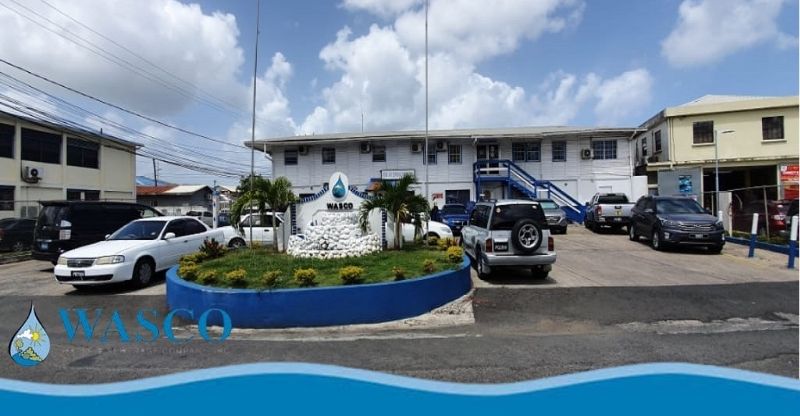
    The Water and Sewerage Company Inc. (WASCO) has declared an ’emergency shutdown’ of its Northern Network, set to commence at 6:00 a.m. on Wednesday, October 1, 2025. This drastic measure is essential to address a rupture in the raw water transmission line, with repair operations anticipated to span 48 hours. During this period, residents from Millet to Cap Estate will experience significant disruptions in water pressure and supply. WASCO has further warned that even after the repairs are completed, customers residing in elevated areas or at the extremities of the distribution network may encounter prolonged delays in water restoration. In light of these challenges, the company has urged consumers to proactively collect and conserve water wherever feasible. This announcement has exacerbated existing grievances among customers, who have taken to social media to voice their dissatisfaction with WASCO’s monopoly over water treatment services on the island. For assistance, the public is encouraged to contact the North Control Room at 457-3958, 457-3960, 451-9812, or 482-0052 for water trucking support.