标签: Jamaica

牙买加

  • UDC expands fireworks fest to St Bess, Westmoreland

    UDC expands fireworks fest to St Bess, Westmoreland

    In a significant expansion of Jamaica’s cherished year-end tradition, the Urban Development Corporation (UDC) has announced the return of the national fireworks festival on December 31, 2025, with enhanced community outreach to regions most affected by recent natural disasters. This year’s celebration will extend beyond its traditional venues in Kingston, Montego Bay, and Ocho Rios to include St. Elizabeth and Westmoreland parishes, areas particularly impacted by hurricane damage.

    The strategic decision to proceed with the festival emerges amidst ongoing national recovery efforts, with UDC leadership emphasizing the psychological importance of collective celebration during challenging times. According to Chairman Norman Brown, ‘After a difficult period for many Jamaicans, moments of togetherness carry exceptional significance. This festival has historically served as a catalyst for strengthening community bonds and generating positive experiences that elevate national morale.’

    This year’s restructured format prioritizes meaningful, community-focused celebrations over large-scale productions. The redesigned events will feature curated musical experiences by renowned DJs rather than live performances, creating a street party atmosphere that encourages social interaction and family gatherings. The iconic fireworks display will remain the central spectacle, preceded by hours of music and socializing in a relaxed environment.

    A cornerstone of the revised approach includes maintaining dedicated children’s villages at all locations, offering safe spaces for youth entertainment and activities. UDC General Manager Bobby Honeyghan explained, ‘Our deliberate modifications preserve the festival’s essence while acknowledging our national circumstances. We aim to facilitate genuine enjoyment, communal solidarity, and a new year welcome that embodies resilience, optimism, and consideration for our communities.’

    The corporation’s initiative represents a thoughtful balance between celebration and sensitivity, providing spaces for emotional upliftment while recognizing the ongoing recovery needs of hurricane-affected populations.

  • UTech student from western Jamaica awarded nursing scholarship

    UTech student from western Jamaica awarded nursing scholarship

    KINGSTON, Jamaica — In a heartening development for Jamaica’s healthcare education sector, Sheena Thorpe, a final-year nursing student at the University of Technology’s Caribbean School of Nursing (CSON) Western Campus, has been honored with a US$1,000 scholarship from the Jamaica Nurses Association of Florida (JNAF). The award ceremony took place on December 15, recognizing Thorpe’s academic dedication and financial need.

    The prestigious scholarship, traditionally granted to registered nursing students maintaining a minimum GPA of 3.0 while demonstrating economic hardship, arrives at a pivotal moment for Thorpe. Her studies have coincided with significant challenges, including the devastating impact of Hurricane Melissa and persistent resource constraints that have tested the resilience of nursing students across the Western Campus.

    Professor Adella Campbell, Dean of the College of Health Sciences, praised Thorpe’s achievement, underscoring the extraordinary perseverance exhibited by nursing students. She reflected on the cohort’s ability to excel in national examinations despite facing natural disasters and limited institutional resources, calling it a testament to their commitment.

    University President Dr. Kevin Brown commended the JNAF for its sustained investment in Jamaica’s developmental future through education. He highlighted the crucial role such financial support plays for students from low-income backgrounds, noting, ‘Where we can get scholarships to offset those costs, it is truly appreciated.’

    An elated Thorpe expressed profound gratitude for the timely assistance. ‘I’m super happy and I’m very grateful,’ she stated, revealing the award would alleviate burdens exacerbated by hurricane-related expenses in her decisive final year. Her motivation for entering the profession stems from a deep-seated passion: ‘I love to care for people, especially when they’re sick. I have a passion for it.’

  • Rebuilding history

    Rebuilding history

    In the wake of Hurricane Melissa’s devastating path through Jamaica, leading architectural conservationists are advocating for expert-led restoration of the nation’s damaged heritage structures. Preservation specialists Pat Green and Sarah Ann Hodges emphasize that immediate professional intervention is crucial to salvage both physical materials and historical knowledge from affected sites.

    The Category 5 hurricane, one of the most powerful Atlantic storms in recorded history, caused extensive damage to centuries-old churches, courthouses, and schools when it made landfall on October 28 with sustained winds of 185 mph. While acknowledging the storm’s unprecedented strength, both experts identified systemic neglect and poor maintenance practices as significant factors exacerbating the destruction.

    Registered architect and conservation consultant Pat Green stressed the urgency of professional assessment before cleanup operations begin: “My concern is that bulldozers might scrape up everything without proper evaluation. We need heritage professionals on the ground to guide the salvaging process—this isn’t just debris but valuable knowledge, technology, and reusable materials.”

    Preservation architect Sarah Ann Hodges, co-founder of Kingston 10 Architects, outlined immediate priorities: “Where roofs are damaged, the critical first step is preventing further water intrusion. We must literally pick up the pieces—collect timbers, commemorative stones, and tiles—and ensure these materials aren’t diverted elsewhere.”

    Both experts highlighted the educational opportunity presented by the damage. Green explained, “Examining these structures reveals construction techniques that need to be passed to younger generations. Many assume these buildings were entirely European imports, but my research shows they were designed and built by Jamaican craftspeople using local materials—a testament to our ancestors’ ingenuity.”

    The architects proposed two conservation approaches: either preserving ruins as historical monuments while constructing modern facilities within them, or rebuilding structures to original specifications with strengthened connections and reinforcements. They pointed to successful post-disaster reconstructions after Jamaica’s 1907 earthquake and 1951 Hurricane Charlie as models.

    A recurring theme in both interviews was Jamaica’s problematic maintenance culture. Hodges noted the paradox: “People meticulously maintain their cars but expect buildings to look after themselves. Then they’re surprised when structures collapse.” Green identified termite damage from untreated lumber and inferior building materials as particular vulnerabilities.

    Despite the devastation, Green remains optimistic about recovery prospects, citing historical precedents: “After the 1907 earthquake, major rebuilding occurred within years. The same happened post-Hurricane Charlie and in Belize after Hurricane Hattie. Recovery is possible with sufficient will and proper techniques.”

    The extensive damage to structures like St John’s Anglican Church in Black River serves as both a tragedy and a wake-up call for improved preservation practices across Jamaica’s architectural heritage.

  • Hanover residents urged to remain vigilant against leptospirosis

    Hanover residents urged to remain vigilant against leptospirosis

    Health authorities in Hanover, Jamaica, are maintaining their alert against leptospirosis transmission despite observing a downward trend in both confirmed and suspected infections. Andrene Smith-Benjamin, the parish’s Health Promotion and Education Officer, has issued comprehensive guidance for residents engaged in Christmas cleanup activities, emphasizing the critical need for protective equipment like waterproof boots and gloves.

    The bacterial disease, primarily transmitted through contact with urine from infected rats, poses a significant environmental threat as the pathogen can persist in contaminated water and damp soil for several months. Smith-Benjamin specifically warned that improper footwear and lack of hand protection during cleanup operations substantially increases infection risks.

    During a recent Ministry of Health and Wellness outreach event at Ramble Health Centre, the health official delivered crucial food safety recommendations, urging residents to meticulously inspect all food items for evidence of rodent interference. Consumers should discard any packaged goods showing signs of bites, tampering, damaged packaging, or exposure to floodwaters. Particular caution was advised regarding rusty, dented, or unlabeled canned goods.

    Smith-Benjamin further highlighted the danger of newly formed water bodies created by recent hurricane activity, noting these constitute high-risk contamination sources. The bacteria can enter the body through mouth exposure or open wounds during swimming activities. Vulnerable individuals with cuts or abrasions face particularly severe risks when contacting potentially contaminated water.

    Leptospirosis manifests through symptoms including fever, muscle and joint pain (especially in calf and back regions), gastrointestinal distress, and jaundice evidenced by yellowing eyes or skin. While treatable with prompt medical intervention, the disease can prove fatal if left untreated. Health authorities strongly recommend immediate hospital visitation upon symptom appearance and continued adherence to safe hygiene, food handling, and environmental cleanup practices.

  • Big cost of climate change on Jamaica

    Big cost of climate change on Jamaica

    Jamaica faces an existential threat to its economic foundation and developmental trajectory as climate change evolves from an environmental concern into a paramount national security issue. Professor Michael Taylor, a leading climate scientist at The University of the West Indies, Mona, delivered a stark warning that the nation’s partial resilience measures equate to no resilience at all in the face of cascading climate impacts.

    The interconnected nature of Jamaica’s infrastructure means that failure in one sector could trigger catastrophic breakdowns across the entire economy. Professor Taylor revealed that a single major climate event could wipe out 30-40% of Jamaica’s GDP—not through obvious weaknesses already addressed, but through overlooked downstream sectors that could become ignition points for widespread devastation.

    The evidence is already apparent. Hurricane Melissa inflicted unprecedented losses of $1.3 trillion, equivalent to 41% of GDP, dwarfing the damage from Hurricane Ivan in 2004 (6.8% of GDP). What makes the current situation particularly dire is the accelerating frequency of extreme weather events, leaving insufficient recovery time between disasters.

    Beyond dramatic hurricanes, Jamaica struggles to quantify slower climate threats, including record-breaking heat waves and sea-level rise. The scientific tools to measure these gradual but damaging effects remain underdeveloped, creating critical data gaps that hinder effective policy formulation.

    In response, Jamaican institutions are developing innovative solutions like the Jamaica Systemic Risk Assessment Tool (J-SRAT), which aims to comprehensively assess risks across sectors. Researchers are also working to quantify the value of ecosystem services and nature-based solutions that could prevent future losses.

    The economic implications are already materializing. Minister Matthew Samuda warned that climate risk is reshaping Jamaica’s physical and financial landscape, with insurance premiums rising beyond affordability in vulnerable coastal areas. Some regions are becoming effectively uninsurable and unlivable, directly constraining investment, housing development, and national growth.

    The consensus is clear: Jamaica must develop context-specific solutions rather than importing foreign approaches. Addressing this crisis requires coordinated action from academia, government, and the private sector to transform climate resilience from an environmental concern into a core development priority.

  • Caribbean immigrant advocacy group condemns Trump’s latest travel ban

    Caribbean immigrant advocacy group condemns Trump’s latest travel ban

    NEW YORK – A sweeping expansion of the United States’ travel ban policy has drawn sharp condemnation from advocacy groups and foreign governments. The New York Immigration Coalition (NYIC), representing over 200 immigrant and refugee rights organizations across New York State, has denounced the Trump administration’s latest proclamation imposing an indefinite suspension on legal immigration processing for nationals from 20 additional countries.

    The policy update, announced last week, effectively halts all visa processing and immigration benefits for petitioners from 39 countries and Palestine. President Trump’s proclamation specifically named Antigua and Barbuda, Dominica, and Haiti among the newly restricted nations, with measures taking effect January 1, 2026.

    According to NYIC President and CEO Murad Awawdeh, the indefinite hold impacts a wide spectrum of immigration processes including citizenship applications, naturalization ceremonies, work permits, spousal petitions, and status adjustments administered by US Citizenship and Immigration Services (USCIS).

    Awawdeh characterized the policy as ‘driven by discrimination against applicants from African- and Muslim-majority countries’ and demonstrating ‘callous indifference to those fleeing war-torn regions.’ He warned the measure would create a vulnerable population ‘at risk of being funneled into the administration’s deportation machine,’ while enriching private prison corporations.

    The Caribbean Community (Caricom) has expressed formal concern regarding the restrictions affecting member states Antigua and Barbuda and Dominica. In an official statement, Caricom’s Bureau acknowledged nations’ rights to regulate border entry but noted concern over the lack of prior consultation and potential adverse effects on ‘legitimate travel, people-to-people exchanges, and the social and economic well-being of these small states.’

    The regional body specifically highlighted uncertainties regarding the status of existing visas after January 2026 and called for immediate engagement between US authorities and affected governments to address outstanding concerns. Caricom reaffirmed its commitment to ‘dialogue and cooperation based on mutual respect, shared interests and the rule of law.’

    Awawdeh has urged the US Congress to condemn the administration’s actions and demand policy reversal, noting that American taxpayers ultimately bear the costs of expanded detention programs while facing cuts to social services and healthcare access.

  • Sagicor Bank reopens in storm-hit Black River

    Sagicor Bank reopens in storm-hit Black River

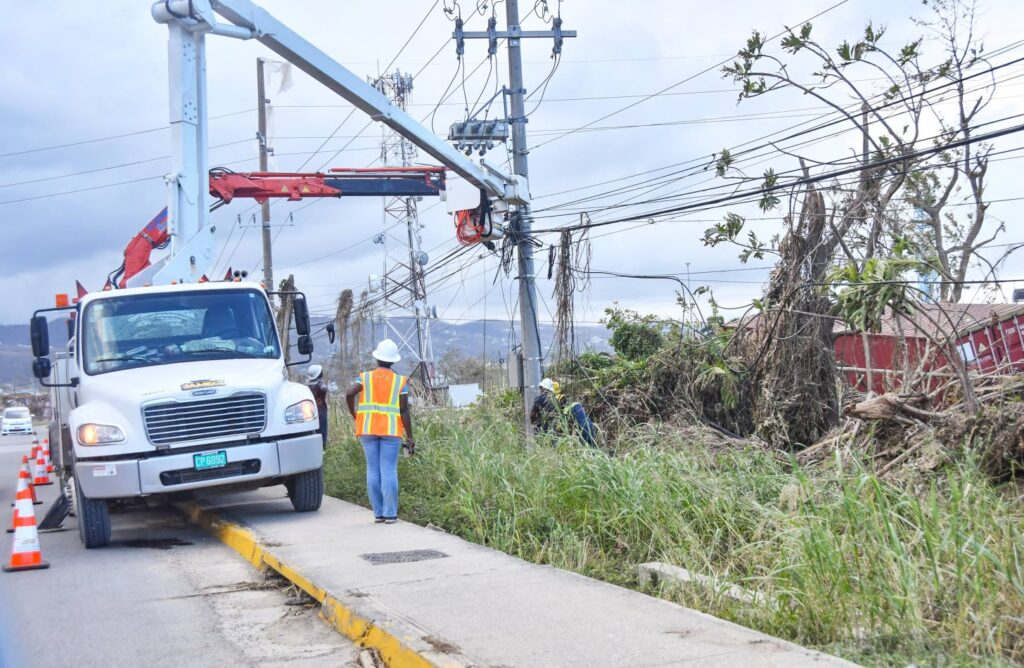
    Sagicor Bank Jamaica has successfully restored banking services to the isolated community of Black River, St. Elizabeth, following the devastating impact of Hurricane Melissa in late October. The branch, which constitutes the town’s sole financial institution, resumed operations on Friday after sustaining severe structural damage from storm surges that shattered windows and flooded the interior.

    Facing a critical lack of financial access, local residents and businesses had been without essential banking services for nearly two months. Bank CEO Chorvelle Johnson Cunningham emphasized the institution’s commitment to rapid recovery, stating, “Our immediate priority was to reestablish operations in Black River to support our clients and the community’s rebuilding efforts during this challenging period.”

    The bank implemented an innovative temporary banking facility on the original site, which processed approximately 500 transactions during its two-day soft launch beginning December 15. This reopening forms part of Sagicor Group Jamaica’s comprehensive $200-million recovery initiative, with significant allocations addressing broader community needs.

    Christopher Zacca, President and CEO of Sagicor Group Jamaica, highlighted the strategic importance of the banking restoration: “While this branch reopening stimulates economic recovery at the community level, our parallel initiatives focus on reconstructing healthcare facilities, educational infrastructure, and social support systems across western Jamaica.”

    The parent company has designated $100 million specifically for clinic restoration in affected regions, with $40 million already distributed for staff relief programs. Sagicor Bank Jamaica, the nation’s third most profitable commercial bank and part of the Sagicor Financial Company Ltd network, conducted an official reopening ceremony on December 19, 2025, marking a significant milestone in the region’s recovery journey.

  • ‘Why I backed the JLP’s crime plan?’

    ‘Why I backed the JLP’s crime plan?’

    In a significant political development, Government Senator Keith Duncan has publicly articulated his rationale for endorsing the Jamaica Labour Party Administration’s crime prevention blueprint, despite his lineage to the opposing People’s National Party. The revelation came during Friday’s Senate session where Duncan detailed his conversion after intensive consultations with National Security Minister Dr. Horace Chang and former Police Commissioner Major General Antony Anderson.

    Duncan, appointed to the Senate by Prime Minister Andrew Holness following the September general elections, recalled his initial skepticism during his 2019 tenure as president of the Private Sector Organisation of Jamaica (PSOJ). Amid widespread criticism about the government’s perceived lack of strategic direction against crime, Duncan sought direct engagement with security leadership rather than joining popular criticism.

    The senator described being presented with the comprehensive ‘Plan Secure Jamaica’ framework, which outlined multi-faceted approaches including social transformation initiatives, modernization of police forces, military reforms, and legislative enhancements. Duncan emphasized the plan’s detailed resource allocation strategies covering both financial investments and human capital deployment.

    Central to Duncan’s endorsement was the creation of Project Star – a public-private partnership developed collaboratively with police leadership that operationalized community safety measures through the Jamaica Constabulary Force’s Community Safety and Security Branch. The senator specifically highlighted the Zones of Special Operations (ZOSOS) as evidence of structured socio-economic transformation efforts in vulnerable communities.

    Citing unprecedented crime reduction statistics showing murders dropping below 700 annually for the first time in three decades – representing over 40% reduction compared to previous years – Duncan urged nationwide support for the continuation of these strategies. He framed crime reduction as a national imperative requiring collective action similar to Jamaica’s achievement of macroeconomic stability through fiscal responsibility.

    The senator acknowledged that not all security measures would enjoy universal approval but maintained that governing requires making difficult decisions. Duncan concluded that demonstrated leadership in executing this comprehensive strategy has produced measurable results that justify sustained implementation and broader societal support.

  • Not so Grand Market for St Elizabeth

    Not so Grand Market for St Elizabeth

    The historic Jamaican tradition of Grand Market faces severe disruption in St Elizabeth this Christmas Eve, with local business leaders predicting a dramatically scaled-back celebration due to ongoing recovery efforts from Hurricane Melissa’s devastation.

    Howard Hendriks, President of the St Elizabeth chapter of the Jamaica Chamber of Commerce, revealed that approximately 93 establishments in the parish remain non-functional or severely compromised since the October 28 storm. The hurricane’s impact has particularly affected the three major towns that traditionally host the vibrant celebrations—Black River, Santa Cruz, and Junction.

    Black River’s commercial district remains at a complete standstill, while Santa Cruz experiences significantly slowed business activity. This has shifted commercial momentum to Junction, which has unexpectedly become the parish’s primary commerce hub as it was cleared of debris earliest.

    “The biggest Grand Market in Jamaica you can ever see is in Santa Cruz,” Hendriks told the Jamaica Observer. “Santa Cruz is always full on Grand Market night, and I don’t envision seeing that capacity of crowd this year because you need businesses to sustain it.”

    The tradition of Grand Market dates to colonial times when enslaved Africans were granted limited freedom during Christmas to sell surplus produce and handmade goods. Today, it transforms town centers into all-night street fairs featuring last-minute shopping, street food, music, and festivities that often continue into Christmas morning.

    Hendriks described the likely scenario: “It may be a minuscule version of Grand Market because people are going to want to get some things, but you have to have electricity to have the sound system going to build that party vibe.”

    The recovery disparity between urban and rural businesses has become particularly apparent. Small businesses—including grocery shops and bars that operate “hand to mouth”—face existential challenges without access to formal banking support or disaster recovery resources.

    “The recovery for the small business sector is non-existent,” Hendriks explained. “These people don’t really go to the bank to borrow money to sustain their business. They rely on informal financial systems like round robin and partna draws, which have been completely disrupted.”

    Energy infrastructure remains a critical obstacle, with generator costs running approximately $5,000 Jamaican dollars per night for fuel—an unsustainable expense for businesses already struggling with transportation challenges for perishable goods into hill communities.

    Hendriks has engaged with the Office of Disaster Preparedness and Emergency Management (ODPEM) to address recovery needs, but acknowledges that without restored electricity and substantial support, “commerce is basically totally ripped up, and we don’t know when it will return.”

  • Carl Meeks rides timeless beats with ‘Classeeks’

    Carl Meeks rides timeless beats with ‘Classeeks’

    Veteran dancehall artist Carl Meeks has unveiled his latest musical project, “Classeeks,” marking his second album release for 2025. The collection debuted on December 12th under the RubADub MKRT label, with production handled by French music producer Cedrik “Kiko” Ynesta.

    True to its evocative title, the album serves as a deliberate homage to dancehall’s foundational years. Meeks and Ynesta have carefully selected thirteen tracks built upon iconic riddims that have shaped the genre across four decades. These include legendary rhythmic patterns such as Throw Me Corn, Movie Star, and Mr Bassie—each reimagined for contemporary audiences while preserving their original character.

    The conceptual framework originated from Ynesta, who proposed revisiting these timeless musical foundations that first captivated Meeks during his regular attendance at dancehall events in 1970s and 1980s Kingston. The North Carolina-based artist acknowledged the emotional resonance of these productions, stating: “These riddims are so special because that’s where dancehall music started, so it gives me that vibe.

    Among the standout tracks is “What’s Going On,” a collaborative piece with deejay Screechy Dan currently gaining traction within music circles. The album also features previously released singles including “No Regrets,” “Ram Dance Master” featuring Johnny P, and “Walking Dead” with Derrick Parker.

    Meeks first rose to prominence in the late 1980s through hits like “Weh Dem Fah” and “Youthman,” both produced by Hugh “Redman” James during the peak era of Redman International’s influence. This new release follows Meeks’ “Legendary” album from eight months prior, produced by Big Bout Ya Records.

    Ynesta’s production strategy deliberately bridges generational divides, seeking to introduce classic sounds to newer audiences while allowing longtime fans to rediscover their musical heritage through fresh compositions. Meeks explained the curator’s vision: “He wanted to capture the younger audience and let the older ones indulge in the new songs on these riddims. I select the artistes knowing that they are vintage singers just like the riddims and also artistes I admired.”