标签: Jamaica

牙买加

  • I-T Rockaz goes solo

    I-T Rockaz goes solo

    Just over a year ago, the three-member reggae collective Rockaz Elements, hailing from Spanish Town, dropped their third extended play (EP) *Sup’m Bout Reggae*, a project distributed by US-based label Berta Records. The four-track release, featuring standout cuts *My Pain*, *Twenty Dollars*, *Believe I*, and the Chino McGregor-assisted collaboration *Jamaica World*, earned steady airplay across local Jamaican FM radio stations, marking one of the group’s most successful runs to date.

    Now, on the heels of that breakout momentum, founding core member I-T Rockaz is embarking on a new creative chapter: launching a solo career while remaining anchored to the collective he helped build. His debut solo offering, *Thankful*, is a soul-stirring reggae anthem rooted in themes of gratitude, personal resilience, and authentic lived experience. Far more than just a track, it serves as a gentle but powerful rallying cry for anyone navigating hardship, reassuring listeners that temporary struggles will eventually give way to better days.

    What makes the single’s backstory even more compelling is its unexpected evolution. I-T Rockaz penned the track long before he survived a near-fatal motor vehicle crash. After walking away from the traumatic incident, he revisited the lyrics, and the song took on a deeper, more urgent meaning, transforming into a visceral reminder that life itself is a gift that deserves constant appreciation.

    In a recent interview with the *Jamaica Observer*, the artist opened up about the core inspiration behind his solo debut. “Well, it really was an inspiration from life itself and me being a true soul of gratitude. It is totally relatable to me and from the feedback so far others can resonate as well as it encourages everyone to be thankful through good and bad days,” he explained.

    One of the most common questions surrounding his new project has centered on his status with Rockaz Elements: is he leaving the group for good, or is this a side venture? I-T Rockaz made his position clear, emphasizing that his solo work is an expansion, not an exit. “I am forever Rockaz. I’ve been encouraged to step out and represent, so I’m a representation of Rockaz Elements. I’ve been a builder of the group over the years and I will always be. New music is still being released by the group as well. This is just more channels to showcase good music, but more from my personal view now,” he shared.

    Music has been a constant through every stage of I-T Rockaz’s life, rooted in a upbringing surrounded by artistic family members. “I started out at a tender age just loving the music and growing up in a musical family. I journeyed out on my bicycle back in time and met U-B, one of the other members of Rockaz Elements, at Angels Grove while pursuing the craft and from there I’ve been into the music entirely,” he recalled.

    Reflecting on his decades-long journey in the reggae industry, I-T Rockaz framed his career as a deliberate, growth-filled progression. “My musical journey can be defined as challenging, but successful through obstacles; a growing journey of greatness is what I’d call it as nothing great comes without hurdles,” he said. “I bring a soulful and truthful vibe to the table, I’m a happy creative soul, so I express that through my music, and I love playing instruments, so it’s a love for music in a person. The world needs good music to vibe to and so I’m here to give them good music to dance to and also to motivate others through music.”

  • Mandela Highway reopened after shooting

    Mandela Highway reopened after shooting

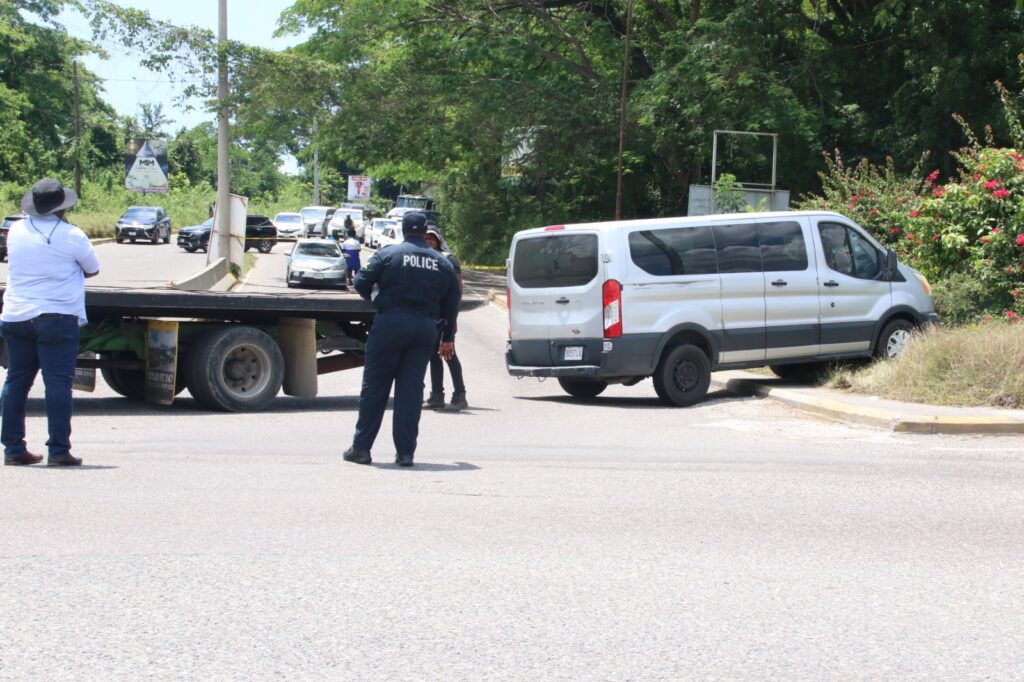
    KINGSTON, Jamaica — Law enforcement authorities have issued an update for motorists traveling across the island’s major transport corridor: the westbound lane of Mandela Highway, a key route connecting the capital to the populous municipalities of Spanish Town and Portmore, is now open to traffic again. The stretch had been closed off for forensic investigation and processing after a deadly shooting that left one man dead and a second person wounded.

    The violent attack unfolded shortly after 7:15 a.m. on Friday, at the busy Caymanas intersection along the westbound corridor. According to initial police accounts, a Ford Transit work truck was moving through the junction when the driver pulled to a stop. That was when two armed suspects riding a motorcycle pulled alongside the right side of the vehicle, and fired multiple rounds through the truck’s right front window and windshield.

    Both people inside the vehicle were hit by gunfire. Emergency responders rushed the injured pair to a local hospital for urgent care, but one of the occupants was pronounced dead shortly after arrival. The second victim remains hospitalized for treatment of their injuries, as of the latest update.

    In the immediate aftermath of the shooting, police cordoned off the entire westbound lane to preserve the crime scene and allow investigators to collect evidence. The closure caused significant traffic disruptions for commuters traveling between Kingston and the heavily populated St. Catherine parishes, where both Spanish Town and Portmore are located. With the investigation’s on-site processing complete, authorities have confirmed the lane is once again accessible for regular traffic.

  • Why Radio Endures: Jamaican execs point to cost, connection and listener loyalty

    Why Radio Endures: Jamaican execs point to cost, connection and listener loyalty

    Against a backdrop of sweeping digital transformation that has upended traditional media ecosystems around the globe, Jamaican radio has stood out as a surprisingly resilient medium, industry leaders say, crediting its unique accessibility, low cost, deep cultural integration and unrivaled public trust for its steady performance against struggling legacy competitors.

    The 2023 All Media Survey confirms that while radio has experienced a modest dip in overall listenership, its audience retention remains far stronger than that of television and print media, two other long-standing traditional platforms that have faced far steeper declines amid shifting consumer media habits.

    Industry executives made the case for radio’s enduring strength during a Thursday panel discussion titled *Why Radio still Wins*, hosted at the IMPACT x Mystique marketing conference held at Kingston’s AC Hotel.

    Brian Schmidt, acting managing director of popular Jamaican station Irie FM, emphasized that radio is far more than a media platform in Jamaica—it is interwoven into the fabric of the nation’s cultural identity. “We have an oral society and an oral tradition, and because of that, radio is interwoven into our society in a way that no other media has been, and that’s very, very important,” Schmidt explained during the discussion.

    D’Adra Williams, general manager of Zip 103 FM, echoed that perspective, noting that radio has carved out a permanent, unassuming space in the daily routines of Jamaican listeners. “[Radio] is a thing that’s [always] in the background, it’s a thing that people rely on, and it’s not so much something that we think of,” Williams said. “We’re interwoven into what we do in our daily space. And we may not be the new girl in town, but we are still very much there.”

    Beyond deep cultural roots, the medium’s low barrier to access has been another core driver of its stability. Unlike streaming platforms or social media that require mobile data or Wi-Fi connectivity, AM and FM radio comes pre-installed in nearly all vehicles at no extra cost, and can be accessed without any internet connection at all.

    Schmidt pointed to the aftermath of Hurricane Melissa, which devastated large swathes of western Jamaica, as a stark demonstration of this unique accessibility advantage. “The only thing that was serving the west was [radio] because everything else went,” he said.

    Trust, industry leaders add, is another foundational pillar of radio’s resilience. Citing recent research, Schmidt noted that 87% of consumers trust radio as a news and information source—making it the most trusted media platform in Jamaica, while social media trails as the least trusted, with approval ratings below 50%. “That’s a big part of the resilience,” Schmidt said.

    Dahlia Harris, head of radio business at the RJR Communications Group, echoed that finding, arguing that radio’s greatest strength lies not in raw reach and frequency of content, but in its unmatched influence built on public confidence. “Radio is not so much about reach and frequency as it is about trust and influence,” Harris said. “When people tune into radio, they believe what they hear, they trust what we tell them, and we impact the decisions they make more than anything else.”

    Even with its relative stability, radio has not escaped the pressure of digital competition, which has chipped away at the medium’s overall market share in recent years. But forward-thinking Jamaican radio networks have adapted to the new digital landscape by integrating podcasting and streaming into their offerings, turning the digital boom into a growth opportunity rather than a threat.

    Jheanelle Hughes-Headley, sales and marketing manager at Nationwide News Network (NNN), explained that her outlet has expanded far beyond traditional over-the-air broadcasting to build a multi-platform presence. “We are streaming live visually on Youtube, our audio is on our website and also on our app; so, when you come to Nationwide, you’re just not getting airplay, you’re getting multi-platform reach,” Hughes-Headley said, adding that on-demand streaming has exponentially expanded the network’s overall reach. “Unlike just radio, where you have to be listening to catch it, when it streams, you can go back on, rewatch it, share it, and so the reach expands.”

    For marketers looking to tap into radio’s unique influence, Schmidt advised leaning into long-term brand building campaigns, a strategy he says many modern brands have abandoned to their detriment. “Brand awareness is very critical, and I see that a lot of marketers are not doing brand awareness campaigns anymore and you see it reflected in the results of their companies,” Schmidt said. “One of the important things you always want to get is top of mind … no matter what category of business. Marketing is competing for people’s head space… It’s something you should do perpetually.”

  • Porsche Cayenneback in black

    Porsche Cayenneback in black

    On April 28, an exclusive invitation-only preview event at Kingston’s AC Hotel brought a fresh addition to Jamaica’s luxury automotive market, as Porsche Jamaica officially pulled the curtain back on its latest variant of the brand’s top-selling SUV: the Cayenne Coupé Black Edition. Speaking to assembled attendees and media at the launch, Shauwn Gracey, Sales Manager at Porsche Jamaica, framed the new model as a deliberate fusion of two core Porsche identities, highlighting that “the Porsche Cayenne Coupé Black Edition is bold, refined, and unmistakably confident. It brings together the practicality of a luxury SUV with the soul and spirit of a true sports car.”

    Unlike the traditional custom ordering process that Porsche has long offered its customers, the new Black Edition is structured as a pre-packaged set of popular premium features that come standard as a single bundled offering. Historically, buyers building a Porsche from the ground up start with a base model and add individual options incrementally, which often drives up the final purchase price significantly as more upgrades are included. With the Black Edition bundle, Gracey explained, the German automaker has reimagined this process to let buyers access a full suite of high-end luxury components for one transparent all-inclusive price, without sacrificing the brand’s signature customization flexibility. The Black Edition package can even be applied to any existing Cayenne trim level or body style, preserving opportunities for further personalization while locking in the core curated upgrades at a predictable cost.

    The Black Edition’s signature aesthetic starts not with exterior paint, as many special editions do, but with targeted badging and trim modifications that create a distinct, aggressive visual identity. Multiple key exterior elements receive a sleek high-gloss black treatment, including the Porsche logo, model name badging, and side mirror housings, among other accents. Beyond cosmetic upgrades, the package includes a number of performance and comfort features as standard: 21-inch wheels come fitted to every Black Edition, alongside exhaust tips pulled from the brand’s sports exhaust system and adaptive air suspension for a refined, dynamic ride.

    Inside the cabin, the upgraded experience continues with a suite of premium comfort and tech features. Buyers of the Black Edition get standard 14-way power-adjustable front seats with both heating and cooling functionality, plus a factory-fitted BOSE surround sound audio system for an elevated in-car entertainment experience. Throughout all of these bundled upgrades, Gracey emphasized, the model retains the core performance capability and luxurious build quality that has made the Cayenne line a staple of Porsche’s global and local offerings.

    For the Jamaican market specifically, the Cayenne line holds outsized strategic importance for the brand. “The Cayenne is very important to the Porsche Jamaica model line-up, especially in this market where Jamaica is seen as an SUV market,” Gracey noted, reflecting consumer preferences that skew toward high-riding, practical luxury vehicles in the region. The launch event was attended by the full local Porsche Jamaica leadership team, including Marketing and PR Manager Nicole Hamilton, Concierge & Sales Administrator Analeice Dixon, Sales Consultant Brian Johnson, and Senior Sales Consultant Rashida Gopie, with on-site photography captured by Rory Daley documenting the reveal.

  • Trump announces new sanctions against Cuban government

    Trump announces new sanctions against Cuban government

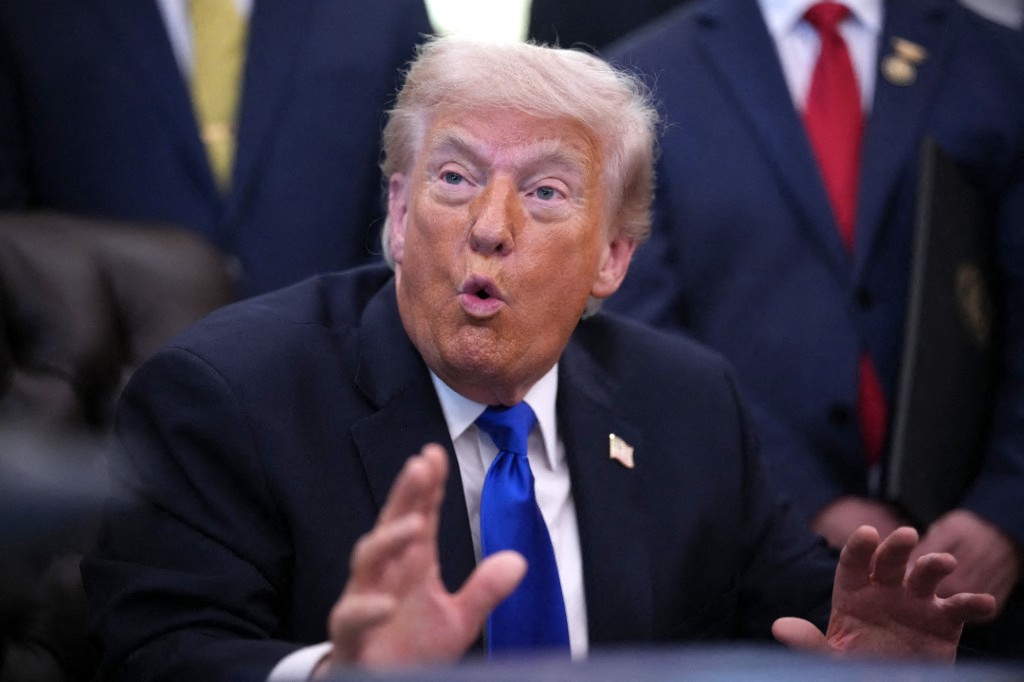
    WASHINGTON D.C. – In a sharp escalation of U.S. policy toward the communist-governed Caribbean nation, former U.S. President Donald Trump announced expansive new sanctions against Cuba on Friday, targeting dozens of domestic actors across key sectors of the island’s economy and levying threats against international financial institutions that conduct business with sanctioned individuals.

    This latest round of restrictions marks a new peak in the Trump administration’s years-long campaign to ramp up diplomatic and economic pressure on Havana, coming as Cuba grapples with a deepening economic emergency. The crisis has been exacerbated significantly by the cut-off of Venezuelan oil shipments, a critical lifeline for the Cuban energy grid for decades.

    Outlined in a formal executive order, the new penalties apply to any individual found to be active in five core areas of Cuba’s state-controlled economy: energy, defense and military-related materiel, metals and mining, financial services, and national security. The order also leaves room for the U.S. government to extend sanctions to actors in additional economic sectors at a later date. Beyond economic targeting, the measure also applies sanctions to Cuban officials deemed by Washington to have participated in serious human rights violations or public corruption.

    As part of the order, any individual named on the sanctions list will be barred from entering the United States, and all of their assets under U.S. jurisdiction will be frozen. Most notably, the executive order mandates that any foreign financial entity that engages in transactions with sanctioned individuals will also face U.S. penalties, a provision designed to cut off sanctioned actors from the global financial system entirely.

    Notably, the new sanctions come even after both sides took tentative steps toward bilateral dialogue in recent months. Senior U.S. diplomatic officials traveled to Havana for formal talks with Cuban counterparts as recently as April, raising faint hopes of a de-escalation of tensions between the two governments.

    Long-time Cuba critic and Cuban-American Secretary of State Marco Rubio has repeatedly pushed for sweeping policy shifts and increased pressure on the Havana government, a position that has aligned closely with the Trump administration’s hardline approach. Trump himself has openly discussed aggressive actions toward the island nation, which sits just 90 miles off the coast of Florida and has operated under a near-continuous U.S. trade embargo since Fidel Castro’s 1959 communist revolution that first severed bilateral ties.

  • US sanctions are ‘collective punishment,’ says Cuba during May 1 marches

    US sanctions are ‘collective punishment,’ says Cuba during May 1 marches

    HAVANA, CUBA – Fresh economic sanctions imposed on Cuba by former United States President Donald Trump have sparked fierce condemnation from Cuban officials, who label the new measures an act of collective punishment against the island’s civilian population. The sanctions took effect Friday, coinciding with Cuba’s annual May 1 celebrations that drew tens of thousands of demonstrators marching to the US Embassy in Havana under the rallying cry of “Defend the Homeland.”

    Geopolitical tensions between Washington and Havana have stretched across more than six decades. Ever since Fidel Castro led a communist revolution that seized power in 1959, the US has maintained a near-continuous trade embargo against the island nation, which sits just 90 miles off the coast of Florida. Prior to rolling out the new sanctions, Trump had publicly mused about the possibility of taking full control of Cuba.

    Under the executive order signed Friday, the Trump administration expanded sanctions coverage to target any individual linked to major sectors of Cuba’s state-controlled economy. The new measures apply to actors operating in energy, national defense and materiel production, metal and mining, financial services, and public security, as well as any other economic segment deemed relevant by the US. The order also targets Cuban government officials accused of involvement in serious human rights violations and systemic corruption.

    Cuba’s top diplomat Foreign Minister Bruno Rodriguez immediately pushed back against the new measures. In a public post on X, written in English, Rodriguez stated: “We firmly reject the recent unilateral coercive measures adopted by the #UnitedStates government. These actions demonstrate an intention to impose, once again, collective punishment on the Cuban people.” In a follow-up Spanish-language statement, he further characterized the sanctions as both illegal and abusive.

    For Cuba, the new sanctions come as the country already grapples with a deep and prolonged economic crisis that has been compounded by recent US pressure. A US fuel blockade implemented in January has drastically cut the country’s access to energy imports, with only a single Russian oil tanker successfully reaching Cuban ports since the blockade went into effect. Chronic supply shortages and routine rolling blackouts have become daily realities for most Cuban citizens, and tourism — long the country’s highest-revenue industry — has collapsed to historic lows.

    Notably, the new sanctions were announced just weeks after a significant diplomatic shift: senior US officials traveled to Havana for bilateral dialogue in April, raising tentative hopes of reduced tensions between the two nations.

    Friday’s mass rally outside the US Embassy was led by Cuba’s sitting President Miguel Diaz-Canel and former revolutionary leader Raul Castro, drawing massive crowds of Cuban citizens who turned out to demonstrate against US policy. The day before the rally, Diaz-Canel had already called on all Cubans to mobilize against what he described as “the genocidal blockade and the crude imperial threats to our country.”

    Throughout the rally, Cuban officials announced that more than six million signatures had been collected across the country over the past six weeks as part of a “for the homeland and for peace” campaign opposing US policy. Cuban opposition figures have, however, raised public questions about the transparency and methodology of the signature collection process.

    State-run Cuban television broadcast parallel mass gatherings in cities across the island, showing thousands of additional protesters turning out to voice opposition to the new sanctions.

  • IMAGE PLUS TARGETS GROWTH AFTER FLAT YEAR

    IMAGE PLUS TARGETS GROWTH AFTER FLAT YEAR

    IMAGE Plus Consultants Limited (IPCL), a Jamaica-based diagnostic imaging firm listed on the Junior Market, has announced a transformative double strategic move: it will acquire the only private MRI and bone densitometry provider in central Jamaica while absorbing its largest competitor on the country’s north coast. The deal marks the company’s bet that this industry consolidation will finally convert years of heavy capital investment into meaningful bottom-line growth after a prolonged period of stalled revenue expansion.

    Under the terms of the agreement, IPCL will take ownership of all assets and the established brand of Island Radiology, which currently operates full branches in Mandeville and Ocho Rios, plus an underutilized agency outlet in Santa Cruz. Once finalized, the transaction will grant Image Plus an exclusive private hold on high-margin diagnostic imaging services across central Jamaica, while bringing the entire existing patient base of its top Ocho Rios competitor into the IPCL network. The acquisition price has not been publicly disclosed, with CEO Kisha Anderson confirming that full financial breakdowns will be released at the company’s upcoming annual general meeting, scheduled to take place on July 14. This deal was first teased in July 2025, coming months before IPCL completed its November 2025 purchase of women’s health provider The Woman’s Place.

    The push for consolidation comes against a backdrop of underwhelming financial performance, even as IPCL has poured hundreds of millions into expanding capacity and capabilities. Audited results for the 12-month period ending February 2026 show only marginal top-line growth: total inched revenue up to JMD $1.092 billion, from $1.081 billion the prior year. Operating profit slipped slightly to $77.2 million from $79.8 million, though net profit did see a small uptick to $48.7 million, up from $43.9 million a year earlier.

    In an interview with the Jamaica Observer on Thursday, Anderson acknowledged the company’s slow growth trajectory, admitting, “Growth levels have been modest, more flat, if I’m going to be a little bit more accurate.”

    The audited financial statements released Wednesday outline two overlapping challenges that held back performance over the past year. The first was extreme weather disruption: Hurricane Melissa caused roughly three weeks of reduced patient volumes at IPCL’s Ocho Rios location, not due to infrastructure damage or power loss at the facility itself, but because widespread community dislocation left local patients unable to travel to keep scheduled appointments. Anderson noted, “We powered the location in St Ann by generator even when the rest of the parish was down,” underscoring that the disruption stemmed from broader community impact rather than operational failure at the clinic.

    The second, more structural challenge came from a shift in government health policy. Jamaica’s Ministry of Health cut subsidy rates for patients accessing diagnostic services at private providers, which shrank the steady stream of government-linked referrals that had long supported IPCL’s revenue base. The company has had to pivot to attracting more self-paying patients to offset the lost volume from the policy change.

    This strategic shift is clearly reflected in the company’s balance sheet: trade and other receivables dropped sharply to $150.7 million from $369.8 million year-over-year, a change that reflects both reduced exposure to delayed government payments and improved collection rates from private paying patients. Even so, the policy shift has forced the company to focus on stabilizing revenue rather than pursuing growth, while rising costs have continued to pressure margins. Administrative expenses climbed to $520.8 million, depreciation hit $114.3 million, and finance costs remained elevated at $38.5 million over the reporting period.

    Over the past year, IPCL has also maintained aggressive capital investment: the company spent $132.8 million on new diagnostic equipment and an additional $52.4 million on prior acquisitions. These outlays have expanded the company’s overall capacity, but have yet to generate a corresponding lift in earnings. The end result is a business that has expanded its geographic footprint and service offerings, but has failed to deliver the profit growth that investors have been waiting for.

    Anderson and the IPCL leadership team believe the Island Radiology acquisition will reverse this trajectory. The CEO projects that the company will see a measurable lift in both revenue and net profit by the third quarter of the current financial year, as the newly acquired operations are integrated and patient volumes build across the combined network. She added that debt servicing for the acquisition is already covered by Island Radiology’s existing patient volume, even before factoring in planned growth, and that combined operational scale will improve IPCL’s purchasing power with suppliers, creating additional room for margin expansion beyond the base case. Anderson explained, “With Island Radiology… we’ll be able to open for longer hours and… take more capacity in terms of patient appointments.”

    A key advantage of the deal is the ability to leverage IPCL’s existing team of more than 20 radiologists across the acquired locations. This additional staffing will allow the combined network to extend operating hours and handle a higher daily volume of cases than Island Radiology could support with its smaller, under-resourced team.

    The consolidation is particularly impactful in Ocho Rios, where IPCL will operate two complementary locations once the deal closes. Anderson noted, “In Ocho Rios, Island would have been our largest competitor… we now are able to consolidate.” She added that the acquired Island Radiology facility at Eight Rivers, located near central Ocho Rios, draws patients from a different geographic catchment area than IPCL’s existing White River North clinic, creating minimal overlap and maximum incremental volume.

    Outside of Ocho Rios, IPCL plans to reactivate the dormant Santa Cruz agency, which Island Radiology was unable to operate consistently due to a shortage of radiologists. Anderson projects the site will reopen around June, once additional staffing is deployed, and will serve patients across St Elizabeth parish extending all the way to the Westmoreland border. “We’re going to have the capacity… to have more throughput per day,” she said.

    The acquisition will be initially funded through new borrowings, but Anderson argues that the deal is structured to be self-sustaining, with no drag on existing IPCL profit levels. “We’re going to initially fund it in debt… the acquisition can pay for itself… so that there’s no pull on our existing profit levels,” she said, noting that the operational improvements IPCL will bring to the combined network will generate enough additional cash flow to service the debt.

    Anderson acknowledged that the deal carries some risk, noting, “The biggest risk could be that we don’t manage a transition well… or any disruption to relationships… or any unforeseen breakdown in equipment.” To mitigate these risks, IPCL plans to retain core parts of Island Radiology’s existing operation, including key medical staff and elements of the established brand, while folding back-office and administrative functions into the larger IPCL group to cut redundant costs.

    Following the close of the Island Radiology deal, Anderson confirmed that IPCL’s acquisition spree will come to an end. With The Woman’s Place acquisition completed in November 2025 and the Island Radiology deal agreed in principle (pending finalization of a definitive sale and purchase agreement), the company’s top priority will now shift to integrating existing assets and unlocking value from the expanded footprint. “We don’t plan on acquiring anything else right now… what we’re going to do now is just extract value,” she told BusinessWeek.

    To date, IPCL has expanded its geographic reach, absorbed its largest north coast competitor, and secured exclusive private MRI capability in central Jamaica, but its financial results make clear that scale alone has not delivered stronger earnings. The company is now betting that increased patient volume and operational efficiencies will close the gap between its expanded footprint and profit growth, with the third quarter of the current fiscal year marked as the first milestone to prove the strategy works. Markets reacted positively to the acquisition announcement on Thursday: IPCL shares closed trading at $0.90, up $0.16, a gain of 21.62 percent. The company listed on the Junior Market in January 2023 at an initial price of $2.00 per share. Anderson argued that the market has yet to price in the full value of the company’s transformed position, saying, “I don’t think the share price reflects the value of the entity.”

  • US airline shares rise after reports that US Spirit rescue doomed

    US airline shares rise after reports that US Spirit rescue doomed

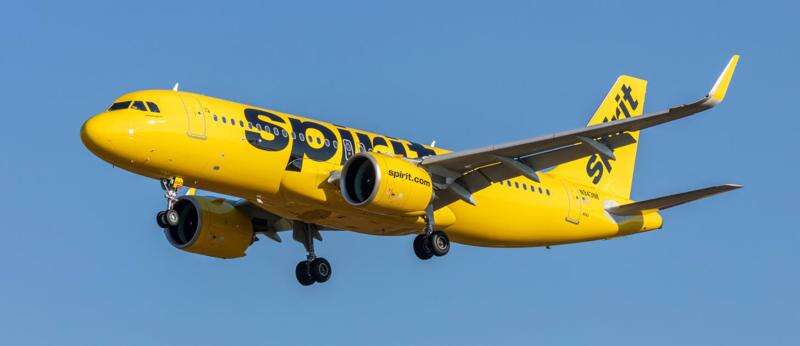
    NEW YORK, NY – A fresh wave of volatility swept through the U.S. aviation sector on Friday, as major airline stocks climbed sharply following news that discount carrier Spirit Airlines is moving toward a permanent shutdown, after hopes for a federal rescue package collapsed. Last week, optimism around a potential bailout for Spirit surged after former President Donald Trump signaled he was open to supporting a government-backed relief plan. The proposal was framed as a way to save the struggling airline and protect thousands of existing jobs tied to the company. However, reporting from *The Wall Street Journal* on Friday upended those expectations, revealing the proposed $500 million lifeline faced significant pushback from multiple factions within the Trump administration as well as from a group of Spirit’s major bondholders. Citing sources familiar with the carrier’s internal planning, the Journal reported Spirit has already begun preparations to cease all operations, though an exact timeline for the shutdown remains undetermined. Within hours of the report’s release, shares of Spirit’s major competitors posted notable gains. Rival low-cost carrier JetBlue saw its share price jump by 8.4 percent, while legacy carriers including American Airlines, Delta Air Lines, United Airlines, and Southwest Airlines all recorded gains of more than 3 percent each. Spirit’s financial troubles stretch back months. Just over a month before Friday’s report, on February 24, the airline announced it had reached a preliminary agreement in principle to restructure its outstanding debt with its creditor group, and the company signaled it expected to complete its bankruptcy exit process by the start of summer. But that progress was quickly derailed by a sudden, sharp spike in global fuel prices, triggered by the outbreak of the U.S.-Israeli military campaign against Iran that began just days after the debt restructuring deal was announced. That unforeseen cost increase delivered a final blow to the already cash-strapped carrier, pushing it closer to total collapse. Market analysts note that a full shutdown of Spirit would reduce competitive pressure on ticket pricing across the U.S. domestic market, a dynamic that lifted investor sentiment for competing airlines and drove Friday’s share price gains.

  • JCA, WCLA call for gov’t to provide timeline for body-worn cameras

    JCA, WCLA call for gov’t to provide timeline for body-worn cameras

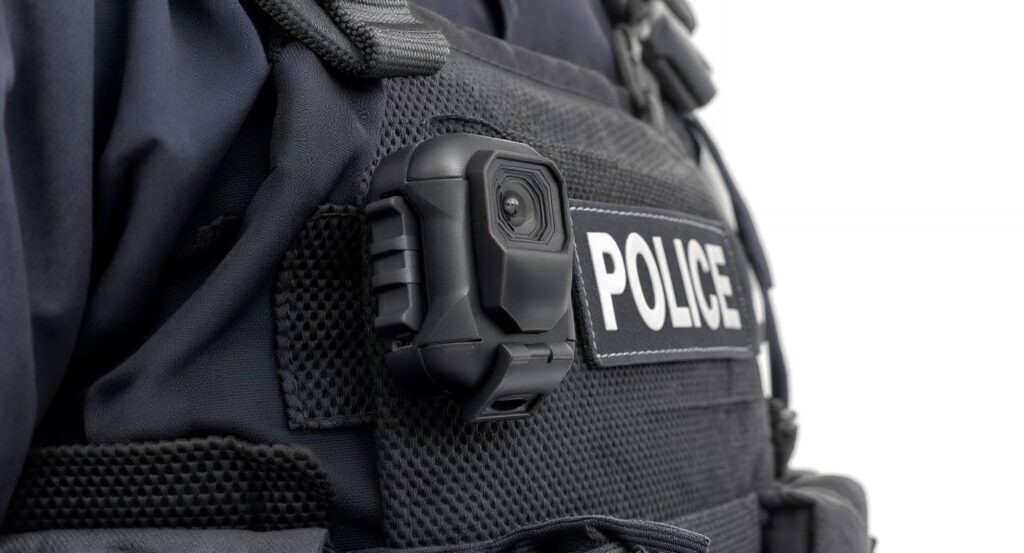
    KINGSTON, Jamaica — Two major Jamaican church coalitions have ramped up pressure on the Andrew Holness administration to outline a definitive national stance and binding implementation timeline for equipping police officers with body-worn cameras, amid growing public friction over inconsistent official statements and a persistent high rate of fatal police shootings.

    In a joint public statement released Friday, the Jamaica Umbrella Groups of Churches (JUGC) and the Watchman Church Leaders Alliance (WCLA) are not only pushing for policy clarity but also calling for a broad, inclusive national roundtable. The proposed dialogue would bring together key stakeholders spanning civil society organizations, the Independent Commission of Investigation (INDECOM) — Jamaica’s independent police oversight body — religious leadership, the Ministry of National Security, and senior command of the Jamaica Constabulary Force (JCF) to tackle the urgent issue of deadly police use of force.

    The coalition pointed out that the current conflicting public positions from top government officials have created crippling policy ambiguity that erodes public confidence in national security. Specifically, the groups highlighted the open divergence between Prime Minister Andrew Holness and National Security Minister Horace Chang on the value and deployment of body-worn cameras. Holness has repeatedly stated publicly that his government is committed to rolling out the surveillance devices to frontline officers. But Chang has consistently pushed back against the policy, voicing repeated skepticism over more than two years.

    Chang first questioned the utility of body-worn cameras during a post-Cabinet media briefing in November 2024, arguing that the devices offer minimal value in the context of fatal police shootings. He claimed at the time that officers engaged in gunfire would prioritize taking cover, making it unlikely the cameras would capture clear, usable footage. In an April 2026 post-Cabinet update, Chang doubled down on his criticism, questioning the practicality of deploying cameras during confrontations with heavily armed criminal gangs and repeating concerns that the devices could put officers at greater risk. He also argued that persistent public demands for body-worn cameras reinforce widespread public mistrust of the JCF.

    In his most recent public comments on the issue, reported this week, Chang added a new objection: claiming that the design of standard police uniforms creates an inherent physical barrier to mounting and using body cameras effectively. He also noted that other systemic reforms are needed to improve policing beyond the introduction of body-worn devices.

    The church coalitions said they do not disagree that additional reforms are necessary to strengthen Jamaican policing. It is precisely because multiple improvements are needed, they argue, that body-worn cameras should be implemented as a core measure to boost both accountability and officer protection.

    The groups emphasized that they recognize the extraordinary occupational pressure and safety risks that Jamaica’s police officers face amid high rates of violent crime and gang activity. Even so, they maintain that greater transparency through mandatory body camera use does not undermine effective law enforcement — instead, it strengthens it. They pointed to the country’s persistently high number of fatal police shootings as evidence that more, not less, independent oversight is needed to rebuild public confidence.

    “Where operations lack clarity, suspicion replaces trust, and the divide widens,” the groups wrote in their joint statement, warning that continued policy inaction will only deepen the rift between law enforcement and the communities they serve.

  • Barnaby back to best with dominant Legal Light Trophy romp

    Barnaby back to best with dominant Legal Light Trophy romp

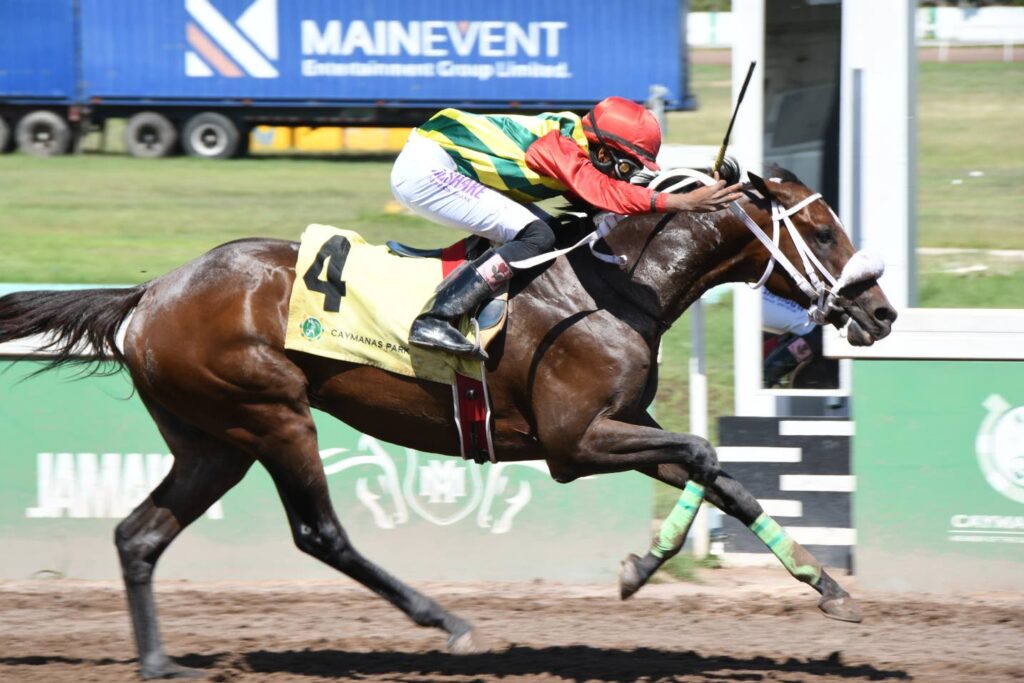
    Three weeks after a underwhelming showing that left his form in question, American-bred Thoroughbred colt Barnaby cemented his comeback with a dominant, record-backed win at Jamaica’s iconic Caymanas Park on Sunday, April 26, 2026.

    Heading into the $1.4-million Legal Light Trophy, a 1,820-meter (nine furlongs and 25 yards) Open Allowance feature race, Barnaby carried plenty of doubt with him. His only prior attempt at this exact distance back in August 2025 ended in a fourth-place finish as the heavy 4-5 favourite, and just three weeks prior, he crossed the line in third place at the record-shattering 1,700-meter Ian Levy Cup, trailing front-runners Rideallday and Supernatural Power. What many wrote off as a sign of Barnaby’s true ceiling, however, was just prep work for his headline performance.

    Sent out under jockey Raddesh Roman for trainer Anthony Nunes, Barnaby turned the competitive feature race into a solo display of racing class. Breaking cleanly from the gate, he settled into a steady, comfortable pace through the first half of the race, with split timings of 25.3 seconds for the first quarter, 49.3 for the half, 1:14.1 for six furlongs, and 1:40.2 for the first mile. When Roman gave the colt just a light nudge at the 600-meter (three-furlong) marker, Barnaby accelerated away from the field effortlessly, crossing the finish line a full 7¼ lengths ahead of the competition with a final time of 1:54.2.

    Speaking on behalf of Anthony Nunes’ stable in the winners’ enclosure, Nigel Burke, the trainer’s nephew, confirmed that the dominant win was no happy accident – it was the result of a carefully planned training strategy tailored to the colt’s unique needs.

    “Today was a test to see if he could get back to his true form, and he showed up with outstanding class,” Burke told the Jamaica Observer’s *Supreme Racing Guide*. “He had trained really well coming into this race, we expected this performance. He logged a 49.1 breeze in maintenance training, which is just business as usual for a horse of his calibre.”

    Burke explained that high-class horses like Barnaby do not need grueling dawn workouts to stay race-ready. “With horses like him, you don’t push them too hard in morning training. You just keep them happy, keep them fit, and they show up on race day,” he said.

    The April 6 Ian Levy Cup, run over 8 ½ furlongs in a blistering new track record of 1:41.4, was a learning experience for the stable. While Barnaby finished third, he was never disgraced, beaten by two of the top Thoroughbreds in the country. The decision to drop back to Open Allowance company and stretch the race out to nine furlongs and 25 yards proved to be the perfect combination to unlock the colt’s potential, erasing the memory of his poor 2025 run at the distance. Where his first attempt at the trip fell flat, this second outing was nothing short of emphatic.

    Sunday’s victory makes one thing clear: the Ian Levy Cup was never Barnaby’s ceiling – it was his warm-up. His form is now validated, his competitive confidence is fully restored, and his racing trajectory looks clear. “Once he stays healthy and sound, I think he will only keep improving from here,” Burke added.

    In the final results, Girvano, ridden by Robert Halledeen, claimed second place, while Nunes’ second entry, Neo Star, ridden by Tajay Suckoo, rounded out the top three.