标签: Guyana

圭亚那

  • “I’m not sick”- Jagdeo

    “I’m not sick”- Jagdeo

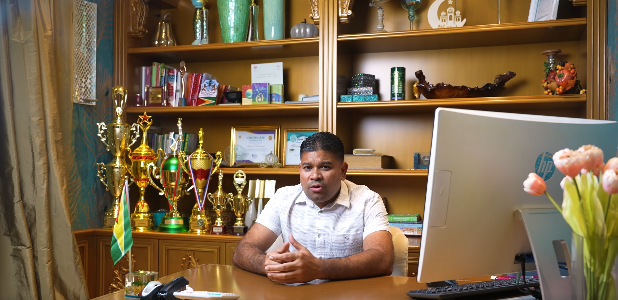
    Guyana’s Vice President Bharrat Jagdeo has publicly refuted widespread speculation about his health, explicitly denying claims that he is battling cancer. The senior official broke his unusual six-week silence from press engagements to directly address growing public conjecture about his physical condition.

    “No! I am not ill. I have not been diagnosed with cancer,” Jagdeo stated emphatically during his December 18, 2025 press conference when questioned by Demerara Waves Online News. The Vice President’s extended absence from his characteristic weekly marathon press briefings—which typically span three to four hours—had fueled rumors throughout November and December that he might be suffering from either prostate or throat cancer.

    Despite the circulation of social media conspiracy theories, including one alleging an impersonator named “Delip” had been paid to represent him, Jagdeo affirmed his authentic presence at recent governmental functions. Documentary evidence showed his participation in cabinet meetings, community council gatherings, and the launch of the Christmas village throughout the period of speculation.

    The political leader referenced the recent honor of having the US$260 million Bharrat Jagdeo Demerara River Bridge named after him during its October inauguration. While notably absent from the ceremonial crossing event, Jagdeo maintains President Irfaan Ali’s continued confidence, having been described repeatedly as a key architect of modern Guyana’s development and the President’s trusted “confidante.”
  • No cash grant promise broken; more cash grants coming but “you have to earn too”- Jagdeo

    No cash grant promise broken; more cash grants coming but “you have to earn too”- Jagdeo

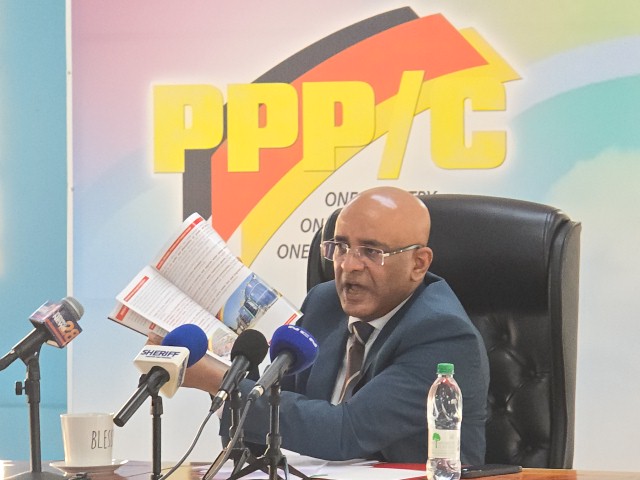
    Guyana’s Vice President Bharrat Jagdeo has firmly refuted claims that his administration broke a promise to distribute cash grants before Christmas 2025. During a press briefing on Thursday, Jagdeo presented his party’s election manifesto to demonstrate that no specific pre-holiday payout commitment had been made.

    The Vice President explained that no funds have been allocated in the Treasury for such disbursements, emphasizing that implementing the cash transfer program would require parliamentary approval and several months of preparation. He recalled that earlier this year, the government needed five months to execute a similar program, which encountered challenges including attempted system exploitation.

    Jagdeo characterized President Irfaan Ali’s previous comments about potential Christmas payments as humorous remarks rather than policy commitments. “Jocularly, the President said if you’re good people… and this is what they are building their campaign on,” he stated, referencing opposition claims from We Invest in Nationhood (WIN) and A Partnership for National Unity (APNU).

    The Vice President confirmed that cash grants of GY$100,000 would be distributed following the approval of the 2026 National Budget early next year, with projected costs exceeding GY$60 billion. However, he cautioned citizens against developing dependency on government transfers, emphasizing that “You got to earn too. Cash grants should help supplement what you have.”

    Jagdeo outlined broader social programs including soft loans and grants for small business development through a planned US$200 million development bank, financial support for housing programs, and community improvement initiatives. He revealed plans for over GY$800 billion in housing investments for hundreds of thousands of families over the next five years, alongside increased support for children, pensioners, and workers.

  • Pres Ali announces Christmas bonus for Joint Services

    Pres Ali announces Christmas bonus for Joint Services

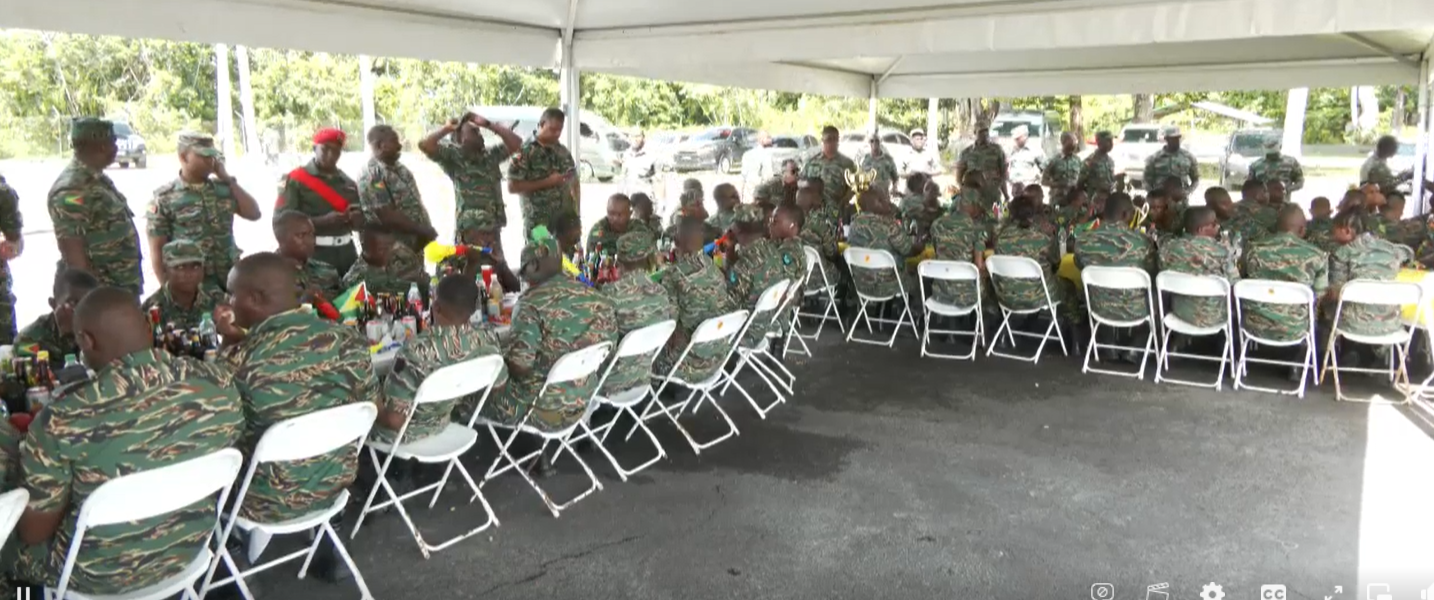
    In a significant pre-Christmas announcement, Guyana’s President Irfaan Ali declared a substantial financial bonus for the nation’s Disciplined Services personnel during a ceremony at the Guyana Defence Force’s Base Camp Stephenson on December 18, 2025.

    The presidential decree guarantees a full month’s tax-free salary bonus for all approximately 13,000 members across multiple security sectors, including the police force, military personnel, prison service staff, and firefighters. This generous holiday gesture represents a total financial injection of GY$2.1 billion into the hands of those serving on the nation’s frontlines.

    President Ali emphasized the administration’s consistent recognition of the security forces’ invaluable contributions to national stability and border protection. “Over the past five years, we have not only restored the one month tax-free bonus to the Disciplined Services, but we have also increased salaries, adjusted pay scales, accelerated promotions, and expanded training opportunities,” stated Dr. Ali during his address.

    The President further highlighted the government’s comprehensive investment strategy for security personnel, which has exceeded GY$6 billion over the past five years. Beyond immediate financial compensation, the administration is focused on long-term professional development through educational initiatives like the Guyana Online Academy of Learning (GOAL) and the Ministry of Education’s Guyana Digital School program.

    Dr. Ali praised the courage and sacrifice of security personnel, acknowledging their role in safeguarding the nation’s sovereignty and protecting Guyanese citizens. The bonus initiative demonstrates the government’s commitment to both immediate financial recognition and long-term career development for those serving in essential security roles.

  • First flight lands on reconstructed Aishalton airstrip

    First flight lands on reconstructed Aishalton airstrip

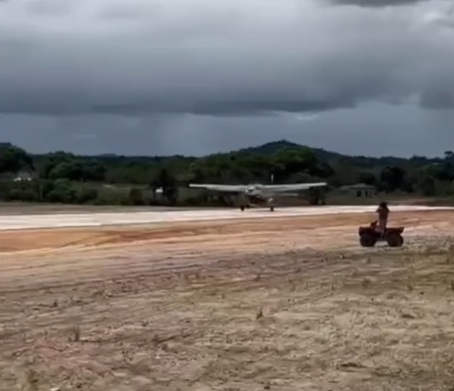
    A new era of aviation connectivity has dawned for Guyana’s hinterland communities as the first aircraft successfully touched down on the completely reconstructed Aishalton Airstrip on Thursday, December 18, 2025. The landmark event, announced by President Irfaan Ali, represents the culmination of a community participation model project that transforms regional transportation infrastructure.

    According to Aviation Minister Deodat Indar, the comprehensive upgrade required an investment of just over GY$1 billion. The newly operational facility boasts a substantial 2,500-foot rigid concrete runway capable of handling regular air traffic. The modernization includes a dedicated parking apron with capacity for two aircraft simultaneously, alongside state-of-the-art safety enhancements comprising precision runway lighting, professional markings, and comprehensive signage systems.

    This achievement forms part of a broader governmental initiative to revolutionize transportation access in remote regions. The administration has allocated GY$2.5 billion specifically for the rehabilitation and completion of multiple hinterland airstrips, including strategic locations at Apoteri, Chenapou, Jawalla, and Sand Creek. The Aishalton project serves as a flagship demonstration of this infrastructure development program.

    The enhanced airstrip is projected to significantly improve emergency response capabilities, economic opportunities, and social connectivity for the Aishalton community. By reducing isolation and facilitating reliable transport links, the infrastructure upgrade promises to transform healthcare access, educational resources, and commercial exchange for residents who previously faced substantial travel challenges.

  • Govt broke cash grant “contract”- WIN Leader

    Govt broke cash grant “contract”- WIN Leader

    In a significant political development, Azruddin Mohamed, Leader of the We Invest in Nationhood (WIN) party, has launched a forceful critique against President Irfaan Ali and Vice President Bharrat Jagdeo for allegedly reneging on a key election commitment. The controversy centers on the promised distribution of cash grants to Guyanese citizens during the Christmas season.

    During Wednesday night’s address, Mohamed characterized the government’s pre-election assurances of immediate cash payments as a “broken moral contract” rather than merely unfulfilled policy promises. He emphasized that while both President Ali and Vice President Jagdeo had explicitly signaled the payout would occur, the administration subsequently announced the GY$100,000 grants would only be distributed after the 2026 national budget approval early next year.

    Mohamed, whose party secured 16 seats in the September 1 general and regional elections to become Guyana’s main opposition force, dismissed the planned amount as “meagre” despite the country’s substantial oil revenues. He asserted the cash grant promise functioned primarily as a “campaign tool, not a guaranteed obligation,” directly referencing the President’s August campaign statement in Eccles suggesting payments would be contingent on proper behavior.

    The political confrontation extends beyond the cash grant controversy. Mohamed also criticized President Ali for commencing his address 35 minutes late and for delivering his five-year policy agenda exclusively to diplomats and government officials rather than addressing Parliament and opposition lawmakers.

    Complicating matters further, Mohamed’s potential ascension to Opposition Leader remains pending as National Assembly Speaker Manzoor Nadir has yet to convene opposition parliamentarians for the necessary election. Attorney General Anil Nandlall has publicly opposed Mohamed assuming the role, citing ongoing extradition proceedings initiated by the United States regarding alleged financial crimes connected to Mohamed’s gold trading business and luxury car importation activities.

    The Alliance for National Unity (APNU), holding 12 parliamentary seats, has concurrently demanded a larger GY$150,000 cash grant, citing the Finance Ministry’s mid-year economic report as evidence of sufficient available funds. APNU argues this enhanced amount would better cushion citizens against rising living costs and stimulate business activity during the holiday season.

  • Walton-Desir, Duncan slam President for bypassing Parliament in outlining five-year agenda

    Walton-Desir, Duncan slam President for bypassing Parliament in outlining five-year agenda

    Guyana’s political opposition has launched fierce criticism against President Irfaan Ali for unveiling his administration’s five-year policy agenda outside the traditional parliamentary framework. The move, occurring on December 17, 2025, has sparked concerns about democratic erosion and institutional bypass.

    Forward Guyana Movement Leader Amanza Walton-Desir challenged the diplomatic community’s apparent acquiescence to this departure from established parliamentary practice. She emphasized that the address conventionally belongs within parliamentary proceedings, properly recorded in official Hansard records regardless of opposition participation.

    The controversy unfolds against a backdrop of parliamentary paralysis, with the legislature currently lacking an officially recognized opposition leader. This institutional vacuum has complicated constitutional norms and raised questions about democratic safeguards.

    APNU Parliamentarian Sherod Duncan characterized the external announcement as a ‘democratic red flag,’ noting the symbolic significance of the President choosing to present his vision outside the Arthur Chung Conference Centre rather than within the parliamentary chamber. Duncan interpreted this as a deliberate avoidance of legislative scrutiny and a troubling treatment of democratic institutions as optional.

    Central to the controversy is the status of Azruddin Mohamed, whose potential election as opposition leader remains pending. Mohamed and his father face extradition proceedings to the United States for alleged financial crimes, creating additional complications for Guyana’s political landscape.

    Both opposition figures emphasized that the exclusion of elected representatives from a supposedly national agenda presentation demonstrates intentional marginalization rather than accidental oversight. They pledged to subject the government’s plan to rigorous parliamentary examination through appropriate channels.

    The opposition leaders called for renewed commitment to transparent governance, open debate, and democratic accountability, insisting that Guyana’s future should be shaped through inclusive processes rather than unilateral announcements outside locked parliamentary doors.

  • GY$100,000 cash grant in 2026 budget

    GY$100,000 cash grant in 2026 budget

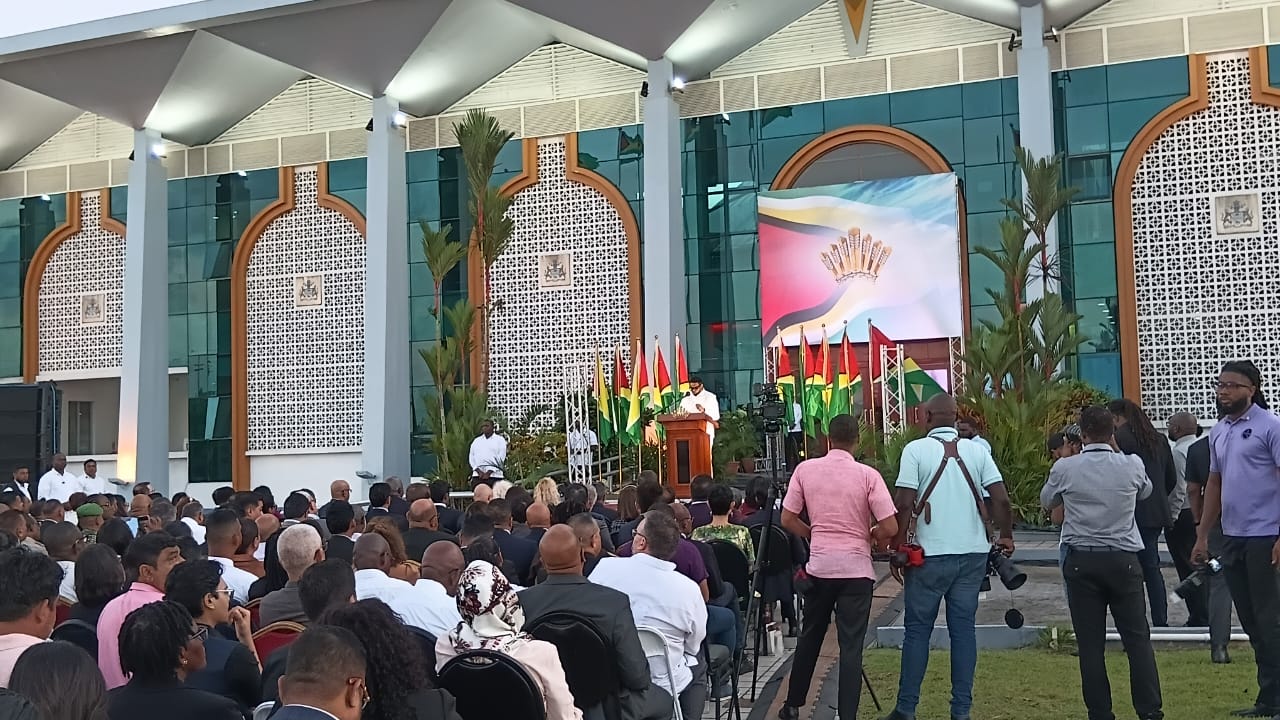
    In a significant national address delivered Wednesday evening at the Arthur Chung Conference Centre in Liliendaal, President Irfaan Ali unveiled substantial economic measures that will directly impact Guyanese citizens. The centerpiece announcement confirmed that all Guyanese citizens aged 18 and above will receive a cash grant of GY$100,000 (approximately US$480), with funding allocated in the forthcoming 2026 national budget.

    During his comprehensive two-hour presentation to diplomats and senior government officials, President Ali emphasized that cash transfers serve as crucial instruments for achieving specific policy objectives. He further indicated that additional cash grants would be distributed throughout his five-year presidential term, though specific details and timelines were not fully elaborated.

    The announcement follows previous campaign trail promises made during the 2025 general election, where President Ali had suggested citizens might receive Christmas holiday cash grants conditional on good behavior. The delayed implementation has sparked speculation within political circles, with some observers suggesting the administration may be avoiding parliamentary procedures that would involve interaction with opposition figures.

    Notably, the main opposition WIN party leader Azruddin Mohamed and his father currently face extradition proceedings to the United States over alleged financial crimes. House Speaker Manzoor Nadir has yet to convene a meeting for Mohamed’s constitutional election as Opposition Leader, a position that Attorney General Anil Nandlall believes could potentially harm Guyana’s international reputation.

    In parallel developments, President Ali announced substantial wage increases for government workers, who will earn GY$50,000 monthly beginning next year. The administration also revealed ambitious plans to establish tax-free special development zones nationwide, strategically designed to boost employment in non-oil sectors through import substitution initiatives. These zones will specifically target regions with high unemployment needs while promoting economic activities that generate export earnings or reduce import dependency.

    The precise locations for these development zones will be formally identified in the 2026 budget presentation. Additionally, the government committed to providing financing programs for Amerindian communities to enhance housing quality and infrastructure development.

  • US President bans and restricts entry of nationals from three Caribbean countries

    US President bans and restricts entry of nationals from three Caribbean countries

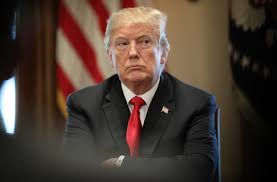
    In a significant immigration policy move, the Trump administration has announced stringent entry restrictions targeting nationals from three Caribbean Community (CARICOM) member states. Effective January 1, 2026, citizens of Antigua and Barbuda, Dominica, and Haiti will face either complete bans or limited access to the United States.

    President Donald Trump justified these measures as essential for national security, citing inadequate screening protocols and information-sharing deficiencies in these nations. The policy represents an extension of travel restrictions initially implemented during his first term, which were subsequently upheld by the Supreme Court.

    The administration specifically highlighted concerns regarding Citizenship by Investment (CBI) programs offered by Antigua and Barbuda and Dominica. These initiatives grant citizenship to foreign investors without requiring residency, creating potential security vulnerabilities according to U.S. officials. Trump’s executive order noted that such programs could enable individuals from already restricted countries to obtain secondary citizenship and bypass existing travel bans.

    Under the new regulations, consular officers will substantially reduce visa validity periods for nationals of these Caribbean nations to the maximum extent permitted by law. The restrictions apply comprehensively to both immigrant and nonimmigrant visas, including B-1, B-2, B-1/B-2, F, M, and J categories.

    The policy expansion also affects several additional countries beyond the Caribbean region. Afghanistan, Burma, Chad, Republic of the Congo, Equatorial Guinea, Eritrea, Iran, Libya, Somalia, Sudan, and Yemen will face complete entry restrictions. Meanwhile, Angola, Benin, Côte d’Ivoire, Gabon, The Gambia, Malawi, Mauritania, Nigeria, Senegal, Tanzania, Tonga, Zambia, and Zimbabwe will encounter partial limitations.

    The administration emphasized that these measures result from unsuccessful diplomatic engagements aimed at improving information-sharing practices and security protocols with the affected nations.

  • Agro-chemicals from Guyana allegedly smuggled into Suriname

    Agro-chemicals from Guyana allegedly smuggled into Suriname

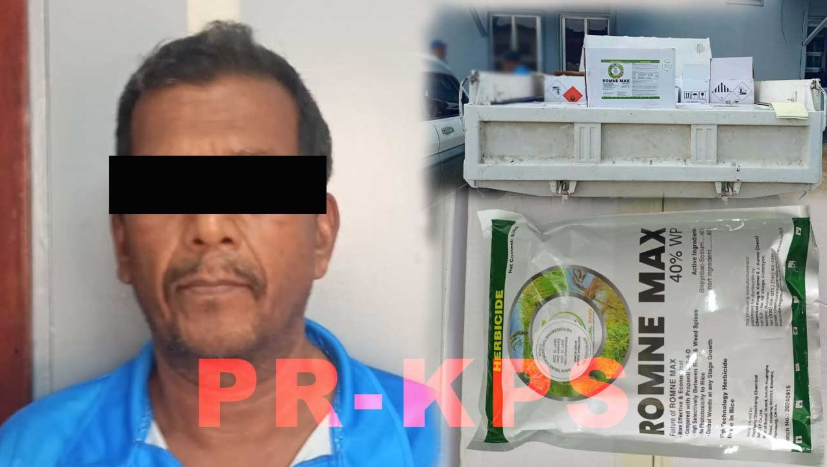
    Surinamese authorities have apprehended a 63-year-old businessman identified by initials J.P. in connection with an illicit cross-border agro-chemical smuggling operation. The arrest occurred Monday at a storage facility on Ramawat Soechitweg in western Suriname following actionable intelligence received by local law enforcement.

    Police surveillance operations led to the discovery of ten containers of unauthorized herbicides concealed within a truck bed at the specified location. According to official statements from the Suriname Police Corps, the suspect confessed to transporting the regulated substances from neighboring Guyana utilizing unauthorized border crossing points known locally as ‘back track’ routes.

    Investigations reveal the detained individual intended to distribute the contraband chemicals through his agricultural supply retail establishment. Law enforcement officials have impounded both the chemical shipments and the transportation vehicle used in the operation.

    Following judicial review, the suspect remains in pretrial detention pending completion of the criminal investigation. This incident marks the second major smuggling case between the two South American nations within recent weeks, following last month’s interception of illegally transported fuel from Guyana destined for unauthorized sale in Suriname.

    The case highlights ongoing challenges in border security coordination between Suriname and Guyana, particularly regarding regulated agricultural materials that require proper certification and taxation for cross-border commerce.

  • Norton promises to revitalise PNCR after recent electoral defeat

    Norton promises to revitalise PNCR after recent electoral defeat

    In the wake of the People’s National Congress Reform’s (PNCR) most devastating electoral performance, party leader Aubrey Norton has unveiled a comprehensive strategy to rebuild and revitalize the political organization. The September 1, 2025 general and regional elections saw the PNCR-led coalition, A Partnership for National Unity (APNU), secure merely 12 parliamentary seats—a stark contrast to the ruling People’s Progressive Party Civic’s 36 seats and newcomer We Invest in Nationhood’s 16 seats.

    Addressing supporters on the party’s weekly program ‘Nation Watch,’ Norton acknowledged the severity of the defeat, stating that the party cannot ‘bury your head in the sand’ following such a significant electoral setback. The veteran politician, who has been with the PNC since the 1970s, identified several factors contributing to the poor showing, including the absence of a coalition with the Alliance For Change, well-financed opposition campaigns, alleged electoral irregularities, and a voters list containing names of emigrants, migrants, and deceased persons.

    Norton’s revitalization plan centers on extensive grassroots engagement beginning in the first quarter of 2026. The initiative will focus on understanding Guyanese citizens’ desires, improving parliamentary representation, and deploying social workers to assist and guide youth populations. ‘We will engage the youth because I do believe that urgent work needs to be done with the youth,’ Norton emphasized, criticizing the current government for displacing young people’s priorities and hindering their development as future leaders.

    The PNCR leader also pledged to address internal party disunity, which he acknowledged had ‘accumulated’ over time. His strategy includes creating a corps of educated and trained young party members who can eventually assume leadership roles. Norton stressed that youth must be educated that politics is about service rather than mere position-seeking, and that commitment should extend beyond electoral victories.

    Looking forward, Norton expressed hope that within twelve months, national discourse could shift toward Guyana’s comprehensive development, proper resource allocation, addressing ethnic problems connected to social, economic and political challenges, and establishing a properly managed Natural Resources Fund that saves for future generations.