标签: Guyana

圭亚那

  • SOCU says illegal cambio busted at Mohamed’s building; Azruddin Mohamed denies accusation

    SOCU says illegal cambio busted at Mohamed’s building; Azruddin Mohamed denies accusation

    A significant law enforcement operation has ignited a political firestorm in Guyana, pitting the country’s Special Organised Crime Unit (SOCU) against prominent businessman and Opposition Leader Azruddin Mohamed. The confrontation centers on allegations of illegal foreign exchange operations at Mohamed’s Enterprise on Lombard Street, which authorities claim continued despite the revocation of its license in June 2024.

    SOCU released timestamped video evidence dated January 27, 2006, showing what appears to be financial transactions occurring within the premises. The footage depicts an individual, allegedly equipped with recording equipment, receiving money through a cashier cage. Law enforcement officials maintain this evidence substantiates their claim that unlicensed cambio services were being conducted illegally.

    Mohamed vehemently denies the allegations, stating, ‘That is untrue. Never ever!!! I looked at the video and I am not seeing no USD.’ The businessman acknowledges the presence of hundreds of U.S. dollars in the building but argues this doesn’t prove illegal operations. He questions the logic of the accusation, noting that if they were genuinely operating an illegal cambio, they would have possessed substantially larger sums of money.

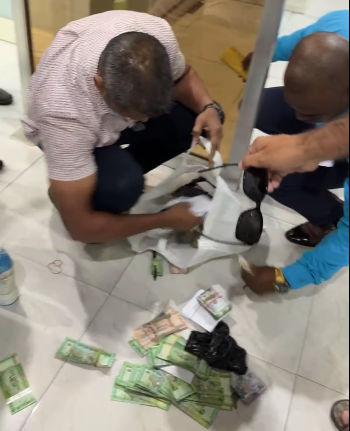
    The raid resulted in the seizure of nearly GY$2 million and multiple boxes of documents. Mohamed claims these funds were designated for charitable purposes, intended to assist less fortunate individuals who regularly seek help at his establishment. Five staff members detained during the operation were later released on their own recognizance.

    This incident occurs against the backdrop of previous sanctions imposed by the U.S. Treasury Department’s Office of Foreign Assets Control (OFAC) against Mohamed and his father, Nazar ‘Shell’ Mohamed, for alleged gold smuggling and tax evasion. SOCU characterizes Wednesday’s action as part of a broader national and regional security strategy targeting organized criminal networks involved in gold smuggling, illicit financial flows, and unlicensed money exchanges.

    The law enforcement agency emphasized its commitment to combating financial crimes without political influence, stating it ‘performs its lawful functions with a strict mandate, without any political influences.’ SOCU officials confirmed that charges would be filed shortly and that a detailed forensic and financial examination of seized materials is underway.
  • Police search Mohameds former business headquarters; seize cash, boxes of documents

    Police search Mohameds former business headquarters; seize cash, boxes of documents

    In a significant development within Guyana’s political landscape, agents from the Special Organised Crime Unit (SOCU) of the Guyana Police Force executed a search warrant on Wednesday at a Lombard Street, Georgetown property formerly housing the Mohamed family’s gold dealership and foreign exchange operations. The operation has sparked allegations of political retaliation from opposition leader Azruddin Mohamed, who connects the raid to his recent parliamentary disclosure about financially supporting the ruling People’s Progressive Party (PPP).

    Law enforcement authorities confiscated approximately GY$2 million in local currency and multiple boxes containing gold trading documentation during the 30-minute operation. Additionally, agents seized a personal firearm belonging to one of Mohamed’s uncles and detained another uncle along with an employee for questioning at a nearby police station.

    Mohamed, who leads the primary opposition We Invest in Nationhood (WIN) party, characterized the operation as ‘sheer political persecution’ motivated by his criticism of the current administration. He maintained that the seized funds were designated for charitable distributions to less fortunate citizens, stating: ‘All they found was a couple hundred dollars that we would help beggars on a daily basis.’

    The businessman documented the entire search procedure through video recording as a protective measure against potential evidence tampering. He repeatedly urged SOCU agents to accompany him during the inspection to prevent any alleged planting of illicit materials on the premises.

    This marks the first law enforcement search of Mohamed properties since the United States Treasury Department’s Office of Foreign Assets Control (OFAC) imposed sanctions in June 2024 for alleged gold smuggling and tax evasion activities. Mohamed revealed that commercial banks had previously closed all family accounts following the OFAC designation, forcing withdrawal of existing funds.

    The Mohamed family currently faces extradition proceedings to the United States, where they are wanted in a Florida federal court on charges including mail fraud, wire fraud, and money laundering. Despite these international legal challenges, Mohamed maintains his innocence and asserts that his political standing has made him a target of government persecution.

  • Demerit, e-ticketing integration to tackle “lawlessness” on roads

    Demerit, e-ticketing integration to tackle “lawlessness” on roads

    In a decisive move to address what he characterized as pervasive ‘lawlessness’ on the nation’s roadways, President Irfaan Ali announced a comprehensive technological integration plan for traffic enforcement. The initiative, unveiled during his address at the Guyana Police Force’s 2026 Annual Officers’ Conference, centers on merging the driver demerit system with the existing e-ticketing platform.

    Dr. Ali detailed that this technologically-driven mechanism will empower authorities to systematically pursue drivers who evade paying traffic fines, with supporting legislation to be enacted to formalize the process. The President emphasized that the integration represents a strategic shift towards automated, data-driven law enforcement, aiming to eliminate human error and increase accountability.

    Further expanding on technological advancements, President Ali highlighted the imminent implementation of the police force’s e-case filing and management systems. This digital infrastructure is expected to resolve chronic administrative issues including missing, misplaced, and significantly delayed case files, thereby streamlining judicial processes.

    ‘Technology is here and it will be utilized optimally in the Guyana Police Force,’ President Ali asserted, signaling a new era of digital policing aimed at enhancing public safety and regulatory compliance on Guyana’s transportation networks.

  • Scanners coming for self-declaration of baggage at airports

    Scanners coming for self-declaration of baggage at airports

    Guyana’s President Irfaan Ali has unveiled a transformative airport security initiative that will introduce specialized baggage scanning technology across the nation’s airports. The announcement was made during his keynote address at the 2026 Guyana Police Force Annual Officers Conference on Wednesday, February 11th.

    The groundbreaking system will enable passengers to self-declare their baggage through automated scanning processes, fundamentally changing how customs and immigration procedures are conducted. President Ali emphasized that this technological advancement will eliminate the common practice of travelers blaming airport officials for declaration issues, stating, “You don’t have to blame a customs officer anymore. You don’t have to blame an immigration officer anymore.”

    The government has established stringent penalties for non-compliance with the new system. Individuals found making false declarations will face substantial financial penalties for initial offenses, with subsequent violations resulting in imprisonment. “Every bag will be scanned,” President Ali declared, underscoring the comprehensive nature of the implementation.

    In related developments, the President called for an urgent tripartite meeting involving executive, legislative, and judicial branches of government. This high-level consultation will address the integration of a proposed police e-case filing and management system with the existing Court infrastructure, representing another significant step in Guyana’s digital transformation of public security services.

    The baggage scanning initiative marks a substantial advancement in Guyana’s airport security protocols, potentially serving as a model for other Caribbean nations seeking to modernize their border control and customs enforcement mechanisms while reducing human intervention in declaration processes.

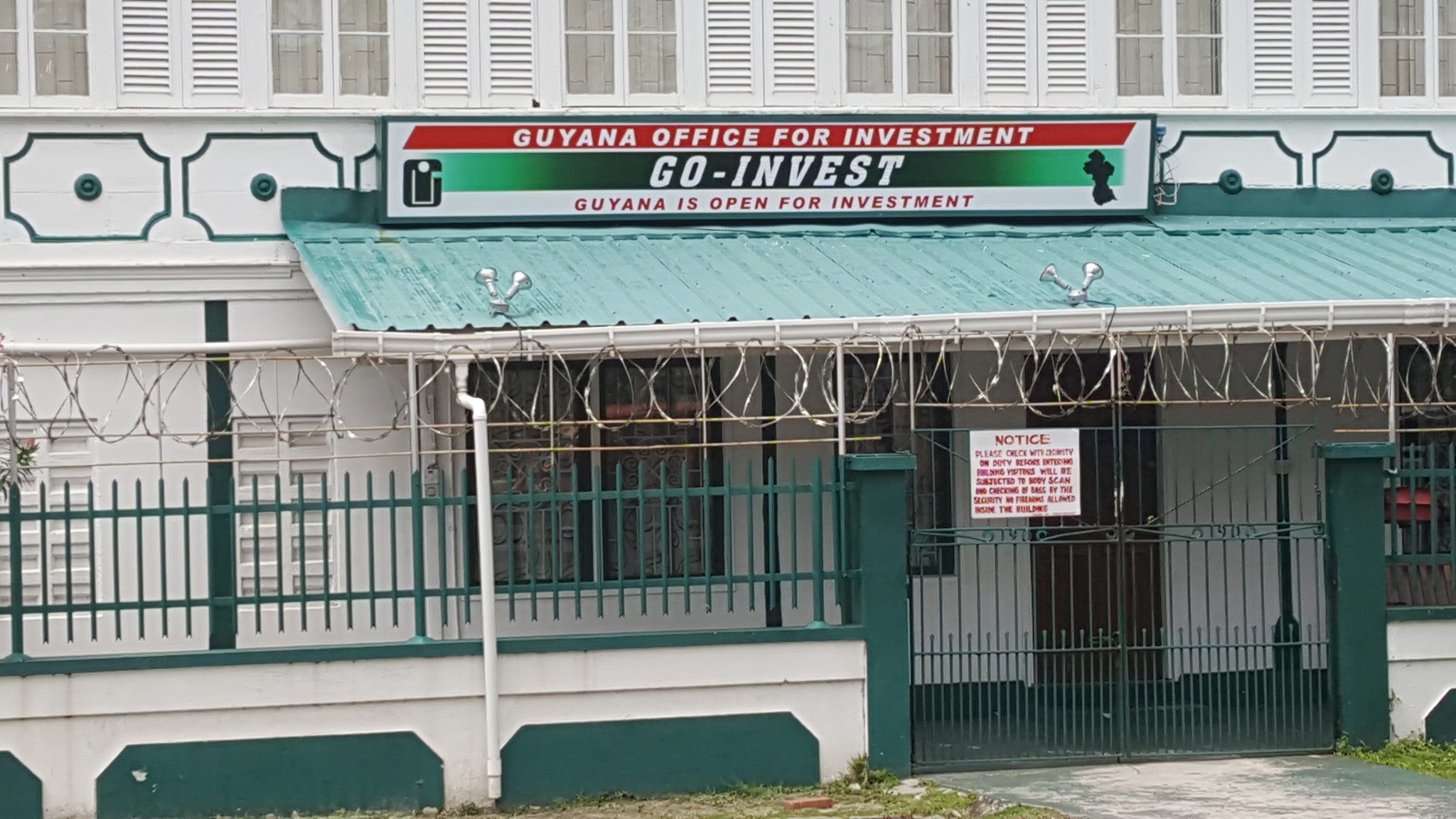
  • GO-Invest says brokered almost GY$160 billion in foreign investments last year

    GO-Invest says brokered almost GY$160 billion in foreign investments last year

    Georgetown, Guyana – The Guyana Office for Investment (GO-Invest) has announced a landmark achievement in the nation’s economic development, reporting GY$157 billion in newly facilitated investments for the year 2025. This substantial figure contributes to a five-year cumulative total exceeding GY$1 trillion, marking a significant milestone in the country’s strategic diversification efforts beyond its oil sector.

    Dr. Peter Ramsaroop, Chief Investment Officer of GO-Invest, provided a detailed breakdown of the 2025 investment portfolio, revealing robust international confidence alongside strong domestic participation. Foreign direct investment accounted for GY$86 billion, while local investments reached GY$64 billion, with joint ventures contributing an additional GY$5.9 billion. This investment distribution demonstrates a balanced economic growth model engaging both international and domestic stakeholders.

    The investment agency emphasized that these capital inflows have accelerated economic diversification and regional development across multiple non-oil sectors. Between 2020 and 2025, GO-Invest executed more than 180 investment agreements that secured commitments for over 32,000 direct and indirect jobs, though the agency acknowledged that not all investments in Guyana necessarily pass through their office.

    Substantial investment activity has been recorded across diverse sectors including agriculture, agro-processing, manufacturing, tourism, logistics, construction, housing, Information Communications Technology (ICT), energy services, health care, and education. These strategic investments have generated sustained employment, expanded local enterprise capabilities, strengthened export capacity, and anchored growth in communities across all regions of Guyana.

    Dr. Ramsaroop highlighted the government’s commitment to continuing this accelerated investment trajectory under President Mohamed Irfaan Ali’s Vision 2030 framework, ensuring that economic growth remains broad-based, inclusive, and anchored in long-term national development priorities. “The people of Guyana can be confident: modernized diversification is real, the jobs are real, and the future we are building together is real,” he affirmed.

    The reported investment figures and sectoral distribution provide tangible evidence of Guyana’s successful economic transformation strategy, positioning the country for sustainable growth beyond hydrocarbon resources.

  • GY$25 billion subsidy for GPL

    GY$25 billion subsidy for GPL

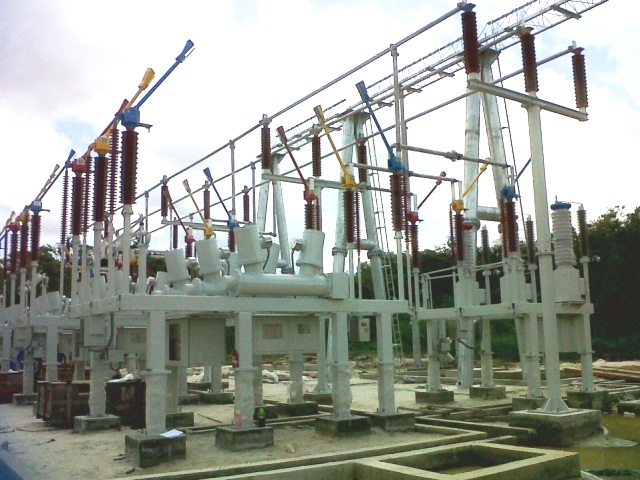
    The Guyanese government has announced a substantial GY$25 billion (Guyanese dollars) subsidy for the state-owned power utility Guyana Power and Light Inc. (GPL) to prevent electricity price hikes for consumers amid rising global fuel costs. The decision was formally disclosed by Public Utilities Minister Deodat Indar during Tuesday’s National Assembly session while reviewing the 2026 national budget expenditures.

    Minister Indar explained that GPL’s financial planning operates on a breakeven basis when fuel prices remain at approximately US$70 per barrel. With current prices significantly exceeding this threshold, the utility faces substantial operational losses without government intervention. “For every dollar increase in fuel prices beyond our breakeven point, GPL incurs an additional GY$543 million in costs due to the massive volume of fuel required for power generation,” Indar stated.

    The minister revealed that GPL’s annual fuel expenditure reaches GY$47 billion, with 93% allocated to Heavy Fuel Oil and the remainder to Light Fuel Oil. These fuel costs represent the dominant component of the company’s generation expenses. The government’s subsidy strategy ensures that consumers will not bear the burden of these increased operational costs.

    In related energy developments, Minister Indar reaffirmed government plans to extend electricity supply from the forthcoming gas-to-energy plant to Linden and sections of the Linden-Soesdyke Highway, representing a significant expansion of the national power infrastructure.

  • High Court throws out WIN candidate’s account closure case against Scotiabank; says law reform needed

    High Court throws out WIN candidate’s account closure case against Scotiabank; says law reform needed

    In a landmark ruling with significant implications for banking customers, Guyana’s High Court has dismissed a legal challenge against Scotiabank’s account closure practices while simultaneously calling for legislative reform to protect consumer rights.

    Justice Nicola Pierre ruled Tuesday that Scotiabank acted within its contractual rights when it terminated the account of Gobin Harbhajan, a political candidate for the We Invest in Nationhood (WIN) party. The judgment emphasized that the Personal Financial Services Agreement signed by all customers explicitly permits the bank to close accounts without cause provided 30 days’ notice is given.

    “This constitutes an unqualified contractual right that does not require the decision-maker to form any judgment or evaluation,” Justice Pierre stated in her written decision, underscoring the bank’s legal position under current contract law.

    The case emerged after Scotiabank closed Harbhajan’s account in August 2025 despite it being in good financial standing. The WIN candidate alleged political discrimination, claiming the closure resulted from his party affiliation and that all WIN members had similarly lost banking access.

    However, the court found no substantiated evidence supporting these claims. Affidavits from Scotiabank’s representative Vibert Jones denied any knowledge of Harbhajan’s political affiliations or any systematic closure of WIN members’ accounts. Justice Pierre noted that “mere assertion or correlation is insufficient” to prove political discrimination.

    The ruling addressed multiple legal dimensions, including:

    1. Contract Law: The court affirmed that banking relationships remain primarily governed by private contract terms rather than public law principles

    2. Procedural Fairness: Justice Pierre determined that banks owe no duty of procedural fairness in account closures as they administer private services, not government functions

    3. Regulatory Compliance: Allegations of Anti-Money Laundering Act violations were dismissed as these obligations are owed to regulatory bodies, not individual customers

    Despite upholding Scotiabank’s actions, Justice Pierre issued a compelling call for legislative reform, noting the critical importance of banking access in modern digital societies. She recommended the National Assembly consider establishing an independent financial services ombudsperson to investigate account closure complaints—a mechanism already implemented in other jurisdictions.

    “The purely contractual nature of the banker-customer relationship that insulates banks from liability at common law is undesirable given the centrality of banking services in contemporary life,” the judge observed, highlighting the growing disconnect between contractual rights and societal needs.

    The decision also clarified that unincorporated political parties like WIN lack legal personality, preventing collective claims, and found no evidence supporting claims of reputational damage or improper sanctions against the party or its members.

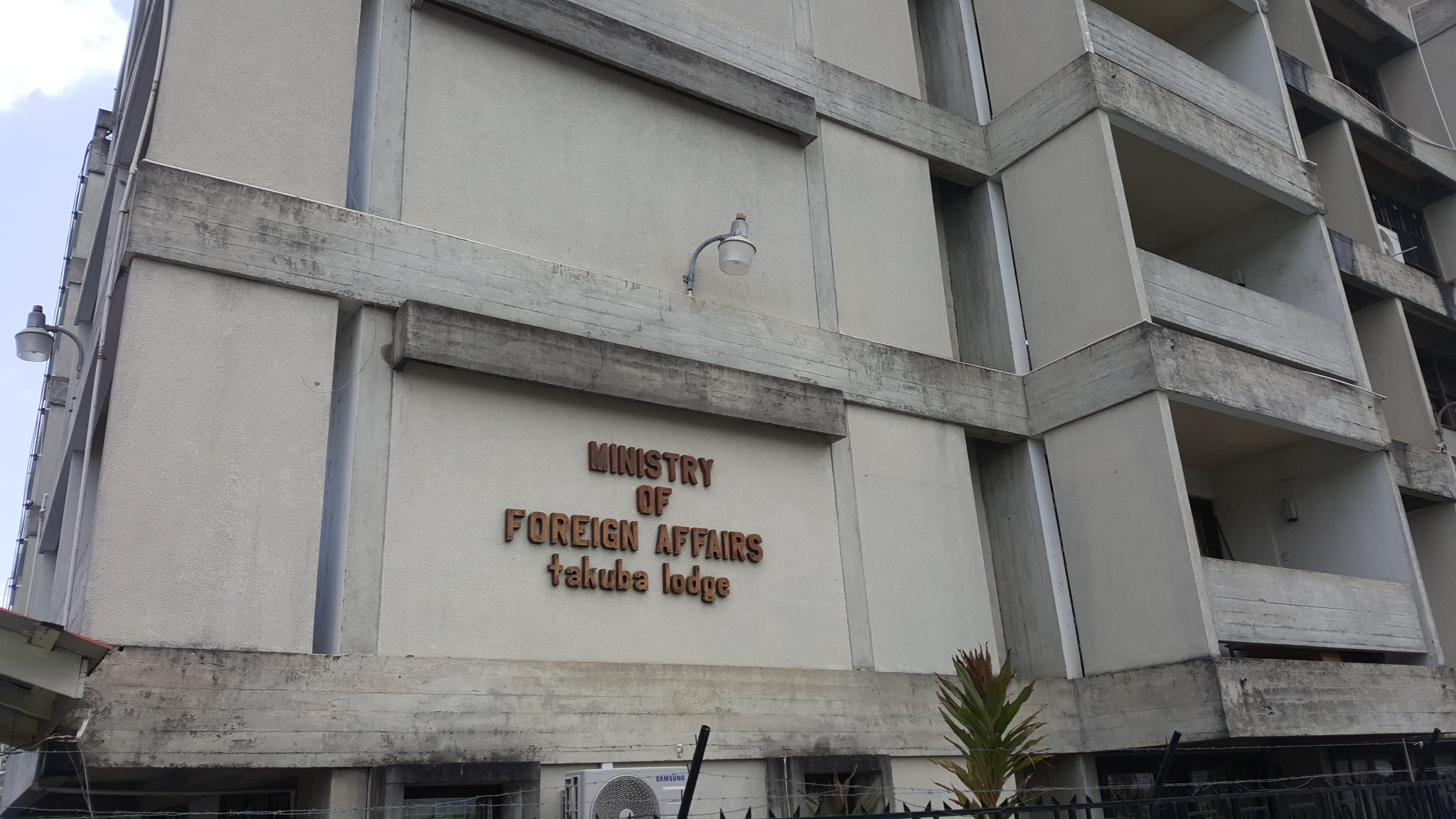
  • Foreign Minister defends hiring foreign lobbyists; two firms to be paid US$90,000 monthly

    Foreign Minister defends hiring foreign lobbyists; two firms to be paid US$90,000 monthly

    Guyana’s Foreign Affairs Minister Hugh Todd has vigorously defended the government’s decision to allocate GY$269.5 million for international lobbying services in 2026, asserting that such representation is essential for navigating global power structures. The controversial expenditure emerged during Tuesday’s National Assembly budget deliberations where opposition lawmakers questioned the substantial investment in foreign consultants.

    Two Washington-based firms—DR Consultancy and Continental Strategy—have been retained at a combined monthly cost of $90,000 USD. Minister Todd clarified that DR Consultancy will receive $40,000 monthly while Continental Strategy commands $50,000 monthly, with contracts spanning six-month and yearly terms respectively.

    Facing pointed inquiries from opposition parliamentarians Tabita Sarabo-Halley of We Invest in Nationhood (WIN) and Amanza Walton-Desir of Forward Guyana Movement, Minister Todd articulated that these registered lobbying entities serve to amplify Guyana’s voice rather than formulate policy. “They take direction from us—we don’t take direction from them,” Todd emphasized, characterizing the arrangement as essential for advancing the nation’s foreign policy objectives.

    The Minister explained that seasoned lobbyists, many being retired diplomats, possess unique access to influential lawmakers and government officials that Guyana’s diplomatic corps cannot routinely access. This capability proves particularly valuable when competing for attention among larger nations, Todd noted, adding that while diaspora volunteers occasionally offer pro bono services, they lack the systematic access required for effective political advocacy.

    The controversy echoes previous criticism from 2025 when the administration faced backlash for employing U.S. lobbyists targeting WIN leader Azruddin Mohamed. This development occurred shortly after two U.S. Congress members publicly criticized Mohamed on social media platform X. Both Mohamed and his father face serious legal challenges, including U.S. sanctions for alleged gold smuggling and tax evasion, alongside ongoing extradition proceedings for wire fraud, mail fraud, and money laundering charges.

  • Govt hopes to wean GUYSUCO off multi-billion dollar subsidies within five years

    Govt hopes to wean GUYSUCO off multi-billion dollar subsidies within five years

    The Guyanese government has announced an ambitious five-year strategic plan aimed at revitalizing the financially troubled Guyana Sugar Corporation (GUYSUCO) and eliminating its dependence on state subsidies that currently amount to billions of dollars annually.

    Agriculture Minister Zulfikar Mustapha revealed the turnaround strategy during parliamentary proceedings on Tuesday, February 10, 2026, in response to questioning from opposition parliamentarians. The plan represents a significant shift in approach for the wholly state-owned corporation, which has relied on government support for decades.

    Central to the revitalization effort is an aggressive mechanization program that has already reached 41% implementation. Minister Mustapha detailed substantial investments in new agricultural machinery, including billet cutters, planters, and harvesters, scheduled for acquisition over the next five years. These technological upgrades are expected to dramatically improve operational efficiency and reduce production costs.

    The corporation’s financial challenges are substantial. GUYSUCO currently owes approximately GY$1 billion to the National Insurance Scheme (NIS), while 81% of its GY$8.4 billion allocation will be directed toward covering part of its GY$20 billion wage and salary obligations.

    Production statistics reveal the scale of the challenge. Sugar output has declined steadily over the past 15 years due to adverse weather conditions and industrial unrest, with 2025 production reaching only 59,200 metric tonnes against a revised target of 70,000 metric tonnes. The government has set an ambitious target of 100,000 metric tonnes for the current year, representing a 36% increase.

    Minister Mustapha expressed confidence that factory rehabilitations, improved juice extraction rates, and increased use of plant cane would drive production improvements. He anticipates mechanization rates will reach 50-60% in the near future, significantly enhancing operational capabilities.

    The political context adds complexity to the revitalization effort. The previous administration’s closure of four sugar estates and resulting mass layoffs became a central campaign issue in the 2020 general elections. The current government now faces the challenge of delivering on its promises to restore the industry while achieving financial sustainability.

    Management accountability has been emphasized as a critical component of the turnaround strategy. Regular performance reviews and meetings with estate managers are being implemented to ensure progress toward the 2030 profitability target.

  • 14,000 more adults will be eligible for cash grants

    14,000 more adults will be eligible for cash grants

    In a significant expansion of Guyana’s social welfare program, Prime Minister Mark Phillips announced Monday that approximately 14,000 additional citizens who recently turned 18 years old will become eligible for the GY$100,000 (approximately US$480) cash grant initiative. The declaration came during parliamentary proceedings examining the proposed GY$1.558 trillion national budget for 2026.

    The Prime Minister revealed that while over 600,000 individuals had previously registered for the initial cash distribution more than a year ago, government databases require updating to remove deceased beneficiaries while simultaneously incorporating the new cohort of young adults. This adjustment would bring the total number of eligible recipients to approximately 716,000 Guyanese citizens aged 18 and above, with disbursements expected to commence shortly after budget approval.

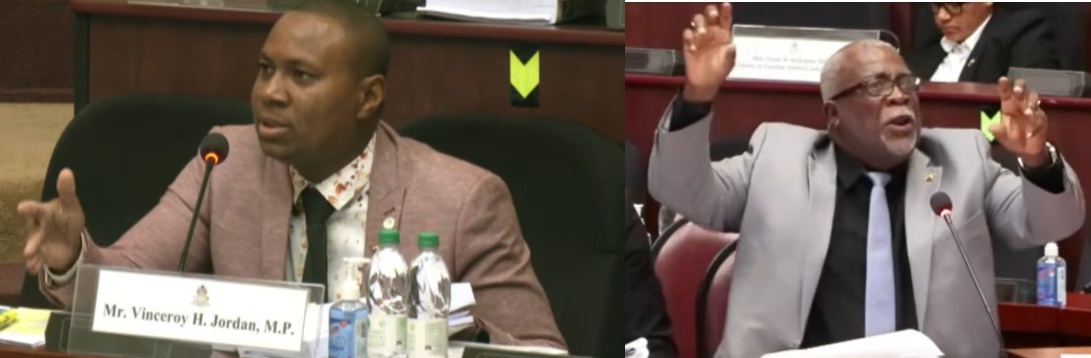
    The announcement faced rigorous questioning from opposition parliamentarian Vinceroy Jordan of A Partnership for National Unity (APNU), who challenged the government’s methodology in determining the grant amount. Jordan specifically inquired about what economic analysis justified maintaining the GY$100,000 per person figure given the country’s elevated cost of living and poverty indicators in 2026.

    Prime Minister Phillips notably avoided providing specific analytical details in response, instead directing attention to Finance Minister Dr. Ashni Singh’s extensive budget presentation that lasted over six hours. Phillips characterized the cash grant as merely one component of a broader “shared prosperity” strategy embedded within the budget, asserting that numerous other relief measures collectively addressed sufficiency concerns beyond the standalone cash transfer.

    When Jordan persistently reiterated his inquiry for the third time, Phillips ultimately responded: “He talks about sufficiency. The simple answer here is sufficiency is $100,000 plus all the other measures in the budget,” effectively concluding the exchange without substantive economic justification.