
A severe accident in the community of El Maizal, Valverde province, left 23 Haitian nationals injured after the minibus they were traveling in lost control, plunged into a river, and subsequently caught fire. The incident occurred last Friday night, prompting a swift and coordinated response from the National Emergency and Security System 9-1-1. Among the injured were four minors, three women, and 16 men, all of whom received immediate pre-hospital care and initial medical evaluations. Emergency services, including 13 ambulances from the Directorate of Out-of-Hospital Emergency Care Services (DAEH), two units from the General Directorate of Traffic Safety and Land Transport (Digesett), and teams from the National Police, Fire Department, and Military and Police Commission (Comipol), converged on the scene. Firefighters worked tirelessly to extinguish the blaze and secure the area, while medical personnel conducted victim triage, stabilization, and transport to nearby health centers. Simultaneously, Digesett, Comipol, and the National Police managed traffic flow and ensured perimeter safety during the rescue operations. The identities and immigration statuses of the victims remain undisclosed, with authorities expected to release a detailed report on the incident shortly.
标签: Dominican Republic
多米尼加共和国
-

It all depends on the color… Subtracting from the positive signs of the Dominican Republic’s economy
The Dominican Republic faces a complex economic landscape as the International Monetary Fund (IMF) emphasizes the urgent need for fiscal and structural reforms. While the country has demonstrated resilience in navigating a turbulent global environment, concerns persist over stagnant incomes, chronic budgetary deficits, and rising public debt. The IMF has called for immediate action to address these issues, particularly in the electricity sector, where subsidies are escalating while revenue from energy supply declines. Economist Rosa Cañete Alonso echoed these concerns, warning that the nation is trapped in a cycle of stagnant revenues and rigid spending, prioritizing debt repayment over future investments. Despite these challenges, the Central Bank of the Dominican Republic highlighted positive developments, noting sustained economic growth and a 3% increase in Foreign Direct Investment (FDI) in 2024, contrasting with an 11% global decline. The Central Bank emphasized the country’s ability to cover its current account deficit and strengthen its regional economic position. However, the opposition has criticized the government, accusing it of economic mismanagement and deteriorating public services. Columnist José Luis Taveras urged the opposition to move beyond unconstructive criticism and propose viable solutions. As the Dominican Republic balances optimism with pressing reforms, the path to sustained economic stability remains a critical focus.
-
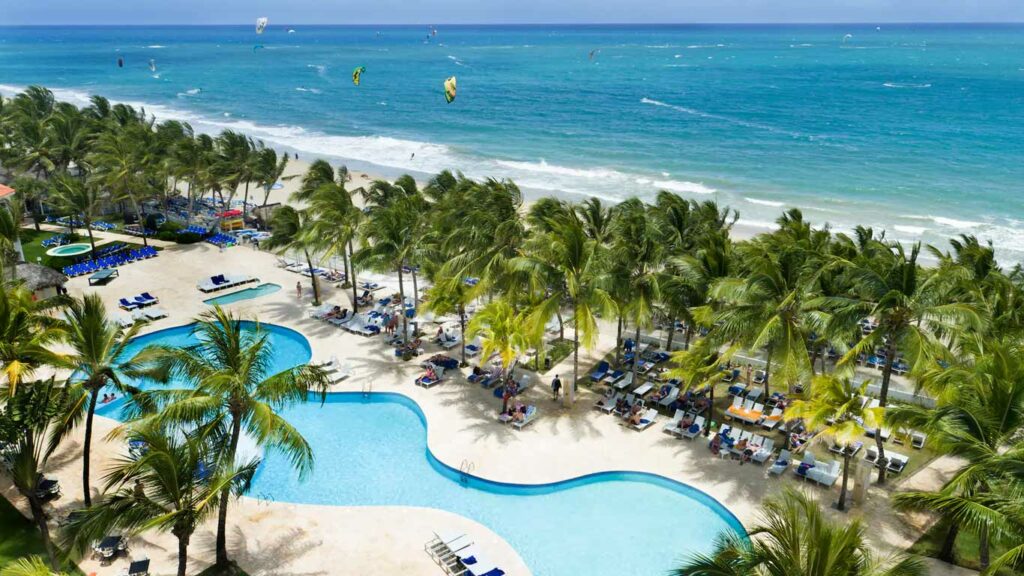
High demand from Argentinians to Puerto Plata “surprises” Wyndham
Viva Resorts by Wyndham is experiencing unprecedented demand from Argentine travelers, driven by new air connectivity and a strategic shift in tourist preferences. Viviana Cuomo, Regional Sales Manager for South America, revealed these developments during the Tourism Marketing Meeting (ECTU) at the Marriott Hotel in Buenos Aires.
Cuomo reported exceptional performance across the group’s Dominican properties, particularly highlighting the Viva Tangerine and Viva Heavens resorts in Puerto Plata. These northern region hotels have become standout choices for the upcoming season, benefiting significantly from Copa Airlines’ expanded flight routes from Córdoba, Rosario, and Mendoza.
The executive identified three key factors driving Argentine interest: competitive pricing, sargassum-free beaches, and diverse cultural experiences beyond traditional resort offerings. Puerto Plata’s comprehensive package—including Tobacco and Rum Circuit tours, Cocoa excursions, key island visits, dolphin water parks, and rich historical attractions—resonates strongly with modern travelers seeking authentic experiences.
Financially, Puerto Plata presents a compelling value proposition with packages starting at $1,700-1,800 during peak season, positioning it favorably against both Punta Cana and Brazilian alternatives. Meanwhile, Viva Miches has completed its first year of operation with remarkably positive market reception, further strengthening the brand’s regional footprint.
This surge in Argentine visitors represents a significant market transformation, with travelers increasingly prioritizing new destinations, seaweed-free beaches, and differentiated experiences that combine recreational and cultural elements.
-
Upturn What does the IMF report say about the Dominican Republic’s economy?
The International Monetary Fund (IMF) has formally recognized the Dominican Republic’s robust economic recovery and underlying resilience, attributing this positive trajectory to effective government policies and key sectoral growth. In its concluding assessment of the 2025 Article IV consultation, the Executive Board highlighted how strategic monetary and fiscal measures, coupled with expansions in credit, exports, and tourism, have fortified the nation’s macroeconomic performance.
Economic projections outlined in the report anticipate growth accelerating to 4.5% in 2026, with a subsequent convergence toward the country’s long-term potential growth rate of 5%. This follows a period of moderated expansion in late 2024 and early 2025, influenced by global financial uncertainty. Despite these headwinds, inflation has remained well-anchored, hovering near the central bank’s target range of 4% (±1%) and is forecast to average 3.7% for 2025.
The IMF’s analysis further indicates a strengthening external position, deemed consistent with fundamental economic principles. The current account deficit is expected to narrow to 2.5% of GDP this year, buoyed by robust export earnings and steady remittance flows. Notably, this deficit is projected to be fully financed by foreign direct investment (FDI), underscoring international investor confidence.
Fiscal health is also on an upward path, with government deficit and debt levels set to decline gradually. This fiscal consolidation is driven by anticipated reductions in losses from the electricity sector and more efficient targeting of energy subsidies. These reforms are poised to generate significant fiscal space for planned increases in public investment.
The report commends the Dominican Republic’s two decades of solid macroeconomic performance, achieved through the continual strengthening of policies and institutions. This foundation positions the nation favorably to navigate external risks, including volatile global financial conditions and vulnerability to natural disasters. The IMF specifically urged authorities to maintain prudent fiscal policies, increase public investment in line with the medium-term budgetary framework, and fully implement the Electricity Pact to ensure sectoral resilience and mitigate fiscal risks.
-
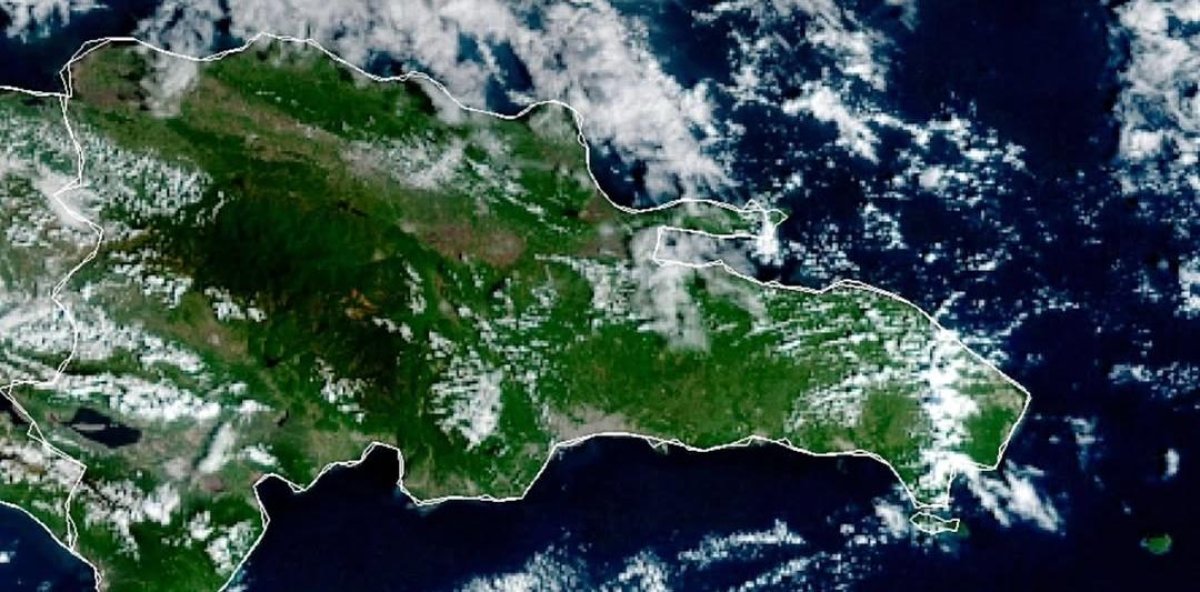
Have you made plans yet? This is the weather forecast for the weekend
The Dominican Republic is set to experience a notable shift in weather conditions this weekend, with temperatures expected to plummet across much of the country. This sudden drop is attributed to the influx of cooler air masses originating from the Atlantic Ocean, as highlighted by meteorological analyst Jean Suriel in his latest weather update.
-
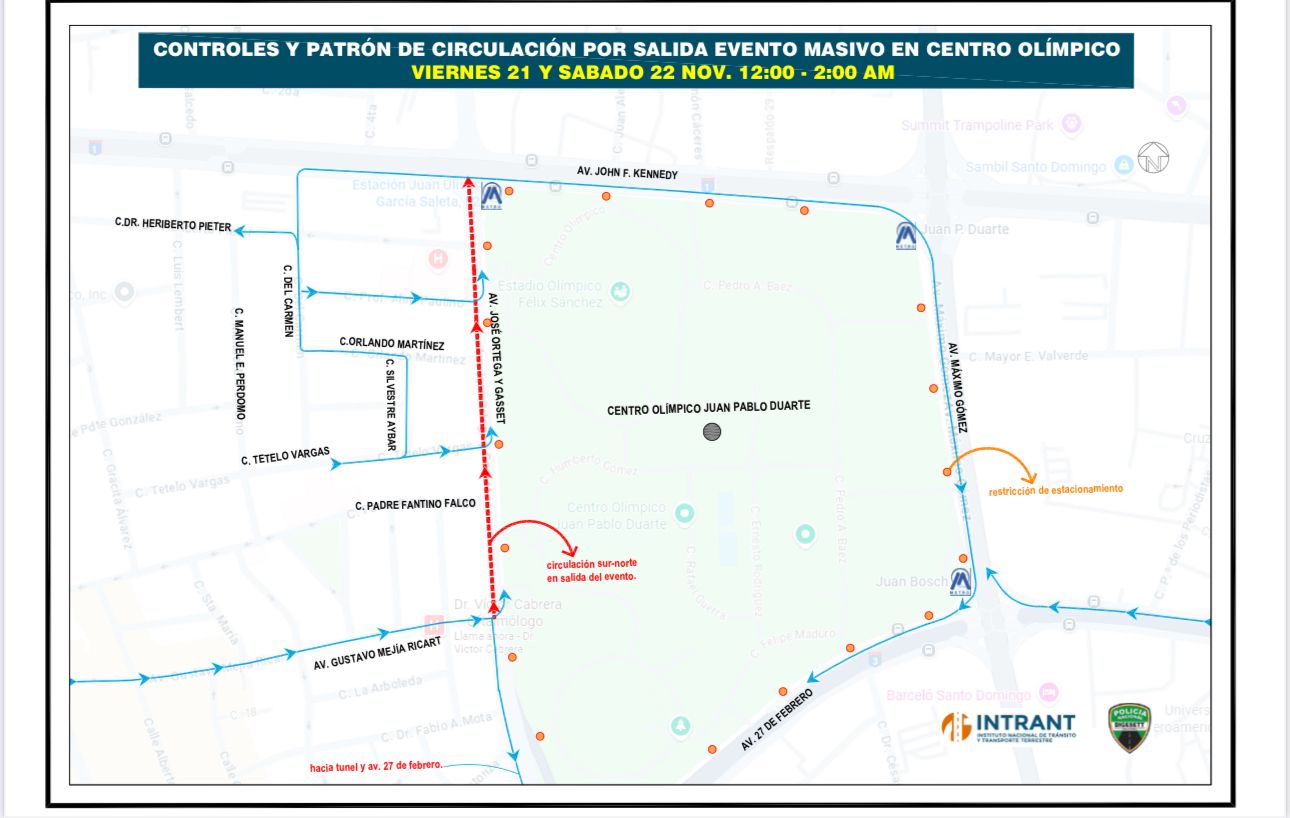
INTRANT issues traffic plan for Bad Bunny’s concerts
In preparation for the highly anticipated Bad Bunny concerts near the Juan Pablo Duarte Olympic Center this Friday and Saturday, the National Institute of Transit and Land Transportation (INTRANT) and the General Directorate of Traffic Safety and Land Transportation (DIGESETT) have unveiled a comprehensive traffic management plan. To mitigate congestion in the event zone, motorists are advised to utilize alternate routes, including Mexico Avenue, Abraham Lincoln Avenue, Independence Avenue, George Washington Avenue, Delgado Street, and Leopoldo Navarro Avenue, starting at 3:00 p.m. These routes are designed to divert traffic away from the immediate vicinity of the Olympic Center. Additionally, parking restrictions will be enforced on major thoroughfares such as Máximo Gómez, 27 de Febrero, John F. Kennedy, and Ortega y Gasset avenues. Sidewalk occupation and lingering in public areas will also be prohibited to maintain order. Vehicle access to the Olympic Center will be strictly limited to sports activities and internal operations, with entry permitted only through gates on Máximo Gómez Avenue and 27 de Febrero Avenue. Buses and tour operator vehicles will be allowed to drop off passengers in surrounding areas, with John F. Kennedy Avenue designated as a primary transfer point. For the concert’s exit, expected in the early morning hours, Ortega y Gasset Avenue will operate exclusively southbound, from Gustavo Mejía Ricart Avenue to John F. Kennedy Avenue, with priority given to pedestrian safety. Authorities have strongly encouraged the use of public transportation, including the Santo Domingo Metro, bus corridors, and authorized taxis, to reduce traffic pressure. Officials emphasized that these measures aim to enhance traffic flow and ensure safer mobility throughout the National District during the event.
-
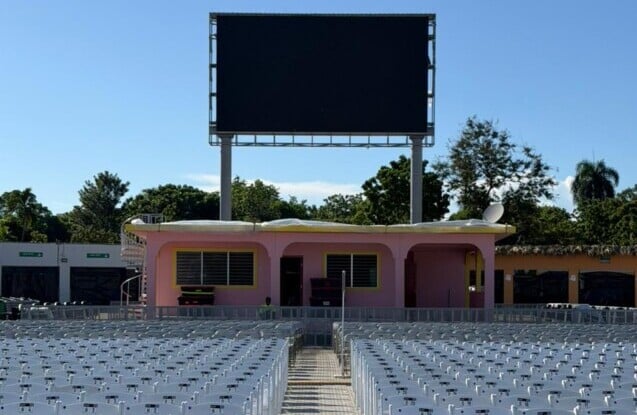
Bad Bunny kicks off his world tour at the Olympic Stadium this Friday
Santo Domingo is set to become the epicenter of global entertainment as Bad Bunny officially launches his highly anticipated ‘DeBÍ TiRAR Más FOTOS World Tour’ this Friday at the Olympic Stadium. The Dominican Republic has been chosen as the starting point for this monumental tour, underscoring the region’s growing prominence in the international music scene.
-

Dominican Republic faces rising diabetes rates
The Dominican Republic is grappling with a mounting diabetes crisis, as highlighted by the National Institute of Diabetes, Endocrinology and Nutrition (INDEN). Recent data reveals that 13.45% of the population is living with diabetes, while an alarming 2.35% remain undiagnosed, leaving them vulnerable to severe health complications. Broader health estimates indicate that 14% of Dominicans have diabetes, and an additional 9.3% are in a prediabetic state, signaling a pressing public health challenge that is overwhelming the nation’s healthcare infrastructure. INDEN has underscored the critical risks associated with undiagnosed diabetes, including heightened chances of cardiovascular disease, kidney failure, and vision impairment due to delayed treatment. The institution has issued a public appeal for regular health screenings, the adoption of healthier lifestyles, and enhanced early-detection initiatives to curb the escalating impact of this chronic condition on the population.
-
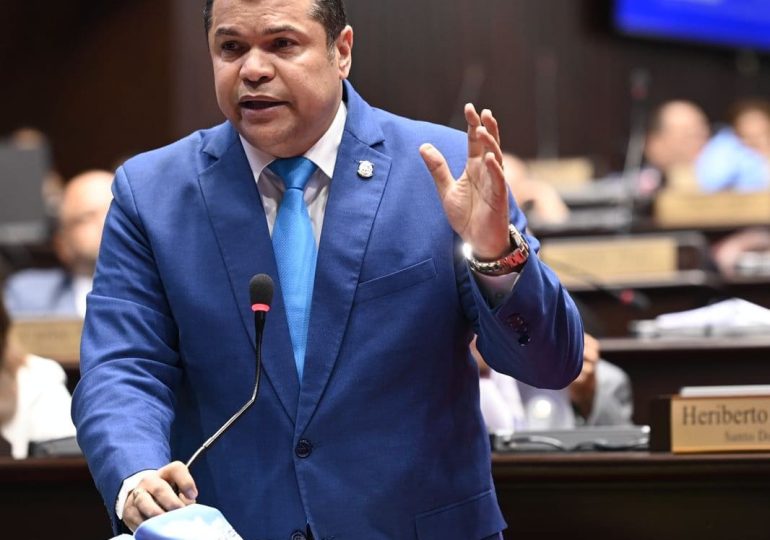
Deputy warns Intrant is profiting from new motorcycle helmet rules
Santo Domingo – Representative Tobías Crespo, the architect behind Law 63-17 on Mobility and Transit, has leveled serious allegations against the National Institute of Transit and Land Transportation (INTRANT). Crespo accused the agency of deviating from its core mission of regulating and ensuring road safety in the Dominican Republic, instead engaging in profit-driven practices. The lawmaker’s critique centers on INTRANT’s new regulation mandating the use of specific motorcycle helmets, which he claims imposes undue financial burdens on motorcyclists. According to Crespo, the helmets, priced at RD$3,500 each for both drivers and passengers, are excessively costly and appear to benefit select companies rather than prioritizing public safety. He argued that this move contradicts the spirit of Law 63-17, which was designed to enhance road safety, not to create exclusive business opportunities. Crespo urged INTRANT to focus on enforcing existing laws that improve mobility and protect citizens, rather than implementing measures that exploit the population. He also referenced Law 176-07, which mandates municipalities to safeguard public interest and prevent policies that prioritize private profit over transparency and security. While Crespo acknowledged the importance of helmets meeting international safety standards, he emphasized that regulations must not be manipulated to financially benefit a privileged few.
-

UN delegation visits Haina Migration Center to review procedures
A high-level delegation from the United Nations’ permanent office in the Dominican Republic recently conducted an inspection of the Haina Migration Processing Center (CPM). The visit was led by UN Resident Coordinator Julia Sánchez, who was welcomed by Vice Admiral Luis Rafael Lee Ballester, Director of the General Directorate of Migration (DGM). During the tour, Lee Ballester provided a comprehensive overview of the procedures applied to undocumented foreigners at the facility, including biometric identification, legal processes, and medical care. He also addressed questions from the delegation regarding the center’s operations and ongoing infrastructure improvements. Sánchez expressed her appreciation for the detailed explanations and reaffirmed the UN’s commitment to supporting the Dominican government in managing migration challenges. She highlighted the complexities arising from the crisis and institutional weaknesses in Haiti, which significantly impact migration control efforts in the Dominican Republic. The delegation also reviewed verification procedures for detainees, such as identity checks, detection of forged documents, and monitoring of recidivism. They acknowledged the collaborative efforts between the DGM and UN agencies like UNICEF, IOM, and UNHCR, which work to protect migrants’ rights and well-being. Lee Ballester emphasized the strong coordination between the DGM and these agencies, particularly UNICEF’s permanent presence at the Haina center, especially in cases involving children. The delegation concluded their visit by touring the facilities and receiving updates on investments and upgrades aimed at enhancing the center’s operations.