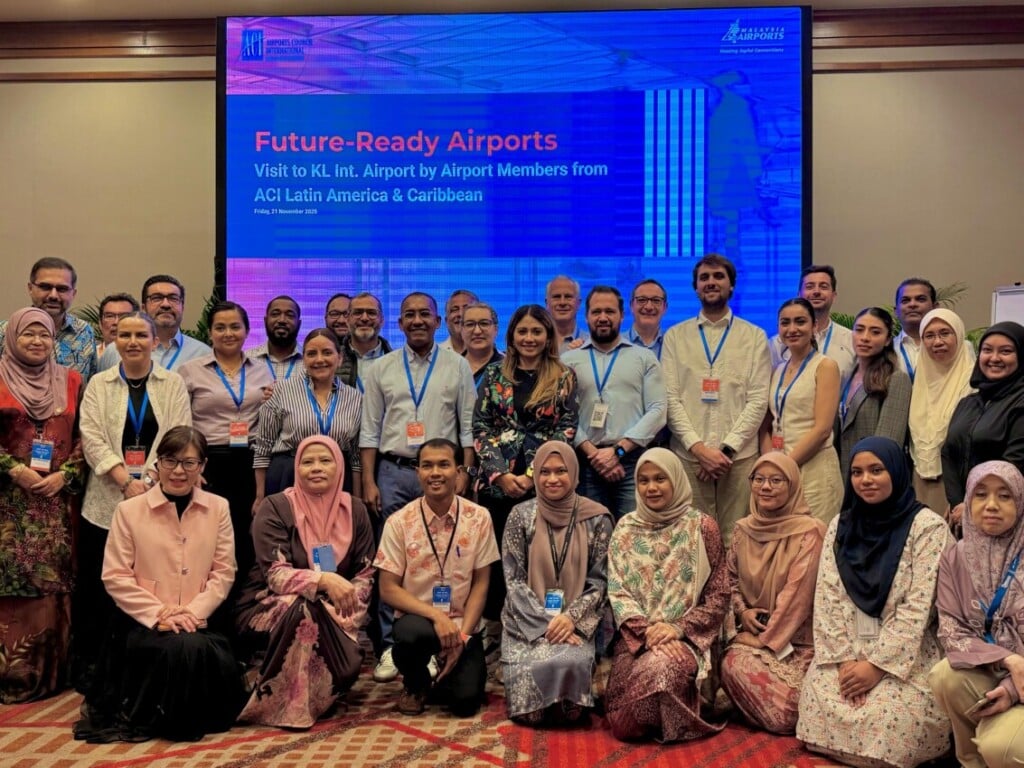
The Dominican Republic’s Airport Department has garnered significant recognition for its active participation in the Airports Council International for Latin America and the Caribbean (ACI-LAC) annual study tour. The event, hosted at Singapore’s Changi Airport and Kuala Lumpur International Airport in Malaysia, provided a platform for global airport leaders to exchange strategic insights and foster collaboration. Rafael Echevarne, ACI-LAC director, underscored the tour’s importance, noting that it offers invaluable exposure to global trends, cutting-edge technologies, and operational best practices that can be adapted to the Latin American and Caribbean region. Víctor Pichardo, director of the Dominican Republic’s Airport Department, highlighted that the knowledge acquired is already being implemented to drive innovation and enhance efficiency across the country’s international and domestic terminals. This fourth edition of the study tour brought together airport representatives from various Latin American and Caribbean nations, enabling them to observe the advanced infrastructure, operational models, and management strategies of two of the world’s leading airports. The event not only strengthened regional cooperation but also contributed to ongoing modernization efforts in the aviation sector.
标签: Dominican Republic
多米尼加共和国
-

Dominican legislators urge U.S. support to confront Haiti’s collapse
In a high-level meeting held in Santo Domingo, leaders of the Dominican Republic’s National Congress, Senate President Ricardo de los Santos and Chamber of Deputies President Alfredo Pacheco, convened with a U.S. congressional delegation led by Brian Mast, Chairman of the House Foreign Relations Committee. The discussions centered on the deteriorating situation in Haiti, with Dominican legislators highlighting the alarming rise in gang dominance, economic collapse, and governance vacuum in the neighboring nation. They underscored President Luis Abinader’s persistent advocacy for international intervention, particularly through platforms like the United Nations. De los Santos and Pacheco emphasized that despite the Dominican Republic’s proactive measures, resolving the crisis necessitates robust international engagement, especially from the United States. They urged the U.S. delegation to convey the urgency of the matter to President Donald Trump, citing the strain on Dominican resources due to the influx of Haitian migrants seeking refuge, education, and essential services. Brian Mast acknowledged the shared challenges posed by Haiti’s instability and reaffirmed the U.S. commitment to addressing the issue. He highlighted the enduring bilateral partnership between the two countries and lauded their collaborative efforts in trade and security.
-

Cool airflow creates pleasant temperatures and isolated showers
In the early hours of Sunday, the Dominican Republic witnessed a shift in weather patterns as the northeast wind brought cloudy skies and scattered rains to several provinces, including Puerto Plata, Espaillat, Hermanas Mirabal, Hato Mayor, Samaná, and Santiago. The Dominican Institute of Meteorology (Indoemt) predicts that skies will clear up across most regions by midday, with only brief and isolated showers expected, particularly in the Central Mountain Range and the northeast areas.
Looking ahead to Monday, the weather is expected to remain relatively dry and stable. Most of the country will enjoy clear skies, with very light and isolated showers likely during the early morning or late evening. These sporadic rains will be caused by moisture carried by east/northeast winds, affecting the northern coast, the Cibao region, and the Central Mountain Range.
Temperatures are set to drop, bringing a more pleasant and cooler feel, especially during nighttime and early morning hours. This cooling trend will be most noticeable in mountainous areas and inland valleys, where fog may also form in higher elevations. The influx of fresh air driven by east/northeast winds is responsible for these cooler conditions, which are expected to persist in the coming days.
In Greater Santo Domingo, residents can expect scattered clouds, with temperatures ranging from a minimum of 20°C to 22°C and a maximum of 30°C to 32°C.
-

Doctor explains Confirmed: There is an outbreak of influenza A and B viruses: What is it, how is it spread, and how is it treated?
As winter sets in, the Dominican Republic is grappling with a notable rise in respiratory viruses, particularly influenza A and B, which are responsible for the flu. This seasonal spike has prompted concerns about the nature of the disease, its transmission, and effective treatment strategies, especially as thousands of Dominicans are already affected. Dr. Ezequiel Lugo, an internist and intensive care physician, explained to HOY newspaper that influenza is an acute viral infection primarily caused by the influenza virus, with types A and B being the most prevalent. Common symptoms include fever, muscle and head pain, cough, and nasal congestion or discharge. Transmission occurs through close contact with an infected individual exhibiting symptoms such as fever, general malaise, nasal congestion, sore throat, cough, or headache. While influenza often resembles a common cold, it can escalate to pneumonia and cause severe complications, particularly in children and the elderly. Treatment focuses on symptom management, with antiviral medications recommended within the first 72 hours of diagnosis to reduce complication risks. Dr. Lugo emphasized preventive measures, including mask-wearing, proper hand hygiene, and maintaining well-ventilated spaces. He also highlighted the importance of the influenza vaccine as the most effective tool for preventing severe cases, urging annual vaccination, especially for children and senior citizens. Dr. Lugo concluded by advising the public to seek medical attention promptly if symptoms arise.
-

How is democracy eroding in the US and what does this mean for Latin America?
The United States is experiencing a significant decline in its democratic foundations, raising concerns both domestically and internationally. Historically, the U.S. maintained a democratic regime characterized by free elections, universal suffrage, and a system of checks and balances. However, recent developments suggest a shift toward competitive authoritarianism, with the current administration undermining democratic institutions and processes. This transformation has drawn comparisons to autocratic regimes in Venezuela and El Salvador, where leaders like Hugo Chávez and Nayib Bukele have consolidated power at the expense of democratic norms. In the U.S., the executive branch has weakened federal bureaucracy, encroached on legislative powers, and weaponized government agencies to target universities, media, and political opponents. Immigrants and African American citizens have faced violations of due process, further eroding civil liberties. Scholars such as Steve Levitsky and Lucan Way have declared that the U.S. no longer qualifies as a democracy, marking a stark departure from its historical identity. The implications of this democratic erosion extend beyond U.S. borders, particularly affecting Latin America. The Trump administration’s policies, supported by a compliant Congress and Supreme Court, have disrupted international aid, immigration processes, and anti-drug trafficking efforts. Programs promoting democracy and human rights in Cuba, Venezuela, and Nicaragua have been suspended, while immigration policies have become increasingly harsh. The Immigration and Customs Enforcement (ICE) agency has detained and deported thousands, often without due process, leading to widespread human rights abuses. These actions have reduced the flow of remittances, a critical economic lifeline for many Latin American countries. Additionally, the U.S. has escalated military interventions in the region, such as targeting Venezuelan vessels under the guise of drug enforcement, further destabilizing the area. The Trump administration’s support for authoritarian leaders and its erratic foreign policy have exacerbated political polarization and weakened democratic movements in Latin America. As the U.S. grapples with its democratic decline, Latin America must seek collective responses and strengthen regional leadership to mitigate the fallout from these developments.
-
Alert Have you seen Josefina? Family members are searching for the missing woman.
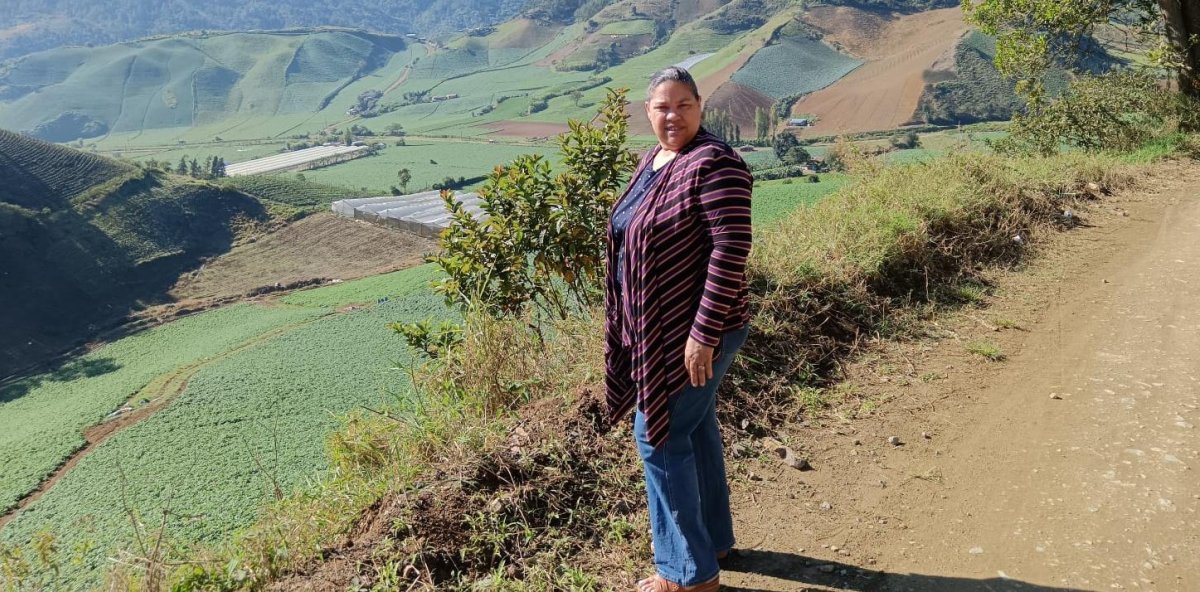
A concerning disappearance has prompted a widespread search for Mrs. Josefina Espinal, who vanished after departing from La Vega on the morning of Friday, November 21. Mrs. Espinal was en route to Santo Domingo, specifically the Duarte commercial district, to purchase goods. Her sudden absence has left family members and authorities deeply worried. The family is appealing to the public for assistance in locating her. Anyone with information regarding her whereabouts is urged to contact the following numbers immediately: 849-280-8884 or 809-903-1731. The community’s cooperation is crucial in ensuring her safe return.
-

The country has exported more than 291,000 pounds of larimar this year
The Dominican Republic has witnessed a remarkable surge in larimar exports, with figures skyrocketing from 85,480 pounds in 2024 to 291,340 pounds this year, as reported by Joel Santos Echavarría, the Minister of Energy and Mines. Santos emphasized the importance of integrating larimar into the nation’s tourism offerings, stating, “We are a tourist country, and larimar must be part of that Dominican tourist product.” He also underscored the stone’s protection under the International Registration of the Larimar Barahona Origin Designation and celebrated the establishment of the first Artisanal Mining Emergency Response Brigade as a significant milestone. These remarks were made during a promotional fair in Barahona province, marking National Larimar Day, where miners, artisans, designers, and brigade members were honored for their contributions to the mineral’s industrialization. Rolando Muñoz Mejía, the Mining Director at the Ministry of Energy and Mines, highlighted that approximately 950 workers are engaged daily in larimar extraction. However, the industry faces challenges, as voiced by miners and artisans. They pointed to the lack of financial resources, low market prices for raw and crafted larimar, and insufficient promotion as critical areas needing attention. Fernando González, a seasoned miner with over four decades of experience, noted that while a pound of larimar currently sells for RD$4,000 to RD$5,000, its unique value could command higher prices. Similarly, artisan Alexander Vargas called for increased promotion and financial support to enhance extraction methods and boost international awareness of larimar’s uniqueness.
-

The import of electric cars shows a sustained decline in the Dominican Republic
The Dominican Republic’s ambitious plan to decarbonize its vehicle fleet remains far from realization, with electric vehicle (EV) adoption rates painting a bleak picture. Despite legislative incentives and the global push toward sustainable transportation, the country has seen a significant decline in EV imports in recent years. Data from the General Directorate of Internal Taxes (DGII) reveals that only 11,169 electric vehicles were imported between 2017 and 2025. While the initial years showed promising growth—from just four EVs in 2017 to 2,732 in 2022—the trend reversed sharply in 2023, with imports dropping to 1,793. This downward trajectory continued in 2024, with 1,651 units imported, and has further worsened in 2025, with only 647 vehicles entering the country so far. The government has attempted to stimulate EV adoption through initiatives like Law 103-03, which offers a 50% tax exemption on EV imports. However, these measures have failed to sustain momentum, highlighting the challenges of transitioning to a greener transportation system in the Dominican Republic.
-

Daypass tourist booking platform begins operations in the Dominican Republic
Daypass, the premier digital platform for booking day-access experiences across Latin America and Spain, has officially launched operations in the Dominican Republic. This strategic expansion marks a significant milestone in the company’s mission to transform hospitality accessibility throughout the region.
Within just two months of operation, the platform has demonstrated remarkable market traction, issuing over 1,000 day passes and establishing a diverse portfolio of more than 120 unique experiences across the country. The catalog continues to expand weekly, showcasing growing demand for flexible tourism options.
The innovative platform serves as a digital bridge connecting consumers with premium hospitality venues including luxury resorts, spa facilities, and exclusive beach clubs. By eliminating the traditional requirement for overnight accommodation, Daypass enables both visitors and local residents to access amenities previously reserved exclusively for hotel guests.
CEO and Co-founder Rafa Gómez expressed enthusiasm about the platform’s reception: ‘We are profoundly encouraged by the rapid adoption in the Dominican Republic. The trust from venue partners and strong booking activity from customers demonstrates genuine interest in diversified tourism experiences.’
This business model represents a paradigm shift in tourism infrastructure utilization, allowing hotels and resorts to optimize their existing facilities while forging stronger connections with local communities. The expansion into key destinations including Punta Cana, Bayahibe, Puerto Plata, and Santo Domingo promotes more inclusive and flexible tourism options nationwide.
For the Dominican Republic’s tourism sector, Daypass introduces multiple strategic benefits: strengthening domestic tourism during off-peak seasons, creating additional revenue streams for hospitality providers, and positioning the country as an innovative leader in regional tourism technology. The platform’s growth signifies evolving consumer preferences toward experience-based travel and more accessible luxury offerings.
-
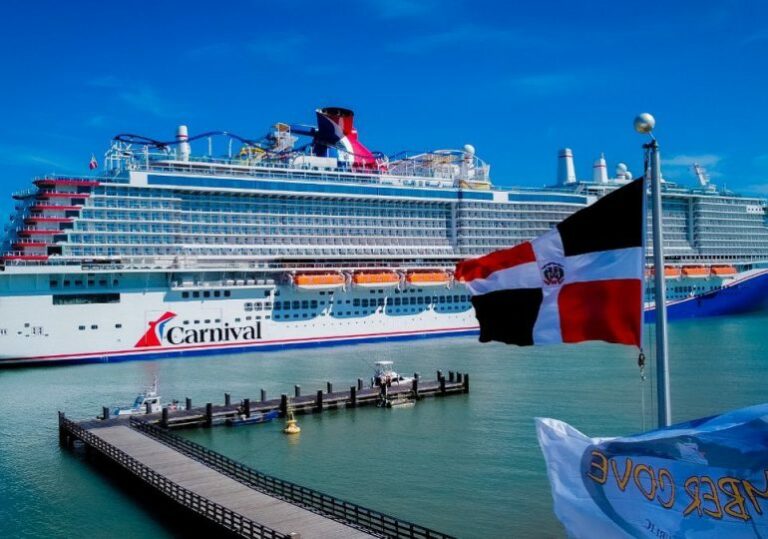
Carnival Cruise Line will be offering longer trips to the Dominican Republic.
Carnival Cruise Line has unveiled a strategic redeployment of its fleet for the 2027-28 season, responding to unprecedented consumer demand by introducing extended Caribbean itineraries and optimizing vessel assignments across key homeports. The comprehensive restructuring will position four ships from Galveston, Texas, beginning November 2027, offering voyages ranging from four to ten days throughout the Caribbean basin.
The revised deployment strategy features distinct itinerary patterns based on duration. Shorter cruises will focus primarily on Mexican destinations including Cozumel and Progreso, while extended voyages will encompass an expansive array of ports across multiple nations. These longer journeys will include calls at Belize, Grand Turk, Amber Cove in the Dominican Republic, Limón in Costa Rica, Colón in Panama, Roatán, Grand Cayman, and Montego Bay, Jamaica, alongside Carnival’s private destinations of Celebration Key and Half Moon Cay.
Notable itinerary innovations include Carnival Sunshine’s introduction of eight new cruises featuring a specialized 10-day circuit visiting Cozumel, Isla Tropicale, Montego Bay, and Grand Cayman. Simultaneously, Carnival Spirit will operate from Tampa, Florida, offering six to eight-day voyages to Belize, Grand Cayman, Ocho Rios in Jamaica, and Mexican ports. The Spirit will additionally deploy six eight-day Panama Canal itineraries visiting Limón, Grand Cayman, and Colón, culminating in an exceptional 13-day Carnival Journeys cruise on January 30, 2028, with extended port calls in Grand Cayman, Limón, Colón, Aruba, Curaçao, and Ocho Rios.
A significant vessel reassignment will see Carnival Sunshine, with its 3,000-passenger capacity, repositioned to Galveston instead of Carnival Spirit, which will transition to Tampa operations. This capacity enhancement strategically addresses growing demand from the Texas market while enabling the introduction of novel longer-duration Caribbean voyages from Florida.
Christine Duffy, President of Carnival Cruise Line, emphasized the consumer-driven nature of these changes: ‘This strategic redeployment allows us to serve increased guest demand in Galveston while simultaneously introducing new, extended Caribbean itineraries for travelers departing from Tampa.’ The comprehensive fleet optimization demonstrates Carnival’s commitment to matching vessel capacity with market demand while expanding destination options for Caribbean-bound travelers.