
In a groundbreaking revelation, Operation Kraken has dismantled one of the most intricate criminal networks operating within the Dominican Republic’s port logistics system. This syndicate, active since 2015, facilitated the export of drug shipments to Puerto Rico, the United States, Canada, and Europe. The investigation, spearheaded by the Specialized Anti–Money Laundering Prosecutor’s Office, DNCD, and the DEA, uncovered the group’s operations primarily in the eastern and southern regions of the country. Large cocaine shipments arrived through remote coastal areas of Barahona, transported by road to Boca Chica, where the network utilized port employees, security personnel, transporters, and crane operators to conceal and load the drugs into containers at the Caucedo Multimodal Port. The network provided ‘logistics services’ for other drug trafficking organizations, moving South American cocaine through a heavily militarized Caribbean route. Profits were laundered through luxury vehicles, properties, farms, and businesses tied to commerce and tourism. Court documents reveal a methodical system involving insiders across port security and logistics. Security personnel with lax inspections smuggled drugs in their vehicles, while trucks with hidden compartments evaded controls, sometimes aided by X-ray machine operators. Unauthorized individuals entered the port hidden in containers or cargo trucks, exploiting areas without cameras. Inside the port, contraband was moved to the ’empty depot,’ known as ‘the desert,’ where workers discreetly inserted drugs into selected containers. The organization cloned container seals to avoid detection, and contaminated containers were shipped to destinations like Puerto Rico, Miami, New York, Halifax, Antwerp, and Rotterdam.
标签: Dominican Republic
多米尼加共和国
-
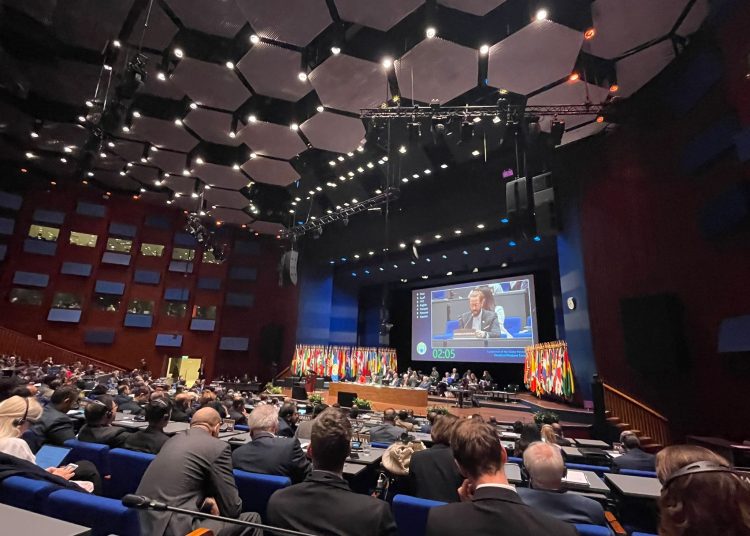
Dominican Republic to host Chemex Grulac 2026 for the first time
The Dominican Republic has been chosen as the host nation for Chemex Grulac 2026, a multinational exercise organized by the Organization for the Prohibition of Chemical Weapons (OPCW). This significant event aims to enhance the operational, institutional, and technical capabilities of States Parties in Latin America and the Caribbean to effectively respond to chemical incidents or attacks. The selection underscores the Dominican Republic’s growing role in regional cooperation and chemical safety preparedness.
During the OPCW Conference of States Parties held in The Hague, Dominican Ambassador Carlos de la Mota emphasized the strategic importance of this designation for the country’s international standing. He attributed the successful bid to the concerted diplomatic efforts of the Ministry of Foreign Affairs, the Dominican Embassy in the Netherlands, the Directorate of Security and Defense, and the Ministry of Defense. Ambassador de la Mota also acknowledged the invaluable support from Canada, Spain, and the European Union in securing this opportunity.
To ensure the successful execution of Chemex Grulac 2026, the Ministry of Foreign Affairs will work in close collaboration with the Ministry of Defense. These efforts will be bolstered by the involvement of specialized national and regional agencies, which will oversee the technical, logistical, and operational aspects of the exercise. This initiative highlights the Dominican Republic’s commitment to advancing chemical emergency preparedness and fostering regional collaboration in addressing chemical threats.
-
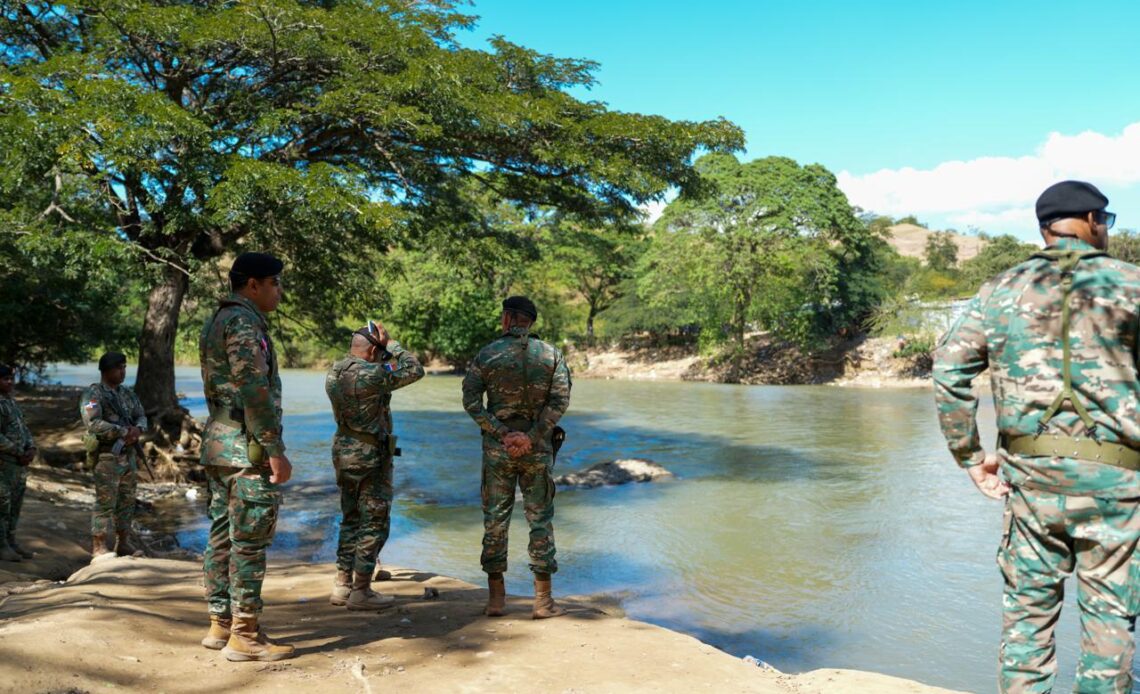
Dominican Army reviews security operations at key border checkpoints
On Tuesday, General Jorge Iván Camino Pérez, the commanding officer of the Dominican Army, embarked on an extensive inspection tour of critical border areas in the provinces of Independencia and Elías Piña. The tour extended along the International Highway, which borders Haiti, underscoring the strategic importance of these regions. The visit began at the Tierra Virgen detachment, situated at an elevation of approximately 3,000 feet in the Sierra de Neiba’s Bucan Base area. Here, General Camino Pérez assessed the ongoing construction of new facilities and a heliport designated for the 14th Infantry Battalion in Jimaní. The inspection continued through several key posts, including Macasías in Comendador, Las Dos Bocas—where the Macasías and Artibonito rivers converge—Guaroa, Guayabal, Hato Viejo, Paso de Nonón, Paso de Javier, and the Bánica detachment. The general then proceeded along the International Highway, starting from Pedro Santana, and inspected multiple posts such as La Cadena, Los Cacaos, El Corte, Sombrero, Palmita, Guayajayuco, Los Algodones, and Villa Anacaona, concluding at the Kilometer 2 post. The day concluded with visits to the 17th Company in Restauración, the Km. 14 post, the Loma de Cabrera inspectorate, and the Beller Fortress in Dajabón, the headquarters of the 10th Infantry Battalion. This thorough inspection highlights the Dominican Army’s commitment to maintaining security and infrastructure along its border with Haiti.
-
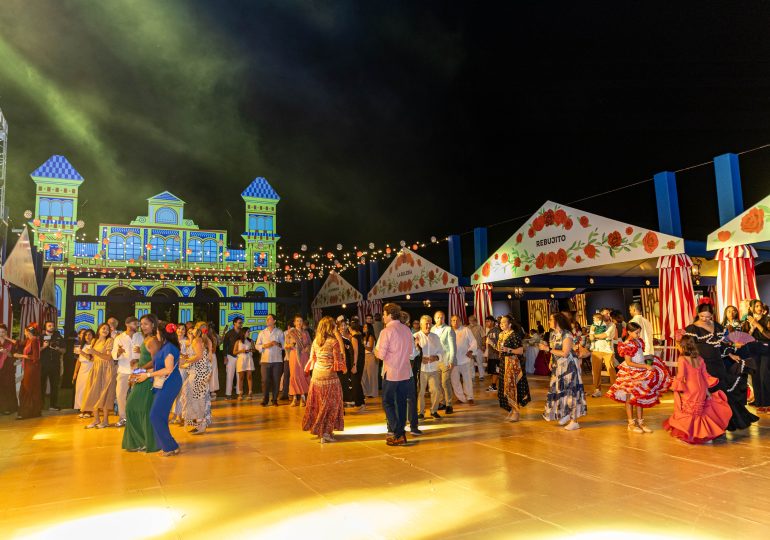
ALMA Casa de Campo showcases Dominican–Spanish cultural and business exchange
The third edition of ‘ALMA Casa de Campo,’ hosted by Casa de Campo Resort & Villas in La Romana, successfully wrapped up on November 22, 2023. This prestigious event has cemented its position as a vital bridge between Dominican and Spanish business communities. Spanning three days from November 20 to 22, the gathering showcased Andalusian culture, gourmet cuisine, and high-profile networking opportunities, all aimed at positioning the Dominican Republic as a secure and appealing hub for Spanish investments. The festivities kicked off with the ALMA Networking cocktail, which saw the attendance of influential business leaders, furthering the event’s goal of fostering robust bilateral trade relationships. On November 21, the Marina Riverside hosted an exquisite dinner curated by two-Michelin-star chef Ramón Freixa. Attendees savored a bespoke menu while being treated to a captivating flamenco performance by acclaimed artist Miguel Poveda, blending culinary excellence with cultural artistry. The grand finale on November 22 transported guests to Seville’s iconic April Fair, recreated in La Romana. A stunning replica of the fair’s entrance gate, adorned with dynamic lighting, welcomed visitors. Inside, traditional booths offered Iberian delicacies such as ham, tortilla española, olives, and regional wines. The event was elevated by vibrant flamenco fashion and the mesmerizing Equestrian Sevillanas exhibition, where dancers and horses performed in unison, encapsulating the essence of Andalusia in the Caribbean.
-
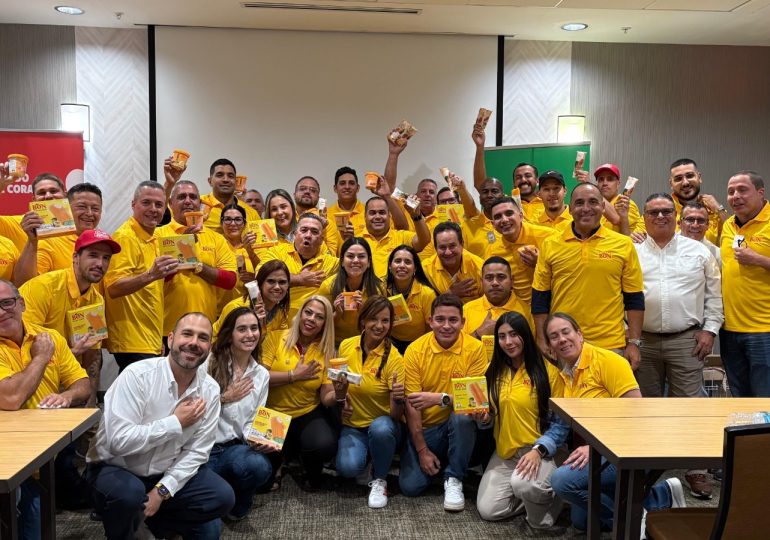
Dominican brand Helados Bon plans major U.S. growth
Santo Domingo-based Helados Bon, the Dominican Republic’s beloved ice cream brand, has unveiled a bold strategy to expand its footprint in the United States. The company plans to significantly increase its retail presence, targeting 450 to 600 new points of sale by 2026. This expansion will focus on states where Helados Bon already operates, with plans to venture into new markets thereafter.
-

Bad Bunny tour sparks major tourism boom in Dominican Republic
SANTO DOMINGO – The Dominican Republic has experienced a substantial economic boost from Bad Bunny’s international “Debí Tirar Más Fotos” tour, with Tourism Minister David Collado highlighting the event’s significant contribution to the nation’s tourism sector and overall economy. The two concerts served as a powerful economic catalyst, demonstrating how major entertainment events can drive substantial revenue streams beyond traditional tourism.
According to official figures, the performances attracted approximately 15,000 international visitors, generating an estimated $14 million in foreign exchange earnings. The influx of concertgoers produced remarkable occupancy rates in Santo Domingo’s hospitality sector, with hotels reaching 92% capacity compared to the typical 62% average. Establishments throughout the capital reported exceptional business activity, with bars, restaurants, and local merchants experiencing substantial sales increases.
The event drew a diverse international audience from key markets including major U.S. cities such as Miami, New York, Boston, and Los Angeles. Additional visitors arrived from Puerto Rico, Mexico, El Salvador, Guatemala, Colombia, Cuba, Ecuador, and various Asian and European regions. Many tourists extended their stays to explore cultural attractions including the Colonial City and popular coastal destinations such as Punta Cana, Samaná, Boca Chica, and Puerto Plata.
This economic phenomenon mirrors similar success observed during Bad Bunny’s recent residency in Puerto Rico, confirming that large-scale concerts effectively stimulate multiple sectors including hospitality, gastronomy, transportation, and entertainment. Minister Collado emphasized the government’s strategic commitment to positioning the Dominican Republic as a premier destination for international events, leveraging the country’s robust security protocols, quality service standards, and extensive hotel infrastructure to attract future high-impact entertainment productions.
-
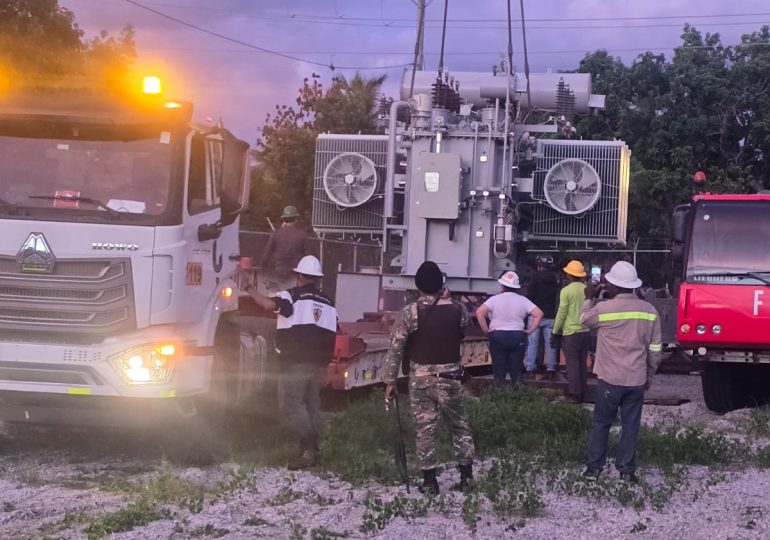
Edeeste transfers power transformer to Miches amid tensions in Nisibón
The Eastern Electricity Distribution Company (Edeeste) has successfully relocated a power transformer from the Las Lagunas de Nisibón substation to the Miches substation, marking a significant step in bolstering the electrical infrastructure in the region. The transformer, which was temporarily stationed in Nisibón, is now set to enhance the power system in Miches, ensuring improved stability and reliability for the local community.
However, the transfer process was not without challenges. During the operation, Rubén Montás, the municipal director of Nisibón, along with a community member, attempted to obstruct the team’s departure. Their actions disrupted the procedure, necessitating the intervention of public security forces to detain both individuals and safeguard the personnel and equipment involved.
Edeeste highlighted that this incident mirrors a similar obstruction on October 2, when a municipal official used a fire truck to block access to the site, halting the transfer and incurring additional costs exceeding one million pesos. The company clarified that the transformer in question was never part of Nisibón’s operational capacity and was merely awaiting its final relocation to Miches.
Despite numerous meetings aimed at explaining the critical nature of the transfer, local authorities in Nisibón remained opposed. Edeeste assured that the Nisibón substation continues to function efficiently with its existing 14MVA transformer, operating below 60% capacity, and that the relocation would not impact the community’s electrical service.
Edeeste expressed concern over the repeated obstructions and the spread of misinformation, which hinder essential infrastructure improvements. The company reaffirmed its dedication to transparency, safety, and the ongoing modernization of the electrical grid in the eastern region, emphasizing the importance of these efforts for long-term system stability.
-
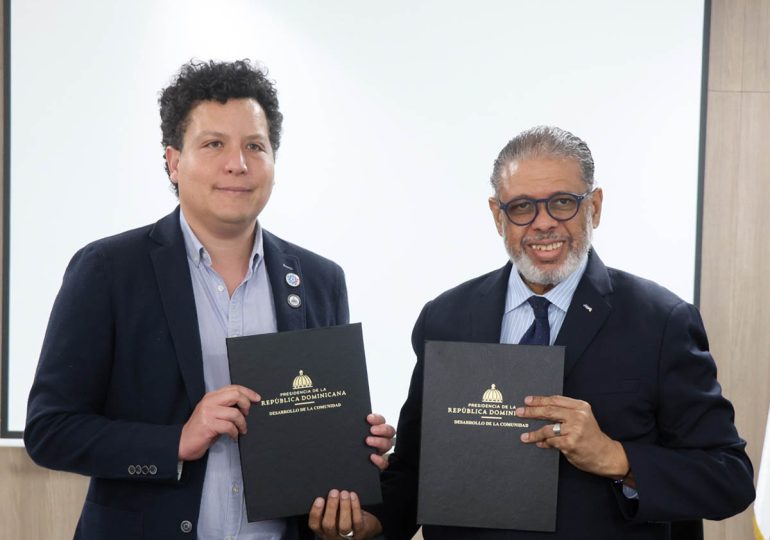
Dominican Republic and Chile sign a cooperation agreement on social development
In a significant move to address pressing social issues, the Dominican Republic’s General Directorate for Community Development (DGDC) and Chile’s Social Investment and Solidarity Fund (FOSIS) have formalized a collaborative partnership. The two institutions signed a letter of intent at the DGDC headquarters in Santo Domingo, marking a pivotal step in their joint efforts to combat poverty, enhance food security, and improve housing conditions. The agreement was sealed by DGDC Director Dr. Modesto Guzmán and FOSIS Director Nicolás Navarrete, with Marcos Ibarra, head of international cooperation at FOSIS, also in attendance. Dr. Guzmán emphasized the importance of this alliance in fostering international cooperation, transparency, and sustainable development. He underscored the shared commitment to initiatives that uplift vulnerable populations. Navarrete lauded the DGDC’s leadership and expressed optimism about the partnership, highlighting the parallel social challenges and developmental trajectories of both nations. The agreement outlines a framework for technical cooperation, knowledge exchange, and future collaborative projects across technical, academic, and institutional domains. This partnership builds on Dr. Guzmán’s visit to Chile in September, where he gained insights into the country’s successful social programs.
-
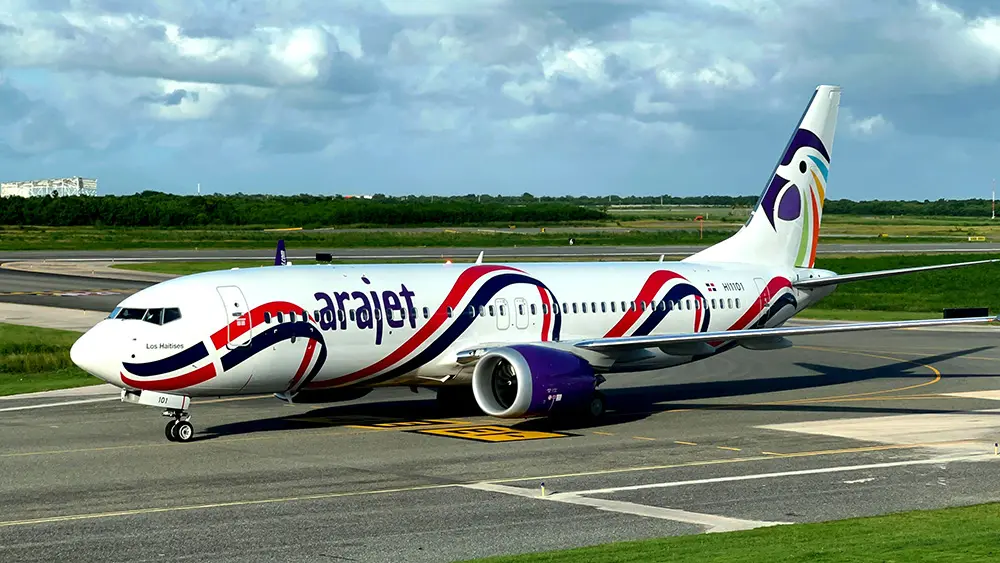
Arajet doubles daily flights to Newark as demand surges
Santo Domingo – Arajet, the Dominican Republic’s rapidly growing airline, has announced a significant expansion of its services to New York–Newark (EWR), doubling its daily flights to two starting November 19. This move comes in response to robust seasonal demand and consistently high load factors exceeding 85%. The airline’s strategic focus on strengthening its foothold in the U.S. market aligns with its broader growth objectives.
-
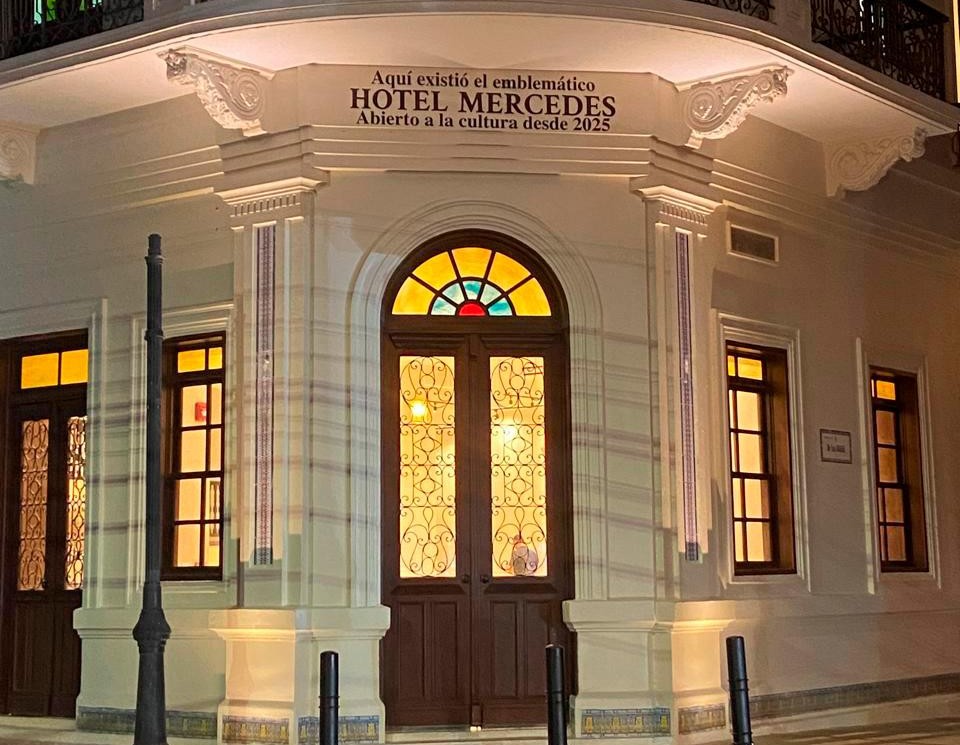
Historic Hotel Mercedes reopens as Banreservas Cultural Center in Santiago
Santiago, Dominican Republic – In a significant cultural milestone, the historic former Hotel Mercedes is set to reopen as the Banreservas Cultural Center of Santiago on November 29. The inauguration ceremony, led by President Luis Abinader, marks the culmination of a restoration project spearheaded by Banco de Reservas. The initiative aims to provide the northern region with a revitalized cultural hub and breathe new life into Santiago’s historic downtown. The project is under the management of the bank’s CEO, Leonardo Aguilera, who has been instrumental in accelerating the reconstruction efforts to meet the year-end deadline. The announcement was made during a meeting with arts and culture journalists, where Banreservas communications advisor Héctor Romero outlined the inauguration program. The opening day will feature art exhibitions, immersive experiences, music, and other activities, designed by a specialized cultural team. Romero described the initiative as a ‘Christmas gift for Dominicans,’ emphasizing its significance in promoting local culture. The center has been conceived with three primary objectives: showcasing Cibao-region artists by providing exhibition and training spaces, strengthening Santiago’s cultural ecosystem through collaborations with universities and local organizations, and transforming the iconic building into a cultural landmark. Architect César Payán, regional director of Monumental Heritage, oversaw the restoration and adaptation of the building. The center now boasts distinct levels with specialized functions. The first level includes a coworking area, Café Banreservas operated with Calcalí Coffee, and a future cultural shop. The second level houses the Santiago Art Museum (MAS), featuring works from the Banreservas Visual Arts Collection. The upper levels and terrace offer an immersive room, virtual reality experiences, temporary exhibition spaces, educational areas, and a panoramic terrace for performances and artistic events.