标签: Dominican Republic

多米尼加共和国

  • Dominican Republic and Egypt sign agreement to strengthen civil aviation training

    Dominican Republic and Egypt sign agreement to strengthen civil aviation training

    In a significant move to advance global aviation standards, the Dominican Republic and Egypt have formalized a collaborative framework through a signed letter of intent. This agreement, established between the Higher Academy of Aeronautical Sciences (ASCA) of the Dominican Republic and the Egyptian Aviation Academy, aims to bolster academic and technical cooperation in the field of international civil aviation.

    The partnership is designed to enhance training programs and capacity-building initiatives within the aeronautical sector. Its primary objective is to support the safe, orderly, and sustainable expansion of civil aviation operations in both regions. The signing ceremony took place during an official institutional visit to Egypt, underscoring the commitment of both nations to fostering international dialogue.

    Leading the Dominican delegation was Igor Rodríguez Durán, Director General of the Dominican Institute of Civil Aviation (IDAC), alongside Deputy Director General Paola Aimée Plá Puello. Their participation extended to a broader dialogue session between civil aviation authorities from Latin America and Africa. The Egyptian representation included Sameh El-Hefny, Minister of Civil Aviation, and Amr El Sharkawy, Director General of Civil Aviation and head of the EGYPTAIR Training Academy.

    As part of the official agenda, Dominican officials conducted extensive technical tours of pivotal Egyptian aviation institutions. These visits included the Civil Aviation Authority, key airport and air navigation service providers, and EGYPTAIR’s comprehensive training, maintenance, and engineering facilities. The exchanges emphasized practical knowledge transfer and the reinforcement of bilateral ties, setting a precedent for future international aviation collaborations.

  • President Abinader leads swearing-in of new Supreme Court judges

    President Abinader leads swearing-in of new Supreme Court judges

    SANTO DOMINGO – In a significant judicial development, President Luis Abinader presided over the formal inauguration of five new magistrates to the Supreme Court of Justice (SCJ) during an official ceremony at the National Palace this Monday. The National Council of the Magistracy (CNM) administered the constitutional oath to the newly appointed judges who successfully completed the rigorous evaluation process.

    The newly sworn justices include distinguished legal professionals Edyson Alarcón Polanco, Miguelina Ureña Núñez, Manuel Hernández Victoria, Yorlin Vásquez Castro, and Namphi Rodríguez. In a concurrent appointment, sitting SCJ judge Nancy Salcedo Fernández assumed the position of second substitute to the court president, following the provisions outlined in Article 180 of the Dominican Constitution.

    The selection process demonstrated adherence to constitutional diversity requirements, with three appointees ascending from the judicial career track as former appellate court judges, while two nominees were selected from private legal practice. The newly constituted bench brings comprehensive expertise across multiple legal domains including civil litigation, criminal justice, economic regulation, tax law, and public administration matters.

    Executive Branch legal advisor Antoliano Peralta Romero attended the ceremony, underscoring the administration’s commitment to judicial strengthening. The appointments mark a strategic enhancement of the Supreme Court’s institutional capabilities with the infusion of diverse professional backgrounds and specialized legal knowledge.

  • PLD claims cost of Christmas dinner has risen nearly 190% in five years

    PLD claims cost of Christmas dinner has risen nearly 190% in five years

    SANTO DOMINGO – A stark economic warning has been issued by the Dominican Liberation Party (PLD), projecting that the average Dominican family will face an additional expenditure of RD$11,019 for their traditional Christmas dinner in 2025 compared to costs in 2020. This alarming forecast was detailed in a comprehensive study unveiled by the party’s Secretariat of Agricultural Affairs.

    Adriano Sánchez Roa, a prominent PLD leader, presented the data, indicating that the total price for a festive meal has skyrocketed from RD$5,805 in 2020 to a projected RD$16,825 in 2025. This dramatic upsurge translates to a cumulative inflation rate of nearly 190% over the five-year period. Sánchez Roa characterized this trend as ‘excessive,’ cautioning that such financial pressure would render the cherished Christmas Eve celebrations unattainable for a significant portion of the population.

    The analysis squarely attributes this inflationary spiral to perceived governmental failures in agricultural policy. Key grievances include the alleged dismantling of technical support structures within the Ministry of Agriculture, the systematic weakening of the Dominican Agrarian Institute (IAD), and the consolidation of food distribution networks that disadvantage local producers. The PLD further contends that the termination of social welfare programs established during their previous administration has critically exacerbated national food insecurity.

    Central to the cost crisis are prohibitively high prices for essential holiday staples. Items fundamental to the Dominican Christmas table—including pork, chicken, turkey, rice, assorted vegetables, and dairy products—have become increasingly unaffordable. The party asserts that existing government measures, such as limited assistance programs and Christmas bonuses, are insufficient to offset the severe economic strain caused by the erosion of more robust social food support systems previously in place.

  • Paliza announces inauguration of La Gaviota Amphitheater in Ciudad Juan Bosch

    Paliza announces inauguration of La Gaviota Amphitheater in Ciudad Juan Bosch

    Santo Domingo, Dominican Republic – The Ministry of the Presidency has unveiled plans for the grand inauguration of La Gaviota Amphitheater in February 2026, featuring a complimentary community concert as the centerpiece event. This cultural venue represents one of the cornerstone infrastructure developments within the rapidly expanding Ciudad Juan Bosch urban center.

    Minister José Ignacio Paliza confirmed the timeline during an extensive supervisory tour of the area, where government officials assessed progress across multiple ongoing projects. The amphitheater, designed to accommodate over 5,000 spectators, is projected to reach completion during the first week of January 2026. This milestone will coincide with the finalization of two additional major facilities: the Sports Complex and Constitution Park, with formal inauguration ceremonies scheduled for the following month.

    The comprehensive review session featured detailed presentations from Vice Minister of Investment Projects Camel Curi, who emphasized the transformative urban and social impact of the Ciudad Juan Bosch initiative. Developed through the VBC-RD Trust framework, this large-scale urban development currently encompasses more than 15,000 residential units, achieving an average construction progress rate of 85% with all available lots already purchased.

    Government representatives also provided status updates on critical infrastructure components, including water distribution systems and community facilities designed to serve the growing population. Planning discussions extended to future development phases aimed at maintaining sustainable growth aligned with the city’s original master plan, ensuring continued expansion of services and amenities for residents.

  • Km 9 of Duarte Highway reopens after pedestrian bridge installation

    Km 9 of Duarte Highway reopens after pedestrian bridge installation

    Santo Domingo witnessed the culmination of a critical infrastructure endeavor as authorities successfully concluded a complex 20-hour technical operation at kilometer 9 of the Duarte Highway. The ambitious project, which involved the meticulous installation of a new pedestrian bridge, necessitated significant coordination and precision, leading to considerable traffic disruptions that tested the patience of thousands of commuters.

    In an official communiqué, the Ministry of Public Works and Communications extended its gratitude to the public for their demonstrated understanding and cooperation throughout the prolonged period of inconvenience. Specialized brigades, comprising a dedicated team of engineers, technicians, and construction workers, labored around the clock to execute the maneuver under stringent safety and precision protocols.

    The intricate process of lifting and securing the bridge structure was initiated only after all requisite technical conditions were rigorously verified and met. This successful operation marks a significant milestone in the nation’s ongoing efforts to enhance public infrastructure and pedestrian safety, showcasing a commitment to developmental progress despite the temporary sacrifices required from the community.

  • Dominican Republic and U.S. strengthen cooperation against drug trafficking and organized crime

    Dominican Republic and U.S. strengthen cooperation against drug trafficking and organized crime

    In a significant diplomatic engagement, Dominican Attorney General Yeni Berenice Reynoso convened with U.S. Ambassador Leah Francis Campos at the Attorney General’s Office in Santo Domingo to solidify bilateral security cooperation. The high-level meeting focused on developing comprehensive strategies to combat transnational criminal networks threatening regional stability.

    Accompanied by Deputy Attorney General Wilson Camacho and key U.S. officials including Rebecca Márquez, Kaleb Sanderson, and Enrique Corral, both delegations addressed critical security challenges encompassing narcotics trafficking, money laundering operations, and sophisticated organized crime syndicates. The dialogue emphasized creating synergistic approaches to strengthen institutional capabilities across hemispheric borders.

    Reynoso acknowledged the strategic partnership with multiple U.S. law enforcement agencies, particularly highlighting the instrumental role of the Bureau of International Narcotics and Law Enforcement Affairs (INL), Drug Enforcement Administration (DEA), and Federal Bureau of Investigation (FBI). This tripartite collaboration facilitates real-time intelligence sharing, technical assistance programs, and coordinated operational activities with Dominican entities including the Public Ministry and National Directorate for Drug Control (DNCD).

    The Attorney General specifically emphasized the transformative impact of INL-supported initiatives such as the Joint Task Force against Organized Crime, which provides specialized training and advanced technological resources. This commitment includes the provision of state-of-the-art equipment and expert-led training programs designed to enhance Dominican law enforcement’s capacity to dismantle criminal networks, underscoring the indispensable value of international partnership in maintaining national and regional security frameworks.

  • Weather phenomenon: Frost in Valle Nuevo announces extreme cold in the Dominican Republic

    Weather phenomenon: Frost in Valle Nuevo announces extreme cold in the Dominican Republic

    Meteorological expert Jean Suriel has documented an unprecedented climatic shift in the Dominican Republic’s high-altitude Valle Nuevo region, where severe frost conditions have persisted for two consecutive days. This meteorological phenomenon signals the commencement of an extended cold period predicted to continue through mid-April 2026 across the nation’s mountainous territories.

    According to Suriel’s detailed social media analysis published via X, temperature readings revealed a dramatic plunge to -0.5°C on Tuesday morning, following the previous day’s measurement of 0.2°C. The combination of low temperatures and wind conditions created a biting wind chill factor of -2°C, substantially amplifying the cold experience for the region.

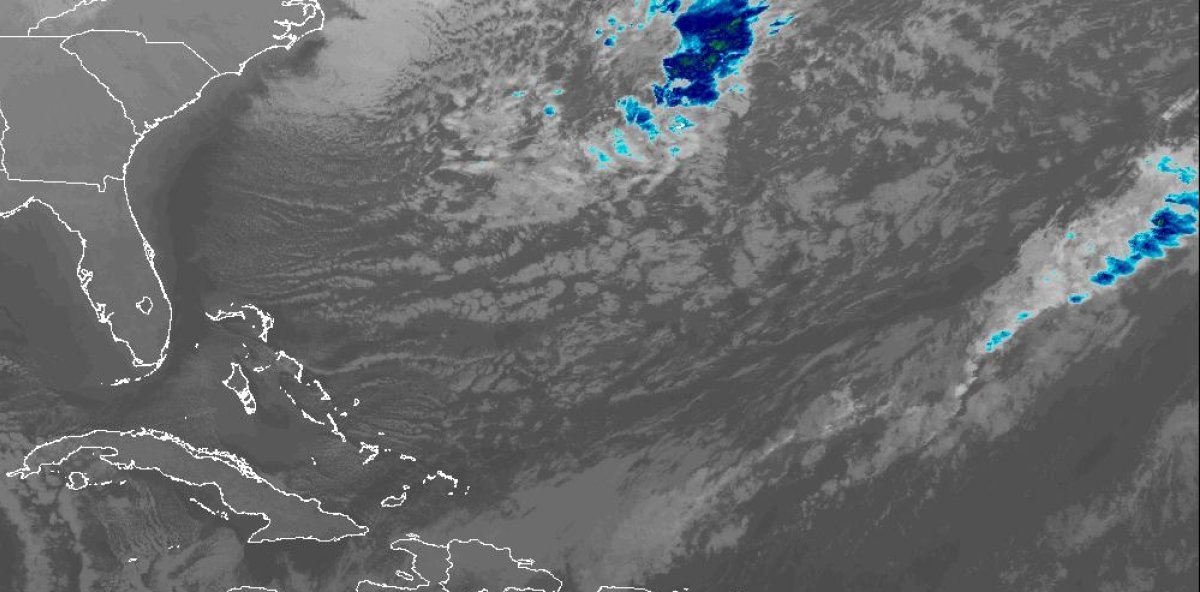
    The extreme conditions have transformed the landscape through two distinct cryogenic phenomena: frost formation from frozen dew droplets coating vegetation, and cencellada—the rare occurrence of frozen fog crystals accumulating on surfaces. These conditions result from the synergistic effect of the season’s 14th frontal system colliding with a dense polar air mass currently positioned over the northern Caribbean basin.

    Suriel’s analysis indicates that persistent Atlantic winds are driving this Arctic air mass deeper into Dominican territory than typically observed, creating atypical thermal patterns for the region. The early intensity and duration of these frost events suggest an unusually prolonged cold phase that could have significant implications for agriculture, ecosystems, and local communities in elevated areas throughout the Dominican Republic.

  • It affects days and nights: What changes in the Dominican Republic with the arrival of the winter solstice?

    It affects days and nights: What changes in the Dominican Republic with the arrival of the winter solstice?

    The Dominican Republic experiences a distinct atmospheric transformation each December, characterized by shortened daylight hours and extended nights accompanied by a noticeable Christmas breeze. This seasonal shift transcends mere perception, finding its scientific explanation in the astronomical event known as the winter solstice, which occurs annually around December 21st.

    This celestial phenomenon represents the year’s shortest day and longest night in the Northern Hemisphere, occurring when the Sun reaches its southernmost position directly above the Tropic of Capricorn. Meteorologist Cristopher Florian of the Dominican Institute of Meteorology explains that during this period, solar rays strike the northern hemisphere at a more oblique angle, resulting in reduced solar radiation and the official commencement of winter conditions.

    The solstice’s impact manifests through later sunrises and earlier sunsets across the Dominican Republic, creating prolonged nighttime hours and diminished daylight. This astronomical transition also facilitates a moderate decrease in temperatures, particularly during nocturnal and early morning hours. Florian notes that these effects intensify in valley and mountainous regions, especially in provinces adjacent to the Central Cordillera such as Santiago, Monseñor Nouel and La Vega, where morning fog frequently occurs.

    Despite these atmospheric changes, the country’s tropical location near the Tropic of Cancer ensures that elevated temperatures persist throughout the winter period. Temperature peaks exceeding seasonal averages continue to affect northwestern regions including Santiago Rodríguez, Dajabón, and Montecristi.

    Regarding precipitation patterns, Florian indicates that reduced rainfall characterizes this season due to predominant high-pressure systems that create less humid conditions. These anticyclonic systems promote stable weather patterns featuring predominantly sunny skies, minimal cloud coverage, and significantly diminished rainfall activity.

  • What happened? Luis Abinader reschedules his activities in Santiago for this Sunday

    What happened? Luis Abinader reschedules his activities in Santiago for this Sunday

    The Dominican Presidency has announced significant adjustments to President Luis Abinader’s official schedule, moving all activities originally planned for Saturday, December 20 in Santiago province to Sunday, December 21. The Press Office issued an official communication explaining that these changes resulted from necessary modifications to the presidential agenda.

    The rescheduled events include a working lunch with evangelical pastors at the Association for Development (APEDI) Hall, now set for 2:00 PM Sunday. Additionally, the President will oversee the delivery of new apartment units and inaugurate an educational facility in Hato del Yaque municipal district at 3:30 PM the same day.

    This marks the second consecutive day of schedule modifications for President Abinader. On Friday, despite previous announcements of his attendance at a Christmas bonus distribution event at Salomé Ureña School in Capotillo sector, the President’s participation was canceled. Vice President Raquel Peña represented the administration instead, presiding over the 8:00 AM event in the President’s absence.

    The presidential communication team extended formal apologies to media representatives and the public for any inconveniences caused by these scheduling changes, while expressing appreciation for understanding regarding the necessary adjustments to the national leadership agenda.

  • Orchid Kelly Trinidad: 25-year-old with breast cancer asks for help with her treatments

    Orchid Kelly Trinidad: 25-year-old with breast cancer asks for help with her treatments

    In a devastating healthcare setback, 25-year-old Orquídea ‘Rubi’ Trinidad faces an intensified battle against triple-negative infiltrating ductal carcinoma after her insurance provider declined coverage for a potentially life-saving immunotherapy treatment.

    Trinidad initially received her diagnosis of this aggressive breast cancer variant in April 2023. Despite undergoing multiple treatment protocols, recent biopsy results confirmed in October that the cancer has returned with increased virulence and rapid progression.

    Medical specialists have recommended Tocilizumab, an immunotherapy regimen requiring administration every 21 days across six sessions. While this pharmaceutical intervention represents a promising therapeutic avenue, its substantial cost falls outside the coverage parameters of Trinidad’s ASA health insurance policy.

    ‘The pain is inevitable,’ Trinidad stated with resolute yet anguished composure. ‘Sleep eludes me, and I require potent pain management medications simply to endure daily existence.’

    This case highlights growing concerns about insurance coverage gaps for innovative cancer treatments, particularly for young adults confronting aggressive malignancies. The financial barrier between patients and potentially effective therapies continues to present critical challenges within healthcare systems worldwide.

    Medical advocates emphasize that timely access to appropriate treatments remains crucial for improving outcomes in aggressive cancer cases, especially when standard protocols have proven ineffective against disease recurrence.