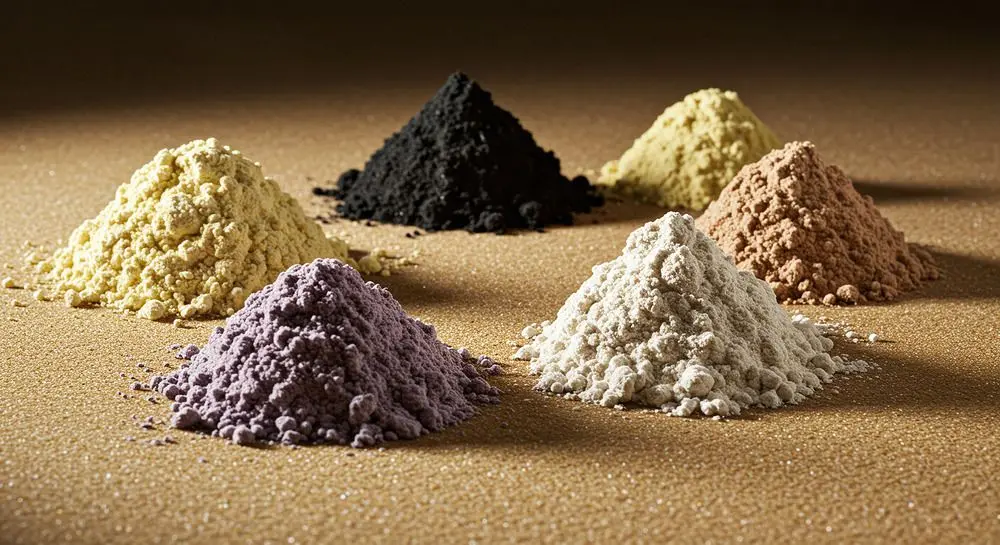
SANTO DOMINGO – In a landmark announcement that could reshape global mineral markets, President Luis Abinader revealed during his Independence Day address to the National Assembly that the Dominican Republic has formally certified over 150 million tons of rare earth element reserves. This monumental discovery positions the Caribbean nation as a future heavyweight in the strategic minerals sector, crucial for modern technology and defense industries.
International laboratory analyses have confirmed the exceptional purity and economic viability of these deposits, which include minerals vital for producing high-tech devices ranging from smartphones and electric vehicles to semiconductors and renewable energy infrastructure. President Abinader projected that the responsible development and refinement of these resources could evolve into the nation’s primary non-tax revenue stream, driving substantial economic expansion and attracting foreign capital.
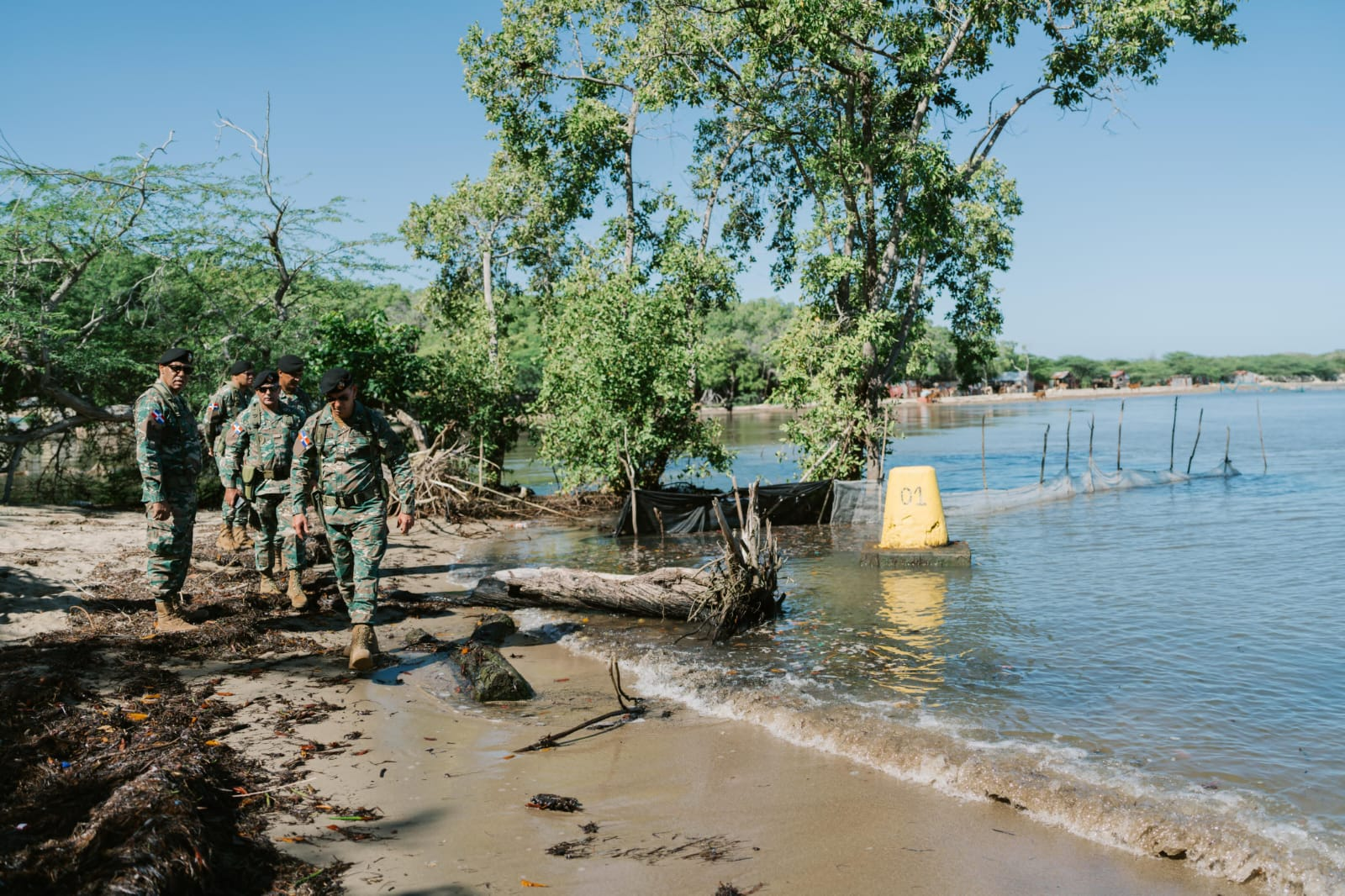
To oversee the strategic management of these resources, the government established the state-owned Dominican Mining Company (Emidom) in August 2024. Current exploratory operations are concentrated in the Ávila mining reserve of Pedernales, designated a fiscal mining reserve in 2018. The ambitious initiative benefits from collaborative technical expertise provided by the University of Barcelona and the United States Army Corps of Engineers, underscoring its scientific credibility and international strategic importance.