标签: Dominican Republic

多米尼加共和国

  • Abinader opens international symposium on criminal investigation reform

    Abinader opens international symposium on criminal investigation reform

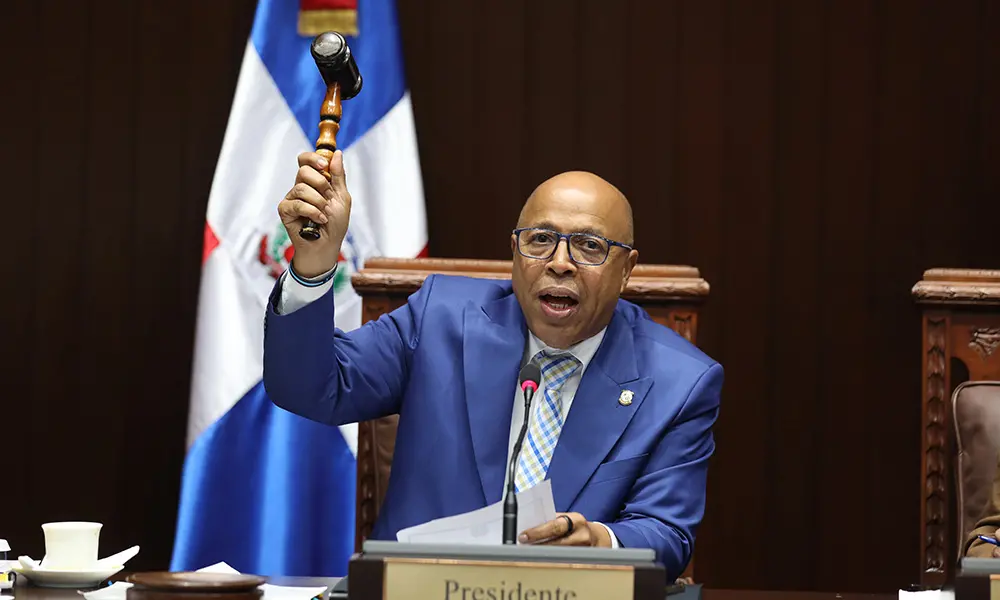
    SANTO DOMINGO – In a landmark initiative to transform law enforcement methodologies, Dominican President Luis Abinader inaugurated the First International Symposium on Criminal Investigation, Science and Innovation against Crime. The event, attended by over 400 national and international delegates, signals a paradigm shift toward evidence-based prosecution integrating advanced technology, intelligence gathering, and scientific rigor.

    President Abinader emphasized that sustainable public security hinges on closing impunity gaps through technical evidence and systematic investigative reforms. The symposium constitutes a critical component of the modernization agenda for the Central Directorate of Criminal Investigation (DICRIM), transitioning from traditional reactive policing to a proactive model built on data analytics, institutional interoperability, and operational transparency.

    Beyond superficial changes in equipment or uniforms, Abinader framed the reform as a profound institutional overhaul grounded in scientific principles and strategic management. A key outcome will be the adoption of a ten-point code of conduct for police investigations, to be formally endorsed by senior law enforcement leadership to guarantee nationwide compliance.

    Interior and Police Minister Faride Raful outlined priority challenges including organized crime, ethical artificial intelligence applications, and secure inter-agency data exchange. She highlighted existing successes through joint task forces, which have already contributed to reduced homicide rates and disruption of criminal networks.

    National Police Director Andres Modesto Cruz Cruz addressed the evolving nature of crime, noting its increasingly technological and cross-border characteristics. He advocated for a response strategy combining rigorous methodology with unwavering respect for human rights. This symposium forms part of the comprehensive reform of the National Police, aiming to establish an internationally aligned, professional, and scientifically-driven investigative culture focused on impunity reduction.


  • CAMAARD promotes “Barahona cradle of Larimar” campaign

    CAMAARD promotes “Barahona cradle of Larimar” campaign

    BARAHONA, Dominican Republic – A strategic rebranding initiative is underway in the southern Dominican province of Barahona, where business leaders and artisans are mobilizing to redefine the region’s global identity. The Chamber of Commerce and Handicraft Production Foundation (CAMAARD) is spearheading the “Barahona Cradle of Larimar” campaign, advocating for official recognition of the province’s exclusive claim to the rare blue pectolite gemstone.

    The movement, championed by master goldsmith Julio Humberto Fricá and formally endorsed by CAMAARD, proposes replacing the current regional slogan “Barahona, the Pearl of the South” with terminology that emphasizes the area’s unique geological heritage. Larimar, found exclusively in this Caribbean region, represents both a cultural treasure and economic asset that proponents believe deserves center stage in the province’s identity.

    CAMAARD President Valentín Guerrero confirmed the organization’s full institutional support, noting that formal proposals are being prepared for legislative consideration. “This strategic repositioning will enhance tourism appeal, strengthen cultural identity, and elevate larimar’s commercial status as a national symbol,” Guerrero stated.

    The campaign gains significant momentum following the World Intellectual Property Organization’s 2025 certification of “Of Barahona Origin” for larimar, which received international recognition across 18 countries. This designation provides legal protection and marketing advantages that advocates plan to leverage in building the country’s brand equity.

    Organizers are currently forming a specialized commission through CAMAARD and the SELECTA-RD exhibition platform, with Fricá playing a central role. The committee will engage government officials and legislators while circulating public registration forms to gather institutional and individual support for the landmark initiative.

  • Avancemos urges contingency plan amid Middle East war impact

    Avancemos urges contingency plan amid Middle East war impact

    SANTO DOMINGO – The Dominican political organization Avancemos has issued a stark warning regarding the economic implications of the escalating Middle East conflict, calling for immediate government action to shield the nation’s economy and vulnerable populations.

    Carlos Amarante Baret, the group’s leader, highlighted alarming market shifts directly linked to the geopolitical tensions. Global oil prices have surged by over 8%, while natural gas costs have skyrocketed by nearly 20%. This volatility has triggered substantial losses across major international stock indices, including the Dow Jones Industrial Average. Amarante Baret emphasized that these international financial tremors will inevitably translate into domestic economic pressure, specifically driving up the national inflation rate and destabilizing the Dominican peso’s exchange rate.

    The political leader raised critical questions about the government’s preparedness, querying whether authorities have conducted a comprehensive assessment of the potential fallout. Key concerns include a ballooning national oil import bill, increased electricity tariffs, heightened agricultural production costs, and subsequent price hikes for essential goods like food and medicine. Stressing that effective governance necessitates proactive anticipation of crises, Amarante Baret advocated for the implementation of a robust contingency strategy. Such a plan would be designed to protect the economic stability of middle-class families and the most vulnerable socioeconomic segments, whose household budgets are most susceptible to external economic shocks.

    Avancemos contends that the uncertainty emanating from the military engagement involving the United States and Israel against Iran mandates decisive and swift intervention from Dominican policymakers. The organization urges the administration to move beyond mere observation and formulate concrete measures to mitigate the anticipated adverse economic and social consequences within the Dominican Republic.

  • Chamber of Deputies approves National Alert System bill

    Chamber of Deputies approves National Alert System bill

    SANTO DOMINGO – In a significant move to enhance public safety, the Dominican Republic’s Chamber of Deputies has granted initial approval to legislation establishing a comprehensive legal framework for the prevention of disappearances and the management of imminent danger scenarios. The cornerstone of this initiative is the creation of a National Alert System, designated as ‘Alerta RD’.

    Spearheaded by legislators Liz Mieses and Carmen Ligia Barceló, the proposed bill is designed to facilitate the instantaneous and mass dissemination of information concerning missing individuals. This system is structured to mobilize a coordinated response across state agencies, media networks, and civil society organizations, significantly amplifying efforts in search, location, recovery, and protection operations. A primary focus of the framework is to extend heightened protection to vulnerable demographics.

    The scope of the legislation extends beyond individual missing persons cases. It meticulously outlines standardized protocols for the detection, communication, and management of alerts stemming from a wide array of crises. This includes natural disasters, public health emergencies, critical public safety threats, and major environmental incidents. The overarching objective is to institutionalize a cohesive and effective response mechanism among authorities, thereby mitigating the adverse effects of emergencies and safeguarding the lives and well-being of citizens through a reinforced early-warning and response infrastructure.

  • Experts urge legal framework before granting space for rocket launches

    Experts urge legal framework before granting space for rocket launches

    International law experts are raising urgent concerns about the Dominican Republic’s proposed satellite launch port project with U.S.-based Launch On Demand, warning that the nation would bear full international responsibility for any mishaps despite the operator’s private status. As the government prepares to grant land, permits, and airspace access for the Pedernales-based facility, specialists emphasize that under international space law, host countries cannot claim neutrality when private entities launch from their territory.

    The fundamental legal principle establishes that the Dominican government—not the operating company—would face international accountability for accidents, falling debris, environmental damage, satellite interference, or potential covert military applications. While authorities might pursue subsequent legal action against the firm, any diplomatic and reputational damage would prove irreversible.

    Among the most significant risks identified is the potential for dual-use technology development, given the technical similarities between satellite rockets and long-range missiles. Without rigorous oversight, the country could unintentionally enable prohibited technology transfers, covert propulsion tests, or third-party military operations disguised as commercial activities. Experts additionally caution that private operators frequently seek extensive tax exemptions, autonomous zones with limited state access, audit restrictions, and international arbitration clauses—effectively amounting to a functional surrender of sovereignty, particularly in nations with weaker institutional controls.

    To address these vulnerabilities, analysts recommend establishing a comprehensive legal framework before granting any territory or airspace rights. Essential safeguards should include maintained sovereign control with permanent inspection rights, presence of civil-military and environmental authorities, and government power to suspend launches without automatic compensation. They further advocate for creating national space legislation, a dedicated space authority, a registry of space objects, and a stringent sanctions regime. Contracts must explicitly prohibit offensive military use, weapons testing, and unauthorized subleasing.

    Financial protections are equally critical, with requirements for operators to secure multi-million-dollar international insurance policies, sovereign bonds, and comprehensive liability coverage for all potential damages. Independent environmental and social impact assessments—covering acoustic effects, toxic waste, marine and airspace impact, and potential displacement—must not be company-funded to ensure objectivity.

    Finally, experts stress the necessity of verifiable national benefits, including concrete technology transfer, qualified local employment, preferential state access to launches, and participation in strategic decision-making. As one specialist starkly summarized: ‘When a private company launches rockets from your territory, you are not renting land—you are lending your sovereignty.’ Without robust prior legislation, strict oversight, and enforceable controls, the Dominican Republic would assume all associated risks of this space venture.

  • U.S. Embassy donates assistive devices to Conadis

    U.S. Embassy donates assistive devices to Conadis

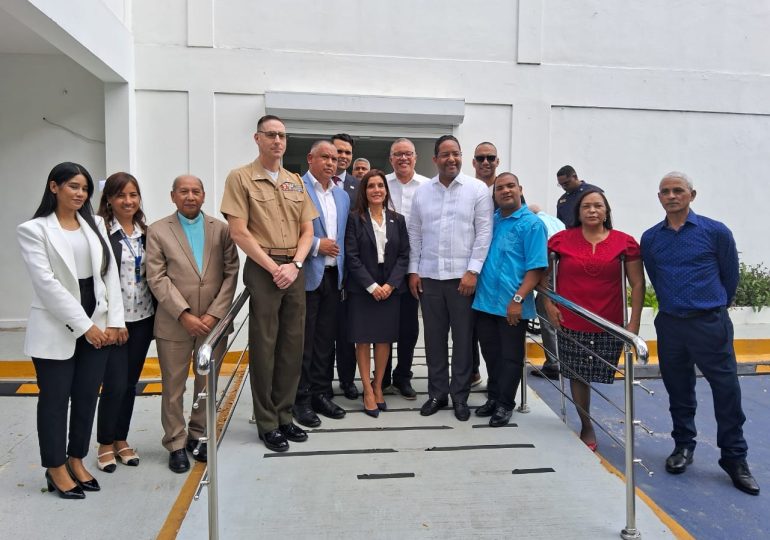
    SANTO DOMINGO – In a significant move to enhance disability inclusion, the United States Embassy has delivered a substantial donation of assistive equipment to the Dominican Republic’s National Council on Disability (CONADIS). This humanitarian initiative, executed through the U.S. Southern Command’s Humanitarian Assistance Program, is set to directly improve the lives of individuals with disabilities nationwide.

    The comprehensive aid package comprises vital mobility and daily living resources, including wheelchairs, walking canes, crutches, and disposable diapers. These supplies are strategically intended to empower beneficiaries by fostering increased independence, facilitating mobility, and elevating overall life quality through CONADIS’s distribution networks.

    The handover ceremony garnered attention from key community figures and officials. Notable attendees included Dominican comedian and disability advocate Liondy Osoria, alongside members of the disabled community and U.S. diplomatic representatives. U.S. Ambassador to the Dominican Republic, Leah Francis Campos, officiated the event, commending CONADIS for its persistent dedication to forging a more inclusive society and systematically improving living conditions for Dominicans with disabilities. Ambassador Campos highlighted the donation as a testament to the ongoing bilateral cooperation between the two nations in addressing critical social needs.

  • Sigmund Freund: no public funds for Pedernales spaceport

    Sigmund Freund: no public funds for Pedernales spaceport

    The Dominican Republic is poised to enter the commercial space industry with a landmark satellite port project in Oviedo, Pedernales province. In a significant shift from traditional public infrastructure models, the government will adopt a streamlined regulatory role, providing only permits, licenses, and land concessions. U.S.-based Launch On Demand (LOD Holdings) will assume full financial responsibility for the venture, ensuring no public funds are allocated to the development.

    Minister of Public Administration Sigmund Freund revealed the strategic rationale behind the site selection, citing the nation’s equatorial proximity as a prime advantage for orbital launches. This geographic benefit, coupled with extensive backlog at existing U.S. launch facilities—where delays can extend up to two years—positions the Dominican Republic as an attractive alternative for the burgeoning space sector.

    A comprehensive three-year technical and pre-feasibility study conducted near Cabo Rojo International Airport has validated the location’s operational viability. While initial operations will be managed by international experts, the project incorporates a robust knowledge-transfer initiative, aiming to integrate Dominican professionals into technical roles within a two-year timeframe. Environmental assessments indicate minimal ecological disruption, though additional studies are pending final approval.

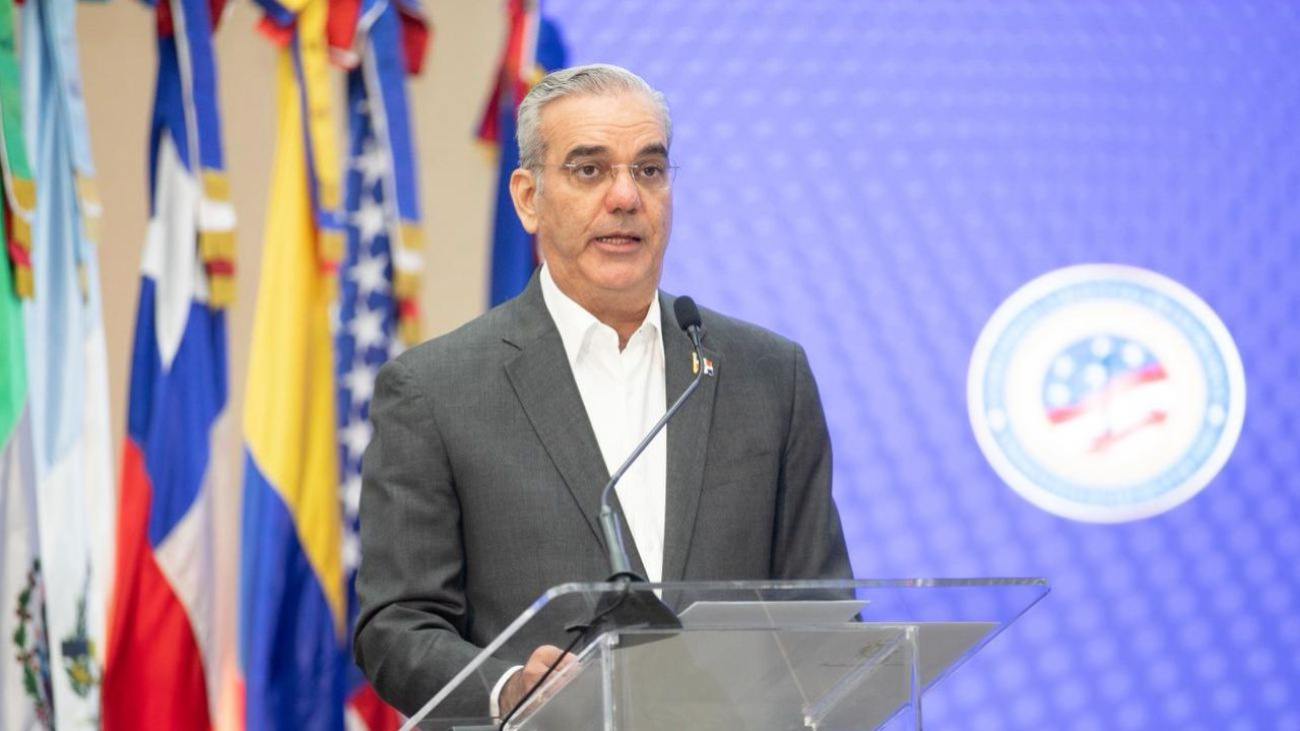
    President Luis Abinader formally announced the $600 million investment agreement in his February 27 national address, projecting the first satellite or rocket launch from Dominican soil before May 2028. Beyond its aerospace applications, officials envision the spaceport becoming a major tourism draw, drawing parallels to the visitor attractions at Florida’s Cape Canaveral, thereby creating a dual-purpose economic engine for the region.

  • Journalist calls for legal action over alleged harassment at military parade

    Journalist calls for legal action over alleged harassment at military parade

    SANTO DOMINGO – A prominent Dominican journalist has publicly denounced an incident during the nation’s Independence Day military parade as a severe case of sexual harassment, calling for immediate legal action against the perpetrators. Isis Álvarez characterized the event, which occurred during a ceremony organized by the Ministry of Defense, as an act of ridicule that violated the solemnity of the occasion.

    In a detailed appearance on the radio program ‘El Gobierno de la Tarde’ on Z101, Álvarez articulated that the annual military parade is a fundamental representation of national discipline, institutional integrity, and patriotic fervor. She asserted that such an environment demands utmost respect and that the offending behavior starkly contradicted these values.

    Dismissing potential defenses of the incident as a trivial joke, Álvarez emphasized the profoundly offensive and degrading nature of the act for its victims and the public. She underscored that Dominican law provides clear legal grounds for prosecution, specifically citing Article 24-97 of the national Penal Code. This statute defines harassment as any conduct—whether a single event or repeated actions—that intimidates an individual and impairs their physical, emotional, or psychological well-being.

    Conviction under this law carries stringent penalties, including imprisonment terms ranging from one to twelve years, monetary fines of up to six times the minimum wage, and additional court-mandated measures.

    Consequently, Álvarez has issued a formal appeal to key national authorities—including the National Police, the Public Prosecutor’s Office, and the Ministry of Women—to initiate a comprehensive investigation into the matter. Her demands are centered on ensuring accountability for those responsible and reinforcing the imperative of dignity and equality in all public spaces and national events.

  • Labor Ministry to launch child labor-free certification seal

    Labor Ministry to launch child labor-free certification seal

    The Dominican Republic’s Ministry of Labor has unveiled a groundbreaking initiative to combat child exploitation through a new certification system. Minister of Labor Eddy Olivares formally announced the implementation of a voluntary certification seal against child labor, developed in collaboration with the international organization Save the Children.

    This innovative program enables businesses, institutions, and social organizations to demonstrate compliance with responsible child protection standards. The certification serves as tangible proof of their commitment to eradicating child labor practices within their operations and supply chains.

    Minister Olivares emphasized that child protection represents a fundamental national priority, stating that authentic sustainable development remains unattainable without guaranteeing children’s rights and safety. The initiative forms part of the government’s broader strategy to support programs dedicated to protecting childhood rights throughout the Dominican Republic.

    The Labor Minister specifically acknowledged Juan Tomás Díaz, President of Save the Children, for his exemplary leadership and social responsibility within the private sector. Olivares stressed that effective collaboration between government entities, international organizations, and private enterprises is indispensable for constructing a nation free from child labor.

    This certification mechanism is projected to become a national benchmark for corporate social responsibility and child protection efforts, establishing new standards for ethical business practices while raising public awareness about the importance of eliminating child exploitation in all its forms.

  • Chaos reported as Intrant begins issuing new licenses

    Chaos reported as Intrant begins issuing new licenses

    Santo Domingo, Dominican Republic – The highly anticipated launch of the nation’s new driver’s license system by the National Institute of Transit and Land Transportation (Intrant) descended into chaos on Monday. Despite meticulous pre-scheduling of over 1,800 appointments to ensure a smooth rollout, service centers across the capital were overwhelmed by severe logistical failures, technical glitches, and extensive customer delays.

    Major service hubs, including Multicentro Churchill, Blue Mall, Sambil, and the Intrant’s own Licensing Directorate, were crippled by systemic issues. Citizens reported widespread system failures, significant delays in equipment installation, and a conspicuous lack of organizational coordination. In the absence of functional ticketing systems, employees at some locations resorted to calling out names aloud, while applicants endured hours of waiting under the scorching sun.

    The lengthy renewal process, which mandates a prior bank payment before the procedure can be completed, drew particular ire. Further frustrations were fueled by complaints of alleged preferential treatment for certain individuals and the immense time investment required. Many applicants, who had traveled from various provinces to secure their documents, expressed acute distress, noting they had only limited morning hours to complete the arduous process.

    In response to the turmoil, Intrant officials, including Cabinet Director Obniel Salcedo, reiterated that all drivers—including motorcycle owners—must undergo the renewal at authorized centers. Simultaneously, the institution issued a reminder that a grace period extension for expired licenses remains valid until March 20, during which no penalties will be applied. The public is now urgently calling for immediate logistical improvements and accelerated service to mitigate the ongoing disruptions.