标签: Dominican Republic

多米尼加共和国

  • Dayron is still waiting for high-cost medication; Family calls for protest for approval

    Dayron is still waiting for high-cost medication; Family calls for protest for approval

    In Santo Domingo, a desperate plea for medical justice unfolds as one-year-old Dayron Almonte Socias battles Spinal Muscular Atrophy (SMA), a severe genetic disorder causing progressive muscle deterioration. His parents, Inmanol Almonte and Genesis Socias, face an agonizing reality: despite constitutional guarantees to healthcare, the Ministry of Public Health and the High Cost Drugs Program have delayed approval of Evrysdi—the critical medication sustaining their son’s life—for over a year.

    The drug, priced at approximately 620,000 Dominican pesos per bottle (required every two months), remains financially unattainable for the family. With existing supplies dwindling, Dayron’s survival hinges on institutional intervention. In response, his parents will lead a peaceful demonstration on March 25 at 10:00 a.m. outside the National Palace, urging authorities to honor legal obligations under the Dominican Constitution and General Health Law 42-01.

    Article 61 of the Constitution explicitly mandates the state to ensure access to essential medicines and comprehensive healthcare for all citizens. The protest extends beyond Dayron’s case, symbolizing a broader struggle for countless individuals awaiting approval of vital treatments. Community solidarity is urged to amplify calls for systemic accountability and the protection of fundamental health rights.


  • Dominican Republic will host international meeting on sea turtle conservation

    Dominican Republic will host international meeting on sea turtle conservation

    Santo Domingo will transform into the epicenter of marine conservation efforts as the Dominican Republic prepares to host the prestigious Annual Meeting of the Wider Caribbean Sea Turtle Conservation Network (Widecast) from March 26-29, 2026. This pivotal gathering will unite scientific experts and conservationists from across the Caribbean basin to address critical challenges facing endangered sea turtle populations.

    The Ministry of Environment’s Vice Ministry of Coastal and Marine Resources confirmed the four-day symposium will facilitate unprecedented regional collaboration. Widecast represents a formidable coalition of conservation professionals spanning more than 40 nations and territories, collectively working to reverse population declines through scientifically-grounded management strategies.

    Central to the event’s mission is advancing technical exchange and scientific cooperation throughout the Wider Caribbean region. The network’s coordinated approach emphasizes capacity building and knowledge sharing to enhance conservation outcomes for multiple threatened sea turtle species.

    A dedicated session on March 27 will spotlight the Dominican Republic’s conservation initiatives, featuring comprehensive presentations from national institutions. These will showcase monitoring methodologies, community engagement programs, and educational campaigns implemented throughout the country’s coastal regions. Discussion will focus on identifying both persistent challenges and emerging opportunities in species protection.

    The urgency of these efforts is underscored by recent conservation data. During 2025, environmental authorities monitored 237 leatherback and hawksbill sea turtle nests across Dominican beaches. Conservationists implemented strategic interventions including the careful relocation of 71 vulnerable nests for protected incubation, while 166 nests remained in their natural habitats. These efforts culminated in the successful emergence of 635 hatchlings, demonstrating tangible progress in regional preservation initiatives.

  • Fundación Movido brings together traffic leaders to transform the road culture of motorcyclists in the DR

    Fundación Movido brings together traffic leaders to transform the road culture of motorcyclists in the DR

    The Dominican Republic has initiated a comprehensive national effort to combat its escalating road safety crisis through the First Road Safety Congress for Motorcyclists, titled “Safe Course.” Organized by the Dominican Road Mobility Foundation (Movido), the landmark event convened at the High Technology building of the Autonomous University of Santo Domingo’s Faculty of Engineering and Architecture, bringing together the nation’s foremost transportation authorities and safety experts.

    The congress centered on the critical premise that “investing in road safety is not an expense, but an investment in human lives, productivity and social welfare.” This foundational concept guided discussions among key participants including Engineer Omar Segura, Dean of UASD’s Faculty of Engineering and Architecture; Joel Gneco, Director of Transit at the National Institute of Transit and Land Transport (Intrant); and Franklin Glass, Executive President of the Dominican Chamber of Insurers and Reinsurers (Cadoar).

    Engineer Segura delivered a technical analysis highlighting how street design directly impacts accident rates, noting that “the motorcycle is highly sensitive to the environment of life.” He explained that common road conditions like potholes or inadequate drainage significantly reduce grip, creating potentially fatal hazards for motorcyclists. Segura proposed five strategic solutions: implementing inclusive road design standards, ensuring continuous pavement maintenance, adapting protective metal railings specifically for motorcycle safety, applying effective technological controls, and strengthening specialized education programs.

    Complementing the engineering perspective, psychologist Ofelia Mera addressed the human factors in road safety, emphasizing that on-the-road behavior reflects drivers’ personality traits and cognitive abilities. She defined risk perception as a “cognitive-emotional process through which traffic users interpret, assess the probability of suffering the accident, and the magnitude and consequences.”

    Franklin Glass presented startling comparative data, revealing that while the COVID-19 pandemic prompted nationwide lockdowns after causing 4,200 deaths over eighteen months, the country records approximately 3,400 annual traffic fatalities without comparable economic disruption. Glass highlighted that only 38% of motorcyclists carry insurance and proposed developing accessible, tailored policies covering health, life, accident, and theft protection.

    The congress concluded with a practical emergency response drill conducted by Civil Defense personnel, while recognizing contributions from transportation advocates Maribel Bellapart, Miguel Franjul, and Yindhira Taveras.

  • The country consolidates its position as a strategic partner of the U.S. at the Miami Security Forum

    The country consolidates its position as a strategic partner of the U.S. at the Miami Security Forum

    At the inaugural Miami Security Forum hosted by the Heritage Foundation, Dominican Interior and Police Minister Faride Raful delivered a comprehensive address on her nation’s remarkable security achievements and regional cooperation efforts. Representing President Luis Abinader at the Trump National Doral venue, Raful presented compelling data showing the Dominican Republic’s homicide rate plummeted to a historic low of 8.15 per 100,000 inhabitants in 2025—marking a substantial 15% reduction from 2024 figures.

    This dramatic improvement positions the Caribbean nation as the second safest country throughout Central America and the Caribbean region. Minister Raful attributed this success to three key strategic initiatives: evidence-based management through the Citizen Security Data Analysis Center, the significant expansion of police forces with 9,503 new officers, and comprehensive institutional reforms currently under legislative consideration in the Senate.

    The minister further highlighted extraordinary progress in combating drug trafficking, revealing that narcotics seizures have increased fivefold since 2019, reaching an impressive 48.3 metric tons in 2025. On economic matters, Raful emphasized the robust trade relationship with the United States, which surpassed $18.9 billion, complemented by substantial diaspora remittances exceeding $11.8 billion.

    Beyond bilateral relations, the forum facilitated crucial regional discussions. Minister Raful engaged in substantive dialogue with Puerto Rico Governor Jenniffer González Colón regarding Caribbean security modernization and coordinated crime prevention strategies. The minister also addressed the ongoing Haitian crisis, characterizing it as a hemispheric challenge demanding collective international response rather than isolated national solutions.

  • Dominican Republic improves in world happiness ranking and rises five positions in 2026

    Dominican Republic improves in world happiness ranking and rises five positions in 2026

    The Dominican Republic has demonstrated significant progress in national well-being, ascending five positions in the latest World Happiness Report from 69th to 64th place among 136 evaluated nations. This advancement coincides with global celebrations of the International Day of Happiness, highlighting the Caribbean nation’s improving quality of life metrics.

    The comprehensive report employs a multifaceted methodology that extends beyond subjective emotional states. Researchers analyze six critical indicators: GDP per capita, social support systems, healthy life expectancy, personal freedom in life choices, generosity within society, and perceptions of corruption. This data-driven approach provides an objective framework for comparing national well-being across diverse cultural contexts.

    Notably, Nordic nations continue to dominate the global happiness landscape. Finland maintains its top position for the seventh consecutive year, followed closely by Iceland and Denmark. Costa Rica emerged as the highest-ranking Latin American nation at an impressive fourth place, surpassing many wealthier European countries.

    The Dominican Republic joins several nations demonstrating remarkable happiness growth, including China, Mongolia, Philippines, Togo, Nicaragua and Vietnam. Meanwhile, the United States experienced minimal movement, advancing merely one position from 24th to 23rd place.

    Experts emphasize that sustainable national happiness stems from structural foundations and policy implementations rather than transient emotional states. The report underscores how institutional frameworks and governance quality directly influence citizen well-being. While the Dominican Republic’s progress indicates positive development in social and economic dimensions, analysts note continued challenges in maintaining this upward trajectory toward higher global rankings.

  • The flu takes over, and one outbreak displaces another.

    The flu takes over, and one outbreak displaces another.

    The Dominican Republic is confronting a severe public health challenge as respiratory infections have now eclipsed dengue fever to become the nation’s foremost cause of medical complications. According to Dr. Clemente Terrero, a distinguished pediatric infectious disease specialist and former director of Robert Reid Cabral Hospital, these respiratory ailments constitute the primary reason for hospitalizations, outpatient consultations, and tragically, fatalities among vulnerable infant and elderly populations.

    Medical authorities report that respiratory infection outbreaks are not only occurring annually but are extending over increasingly prolonged periods, often involving multiple viruses circulating simultaneously. Dr. Terrero emphasizes that the COVID-19 pandemic significantly altered viral transmission patterns and behaviors, leading to heightened clinic and hospital admissions—particularly among children suffering from both viral and bacterial respiratory infections.

    Currently, Influenza A and B viruses, Respiratory Syncytial Virus (RSV), and COVID-19 are circulating throughout the country in epidemic patterns that affect both pediatric and adult demographics. The most prevalent symptoms include fever, persistent cough, nasal discharge, and concerning respiratory distress. Most severely affected patients are under two years of age, frequently requiring hospitalization due to breathing difficulties, dehydration, appetite loss, wheezing crises, nasal congestion, and potential pneumonia complications.

    Year-Round Viral Exposure
    Children experience continuous viral exposure through schools and daycare centers, with medical experts noting that this constant contact serves to build natural immunity despite resulting in frequent infections. A child may contract influenza up to six times annually or more, with this repeated exposure fundamentally shaping their developing immune systems.

    Dengue Incidence Reaches Historic Lows
    In striking contrast, dengue fever has reached unprecedented low levels throughout the Dominican Republic. Dr. Terrero, drawing upon three decades of professional experience, confirms the near absence of dengue cases—a phenomenon he attributes to population-wide immunity rather than governmental intervention. With approximately 11 million cases recorded in 2023, the virus has effectively exhausted susceptible hosts, causing transmission to dramatically decline as the pathogen cannot find viable individuals to infect.

  • Who was Dr. Alejo Martínez?

    Who was Dr. Alejo Martínez?

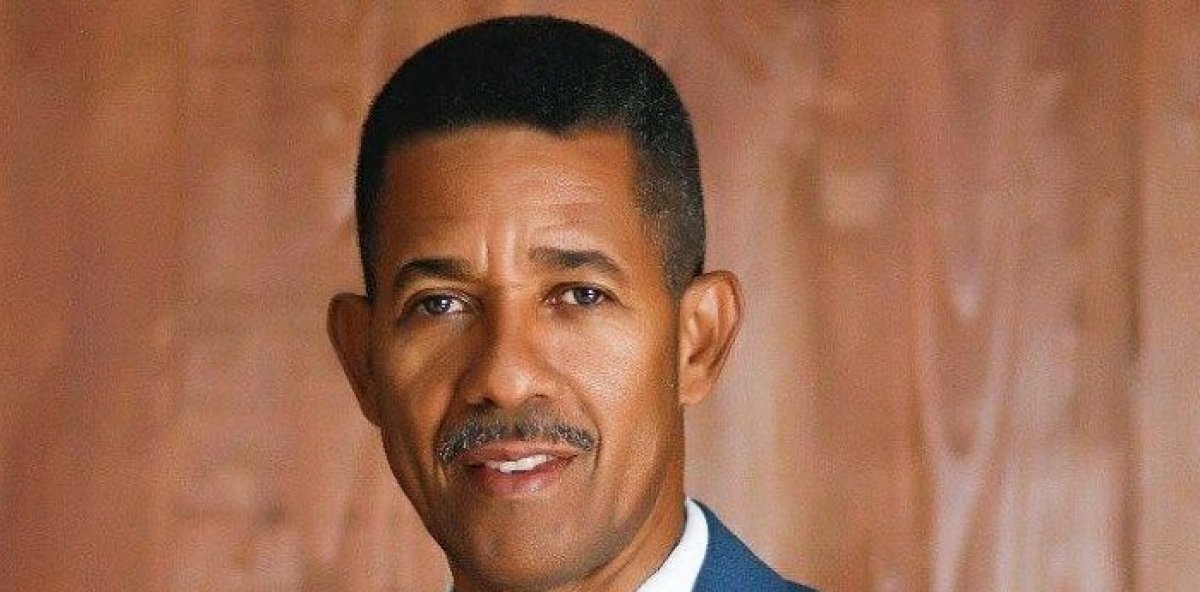
    On the northern coastline of the Dominican Republic, the legacy of Dr. Alejo Martínez endures as a powerful testament to professional dedication intertwined with courageous political defiance. Operating from his medical practice in the municipality of Sosúa, Puerto Plata, Dr. Martínez earned profound respect through his unwavering commitment to community healthcare. However, his contributions extended far beyond the medical realm, positioning him as a pivotal figure in the nation’s struggle for democratic freedom.

    During the oppressive regime of Rafael Leónidas Trujillo, Dr. Martínez joined the clandestine June 14 Movement (1J4), serving as the regional coordinator for the Sosúa area. This dual role as both healer and resistance fighter placed him in direct opposition to one of Latin America’s most brutal dictatorships. The political climate of the era was characterized by intense surveillance and violent suppression of dissent, creating enormous risks for those challenging the established power structure.

    The regime’s persecution culminated on January 21, 1960, when security forces arrested Dr. Martínez alongside numerous fellow activists. Despite this incarceration, his commitment to democratic principles remained unshaken. Tragically, on August 14, 1961—mere months after Trujillo’s assassination—Dr. Martínez was assassinated at his Sosúa residence under circumstances directly linked to the ongoing persecution of political opponents.

    Today, Dr. Martínez’s multifaceted legacy is permanently etched into the Dominican Republic’s historical narrative. His name graces streets and public spaces throughout Puerto Plata and Sosúa, serving as enduring symbols of professional integrity coupled with courageous civic engagement. He represents an entire class of professionals who leveraged their social standing to challenge authoritarianism, demonstrating that vocational excellence and political activism can converge in the defense of fundamental human rights.

    Historical scholars now recognize Dr. Martínez’s story as emblematic of the broader resistance movement that ultimately contributed to the dissolution of Trujillo’s authoritarian apparatus. His sacrifice continues to inspire contemporary discussions about professional ethics, social responsibility, and the moral imperative to oppose oppression.

  • COE issues alerts for six provinces due to heavy rains

    COE issues alerts for six provinces due to heavy rains

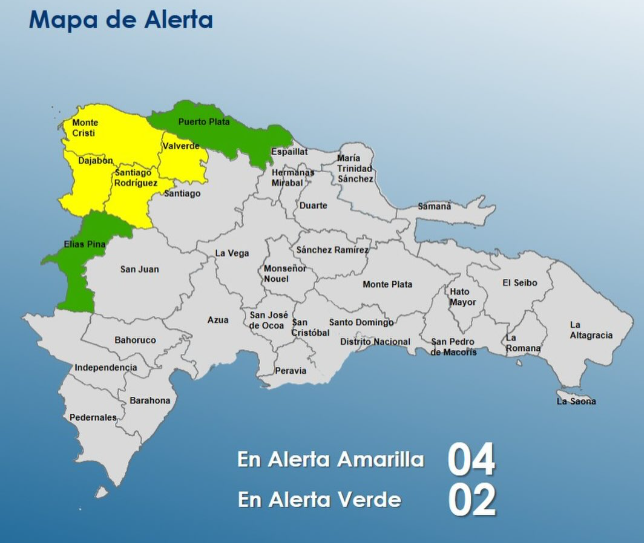
    The Dominican Republic’s Emergency Operations Center (COE) has escalated weather advisories across multiple regions in response to a dangerous convergence of meteorological systems. A potent combination of a frontal system and an upper-level trough has prompted authorities to implement yellow alerts—signifying elevated risk—in four northwestern provinces: Monte Cristi, Dajabón, Valverde, and Santiago Rodríguez. Additionally, Puerto Plata and Elías Piña provinces remain under green alert status, indicating continued vigilance.

    Meteorological authorities at the National Institute of Meteorology (ONAMET) project that the interaction between these weather systems and daytime heating will generate scattered but intense rainfall activity. The forecast includes thunderstorms with potential for heavy downpours that could rapidly accumulate significant precipitation.

    The COE has issued specific warnings regarding hydrological risks, noting that saturated ground conditions increase vulnerability to river overflow, flash flooding in urban low-lying areas, and sudden swelling of streams and ravines. Maritime authorities have concurrently advised extreme caution for operators of small vessels along the Atlantic coastline due to abnormally high waves and hazardous sea conditions.

    Emergency management officials are urging residents in vulnerable zones to maintain constant communication with local emergency agencies, refrain from crossing flooded roadways, and avoid recreational activities near rivers, beaches, and other bodies of water until the weather system passes. The public is advised to closely monitor official channels for further developments and adhere strictly to all safety recommendations.

  • Dominican Republic shows resilience in World Happiness Report

    Dominican Republic shows resilience in World Happiness Report

    The Dominican Republic has secured its standing as one of the Caribbean’s premier destinations for life satisfaction according to the latest World Happiness Report. This comprehensive United Nations-supported study evaluates national well-being through multiple dimensions including economic indicators, health outcomes, social support networks, personal freedom metrics, and corruption perceptions.

    While positioned in the middle tier globally, the Dominican Republic demonstrates remarkable regional performance in happiness measurements. The report identifies the nation’s robust family structures, deeply ingrained community solidarity, and notable population resilience as fundamental pillars supporting its well-being achievements. These social assets have enabled the country to maintain positive outlooks despite confronting various structural challenges.

    Critical factors driving happiness levels include exceptional social cohesion, consistent economic expansion, improved access to essential services, and substantial personal freedom. The analysis simultaneously identifies key development areas requiring attention: addressing wealth distribution disparities, enhancing institutional credibility, and upgrading public service quality. These elements are deemed vital for achieving sustainable progress and elevating living standards over the long term.

    Globally, Nordic nations continue to dominate the happiness rankings, with Finland retaining its top position owing to exemplary quality of life, comprehensive social welfare systems, and deeply embedded institutional trust. The overall assessment portrays the Dominican Republic as a competitively resilient nation within Latin America and the Caribbean region, while simultaneously highlighting strategic opportunities for advancing quality of life and economic inclusion initiatives.

  • Mitur presents Dominican tourism model to Lauder Institute students

    Mitur presents Dominican tourism model to Lauder Institute students

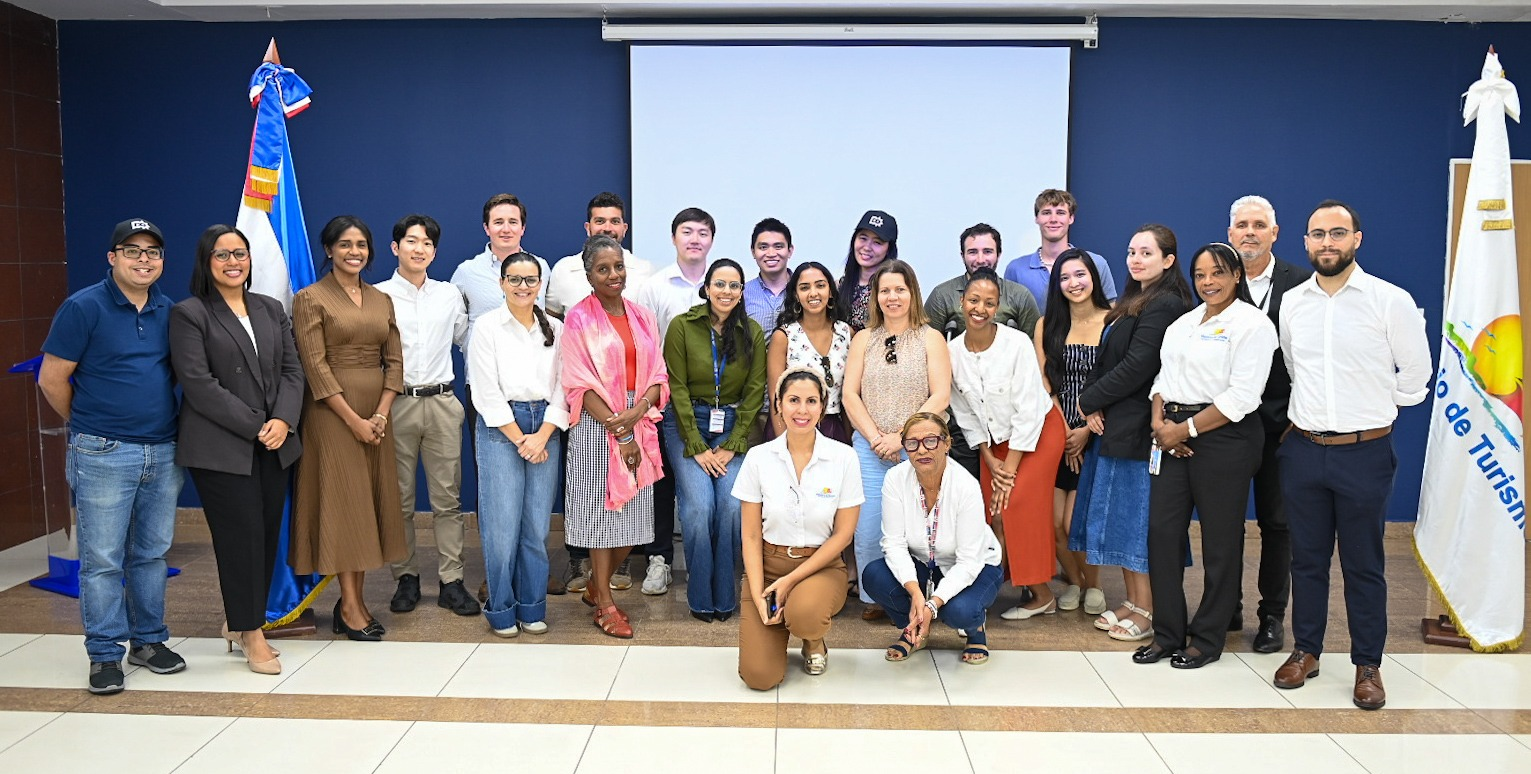
    Santo Domingo, Dominican Republic – In a strategic move to highlight its innovative approach to tourism development, the Dominican Republic’s Ministry of Tourism (Mitur) recently facilitated an academic exchange with fourteen graduate students from the University of Pennsylvania’s prestigious Lauder Institute. The specialized session focused on the data intelligence methodologies that have propelled the Caribbean nation to its current status as a premier global destination.

    Central to the presentation was Liliana Cruz, Mitur’s Director of Intelligence, who detailed the government’s reliance on sophisticated data analytics to guide sector-wide strategy. Cruz explained how the systematic analysis of market trends and visitor behavioral patterns directly informs national planning, resource allocation, and policy development. This evidence-based framework, she emphasized, is fundamental to maintaining a competitive edge and was underscored by the country’s consistently high tourist satisfaction scores, a critical metric for success.

    The academic dialogue was further enriched by insights from Mitur’s technical teams specializing in economic research and tourism market analysis, who stressed the value of international knowledge-sharing partnerships in fostering sustainable industry growth.

    Beyond the analytical deep-dive, the visit was designed to offer an immersive cultural experience. The delegation was treated to an authentic folkloric performance and a tasting of traditional Dominican confectionery, effectively demonstrating how the nation’s rich cultural and gastronomic heritage is strategically leveraged as a unique selling proposition within its tourism product.