标签: Dominica

多米尼克

  • Finance minister reports growth in National Employment Programme

    Finance minister reports growth in National Employment Programme

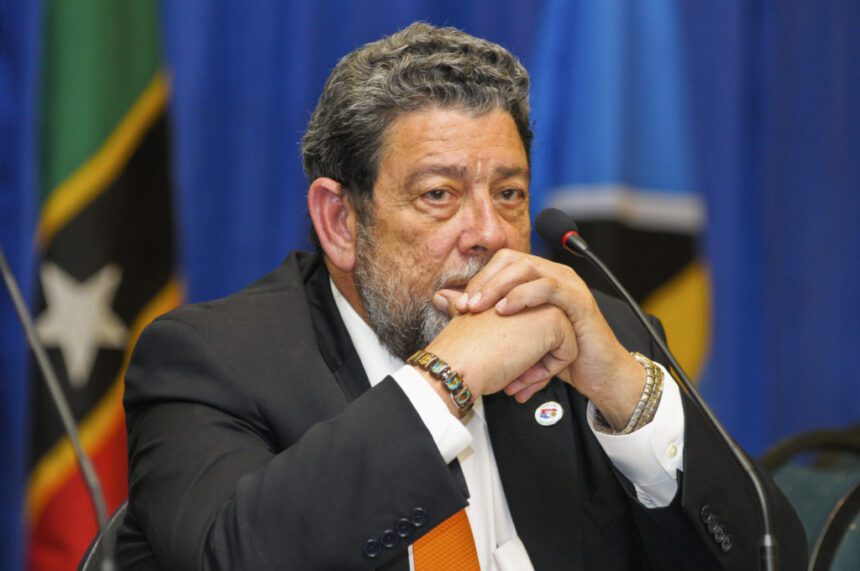
    Dominica’s National Employment Programme (NEP) has reached a significant milestone with 3,587 interns actively participating as of October 2025, according to Finance Minister Dr. Irving McIntyre’s recent parliamentary address. The workforce development initiative continues to demonstrate substantial impact on both individual careers and broader economic stability.

    Established as a strategic bridge between academic training and professional employment, the NEP specifically targets unemployment reduction through comprehensive skills development and job placement services. The program has received reinforced governmental backing with an additional $15 million investment beyond originally budgeted allocations for the 2024-2025 fiscal period.

    Minister McIntyre emphasized the program’s dual benefit system: “NEP stipends generate continuous economic stimulus by flowing directly into local communities, supporting consumption patterns, small business sustainability, and family livelihoods.” This injection of capital creates multiplicative economic effects throughout Dominica’s economy.

    The program’s success metrics extend beyond immediate employment figures. Between June 2024 and July 2025, 291 participants completed the program, with many transitioning into permanent positions using acquired professional competencies. The minister characterized the initiative as “an essential professional launching path” that systematically builds resumes, enhances workplace confidence, and develops critical professional networks.

    Dr. McIntyre concluded his assessment by framing the NEP as “a true pillar of support for Dominica and its people,” highlighting its sustained contribution to national socioeconomic development through multifaceted interventions that address both individual career development and broader economic stimulation.
  • CXC calls for greater accessibility in educational resources

    CXC calls for greater accessibility in educational resources

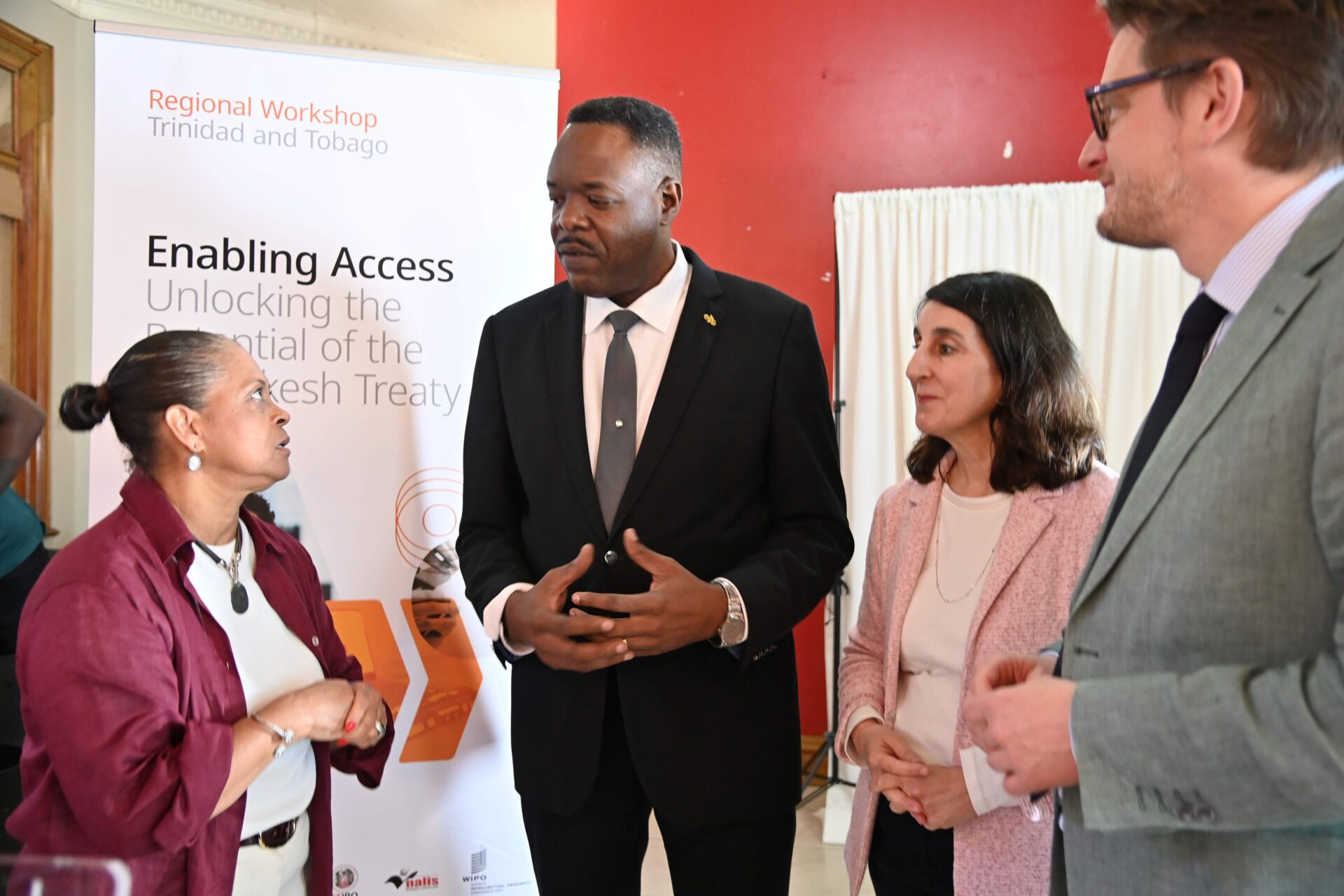
    In a groundbreaking address to educational publishers, Dr. Wayne Wesley, Registrar and CEO of the Caribbean Examinations Council (CXC), has declared accessible learning materials “a moral imperative” for the education sector. The senior official’s powerful statement came during a World Intellectual Property Organization workshop in Port-of-Spain on November 26, where he outlined transformative policy changes that will reshape educational publishing across the Caribbean region.

    Dr. Wesley emphasized the urgent necessity for learning resources in multiple accessible formats, including braille, large print, and digitally compatible editions that work seamlessly with assistive technologies. This strategic direction aligns with the international framework established by the Marrakesh Treaty, adopted in 2013 to facilitate access to published works for persons who are blind, visually impaired, or otherwise print-disabled.

    The CXC has instituted a mandatory requirement for all future contractual agreements with publishers to include the production of accessible digital formats. In a significant incentive measure, authors who demonstrate support for the Marrakesh Treaty principles will receive priority consideration when selecting prescribed texts for syllabuses across the Caribbean education system.

    Statistical evidence presented by Dr. Wesley highlighted the critical nature of this initiative. Recent data reveals that among Caribbean children aged 5 to 16, more than 0.1% experience blindness while up to 0.3% live with low vision conditions. Country-specific studies show 2.4% of Barbadian children under 18 cope with visual impairment, while 64% of high school students in Trinidad and Tobago require visual aids due to refractive errors. Hearing impairment also presents substantial challenges, with Jamaican research indicating a 4.9% prevalence rate among young students.

    The growing demand for accessibility accommodations is reflected in examination statistics. In 2025, CXC provided Special Arrangement Assessments for 3,444 candidates across CAPE, CSEC, and CCSLC examinations—a notable increase from 3,271 accommodations in the previous year.

    Dr. Wesley framed these statistics in human terms, stating, “Each data point represents an individual child whose educational journey depends on our collective commitment to accessibility. We cannot afford to fail them.”

    Looking forward, CXC will collaborate with education ministries throughout the Caribbean to encourage governments to formally sign and implement the Marrakesh Treaty. The council will also conduct comprehensive training and sensitization sessions for secondary school educators, equipping them with the skills necessary to support visually impaired and print-disabled learners effectively.

    Reaffirming CXC’s dedication to educational equity, Dr. Wesley concluded: “Accessible educational materials transcend mere legal compliance or ethical considerations—they represent a fundamental moral obligation. Fully implementing the Marrakesh Treaty’s potential will empower visually impaired persons and all learners to read, learn, and ultimately thrive.”

  • NDP secures historic victory in 2025 elections in St. Vincent and the Grenadines

    NDP secures historic victory in 2025 elections in St. Vincent and the Grenadines

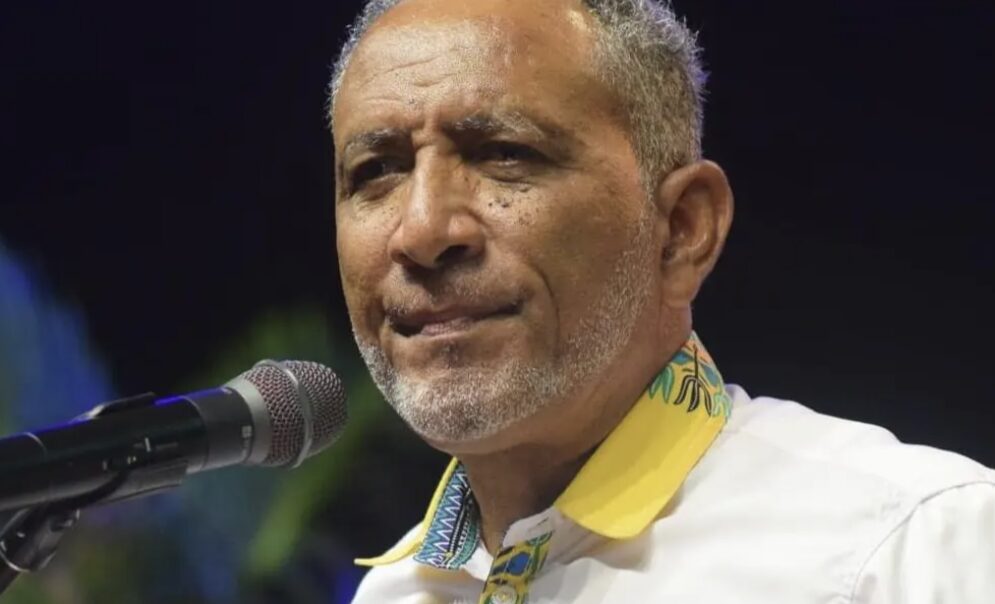
    In a historic electoral upheaval, the New Democratic Party (NDP) has achieved a decisive victory in St. Vincent and the Grenadines’ 2025 national elections, conclusively terminating the Unity Labour Party’s (ULP) quarter-century grip on power. This political watershed moment positions Dr. Godwin Friday to ascend as the nation’s seventh prime minister since gaining independence in 1979.

    The electoral outcome represents a profound shift in the Caribbean nation’s governance trajectory, with Friday emerging victorious following an intensely competitive contest against incumbent Prime Minister Ralph Gonsalves, whose administration had guided the island’s destiny for over two decades. The transition marks not merely a change in leadership but potentially a comprehensive reorientation of national policy directions and international alignments.

    Throughout the capital city, jubilant NDP supporters engaged in widespread celebrations, characterizing the triumph as the culmination of persistent opposition efforts and a mandate for transformative governance. Political observers emphasize that this power transfer could precipitate substantial modifications in both domestic agenda-setting and foreign policy engagements.

    The impending swearing-in ceremony, scheduled within days, will formally inaugurate Friday’s administration, presenting the new government with the complex challenge of implementing its campaign commitments while navigating post-election expectations. This transition period generates heightened anticipation regarding policy innovations across economic management, social development, and diplomatic relations.

    Analysts project that the leadership change may stimulate recalibrations in regional partnerships and international cooperation frameworks, as the incoming administration establishes its distinctive governance approach following extensive political incubation in opposition roles.

  • Dominica and the CDB agree on joint action plan for sustainable growth

    Dominica and the CDB agree on joint action plan for sustainable growth

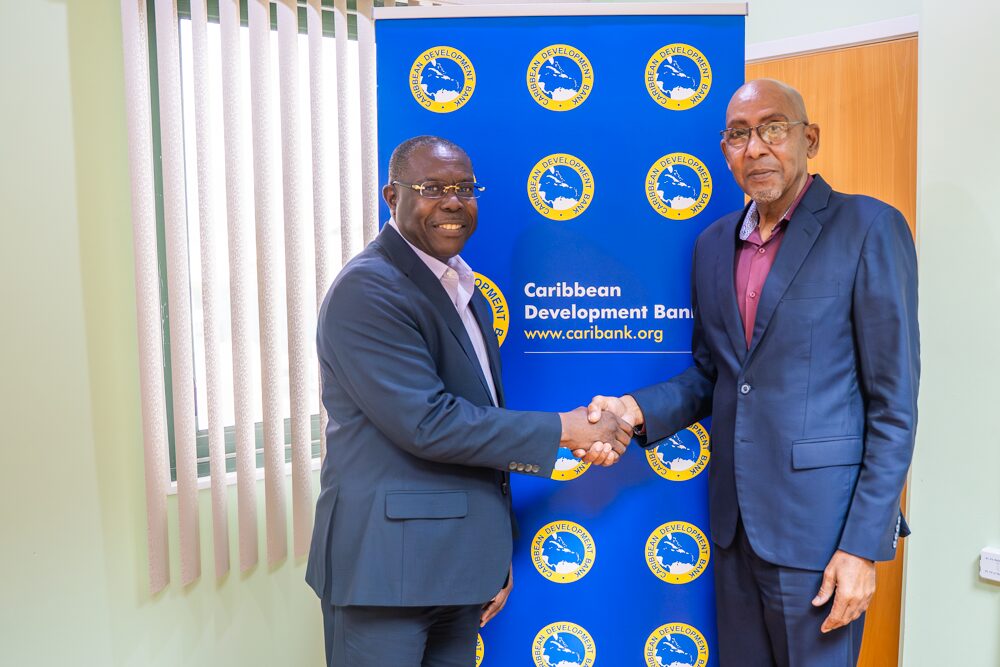
    The Caribbean Development Bank (CDB) and the Government of the Commonwealth of Dominica have solidified a comprehensive partnership through a newly established multi-year Action Plan. This strategic framework emerged from intensive deliberations during a recent Country Portfolio Performance Review and Country Engagement Strategy mission conducted in Roseau.

    High-level discussions brought together senior Dominican officials, CDB representatives, and national stakeholders to evaluate ongoing initiatives, tackle implementation hurdles, and pinpoint emerging opportunities. The collaborative assessment encompassed critical development sectors including infrastructure modernization, water resource management, agricultural innovation, climate resilience, renewable energy expansion, and educational advancement.

    Notable projects under examination included the groundbreaking Dominica Geothermal Project, the transformative Basic Needs Trust Fund, and the UK Caribbean Infrastructure Fund initiatives. These evaluations informed the creation of the Action Plan, which aligns with Dominica’s aspiration to construct a robust, inclusive, and sustainable economic future.

    Dr. Isaac Solomon, CDB’s Vice-President of Operations, characterized the agreement as a pivotal achievement in the institution’s partnership with Dominica. He emphasized that the plan embodies a shared vision for delivering concrete, enduring outcomes that enhance living standards while strengthening national resilience. The framework represents not merely operational guidance but a mutual dedication to innovative approaches, accountability mechanisms, and sustainable economic transformation.

    The strategic blueprint will direct CDB’s financing allocations through the next triennium, prioritizing youth empowerment programs, micro-small-medium enterprise development, water and sewage system enhancements, and expanded geothermal energy utilization. Incorporated within the plan are robust measures to fortify project execution capabilities and institutional capacities.

    Finance Minister Dr. Irving McIntyre highlighted the essential role of collaborative efforts in realizing Dominica’s Sustainable Development Objectives. He acknowledged CDB’s consistent partnership and expressed confidence in the joint development agenda focused on institutional strengthening, capacity enhancement, and citizen welfare improvement.

    As part of the engagement process, CDB delegates and government representatives conducted site visits to pivotal projects, including the Grand Bay/Dubique Multipurpose Facility and the Loubiere to Grand Bay Road Reconstruction Project. These inspections provided tangible evidence of CDB-supported investments generating transformative impacts on communities and infrastructure nationwide.

    The Action Plan signifies a reinvigorated commitment from both entities to ensure each investment yields substantial, lasting benefits for Dominican citizens. With concentrated focus on resilience building, inclusive growth, and sustainable development, this partnership aims to forge a more prosperous future for the nation.

  • Sisserou Girls head to Jamaica with renewed confidence for CONCACAF qualifier

    Sisserou Girls head to Jamaica with renewed confidence for CONCACAF qualifier

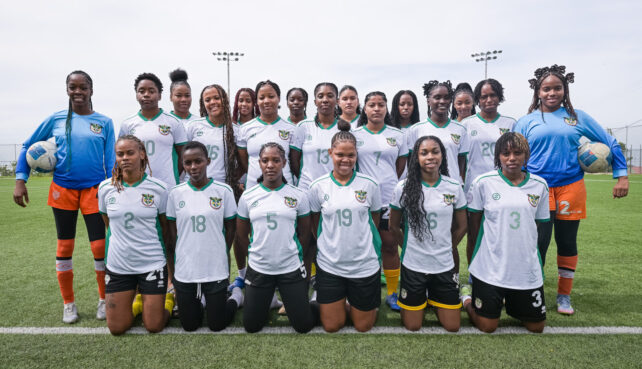
    The Sisserou Girls, Dominica’s senior women’s football squad, have embarked on their journey to Kingston, Jamaica, for a pivotal CONCACAF qualification match this Saturday. Under the guidance of Head Coach Ronnie Gustave, the team approaches the challenge with measured optimism following intensive preparations.

    Gustave’s assessment reveals a team in transformation, addressing previously identified weaknesses from their UEFA tournament performance earlier this year. The coaching staff has implemented comprehensive improvements across technical execution, physical conditioning, and mental fortitude. “Our players demonstrated deficiencies in fundamental ball control, turning techniques, and overall pace during previous international competitions,” Gustave acknowledged. “However, recent training sessions have yielded noticeable advancements in ball movement and gameplay velocity.”

    The strategic enhancement program included specialized training to elevate passing precision and systemic play. “Our previous matches exposed inadequate speed on the pitch and imprecise passing,” Gustave explained. “We prioritized rectifying these elements before advancing our tactical approach.”

    Physical development received equal emphasis through a rigorous strength and conditioning regimen designed to combat previous vulnerabilities. “We addressed the concerning tendency of being easily dispossessed,” Gustave noted. “Our customized fitness program aims to build robust physicality, though we recognize team development remains an evolutionary process.”

    Beyond technical and physical preparation, the team engaged in psychological strengthening through motivational sessions with advocate Delia Coffee Weeks. Gustave emphasized the importance of role models, stating, “Our athletes benefit immensely from inspirational figures like Mrs. Weeks, whose experience and advocacy provide exemplary standards for emulation.”

    The upcoming confrontation presents a formidable challenge against Jamaica’s Reggae Girlz, widely regarded as the Caribbean’s premier women’s football team following their impressive performance at the 2023 FIFA Women’s World Cup, where they secured a historic draw against Brazil.

    Despite the evident disparity in ranking and experience, Gustave maintains a philosophy of collective resilience. “Football’s beauty lies in its unpredictability,” he asserted. “While Jamaica presents substantial challenges, our success hinges on unified teamwork, mutual commitment, and maximal collective effort. With complete physical and mental dedication, we are capable of delivering a respectable performance.”

  • Finance Minister McIntyre announces VAT exemptions on 26 items

    Finance Minister McIntyre announces VAT exemptions on 26 items

    In a significant move to alleviate economic pressure on citizens, the Dominican government has enacted sweeping tax reforms targeting essential consumer goods. Finance Minister Dr. Irving McIntyre presented the legislative amendment to Parliament, officially removing Value Added Tax (VAT) from 26 critical items in the national basket of goods.

    The comprehensive exemption list encompasses fundamental food staples and household products, including salted herrings, codfish, various legumes (split peas, red kidney beans, black-eyed peas, lentils, pigeon peas), cereals (cream of wheat, cornmeal, oats, wheat bran), canned protein sources (luncheon meat, corned beef, herring, sardines, tuna, mackerel), along with orange juice, tomato ketchup, unsweetened biscuits, toothpaste, laundry detergents, toilet paper, and sanitary napkins. Minister McIntyre emphasized that these items already benefit from zero import duties, creating a compounded reduction in consumer prices.

    Dr. McIntyre articulated the government’s fiscal philosophy, stating, ‘To prevent undue hardship on our population, we are developing alternative revenue generation methods rather than relying solely on taxation, while providing necessary relief when circumstances demand.’ The policy implementation requires formal amendments to Schedule II of the Value Added Tax Act (Chapter 67-8 of the 2017 revised laws).

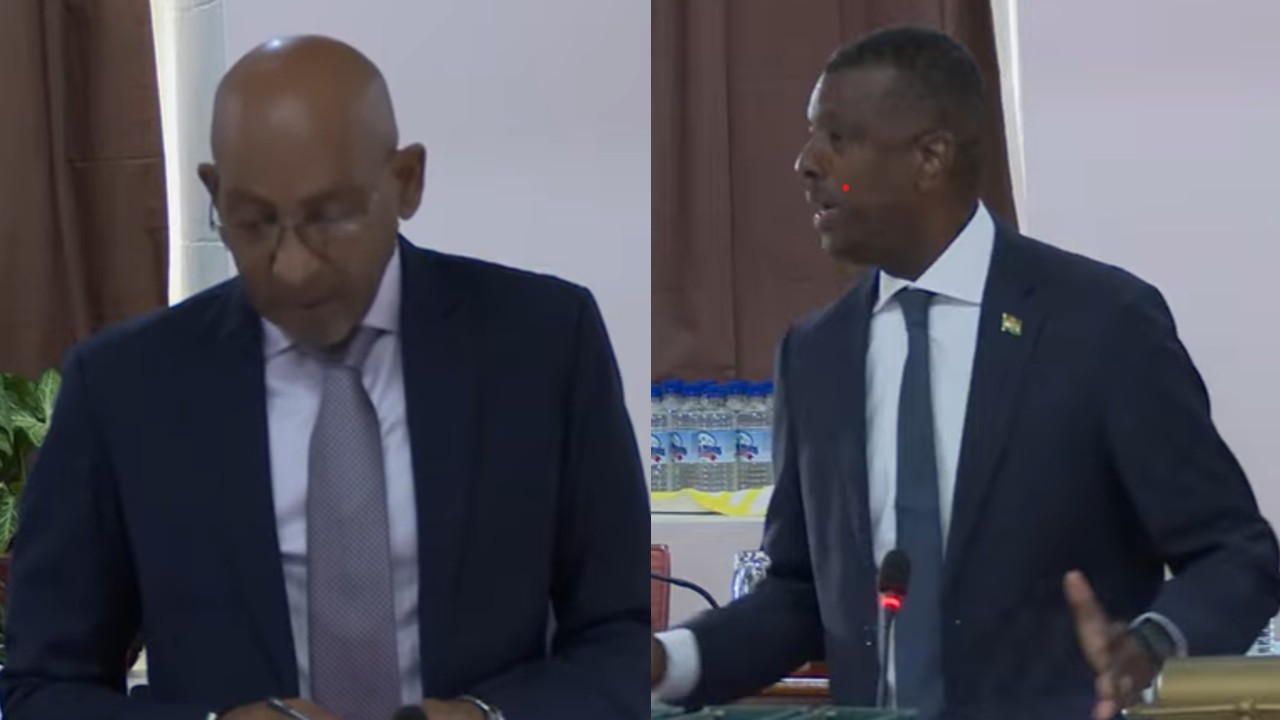
    Concurrently, Dr. Vince Henderson, Minister for Foreign Affairs, International Business, Trade and Energy, highlighted the regional economic dimension of this policy. He revealed that the Caribbean Community (CARICOM) had approved the Dominican Republic’s request to zero-rate these goods under the Common External Tariff framework. Minister Henderson urged domestic importers and supermarkets to prioritize sourcing from CARICOM producers, noting that over 75% of the exempted items are adequately produced within the trade bloc and already enter duty-free. ‘Only eight items on the list require sourcing outside CARICOM,’ Henderson clarified, emphasizing the dual benefit of consumer relief and regional economic protectionism.

    Both ministers explicitly called upon supply chain stakeholders—particularly retailers and distributors—to ensure the full benefit of these tax exemptions reaches consumers through corresponding price reductions, rather than being absorbed as additional profit margins.

  • Finance Minister McIntyre announces VAT exemptions on 26 items; Trade minister urges more importation  from CARICOM

    Finance Minister McIntyre announces VAT exemptions on 26 items; Trade minister urges more importation from CARICOM

    In a significant move to alleviate economic pressure on citizens, Dominican Finance Minister Dr. Irving McIntyre has declared the complete removal of Value Added Tax (VAT) on 26 essential consumer products. The announcement was formally made during a parliamentary session this week, marking a substantial fiscal policy shift aimed at direct public relief.

    Minister McIntyre emphasized the government’s commitment to finding alternative revenue streams that do not disproportionately burden the population. “To avoid hardship on our people, we find ways other than through taxes to raise revenue and provide relief when required,” he stated. The extensive exemption list encompasses basic food staples and household necessities including salted herrings, codfish, various legumes (split peas, red kidney beans, black-eyed peas, lentils, pigeon peas), core grains (cream of wheat, cornmeal, oats, wheat bran cereals), canned protein products (luncheon meat, corned beef, herring, sardines, tuna, mackerel), unsweetened biscuits, orange juice, tomato ketchup, toothpaste, laundry detergents, toilet paper, and sanitary napkins.

    Crucially, Dr. McIntyre highlighted that these items already benefit from zero import duties, creating a compounded reduction in consumer costs. He formally requested suppliers and retailers to fully transmit these fiscal benefits to end consumers, ensuring the policy achieves its intended effect.

    The implementation of these measures requires a legislative amendment to Schedule II of the Value Added Tax Act, Chapter 67-8 of the 2017 revised laws.

    In a related development, Dr. Vince Henderson, Minister for Foreign Affairs, International Business, Trade and Energy, reinforced the regional economic dimension of this policy. He strongly encouraged domestic importers to prioritize sourcing these goods from within the Caribbean Community (CARICOM), noting that member states possess the capacity to supply over 75% of these essential items. “Therefore, they should be protected,” Dr. Henderson asserted, confirming that CARICOM had granted the Dominican Republic’s request for a zero-rating period under the Common External Tariff (CET) framework. He revealed that only eight items on the exemption list are not sufficiently produced within the CARICOM region, presenting a substantial opportunity for regional trade expansion and economic cooperation.

  • St. Vincent and the Grenadines witnessing one of its most competitive elections in decades; PM Gonsalves seeks historic 6th consecutive term

    St. Vincent and the Grenadines witnessing one of its most competitive elections in decades; PM Gonsalves seeks historic 6th consecutive term

    Citizens of St. Vincent and the Grenadines are participating in a landmark general election that may either prolong Prime Minister Ralph Gonsalves’ 24-year governance or usher in a new political era. With over 103,000 eligible voters registered across 250 polling stations, this electoral battle represents a critical juncture for the Caribbean nation.

    Polling commenced at 7:00 a.m. local time, witnessing substantial voter engagement with reports of lengthy queues in both urban centers like Kingstown and rural voting districts. Electoral authorities, led by Supervisor of Elections Dora James, have emphasized that while proxy voting remains prohibited, appropriate accommodations are available for voters with disabilities.

    The electoral landscape appears exceptionally competitive, with conflicting pre-election surveys creating uncertainty about the final outcome. One analysis by DP Dunn Pierre Barnett & Company indicates a slight advantage for Gonsalves’ Unity Labour Party (ULP), projecting a 64% probability of victory with an estimated eight parliamentary seats. Conversely, research from WIC News suggests the opposition New Democratic Party (NDP) has gained significant momentum, showing 49% popular support compared to the ULP’s 44%.

    Prime Minister Gonsalves, at 79 years old, seeks an unprecedented sixth consecutive term that would solidify his status as the Caribbean Community’s longest-serving leader. His administration faces challenges from Dr. Godwin Friday’s NDP, which has centered its campaign on addressing economic pressures, governance concerns, and advocating for leadership transition.

    Beyond the two dominant parties, smaller political movements including the National Liberation Movement and independent candidates are contesting all fifteen constituencies. Electoral analysts highlight that youth participation and newly registered voters could prove decisive in closely contested districts.

    The final results will determine whether St. Vincent and the Grenadines continues under the leadership that has guided the nation since 2001 or embraces political change. The outcome carries significant implications for both domestic policy and regional political dynamics within the Caribbean community.

  • Kiwanis Nature Island Club represents Dominica at regional council meeting in Martinique

    Kiwanis Nature Island Club represents Dominica at regional council meeting in Martinique

    A landmark delegation from Dominica’s Kiwanis Nature Island Club made history as the largest contingent ever represented at the Eastern Canada and Caribbean District Division 27A Creole Caribbean Amazonia Division Council Meeting. The strategic gathering, convened in Martinique from November 21-23, 2025, brought together service organizations from across the region for intensive leadership development and collaborative planning.

    The Eastern Canada and Caribbean District (EC&C) orchestrates these pivotal meetings triannually during each Kiwanian year, creating a platform for clubs throughout the region to deliberate on constitutional amendments, vote on critical resolutions, and evaluate operational performance metrics including financial health and membership growth. This inaugural session of the year featured active participation from multiple territories including Dominica, St. Lucia, Martinique, and French Guiana.

    Dominica’s record-breaking delegation showcased the organization’s deepening commitment to regional engagement, led by President Mary Winston and comprising Vice President Nicole Karam, Secretary Daniah Labadie, Treasurer Lisa Francis, and Public Relations Officer Laila Langford.

    President Winston characterized the experience as transformative for the organization’s mission. “The three-day intensive training under the thematic banner ‘Fuel the Passion and Change the Game’ proved extraordinary. The acquired expertise and methodologies will significantly enhance our capacity to honor our commitments to both the Kiwanis institution and the vulnerable children and families we support,” she reflected.

    Secretary Labadie, attending her inaugural council meeting, emphasized the profound lessons in collective action and guidance. “This conference illuminated not merely the techniques of influential leadership but its fundamental essence. I departed feeling both inspired and fulfilled, confident that our entire membership stands prepared to implement these insights for organizational advancement.”

    Treasurer Francis similarly reported renewed dedication, noting: “Participating in this Kiwanis convening under its dynamic theme constituted a genuinely inspirational journey. Engaging with fellow leaders and clubs has expanded my vision and rekindled my determination to elevate both personal performance and our entire Dominica chapter’s impact.”

    The Nature Island Club’s substantial involvement highlighted its strategic priority to fortify the Kiwanis network throughout Dominica while amplifying its service footprint across the Caribbean region.

    As an affiliate of Kiwanis International—a worldwide nonprofit service consortium dedicated to child welfare and community development—the Dominica chapter operates under the global motto “Serving the children of the world” through localized volunteer initiatives and public service programs across the island nation.

  • ECCO announces second major royalty distribution of 2025, topping EC$1.3 million

    ECCO announces second major royalty distribution of 2025, topping EC$1.3 million

    The Eastern Caribbean Collective Organisation for Music Rights (ECCO) has announced its second major royalty distribution for 2025, allocating $1.3 million XCD (Eastern Caribbean dollars) to music creators for earnings generated during 2024. This substantial payout follows the organization’s June distribution of over $1 million XCD for 2023 royalties, with funds scheduled to reach rights holders’ accounts on December 4th, 2025.

    In a significant development for regional creators, 52% of the distributed royalties will remain with ECCO members across the Organisation of Eastern Caribbean States (OECS), while 48% will be allocated to international rights holders through ECCO’s affiliated societies. This distribution ratio marks a notable achievement for local creators, attributed to enhanced strategic initiatives and improved data collection from live events throughout the Eastern Caribbean.

    However, ECCO identifies a critical challenge limiting even greater payouts for regional artists: many musical works performed in the territory remain unregistered in its database. Without proper registration, the organization cannot identify rightful creators or distribute earned royalties. These unclaimed funds are held in trust for three years before being reallocated to registered members with documented usage in subsequent distribution cycles.

    Revenue generation stems from ECCO’s licensing agreements with various music users, including television and radio broadcasters, concert and festival organizers, and hospitality venues such as hotels, restaurants, and bars across its six operating territories: Antigua & Barbuda, Dominica, Grenada, St. Kitts & Nevis, Saint Lucia, and St. Vincent & the Grenadines.

    ECCO CEO Martin A. James stated: ‘We are proud to conclude the year with this second major distribution following our June payment. The fact that over half of this payout remains with creators in our region demonstrates the strength of our local music industry. Maintaining this financial support remains central to our mission, despite regional challenges.’

    The distribution is particularly noteworthy given persistent industry obstacles including widespread non-compliance, legislative inconsistencies, insufficient respect for copyright protections, and limited enforcement resources. Despite these barriers, ECCO’s collections and distributions continue on an upward trajectory, highlighting both the untapped economic potential of the region’s creative sector and the organization’s commitment to its mandate.

    ECCO Board Chairman Mr. Bruno Leonce reflected on this achievement: ‘Our 2025 distributions demonstrate what can be accomplished when we support creators’ rights, even within a challenging environment of widespread non-compliance and disregard for intellectual property laws. This represents just the beginning—imagine the possibilities if every broadcaster, venue, and business honored copyright laws. Our creators deserve a comprehensive system where their work receives consistent and fair compensation.’

    Established in 2009, ECCO serves as a crucial bridge connecting Eastern Caribbean creators to the global music rights management network. The organization continues to advocate for proper valuation and compensation for regional music both domestically and internationally, while encouraging all music users to collaborate in ensuring creators receive fair payment for their artistic contributions.