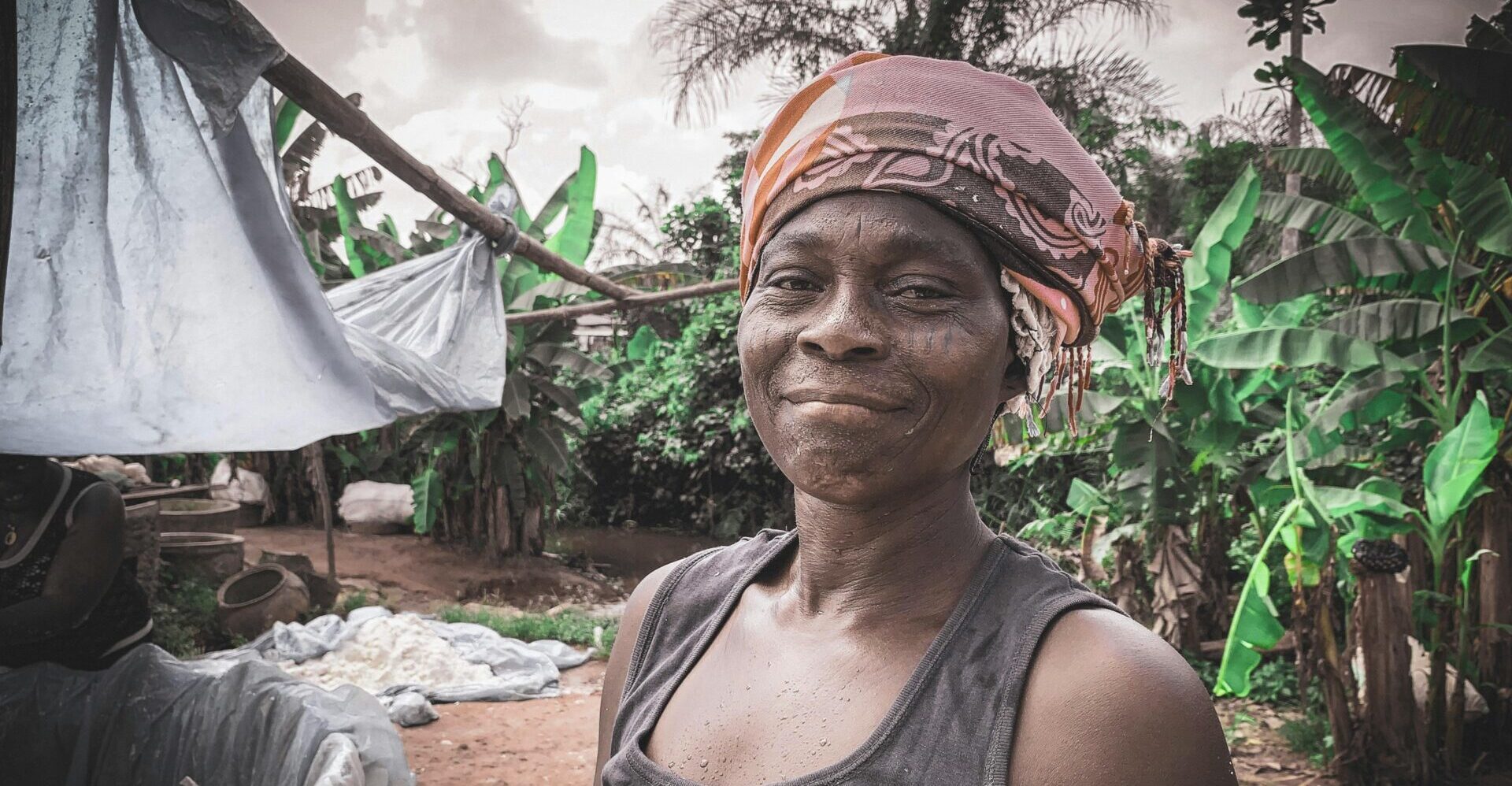
Despite significant strides in education, poverty reduction, and productivity over the past three decades, entrenched inequalities, eroding trust in institutions, and sluggish advancements in key areas continue to impede global social justice, according to a recent report by the International Labour Organization (ILO). Titled ‘The State of Social Justice: A Work in Progress,’ the report reveals that 71 percent of an individual’s income is still heavily determined by factors such as their country of birth and gender. Published ahead of the Second World Summit for Social Development in Doha and marking the 30th anniversary of the 1995 Copenhagen Summit on Social Development, the study acknowledges that while global wealth, health, and education levels have improved since 1995, these benefits have not been equitably distributed, and progress in reducing inequality has stagnated. The report highlights a steady decline in public trust in institutions since 1982, fueled by widespread dissatisfaction with perceived unfair rewards for effort. The ILO warns that without urgent efforts to strengthen the social contract, this erosion of trust could undermine democratic governance and international cooperation. On a positive note, the report points to notable achievements, including a 50 percent reduction in child labor among children aged 5 to 14, a drop in extreme poverty from 39 to 10 percent, a ten percentage point increase in primary education completion rates, and social protection coverage for over half of the global population. However, persistent challenges remain: 58 percent of workers are still in informal employment, the gender participation gap in the workforce has only slightly decreased since 2005, and closing the global gender wage gap could take a century at current rates. These issues are exacerbated by rapid environmental, digital, and demographic changes reshaping labor markets at an unprecedented pace. The ILO emphasizes that without targeted policies, disparities will deepen, but strategic interventions—such as investing in skills development, social safety nets, equitable wage policies, and active labor market programs—can foster inclusion and resilience. ILO Director-General Gilbert F. Houngbo stressed, ‘Social justice is not only a moral imperative—it is essential for economic security, social cohesion, and peace.’ The report calls for immediate action to address unequal access to opportunities, promote fairer economic benefits distribution, and manage global shifts in a way that leaves no one behind. It also advocates for embedding social justice at the core of all policy frameworks and enhancing collaboration among governments, international agencies, and social partners. The findings are expected to shape discussions at the upcoming World Social Summit in November and support the initiatives of the Global Coalition for Social Justice, led by the ILO, which unites stakeholders committed to building fairer and more inclusive societies.
标签: Dominica
多米尼克
-
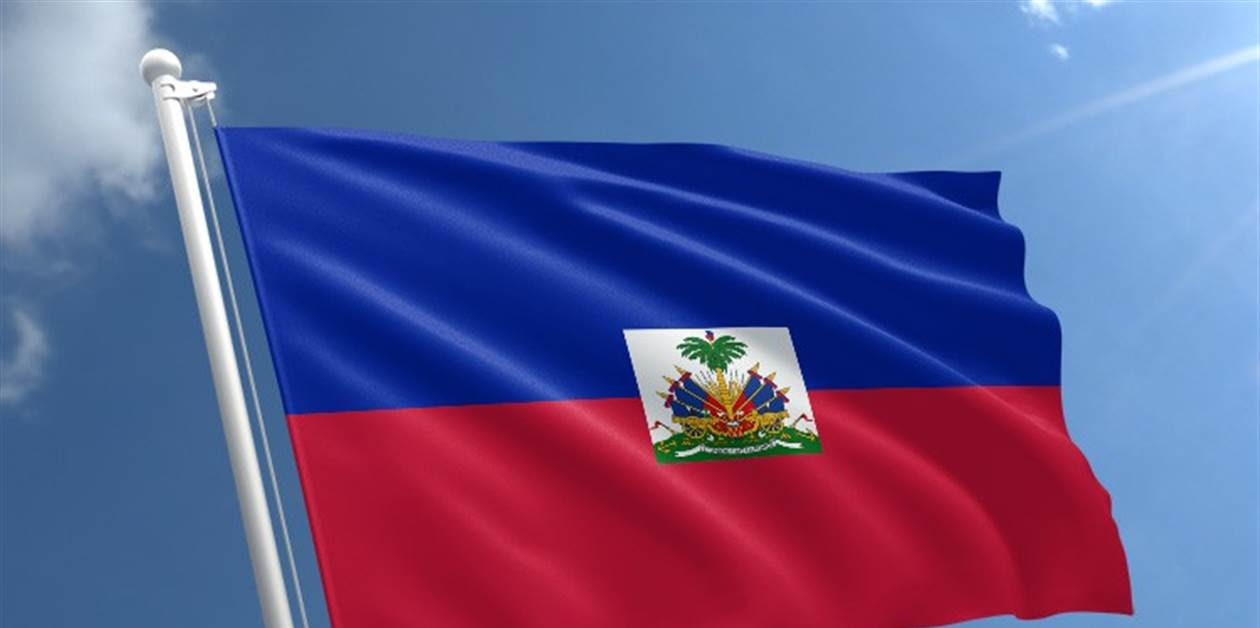
Human Rights Watch to UN Security Council: Take decisive action to protect Haitians
Human Rights Watch has called for the United Nations Security Council to urgently authorize a comprehensive international peacekeeping mission in Haiti to address the escalating violence fueled by criminal factions. The organization stresses the critical need for adequate funding, personnel, and robust human rights protections to ensure the mission’s effectiveness. Criminal groups have expanded their control beyond Port-au-Prince, intensifying violence in previously safer regions and severely disrupting access to essential services and humanitarian aid. The UN has reported over 3,137 fatalities in the first half of 2025, with nearly 1.5 million people displaced and half the population facing severe food insecurity. Currently, the Security Council is considering transforming the Kenyan-led Multinational Security Support (MSS) mission into a more robust ‘Gang Suppression Force’ (GSF). The MSS, operational since June 2024, has been hindered by insufficient resources and personnel. Nathalye Cotrino, a senior researcher at Human Rights Watch, emphasized the urgency, stating, ‘Time is running out to stop Haiti from falling entirely into the hands of abusive criminal groups.’ She urged the UN to ensure any new force is properly staffed, funded, and equipped with human rights safeguards. The proposed GSF would comprise up to 5,500 personnel, including police, military, and civilians, and operate independently or alongside the Haitian National Police. A new UN Support Office in Haiti (UNSOH) would oversee the GSF, providing logistical and technical support. Human Rights Watch warned that without adequate resources and human rights protections, the GSF risks repeating the MSS’s shortcomings. The organization also called for strict vetting procedures, comprehensive human rights training, and an independent accountability mechanism involving Haitian civil society. Cotrino concluded, ‘It has been two years since Haitian authorities asked for international help, and so far, that help has fallen far short.’
-

NEW MUSIC: ‘Le i Bon’ Shelly x Kris
In a groundbreaking development, researchers have unveiled a new artificial intelligence (AI) system that is set to revolutionize digital communication. The innovative technology, which leverages advanced natural language processing (NLP) algorithms, promises to enhance the way people interact online by providing more intuitive and context-aware responses. The system, developed by a team of leading AI experts, has been designed to understand and generate human-like text with unprecedented accuracy. This breakthrough is expected to have far-reaching implications across various sectors, including customer service, education, and healthcare, where effective communication is paramount. The researchers behind the project have emphasized the ethical considerations of deploying such powerful AI tools, ensuring that safeguards are in place to prevent misuse. As the technology continues to evolve, it is anticipated that it will become an integral part of our daily digital interactions, making communication more seamless and efficient.
-
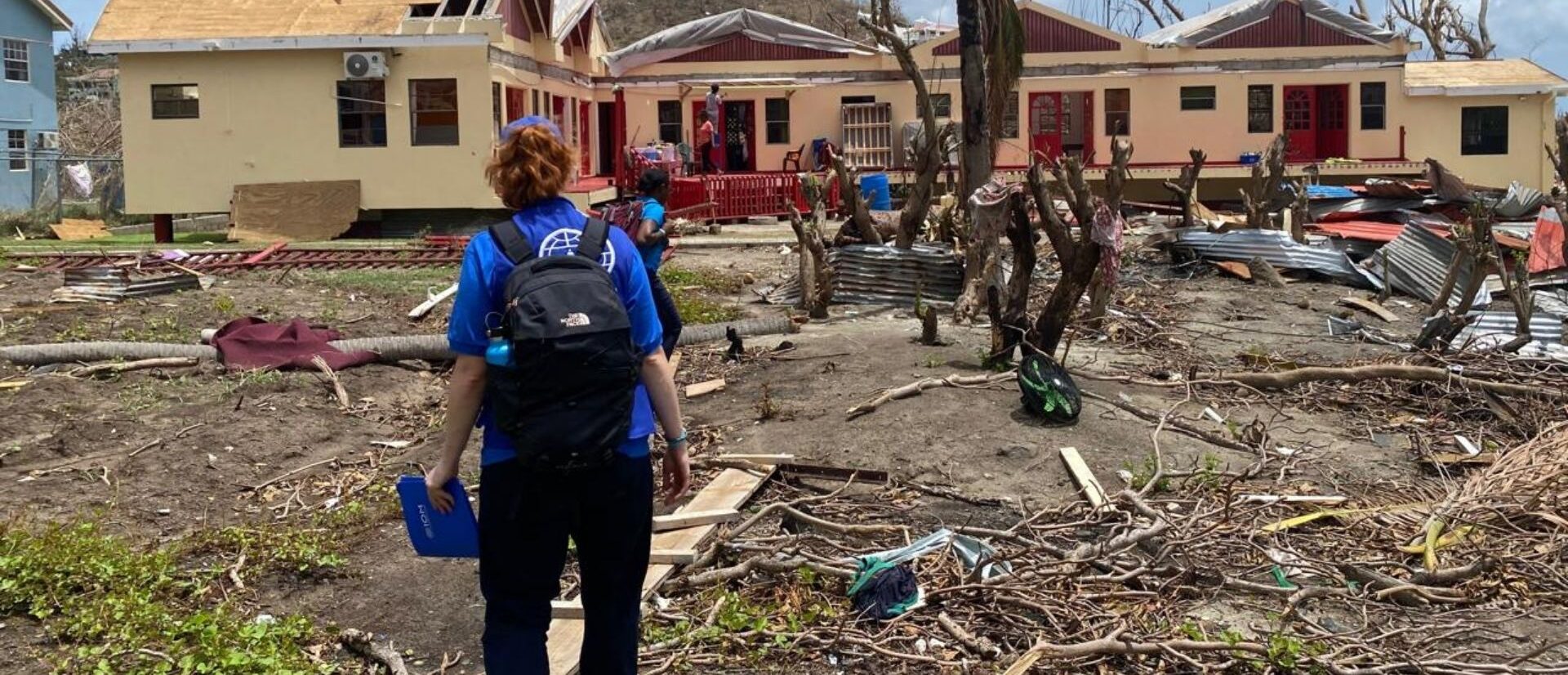
Caribbean initiates first shelter coordination team to enhance disaster readiness
As the Atlantic Hurricane Season enters its most critical phase, over 47 disaster management experts from the Caribbean and surrounding regions have united to form the Caribbean’s first Shelter Technical Working Group. Spearheaded by the Caribbean Disaster and Emergency Management Agency (CDEMA) and the International Organization for Migration (IOM), this groundbreaking initiative seeks to improve emergency shelter operations, ensure equitable aid distribution, and promote safer, more inclusive disaster response strategies for affected communities. Tamara Lovell, a Community Resilience Specialist with CDEMA, highlighted the group’s mission, stating, ‘This marks the beginning of a shelter management community for the Caribbean, with the goal of advancing shelter management practices in the future.’ Since its establishment, weekly meetings have fostered a collaborative network ready to address urgent shelter needs. Both CDEMA and IOM have committed to involving local organizations and communities in all planning and response efforts, recognizing their crucial role in creating inclusive shelters for vulnerable populations. The initiative includes national disaster agencies, civil society groups, and non-governmental organizations from across the region. To enhance coordination, a WhatsApp platform for real-time updates and a dedicated website for resource sharing have been launched. Future sessions will focus on critical topics such as relief supply quality, gender-based violence prevention, cash assistance programs, and sustainable shelter solutions. The group will also provide technical aid, conduct training, and mobilize relief supplies for rapid deployment during disasters. Emergency supplies, including plastic sheeting, toolkits, solar lamps, tents, generators, and hygiene products, have already been stockpiled at CDEMA’s Logistics Hub in Barbados by organizations like IOM, ShelterBox, GSD, UNICEF, and the Red Cross. Jan-Willem Wegdam, IOM’s Emergency Coordinator for the Caribbean, urged participants to collaborate, stating, ‘Let’s shape this agenda together and create a welcoming community where our collective efforts drive impact.’ This initiative is part of the RESILIENT CARIBBEAN Project, funded by the European Union and launched virtually by IOM on September 16.
-
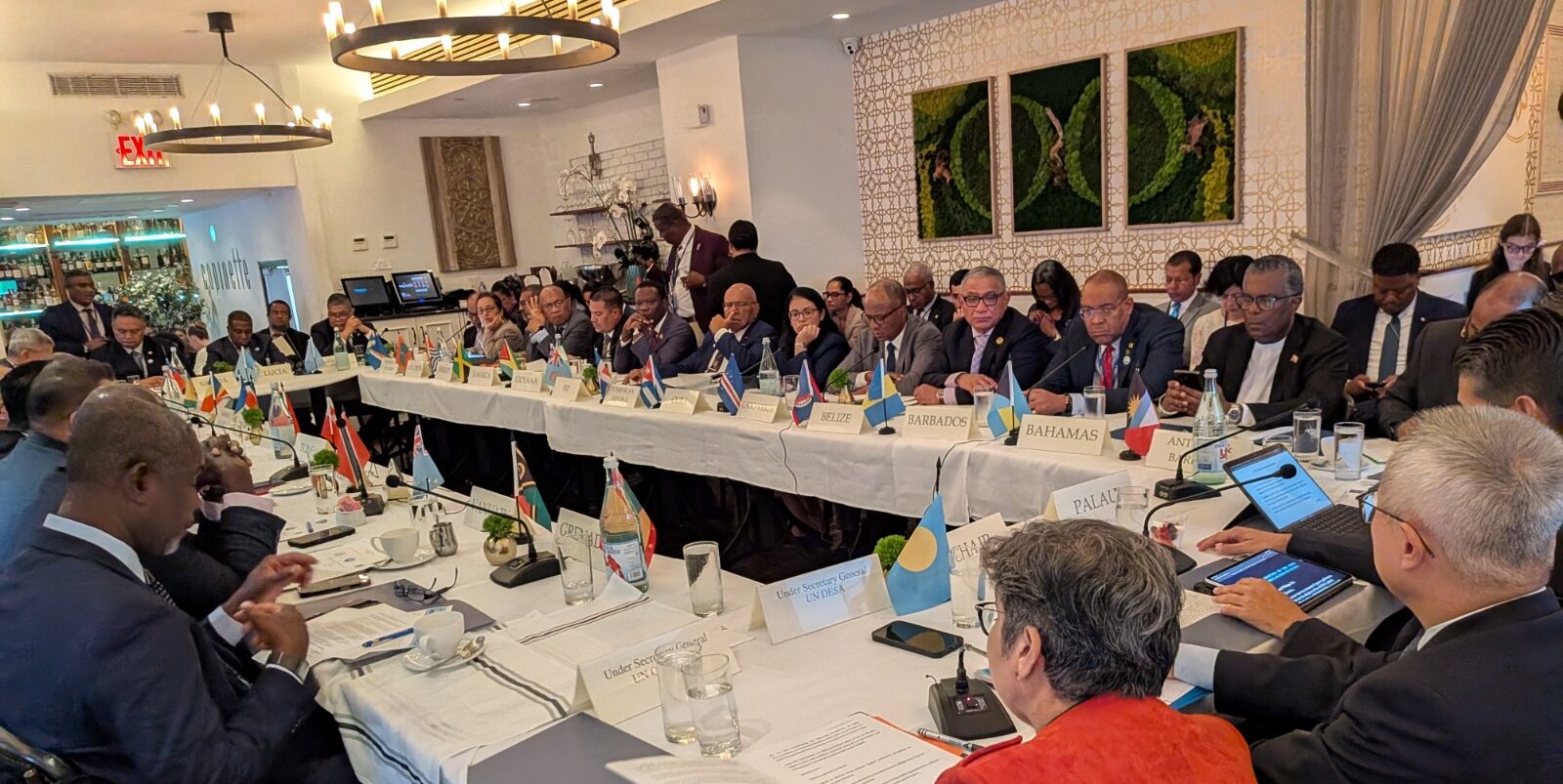
Small islands seek big changes; AOSIS urges legal application of SIDS’ special circumstances
In a landmark move during the 2025 United Nations General Assembly (UNGA), leaders of the Alliance of Small Island States (AOSIS) issued a historic declaration advocating for the recognition of the ‘Special Circumstances of Small Island Developing States (SIDS)’ as a principle of international law. Established in 1990, the 39-member alliance emphasized the urgent need for global acknowledgment of the unique challenges faced by small island nations, spanning the Caribbean, Pacific, African, Indian Ocean, and South China Sea regions. The declaration builds on long-standing efforts to address issues such as climate change, economic vulnerability, and environmental risks through international policies and frameworks. Dominica’s President, H.E. Sylvanie Burton, echoed these sentiments in her UNGA speech, calling for greater autonomy and support for small island territories. The declaration calls for concrete legal, financial, and institutional actions, including easier access to non-debt-creating financial aid, meaningful participation in global decision-making, and protection from disproportionate environmental and economic risks. Palau’s President Surangel Whipps Jr. highlighted the importance of recognizing these vulnerabilities, stating that treating small islands like larger nations undermines their ability to thrive and contradicts the international community’s pledge to leave no one behind. Belize’s Prime Minister John Briceño expressed strong support, calling the declaration a powerful affirmation of SIDS’ unique challenges. AOSIS leaders are urging the UN, international organizations, and financial institutions to integrate these principles into global frameworks, particularly those addressing climate change, biodiversity, pollution, and ocean governance. The declaration warns that failure to act could weaken fairness, undermine international efforts, and limit small islands’ participation in global decision-making.
-
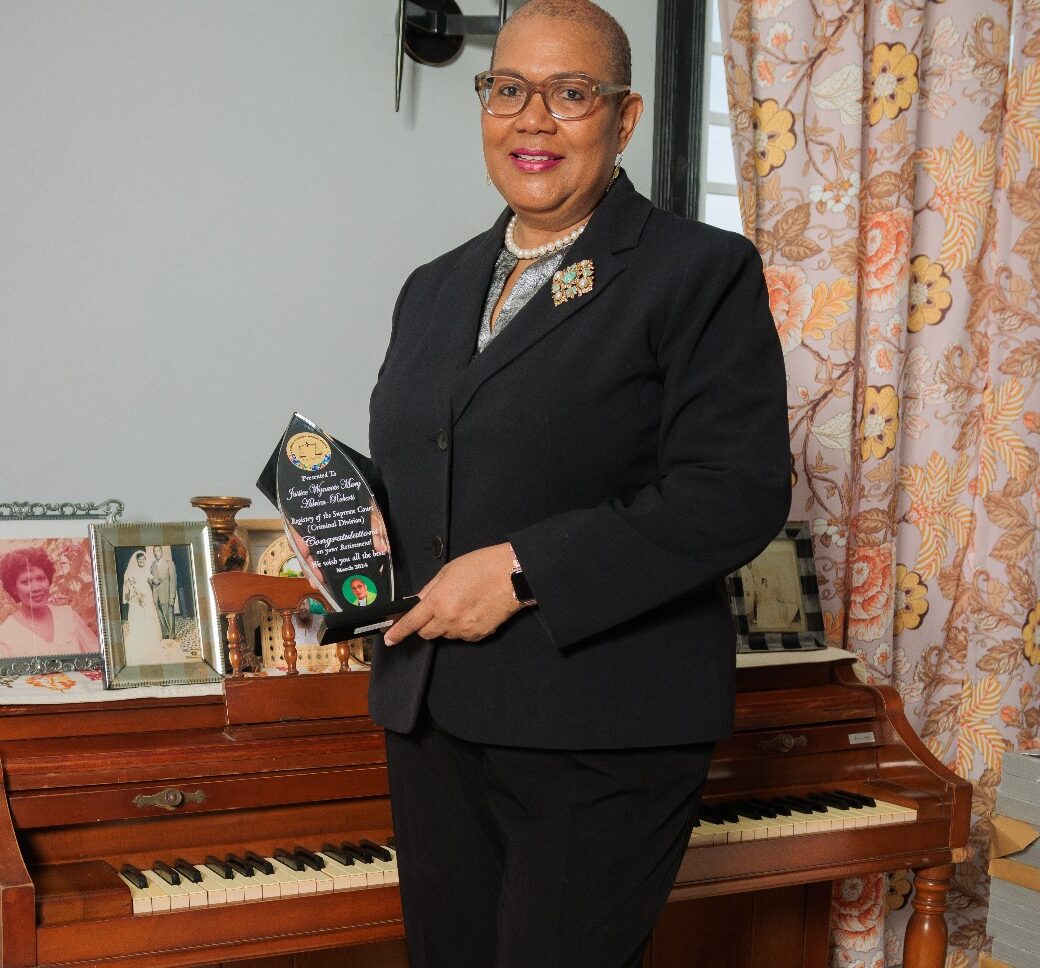
UWI’s Pelican Pride Episode 4 (FINALE): The Change Maker – Cozier Frederick
In the final episode of ‘The Change Maker,’ we spotlight Wynante Adrien-Roberts, a distinguished legal professional whose life and career are deeply rooted in her faith and love for family. Known for her humility and unwavering commitment, Adrien-Roberts has navigated numerous challenges with grace, consistently serving her community with integrity and excellence. Her expertise and wisdom have made her an indispensable figure in the legal landscape of our region. This profile not only celebrates her professional achievements but also highlights her personal values that inspire those around her.
-
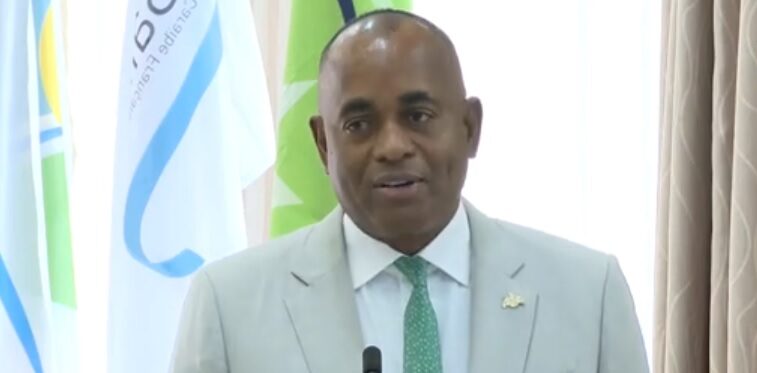
PM Skerrit states fervour for education reform, to his regional counterparts
Prime Minister Roosevelt Skerrit has issued a compelling call for education reform in the Caribbean, labeling it an ’emergency.’ Speaking at the 10th Meeting of the Organisation of Eastern Caribbean States (OECS) Council of Ministers for Education (COM:edu) held at the State House Conference Center, Skerrit emphasized the urgent need for systemic changes in the region’s education sector. He urged ministers to lead the transformation, stating, ‘You are fortunate as ministers to have the opportunity now to be the leaders in the reform we need today.’ Skerrit highlighted the global and regional imperative to address structural challenges, warning that the current system’s focus on exam preparation is insufficient. He also called for significant changes at the Caribbean Examinations Council (CXC), arguing that merely adding subjects to the curriculum is not progress. The meeting, which took place on September 25–26, 2025, aimed to advance the OECS Education Sector Strategy (OESS) 2012–2026, focusing on inclusive education, improved learning outcomes, and comprehensive reforms. Skerrit stressed that while access to education, inclusivity, and teacher training have been addressed, a paradigm shift is essential to prepare students for the future. ‘We have to equip our children with what they need today to live in this very difficult world,’ he concluded.
-
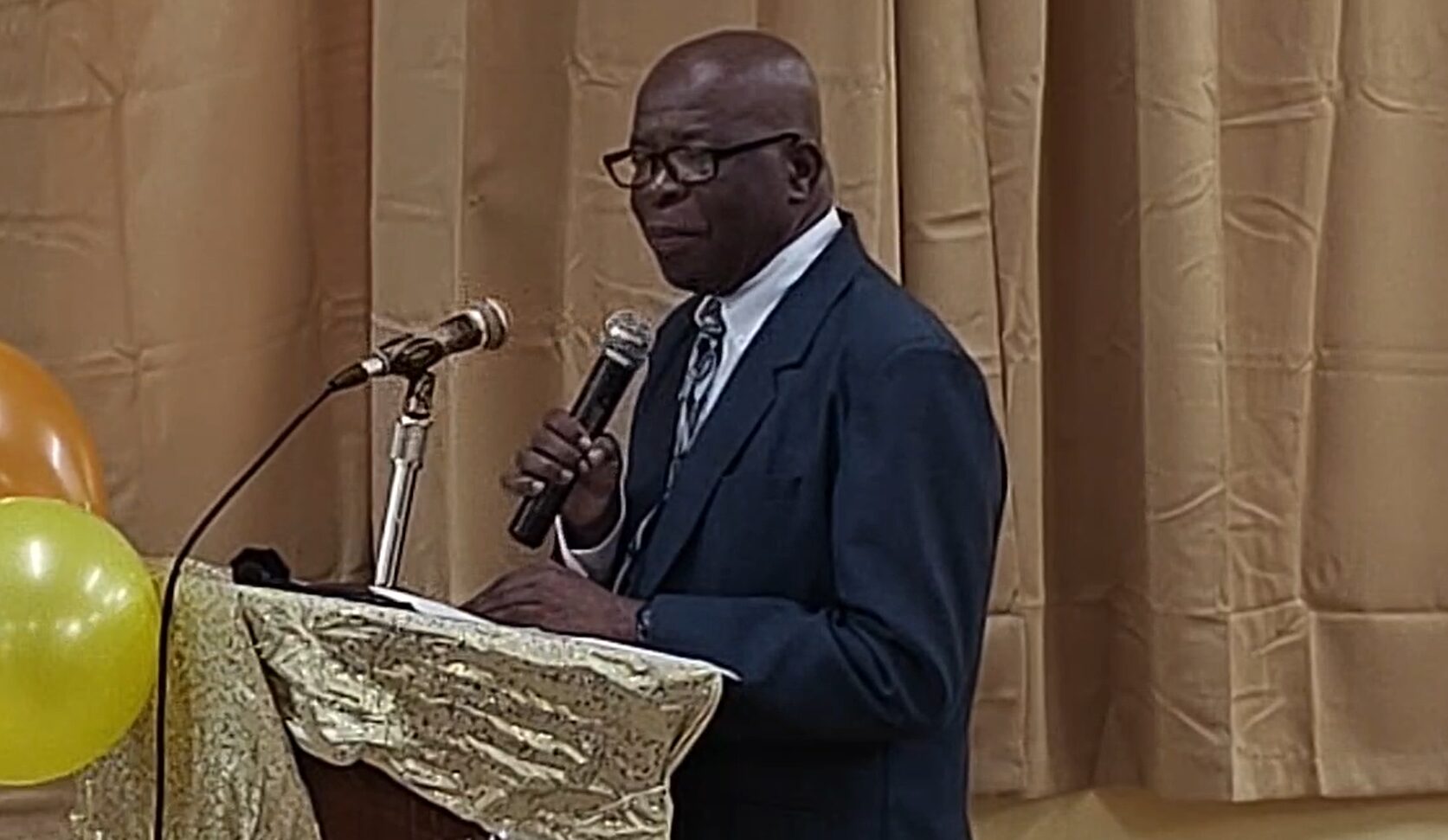
LIVE: Historic First Trade Union Congress aiming to unite all Trade Unions in Dominica
In the ever-evolving landscape of social media, engagement metrics continue to play a pivotal role in shaping content strategies. A recent analysis underscores the growing importance of interactive features such as sharing, tweeting, and pinning posts. These actions not only amplify reach but also foster deeper connections with audiences. The accompanying image, sourced from a reputable news platform, visually encapsulates this trend, showcasing a snapshot of a highly engaged post. As platforms evolve, understanding and leveraging these engagement tools will be crucial for content creators and marketers alike. The data suggests that interactive content is more likely to resonate with users, driving both visibility and impact.
-
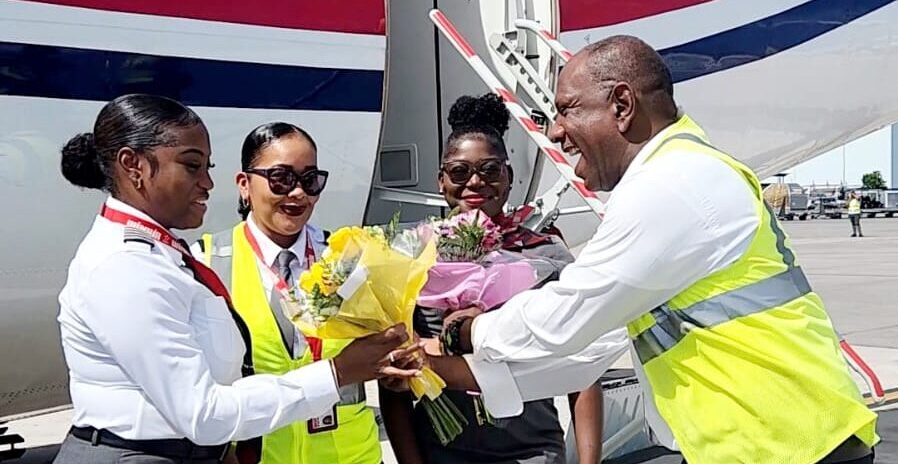
Dominican women two-out-of-three, in landmark WINAIR all-female flight
In a groundbreaking moment for Caribbean aviation, Windward Island Airways International (WINAIR) celebrated the successful operation of its first all-female flight on September 24, 2025. The historic journey connected Sint Maarten with Curaçao and Aruba, featuring a crew of three women, two of whom are native to Dominica, earning the title ‘daughters of the soil.’ The team included Captain Dannah Abraham, First Officer Alexandra Dupigny, and airhostess Kimone Eristhee. For Captain Abraham, who recently made headlines as WINAIR’s first female ATR captain, the flight held profound significance. She shared, ‘Today felt bigger than anything I’ve experienced before — it wasn’t just about being the first female captain, but about flying with an all-female crew. When women see us in these roles, they feel inspired and accomplished.’ Captain Abraham’s journey to this milestone was marked by perseverance. Starting as a flight attendant at 24, she faced setbacks but remained dedicated to her dream of becoming a pilot. Over a decade later, she achieved this remarkable feat. She emphasized, ‘It took time and dedication, but if you continue working towards your dream, your time will come — and when it does, you must be ready.’ Passengers on the flight responded with applause, celebrating the historic achievement. Captain Abraham expressed gratitude to WINAIR’s management, the outstation teams in Aruba and Curaçao, and the passengers who shared in the special moment. Pascalle Wong-A-Foe, WINAIR’s Marketing and Communications Manager, highlighted the broader significance of the flight, stating, ‘This historic flight is more than a milestone for WINAIR — it is a proud moment for the Caribbean. It symbolizes progress, empowerment, and the remarkable dedication of our women in aviation.’
-
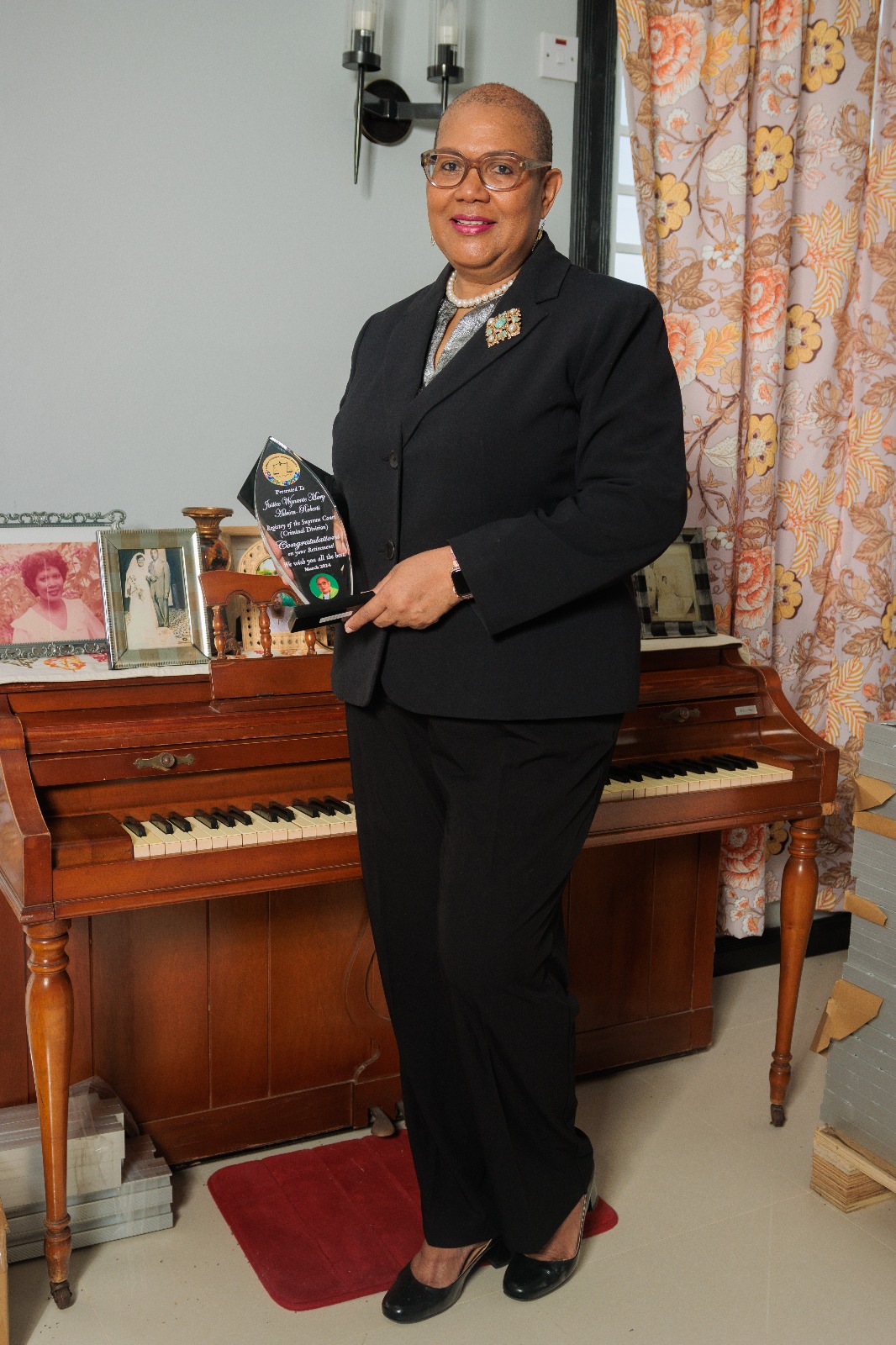
From 12PM on DNO: UWI’s Pelican Pride (Finale) Episode 4 – Wynante Adrien-Roberts – The Change Maker
In the final episode of ‘The Change Maker,’ the spotlight shines on Wynante Adrien-Roberts, a distinguished legal professional whose life and career are deeply anchored in her faith and love for family. Known for her unwavering humility and steadfastness, Adrien-Roberts has navigated numerous changes and challenges with grace, consistently serving her community with integrity and excellence. Her expertise and wisdom have made her a pivotal figure in the legal landscape of the region, inspiring many with her commitment to justice and service. This concluding segment of ‘Pelican Pride’ celebrates her remarkable journey and the profound impact she continues to make in her field.