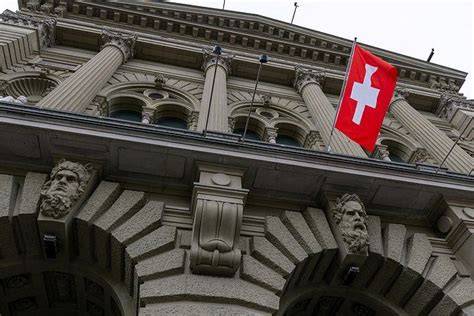
Switzerland has reaffirmed its commitment to facilitating diplomatic negotiations by maintaining open channels with all involved parties in the ongoing conflict. The Swiss Ministry of Foreign Affairs emphasized its readiness to host talks on its neutral territory, aiming to broker a fair and lasting peace. This announcement came in response to inquiries about the potential for negotiations in Geneva, a city historically known for hosting pivotal diplomatic discussions. The Ministry underscored its support for any initiatives that promote stability and fairness in resolving the crisis. Concurrently, political analysts have highlighted the growing urgency for a negotiated solution, particularly in light of unilateral proposals from the United States that have strained relations among European allies. Earlier this week, reports from U.S. media suggested that Russia and the United States have been engaged in secret consultations, reportedly drafting a 28-point plan to address the conflict between Kiev and Moscow. Switzerland’s proactive stance underscores its role as a neutral mediator in international disputes, offering a platform for dialogue amidst escalating tensions.
标签: Cuba
古巴
-
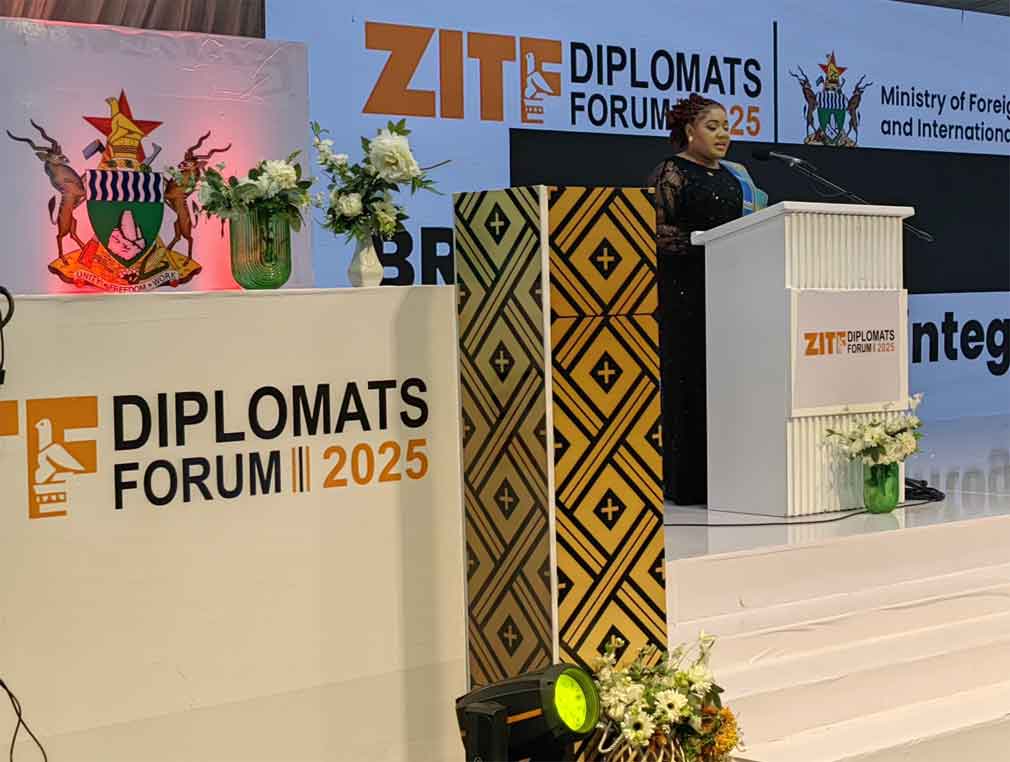
Zimbabwe’s deputy minister leads delegation to Havana Fair (+Photo)
Zimbabwe’s participation in the upcoming FIHAV 2025 underscores the enduring political, economic, and fraternal bonds between the nation and its historic ally. The delegation, led by Chikomo, comprises officials from key ministries such as Land, Agriculture, Fisheries, Water, and Rural Development; Information, Advertising, and Broadcasting; and Women’s Affairs, Community, and Small and Medium Enterprise Development. Their presence highlights Zimbabwe’s commitment to exploring new avenues for collaborative economic ventures. Additionally, representatives from the Trade Promotion Agency and biopharmaceutical firm BPZ will engage in a packed agenda at the event. Deputy Prime Minister and Foreign Trade and Foreign Investment Minister Oscar Perez-Oliva confirmed that FIHAV 2025, featuring the 8th Investment Forum and other high-level meetings, will host delegates from approximately 50 countries and the European Union, further solidifying its role as a global platform for economic cooperation.
-

Cuban historian: There may or may not be a war in the Caribbean
Renowned Cuban historian and professor at the Higher Institute of International Relations (ISRI), Alvarez, recently addressed a gathering at the Chilean Writers’ Society (SECH) in Santiago. The discussion centered on the themes of anti-imperialist struggles and the fundamental rights of nations to sovereignty and self-determination. Alvarez highlighted the escalating complexities in the Caribbean region, attributing much of the tension to the United States’ efforts to reassert its dominance in an area it has historically regarded as its sphere of influence. She expressed concerns over the potential for conflict, warning that even a minor incident could jeopardize not just the Caribbean nations but the entirety of Latin America. The historian pointed out that under the guise of combating drug trafficking, the US has significantly increased its military presence in the region. This includes the deployment of its largest aircraft carrier, the initiation of military exercises, and targeted attacks on vessels suspected of involvement in the drug trade. Alvarez emphasized that these aggressive actions have already resulted in the loss of over 80 lives. Furthermore, she criticized the ongoing US policy of intimidation against Venezuela, which has led to the Federal Aviation Administration (FAA) advising extreme caution for commercial flights over Venezuelan airspace. This advisory has prompted several airlines to suspend their services to Caracas, further isolating the country.
-
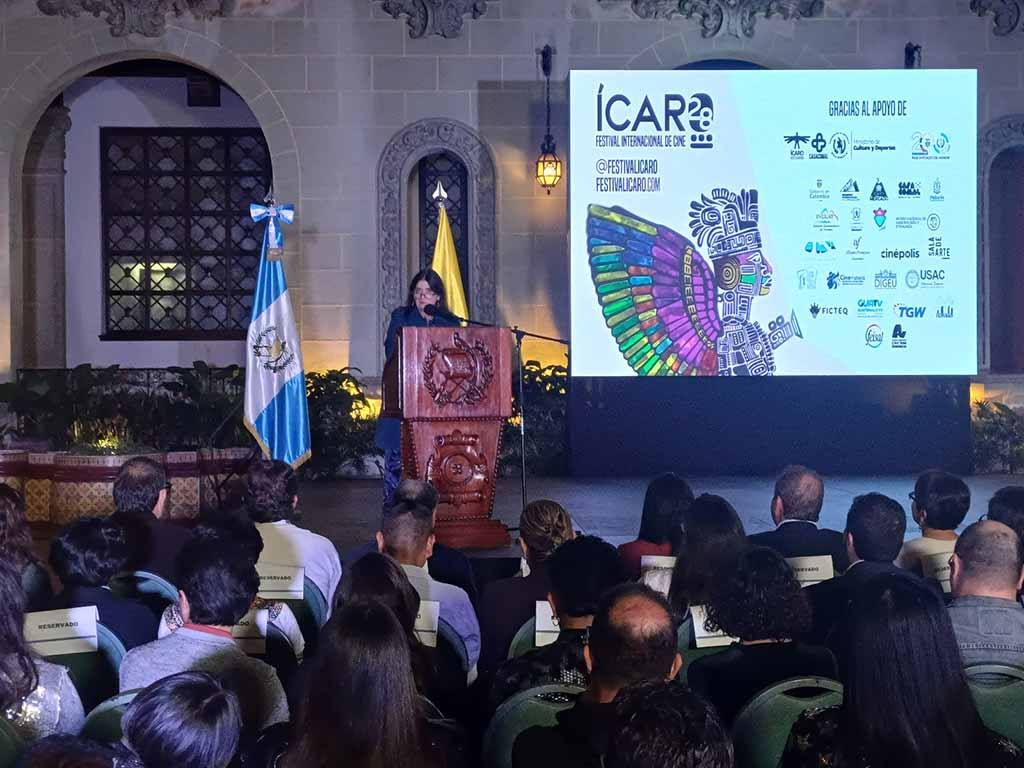
Guatemala honor Cuba’s International Film and Television School
In a notable departure from tradition, the Icaro International Film Festival held a special ceremony at the National Palace of Culture in the capital. Elias Jimenez, the Festival’s Executive Director, revealed that the event, typically reserved for the festival’s conclusion, was moved forward for a significant purpose. The decision was influenced by the presence of delegates from the Federation of Latin American Schools of Image and Sound (FEISAL), who are currently in the country. During the ceremony, the prestigious Icaro of Honor was awarded to ‘The Utopia of the Eye and the Ear,’ a pioneering school originally led by the renowned Fernando Birri. Jimenez emphasized the profound impact of the International School of Cinema and Television (EICTV) in San Antonio de los Banos, which has been instrumental in nurturing filmmakers across Latin America through its comprehensive programs and workshops. He also highlighted the visionary role of Colombian literary giant Gabriel Garcia Marquez, whose ideas have significantly contributed to the growth and dissemination of cinema in the region. The Icaro International Film Festival continues to serve as a global platform, celebrating the artistic achievements of audiovisual creators from Guatemala, Latin America, and beyond.
-
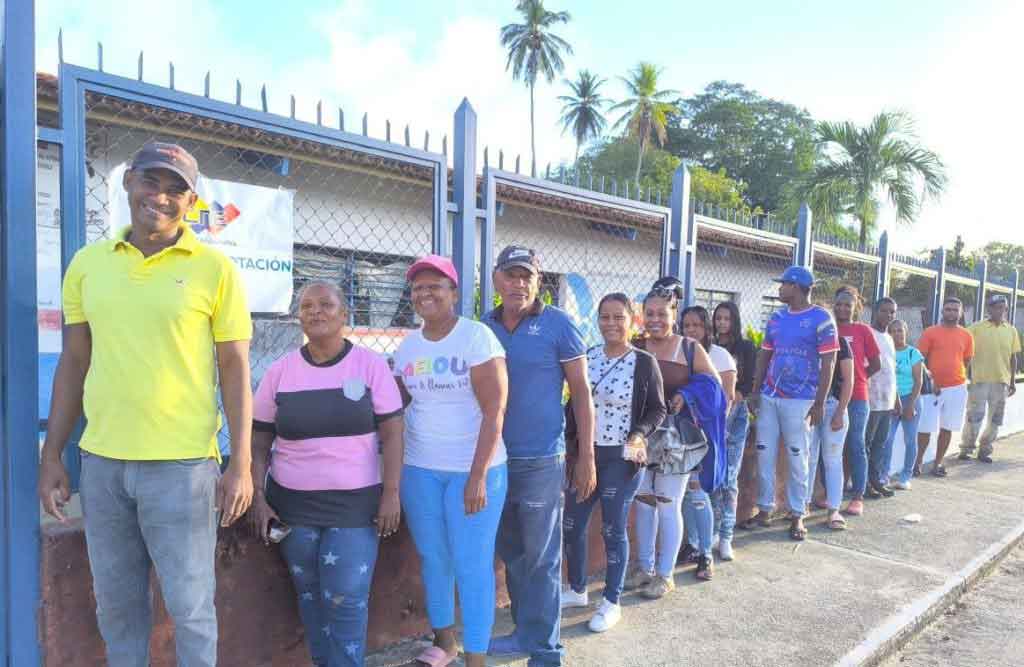
Venezuelans vote in 4th National Popular Consultation (+Photos)
Angel Prado, Minister for Communes, Social Movements, and Urban Agriculture, announced that the National Electoral Council (CNE) and Community Electoral Commissions have established 9,963 polling stations across 8,630 voting centers nationwide. This extensive setup is part of the preparations for the upcoming elections, which mark the 9th electoral event of the year, including three constitutional processes. Additionally, 19,926 Electoral Commissions have been activated to oversee the smooth operation of each voting center. These commissions consist of poll members tasked with ensuring transparency and efficiency during the voting process. The elections follow grassroots assemblies where citizens submitted proposals, resulting in the selection of 36,674 projects across 5,336 Community Circuits. Among these, 10,662 projects will be presented to citizens for voting, with implementation set to begin next week. The top two projects will receive funding, with the first-place winner financed by the national government and the runners-up supported by 24 departmental governments and 335 municipalities. This initiative builds on the success of 23,000 projects approved and executed over the past 18 months, which included community financing plans and the acquisition of technological equipment for youth.
-
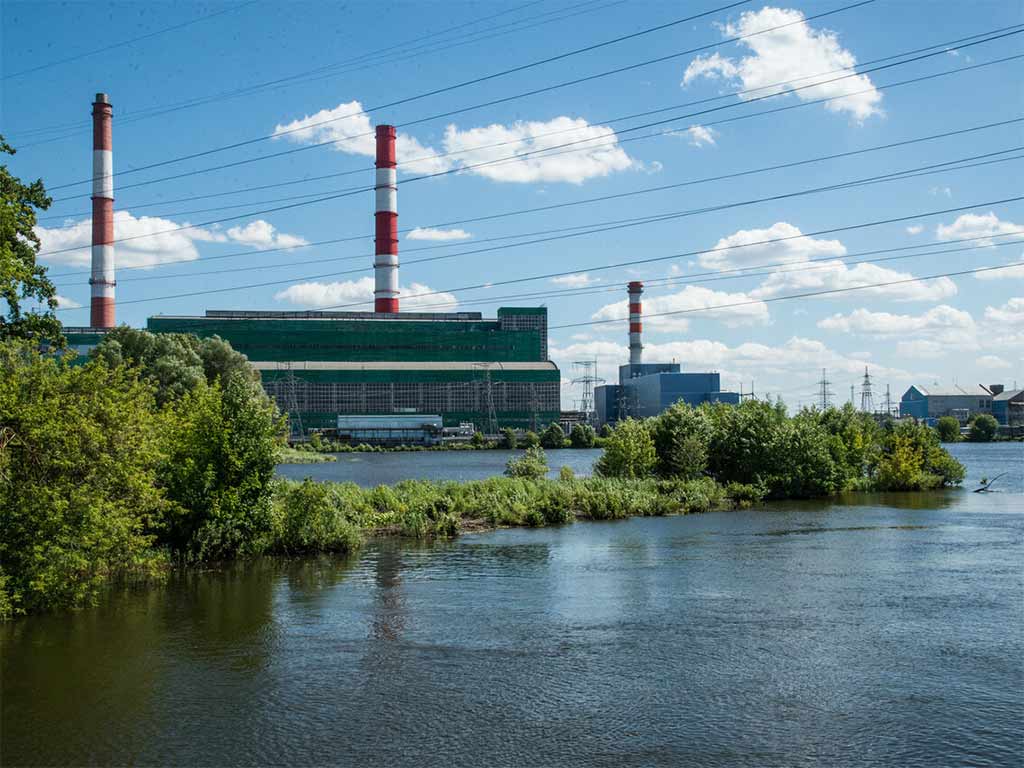
Drone attack hits power plant east of Moscow
In a recent incident, the Shatura hydroelectric power plant in Russia was targeted by a drone attack this Sunday. While air defense systems successfully intercepted and destroyed several drones, some managed to breach the plant’s perimeter, igniting a fire that has since been brought under control. The governor of the region, Andrei Vorobyov, confirmed the details via his Telegram channel, emphasizing that the attack did not disrupt the electricity supply to Shatura, a city with a population of approximately 36,000.
Vorobyov highlighted the swift activation of backup power lines to ensure uninterrupted service. Additionally, mobile modular boiler units were deployed to the municipality to provide heating support until the situation stabilizes. The governor reassured the public that the head of the Shatura municipality and emergency response teams are actively managing the situation on-site, stating, ‘The situation is under control; there is no danger to residents.’
This incident follows a broader escalation in drone warfare, as the Russian Defense Ministry reported shooting down 75 Ukrainian attack drones over the past day. These drones were allegedly targeting multiple regions in the European part of Russia, underscoring the growing tensions in the ongoing conflict.
-
Ecuadorian group affirms blockade on Cuba violates rights
In a recent communication to Alena Douhan, the UN Special Rapporteur on unilateral coercive measures, the Ecuadorian organization CPAZ highlighted the detrimental effects of the U.S. economic embargo on Cuba. The embargo, which has been in place for over six decades, has been described by CPAZ as ‘an act of genocide and the principal violation of human rights’ against the Cuban population. The group emphasized that the sanctions, particularly those reinforced between March 2024 and February 2025, severely impact essential sectors such as health, food, education, and technology access. CPAZ pointed out that these measures prevent Cuba from obtaining critical resources like medicines, medical equipment, agricultural inputs, credit, and advanced technologies. Additionally, the organization criticized the extraterritorial provisions of the Helms-Burton Act, which deter foreign investment and penalize third-country companies engaging with Cuba. The statement underscored the dire consequences for Cubans, including restricted access to cancer medications, HIV/AIDS treatments, diagnostic equipment, and surgical supplies, as international suppliers avoid trade with Cuba due to fear of U.S. sanctions.
-
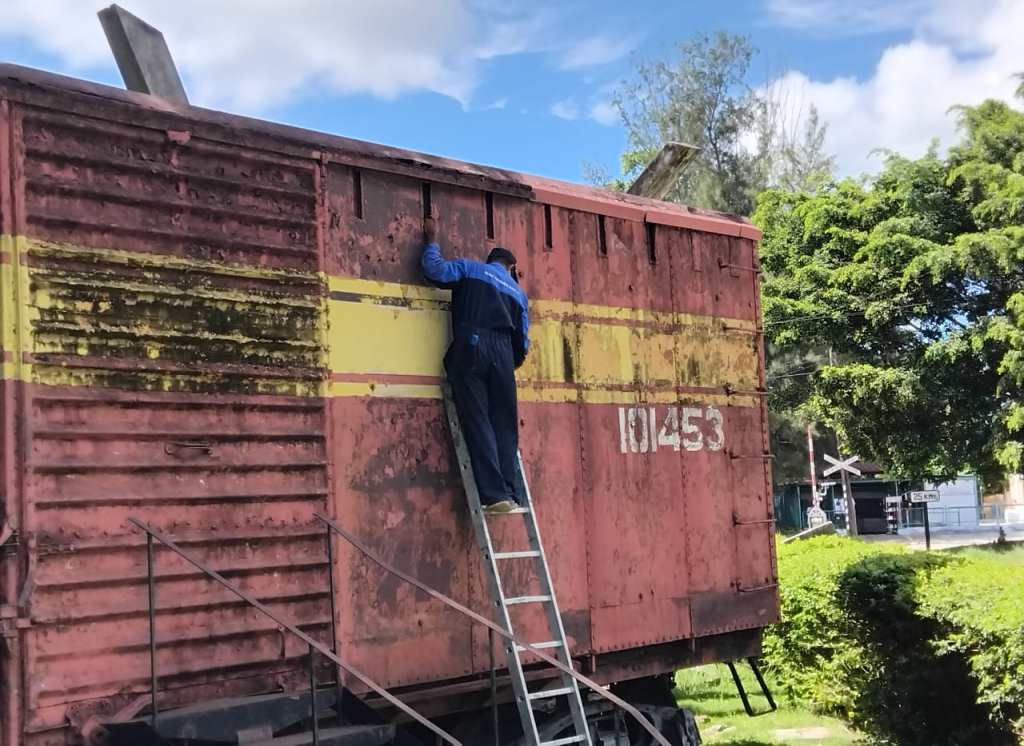
Restoration of Ernesto Guevara Museum Progresses in Cuba
At a site declared a National Monument in 1990, restoration teams are diligently working across various sections, with primary focus on repairing train cars and constructing a protective wall to mitigate the impact of a nearby river. This unique location, designed by the acclaimed Cuban architect Jose Delarra, commemorates the derailment and capture of an armored train by Che Guevara’s troops in December 1958 during the Battle of Santa Clara—a decisive moment in the Cuban Revolution. The military convoy, laden with soldiers and weapons, was en route to reinforce dictator Batista’s troops in eastern Cuba but was intercepted by Che’s forces, altering the course of history. Lilian Laura Rodriguez, the museum’s director, highlighted the collaborative efforts of local entities, including Cuban Railways, the Institute of Hydraulic Resources, and the Provincial Directorate of Culture, in addressing the site’s primary challenges. The restoration plan aims to complete the first two train cars by December 29, marking the 67th anniversary of the historic event. Despite ongoing restoration work on planters, paving stones, and other sculptural elements like columns and pedestals, the museum remains open to the public, offering a glimpse into Cuba’s revolutionary past.
-

Israel arrests dozens of Palestinians after raids in the West Bank
In a series of coordinated operations across the West Bank, Israeli forces have arrested 55 individuals in Beit Ummar, located in the southern Hebron Governorate, alongside nine arrests in Nablus and one in Tulkarm. Concurrently, a military checkpoint was established in the village of Al-Mughayyir, where soldiers conducted extensive vehicle searches, leading to significant traffic disruptions. These actions come amid a surge in violent incidents involving Jewish settlers targeting Palestinian communities, exacerbating existing tensions in the region. Palestinian sources report that extremist settlers carried out 766 attacks against Palestinians in October alone. The situation further intensified yesterday when Israeli forces killed two young men in Kafr Aqab, a town north of occupied East Jerusalem. According to the NGO Defense for Children Palestine, over fifty Palestinian children have lost their lives due to Israeli fire since the start of the year, highlighting the escalating humanitarian crisis in the territory.
-
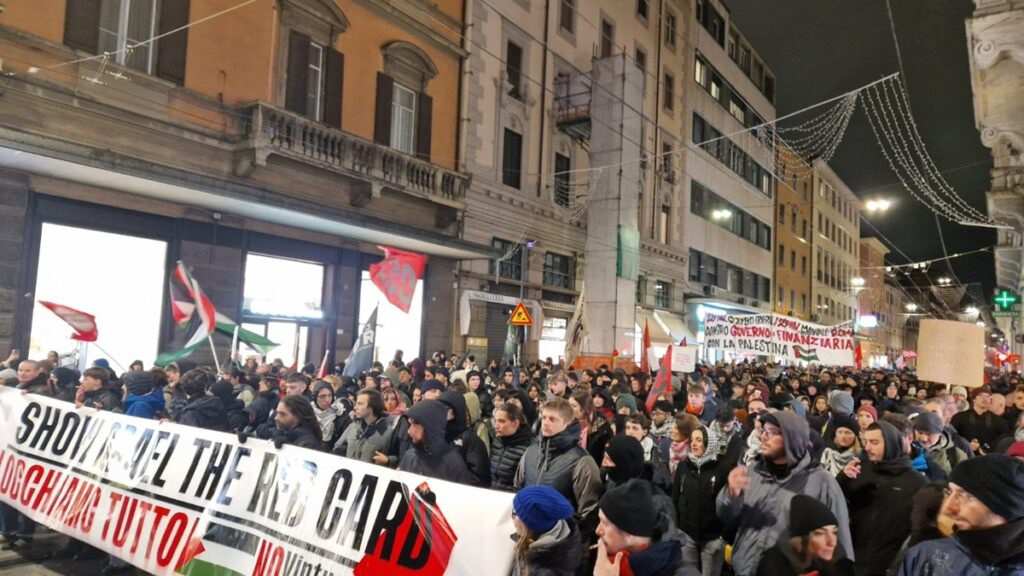
Demonstration in Bologna against Israeli crimes in Gaza
The historic Piazza Maggiore in Bologna, the capital of Italy’s Emilia-Romagna region, became the epicenter of a fervent protest in solidarity with the Palestinian people. Demonstrators, armed with Palestinian flags and impassioned slogans, marched through the city streets, as reported by Il Fatto Quotidiano. The protest, fueled by outrage over the ongoing Israeli military actions in Gaza—which have reportedly claimed over 67,000 Palestinian lives—quickly escalated into violent confrontations with law enforcement. Police deployed water cannons and charged at the protesters, who retaliated by hurling firecrackers, stones, and bottles. The streets between Via Lame, Via Marconi, Ugo Bassi, and Piazza Malpighi transformed into chaotic battlegrounds, with makeshift barricades intensifying the conflict. The clashes left eight police officers injured and 15 demonstrators under investigation. Meanwhile, the city center remained tense late into the night, with a heavy police presence working to restore order and prevent further escalation. The protest coincided with a scheduled Euroleague basketball game at the Paladozza sports center, where authorities had stationed a significant police force to block demonstrators from reaching the venue.