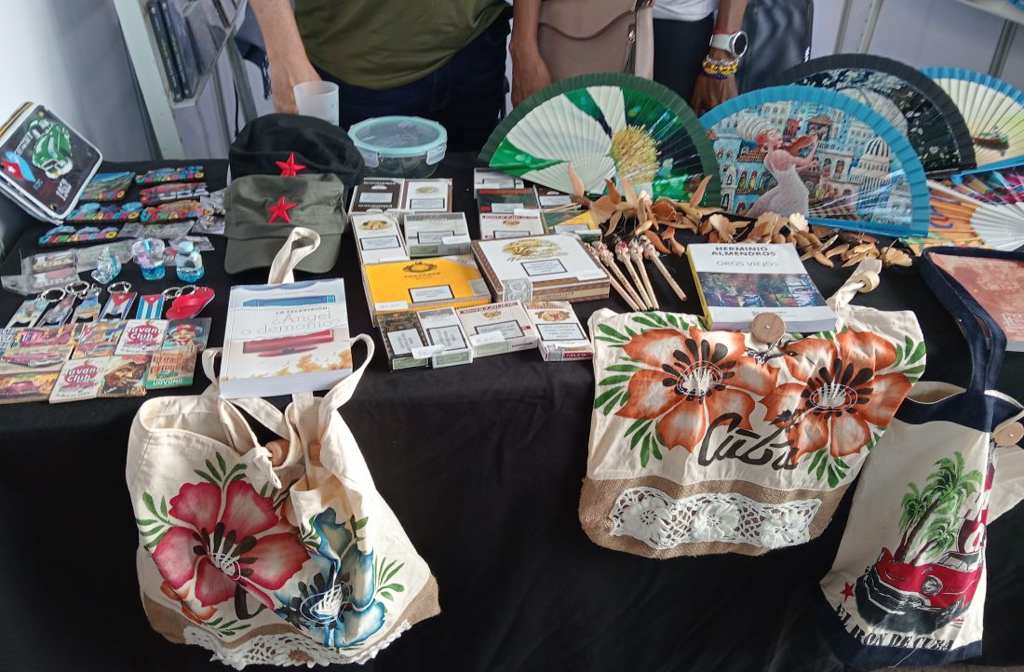
A vibrant showcase of Cuban culture is taking center stage at a prominent literary event, featuring an array of works from Ediciones Cubanas and other esteemed publishing houses. The exhibition highlights the literary genius of Cuban authors such as Eliseo Diego, Virgilio Pinera, and Herminio Almendros, alongside poetry collections and works exploring Afro-Cuban themes. Cetmilena Denny, e-commerce manager of the Soy Cubano agency, a subsidiary of Artex Artistic and Literary Promotions, emphasized the event’s mission to elevate Cuban writers on the global stage. ‘We are presenting a diverse selection to ensure our authors gain international recognition,’ Denny told Prensa Latina. Adding to the cultural richness, the event also celebrates Cuban music, thanks to the inclusion of the Bis Music record label, which is part of the Artex family. Attendees can explore iconic records from legendary artists like Omara Portuondo, Sindo Garay, Elito Reve, Maria Victoria, and Barbarito Diez, among others. This fusion of literature and music underscores Cuba’s enduring cultural legacy and its commitment to sharing its artistic treasures with the world.
标签: Cuba
古巴
-
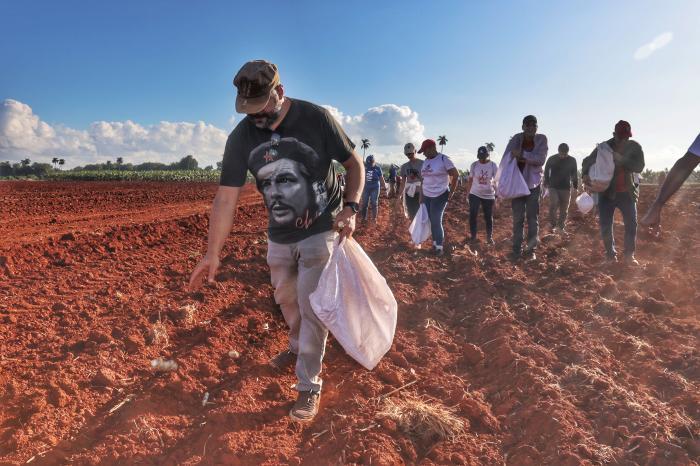
“Working, producing, creating, and fighting is the best summary of these hours
On November 23, 2025, Cuba commemorated the 66th anniversary of Che Guevara’s first volunteer work with a nationwide day of unpaid productive labor. The event, held at the Los Tamarindos Agroindustrial Company in Artemisa, saw the participation of high-ranking officials, including President Miguel Díaz-Canel Bermúdez and Prime Minister Manuel Marrero Cruz. The day was marked by agricultural activities such as planting food crops, cleaning beans, and harvesting flowers, symbolizing the nation’s commitment to self-sufficiency and collective effort. The initiative also served as a tribute to Che Guevara’s enduring legacy of voluntary work, which has been a cornerstone of Cuban society since the 1959 Revolution. The event highlighted the importance of unity and hard work in overcoming the country’s current economic and epidemiological challenges. Participants emphasized the need for continued dedication to food production and community development, echoing Guevara’s belief that productive and creative work is the foundation of national prosperity.
-
A showcase of opportunities offered by the Cuban economy
The 41st Havana International Fair (Fihav 2025), the premier trade event in the region, commenced today with a focus on advancing strategic sectors of Cuba’s economy and positioning the nation as a dependable hub for international business. This year’s edition transcends conventional trade discussions by emphasizing high-potential areas such as renewable energy, artificial intelligence (AI), and integration into global blocs like BRICS. Deputy Prime Minister and Minister of Foreign Trade and Investment, Oscar Pérez-Oliva Fraga, highlighted the fair’s broader mission at a recent press conference, stating, ‘Fihav 2025 is not just a platform for trade; it’s a showcase of Cuba’s economic opportunities, rooted in innovation, sustainability, and global collaboration.’ The event features five thematic exhibition zones, including the ‘Made in Cuba’ pavilion, which spotlights the export potential of local products, particularly from micro, small, and medium enterprises (MSMEs) and production hubs. Another key area, ‘Renewable Energy in Cuba,’ promotes the island’s energy transition through panels on sustainable investments. Additionally, the ‘Digital Transformation and AI’ section explores the application of cutting-edge technologies in management and production. A dedicated segment on ‘BRICS and Integration Mechanisms’ highlights cooperative projects within frameworks such as ALBA-TCP, the EAEU, and ALADI. The ‘Unique Cuba’ sector underscores tourism’s role in driving economic growth through service exports and productive chains. Despite challenges posed by the U.S. blockade and the aftermath of Hurricane Melissa, Fihav 2025 has drawn participation from 47 countries and the European Union, including strategic partners like Russia, China, Spain, Italy, Mexico, Venezuela, and Saudi Arabia. Key sectors represented include agribusiness, biotechnology, medical services, tourism, energy, and logistics. The fair also hosts the 8th Investment Forum, featuring updates on Cuba’s Portfolio of Opportunities, and the Caribbean Banking Forum.
-
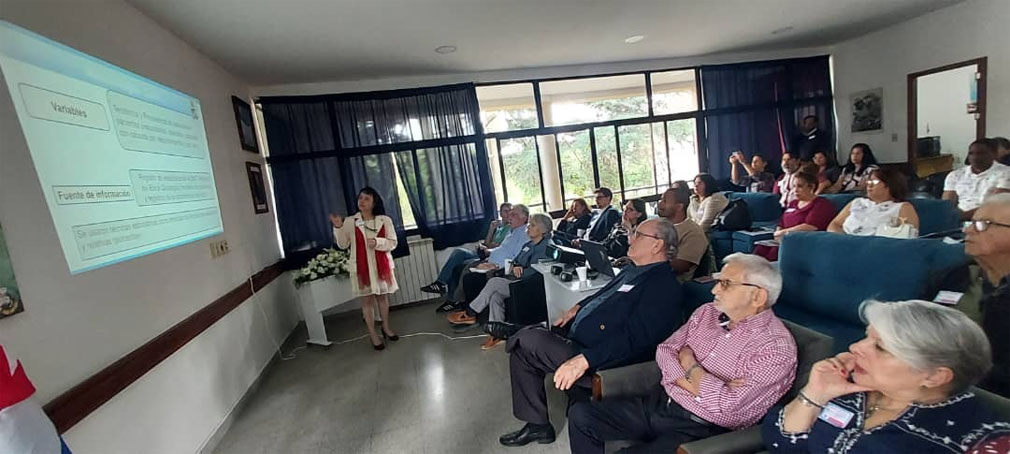
Uruguayan-Cuban Partnership at Ophthalmology Hospital in Montevideo
Cuba’s contributions to global ophthalmological care have reached remarkable milestones, with over 119,000 surgeries performed, more than 900,000 consultations conducted, and over 200,000 patients screened. Among these achievements, the oculoplastic service stands out, addressing both vision-related issues and cosmetic surgeries. Despite being a national reference center, the hospital has only one Cuban surgeon specializing in this field. Cuban and Uruguayan specialists have collaborated extensively, sharing expertise on topics such as visual health, technology, healthcare-associated infection prevention, age-related macular degeneration, and intraocular lens calculation. Dr. Adan Gonzalez, one of the more than 600 Uruguayan doctors who graduated from Cuba’s Latin American School of Medicine, emphasized the humanitarian nature of Cuba’s health cooperation. However, Antonio Pardo, the Charge d’Affaires of the Cuban embassy, denounced the US government’s attempts to undermine and discredit this cooperation. Pardo highlighted that Cuba’s ophthalmological brigade faces ongoing pressure from Washington in countries where it provides medical services.
-

Israel killed more than 340 Palestinians in Gaza after the truce
The Gaza Government Press Office has released a stark statement detailing the devastating impact of recent military actions in the region. According to the report, 24 individuals lost their lives, and 87 others sustained injuries during a series of bombings that occurred just yesterday. The statement strongly condemned what it described as systematic violations of the previously agreed-upon truce, warning that such actions could reignite a new wave of violent clashes. The Israeli Army was reported to have conducted 142 targeted attacks on civilians, residential homes, and tents housing displaced persons. Additionally, there were 228 ground and air bombings, 21 incursions, and over a hundred demolition operations carried out during this period. The Palestinian Central Bureau of Statistics (PCBS) also highlighted a concerning increase in the number of settlers in the West Bank, now exceeding 770,000, with 336,000 residing in the occupied area of East Jerusalem. Furthermore, it was reported that a total of 2,382 square kilometers of land has been confiscated, amounting to 42 percent of the West Bank’s territory.
-
India advocates for human-centered technologies
During a session titled ‘A Fair and Equitable Future for All: Critical Minerals, Decent Work, and Artificial Intelligence,’ Indian Prime Minister Narendra Modi underscored the importance of making advanced technologies, particularly artificial intelligence (AI), globally accessible rather than confined to national boundaries. He advocated for open-source models over proprietary systems, emphasizing inclusivity and collaboration. Modi highlighted how India has embedded this vision into its technological ecosystem, yielding substantial advancements in space applications, AI, and digital payments, areas where India is a global leader. He stressed the need for equitable access, population training, and responsible deployment of these technologies. The Prime Minister also referenced the India-AI Mission, which aims to develop accessible high-performance computing capacity. Modi asserted that while AI should enhance human capabilities, ultimate decision-making must remain in human hands. He called for a shift in focus from ‘Jobs of Today’ to ‘Capabilities of Tomorrow’ and proposed the creation of a Global Framework for Talent Mobility in the coming years. Additionally, he extended an invitation to all G20 nations to attend the AI Impact Summit, themed ‘Sarvajanam Hitaya, Sarvajanam Sukhaya’ (Well-being for all, Happiness for all), scheduled for February 2026 in India. Concluding his address, Modi reaffirmed India’s commitment to global well-being, sustainable development, reliable trade, fair finance, and inclusive progress.
-
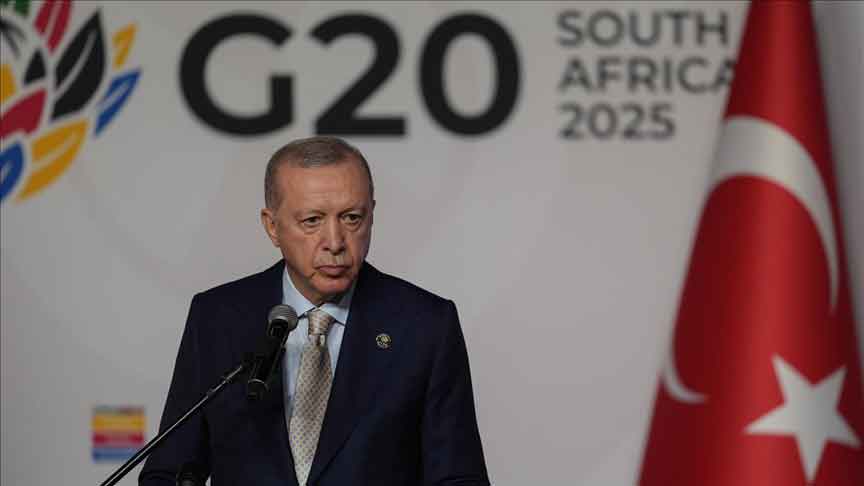
Erdogan: There will be no world peace without a Palestinian state
During a press conference concluding the G20 Summit in Johannesburg, South Africa, Turkish President Recep Tayyip Erdogan articulated a resolute stance on the Palestinian issue, as reported by the Anadolu agency. Erdogan declared that Turkey remains steadfast in its support for the Palestinian cause, asserting that this commitment is unwavering and fearless. He emphasized that Turkey will continue to advocate for the rights of the Palestinian people across all international platforms. Erdogan also condemned what he described as a ‘genocide’ in Gaza and other Palestinian territories, attributing responsibility to the Israeli government and Prime Minister Benjamin Netanyahu for the dire situation in the region. He reiterated his belief that the conflict in Gaza constitutes a genocide, a statement made amidst widespread international alarm over the high number of civilian casualties. Additionally, Erdogan commended South Africa for its ‘courageous and exemplary’ position on the Israeli-Palestinian conflict, particularly regarding its actions at the International Court of Justice, where South Africa has accused Israel of genocide. Turkey has expressed its support for South Africa’s legal initiative in various diplomatic arenas.
-
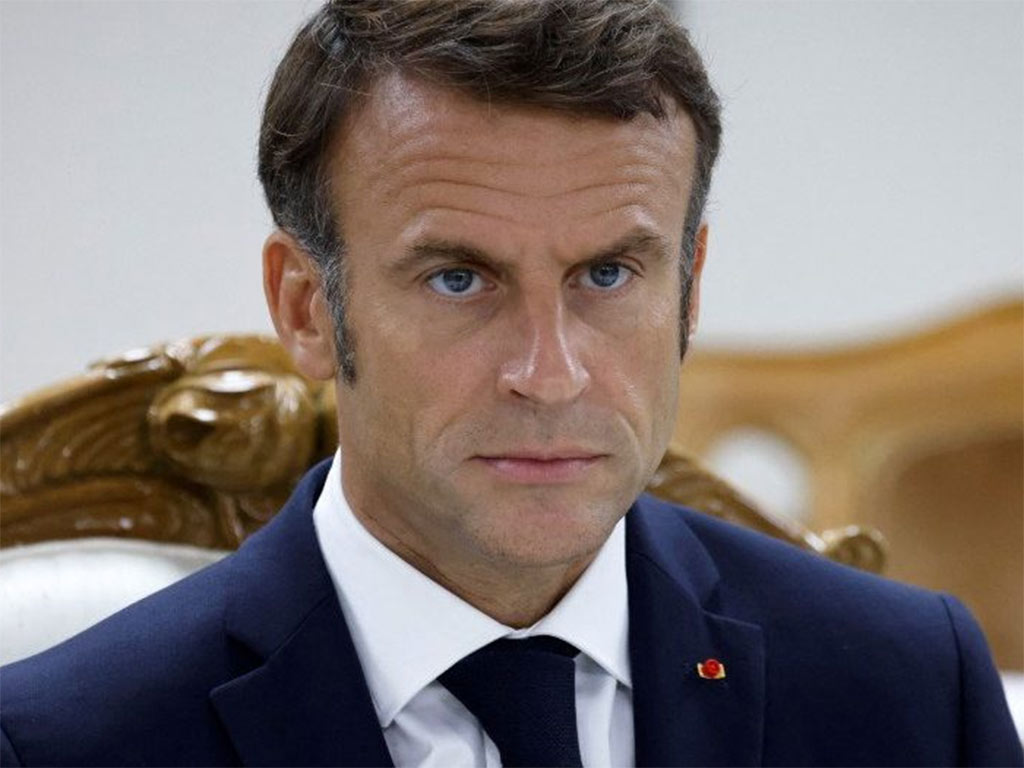
Macron’s popularity slumps for 2nd consecutive month
A recent monthly barometer released by the French Institute of Public Opinion (IFOP) and published in Le Journal du Dimanche reveals that President Emmanuel Macron’s approval rating is nearing the record low of 13 percent, previously set by his predecessor, Francois Hollande. Hollande, a member of the Socialist Party (PS), holds the unenviable title of the most unpopular president in the history of IFOP polls. Macron’s disapproval rating has now surged to 56 percent, reflecting growing discontent among the French populace. Frederic Dabi, IFOP’s Director General, suggests that Macron’s declining popularity is beginning to affect other key political figures within his administration, notably Prime Minister Sebastien Lecornu. Lecornu’s approval rating has dropped to 34 percent among 2,000 respondents surveyed in the past week, marking a four-point decline since October. France remains embroiled in a series of acute political crises and polarization, which have led to the rapid turnover of four prime ministers in less than a year. These include conservative Michel Barnier, who was ousted in December, centrist Francois Bayrou, removed in September, and Lecornu, who resigned in October only to be reappointed by Macron shortly thereafter.
-
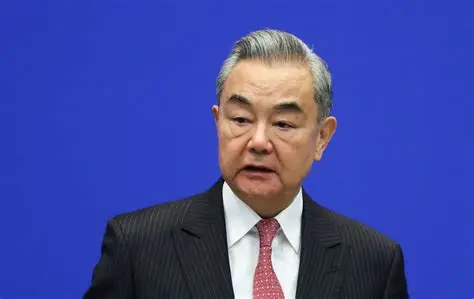
China: FM reiterates strong protest after Japanese comments
During a press conference following his diplomatic tour of Central Asian nations, China’s Foreign Minister Wang Yi issued a stern warning to Japan regarding its stance on Taiwan. Wang emphasized that any claims contradicting Taiwan’s status as an integral part of China cross unacceptable red lines and violate the commitments outlined in the four bilateral political documents between Tokyo and Beijing. He reiterated that Taiwan’s return to China was firmly established in key international agreements, including the Cairo Declaration, the Potsdam Declaration, and Japan’s Act of Surrender, which were outcomes of the Allied victory in World War II. Wang also highlighted that 2023 marks the 80th anniversary of the triumph over Japanese fascism and militarism, underscoring Japan’s enduring obligation as a defeated nation to honor these historical agreements. He stressed that any Japanese government, irrespective of its political affiliation, must adhere to these commitments. Wang Yi cautioned that if Japan continues to deviate from these principles, the international community reserves the right to revisit and scrutinize the historical crimes of Japanese militarism.
-
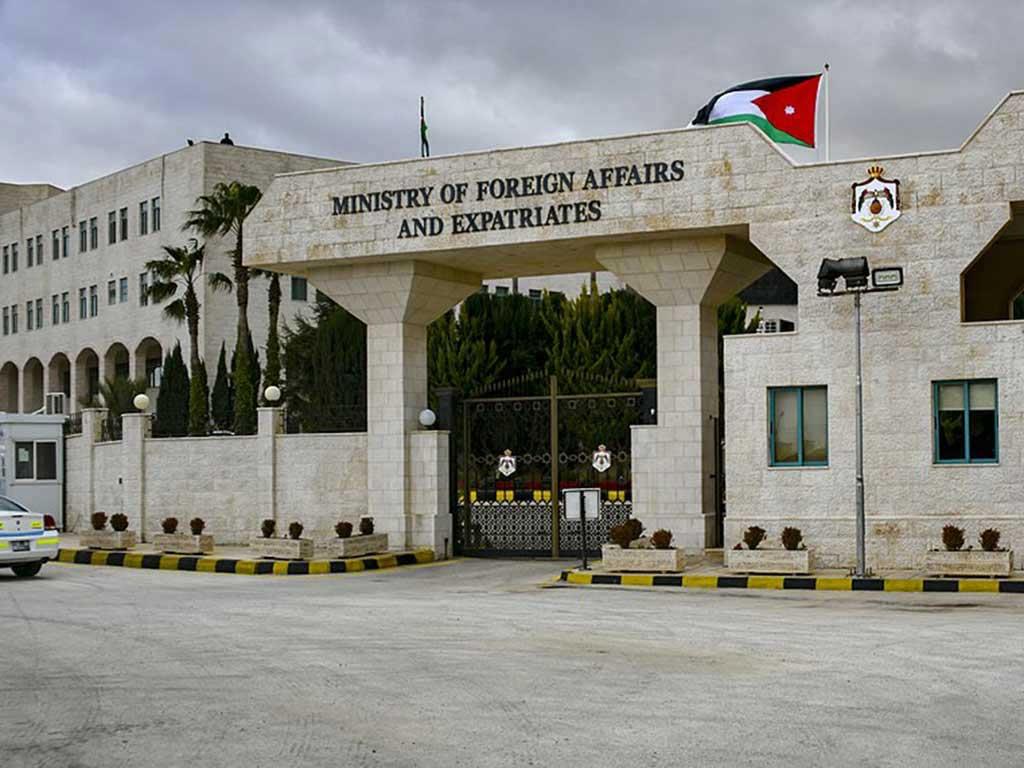
Palestine condemns Israeli violations and calls for international aid
In a strongly worded statement, the Ministry of Foreign Affairs and Expatriates accused a neighboring nation of perpetrating severe crimes and conducting a campaign of extermination against a densely populated coastal enclave, home to over two million people. The ministry condemned a recent surge in violent attacks that resulted in the deaths of 22 Palestinians, labeling these actions as blatant violations of international and humanitarian laws. The statement emphasized that the ongoing aggressive policies of the far-right government in the occupying state are clear indicators of its intent to sabotage any prospects for peace. Furthermore, the ministry criticized the occupying state for enforcing oppressive measures that blatantly disregard fundamental human rights and international legal principles. In light of these developments, the Foreign Ministry urged the United Nations Security Council (UNSC) and key ceasefire guarantor nations, particularly the United States, to take immediate and decisive action to address the situation and uphold their responsibilities.